Loading subject page…

- Physics
- Newton's Laws of Motion
- Weightlessness
Micro-course: Newton's Laws of Motion
274,837 views
Learn key concepts and earn your certificate.



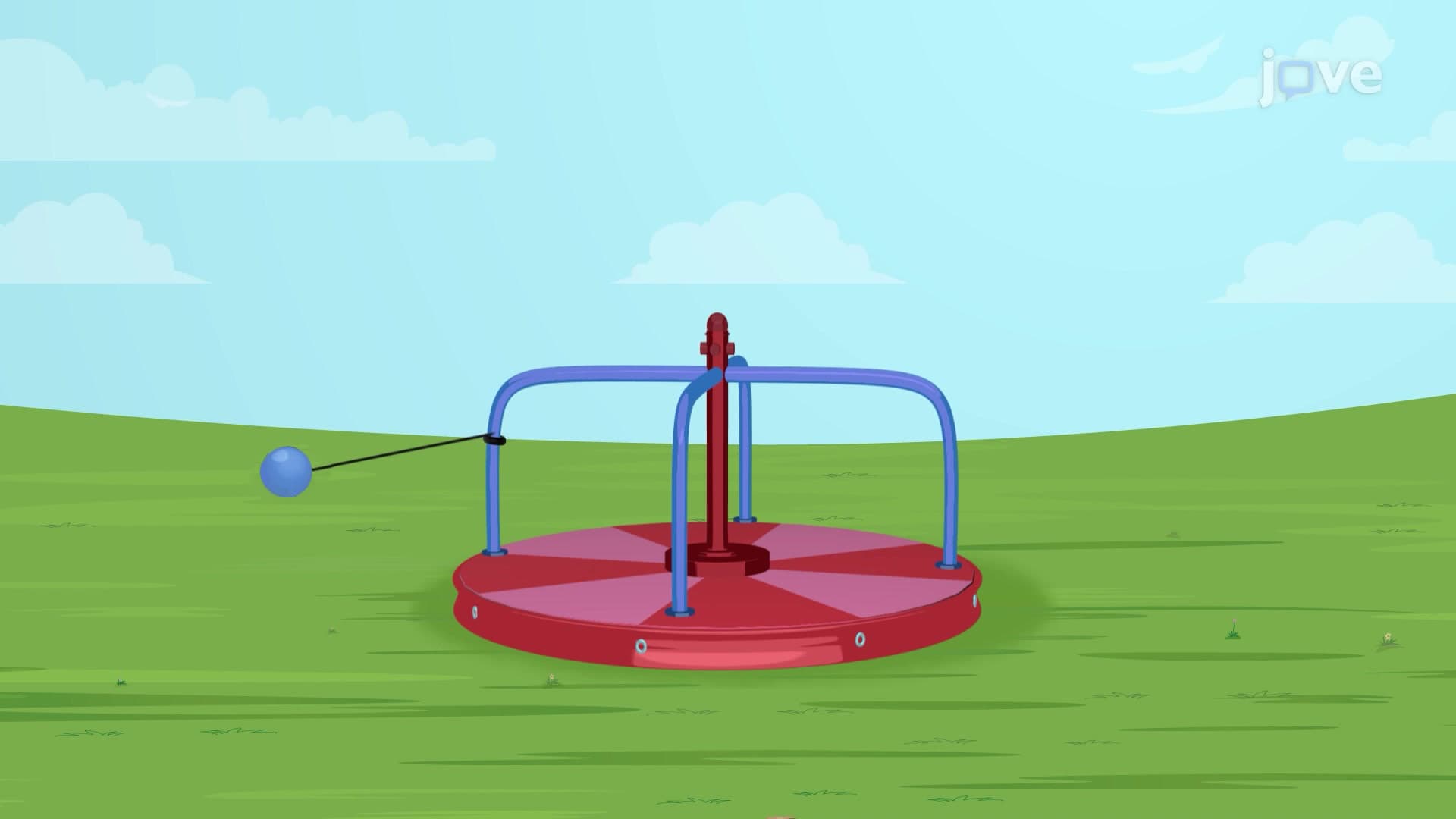
Weightlessness

00:00
01:01
Video Summary: What Is Weightlessness
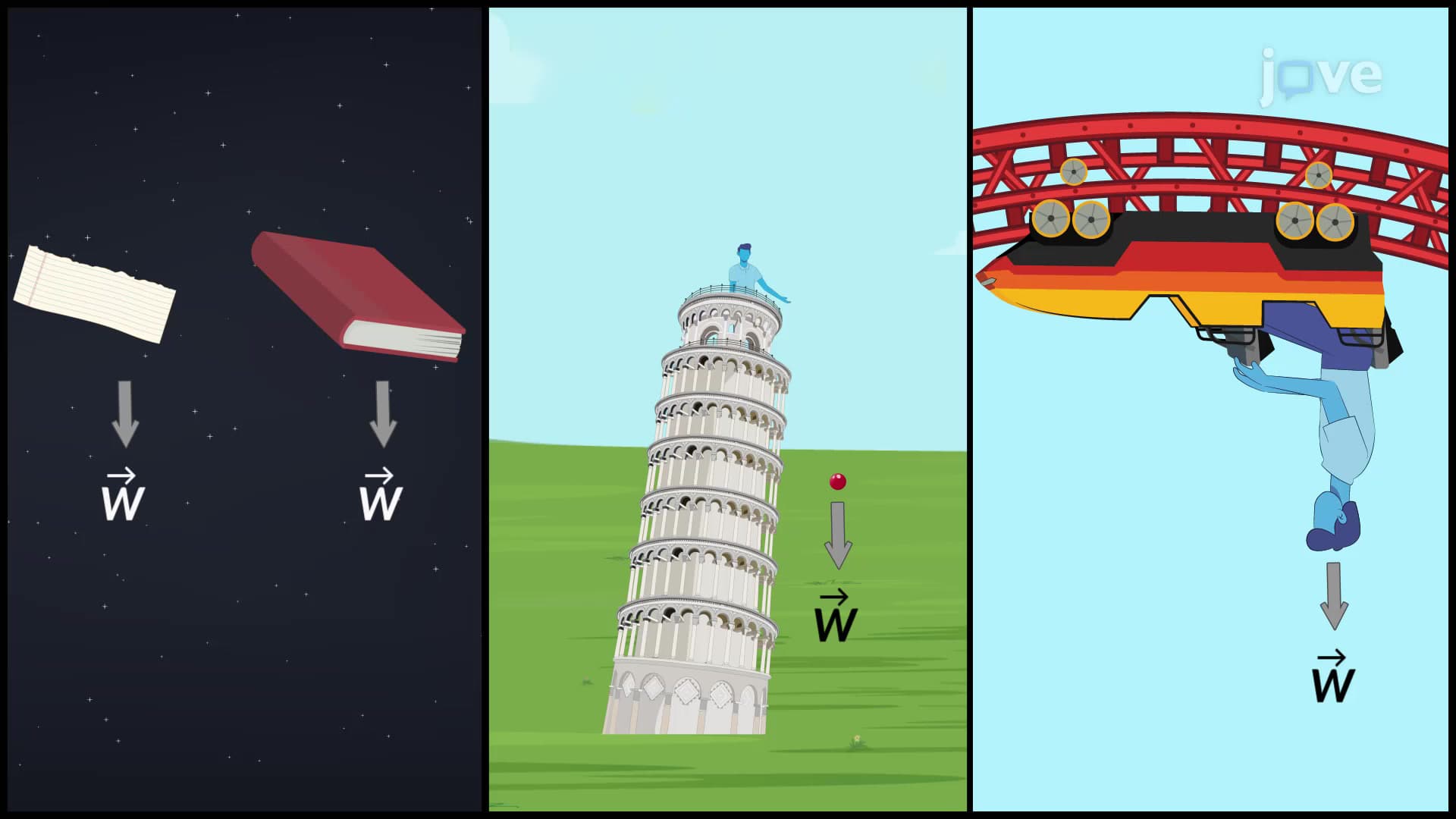
Ever wondered why astronauts float inside the International Space Station, or why you feel your stomach drop on a roller coaster? Weightlessness occurs when objects fall freely under gravity's influence without any contact forces acting upon them. During NASA's famous "Vomit Comet" training flights, astronauts experience true weightlessness as their aircraft follows a parabolic flight path. What is weightlessness reveals a fascinating physics principle where weight still exists, but the sensation disappears entirely. Watch the full video on JoVE Coach to master this concept with expert-led visuals and step-by-step explanations.
- Understand what is weightlessness and distinguish between the physical phenomenon and the sensation experienced
- Identify the conditions required for weightlessness to occur in freely falling systems
- Analyze the role of contact forces versus gravitational forces in creating weightless sensations
- Compare weightlessness experiences in different scenarios like elevators, roller coasters, and space missions
- Evaluate why objects of different masses fall at the same rate in a vacuum
- Apply Newton's laws to explain weightlessness in orbital mechanics and free-fall situations
- Recognize real-world examples of weightlessness in amusement parks and space exploration
- Explore the relationship between acceleration due to gravity and apparent weight changes
Understanding What is Weightlessness: The Physics Foundation
Weightlessness represents one of physics' most counterintuitive concepts, where objects appear to lose their weight despite gravity's constant presence. This phenomenon occurs when the only force acting on an object is gravitational force, eliminating all contact forces that normally provide the sensation of weight. Students often encounter this concept in AP Physics courses and college-level mechanics, making it essential for standardized test preparation.
The Science Behind Weightless Sensations
When we experience weightlessness, we're actually in free fall alongside our surroundings. Consider NASA's Reduced Gravity Aircraft program, where researchers conduct experiments in 20-30 second periods of weightlessness. During these flights, both the aircraft and its occupants fall at identical rates under Earth's gravitational influence, creating the sensation that gravity has disappeared.
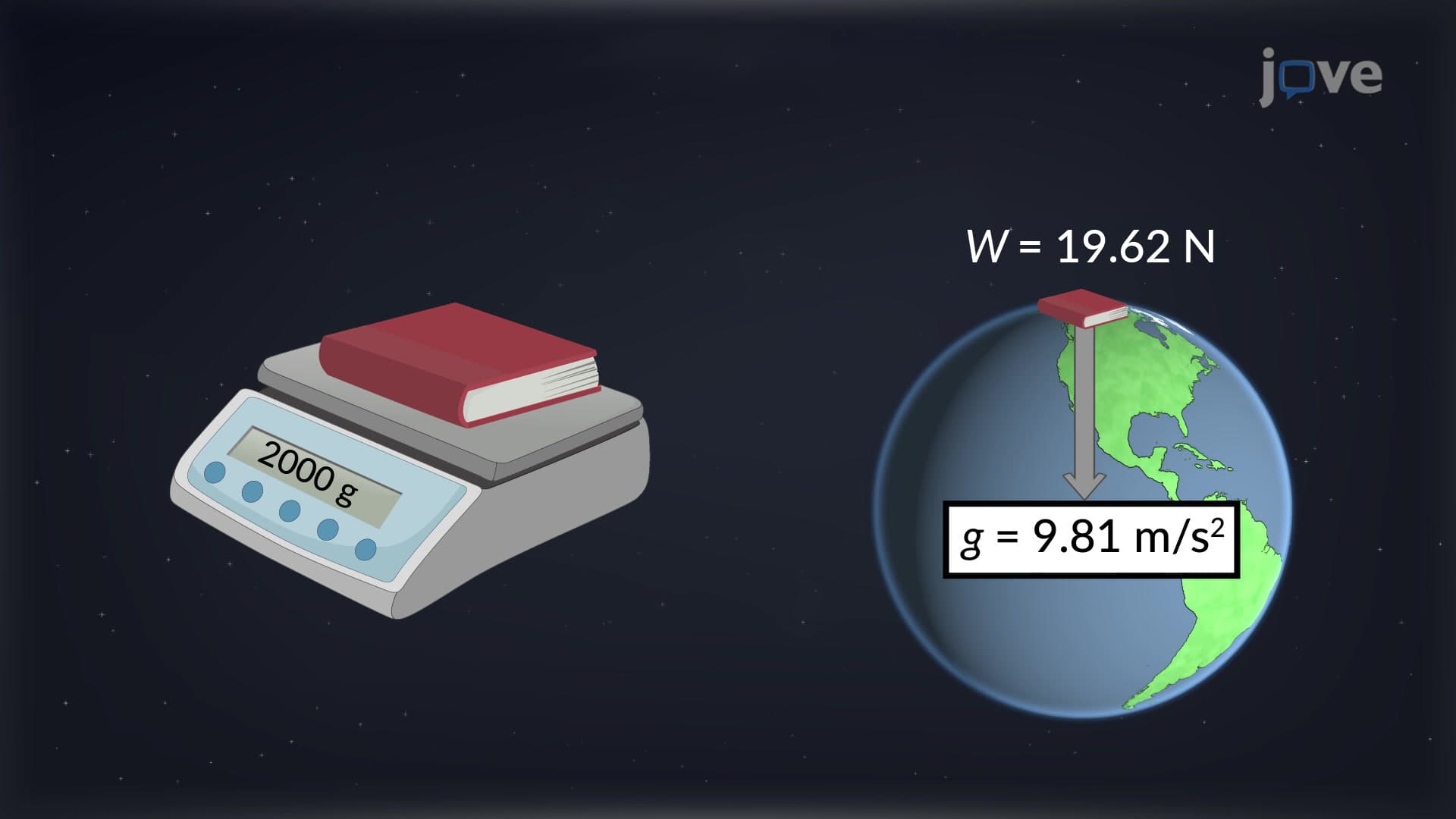
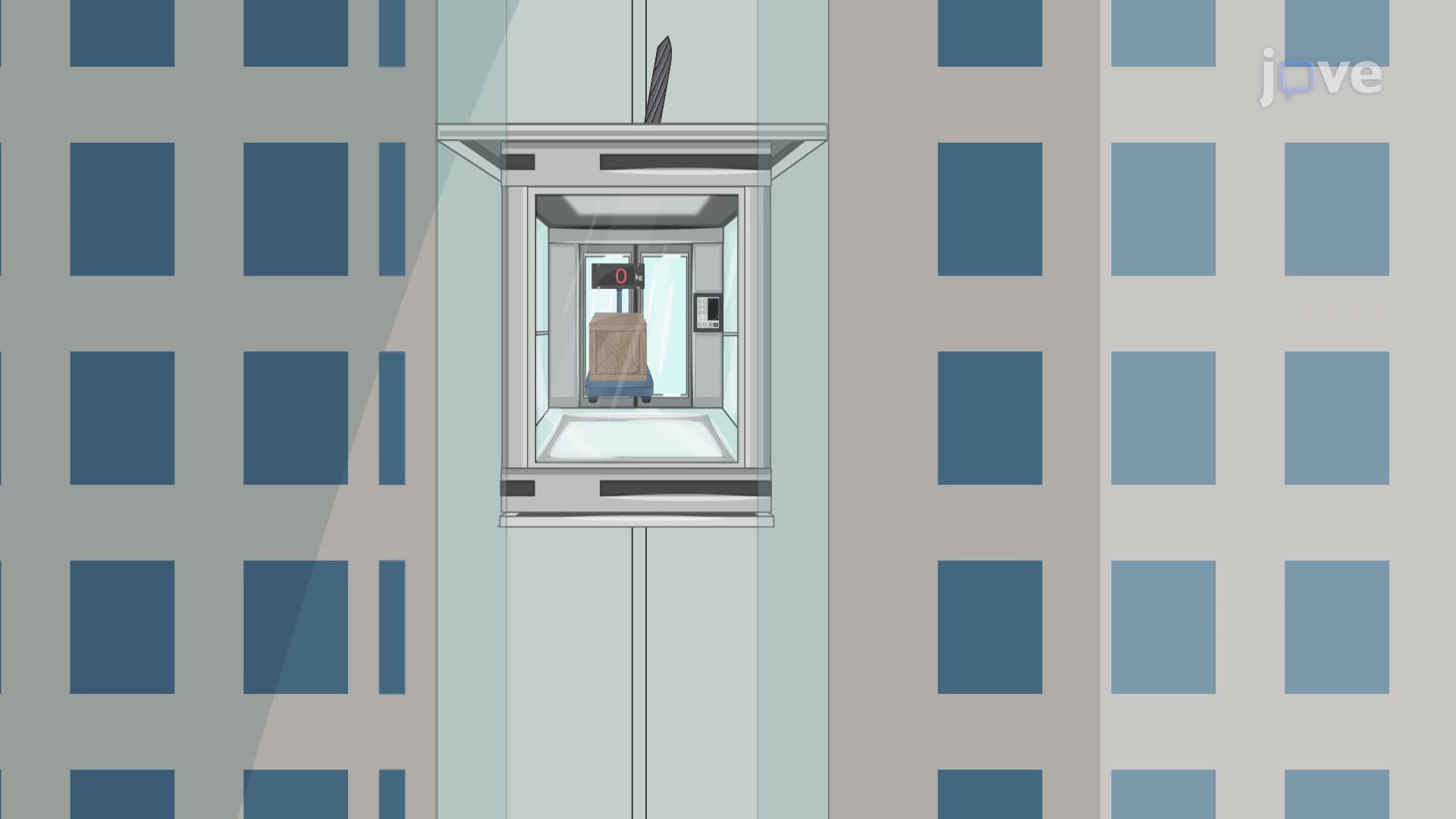
The key insight lies in understanding apparent weight versus actual weight. Your actual weight (mg) never changes on Earth, but apparent weight depends on contact forces from surfaces supporting you. In an elevator accelerating downward, you feel lighter because the floor pushes upward with less force. At the extreme, when falling freely, no contact forces exist-creating complete weightlessness.
Real-World Applications and Examples
Amusement parks across America capitalize on weightlessness principles. Six Flags' "drop tower" rides create brief weightless moments as riders fall freely before safety systems engage. Similarly, Cedar Point's roller coasters generate weightlessness sensations at hill crests where riders momentarily separate from their seats.
Space applications provide the most dramatic examples. The International Space Station orbits Earth in continuous free fall, with astronauts and station falling together toward Earth while moving forward fast enough to "miss" the planet. This creates perpetual weightlessness despite being only 250 miles above Earth's surface-well within our planet's gravitational influence.
Academic and Testing Implications
SAT Physics and AP Physics 1 exams frequently test weightlessness concepts through scenario-based problems. Students must distinguish between situations involving actual gravitational changes versus apparent weight modifications due to acceleration. MCAT physics sections similarly explore these principles in biological contexts, examining how weightlessness affects human physiology during space missions.
Understanding weightlessness enhances comprehension of broader physics concepts including Newton's laws, gravitational fields, and reference frames-fundamental topics spanning introductory through advanced undergraduate physics courses.
Frequently Asked Questions
Weightlessness is the sensation of having no weight that occurs when you're in free fall with no contact forces acting on your body. Despite feeling weightless, Earth's gravity still pulls on you-you just can't feel it because everything around you falls at the same rate.
AP Physics tests often present elevator scenarios, orbital mechanics problems, and roller coaster situations requiring you to analyze forces and calculate apparent weight changes. You'll need to distinguish between actual gravitational force and apparent weight sensations.
The MCAT physics section tests weightlessness to assess understanding of forces, acceleration, and physiological effects of altered gravity environments. Medical professionals must understand these principles for aerospace medicine and research applications.
During roller coaster hills and loops, you briefly experience free fall as both you and the car accelerate downward under gravity. This removes contact forces between you and your seat, creating momentary weightlessness until the track curves and normal forces return.
Basic algebra and understanding of force equations (F = ma) suffice for introductory weightlessness concepts. More advanced applications involving orbital mechanics require calculus, but fundamental principles remain accessible to high school students.
Practice drawing free-body diagrams for objects in elevators, on roller coasters, and in orbit. Focus on identifying when contact forces disappear versus when gravitational forces change. Work through numerical problems calculating apparent weight in different acceleration scenarios.
Aerospace engineers design spacecraft and simulate weightless environments, biomedical researchers study microgravity effects on human health, and amusement park designers create thrilling weightless experiences. NASA flight directors manage weightless research missions aboard the International Space Station.
Weightlessness links to circular motion, gravitational fields, Newton's laws, and reference frames. After mastering weightlessness, explore orbital mechanics, tidal forces, and Einstein's equivalence principle for deeper gravitational understanding.
Related Micro-courses
10 Concepts
15 Concepts

12 Concepts