Loading…
Loading video…

96,920 views

Ever notice how a Ferris wheel's shadow creates a back-and-forth pattern on the ground? Simple harmonic motion and uniform circular motion share this fascinating connection that explains everything from pendulum clocks to earthquake detection systems used by the US Geological Survey. By projecting uniform circular motion onto a straight line, we discover the mathematical foundation of oscillatory behavior that governs countless natural phenomena. Watch the full video on JoVE Coach to master this concept with expert-led visuals and step-by-explanations.
The relationship between simple harmonic motion and uniform circular motion reveals one of physics' most elegant mathematical connections. When an object moves in a perfect circle at constant speed, its projection onto any diameter creates simple harmonic motion. This fundamental principle explains why trigonometric functions perfectly describe oscillatory behavior in systems ranging from guitar strings to the suspension bridges spanning San Francisco Bay.
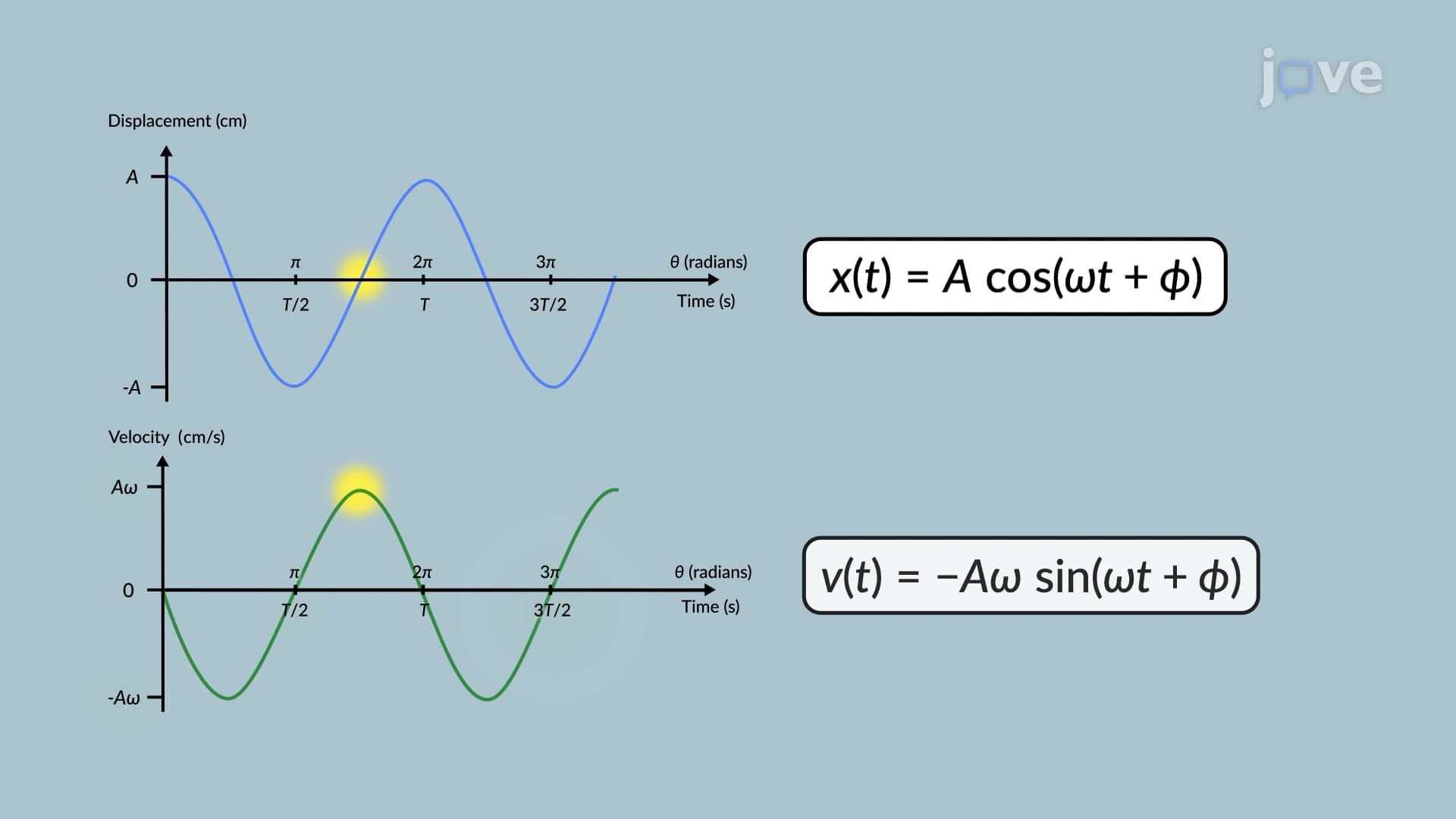
Consider a point moving in uniform circular motion with radius A and angular frequency ω. The position along the x-axis follows x(t) = A cos(ωt + φ), where φ represents the initial phase. The velocity becomes v(t) = -Aω sin(ωt + φ), and acceleration equals a(t) = -Aω² cos(ωt + φ). Notice how acceleration is always proportional to displacement but opposite in direction—the defining characteristic of simple harmonic motion.
This mathematical relationship appears frequently on AP Physics exams and college physics courses. Students often encounter problems involving pendulums, springs, or rotating machinery where understanding this circular-harmonic connection proves essential for solving complex oscillatory scenarios.
The aerospace industry heavily relies on these principles for satellite orbital mechanics and spacecraft attitude control. NASA's Jet Propulsion Laboratory uses simple harmonic motion analysis to predict oscillations in spacecraft solar panel arrays. Similarly, the petroleum industry employs these concepts in seismic exploration, where understanding wave propagation helps locate oil reserves beneath American soil.
Civil engineering applications include analyzing building oscillations during earthquakes. The Transamerica Pyramid in San Francisco incorporates damping systems based on simple harmonic motion principles to counteract seismic forces. Bridge designers use similar analysis to prevent resonance-induced failures like the infamous Tacoma Narrows Bridge collapse.
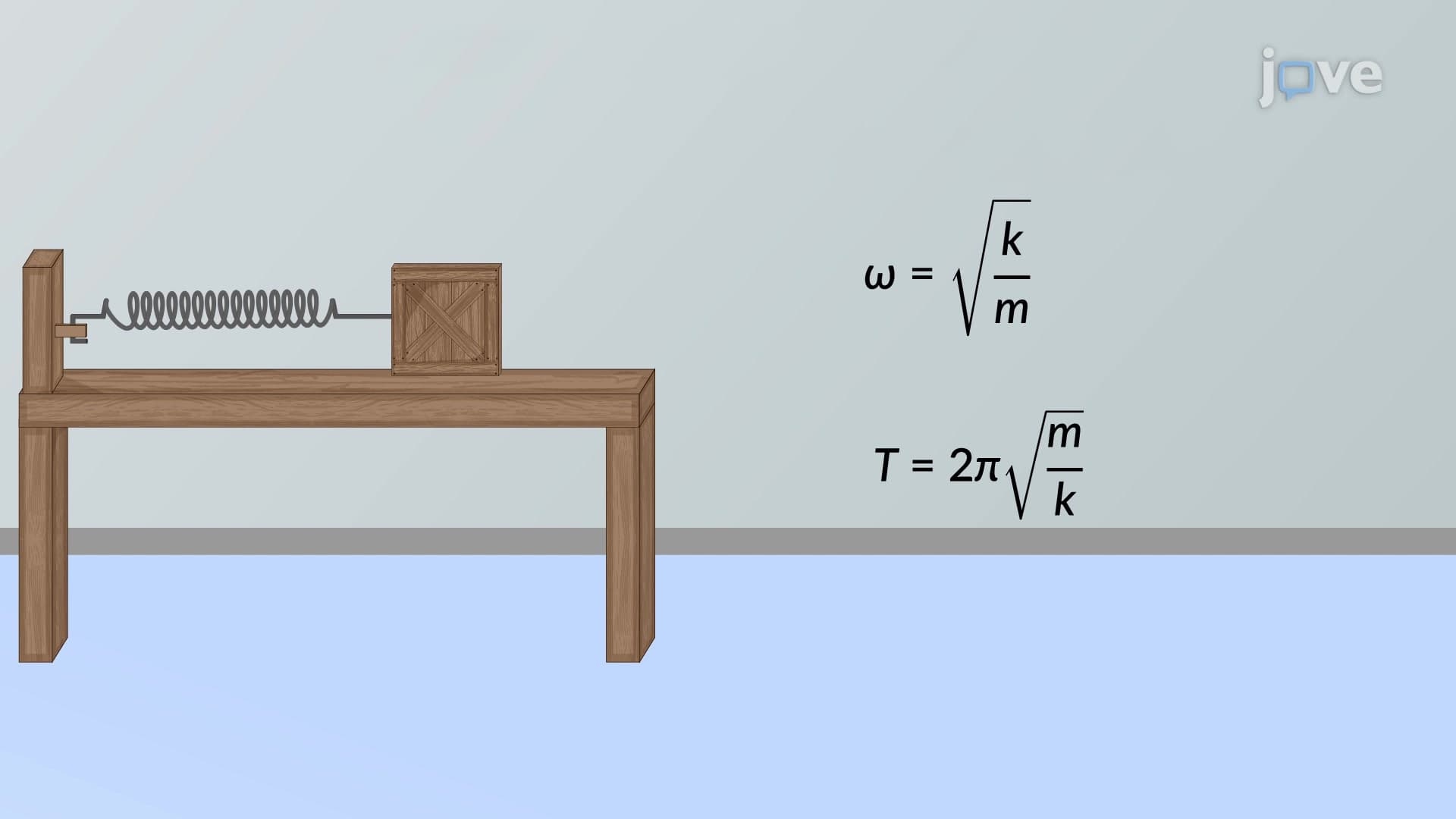
The period T = 2π/ω connects circular and harmonic motion through angular frequency. For circular motion, one complete revolution equals one period of the projected harmonic motion. This relationship enables engineers to design everything from precision timing mechanisms in American-made watches to the oscillatory circuits in radio transmitters across the United States telecommunications infrastructure.
Frequently Asked Questions
Simple harmonic motion occurs when an object oscillates back and forth with acceleration proportional to displacement, while uniform circular motion involves constant-speed circular movement. They're connected because projecting circular motion onto a straight line creates perfect simple harmonic motion. This relationship explains why trigonometric functions describe both rotational and oscillatory systems in physics.
Expect problems involving springs, pendulums, and rotating systems where you'll need to convert between circular and harmonic motion equations. Common exam questions ask you to find periods, frequencies, or maximum velocities using the circular motion connection. Practice identifying when circular motion projections apply to solve oscillatory motion problems efficiently.
Yes, particularly in physics sections covering waves, vibrations, and periodic motion. Medical applications include ultrasound imaging, where understanding harmonic motion helps explain wave propagation through tissues. The mathematical relationships between circular and harmonic motion frequently appear in MCAT physics passages about medical imaging technologies.
Engineers use these principles designing everything from earthquake-resistant buildings in California to precision instruments for NASA missions. Seismologists analyzing earthquake data rely on harmonic motion analysis, while aerospace engineers design satellite stabilization systems using circular motion projections to predict oscillatory behavior.
Not initially—the basic connection uses trigonometry you learned in high school. You can understand position equations like x = A cos(ωt) without calculus. However, calculus becomes essential for deriving velocity and acceleration relationships from position functions, which most college courses require.
Practice drawing circular motion diagrams and their corresponding harmonic motion graphs simultaneously. Focus on understanding how sine and cosine functions relate to different starting positions in circular motion. Work through problems involving springs and pendulums to reinforce the mathematical connections.
This foundation becomes crucial for studying waves, quantum mechanics, and electromagnetic theory in upper-level physics courses. The mathematical techniques you learn here apply directly to analyzing alternating current circuits, mechanical vibrations, and wave interference patterns that appear throughout advanced physics curricula.
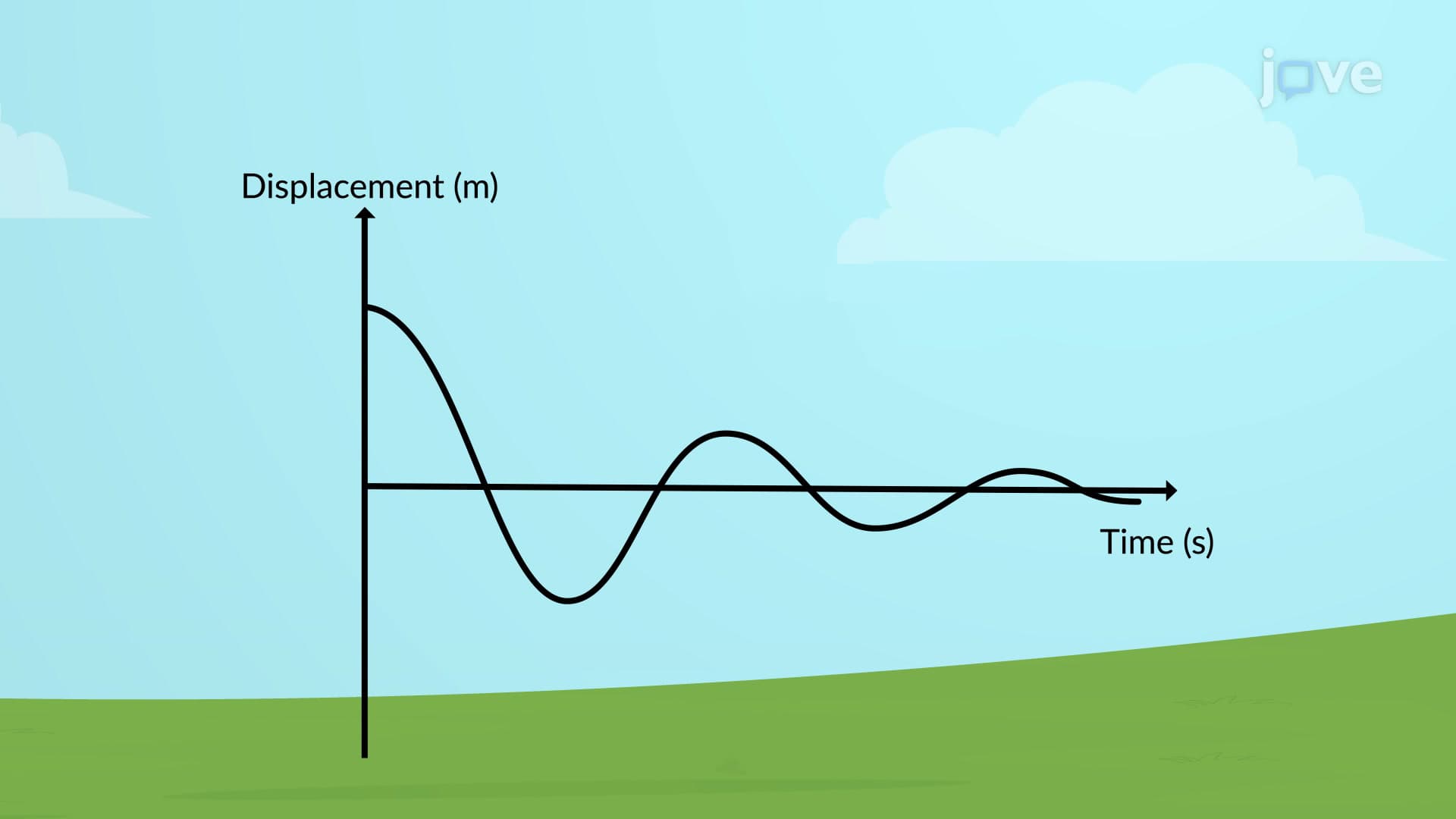
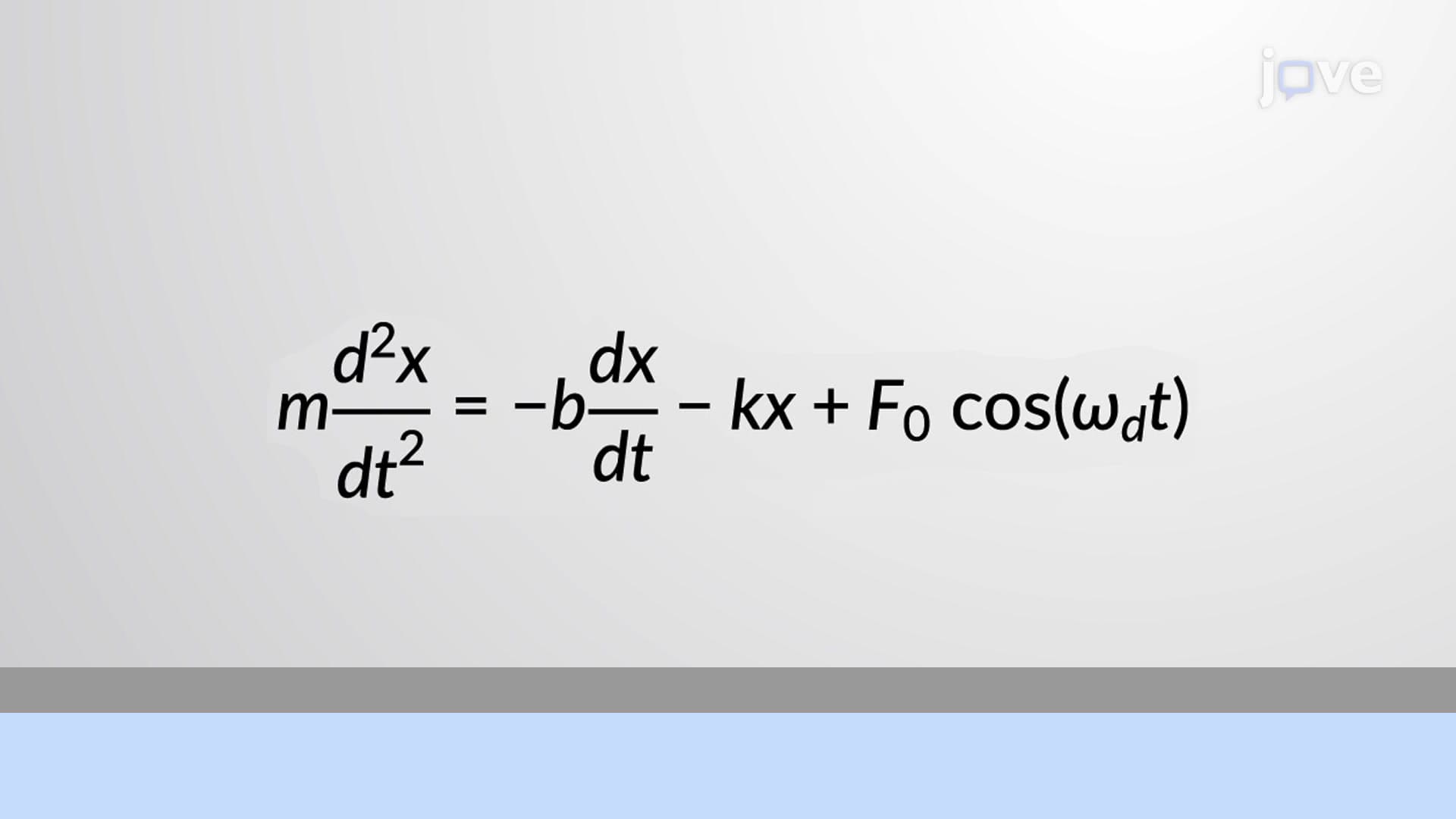
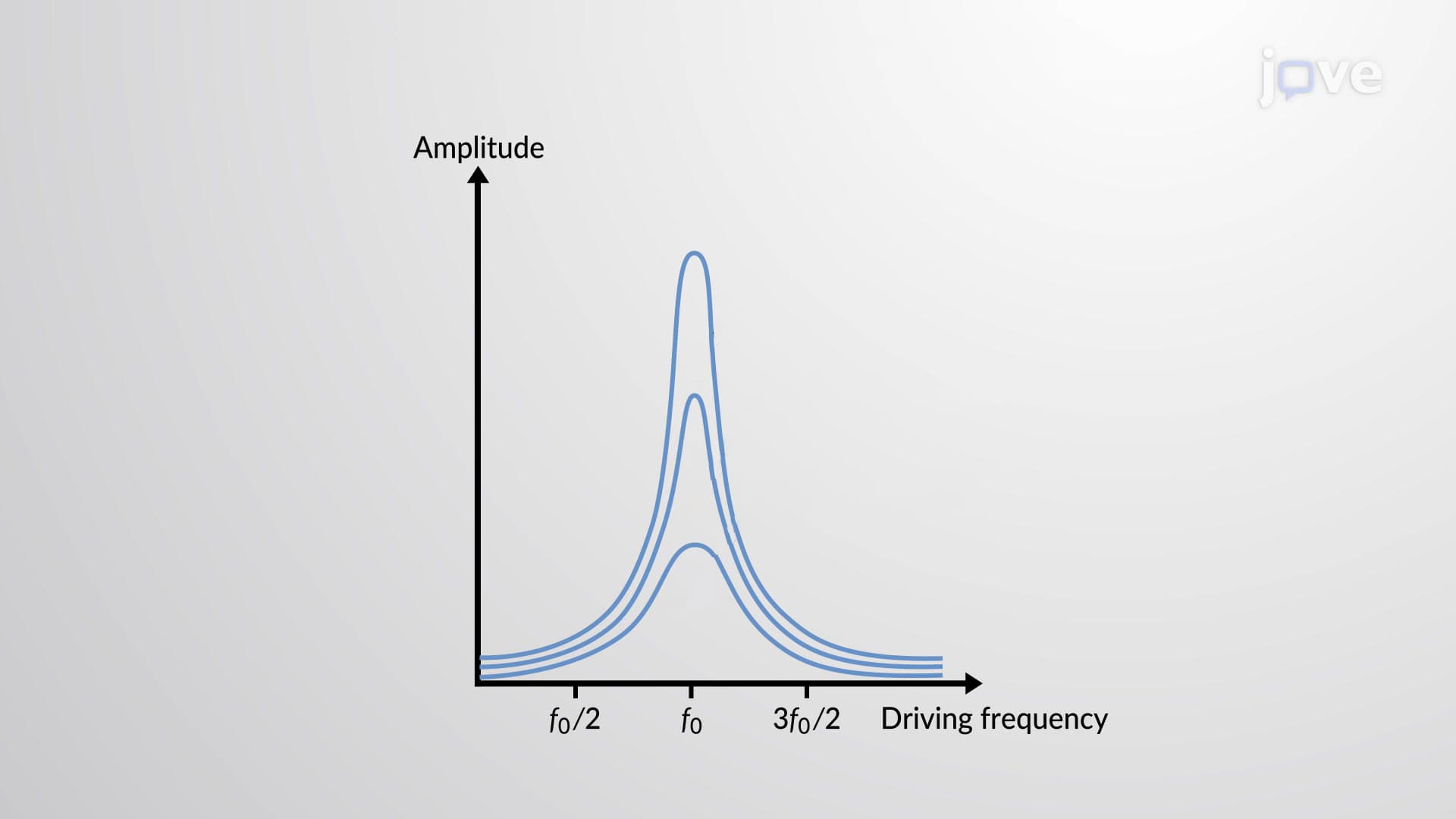
Explore damped harmonic motion, forced oscillations, and resonance phenomena. These concepts extend the basic harmonic motion principles to more complex real-world systems like shock absorbers and musical instruments, preparing you for advanced mechanics and wave physics courses.
Related Micro-courses
Related Subjects
 Math Fundamentals 11 micro-courses›
 Statistics 17 micro-courses›