Loading…
Loading video…

96,920 views
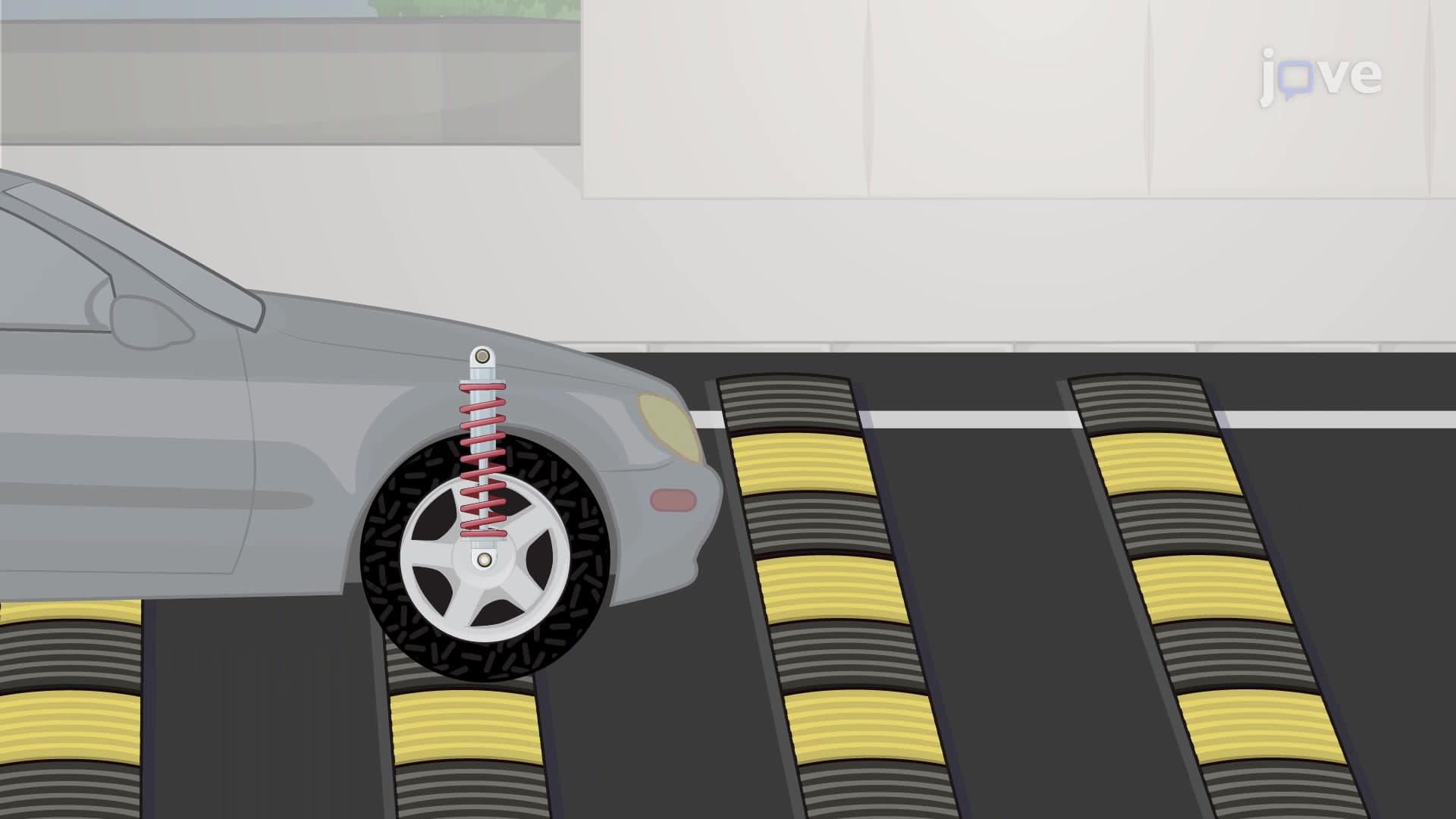
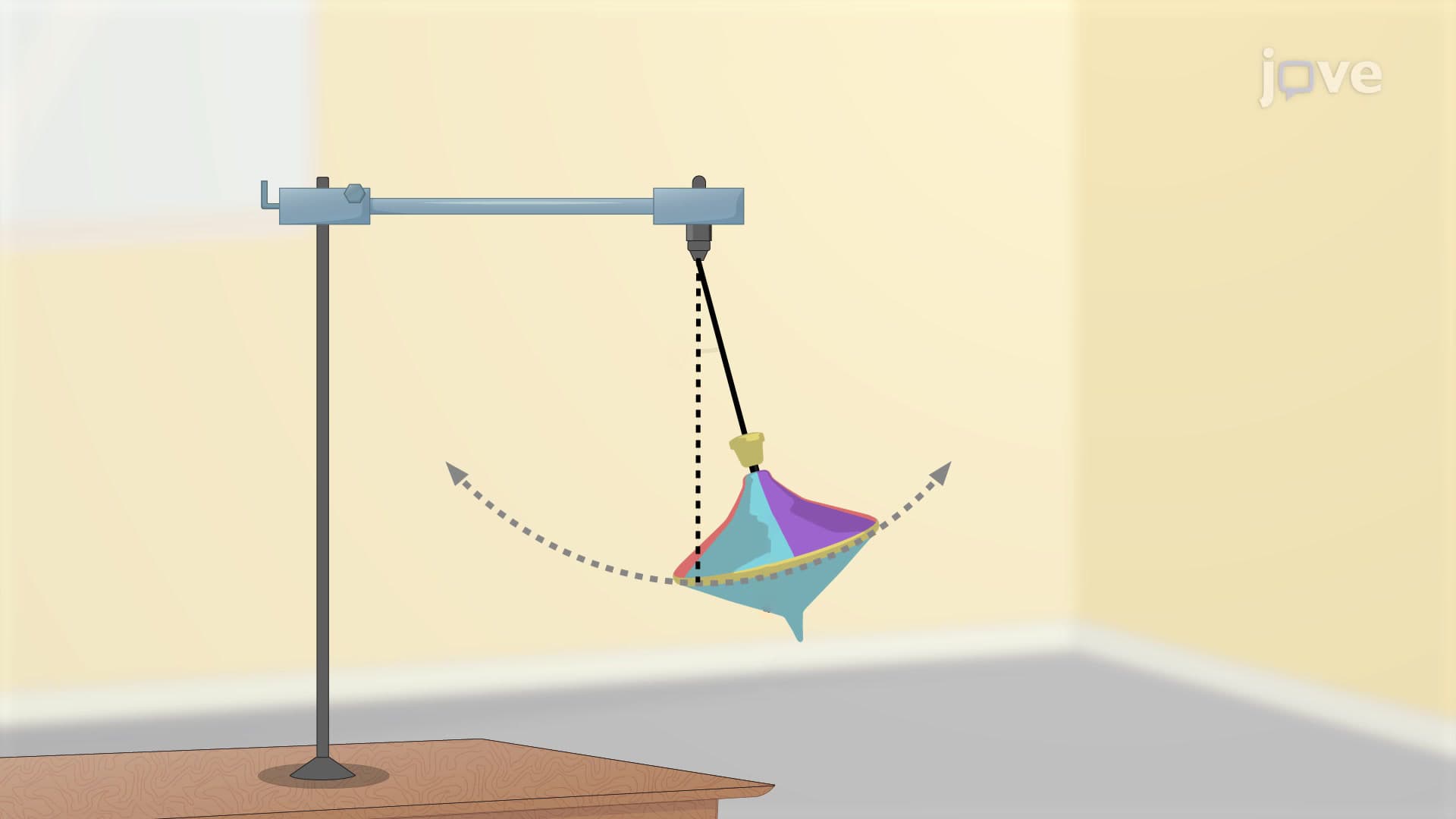
Ever wonder why a diving board stops bouncing after a swimmer jumps off? Damped oscillations occur when energy is gradually lost from an oscillating system due to resistive forces like friction or air resistance. Picture a pendulum in a grandfather clock slowing down over time, or shock absorbers in cars reducing bounce after hitting a pothole. What are damped oscillations reveals how real-world oscillating systems behave differently from idealized simple harmonic motion. Watch the full video on JoVE Coach to master this concept with expert-led visuals and step-by-step explanations.
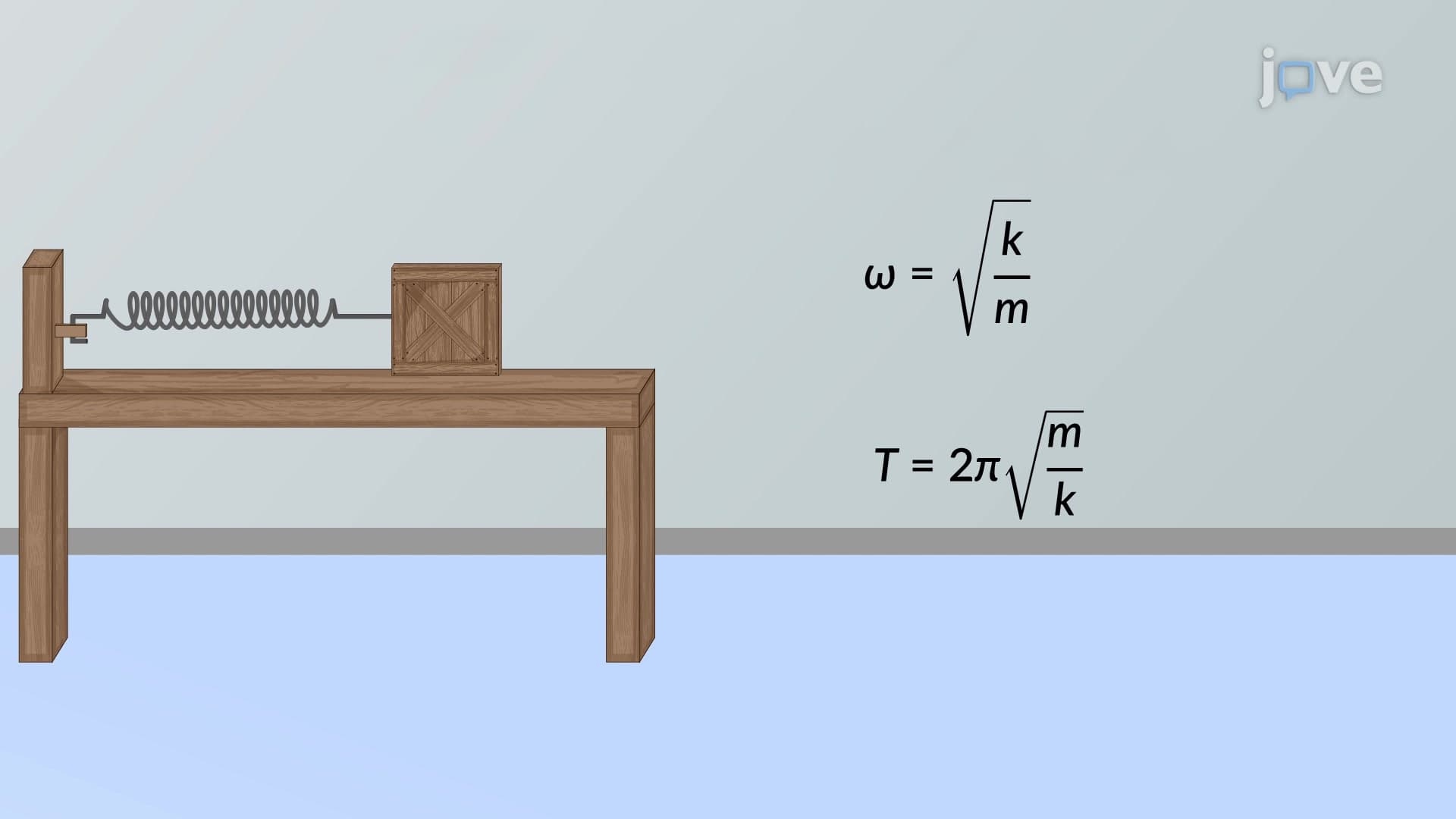
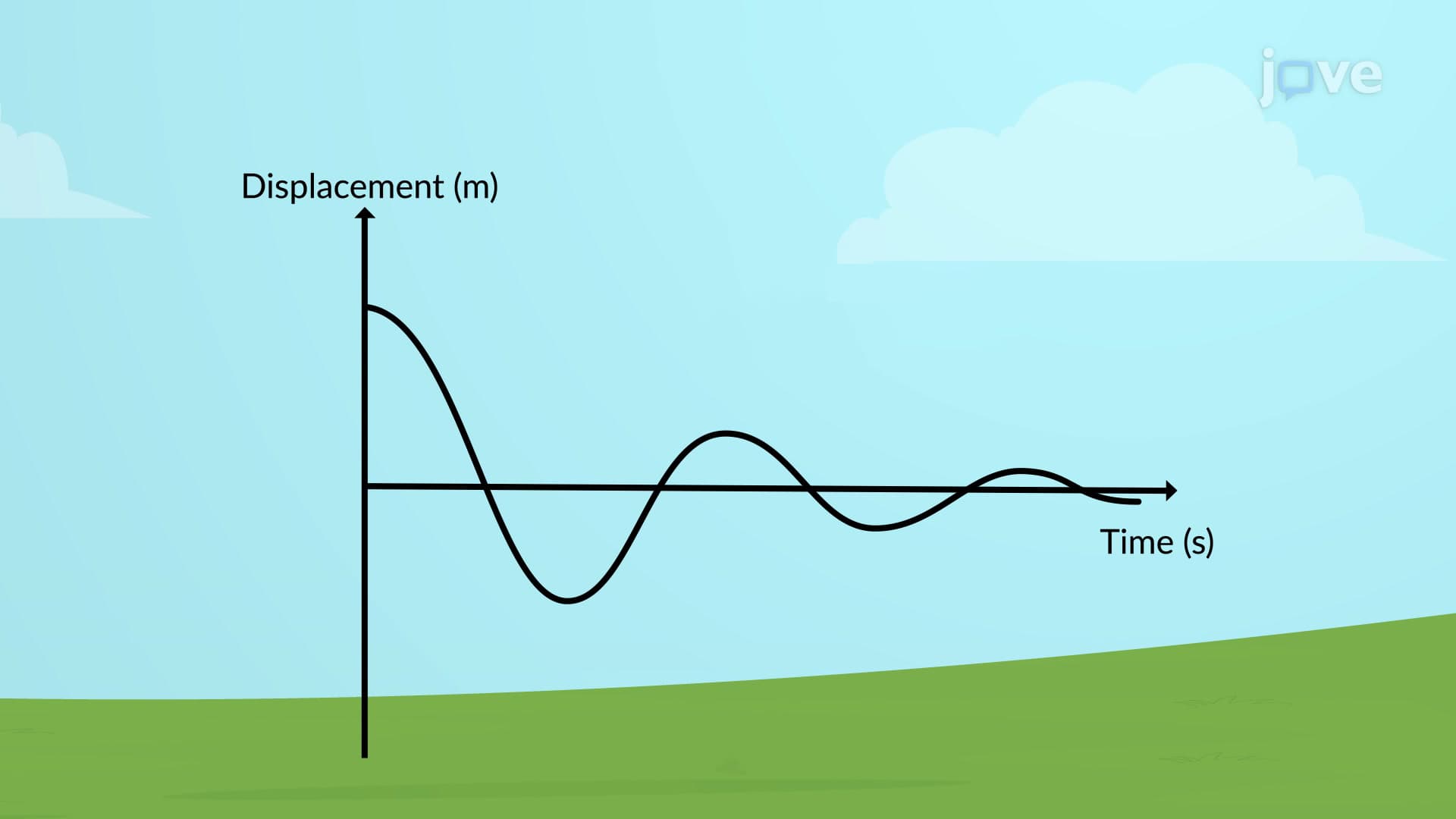
Damped oscillations represent the realistic behavior of oscillating systems where energy dissipation occurs through resistive forces. Unlike ideal simple harmonic motion, real oscillators experience forces that oppose motion, causing amplitude to decrease over time. This energy loss transforms kinetic and potential energy into heat, sound, or other non-recoverable forms.
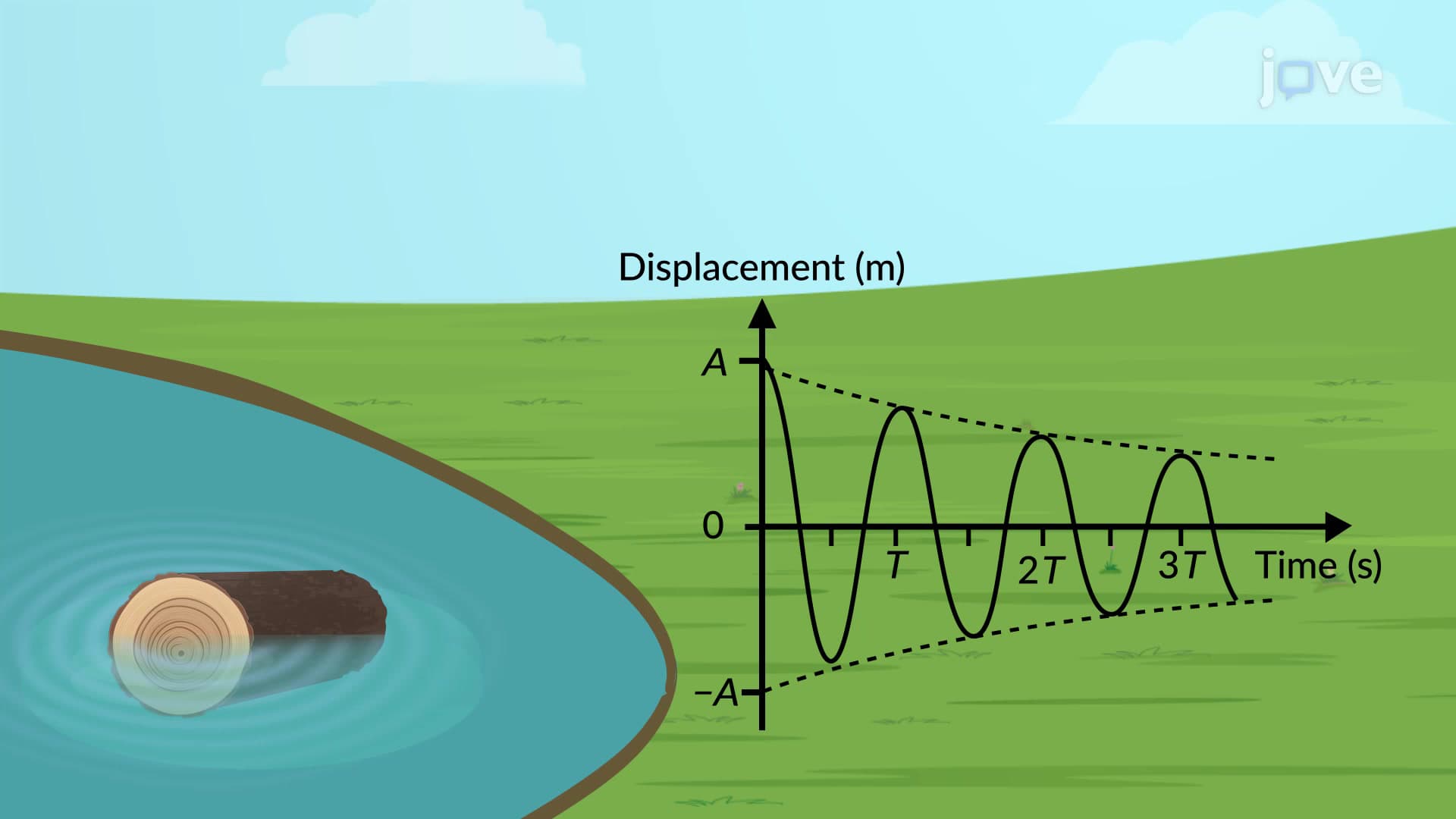
The types of damped oscillations depend on the damping strength relative to the natural frequency. Underdamped systems oscillate with decreasing amplitude, like a guitar string vibrating after being plucked. The motion follows an exponential decay envelope while maintaining periodic behavior. Critically damped systems return to equilibrium as quickly as possible without oscillating—optimal for car shock absorbers and galvanometer needles. Overdamped systems return slowly to equilibrium without oscillation, similar to a heavy door with a strong hydraulic closer.
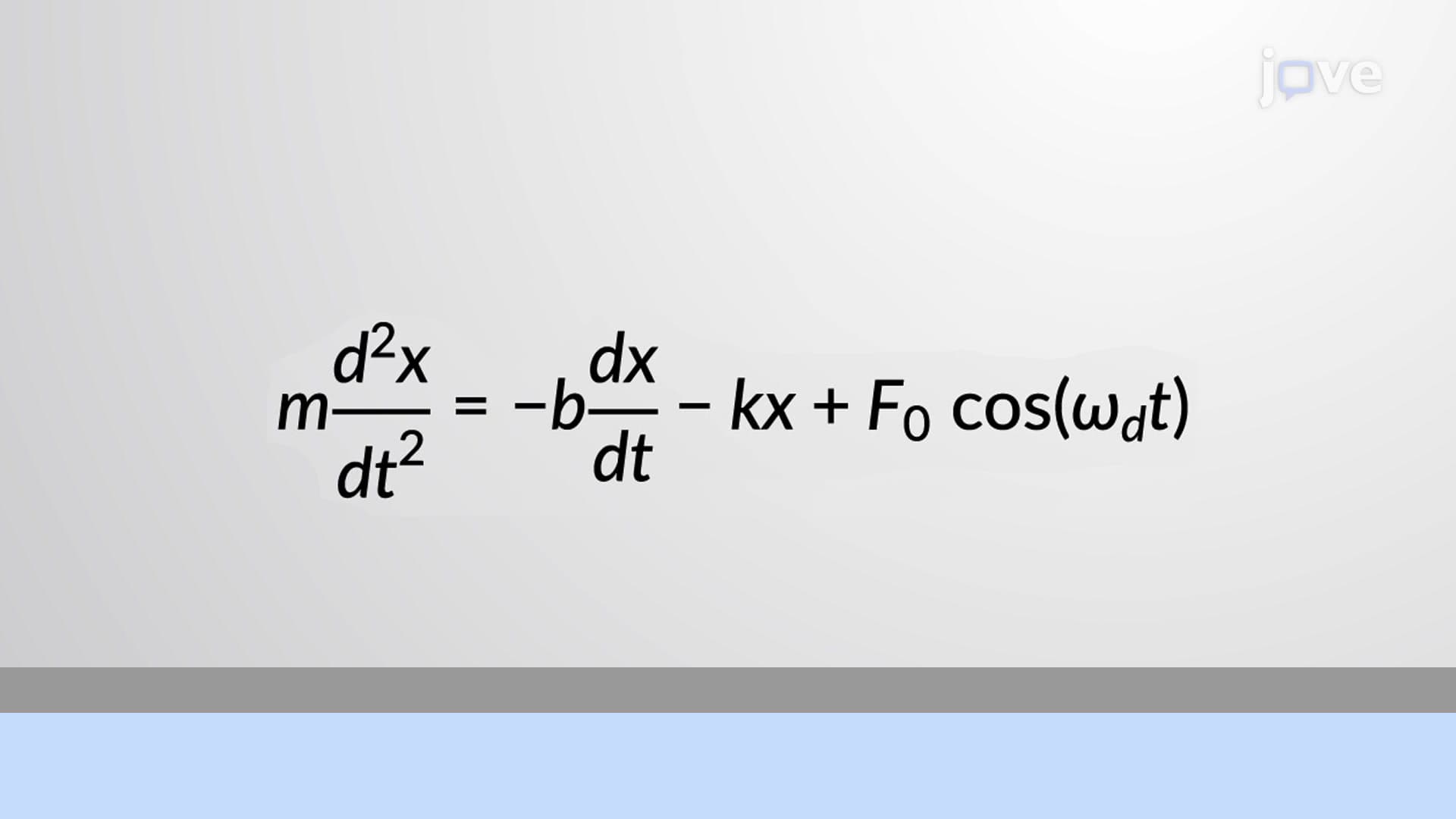
The damping force typically follows F(damping) = -bv, where b represents the damping coefficient and v is velocity. The negative sign indicates opposition to motion direction. Combined with the restoring force F(restoring) = -kx, the net force creates the differential equation: ma = -kx - bv, or m(d²x/dt²) + b(dx/dt) + kx = 0. This second-order linear differential equation governs damped harmonic motion.
Understanding damped oscillations proves crucial for engineering applications like building design during earthquakes, where structural damping prevents catastrophic resonance. In automotive engineering, shock absorber systems use critically damped responses for optimal ride comfort. Students encounter this concept in AP Physics courses, college-level mechanics, and engineering dynamics. MCAT preparation includes damped oscillations within mechanical systems topics, while engineering students apply these principles in vibration analysis and control systems design.
The mathematical treatment involves exponential functions and trigonometry, connecting oscillatory motion with decay processes. This interdisciplinary concept bridges physics, mathematics, and engineering, making it essential for STEM education pathways.
Frequently Asked Questions
Simple harmonic motion maintains constant amplitude indefinitely, while damped oscillations experience decreasing amplitude due to energy loss from resistive forces. Damped systems more accurately represent real-world oscillators where friction, air resistance, or other dissipative forces gradually remove energy from the system.
The three types are underdamped (oscillates with decreasing amplitude), critically damped (returns to equilibrium fastest without oscillation), and overdamped (returns slowly without oscillation). AP Physics and college mechanics courses emphasize recognizing these behaviors from graphs and determining which type applies to specific physical systems.
MCAT questions often focus on energy considerations, graphical interpretation, and biological applications like muscle fiber contractions or circulatory system dynamics. Students should understand exponential decay envelopes, quality factors, and how damping affects resonance in biological systems like the inner ear.
Car shock absorbers provide an excellent example because they're designed to be critically damped, preventing bouncing after hitting bumps while returning wheels to road contact quickly. This system demonstrates how engineers intentionally control damping to optimize performance.
No, introductory courses focus on conceptual understanding and graphical interpretation rather than solving differential equations. Students learn to recognize exponential decay patterns, understand energy relationships, and apply basic principles without advanced mathematical derivations.
Practice identifying oscillation types from graphs, understand energy transformations, and memorize key relationships like damping force proportional to velocity. Focus on conceptual understanding of how damping affects period, frequency, and amplitude rather than complex mathematical solutions.
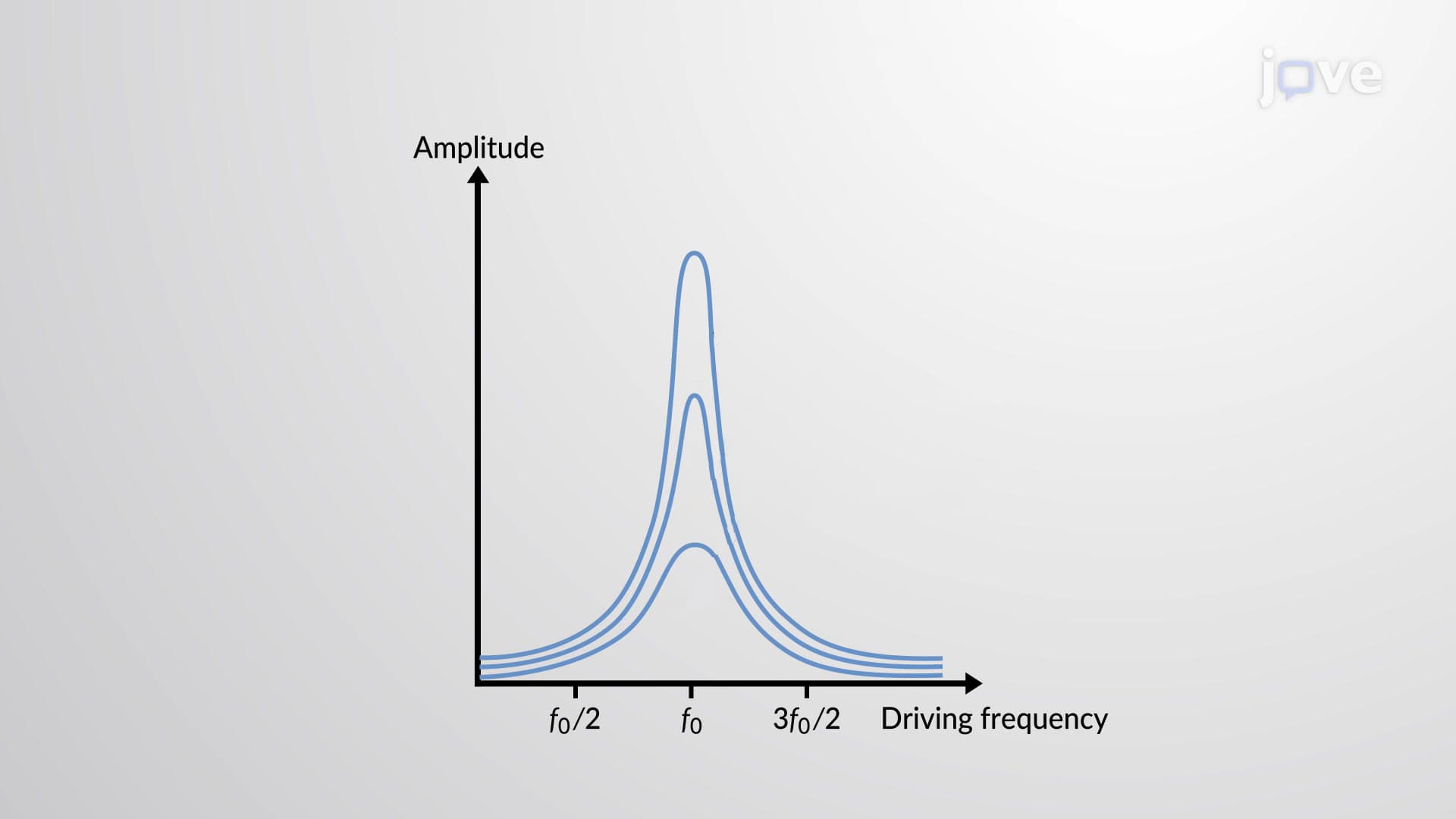
Driven oscillations and resonance naturally follow, where external periodic forces overcome damping effects. These concepts lead to advanced topics like coupled oscillators, wave mechanics, and AC circuit analysis in electrical engineering applications.
Related Micro-courses
Related Subjects
 Math Fundamentals 11 micro-courses›
 Statistics 17 micro-courses›