Loading…
Loading video…

96,920 views

Why does a guitar string produce the same musical note each time you pluck it? Simple harmonic motion creates this predictable, repeating pattern that governs everything from pendulum clocks to earthquake-resistant skyscrapers in California. This fundamental physics concept describes oscillatory motion where the restoring force is directly proportional to displacement from equilibrium. Watch the full video on JoVE Coach to master this concept with expert-led visuals and step-by-step explanations.
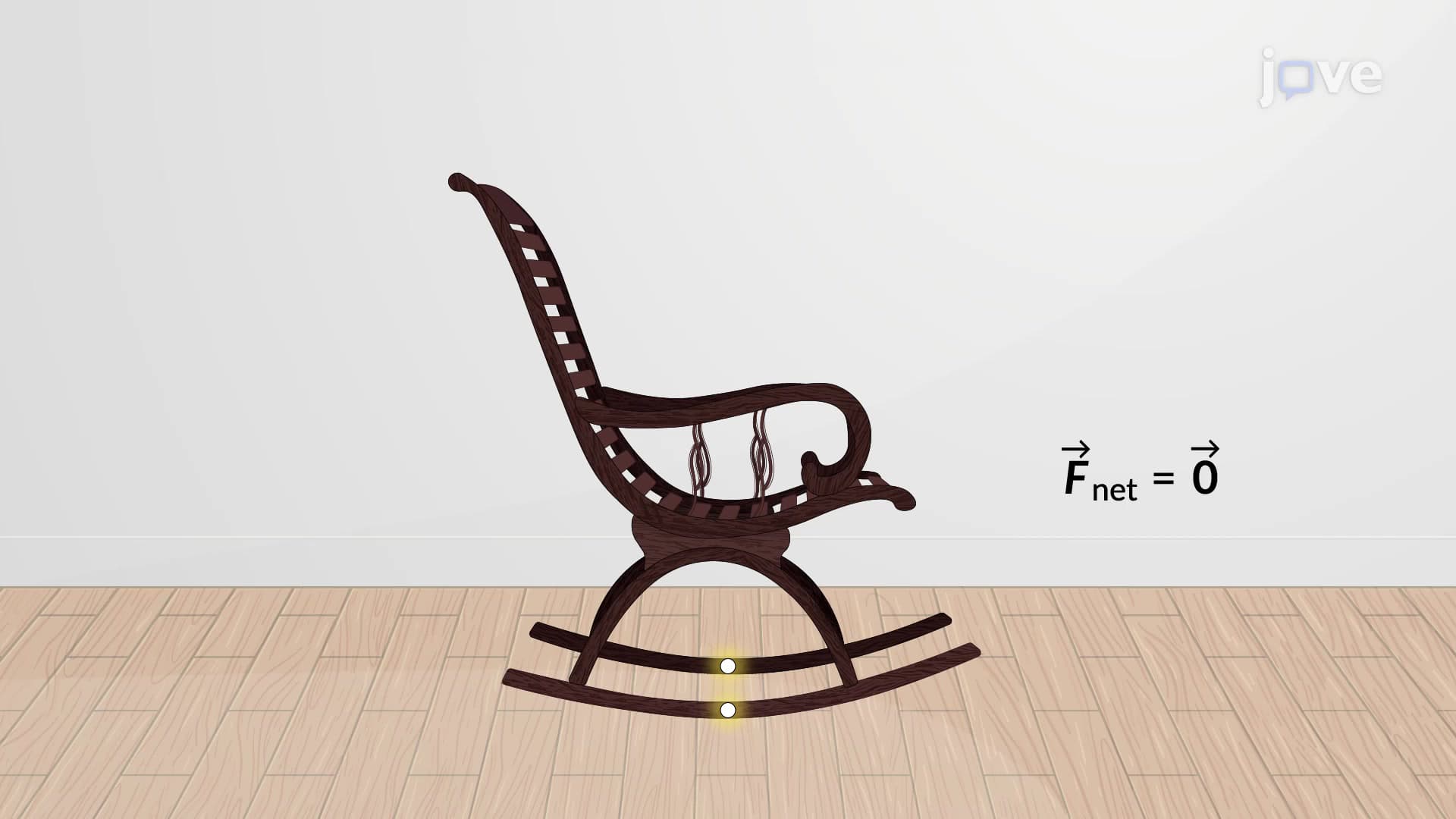
Simple harmonic motion represents one of physics' most elegant and universally applicable concepts. Unlike general periodic motion, simple harmonic motion occurs specifically when the restoring force acting on an object is directly proportional to its displacement from equilibrium and acts in the opposite direction. This creates a unique mathematical relationship: F = -kx, where k represents the spring constant and x represents displacement.
The negative sign indicates that the force always points toward the equilibrium position, creating the characteristic back-and-forth motion. This principle governs systems ranging from atomic vibrations in crystalline structures to the pendulum mechanisms in grandfather clocks found in American homes.
The simple harmonic motion definition encompasses several critical parameters that students encounter on AP Physics exams and college coursework. The amplitude (A) represents maximum displacement from equilibrium—think of how far you pull a playground swing before releasing it. Period (T) measures the time for one complete cycle, while frequency (f) counts cycles per second, with the relationship f = 1/T.
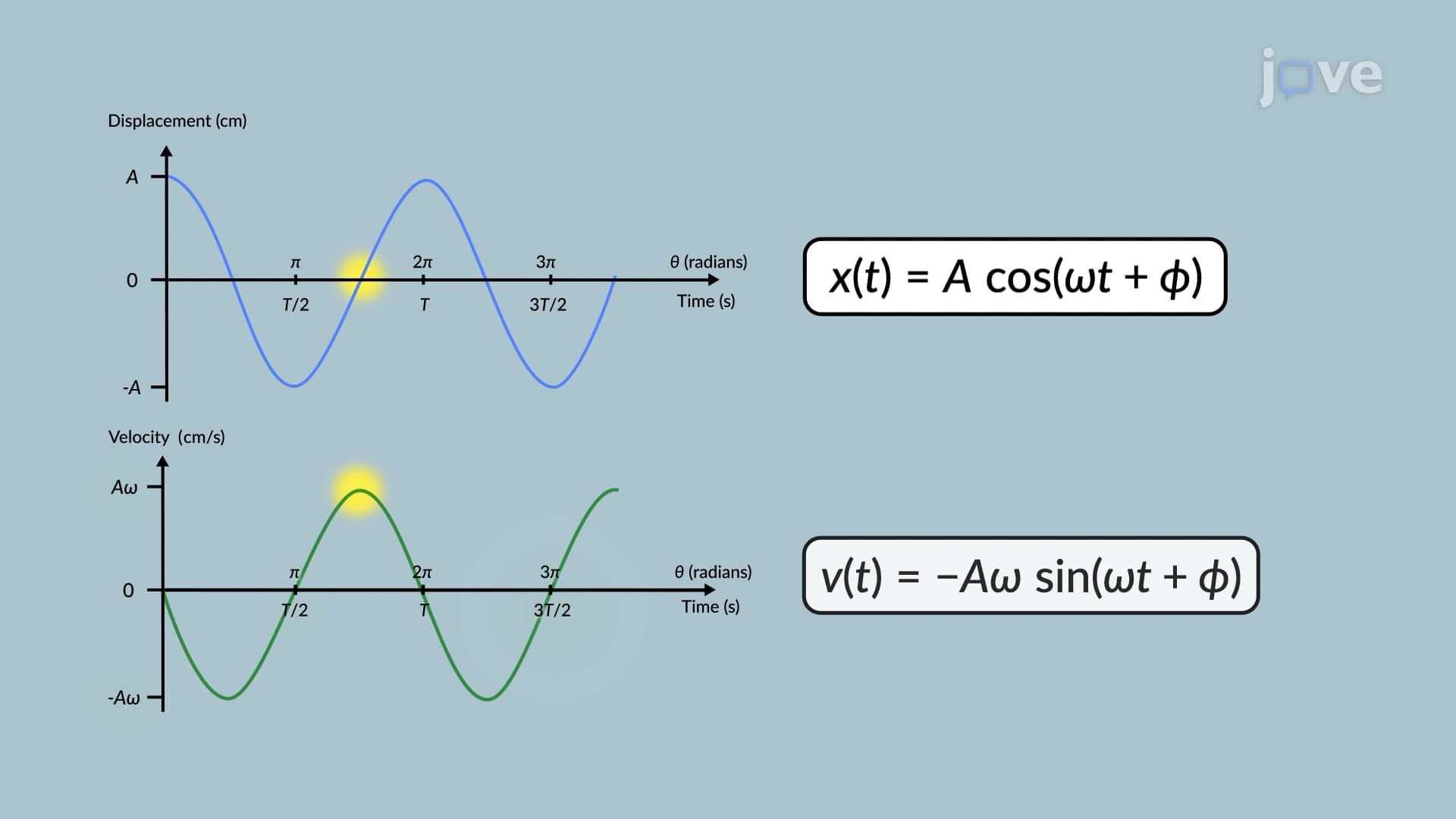
These parameters interconnect through the fundamental equation: x(t) = A cos(ωt + φ), where ω represents angular frequency and φ represents the phase constant. This mathematical description allows engineers to design everything from shock absorbers in American automobiles to seismometers monitoring California's San Andreas Fault.
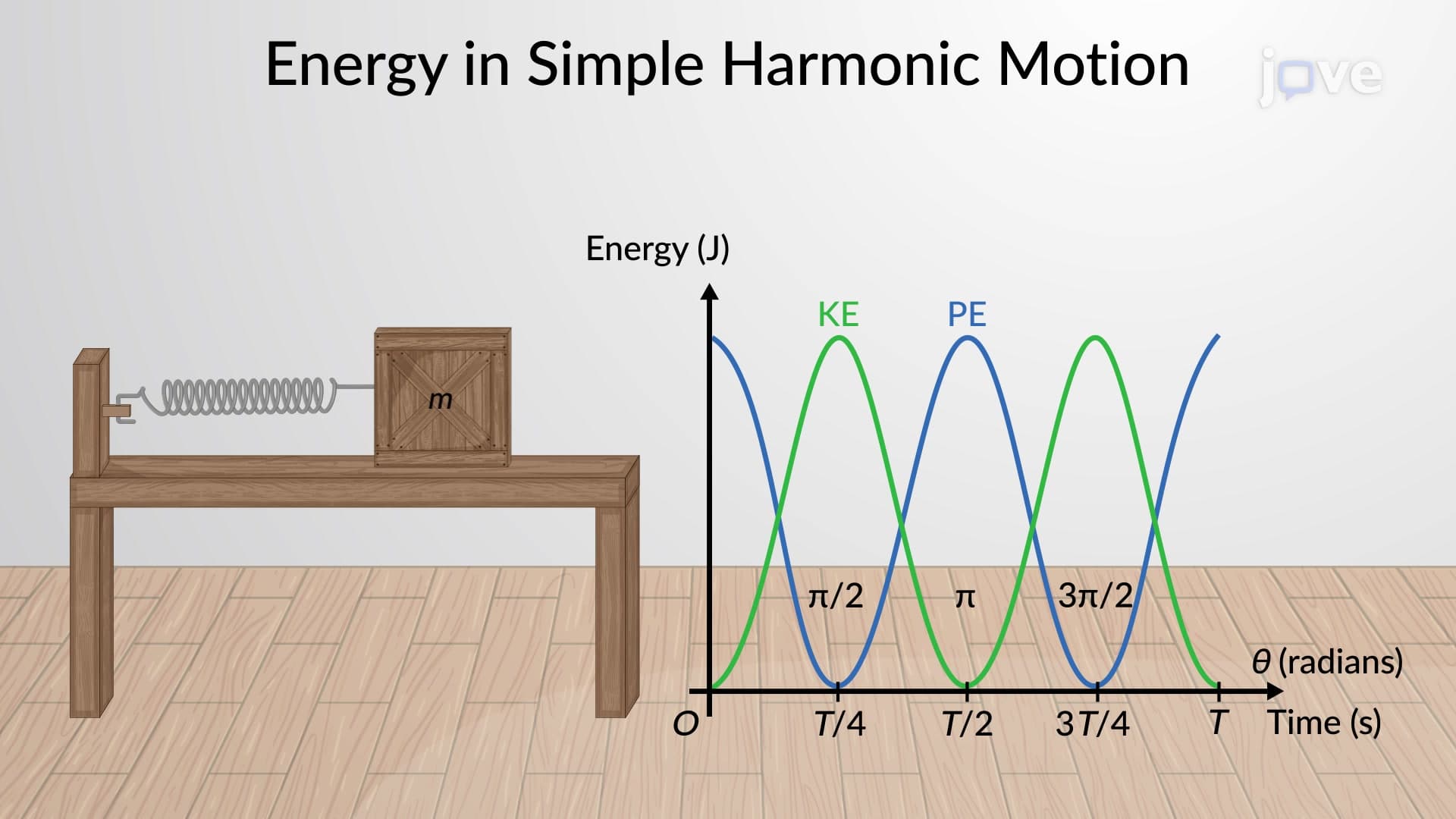
Energy conservation provides another lens for understanding simple harmonic motion basics. Total mechanical energy remains constant, continuously converting between kinetic energy (maximum at equilibrium) and potential energy (maximum at amplitude). This energy transformation creates the smooth, sinusoidal motion characteristic of these systems.
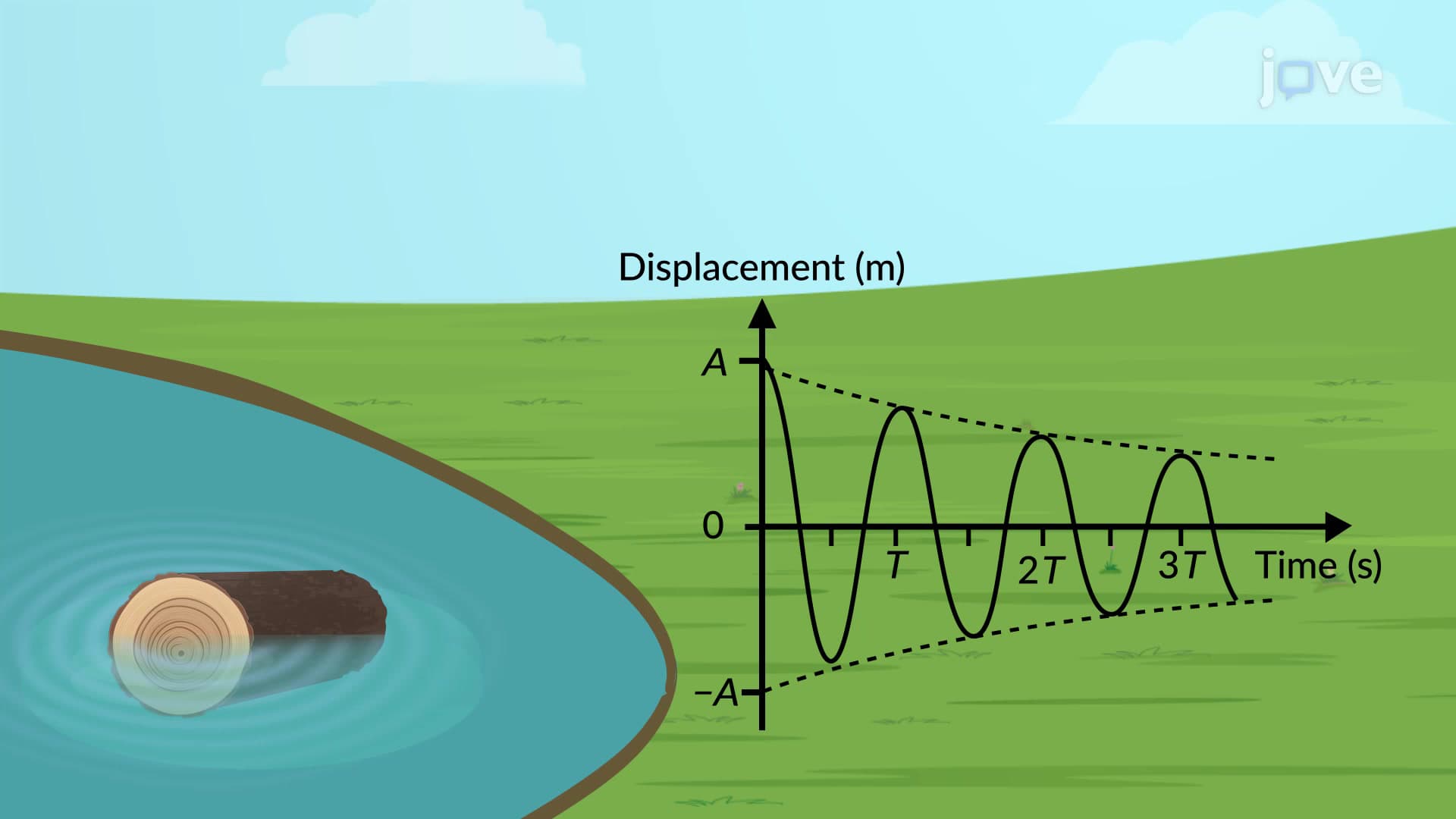
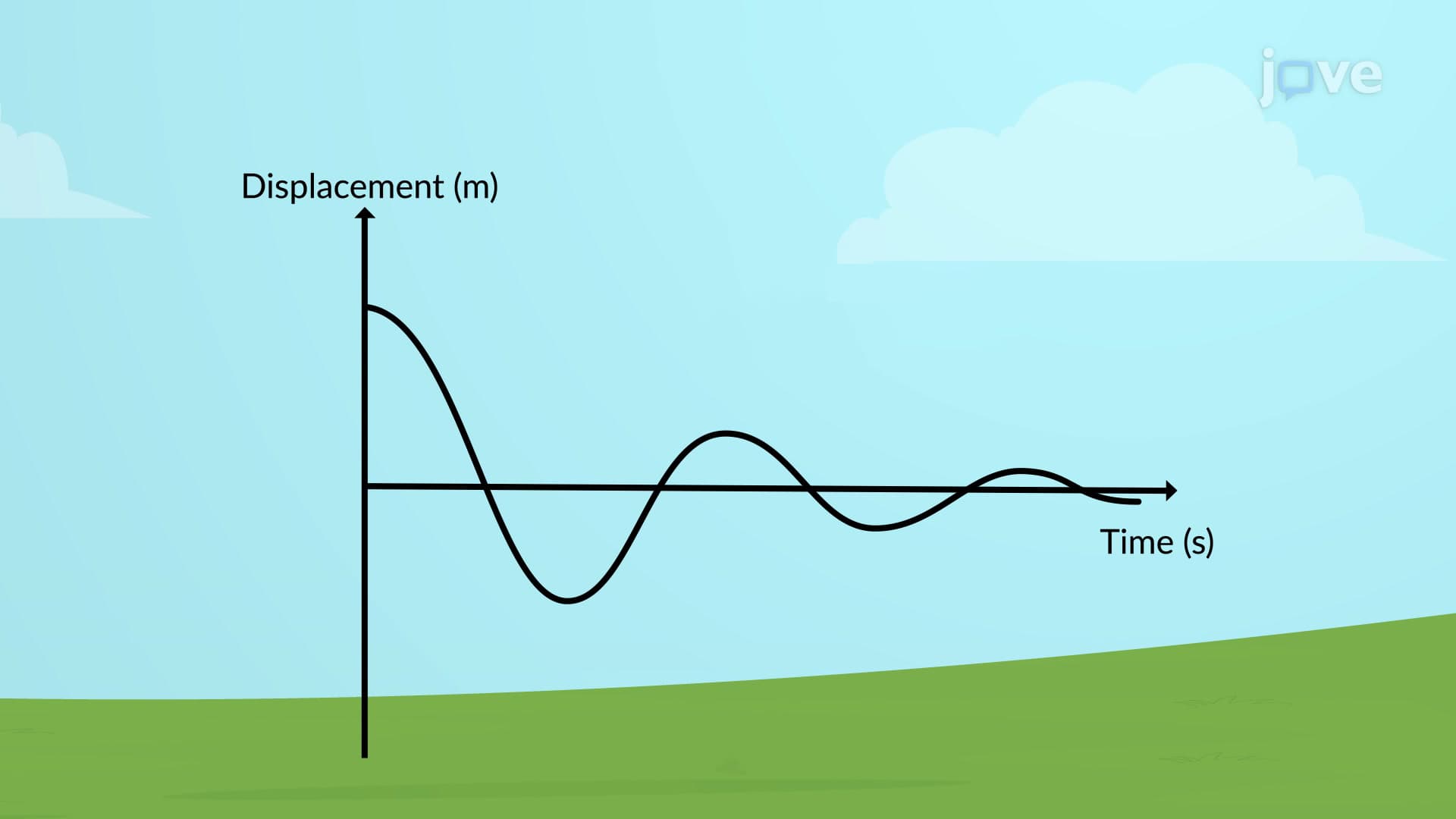
At equilibrium position, velocity reaches its maximum while potential energy equals zero. Conversely, at maximum displacement (amplitude), velocity becomes zero while potential energy peaks. This energy dance explains why a pendulum naturally returns to its starting position and why guitar strings eventually stop vibrating due to energy dissipation.
Understanding simple harmonic motion concepts proves essential for success on standardized tests including the MCAT physics section and AP Physics 1 exam. These assessments frequently test students' ability to identify simple harmonic motion conditions, calculate periods and frequencies, and analyze energy transformations.
Beyond academic success, this knowledge underlies numerous technological applications. Atomic force microscopes use cantilever oscillations to image surfaces at the nanoscale, while modern skyscrapers incorporate tuned mass dampers—essentially giant pendulums—to counteract wind-induced oscillations and ensure structural stability during seismic events.
Frequently Asked Questions
Simple harmonic motion occurs when the restoring force on an oscillating object is directly proportional to its displacement from equilibrium and points toward the center. You can recognize it by the characteristic sinusoidal motion pattern and the linear relationship between force and displacement. Common examples include pendulums with small angles, mass-spring systems, and vibrating guitar strings.
While all simple harmonic motion is periodic, not all periodic motion is simple harmonic. Simple harmonic motion specifically requires that the restoring force follows Hooke's Law (F = -kx). Regular periodic motion simply repeats at regular intervals but may involve more complex force relationships. For instance, a ball bouncing involves periodic motion but not simple harmonic motion due to gravity and collision forces.
AP Physics 1 frequently tests simple harmonic motion through pendulum and spring problems, energy conservation questions, and graphical analysis of position, velocity, and acceleration versus time. Students must identify systems exhibiting simple harmonic motion, calculate periods and frequencies, and analyze phase relationships between kinematic quantities. Practice with both conceptual understanding and mathematical problem-solving.
The MCAT physics section includes simple harmonic motion in contexts like molecular vibrations, sound waves, and medical imaging technologies. Questions often integrate physics concepts with biological applications, such as understanding how cochlear hair cells detect sound vibrations. Focus on energy transformations, mathematical relationships, and real-world applications in biological systems.
California's skyscrapers use tuned mass dampers based on simple harmonic motion principles to counteract seismic vibrations. These systems consist of large masses suspended by springs or cables that oscillate out of phase with building motion, effectively canceling dangerous resonances. Engineers calculate optimal damper frequencies using simple harmonic motion equations to protect structures during earthquakes.
Basic simple harmonic motion concepts require only algebra and trigonometry, making them accessible to high school students. You can understand amplitude, period, frequency, and energy relationships without calculus. However, deriving the differential equations and solving for general motion equations requires calculus knowledge typically covered in AP Physics C or college-level courses.
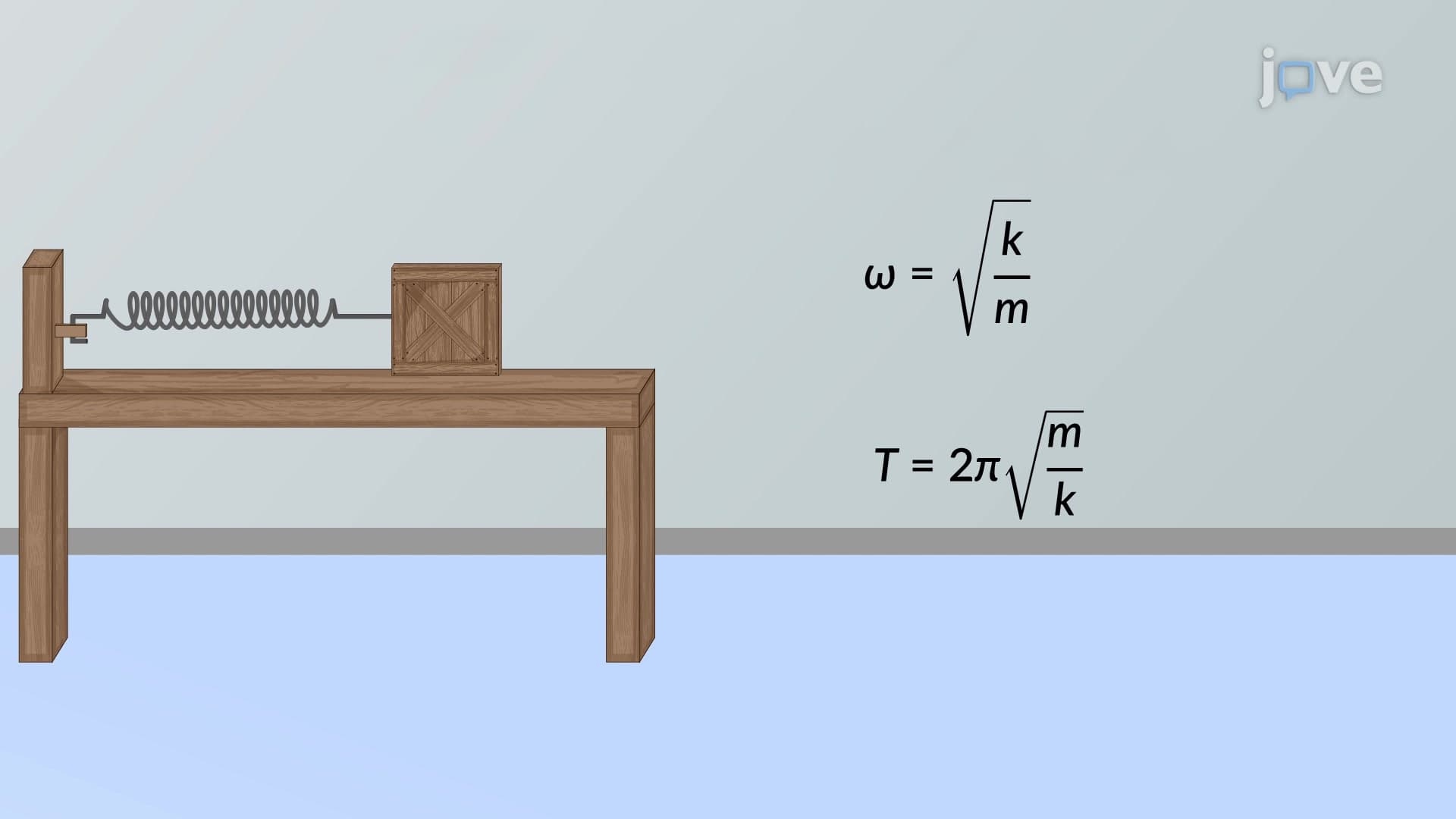
Start with conceptual understanding before tackling mathematical problems—know why objects oscillate and what conditions create simple harmonic motion. Practice identifying these systems in various contexts, memorize key equations (period formulas for pendulums and springs), and work through energy conservation problems. Use graphical analysis to understand phase relationships between position, velocity, and acceleration.
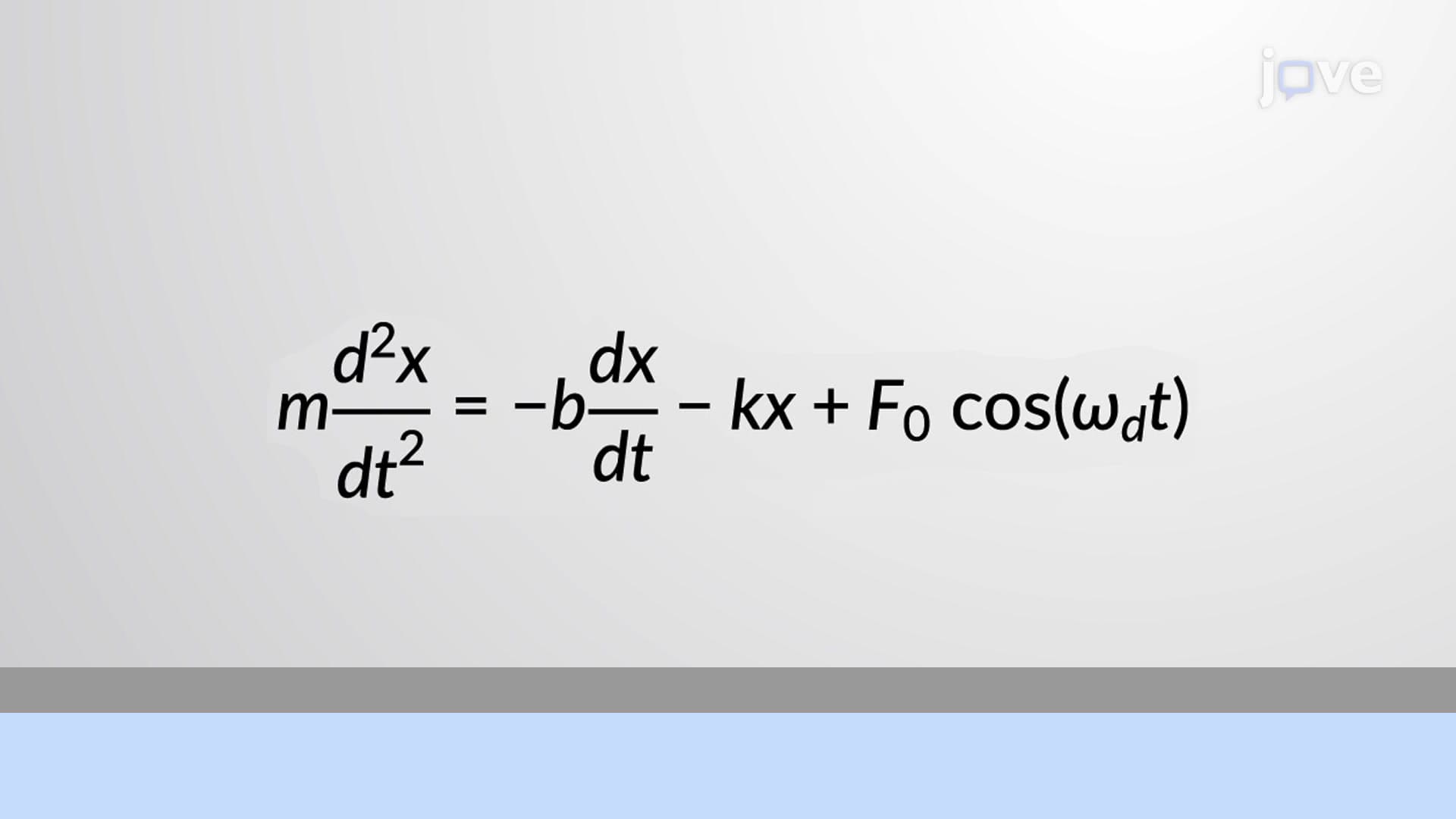
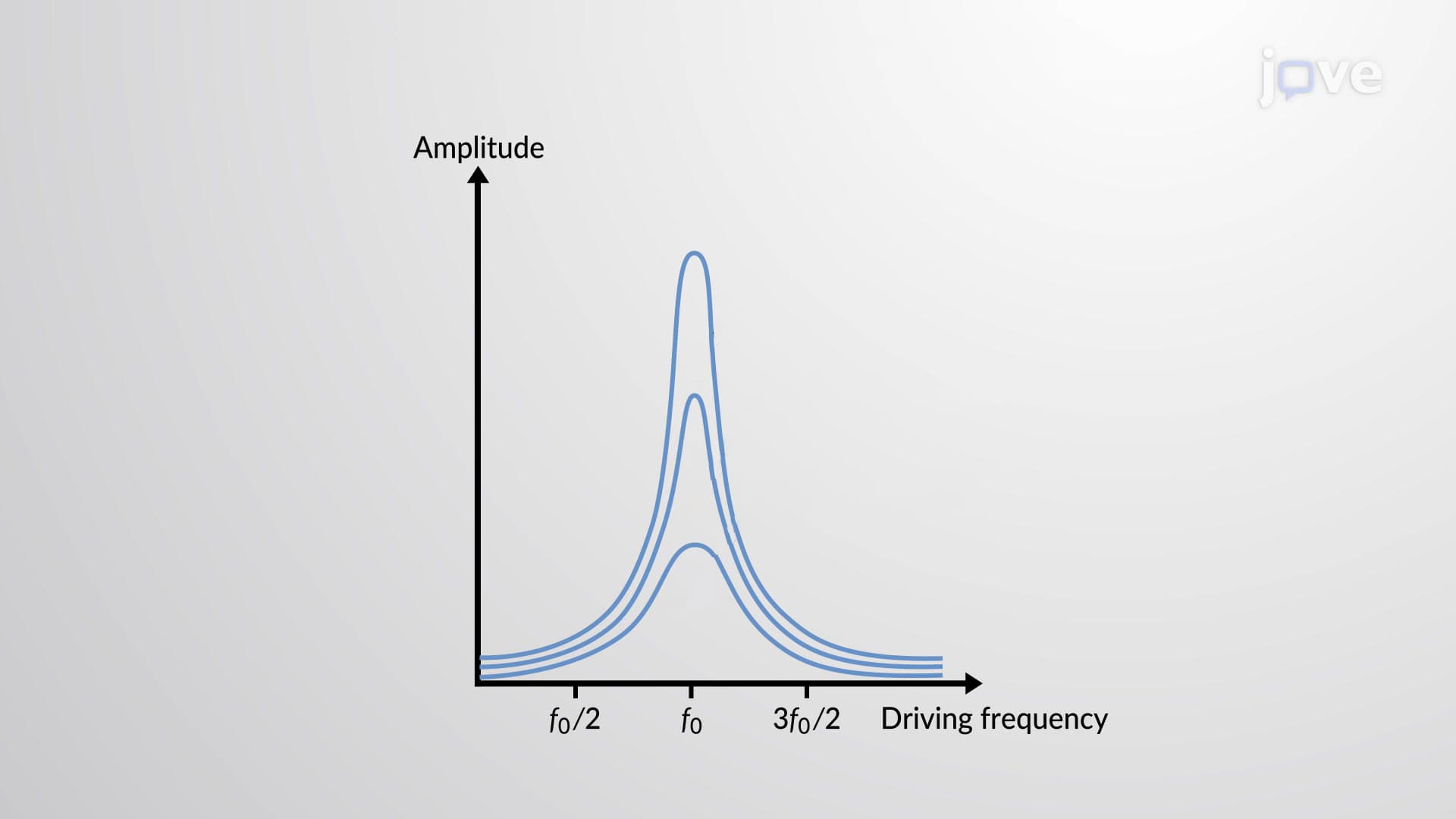
Simple harmonic motion provides the foundation for understanding wave mechanics, including sound waves, electromagnetic radiation, and quantum mechanical wave functions. It also connects to rotational motion through circular motion analogies and prepares you for advanced topics like damped oscillations, driven oscillations, and resonance phenomena in upper-level physics courses.
Related Micro-courses
Related Subjects
 Math Fundamentals 11 micro-courses›
 Statistics 17 micro-courses›