Loading…
Loading video…

96,920 views
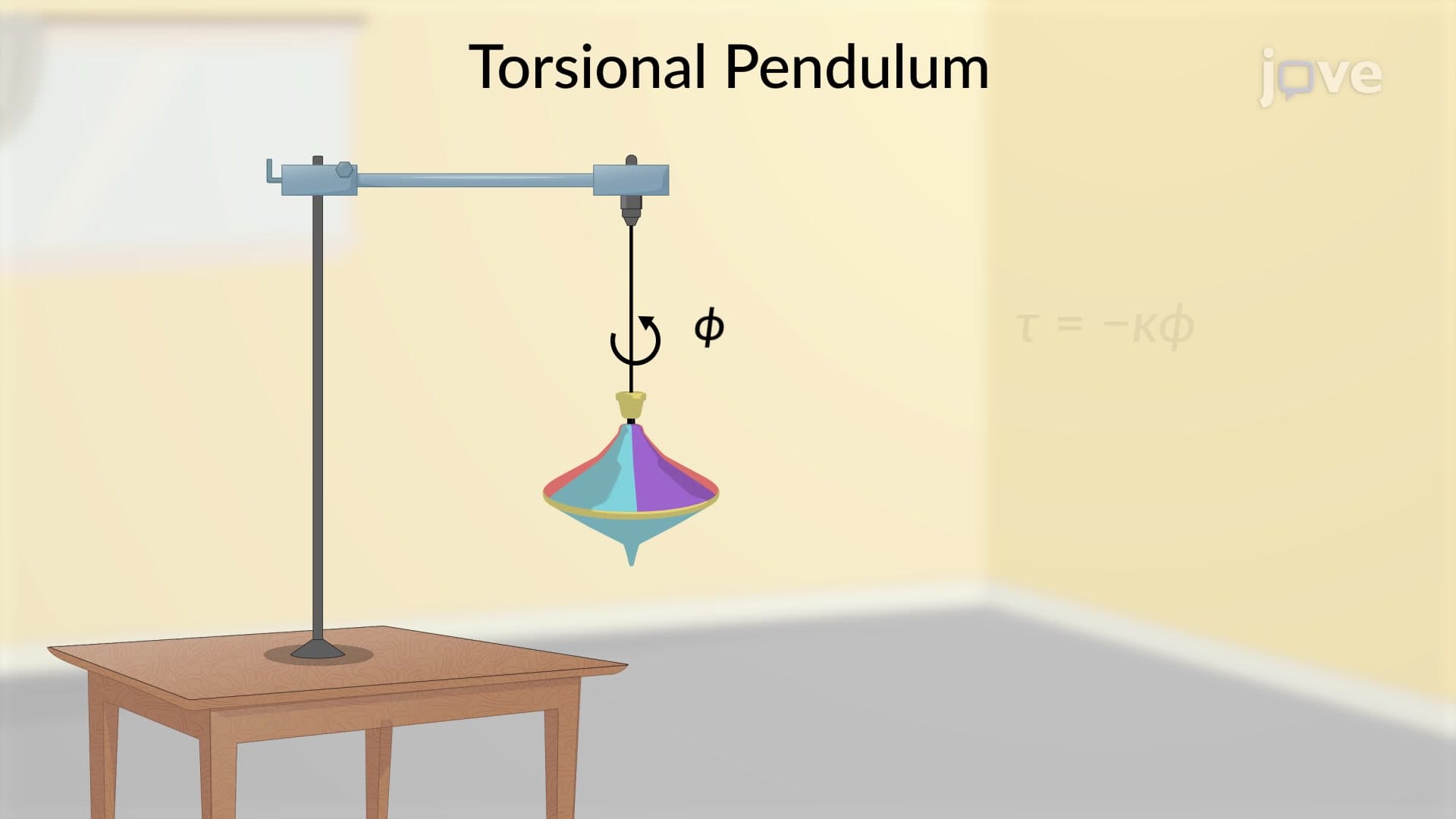
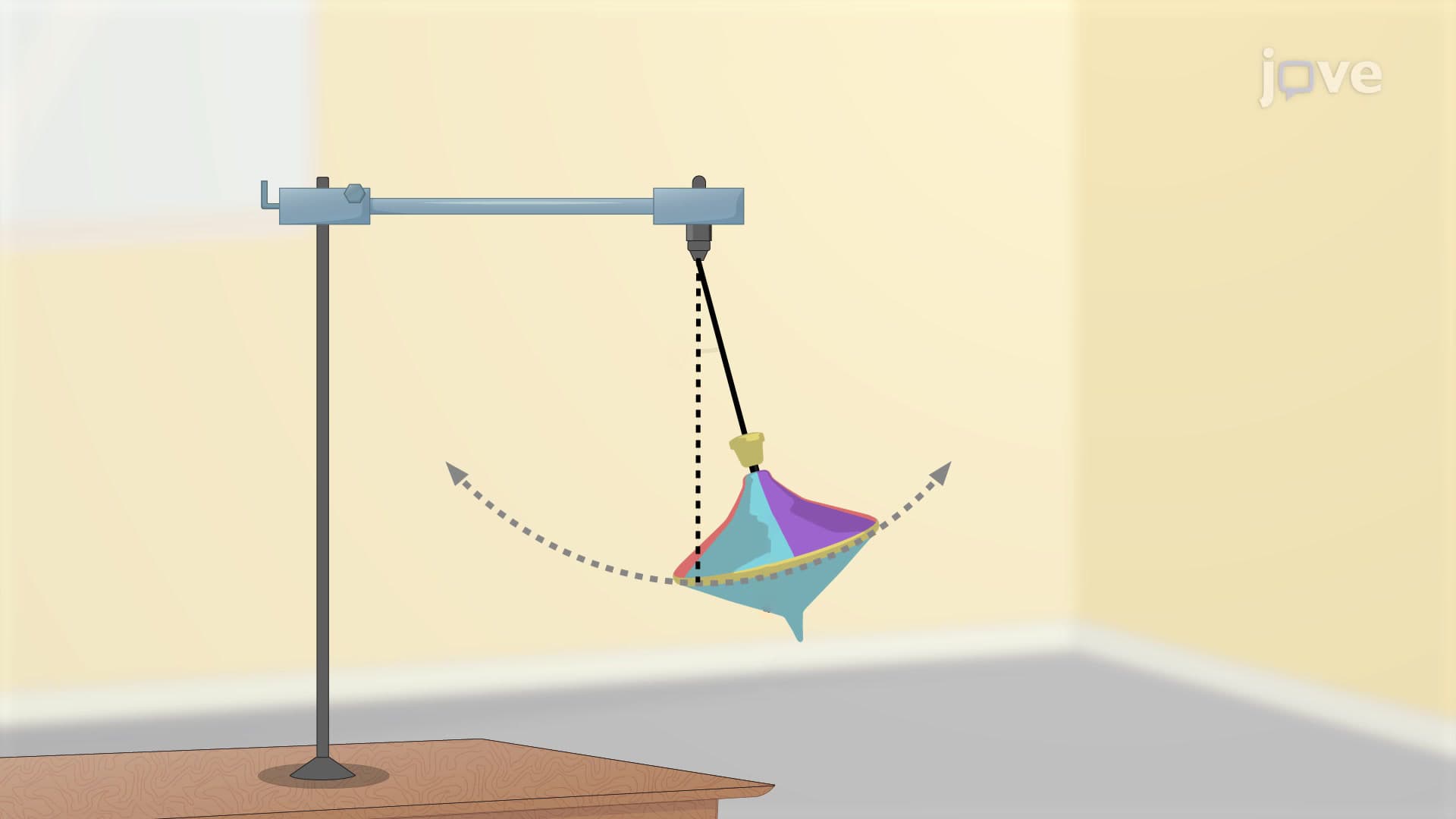
Ever wonder how seismometers detect earthquakes or how precise clocks maintain accuracy? A torsional pendulum is a rotating system where a rigid body oscillates by twisting about a vertical axis, similar to how the National Institute of Standards and Technology uses torsion balance systems for ultra-precise measurements. This fascinating mechanism combines rotational motion with harmonic oscillation, creating predictable patterns that engineers and scientists rely on daily. Watch the full video on JoVE Coach to master this concept with expert-led visuals and step-by-step explanations.
A torsional pendulum represents one of the most elegant examples of rotational simple harmonic motion in physics. Unlike conventional pendulums that swing back and forth, torsional pendulums rotate about a fixed vertical axis, creating twisting oscillations that follow predictable mathematical patterns. This concept frequently appears on AP Physics exams and college mechanics courses, making it essential for students pursuing STEM careers.
The system consists of a rigid body (often disk-shaped or cylindrical) suspended by a thin wire or string from a fixed support. When you twist the body and release it, the wire's resistance to shearing creates a restoring torque that drives oscillation. The Massachusetts Institute of Technology's physics demonstrations often use brass disks suspended by piano wire to illustrate this principle effectively.
Real-world applications include Cavendish balances used to measure gravitational constants, galvanometers in electrical circuits, and torsion bar suspensions in automotive engineering. The Laser Interferometer Gravitational-Wave Observatory (LIGO) employs sophisticated torsional pendulum systems to isolate sensitive equipment from vibrations.
The governing equation emerges from Newton's second law for rotation: τ = Iα, where τ represents torque, I is moment of inertia, and α denotes angular acceleration. The restoring torque follows Hooke's law for rotation: τ = -κθ, with κ as the torsion constant and θ representing angular displacement.
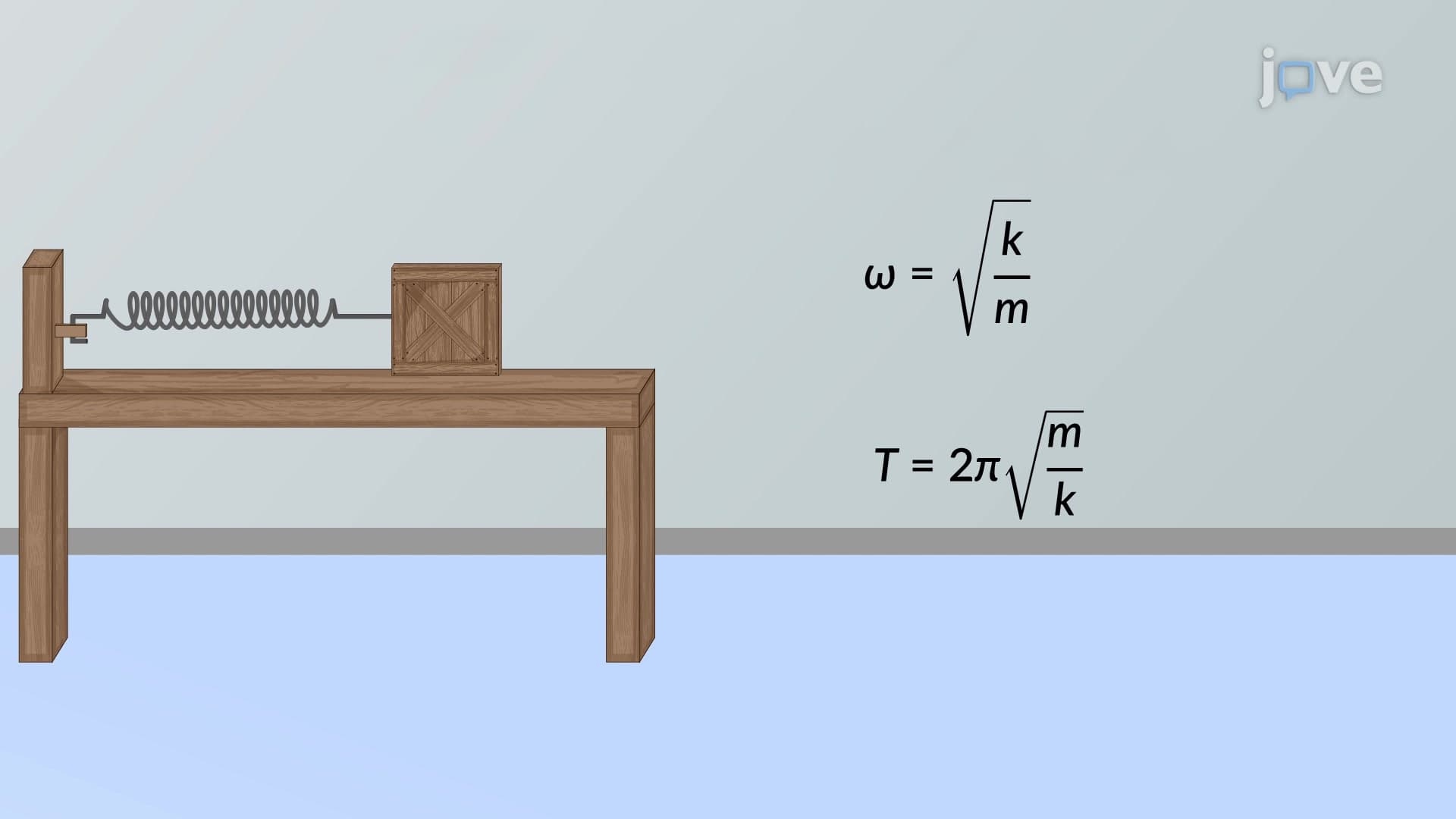
Combining these relationships yields: I(d²θ/dt²) = -κθ, which produces the characteristic equation for simple harmonic motion. The angular frequency becomes ω = √(κ/I), leading to a period T = 2π√(I/κ). This mathematical structure mirrors the spring-mass system but replaces linear quantities with rotational analogs.
Students encounter torsional pendulum problems in AP Physics C mechanics and university-level physics courses. Typical calculations involve determining oscillation periods, analyzing energy transformations between rotational kinetic and elastic potential energy, and predicting system behavior under varying conditions. Understanding moment of inertia calculations becomes crucial, as different geometric shapes yield different I values, directly affecting oscillation characteristics.
Frequently Asked Questions
A torsional pendulum is a rigid body suspended by a wire that oscillates through twisting motion rather than swinging. When twisted and released, the wire's resistance creates a restoring torque that causes predictable back-and-forth rotational motion, following the same mathematical principles as spring-mass systems but in rotational form.
Regular pendulums swing linearly under gravity's influence, while torsional pendulums rotate about a vertical axis due to wire shearing forces. Torsional pendulums use moment of inertia instead of mass, torsion constant instead of spring constant, and angular displacement instead of linear displacement in their mathematical descriptions.
AP Physics C frequently tests torsional pendulum concepts through rotational dynamics problems requiring period calculations, energy analysis, and moment of inertia applications. Students must apply T = 2π√(I/κ) and analyze how changing disk mass, radius, or wire properties affects oscillation behavior, often combining with conservation of energy principles.
University physics mechanics courses, engineering dynamics, and advanced mechanics classes extensively cover torsional pendulums. Students encounter these concepts in calculus-based physics sequences, mechanical engineering coursework, and laboratory experiments involving precision measurement instruments and oscillatory motion analysis.
Torsional pendulums appear in seismometers detecting earthquakes, precision balances measuring tiny masses, galvanometers measuring electrical currents, and automotive torsion bar suspensions. NASA uses torsion pendulum principles in spacecraft attitude control systems, while research institutions employ them for gravitational constant measurements and vibration isolation.
Torsional pendulum concepts build naturally on simple harmonic motion and rotational mechanics principles already covered in physics courses. Students comfortable with basic trigonometry, angular velocity concepts, and Newton's laws find torsional pendulums manageable when approached systematically through analogies with familiar spring-mass systems.
Start by identifying given quantities (moment of inertia, torsion constant, initial conditions), draw clear diagrams showing angular displacement, and apply the period formula T = 2π√(I/κ) systematically. Practice calculating moments of inertia for common shapes, understand energy transformations between kinetic and potential forms, and memorize key relationships between linear and rotational analogs.
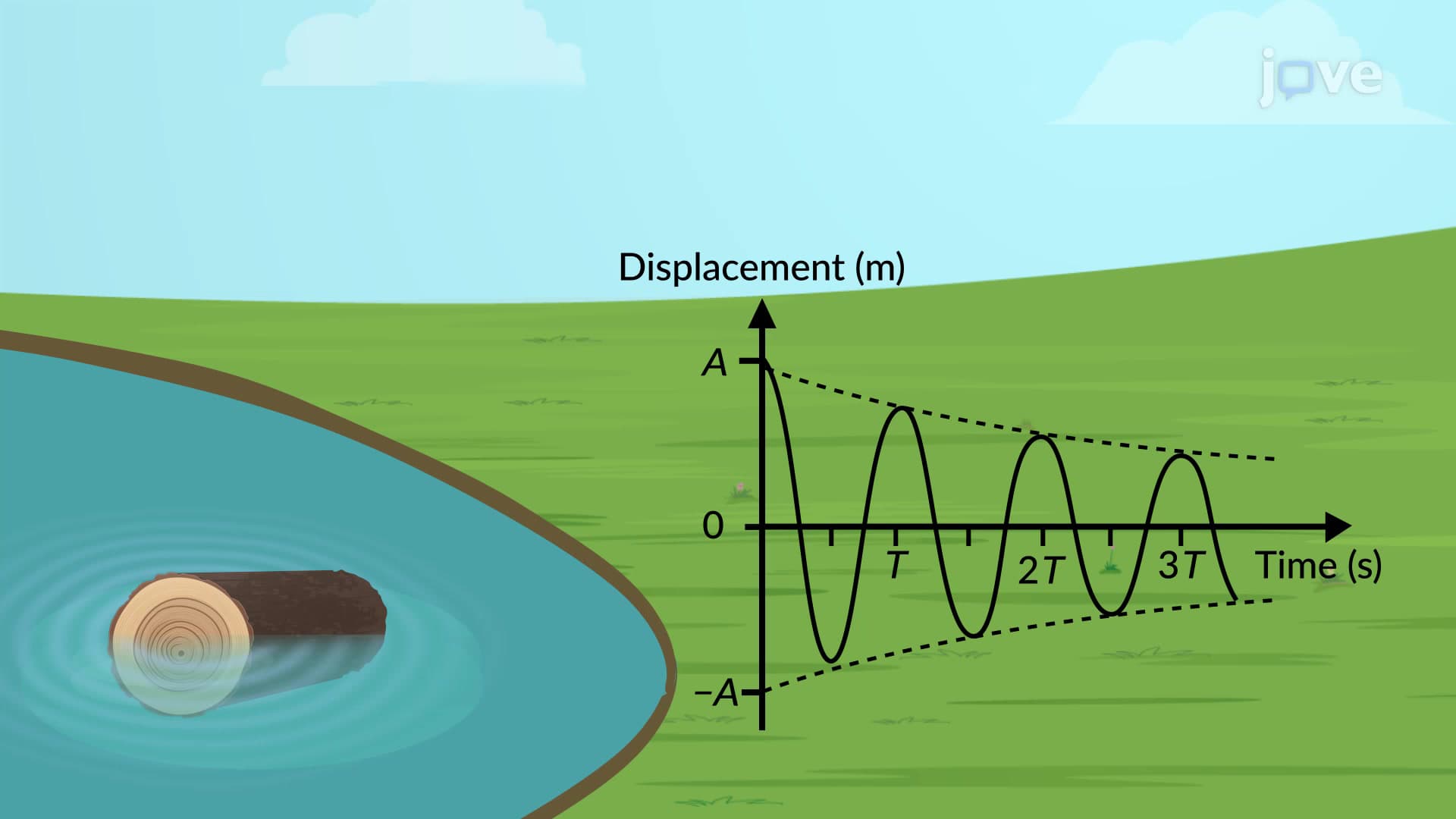
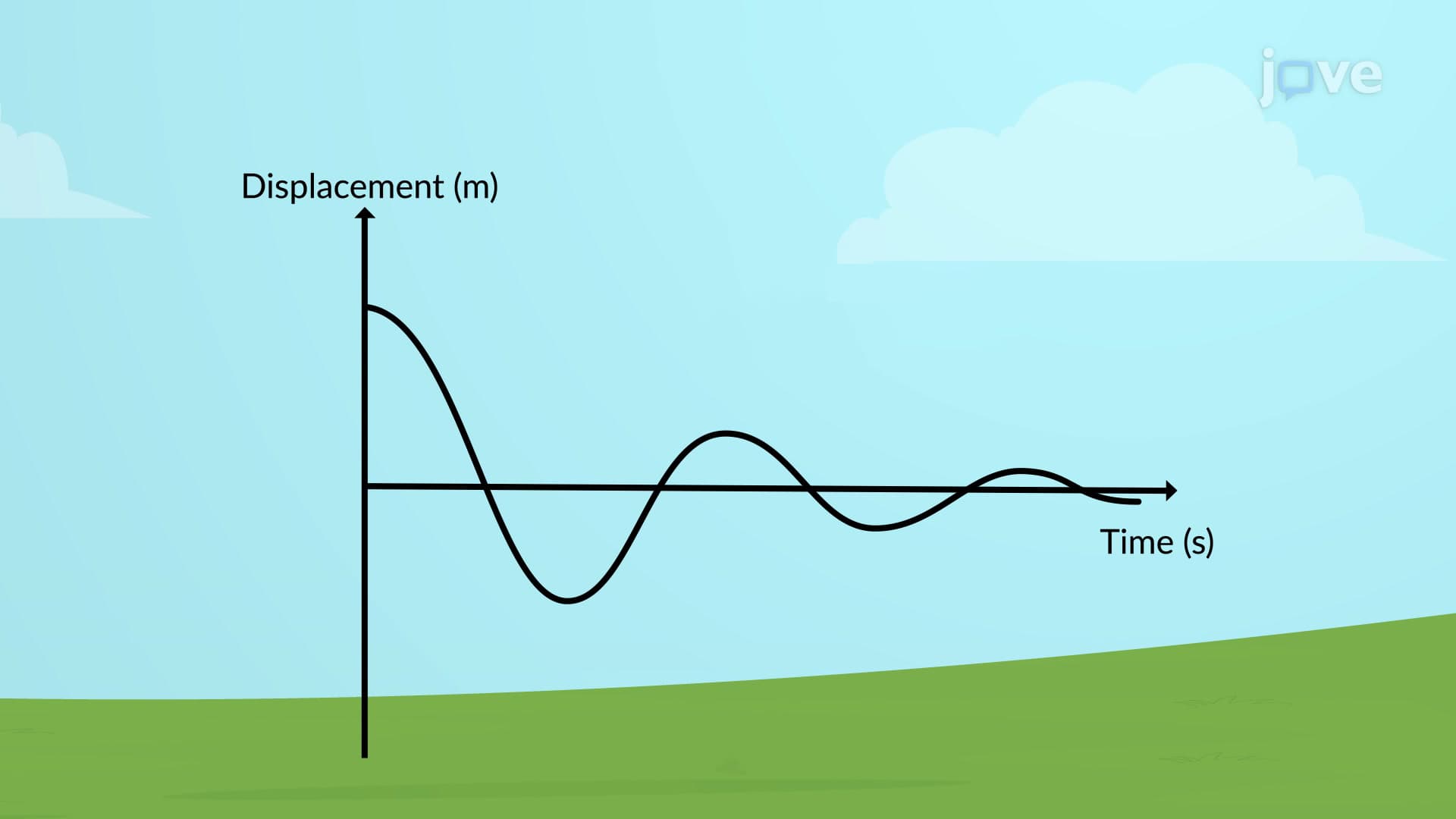
Consider exploring coupled oscillators, damped and driven oscillations, and advanced rotational dynamics including gyroscopic motion. These concepts appear in upper-level physics courses, engineering dynamics, and provide foundations for understanding complex mechanical systems, vibration analysis, and precision instrumentation design principles.
Related Micro-courses
Related Subjects
 Math Fundamentals 11 micro-courses›
 Statistics 17 micro-courses›