Loading subject page…

- Physics
- Oscillations
- Concept of Resonance and its Characteristics
Micro-course: Oscillations
96,920 views
Learn key concepts and earn your certificate.

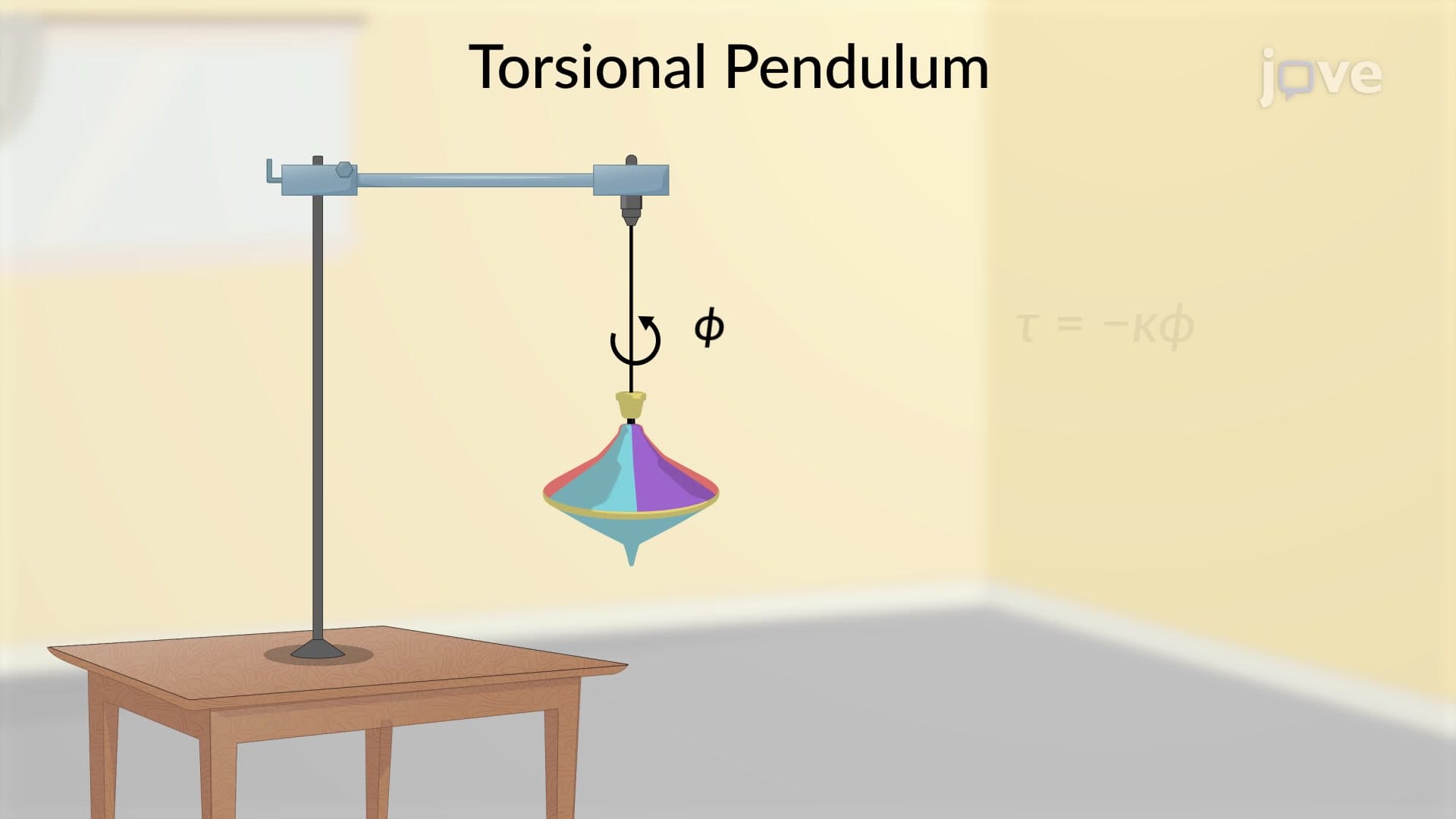
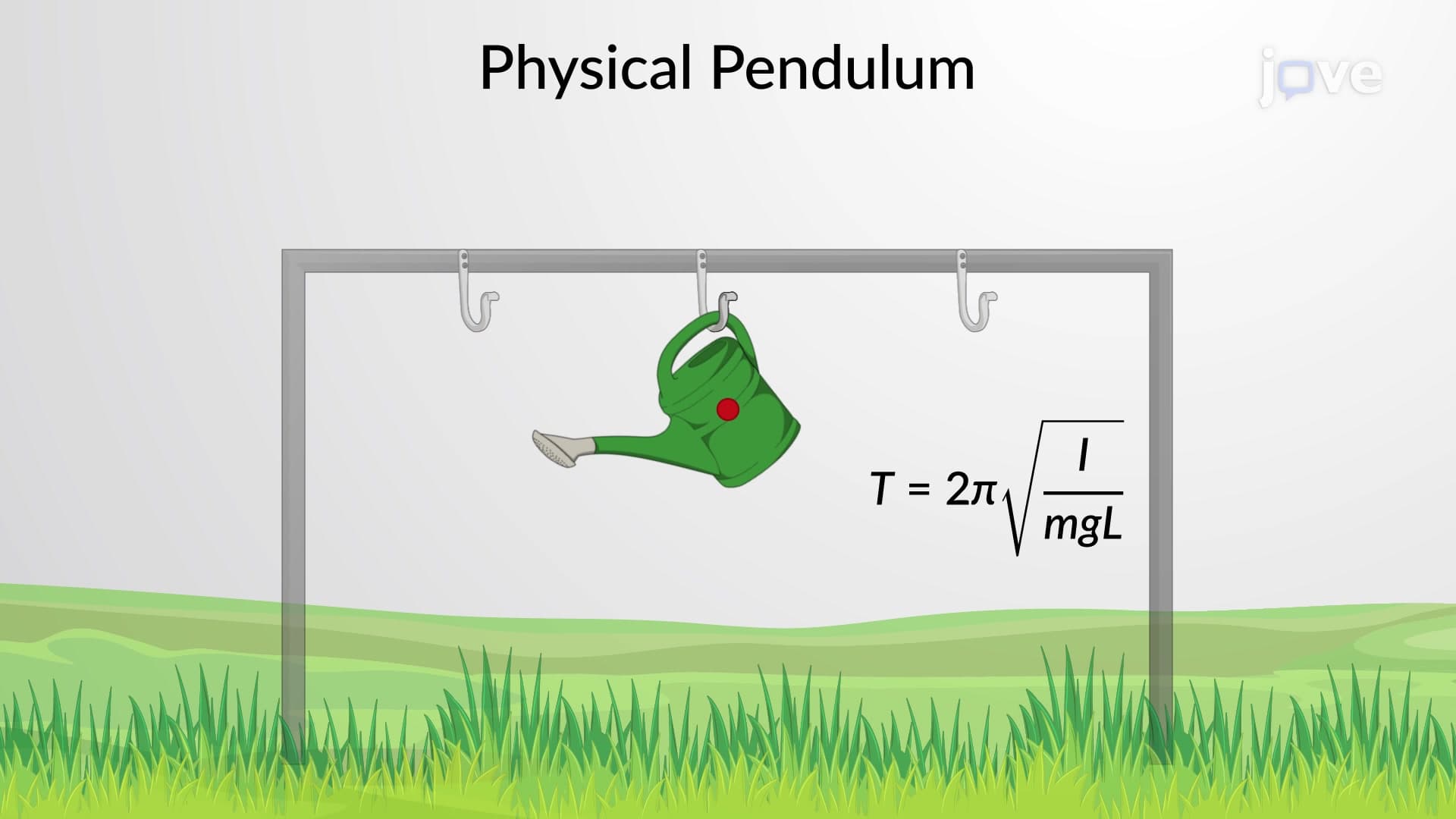
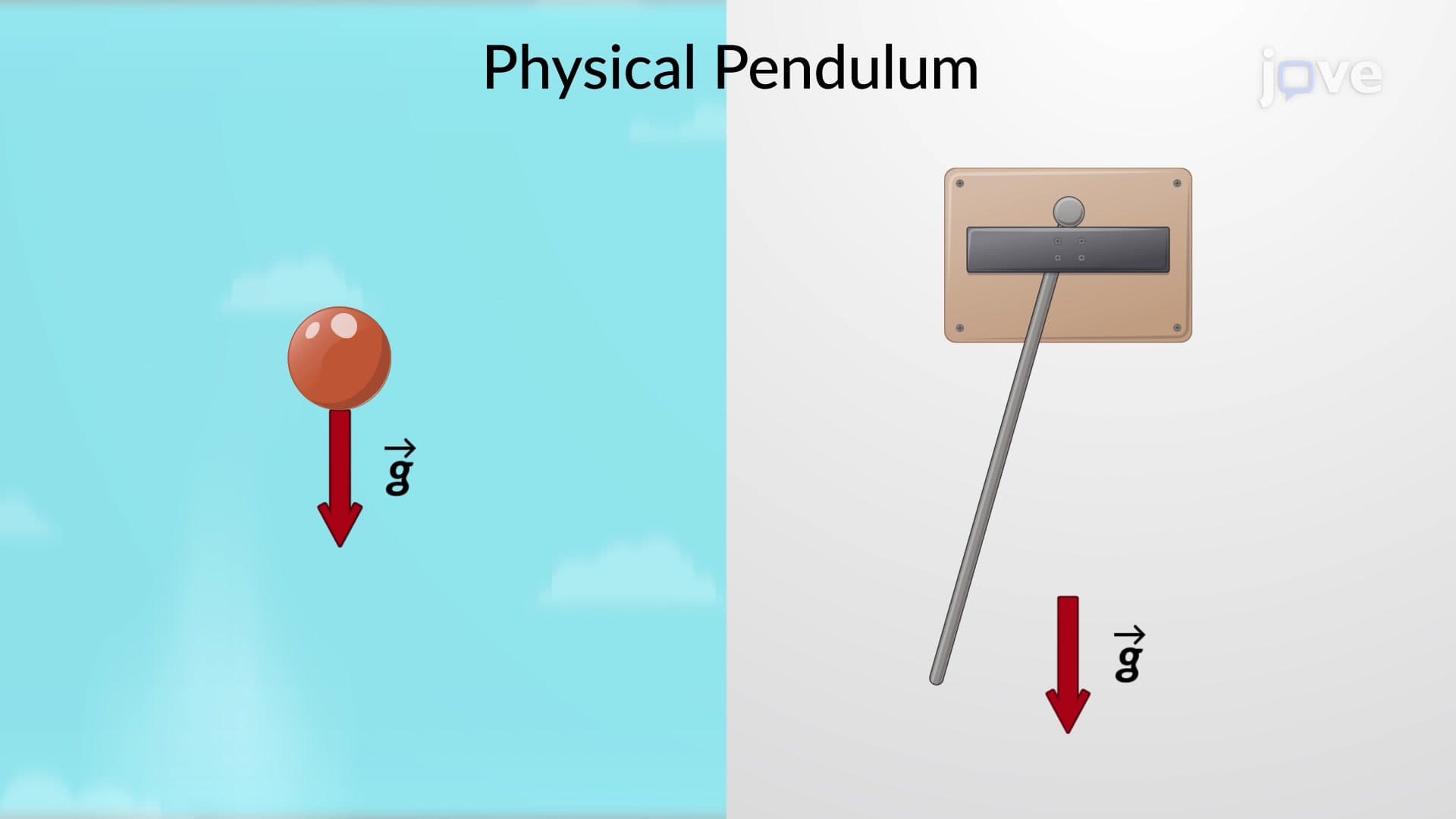
Concept of Resonance and its Characteristics

00:00
01:19
Video Summary: Concept of Resonance and Its Characteristics Explained
Ever wonder why the Golden Gate Bridge can sway dangerously in certain winds, or how opera singers can shatter wine glasses with their voice? The concept of resonance and its characteristics explains these dramatic phenomena through the physics of oscillating systems. When a driving force matches an object's natural frequency-like pendulums of identical length swinging together-energy transfer becomes maximally efficient, creating powerful amplified motion. This fundamental principle governs everything from earthquake damage to MRI machines in US hospitals. Watch the full video on JoVE Coach to master this concept with expert-led visuals and step-by-step explanations.
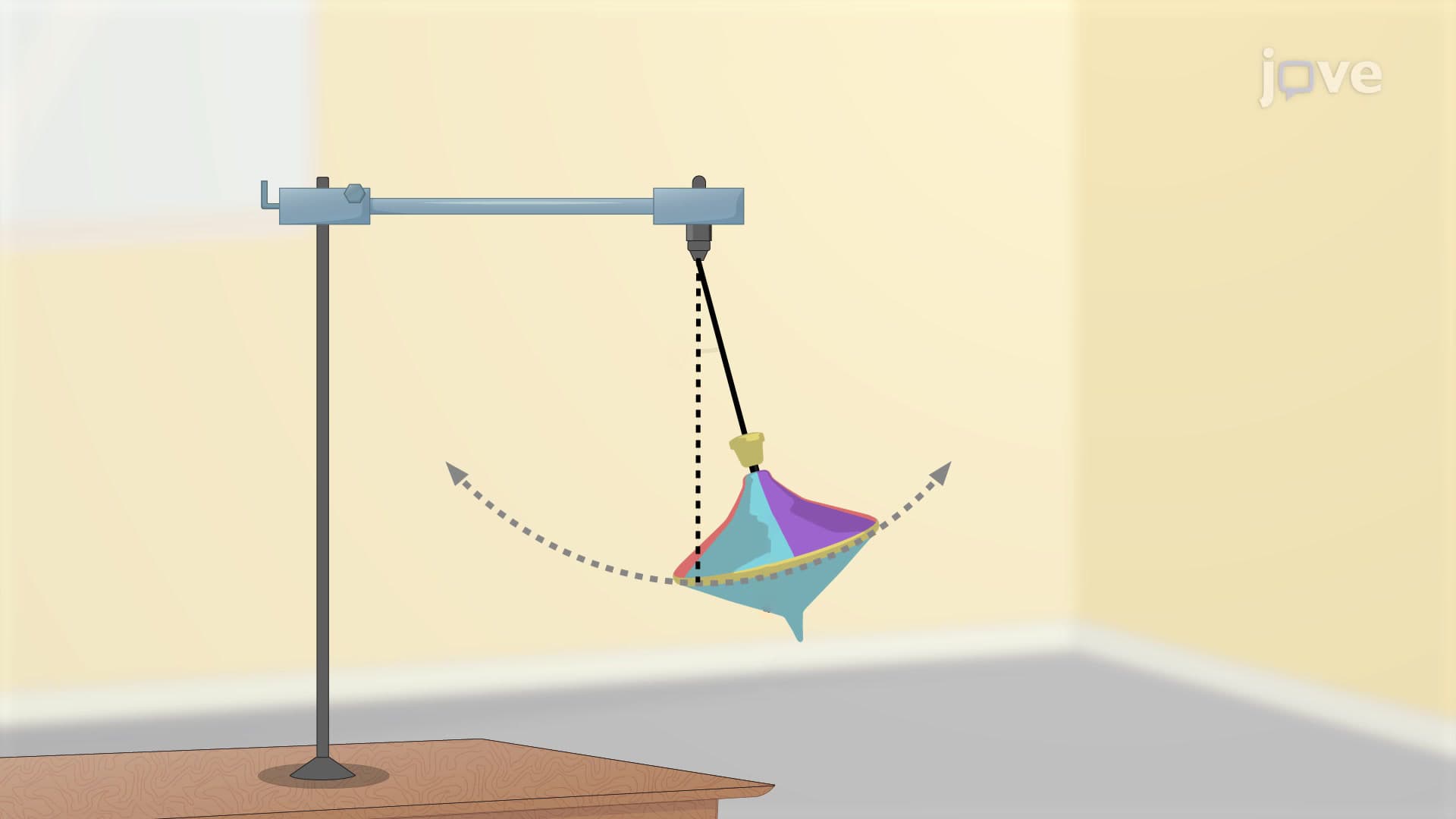
- Understand the concept of resonance and its characteristics through pendulum demonstrations and mathematical relationships
- Identify the critical condition where driving frequency equals natural frequency in oscillating systems
- Analyze how amplitude variations depend on the relationship between natural and driving frequencies
- Compare energy transfer efficiency between resonant and non-resonant oscillating systems
- Evaluate the role of damping forces in controlling resonance amplitude and frequency response
- Apply resonance principles to predict behavior in mechanical and wave-based systems
- Recognize real-world applications of resonance in engineering, music, and medical technology
- Explore the mathematical relationship between amplitude, frequency, and damping in harmonic oscillators
Understanding the Concept of Resonance And Its Characteristics
Resonance represents one of physics' most powerful and potentially destructive phenomena. At its core, resonance occurs when an external driving force oscillates at the same frequency as a system's natural frequency, leading to dramatic amplitude increases over time. This concept of resonance and its characteristics governs countless natural and engineered systems, from playground swings to skyscrapers during earthquakes.
Natural vs. Driving Frequencies in Oscillating Systems
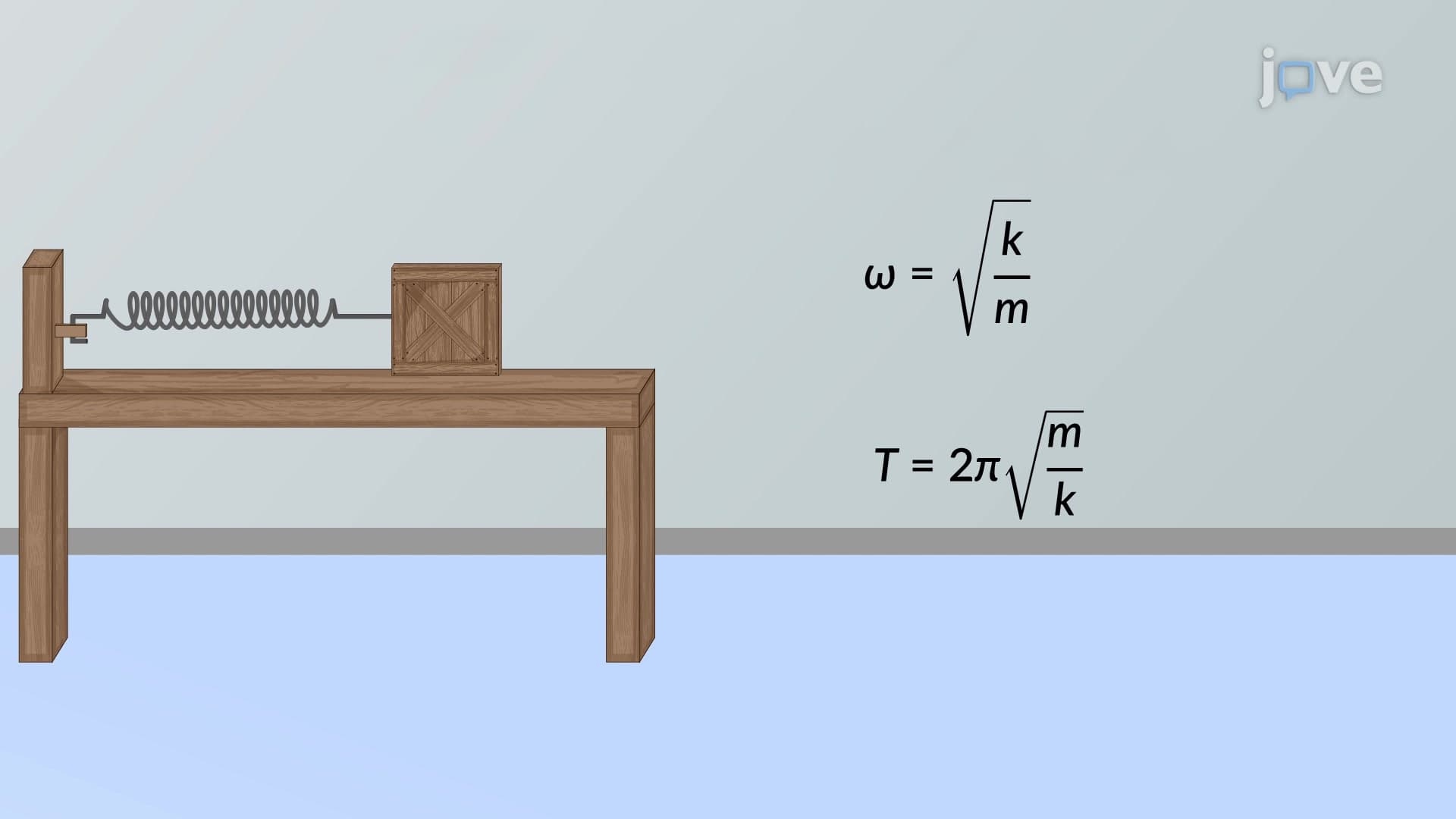
Every oscillating system possesses a natural frequency-the rate at which it vibrates when disturbed and left alone. A guitar string, pendulum, or building beam all exhibit characteristic natural frequencies determined by their physical properties: mass, stiffness, and geometry. When an external force drives the system at a different frequency, the resulting oscillations typically have smaller amplitudes due to inefficient energy transfer.
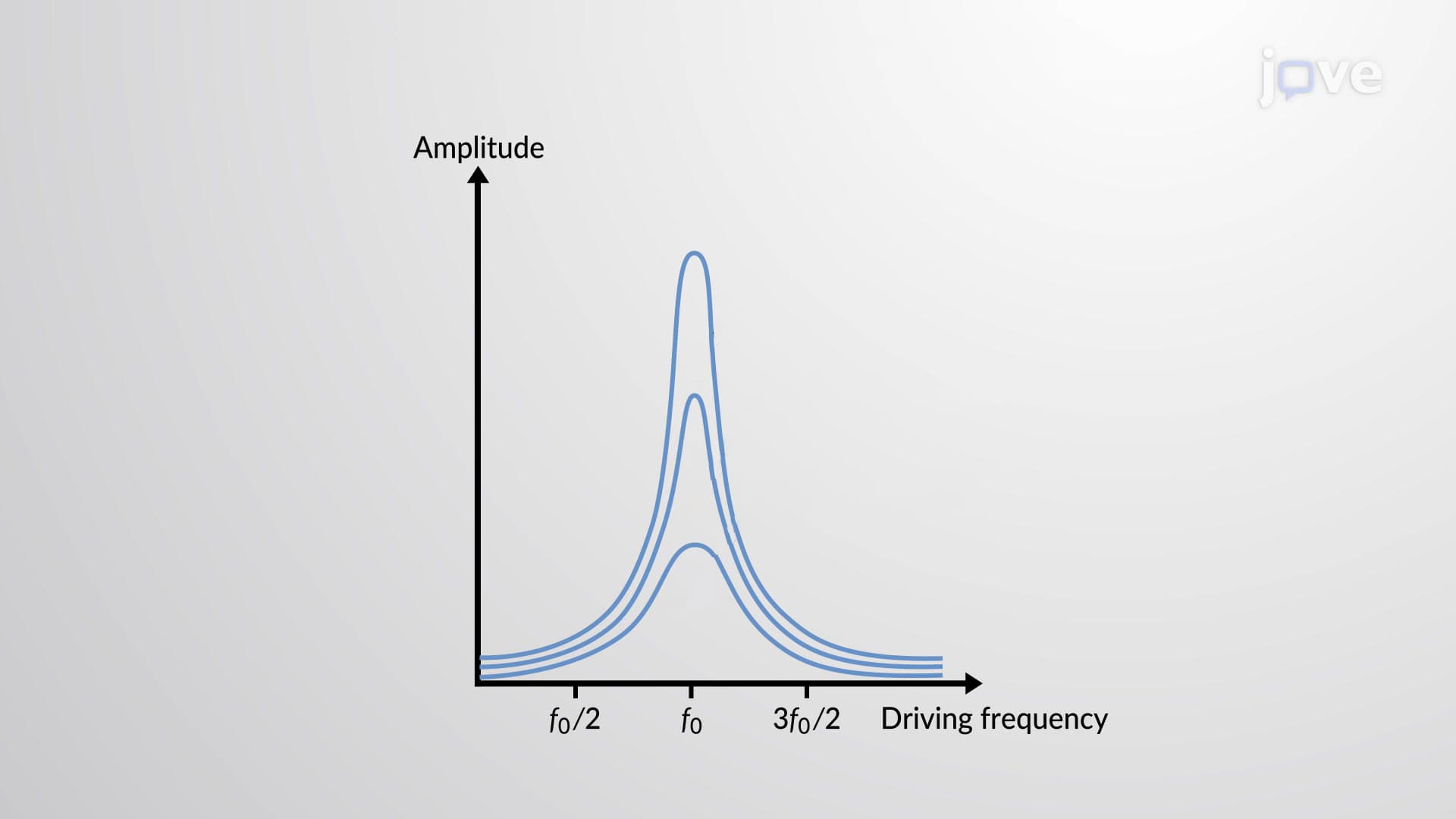
The mathematical relationship governing this behavior shows amplitude depends on the ratio between driving frequency (f) and natural frequency (f₀). When f ≠ f₀, the system oscillates out of phase with the driving force, limiting energy absorption. However, when f = f₀, the resonance condition creates maximum energy transfer, causing amplitudes to grow dramatically with each oscillation cycle.
Damping Effects on Resonant Systems
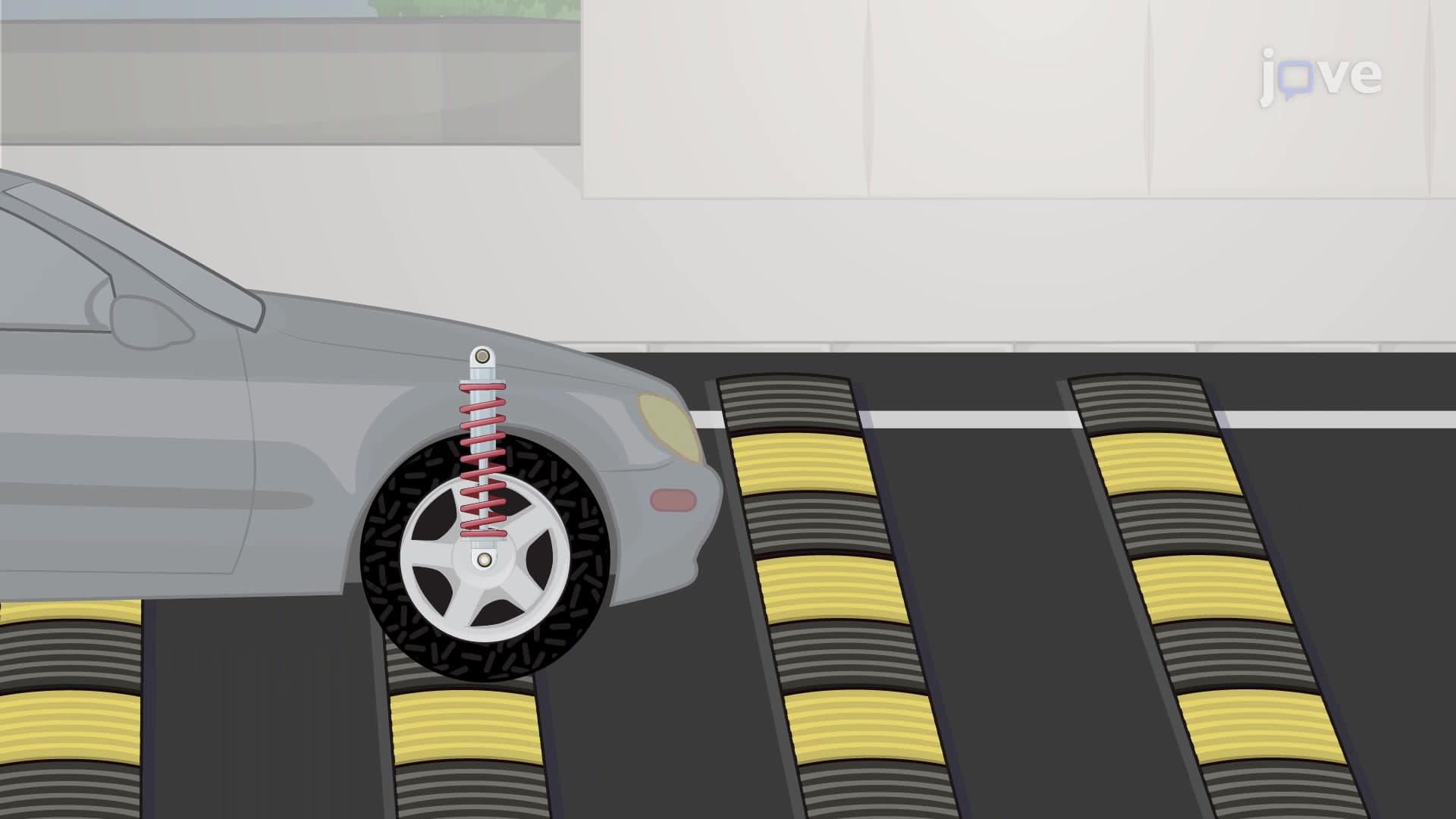
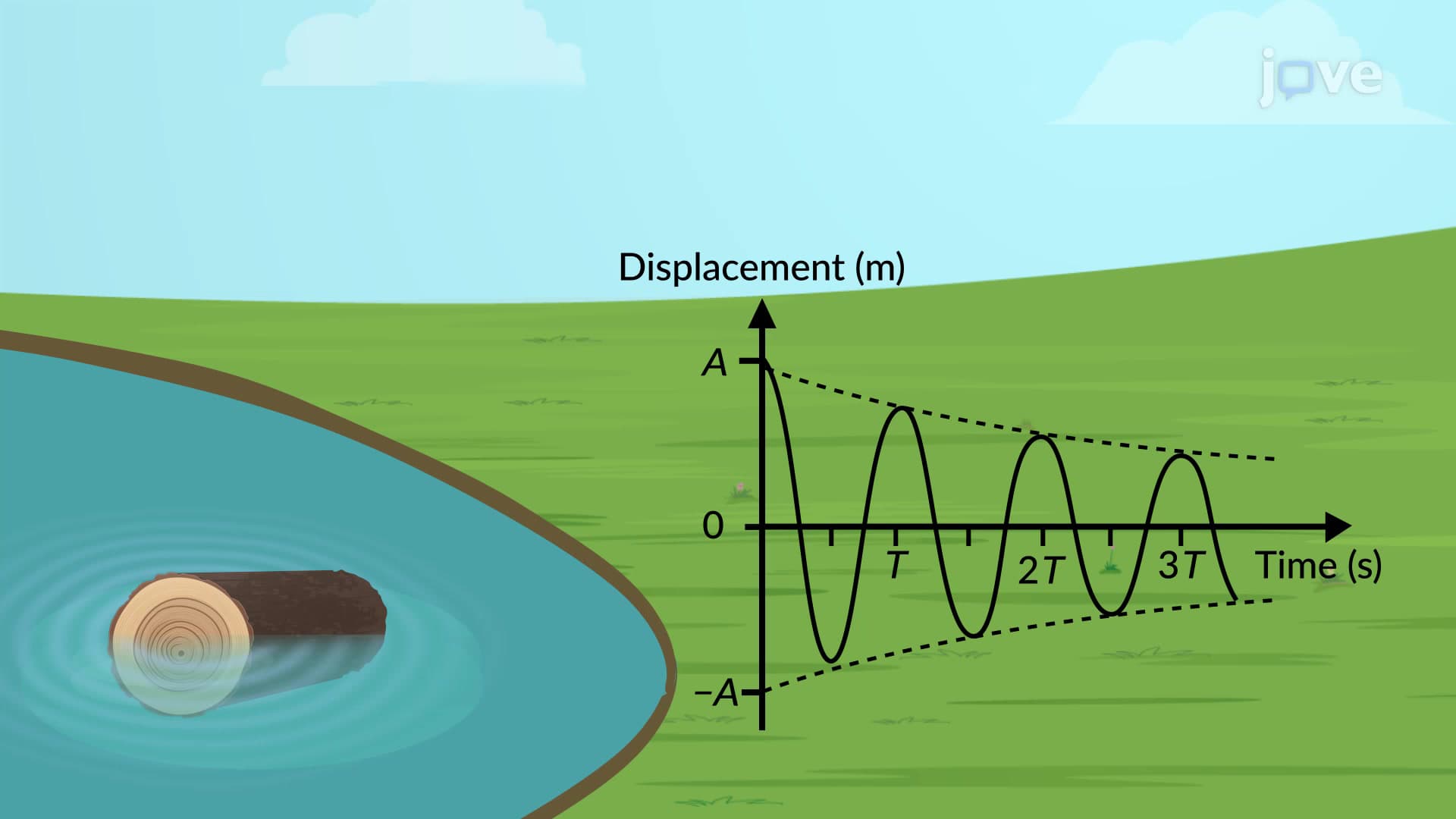
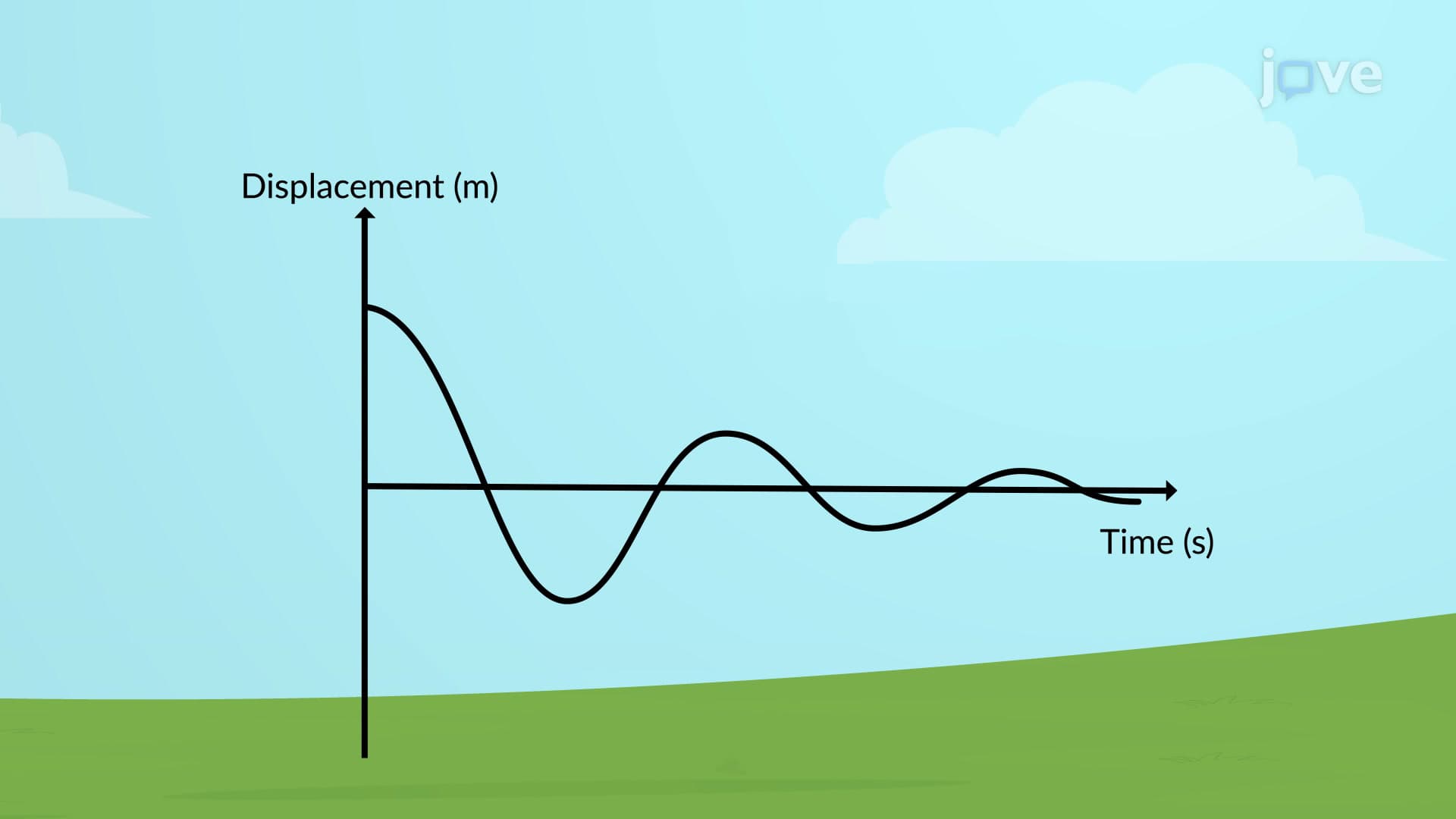
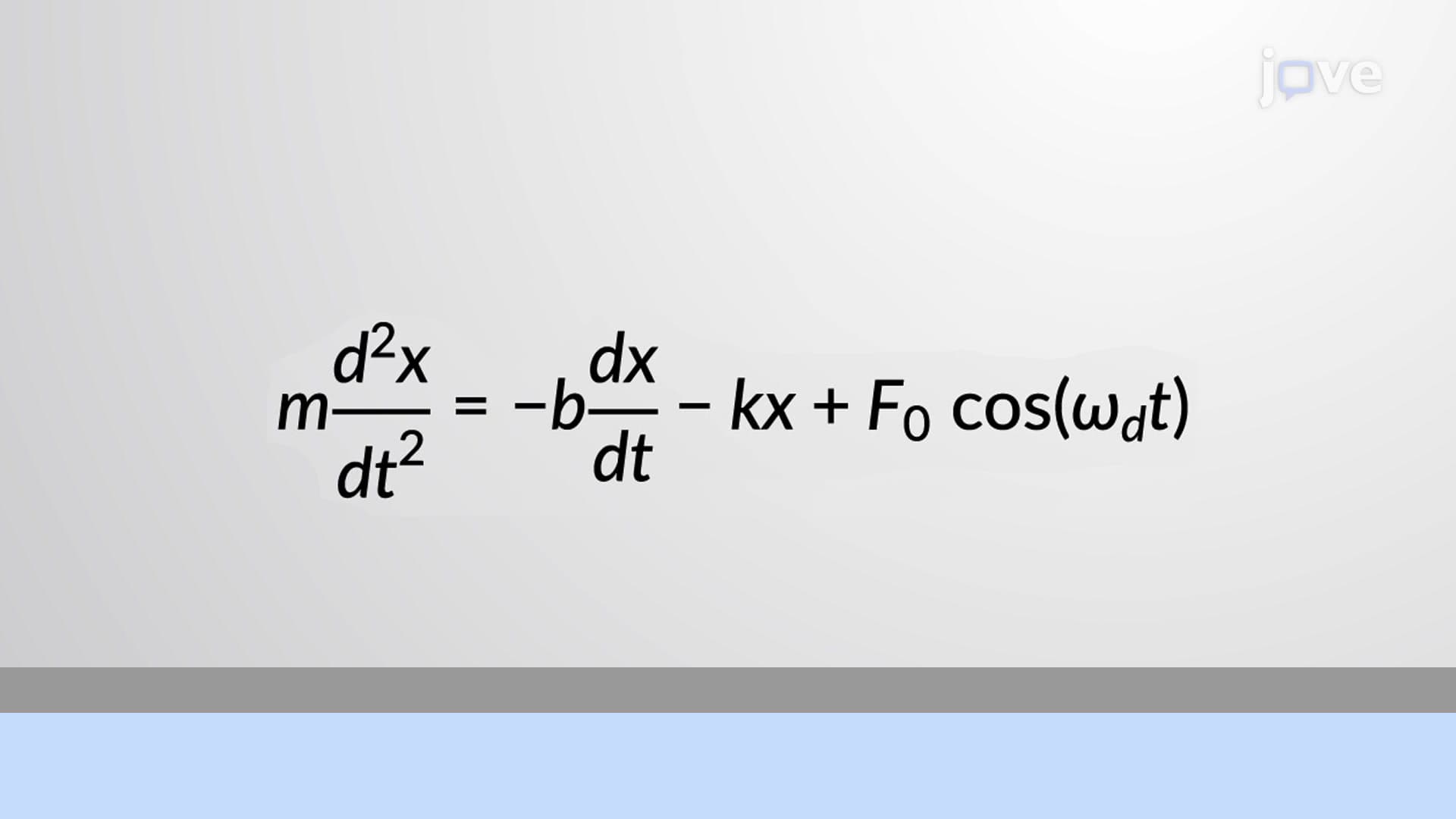
Real-world systems always experience damping-energy loss through friction, air resistance, or material properties. The concept of resonance and its characteristics becomes more complex when damping is considered. Light damping produces sharp, high-amplitude resonance peaks, while heavy damping creates broader, lower peaks. This principle explains why car shock absorbers use heavy damping to prevent dangerous resonant bouncing on bumpy roads.
Practical Applications and Exam Relevance
Resonance appears frequently on AP Physics exams, college midterms, and MCAT physics sections. Students must understand both the mathematical relationships and real-world implications. The 1940 Tacoma Narrows Bridge collapse remains a classic example-wind-induced oscillations at the bridge's natural frequency created catastrophic resonance. Conversely, engineers harness resonance positively in applications like MRI machines, where radio waves at specific resonant frequencies excite hydrogen atoms in human tissue.
Modern earthquake-resistant buildings in California incorporate damping systems and frequency isolation to prevent resonant destruction during seismic events. Similarly, concert hall acoustics rely on controlled resonance to amplify and shape musical sounds, while automotive engineers tune engine mounts to avoid resonant vibrations at common driving speeds.
Frequently Asked Questions
Resonance occurs when an external driving force matches a system's natural vibration frequency, causing dramatic amplitude increases. The key characteristics include frequency matching, energy amplification, and dependence on damping. Think of pushing a child on a swing-timing your pushes with the swing's natural rhythm creates the highest, most efficient motion.
AP Physics and college exams commonly test resonance through pendulum problems, wave interference, and harmonic oscillator calculations. Students must calculate natural frequencies, predict amplitude changes, and explain damping effects. Typical questions involve finding resonant frequencies in springs, analyzing building earthquake responses, or explaining musical instrument acoustics using resonance principles.
MCAT physics sections frequently include resonance in wave behavior, sound physics, and periodic motion contexts. Students encounter questions about medical imaging (MRI resonance), ultrasound frequencies, and biological oscillatory systems. Understanding resonance helps with wave interference, standing wave patterns, and frequency-dependent phenomena in medical applications.
US infrastructure incorporates resonance principles extensively-earthquake dampers in Los Angeles skyscrapers prevent destructive building resonance during seismic events. The Golden Gate Bridge uses aerodynamic modifications to avoid wind-induced resonance. Medical facilities rely on MRI machines that use nuclear magnetic resonance, while radio stations broadcast at specific resonant frequencies for optimal signal transmission.
Resonance concepts are highly accessible to Grade 9-12 students with basic wave and oscillation knowledge. The pendulum demonstration makes the principles visually clear, while everyday examples like musical instruments and playground swings provide intuitive understanding. Mathematical complexity can be adjusted-focus on frequency relationships before tackling advanced damping equations.
Create comparison charts showing resonant vs. non-resonant conditions, practice calculating natural frequencies for different systems, and memorize key real-world examples for essay questions. Work through pendulum problems systematically, focusing on frequency matching conditions. Use online simulations to visualize amplitude changes with varying driving frequencies and damping values.
Students ready for deeper exploration should investigate coupled oscillators, resonant circuits in electrical engineering, and quantum mechanical harmonic oscillators. Advanced topics include resonance in electromagnetic waves, plasma physics resonances, and nonlinear resonance phenomena. These concepts appear in upper-level college courses and engineering applications.
Related Micro-courses


