Loading video…


 15 Concepts
 54.3K views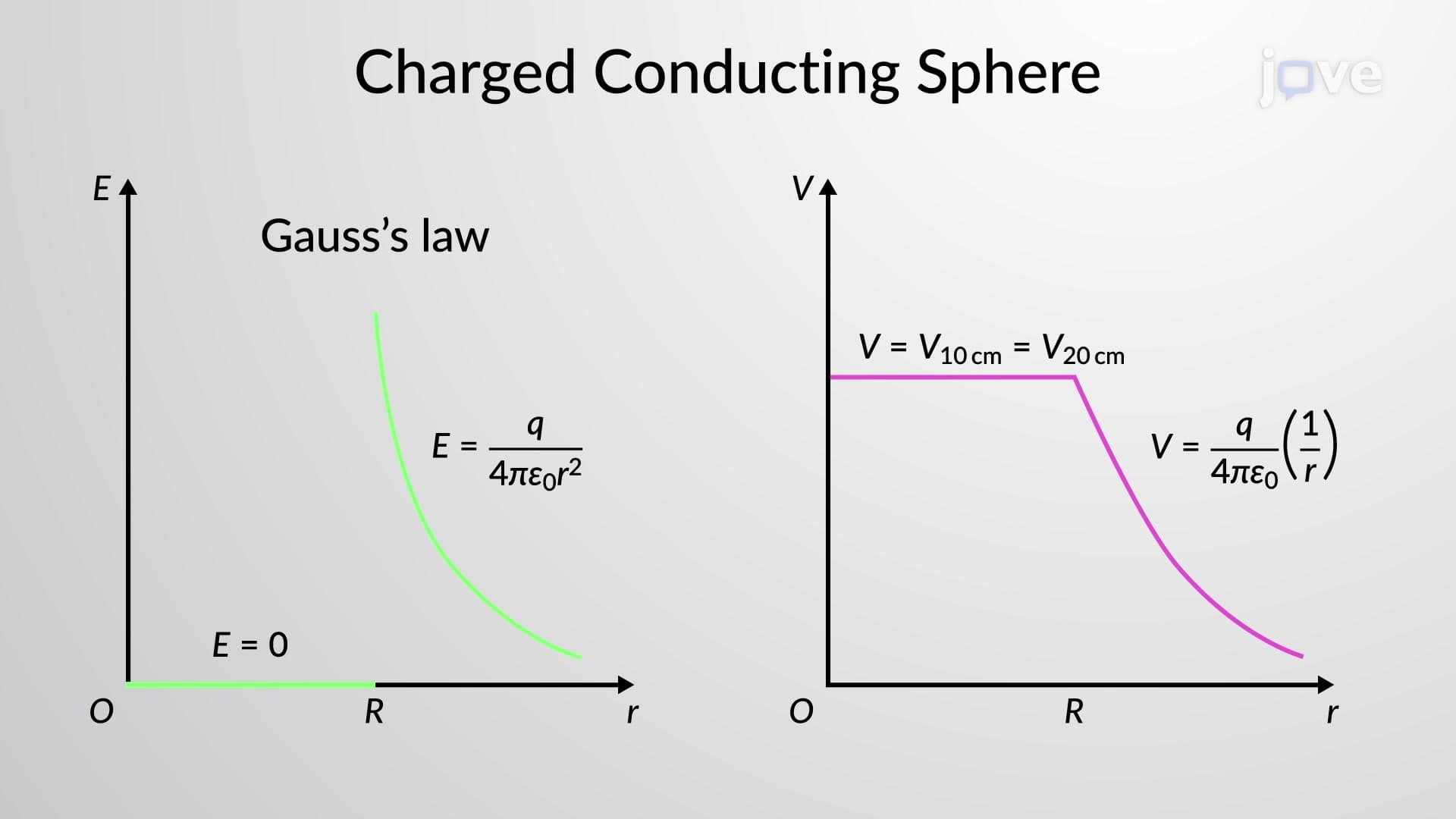

Video Summary: Calculations of Electric Potential I Explained
Ever wondered how the touch screen on your smartphone responds to your finger? Calculations of electric potential I explain the fundamental physics behind capacitive touch technology used in millions of American devices daily. This concept demonstrates how electric potential varies around charged conductors, similar to how your phone detects the electric field disturbance from your fingertip. Watch the full video on JoVE Coach to master this concept with expert-led visuals and step-by-step explanations.
Calculations of electric potential I form the cornerstone of electrostatics, essential for students preparing for AP Physics, SAT Subject Tests, and introductory college physics courses. Electric potential represents the work per unit charge required to move a test charge from infinity to a specific point in an electric field. Unlike electric field, which is a vector quantity, potential is scalar, making calculations more straightforward in many scenarios.
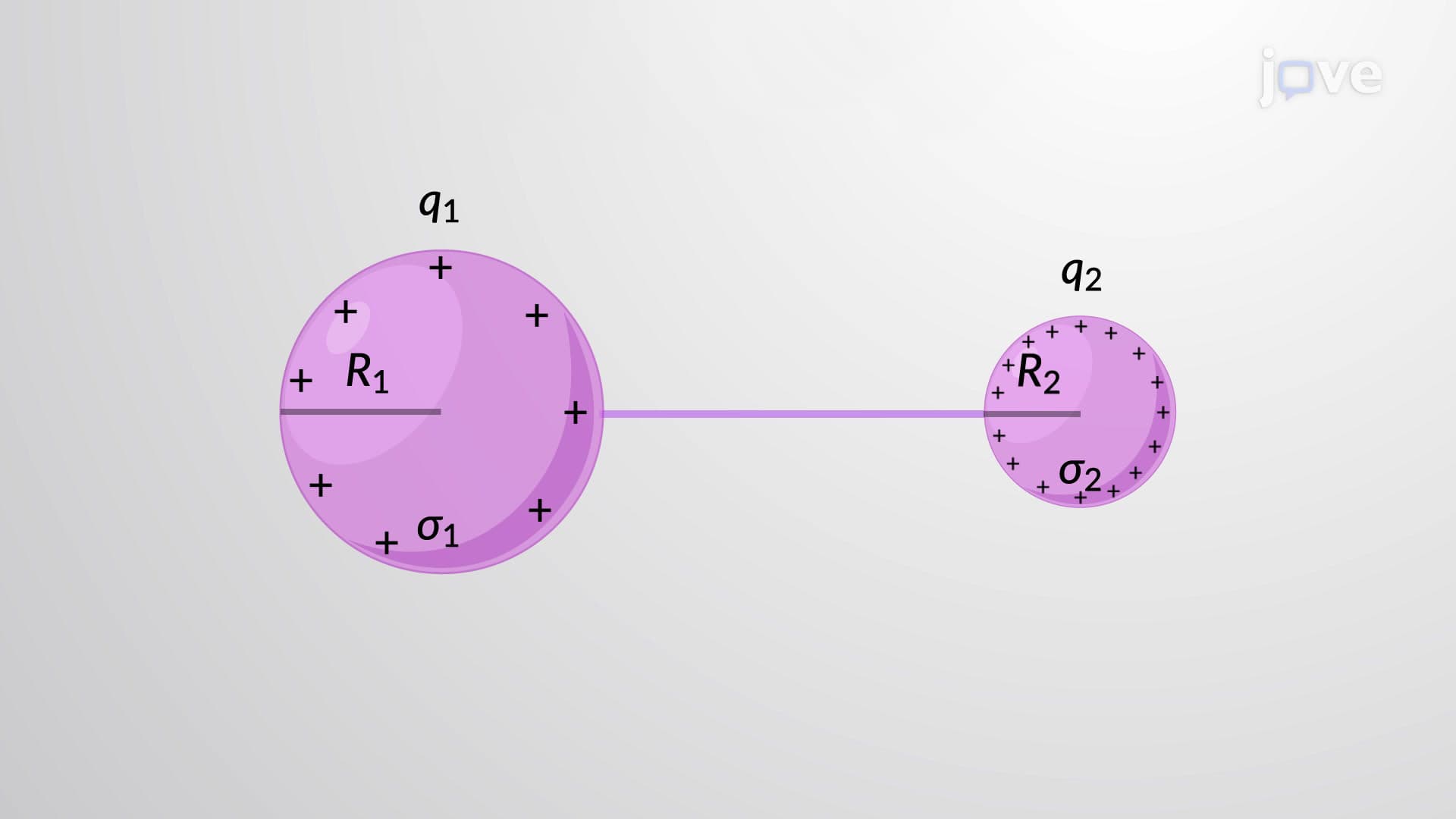
When dealing with spherical conductors, the behavior of electric potential follows distinct patterns in different regions. Inside the conductor, free electrons redistribute to create zero net electric field, meaning no work is required to move charges within this region. Consequently, the potential remains constant throughout the interior and equals the surface potential.
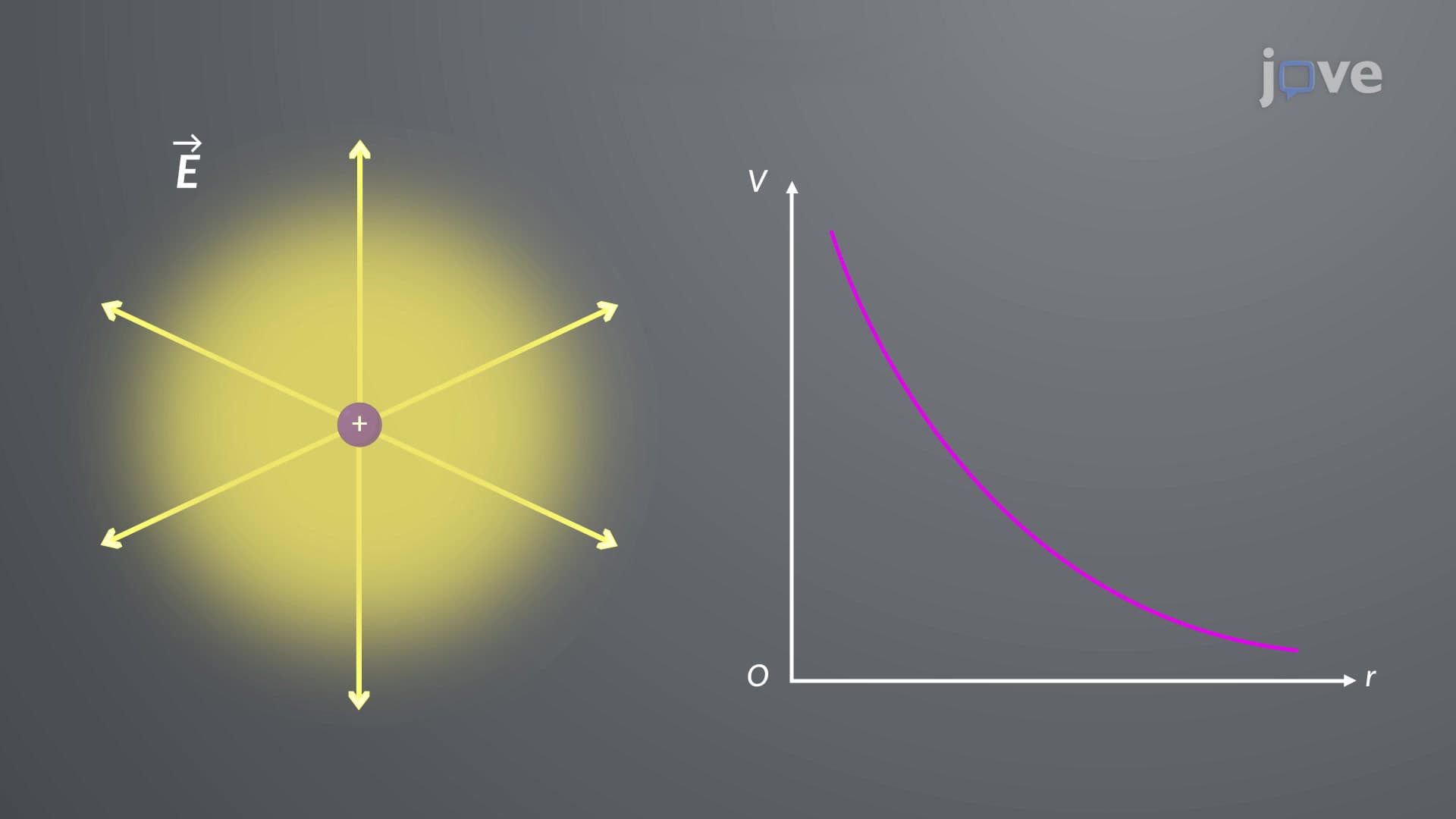
Outside the conductor, the situation changes dramatically. The electric field follows Coulomb's law, decreasing as the inverse square of distance (E ∝ 1/r²). Since potential is the integral of the electric field, this relationship leads to potential varying inversely with distance (V ∝ 1/r). This mathematical relationship appears frequently in MCAT physics sections and college electromagnetic theory courses.
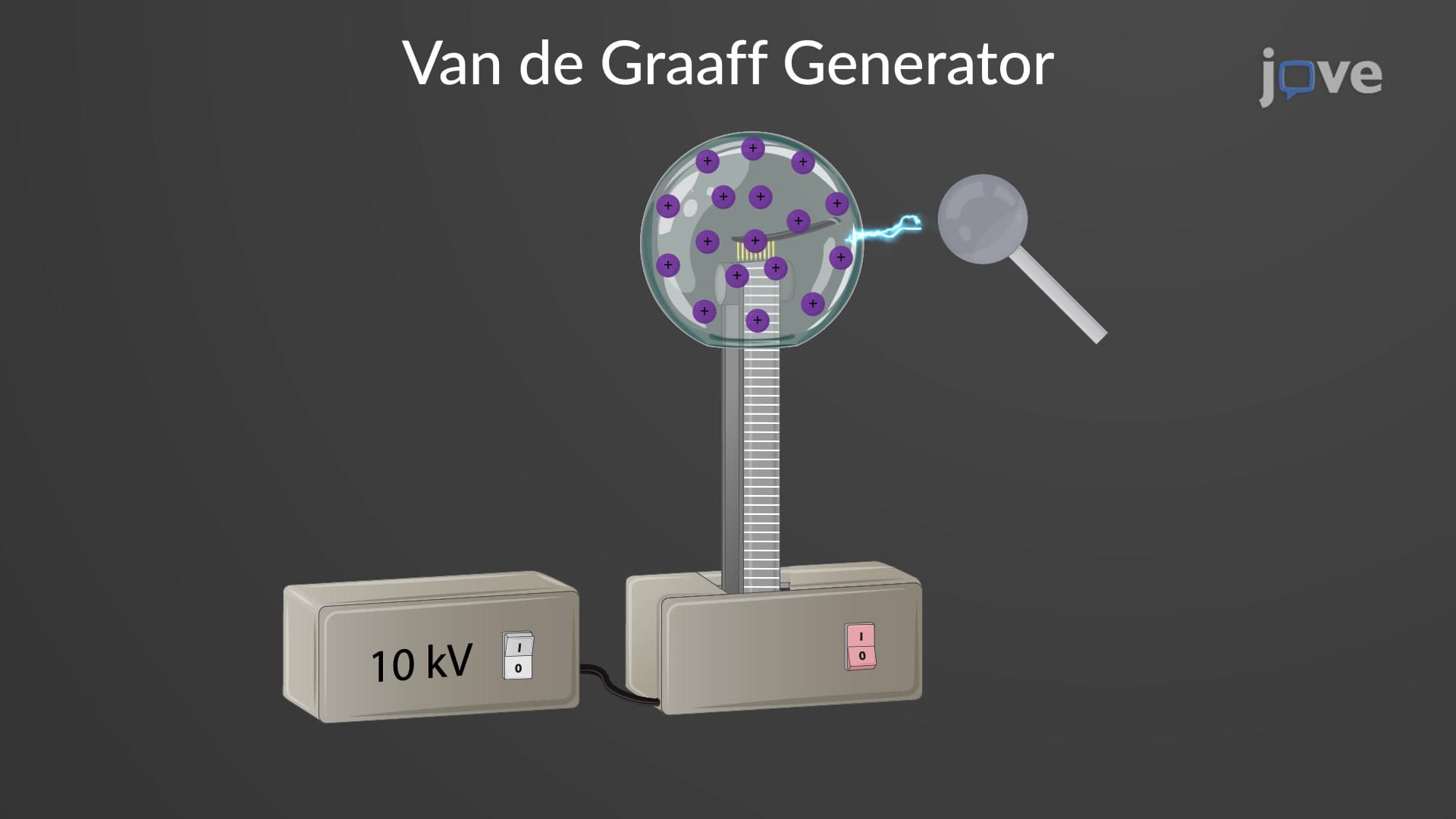
These principles directly apply to numerous technologies Americans encounter daily. Van de Graaff generators, commonly found in science museums like the Exploratorium in San Francisco or the Museum of Science in Boston, demonstrate these concepts through dramatic static electricity displays. The metallic sphere accumulates charge, creating the exact potential distributions described in our calculations.
Capacitive sensors in modern automotive systems also rely on these principles. When you approach keyless entry systems in vehicles manufactured by Ford, GM, or Tesla, the car's computer detects changes in the electric potential field around the door handle, triggering the unlock mechanism.
Success in electric potential calculations requires systematic approach. First, identify the geometry (spherical, cylindrical, or planar). Second, determine which regions follow different field relationships. Third, apply appropriate integration techniques, remembering that potential at infinity equals zero by convention. This methodical approach proves invaluable during timed AP Physics exams or college midterms at institutions like MIT, Caltech, or state universities.
Related Micro-courses