Loading video…


 15 Concepts
 54.3K views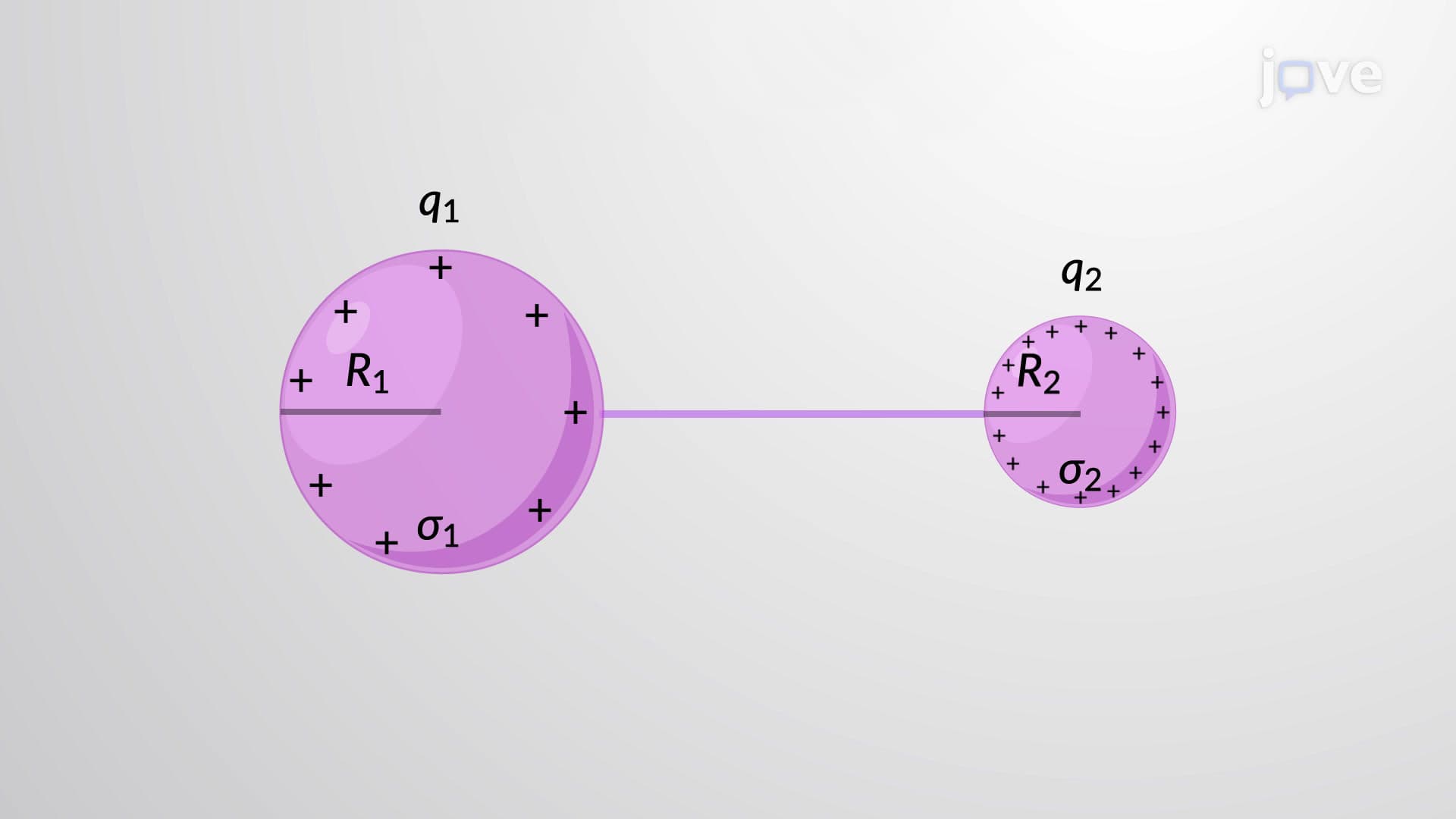

Video Summary: What Is Equipotential Surfaces and Conductors
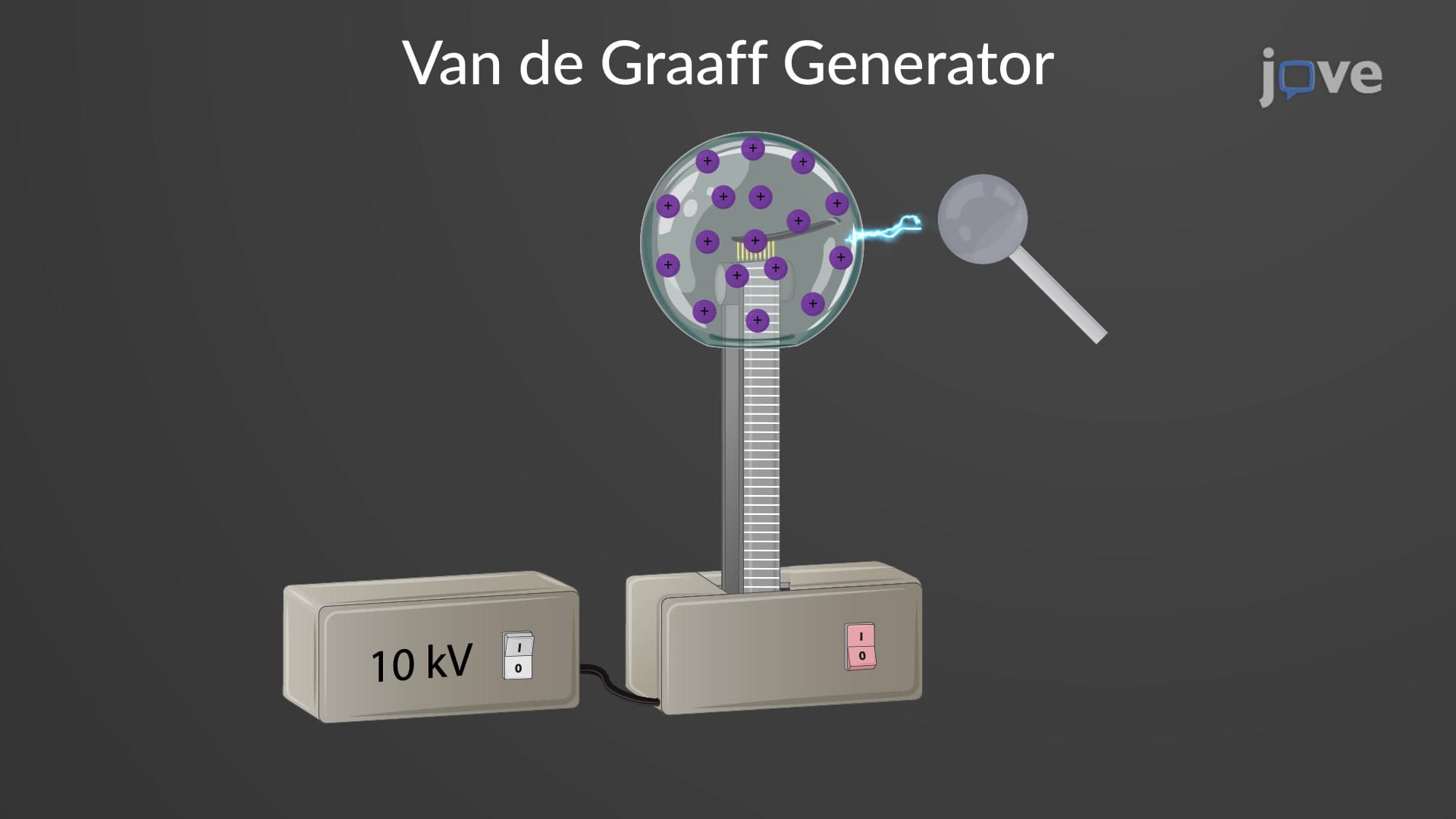
Ever wondered why touching a Van de Graaff generator at a science museum makes your hair stand up uniformly? Equipotential surfaces and conductors explain this phenomenon through the fundamental principle that electric fields cannot exist inside conductors. In conducting materials like the metal sphere of a Van de Graaff generator, all surface points maintain identical electric potential, creating what physicists call equipotential surfaces. Watch the full video on JoVE Coach to master this concept with expert-led visuals and step-by-step explanations.
Equipotential surfaces and conductors represent one of the most elegant concepts in electrostatics, where conducting materials create regions of constant electric potential. When charges reach electrostatic equilibrium in a conductor, they distribute themselves to ensure zero electric field inside the material. This fundamental principle governs everything from lightning rods on skyscrapers to the Faraday cages protecting sensitive electronics in hospitals across the United States.
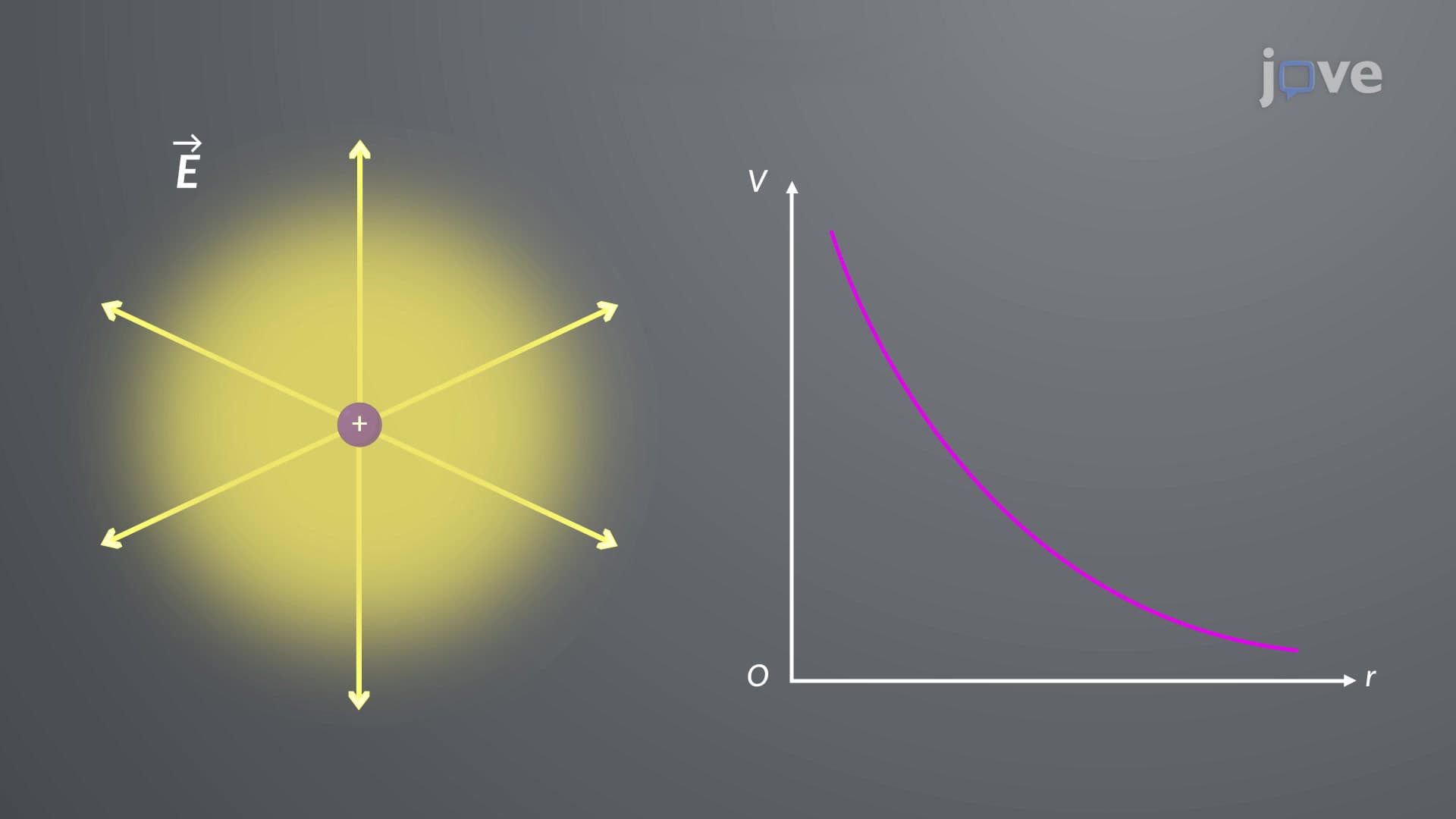
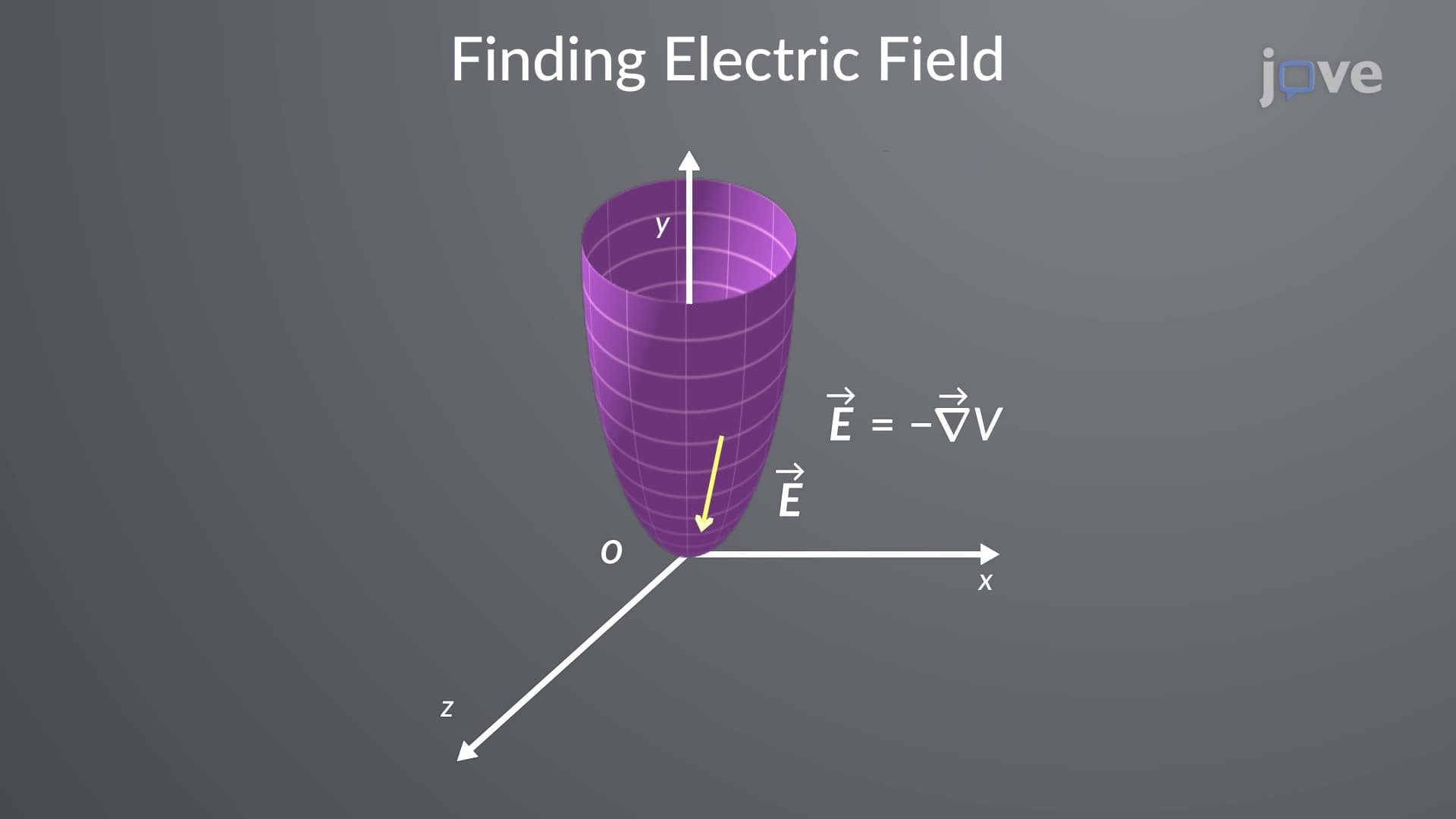
The mathematical foundation rests on Gauss's law and the properties of electric fields. Inside any conductor at electrostatic equilibrium, E = 0 everywhere. This occurs because free electrons in the conductor rearrange themselves to cancel any internal electric field. Since electric potential V relates to electric field through V = -∫E·dr, a zero internal field means constant potential throughout the conductor's volume.
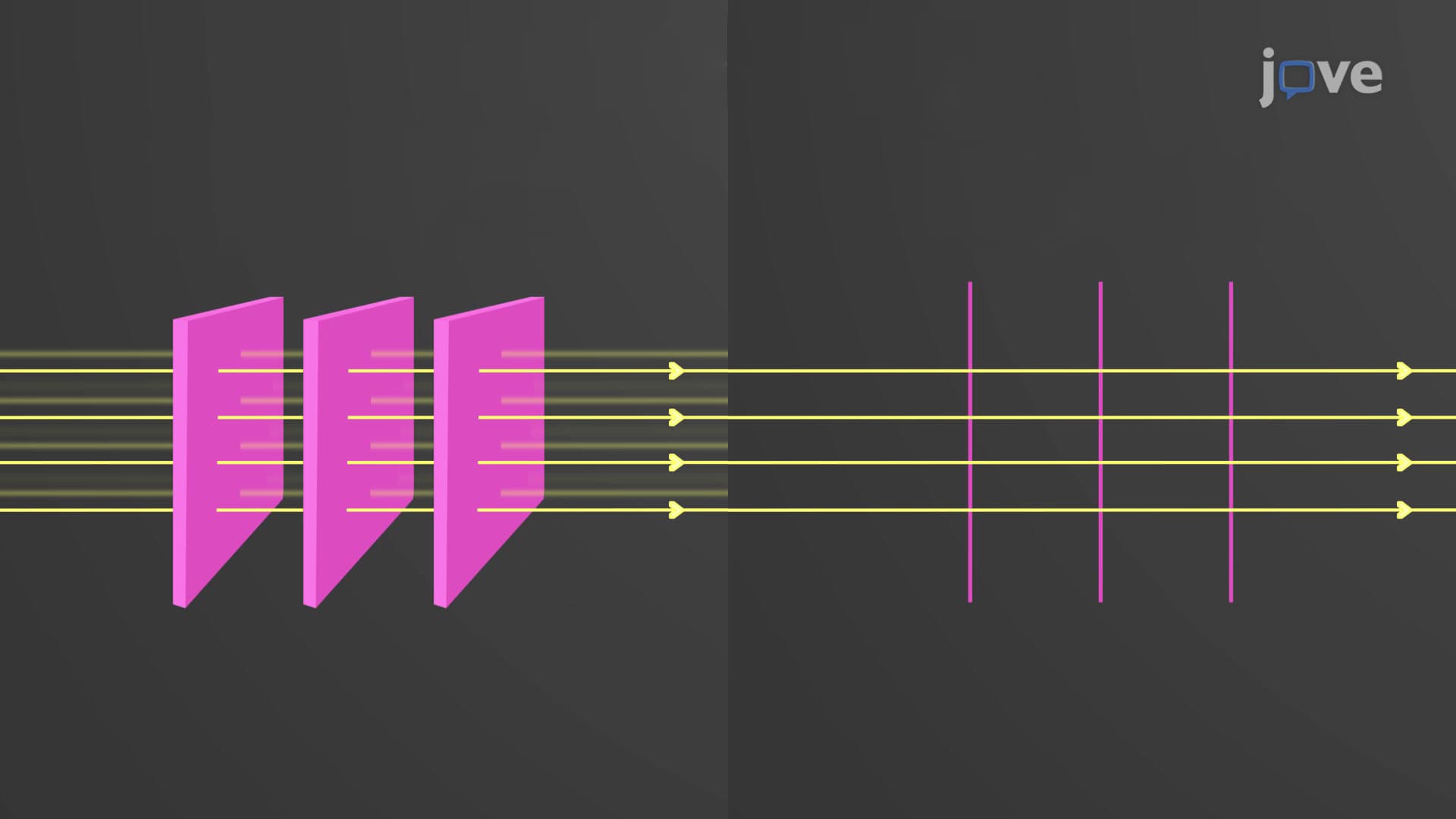
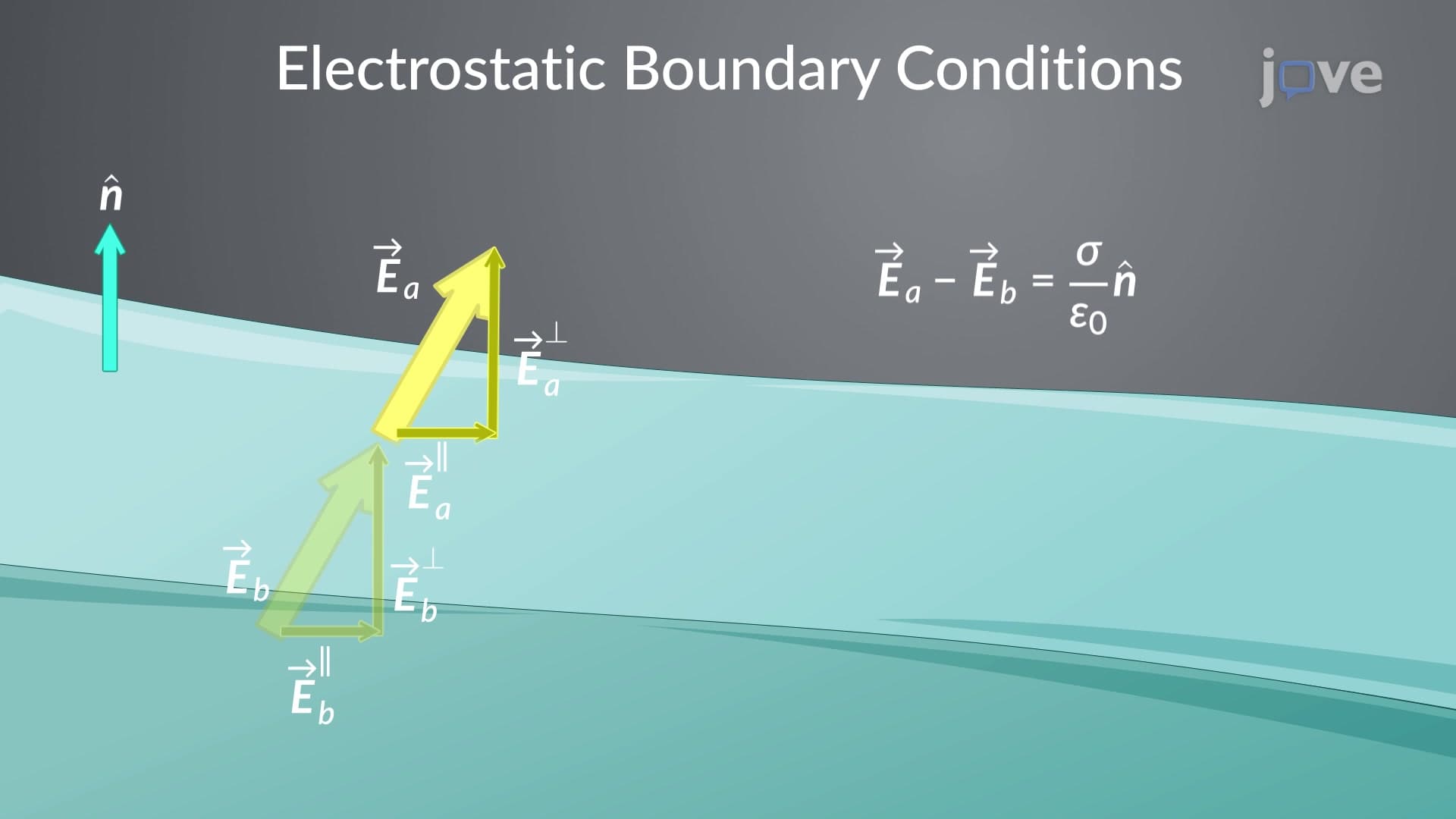
The conductor's surface exhibits unique electromagnetic properties that distinguish it from insulators. Electric field lines must be perpendicular to the conductor's surface, any tangential component would cause charge movement, violating electrostatic conditions. This perpendicular field requirement makes the conductor's surface an equipotential surface, where every point maintains identical electric potential.
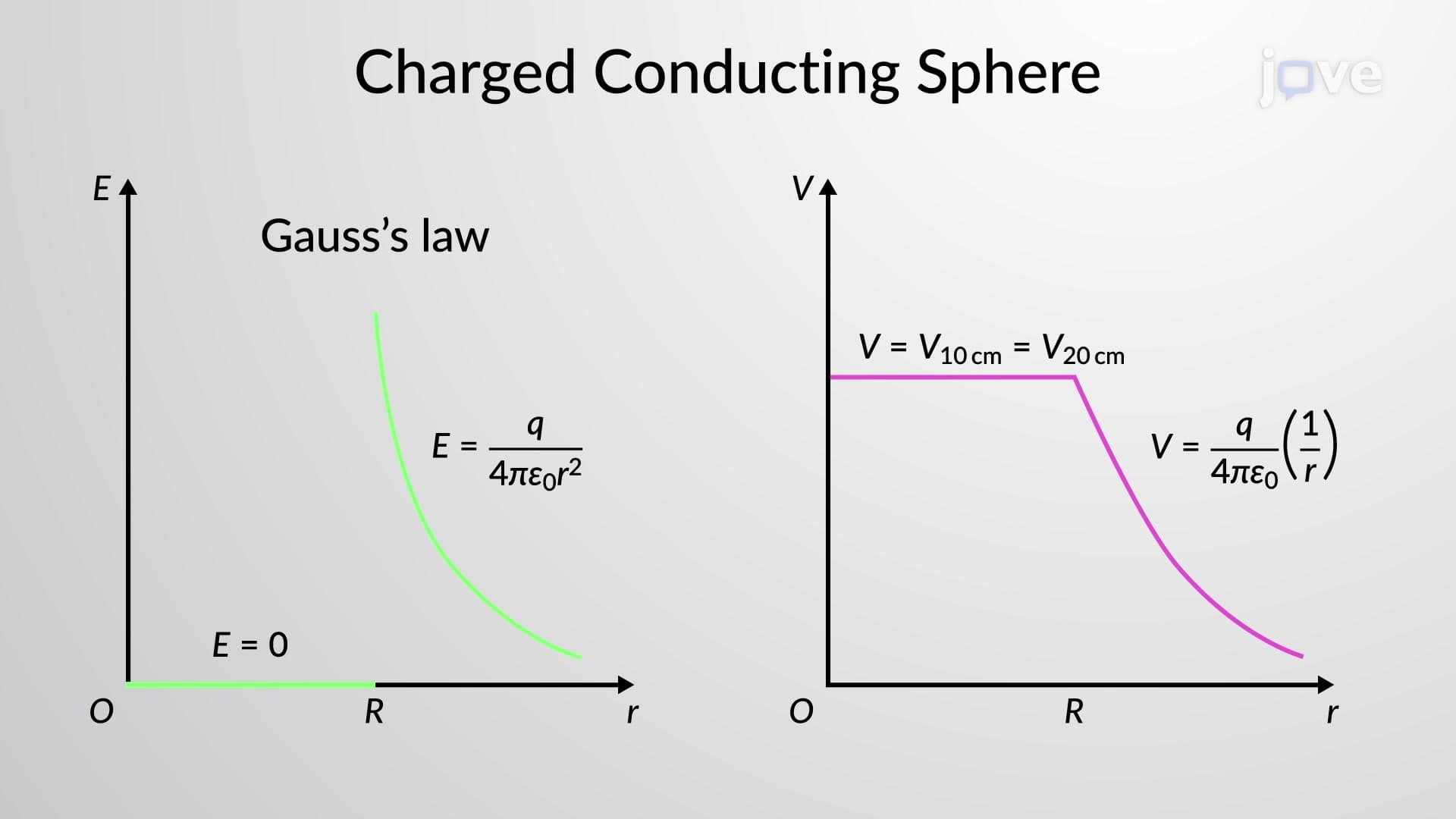
Students preparing for AP Physics C: Electricity and Magnetism frequently encounter problems involving spherical conductors. For a conducting sphere of radius R carrying charge Q, the electric field outside follows E = kQ/r² (where r > R), while inside E = 0. The surface potential becomes V = kQ/R, demonstrating how geometry affects electrical properties.
When two conductors connect via a conducting wire, they reach the same potential regardless of their individual charges or sizes. This principle explains why electrical grounding systems work effectively in American homes and industrial facilities. For two connected spherical conductors with radii R₁ and R₂, their charges distribute as Q₁/Q₂ = R₁/R₂, maintaining equal potentials.
Surface charge density varies inversely with radius of curvature. Smaller conducting spheres develop higher surface charge densities and stronger local electric fields. This relationship, σ ∝ 1/R, explains why lightning tends to strike pointed objects like church steeples and why electrical equipment uses rounded edges to prevent unwanted discharge.
Understanding equipotential surfaces proves essential for electrical engineering applications across the United States. Faraday cages in MRI rooms at hospitals like Mayo Clinic protect sensitive magnetic equipment from external electromagnetic interference. Similarly, aircraft aluminum hulls create equipotential environments that safely conduct lightning strikes around passengers during storms.
College physics students studying for the MCAT encounter these concepts when analyzing cellular membrane potentials and bioelectrical phenomena. The principle that cell membranes can maintain potential differences while intracellular fluid remains approximately equipotential underlies neuronal signal transmission and cardiac electrophysiology.
Related Micro-courses