Loading video…


 15 Concepts
 54.3K views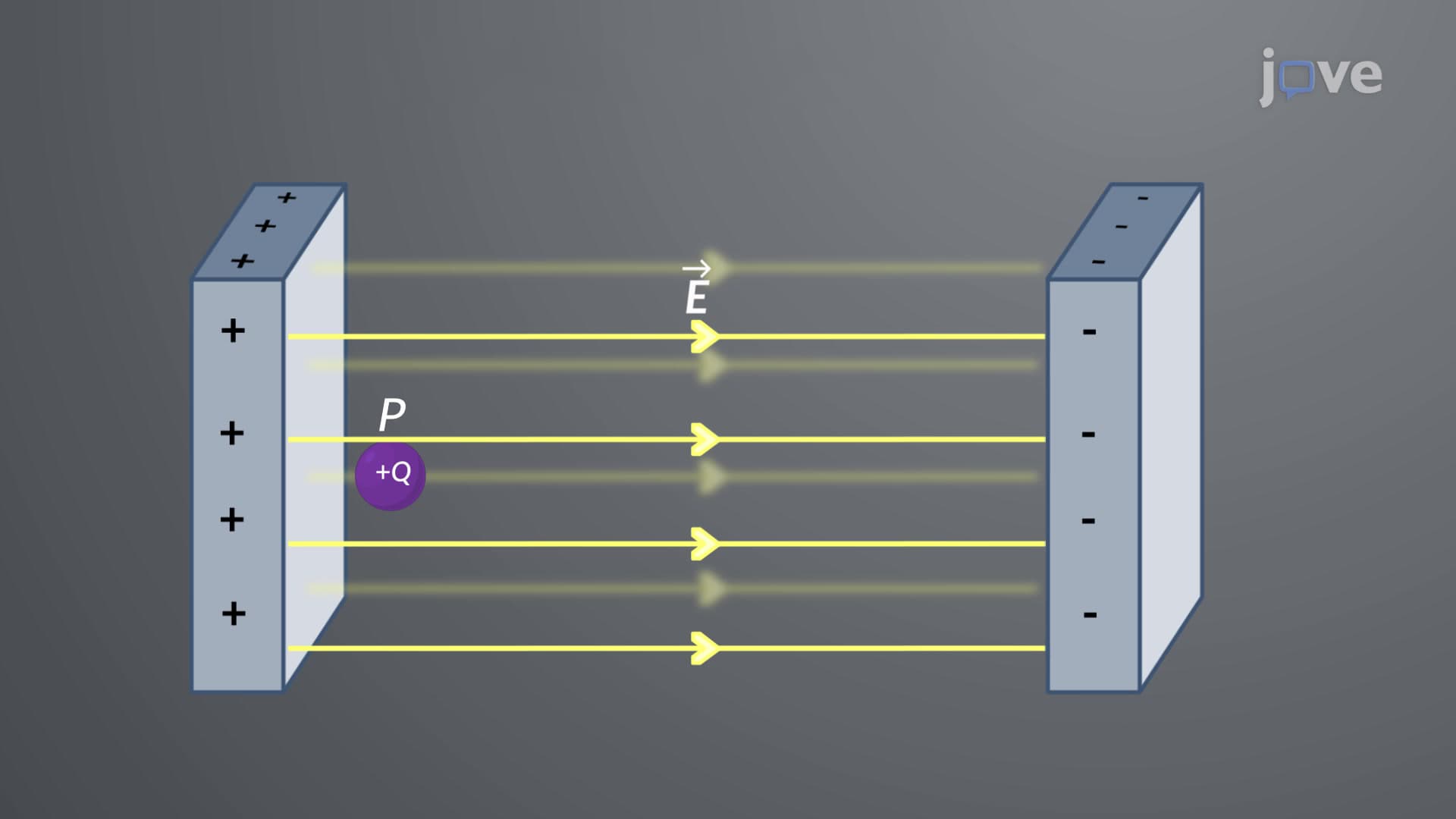

Video Summary: Electric Potential Energy Behavior in Uniform Fields
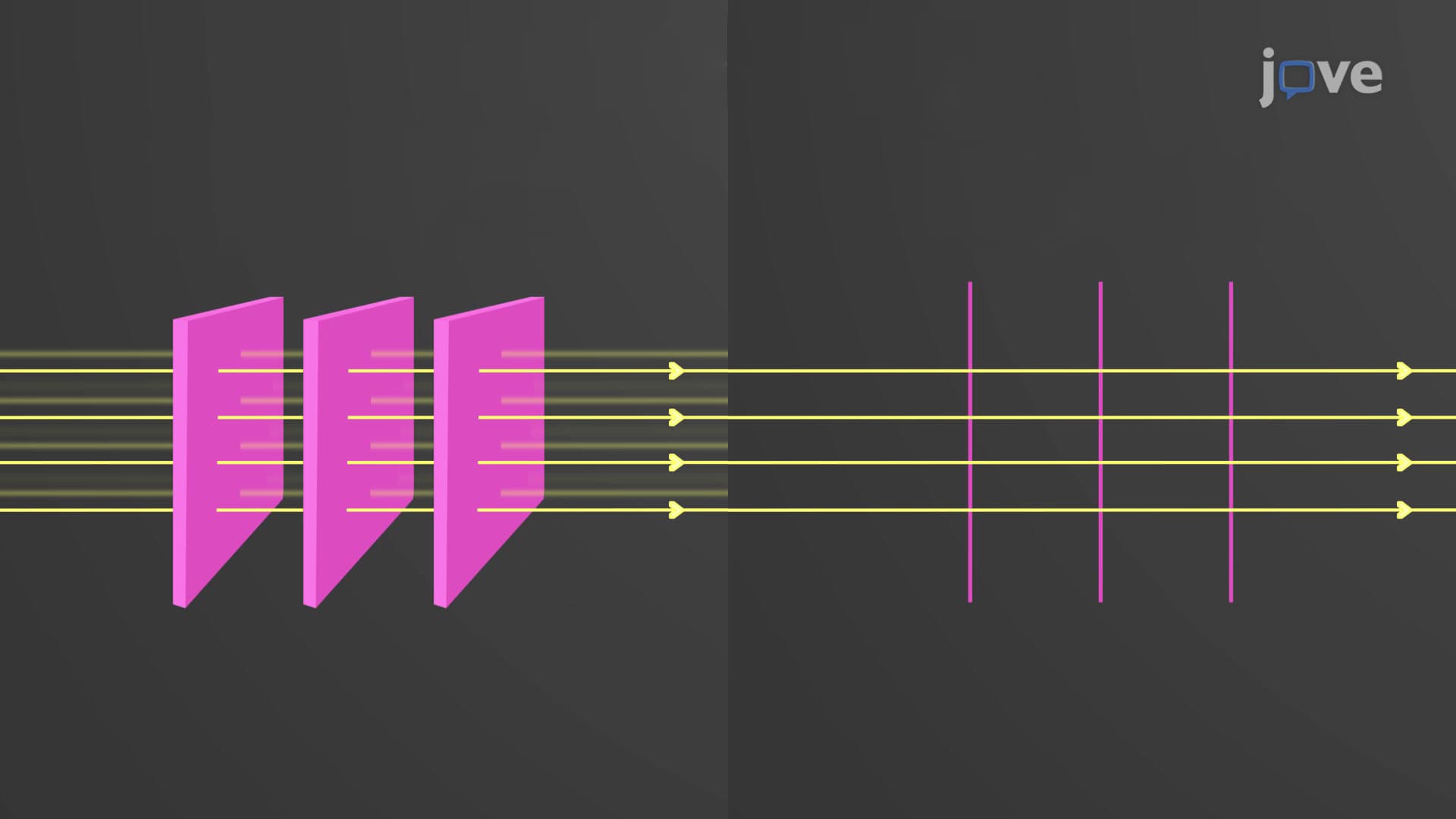
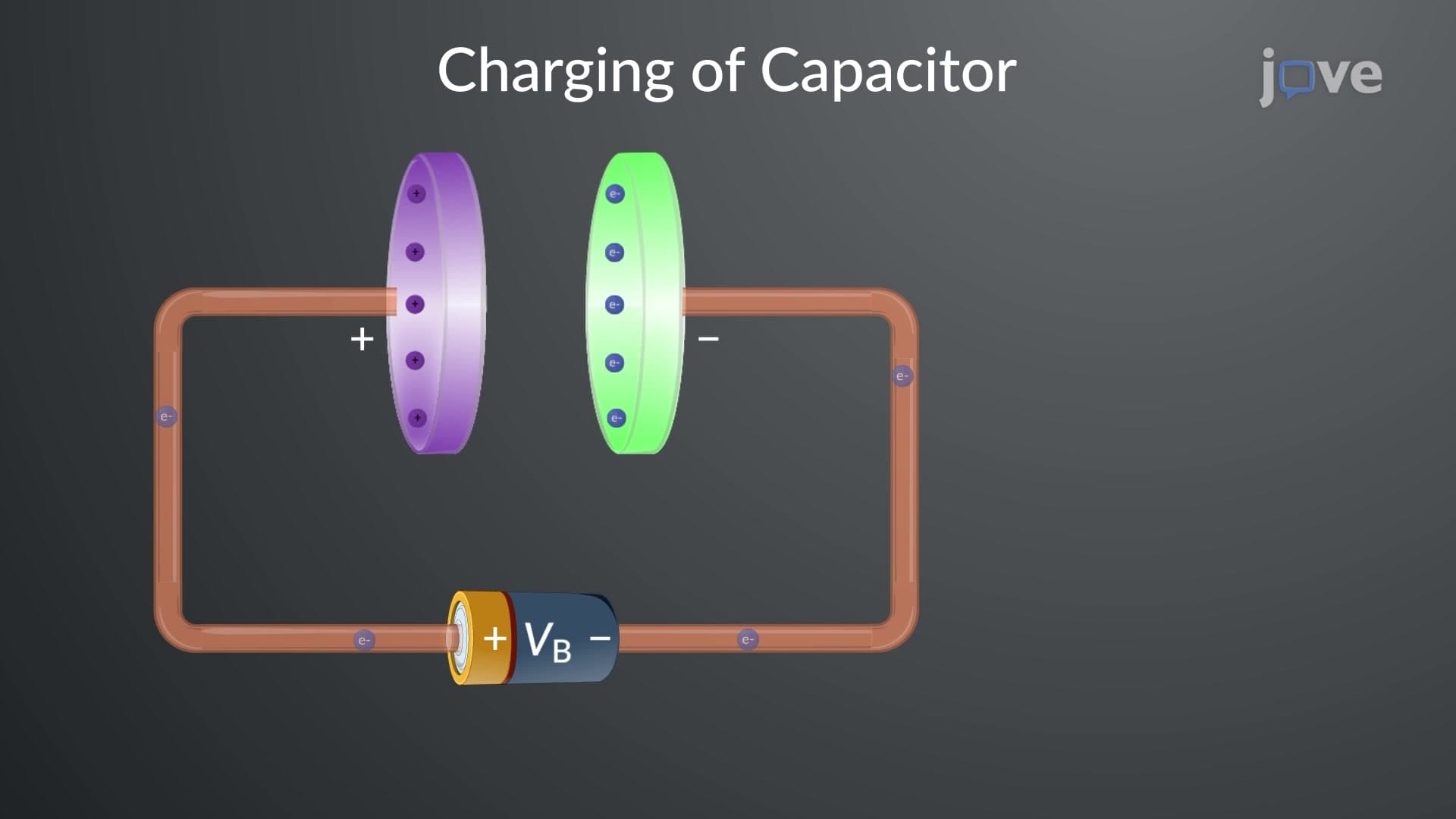
Why does your smartphone battery deliver consistent power? The answer lies in electric potential energy in a uniform electric field, where charged particles behave predictably between parallel plates. In capacitors powering everything from pacemakers to Tesla vehicle systems, positive charges naturally move from high to low potential regions, converting stored electrical energy into useful work. This fundamental concept explains how uniform electric fields create organized energy landscapes that drive countless technologies. Watch the full video on JoVE Coach to master this concept with expert-led visuals and step-by-step explanations.
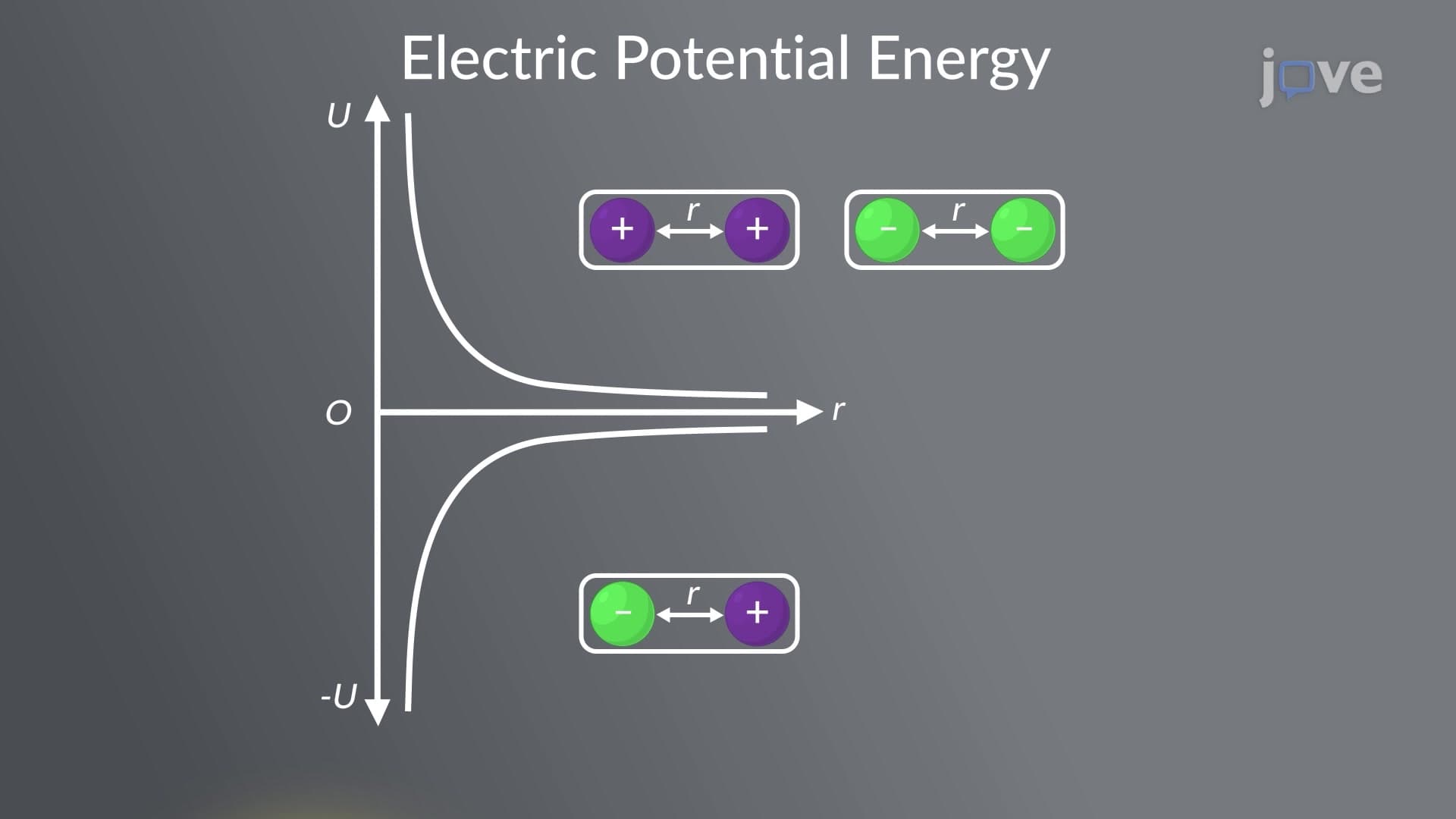
Electric potential energy in a uniform electric field represents stored energy that charged particles possess due to their position within the field. Unlike gravitational potential energy, which depends on height, electrical potential energy depends on a charge's location relative to the electric field's source. In uniform fields created by parallel plates, this energy relationship becomes elegantly predictable and forms the foundation for countless technologies from smartphone screens to medical defibrillators.
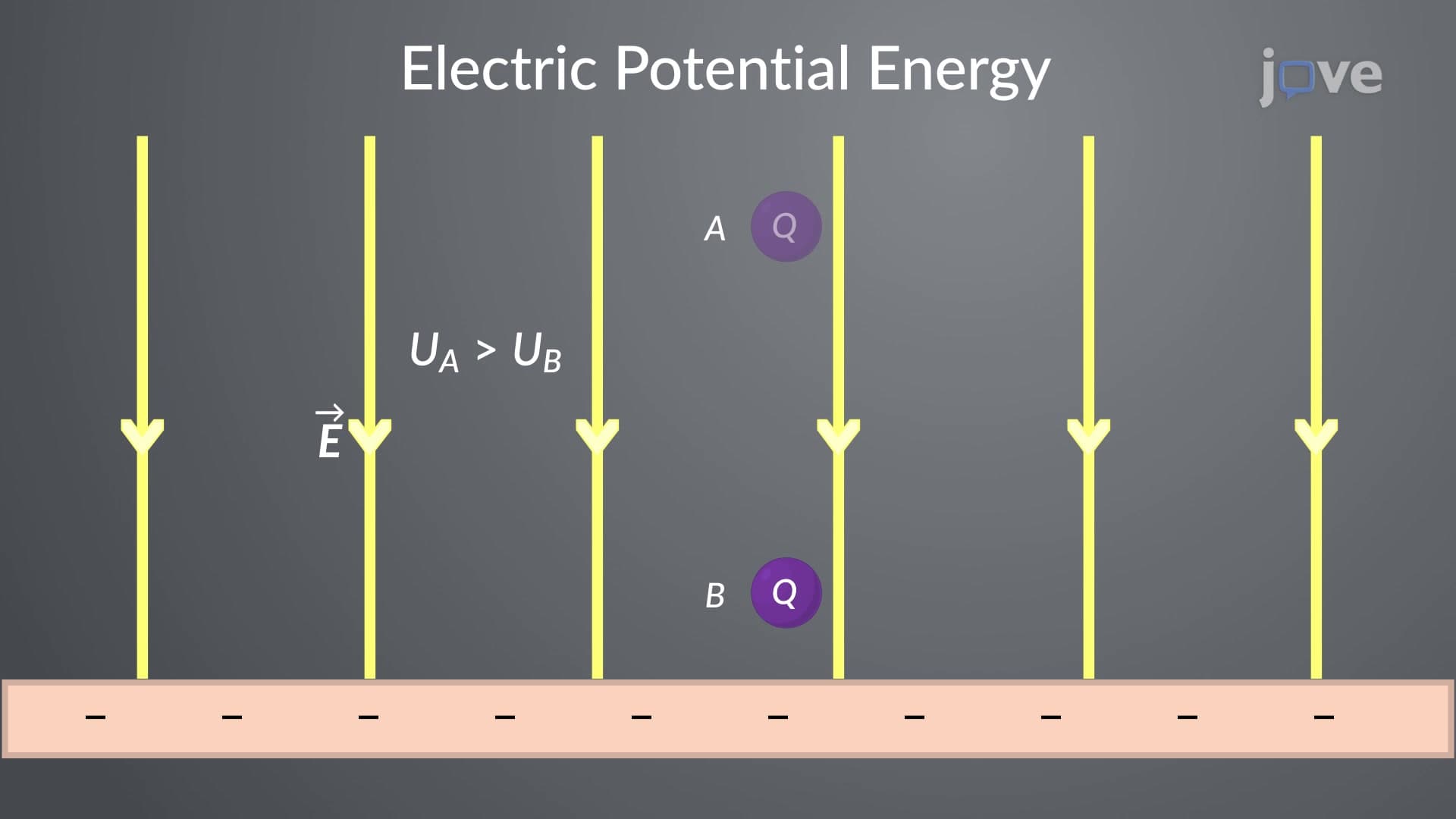
When a test charge moves through a uniform electric field, the electrostatic force remains constant throughout the journey. For a positive charge moving in the field direction, the electric force F = qE performs positive work, converting potential energy into kinetic energy. The work calculation W = F × d × cos(θ) simplifies beautifully in uniform fields since force magnitude stays constant. This principle explains why electrons flow consistently through circuit components and why capacitor plates maintain steady voltage differences.
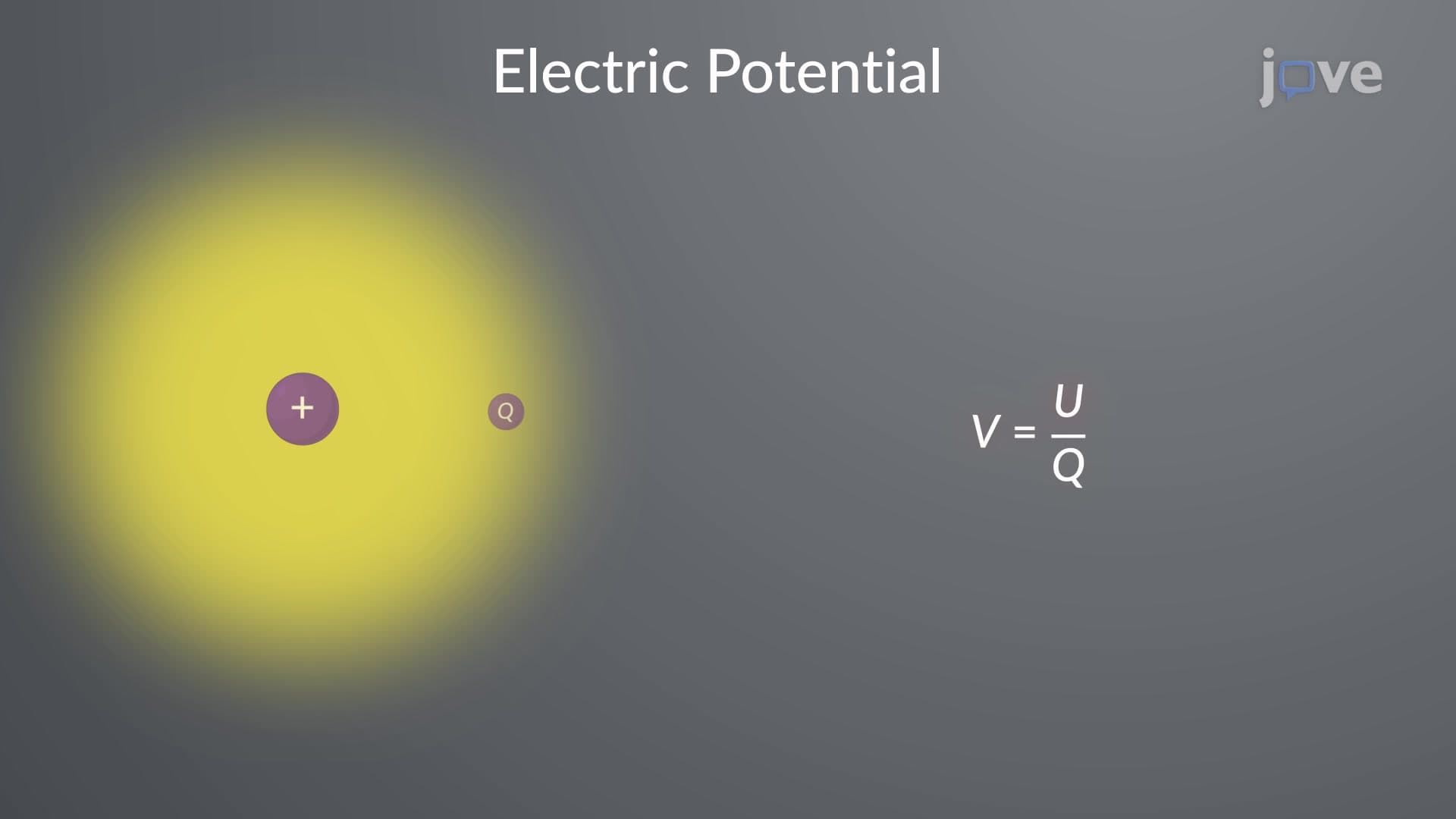
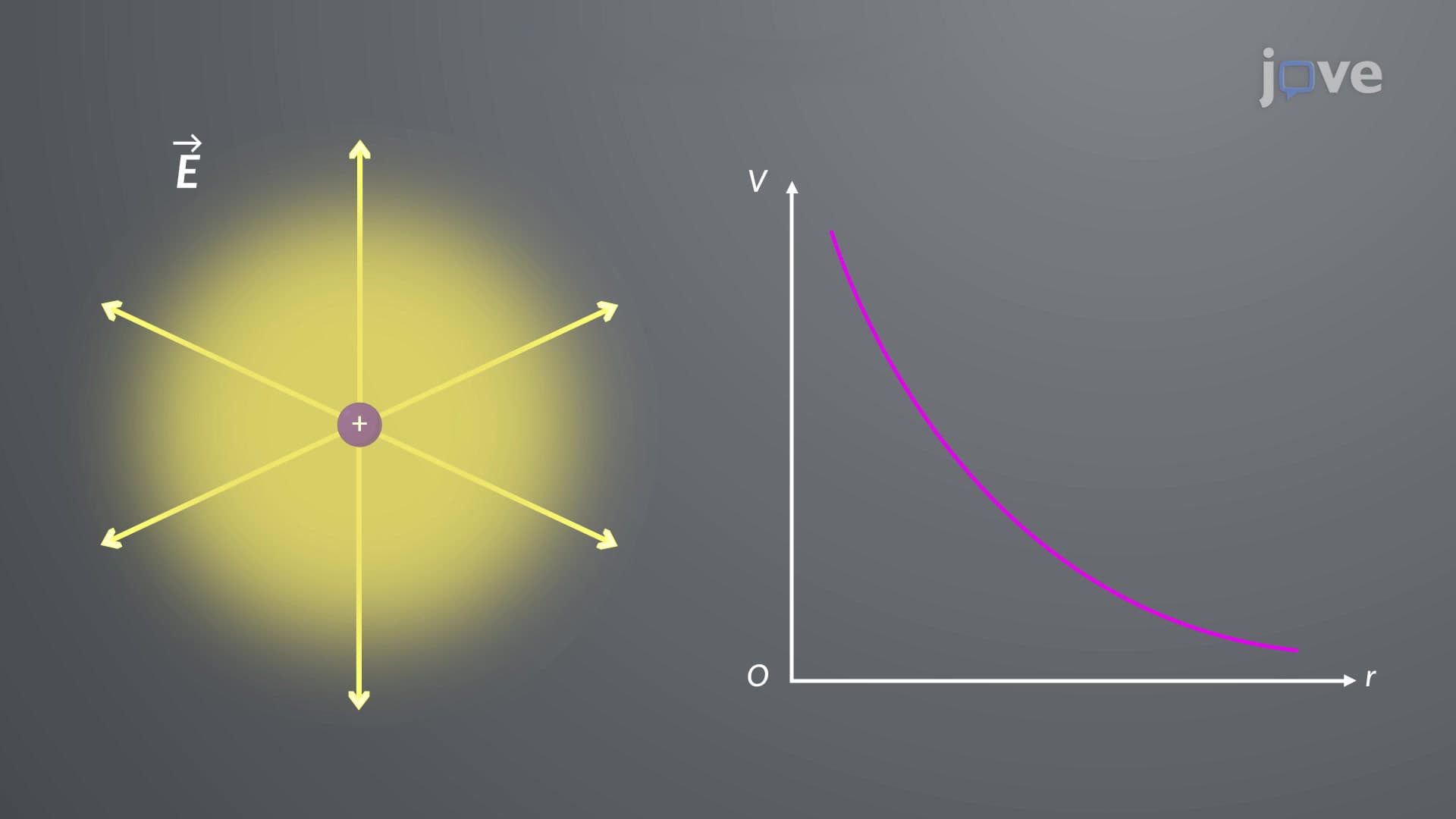
The electrostatic force exhibits conservative behavior, meaning work done depends only on starting and ending positions, not the path taken. This property allows us to define electric potential energy changes as ΔU = q × ΔV, where ΔV represents the potential difference between two points. In AP Physics courses, students frequently encounter problems involving charges moving between capacitor plates, where this energy conservation principle provides the key to solving complex scenarios involving multiple charges and varying distances.
Uniform electric fields power essential technologies throughout American industries. Inkjet printers use controlled electric fields to direct charged ink droplets precisely onto paper. Medical defibrillators store energy in capacitors with uniform fields, then release it rapidly to restore heart rhythm. Touch screens in smartphones and tablets detect finger position by measuring capacitance changes in uniform electric fields. Even particle accelerators at national laboratories like Fermilab use uniform electric field sections to accelerate charged particles to incredible speeds, demonstrating how fundamental physics principles scale from microscopic to massive applications.
Related Micro-courses