Loading video…


 15 Concepts
 54.3K views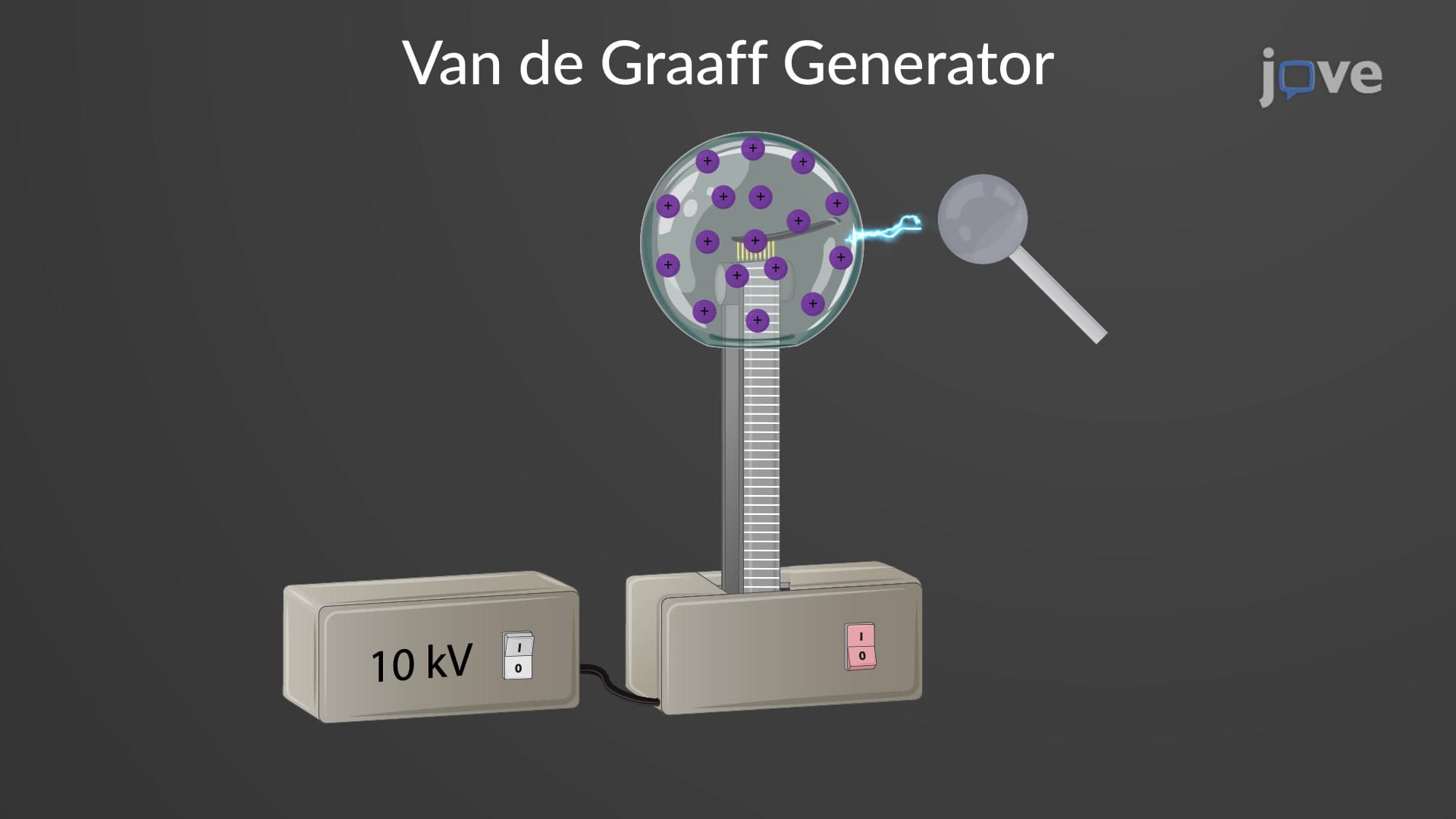

Video Summary: What Is Van De Graaff Generator
Ever wondered how scientists create lightning bolts indoors? A van de graaff generator produces dramatic electrical displays by accumulating massive static charges-up to 400,000 volts! Museums like Boston's Museum of Science use these fascinating machines to demonstrate electrostatic principles, creating hair-raising demonstrations where volunteers' hair literally stands on end. Understanding what is van de graaff generator reveals the elegant physics behind controlled high-voltage production. Watch the full video on JoVE Coach to master this concept with expert-led visuals and step-by-step explanations.
The van de graaff generator represents one of physics' most elegant demonstrations of electrostatic principles. Named after American physicist Robert Jemison Van de Graaff who developed it at Princeton University in 1929, this device transforms mechanical energy into electrical potential energy through continuous charge separation and accumulation.
The van de graaff generator definition encompasses four critical components working in harmony. The metallic hollow sphere serves as the charge collector, while an insulating column prevents charge leakage to ground. A motorized belt system provides the charge transport mechanism, and strategically positioned metallic combs facilitate charge transfer at both ends.
The operation begins when the lower comb, connected to a high-voltage supply, ionizes surrounding air molecules. This ionization process creates positive ions that adhere to the moving belt surface. As the belt carries these charges upward, the upper comb experiences strong attractive forces from the approaching positive charges. This attraction draws electrons from the metallic sphere through the upper comb, leaving the sphere with a net positive charge.
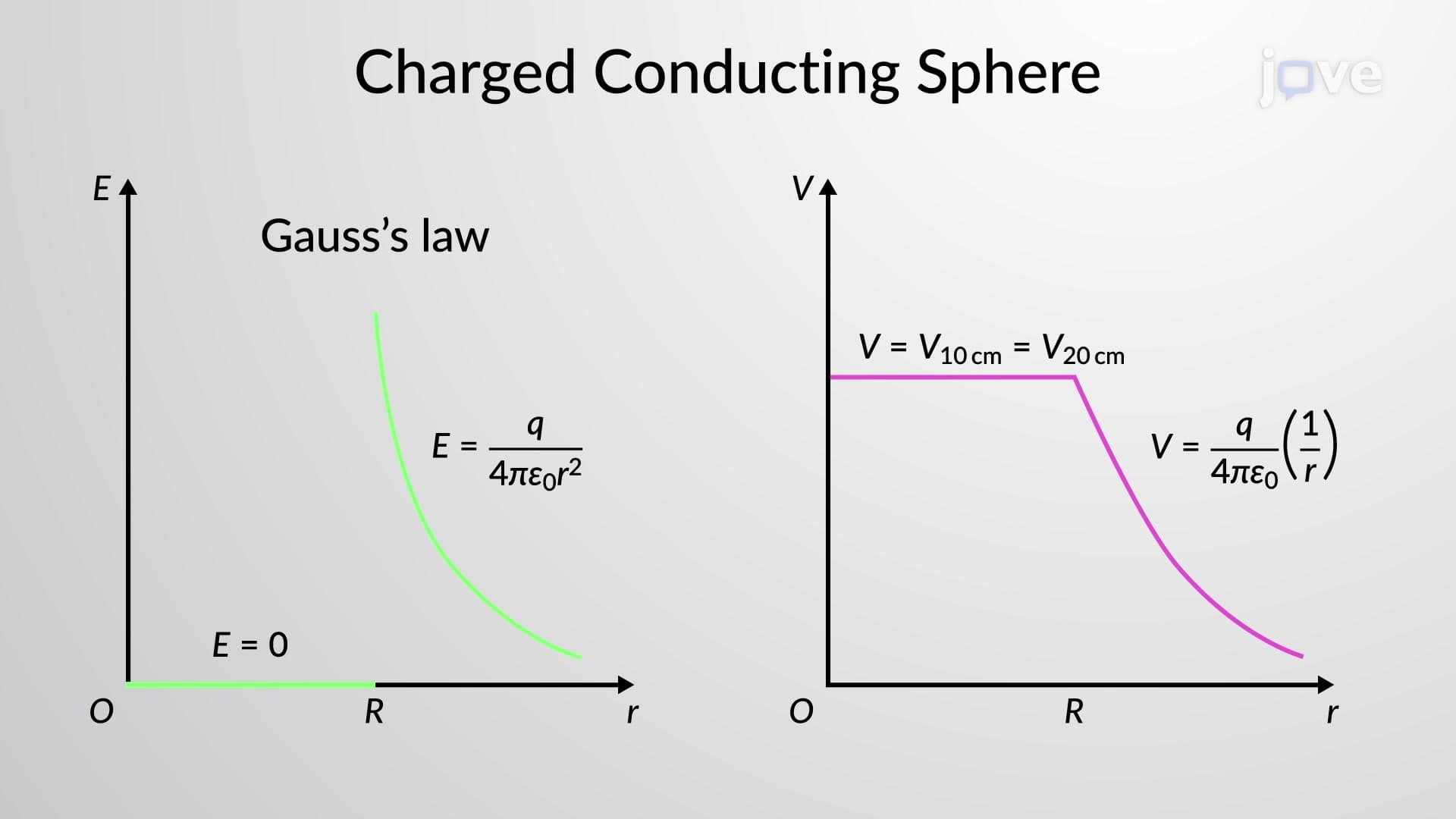
Understanding what is van de graaff generator in detail requires examining its voltage limitations. The maximum achievable voltage depends primarily on the sphere's radius and surrounding air conditions. Electrical breakdown occurs when the electric field strength exceeds air's dielectric strength (approximately 3 × 10^6 V/m).
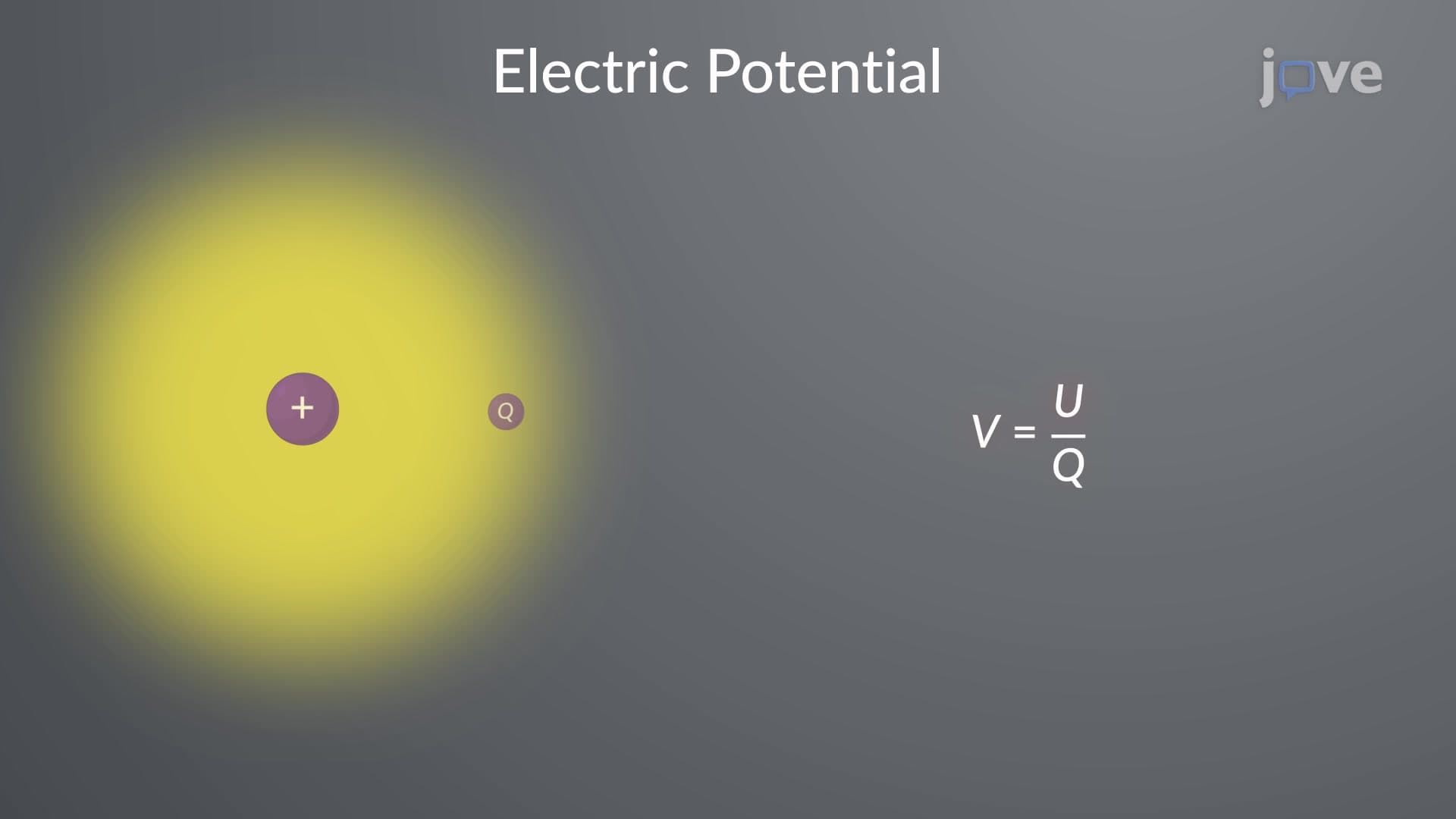
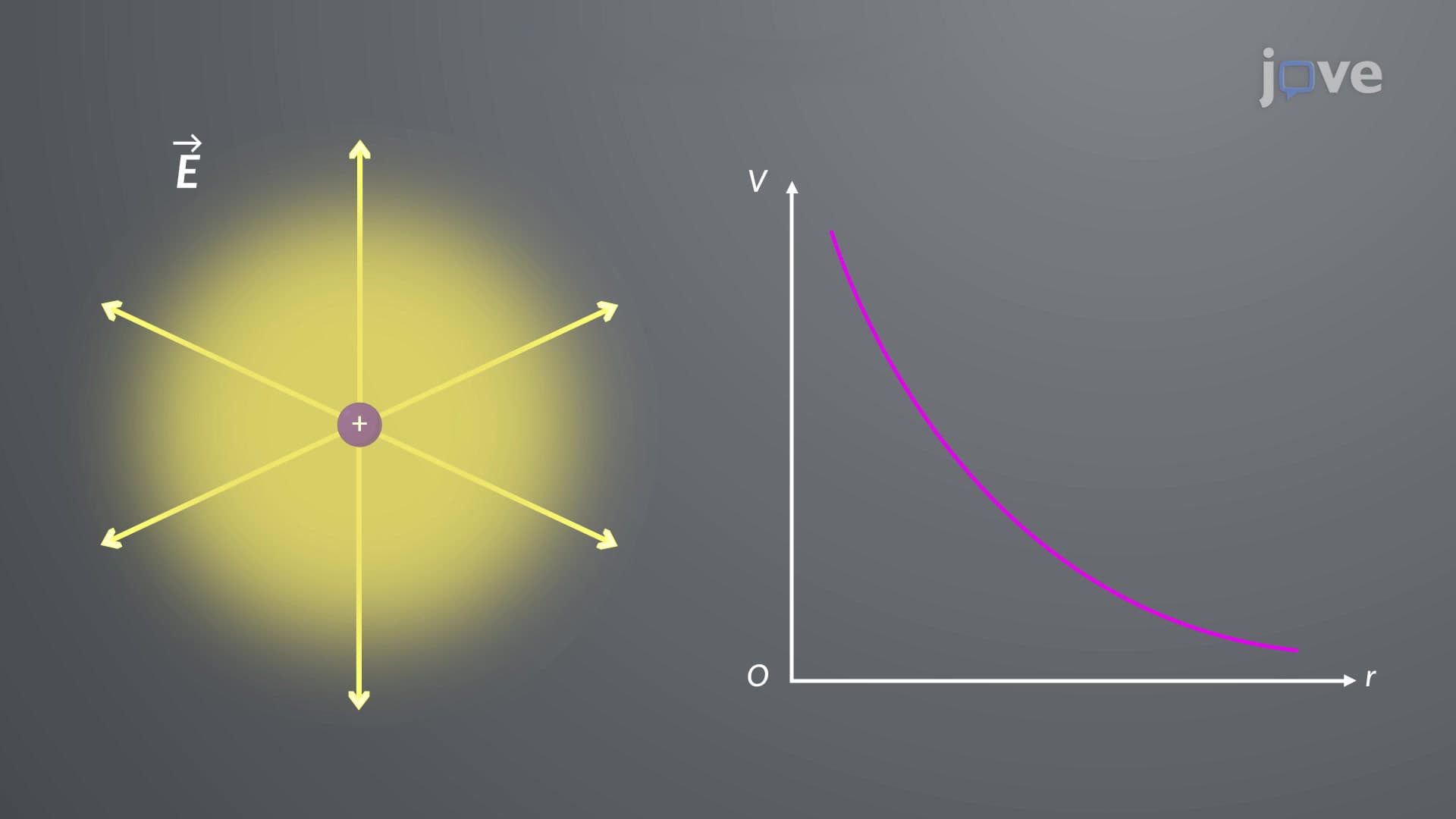
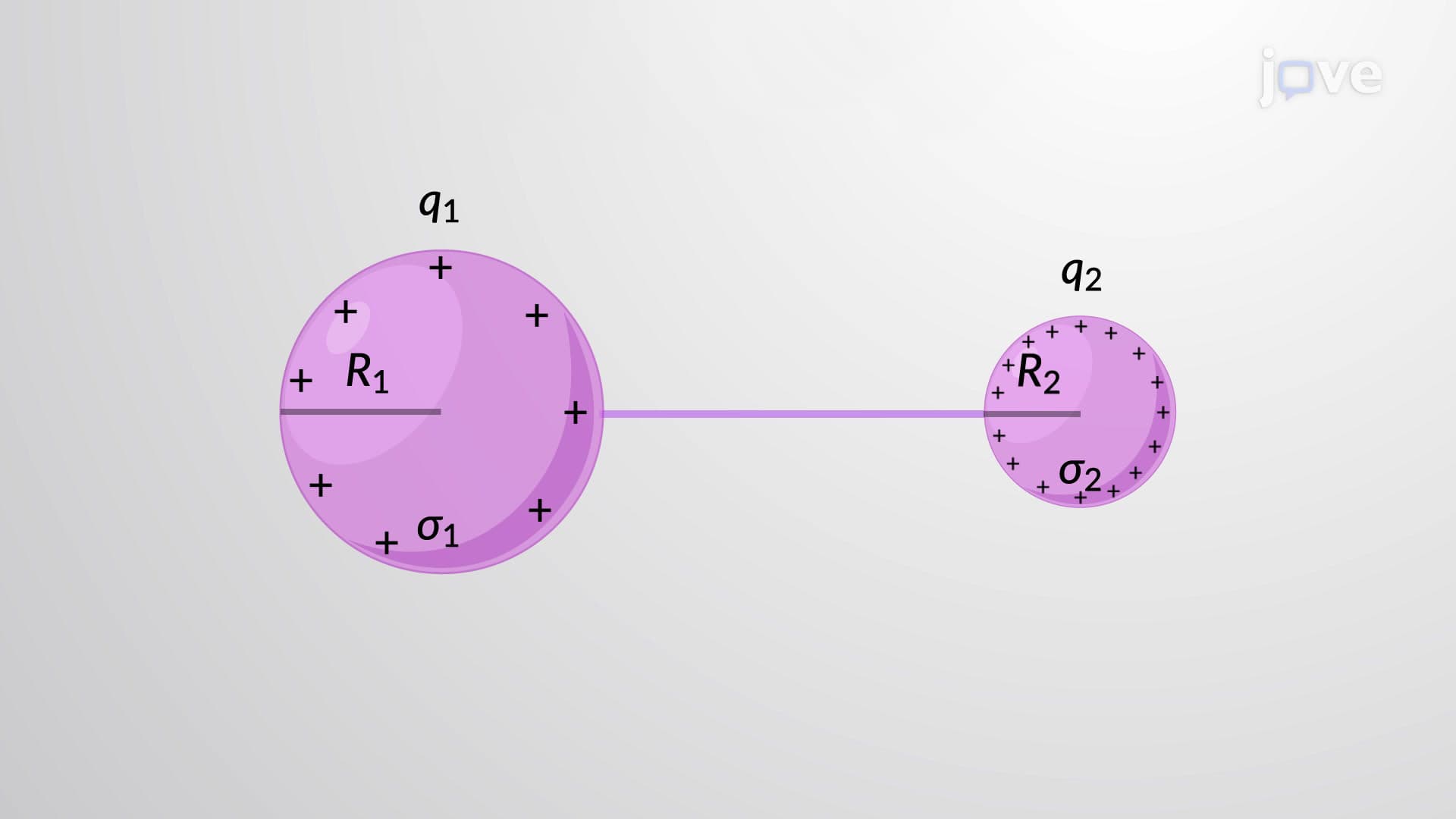
For practical calculations, the electric potential V of a charged sphere relates to its charge Q and radius R through the equation V = kQ/R, where k represents Coulomb's constant (9 × 10^9 N⋅m²/C²). A typical classroom generator with a 15-cm radius producing 100 kV carries approximately 1.67 microcoulombs of excess charge.
Van de graaff generators play crucial roles in AP Physics curricula, helping students visualize electrostatic concepts that appear frequently on standardized tests. The College Board's AP Physics C exam regularly features problems involving electrostatic potential energy and charge distribution on conductors-concepts perfectly demonstrated through van de graaff generator experiments.
Research applications include particle acceleration in early nuclear physics experiments and materials science studies involving electrostatic coating processes. Modern semiconductor manufacturing facilities employ similar electrostatic principles for precision component handling and dust removal.
Related Micro-courses