Loading video…


 15 Concepts
 54.3K views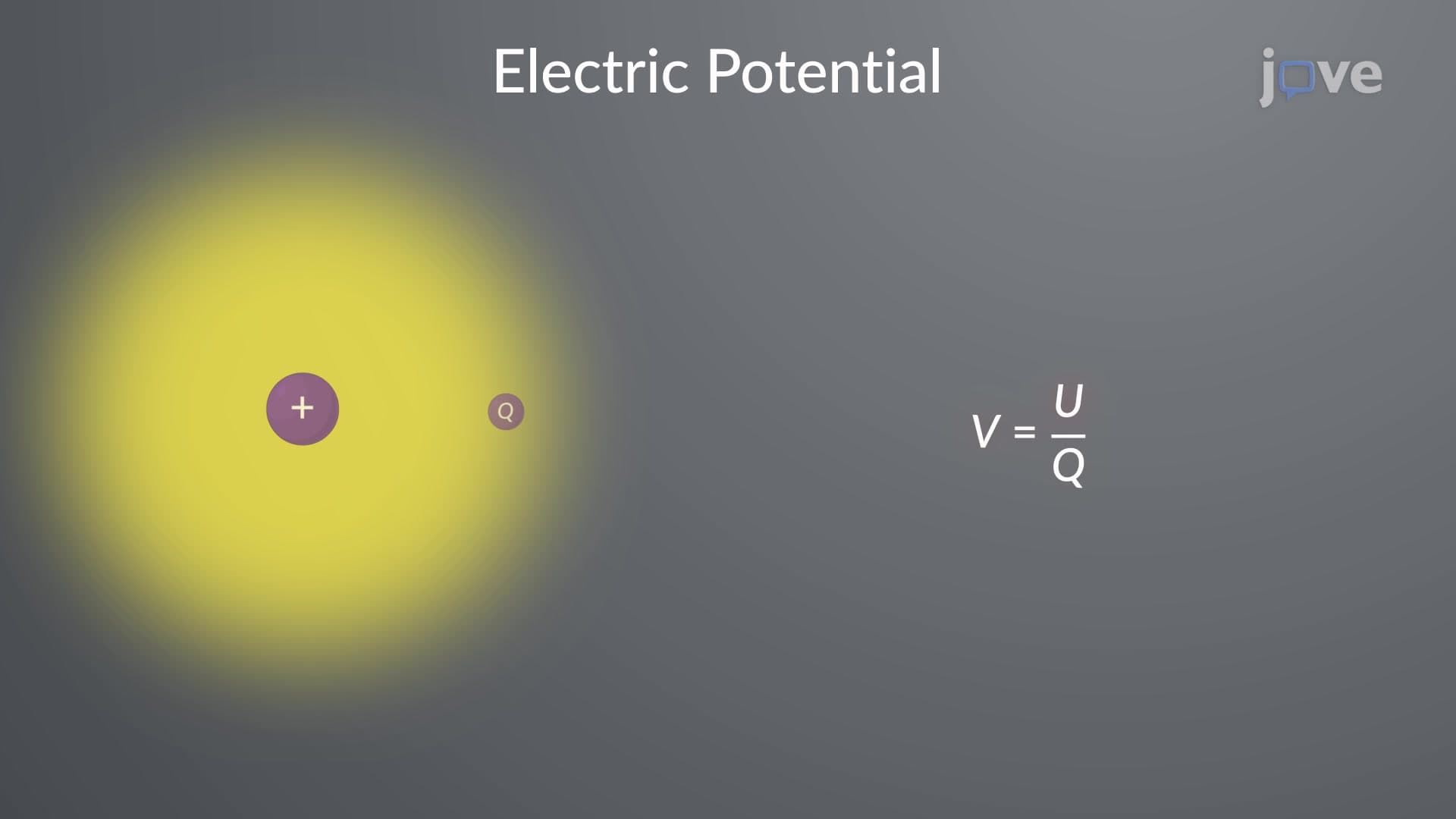

Video Summary: Electric Potential and Potential Difference Explained
Ever wonder why birds sitting on power lines don't get electrocuted? The answer lies in electric potential and potential difference, they experience no voltage difference across their bodies. Electric Potential And Potential Difference Explained reveals how electric potential energy per unit charge creates the driving force behind everything from household circuits to the defibrillators used in US hospitals. This fundamental concept determines how charges move and energy transfers in electric fields. Watch the full video on JoVE Coach to master this concept with expert-led visuals and step-by-step explanations.
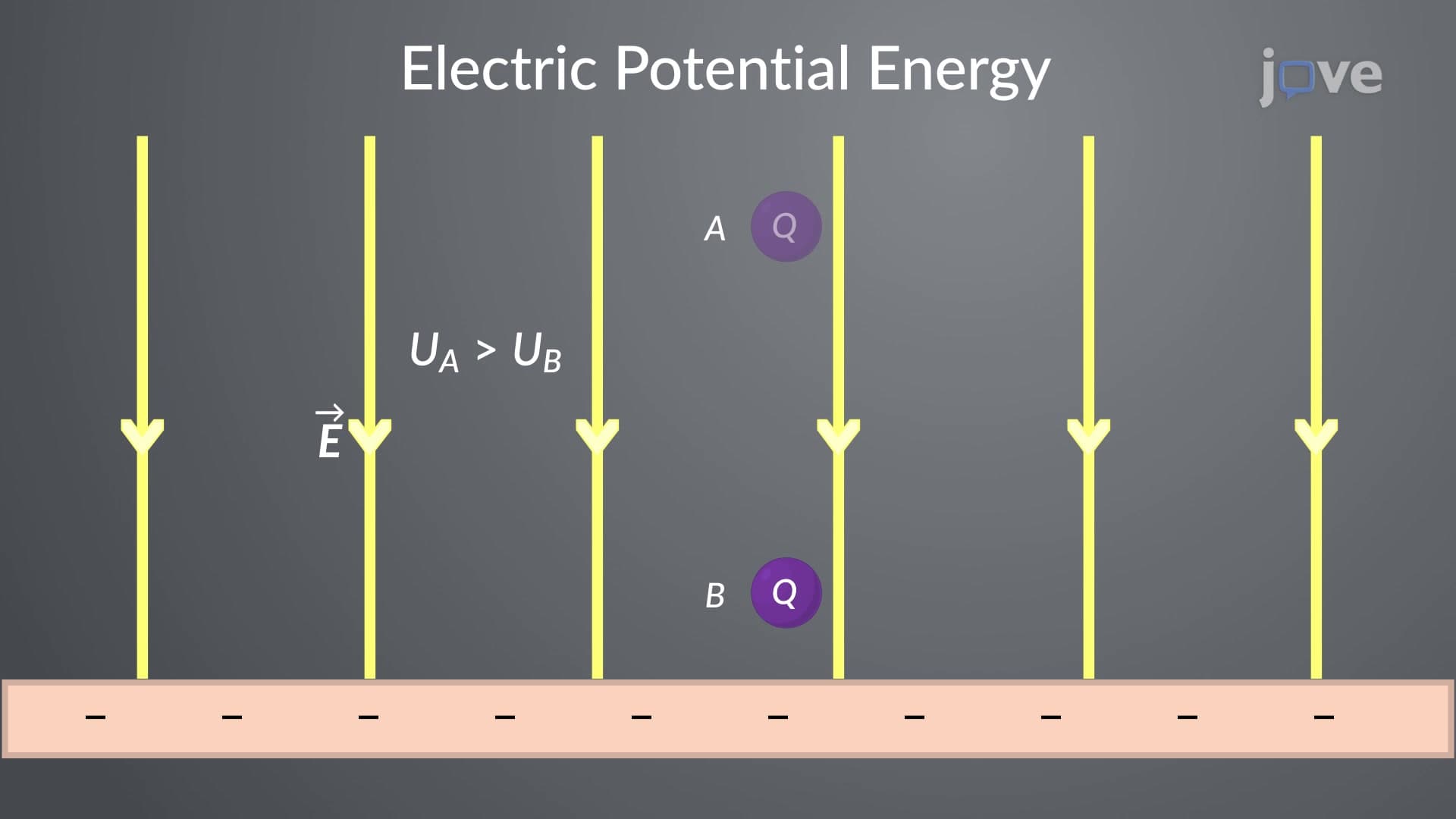
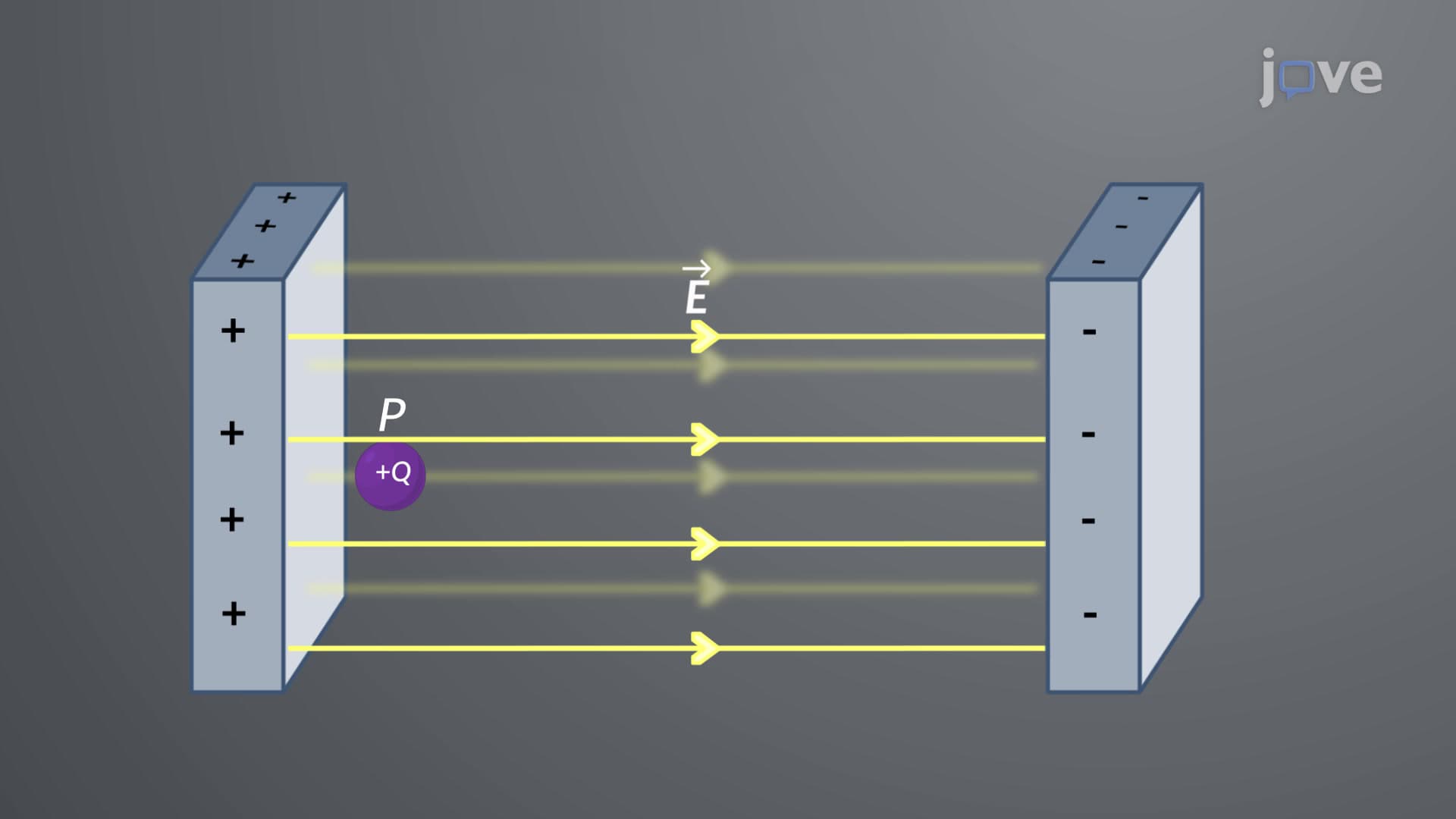
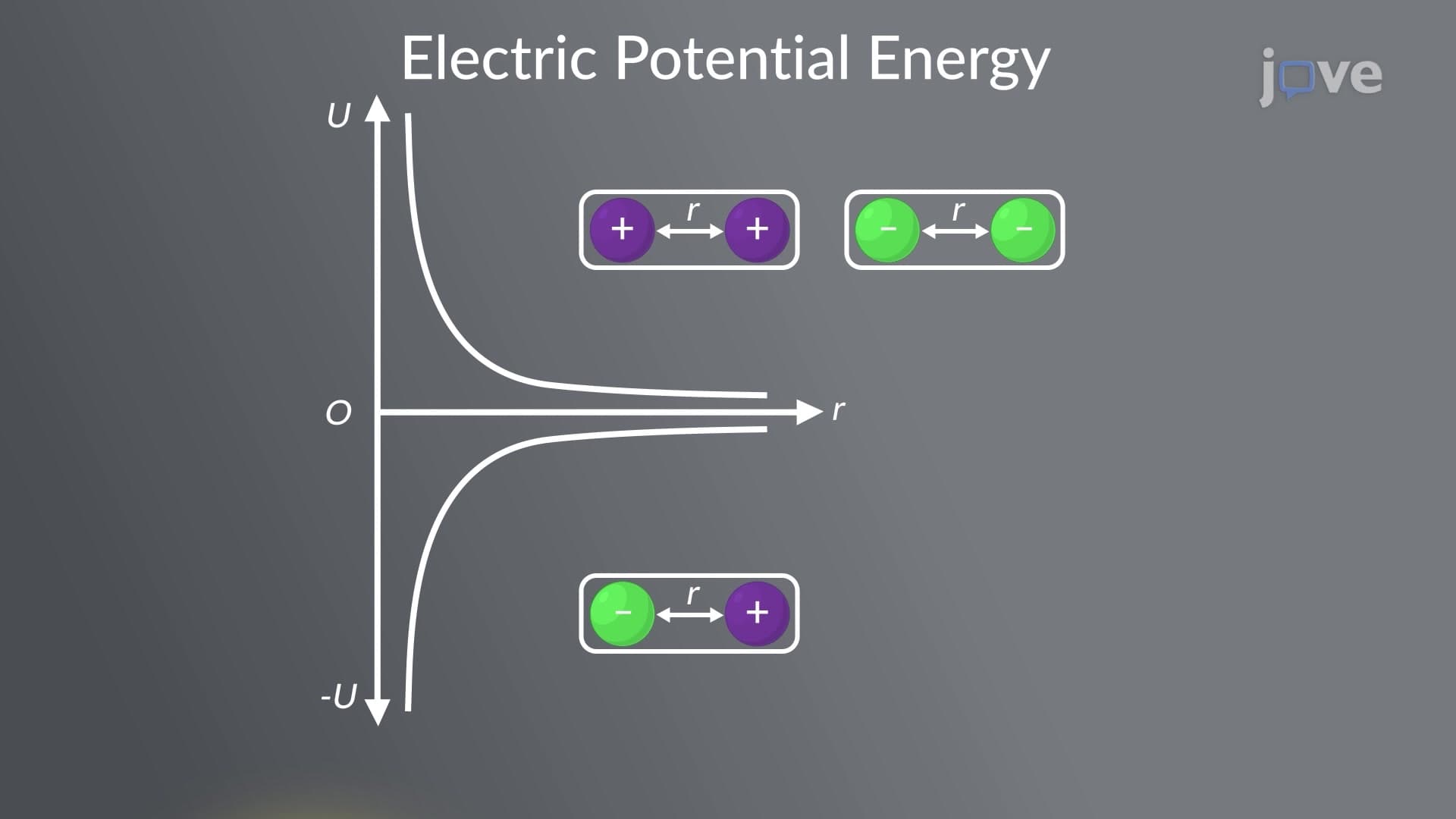
Electric potential represents the electric potential energy per unit charge at any point in an electric field. Think of it like gravitational potential energy, just as a ball has more gravitational potential energy at the top of a hill, a positive charge has more electric potential energy when placed near another positive charge. The key difference is that electric potential is defined per unit charge, making it independent of the actual charge amount present.
When we move a charge through an electric field, work must be done against or by the electric force. This work directly relates to the change in electric potential energy. The electric potential difference between two points equals the work done per unit charge to move that charge from one point to another. In mathematical terms: potential difference = work done / charge moved.
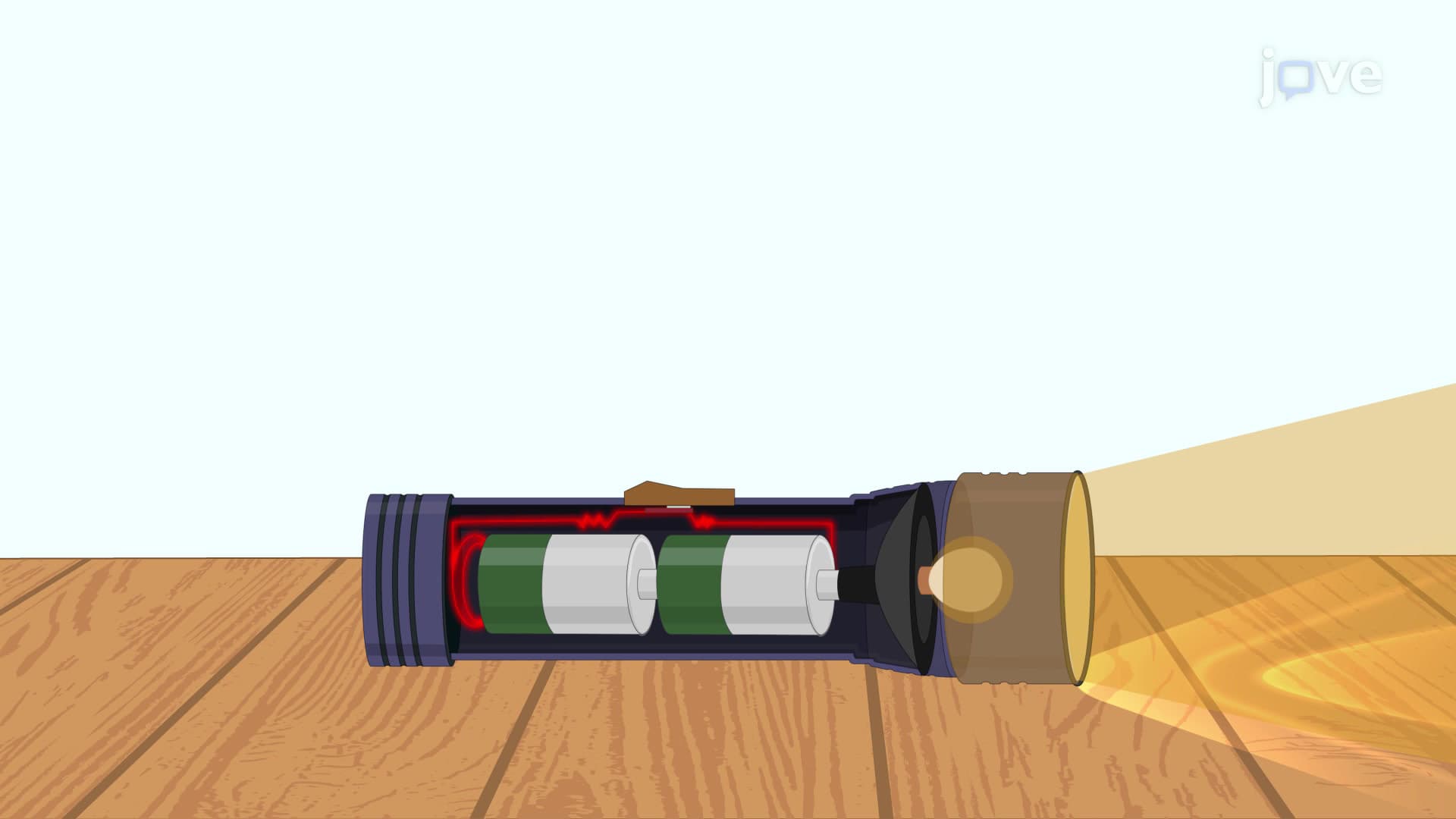
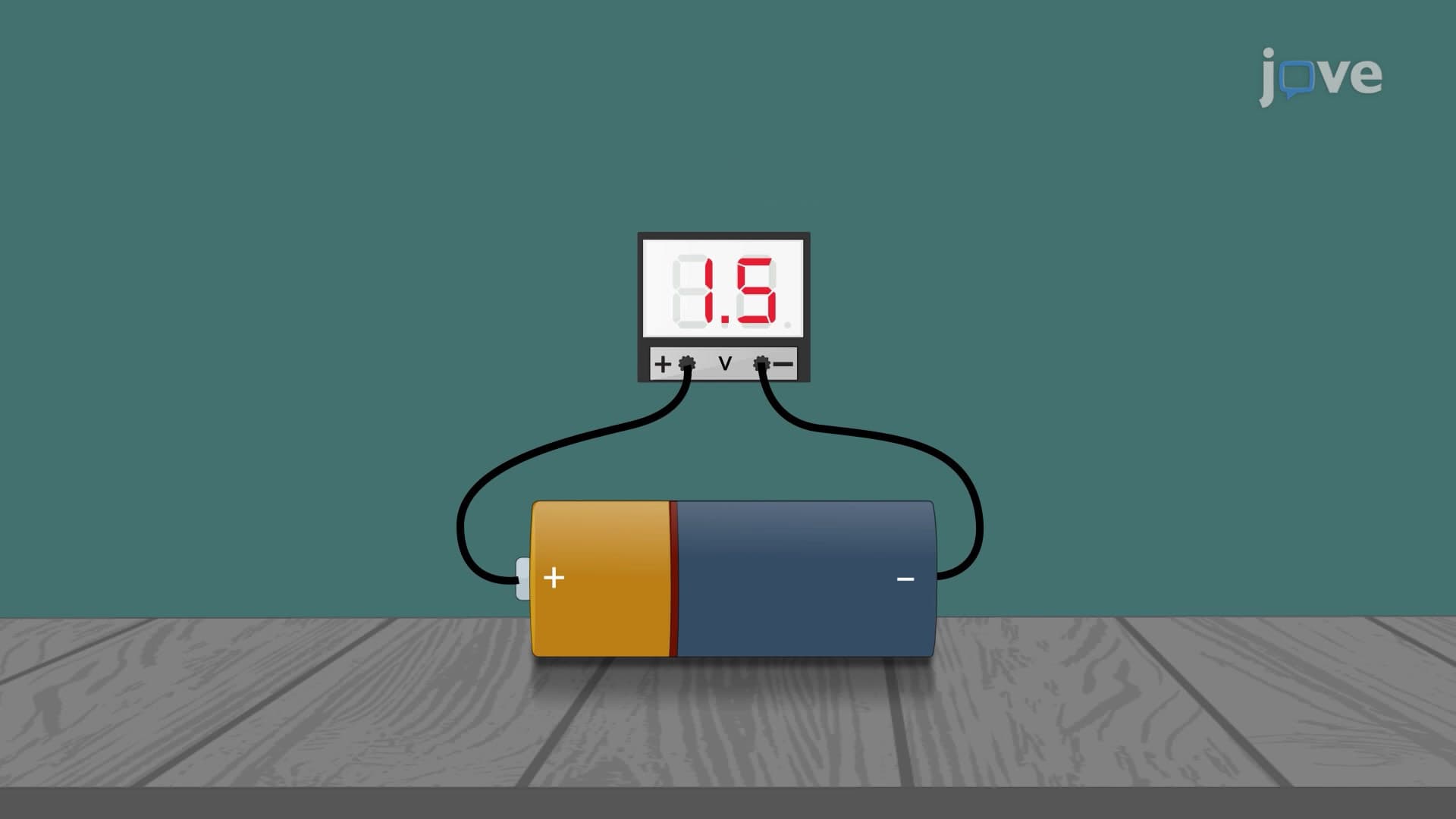
In real-world applications, we call potential difference "voltage." Every electrical device in your home, from smartphones to refrigerators, operates because of voltage differences. A standard US household outlet provides 120 volts, meaning each coulomb of charge gains 120 joules of energy as it moves through the circuit. This voltage difference drives current through electrical components, powering everything from LED lights to electric vehicle charging stations.
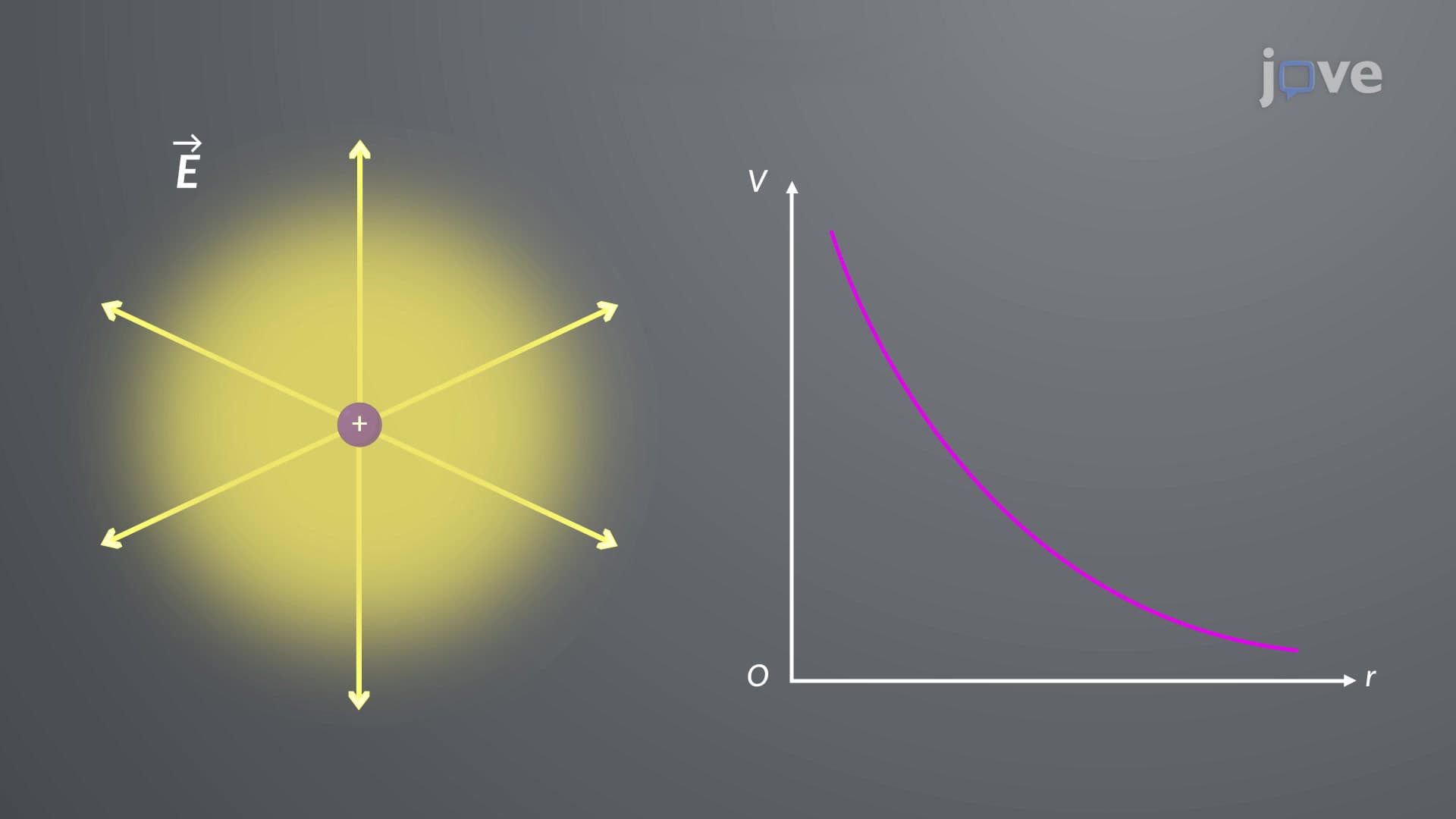
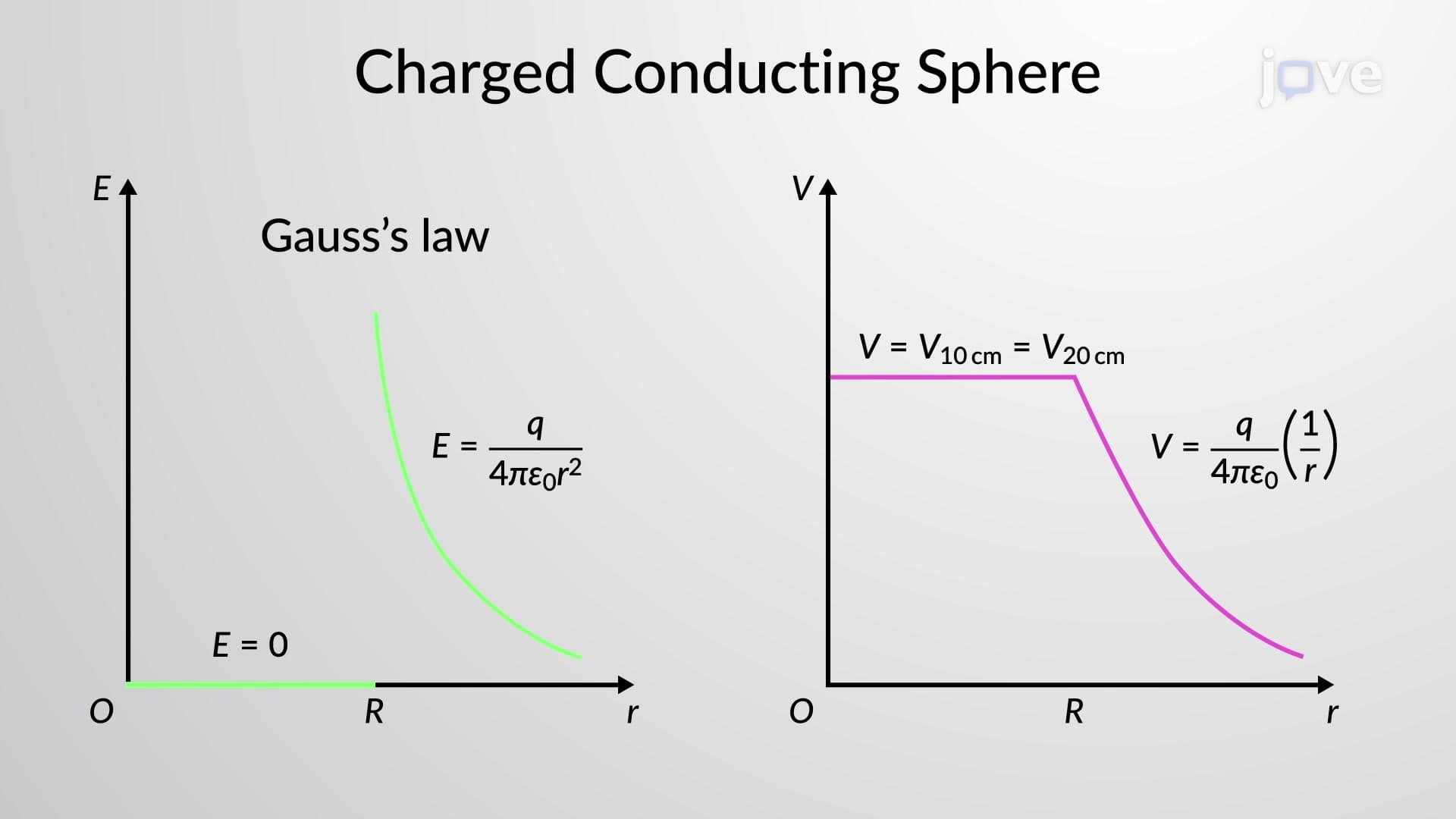
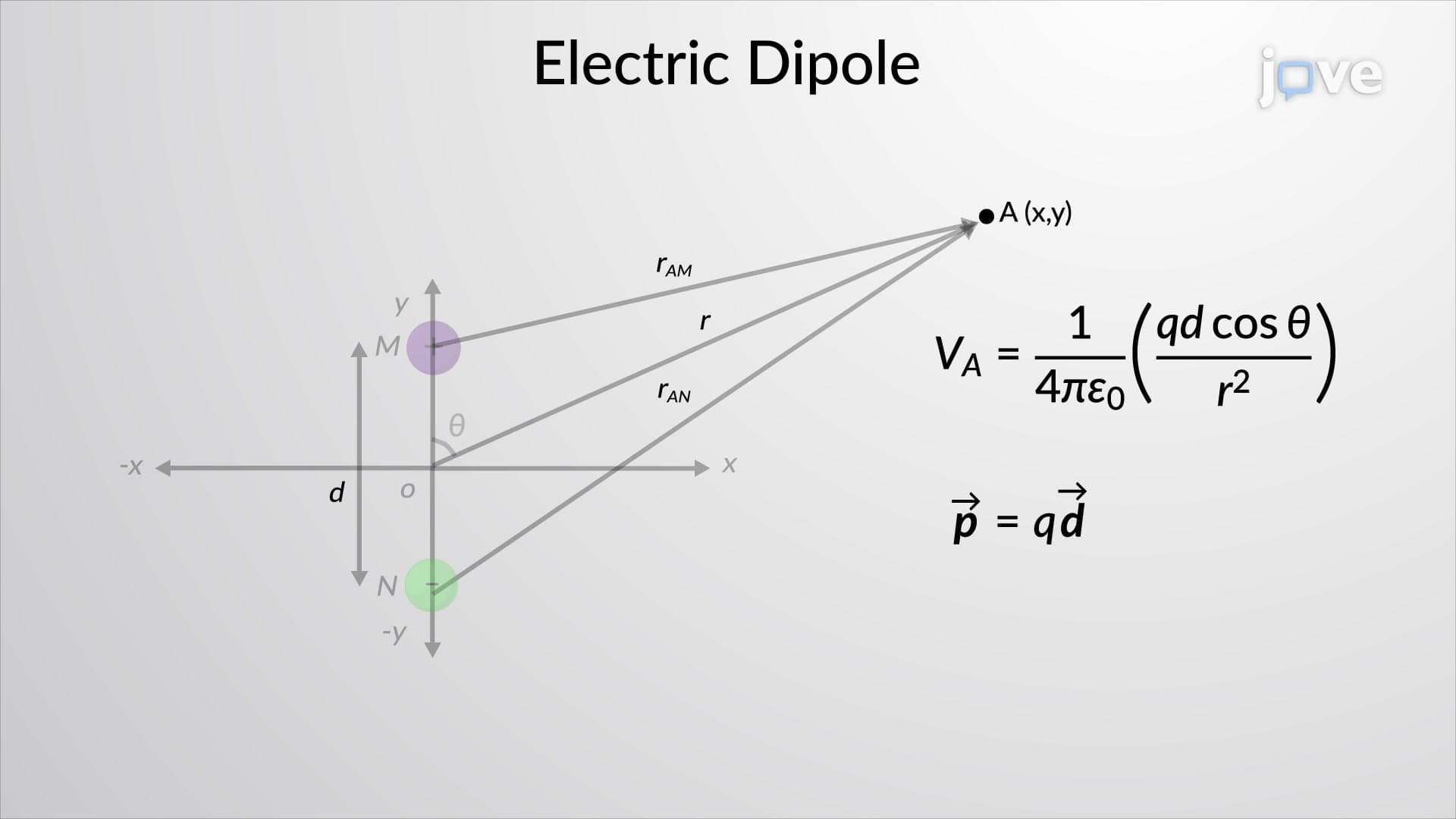
For a single point charge, electric potential decreases with distance following an inverse relationship. The potential at any point depends on the charge magnitude and distance from that charge. When multiple charges are present, we use the principle of superposition, simply add the potentials from each individual charge algebraically. This approach proves invaluable when analyzing complex charge configurations in physics problems and real engineering applications.
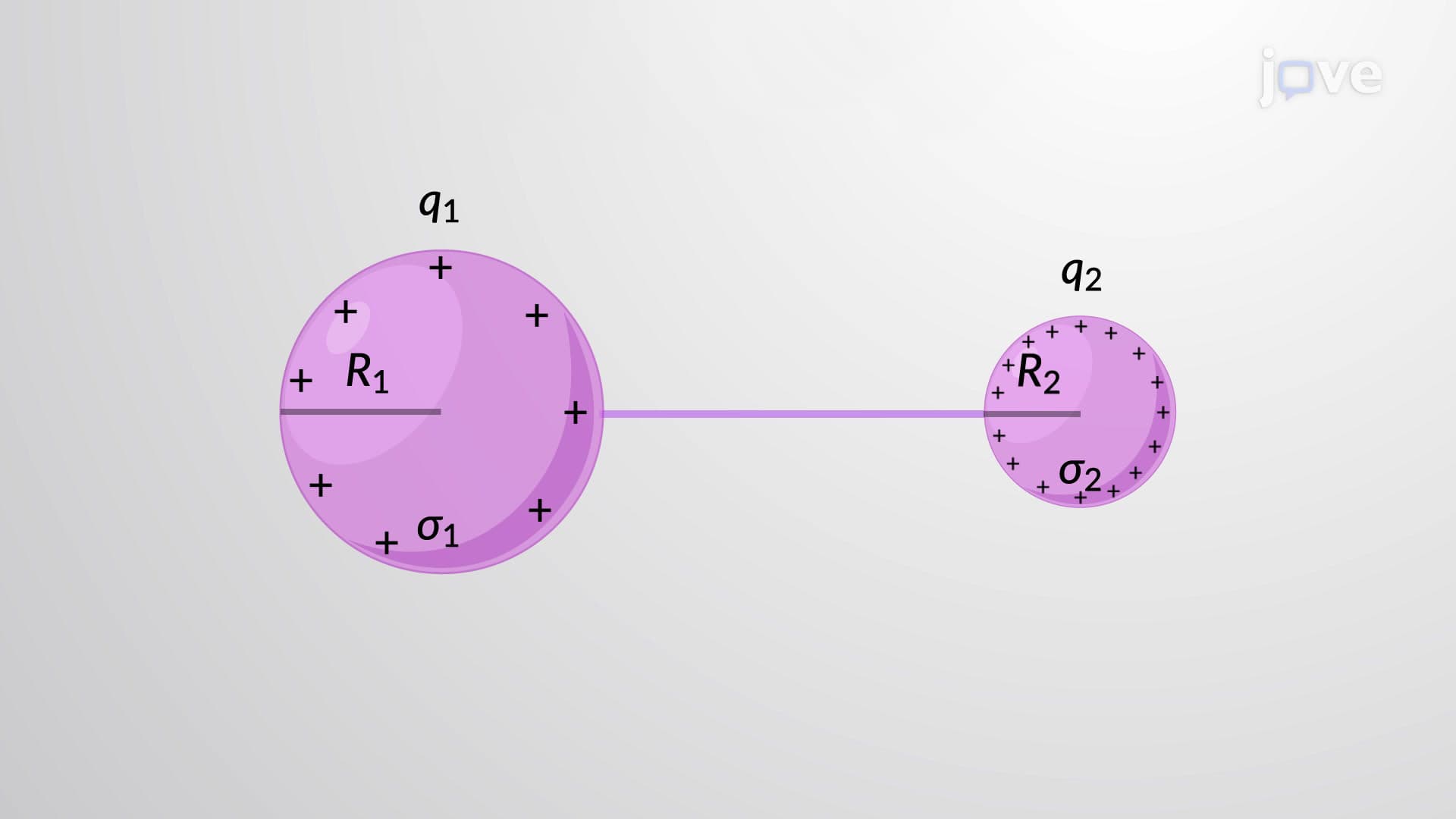
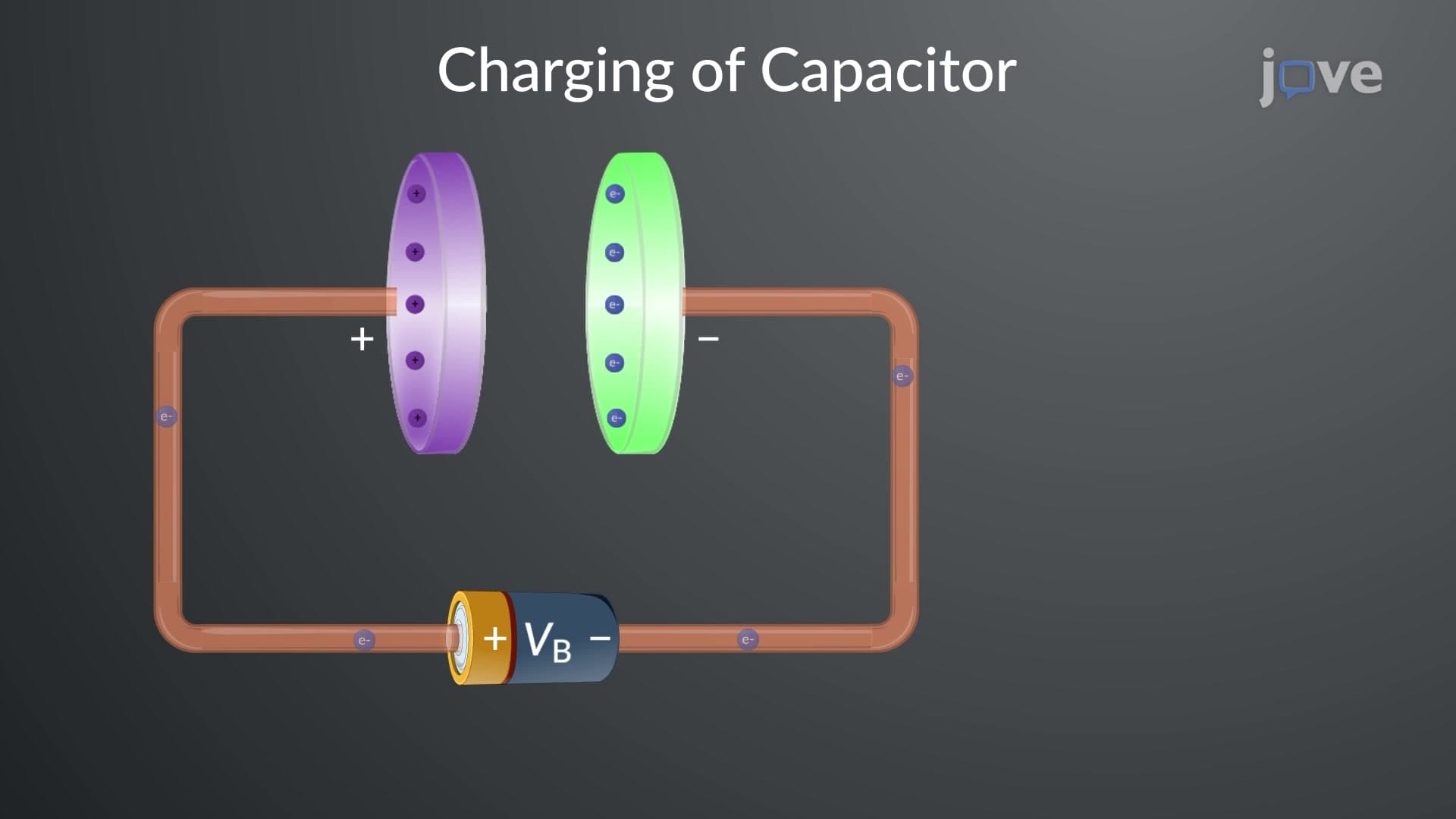
Real-world conductors and insulators often contain continuous charge distributions rather than discrete point charges. Calculating potential in these situations requires integration techniques, where we sum the contributions from infinitesimally small charge elements. This mathematical approach becomes essential in designing capacitors, analyzing electric fields in biological tissues (crucial for medical devices), and understanding how electric potential varies in semiconductor materials used in computer chips manufactured across US tech hubs like Silicon Valley.
These concepts appear extensively in AP Physics, college-level introductory physics courses, and professional exams like the MCAT, where understanding electric potential in biological systems becomes crucial for medical school preparation.
Related Micro-courses