Loading video…


 15 Concepts
 54.3K views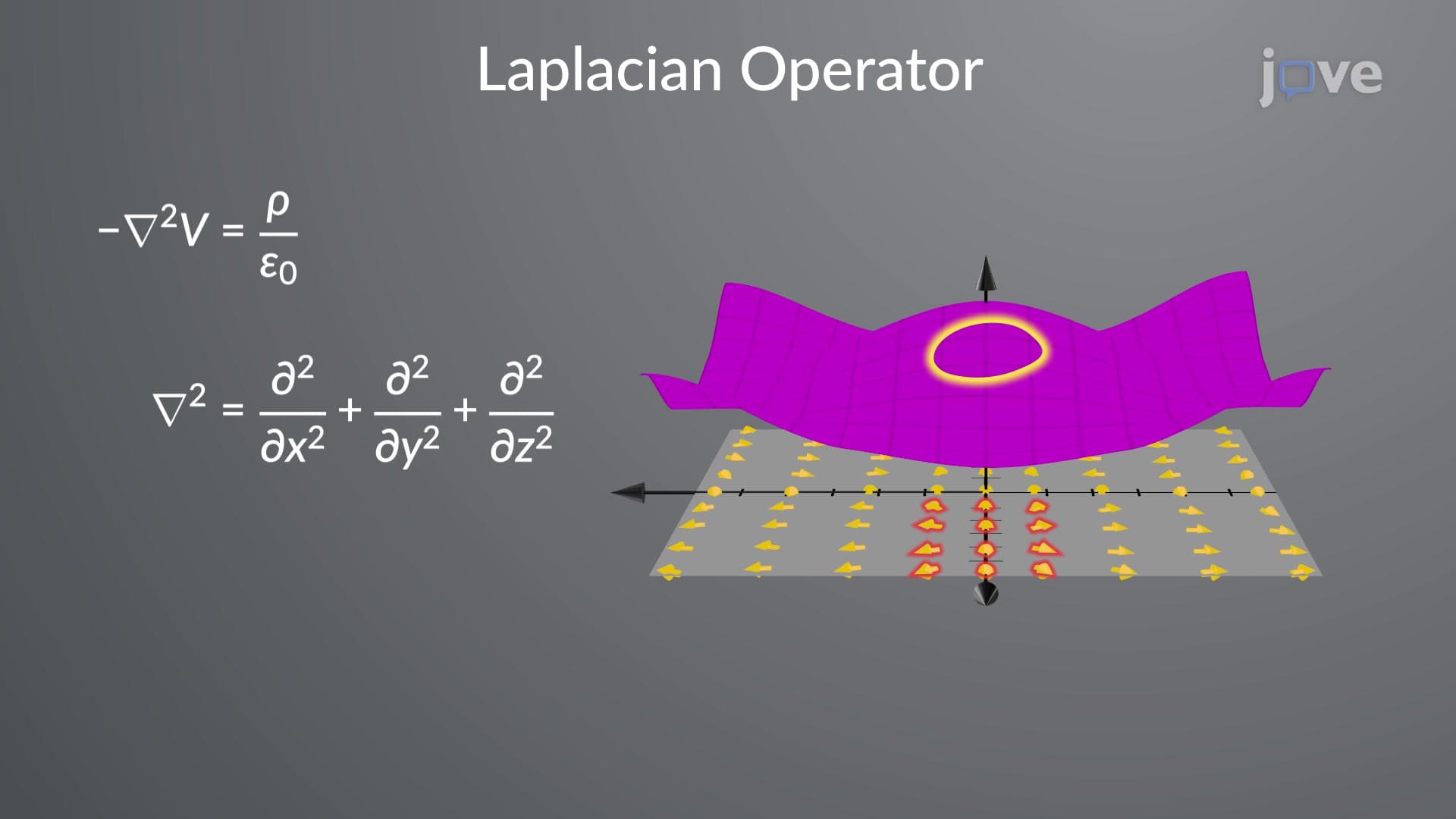

Video Summary: Poissons Laplaces Equation Tutorial
Did you know that the GPS in your smartphone relies on solving equations that predict how electric fields behave in space? Poisson's and Laplace's equation form the mathematical foundation for understanding electric potential distributions, from the circuits powering your devices to the electromagnetic systems in Tesla's electric vehicles. These fundamental partial differential equations connect electric fields to their underlying charge distributions through elegant mathematical relationships. The Poisson's and Laplace's Equation Tutorial reveals how these equations govern everything from electrostatic phenomena to advanced engineering applications. Watch the full video on JoVE Coach to master this concept with expert-led visuals and step-by-step explanations.
Poisson's and Laplace's equations represent cornerstone concepts in electromagnetic theory, bridging the gap between abstract mathematical formalism and practical engineering applications. These partial differential equations describe how electric potential varies throughout space based on charge distributions and boundary conditions.
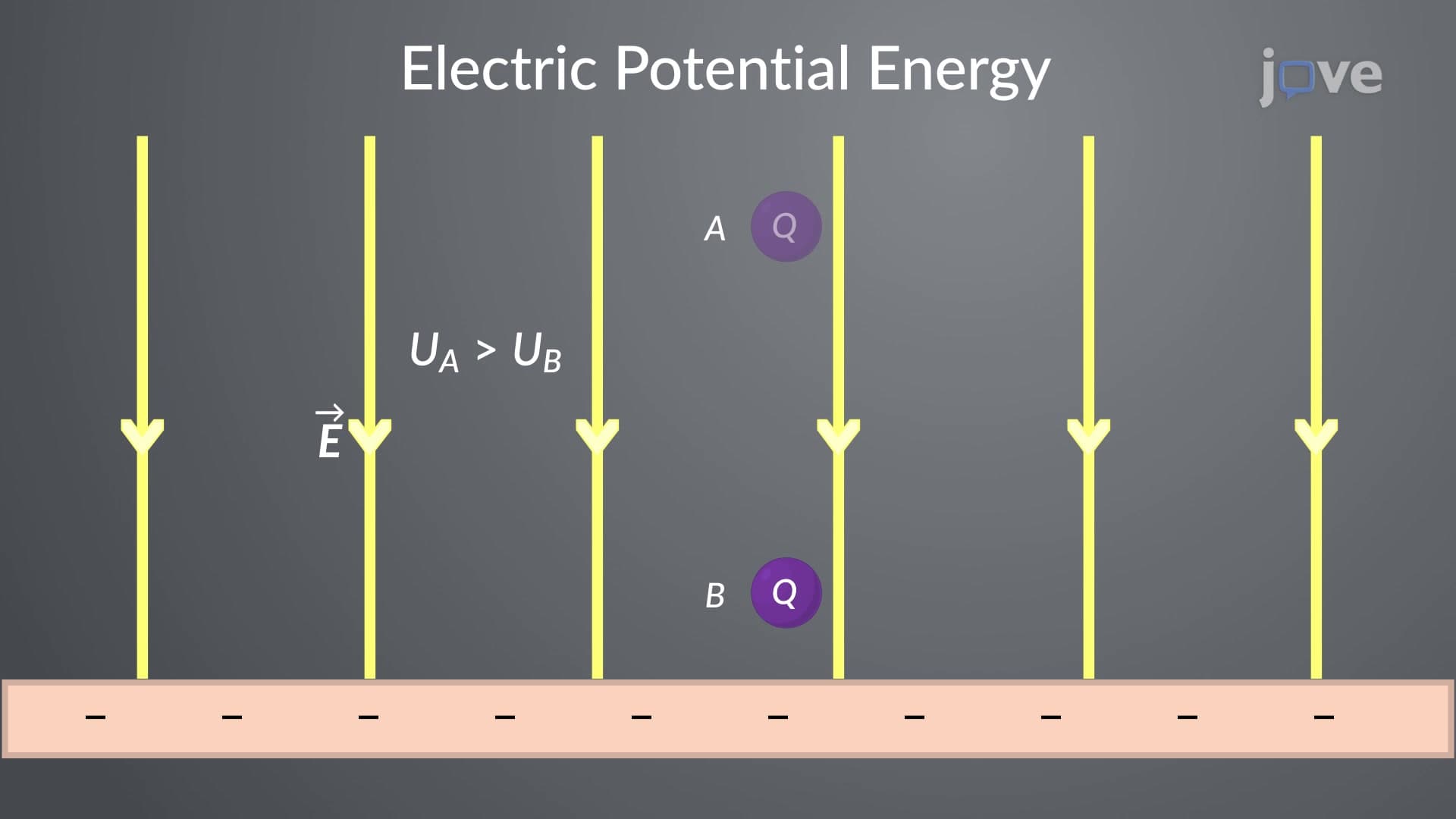
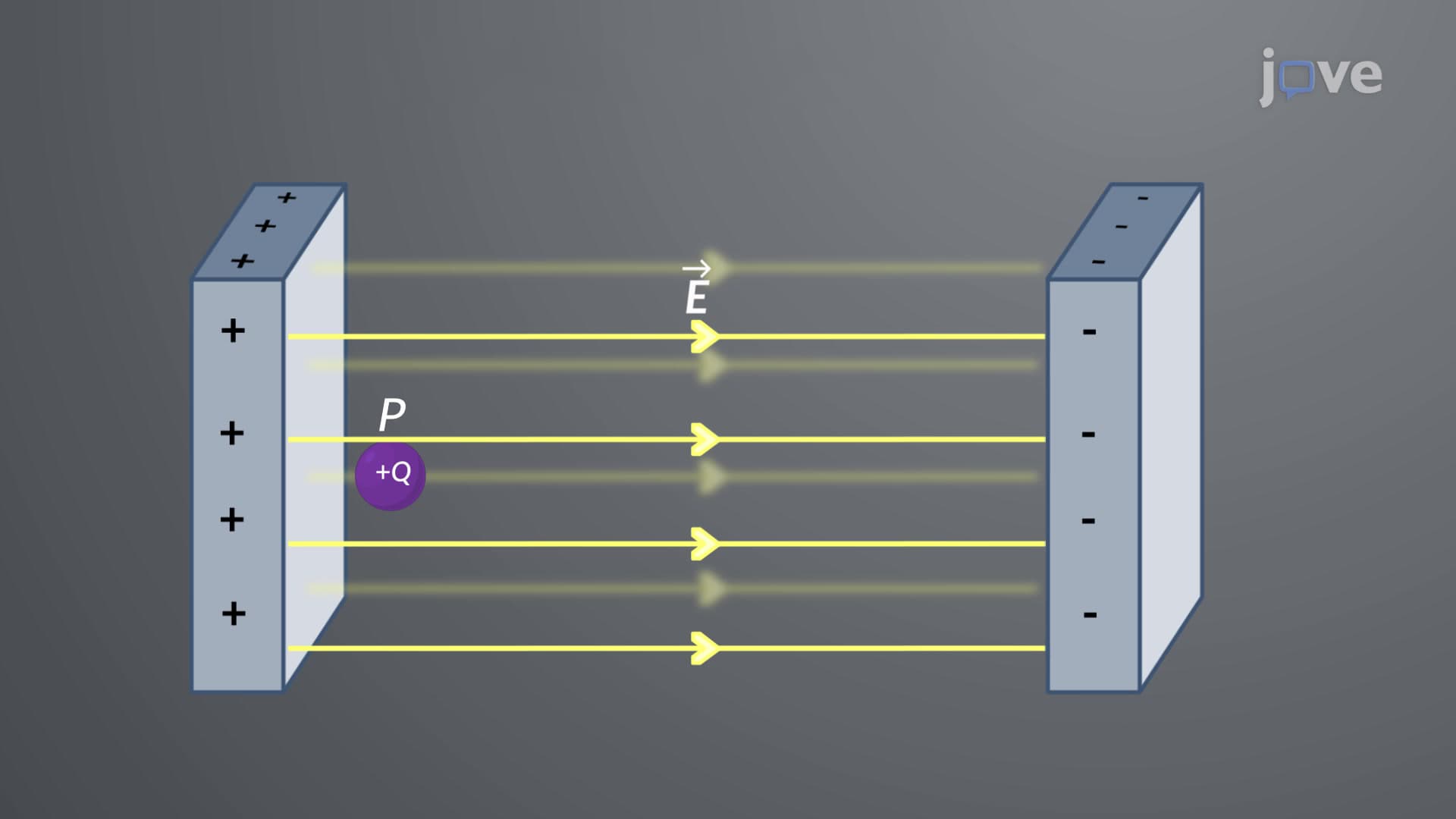
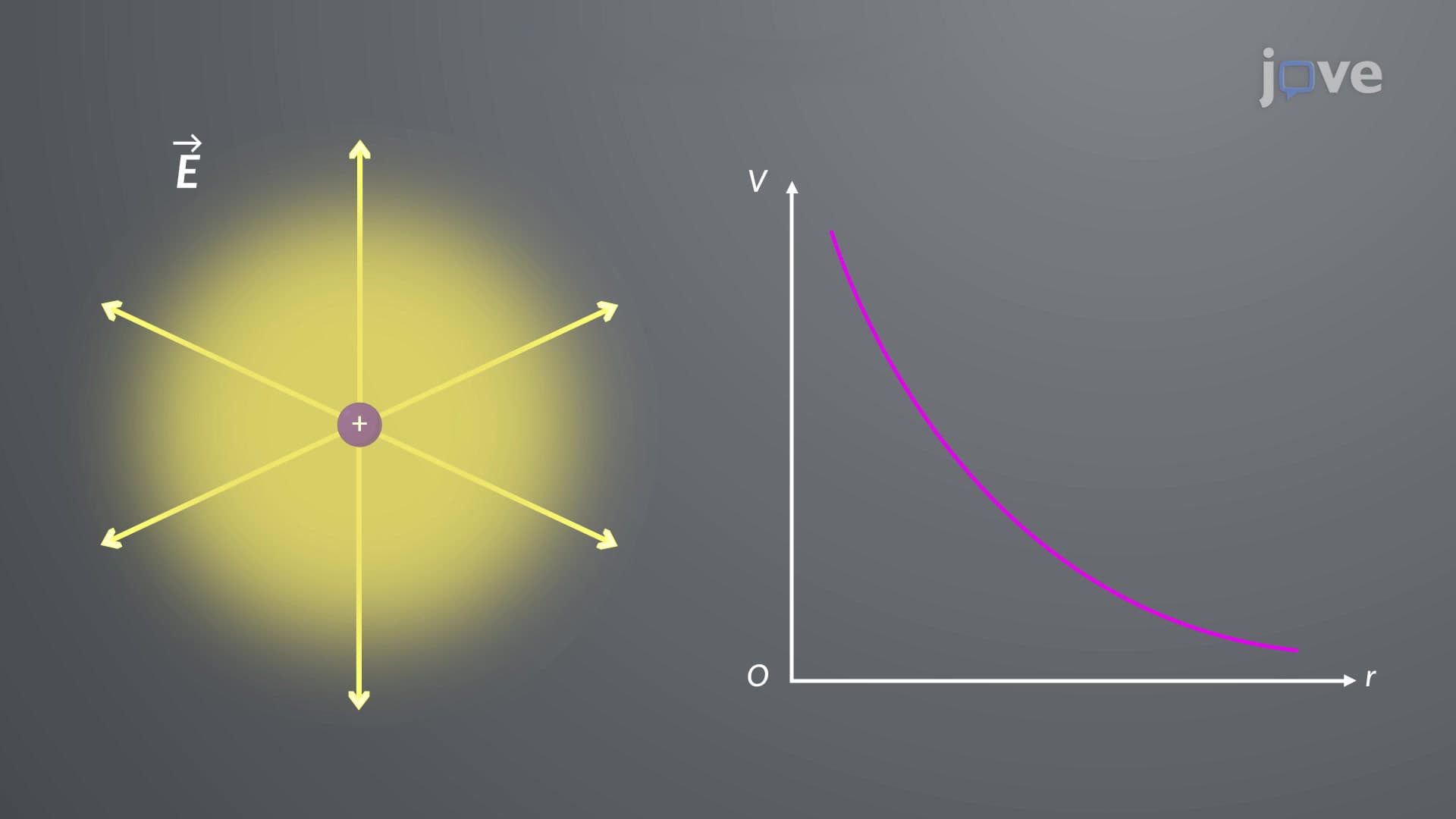
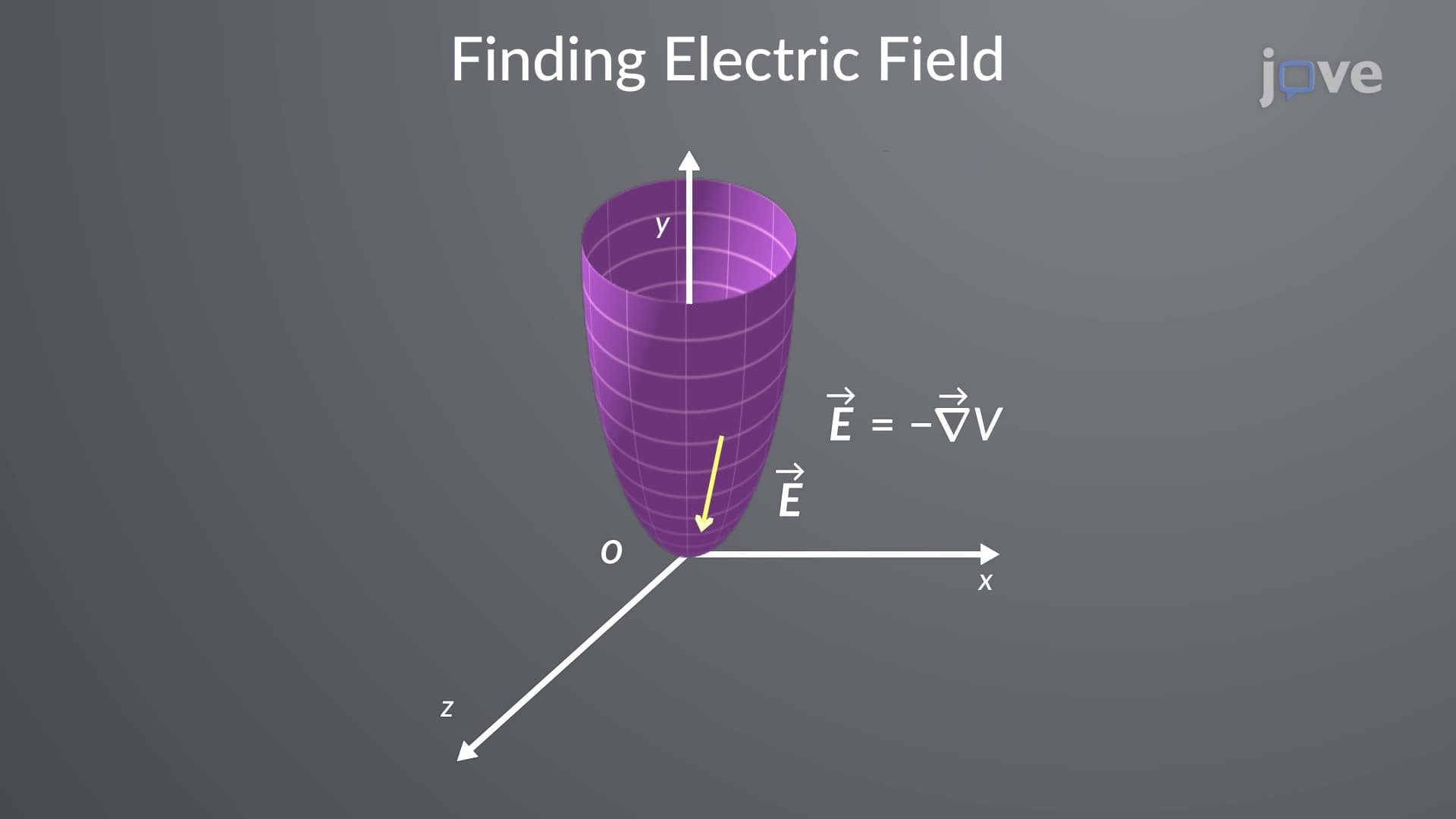
The foundation begins with the relationship between electric field E and electric potential V: E = -∇V. This vector equation tells us that electric fields always point toward decreasing potential, much like water flowing downhill. The negative sign ensures that positive charges naturally move from high to low potential regions.
Gauss's law in differential form states that ∇·E = ρ/ε₀, where ρ represents charge density and ε₀ is the permittivity of free space. By substituting the potential relationship, we derive Poisson's equation: ∇²V = -ρ/ε₀. The ∇² operator (called the Laplacian) represents the divergence of the gradient, effectively measuring how the potential "curves" in three-dimensional space.
This equation appears frequently in AP Physics C: Electricity and Magnetism exams and college-level electromagnetism courses. Students at institutions like MIT, Stanford, and UC Berkeley encounter these concepts in introductory physics sequences and advanced electromagnetic theory classes.
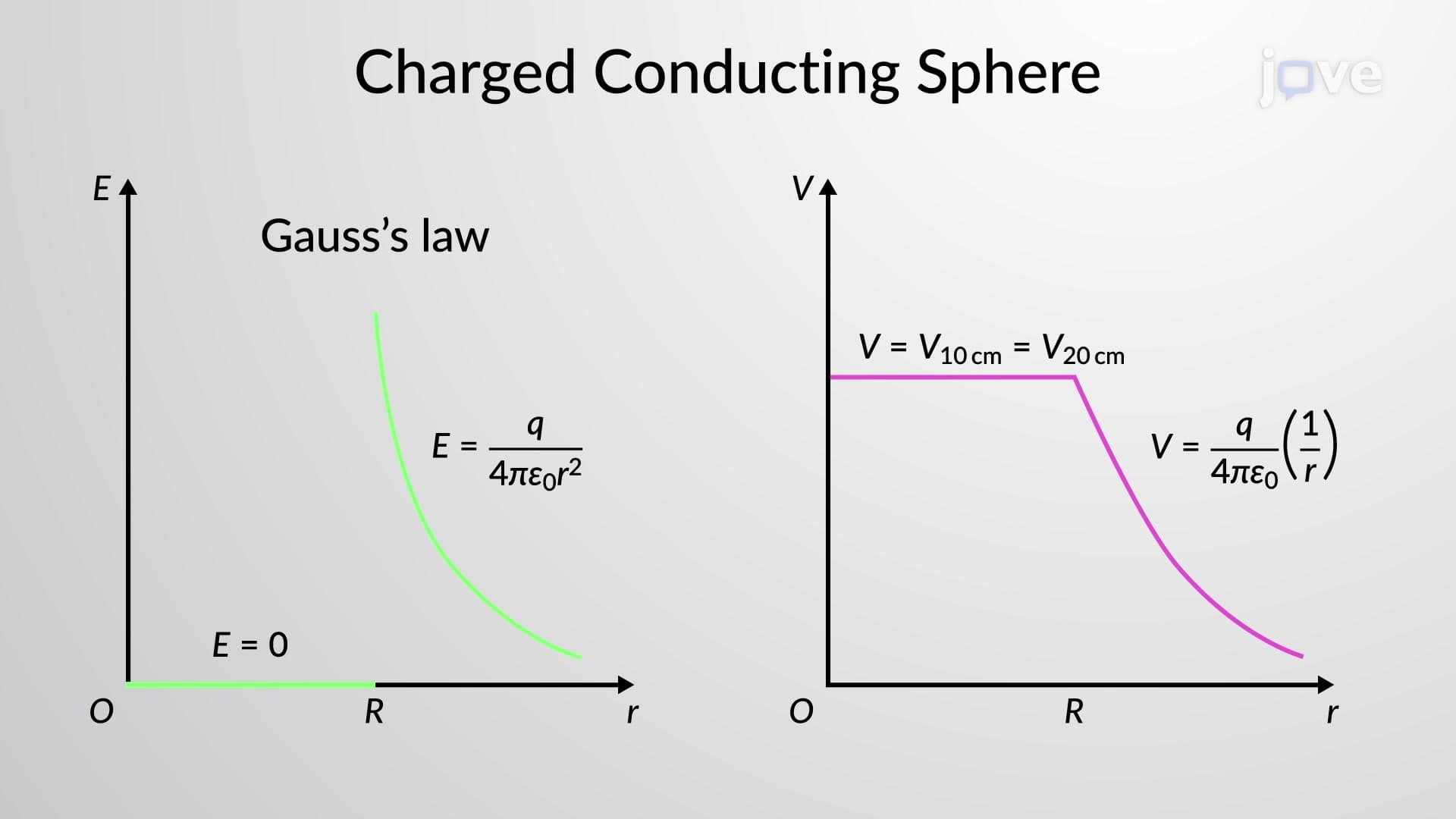
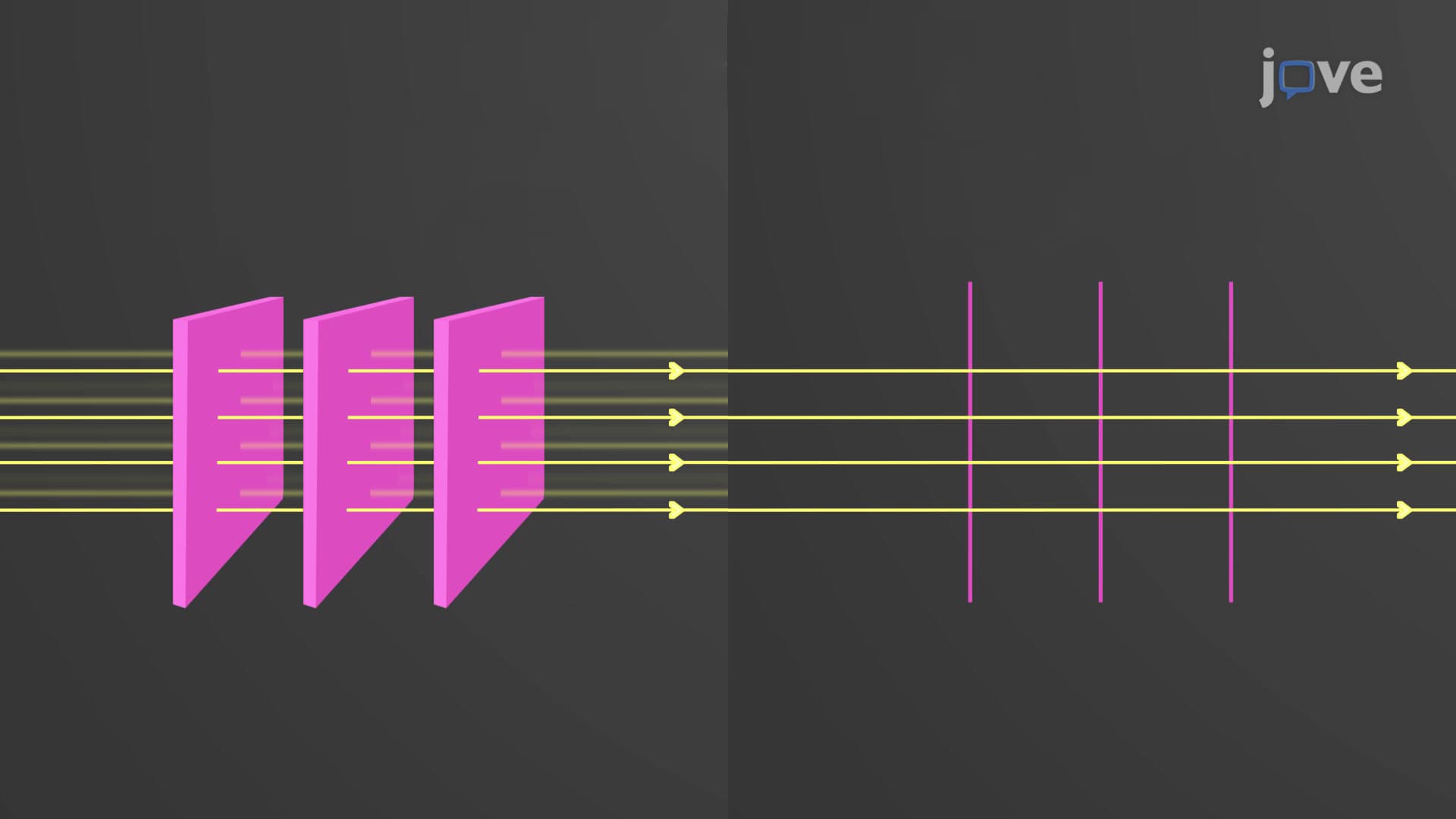
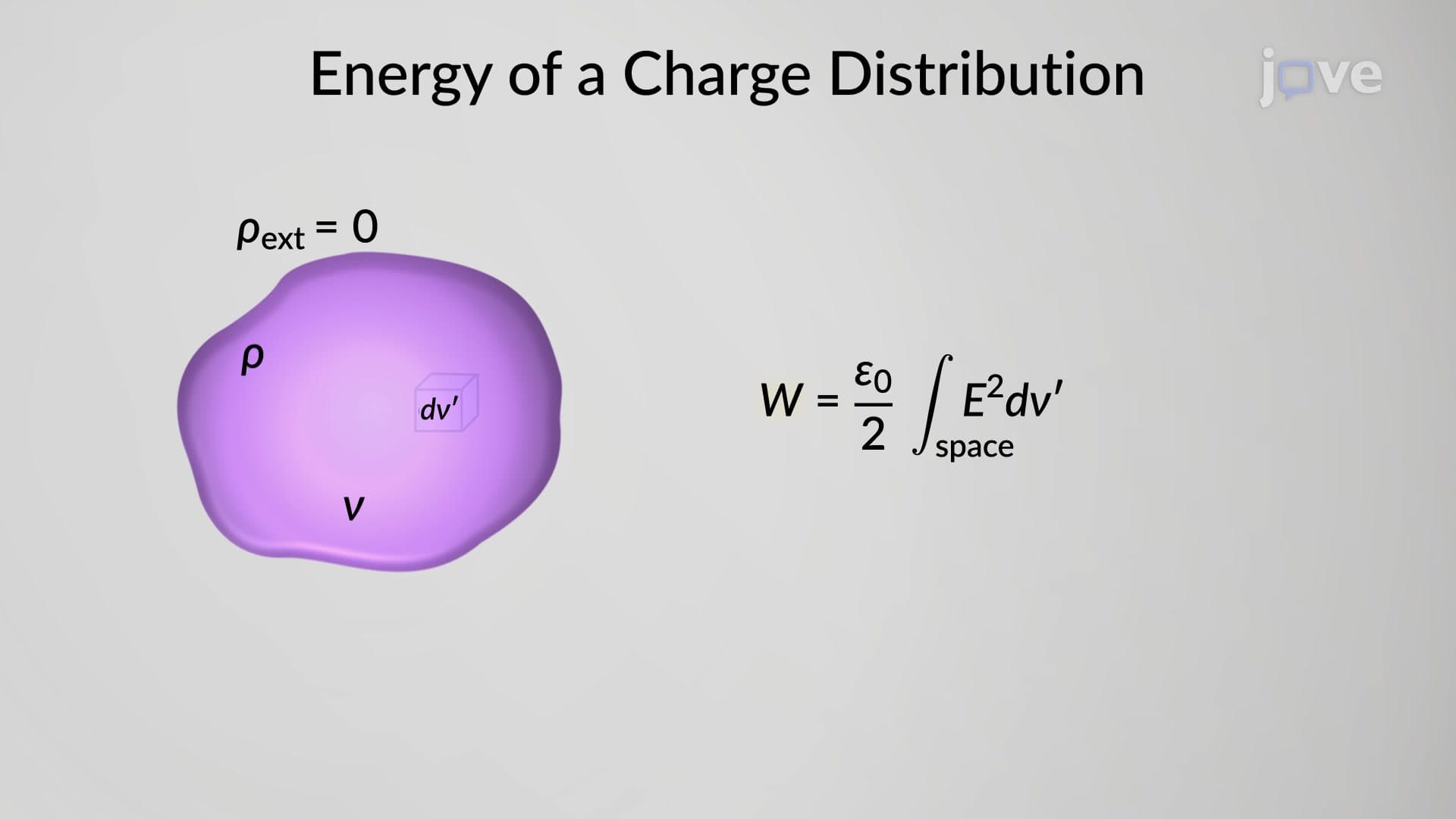
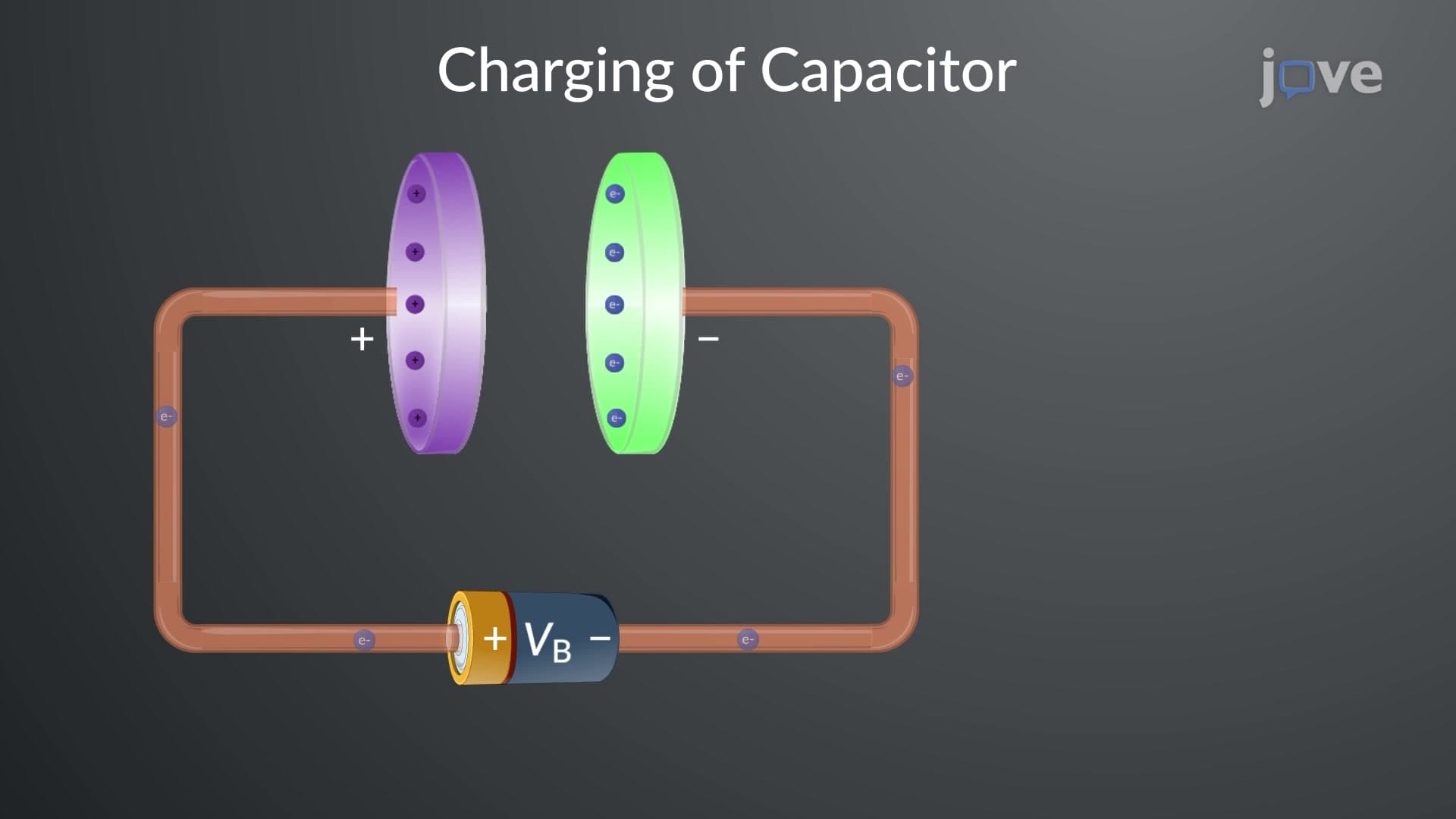
When no charges exist within a region (ρ = 0), Poisson's equation simplifies to Laplace's equation: ∇²V = 0. This scenario occurs in many practical situations, such as the space between capacitor plates or around conducting objects. The solutions, called harmonic functions, exhibit smooth, continuous behavior without local maxima or minima in the interior region.
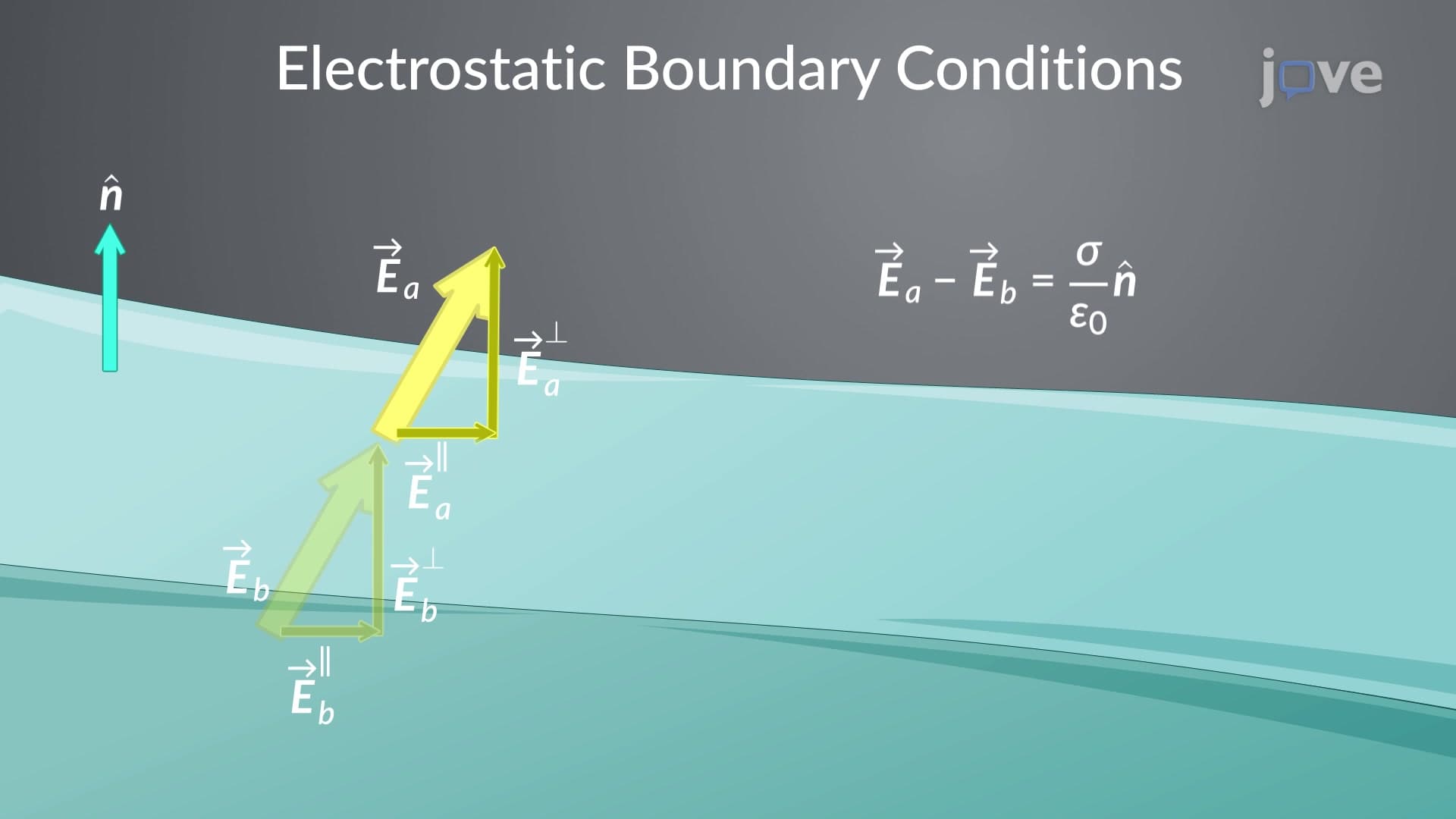
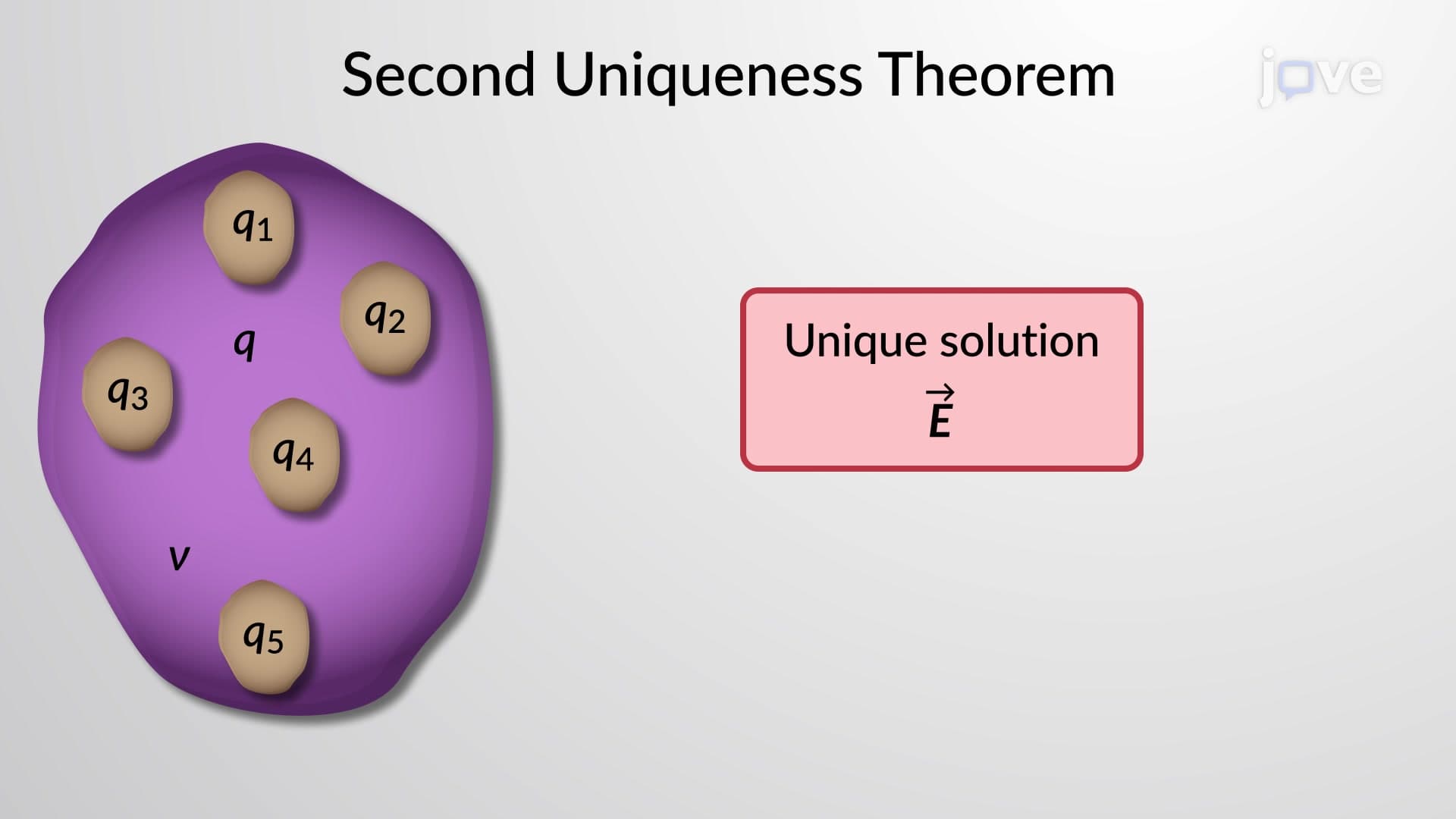
These equations govern diverse phenomena from semiconductor device physics to atmospheric electricity. Engineering students use them to design integrated circuits, analyze antenna radiation patterns, and model electrostatic discharge protection systems. The uniqueness theorem ensures that specifying boundary conditions (like voltages on conductor surfaces) yields a single, well-defined solution.
For exam preparation, focus on recognizing when to apply each equation, setting up appropriate coordinate systems, and understanding boundary conditions. Many SAT Subject Test Physics problems and MCAT Physical Sciences questions test conceptual understanding rather than complex calculations.
Related Micro-courses