Loading video…


 25 Concepts
 78.1K views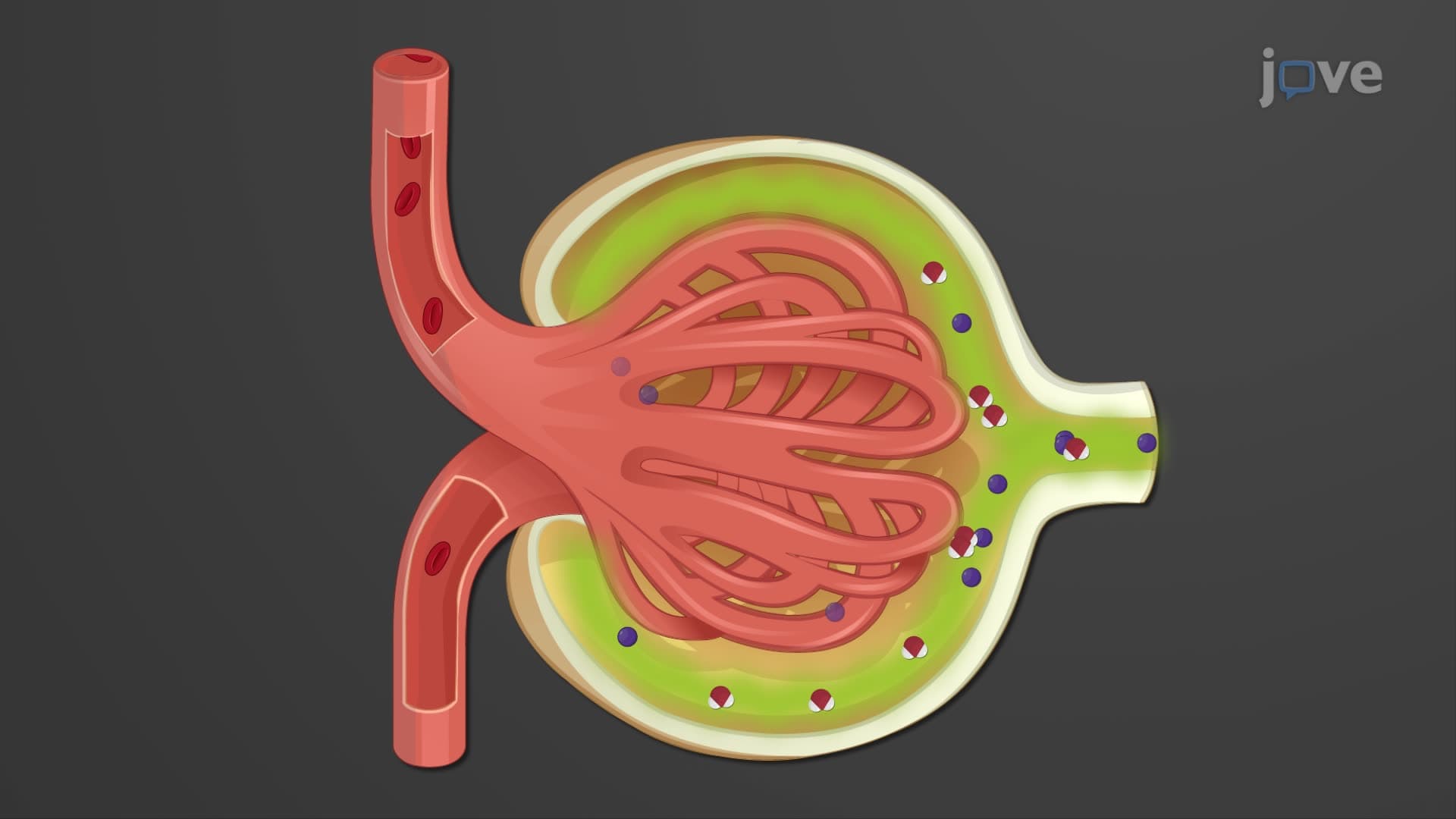

Video Summary: Glomerular Filtration Net Filtration Pressure Explained
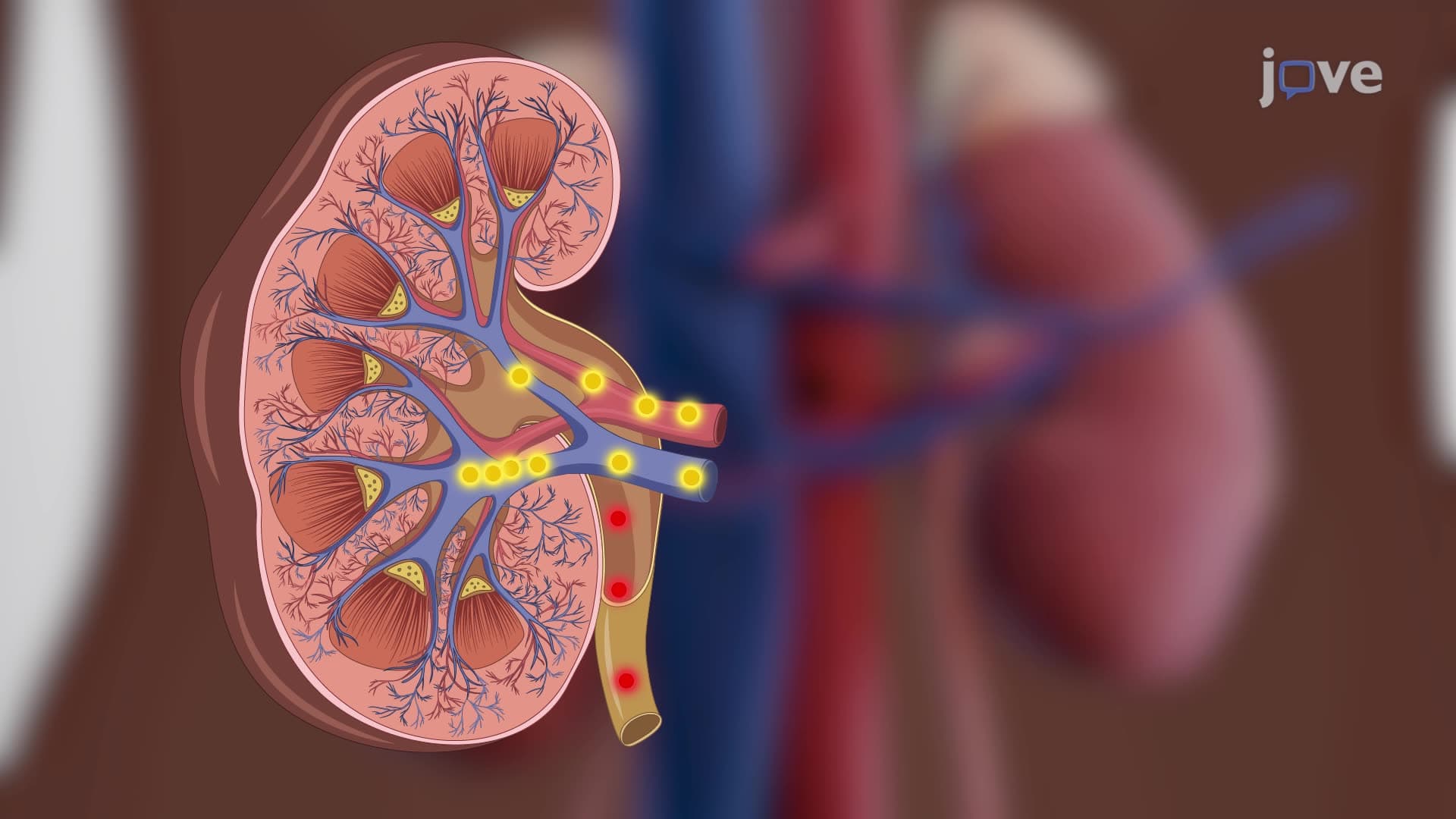
Every minute, your kidneys filter about 120 milliliters of blood plasma-enough to fill a coffee cup every five minutes! Understanding net filtration pressure kidney mechanisms reveals how this remarkable filtration occurs through precise pressure balances in nephrons. At Johns Hopkins Hospital, nephrologists use these same principles when diagnosing kidney diseases that disrupt normal filtration rates. Watch the full video on JoVE Coach to master this concept with expert-led visuals and step-by-step explanations.
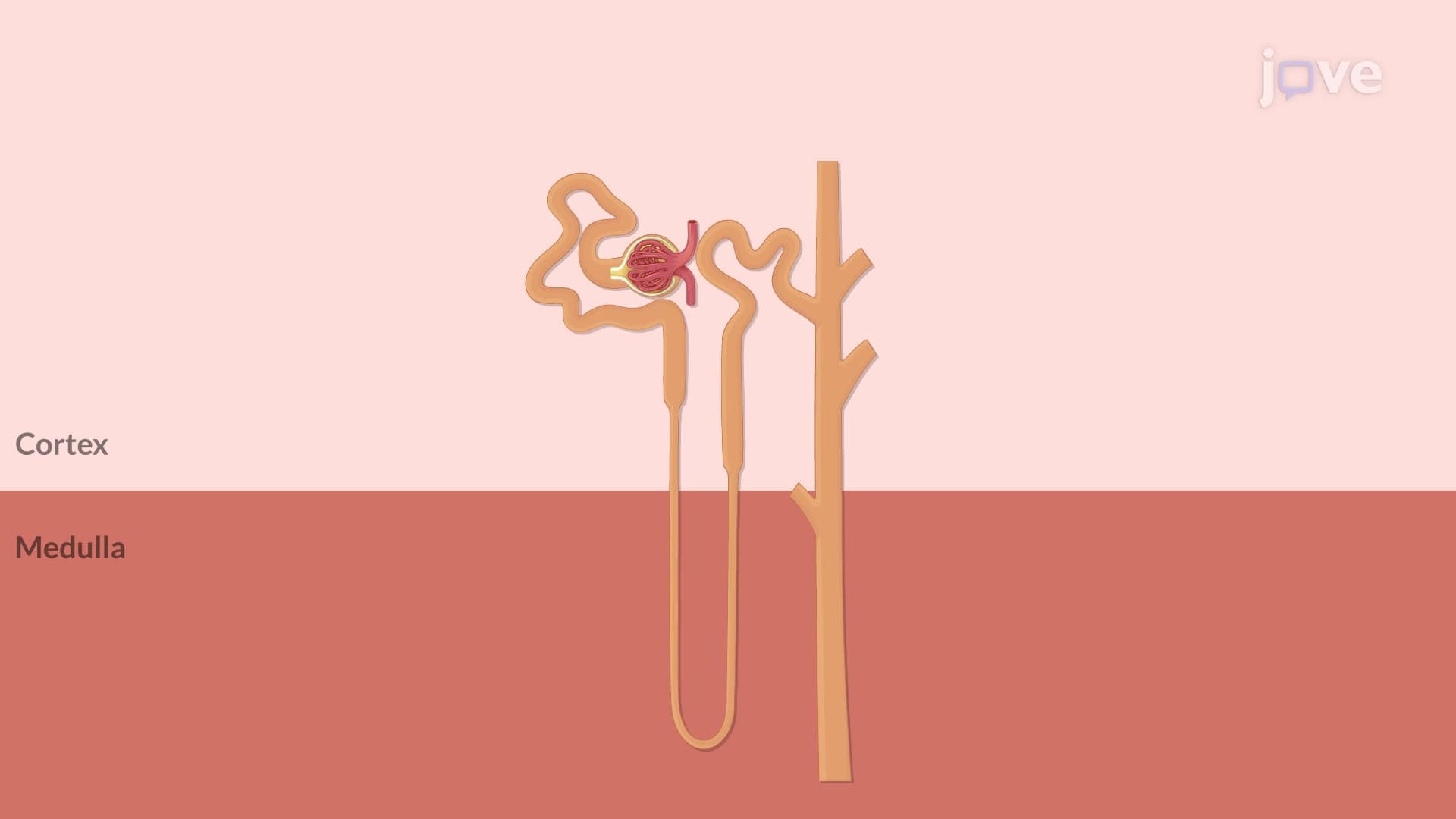
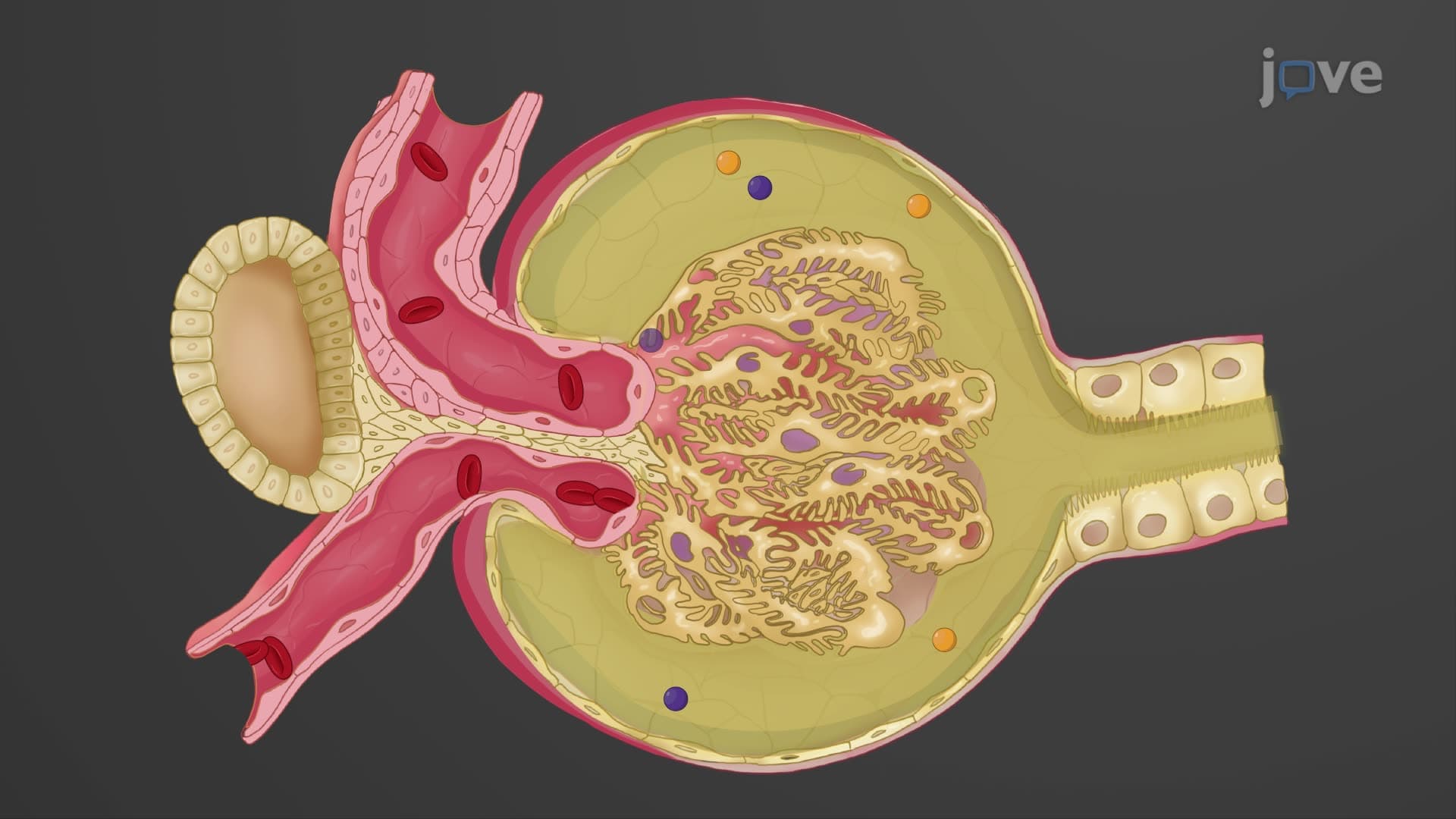
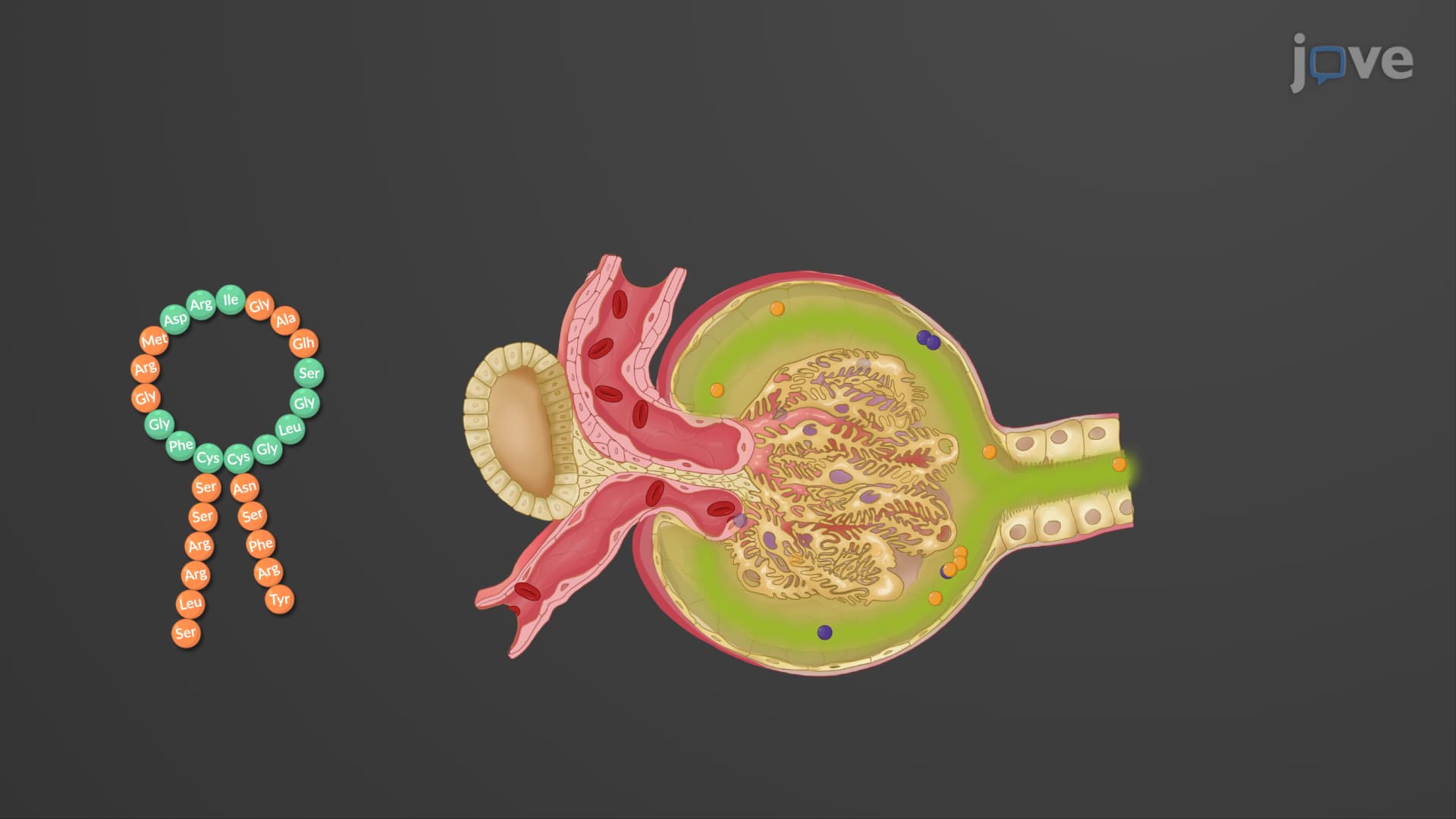
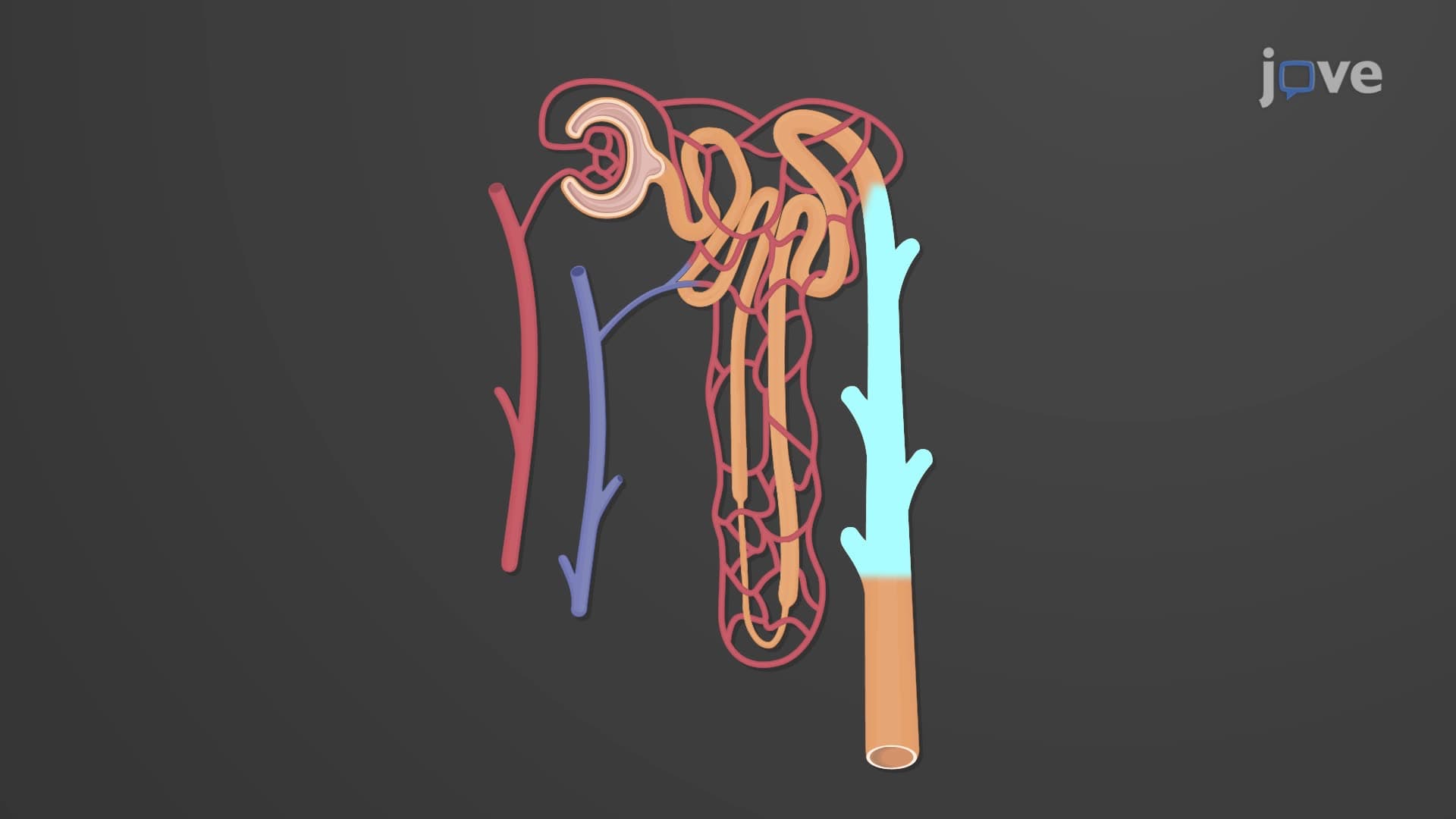
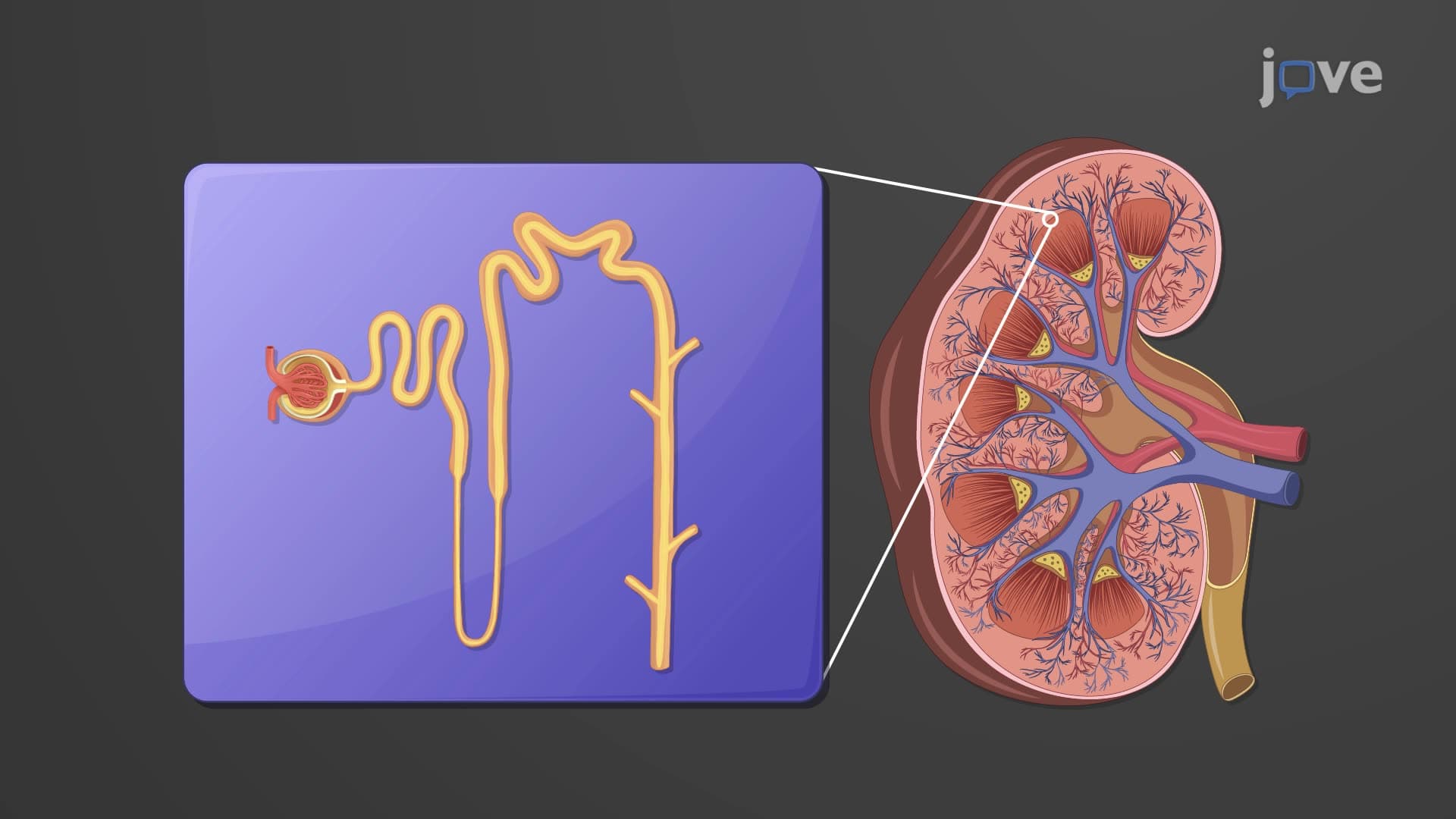
The kidneys perform one of medicine's most elegant balancing acts through a process governed by competing pressures. Net filtration pressure represents the mathematical sum of forces that either promote or oppose the movement of water and small molecules from blood into the kidney's filtration system.
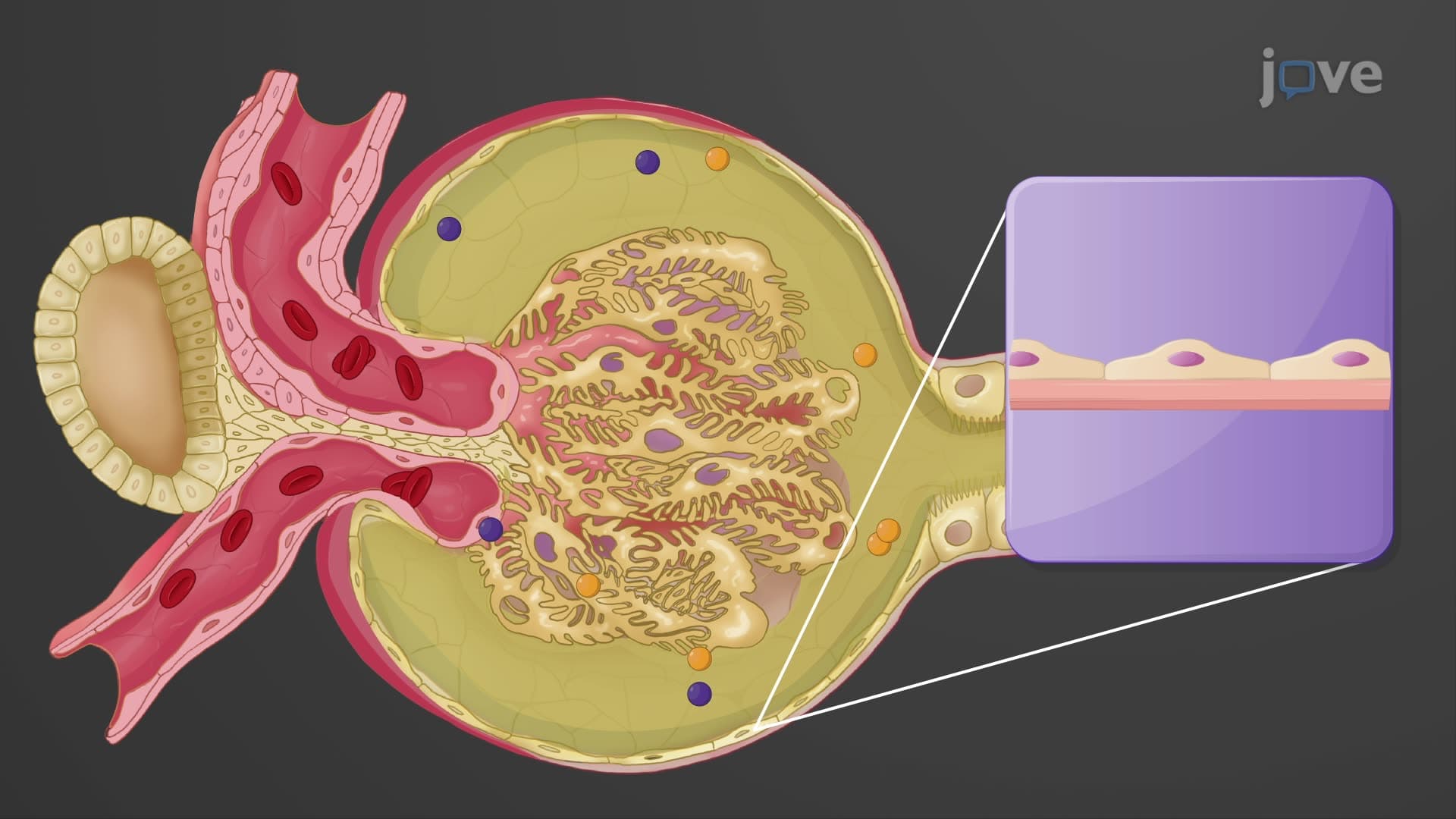
Glomerular Blood Hydrostatic Pressure (GBHP) serves as the primary driving force, typically measuring 55 mmHg. This pressure originates from the heart's pumping action and represents the force pushing blood against capillary walls. In clinical settings like Massachusetts General Hospital, physicians monitor this pressure as an indicator of cardiovascular health's impact on kidney function.
Capsular Hydrostatic Pressure (CHP) creates resistance at approximately 15 mmHg. Think of this as a traffic jam-fluid already present in Bowman's capsule creates back-pressure that opposes new filtration. When kidney stones or tumors block urine flow, CHP increases dramatically, reducing overall filtration efficiency.
Blood Colloid Osmotic Pressure (BCOP) averages 30 mmHg and represents proteins' tendency to retain water in blood vessels. Albumin and other plasma proteins create this osmotic pull. During liver disease, reduced protein production lowers BCOP, leading to increased filtration and potential fluid imbalances.
The fundamental equation-NFP = GBHP - CHP - BCOP-typically yields approximately 10 mmHg under normal conditions. This seemingly small pressure drives the filtration of 180 liters of fluid daily, demonstrating the kidney's remarkable efficiency.
Medical schools across the United States, from Harvard to UCLA, emphasize this concept because it explains numerous pathological conditions. For MCAT preparation, students must understand how diabetes damages glomerular capillaries, allowing proteins to leak into filtrate and abnormally increasing NFP. This knowledge proves essential for AP Biology students studying homeostasis and college physiology courses examining renal function.
Related Micro-courses