Loading video…


 25 Concepts
 78.1K views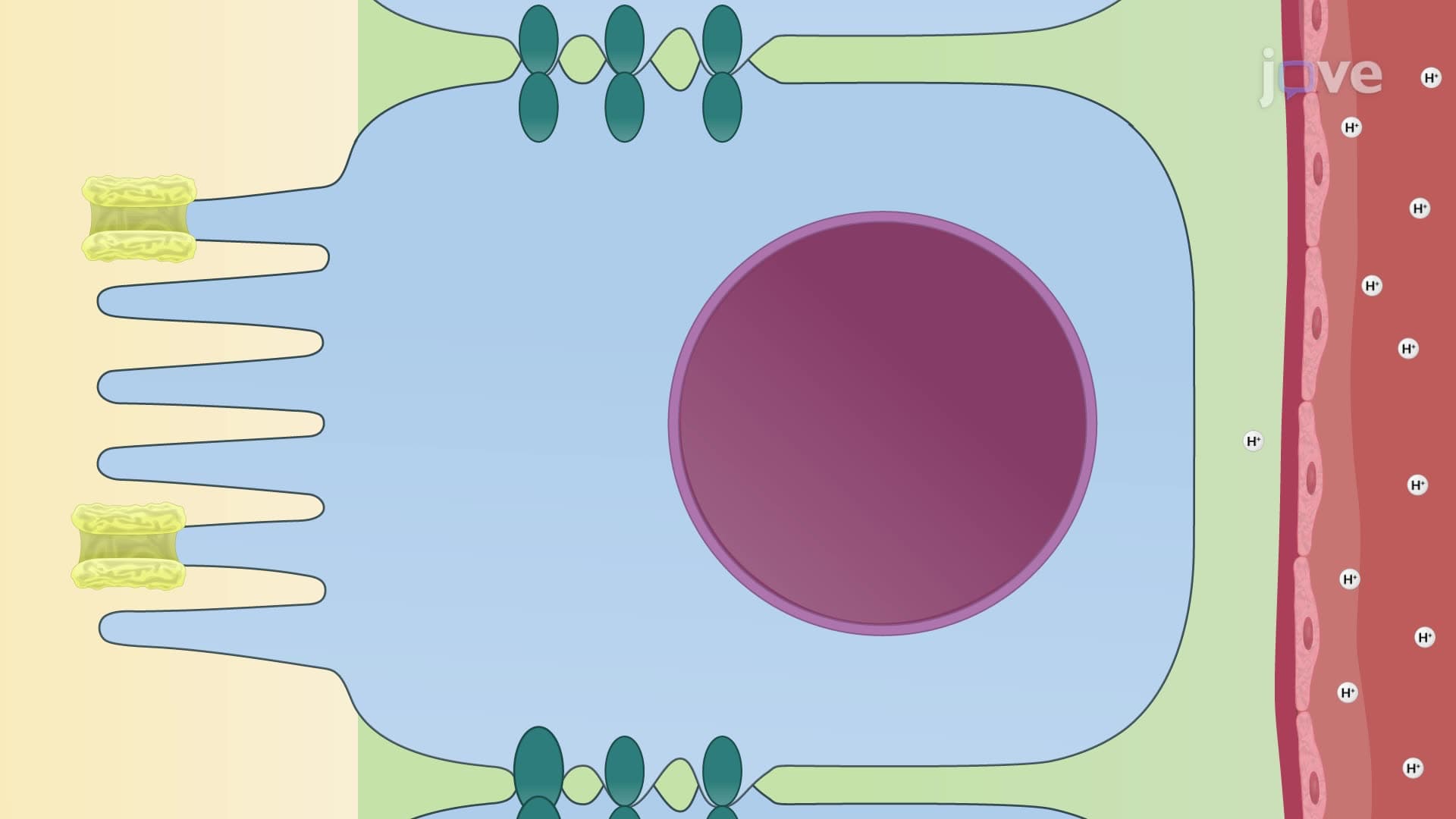

Video Summary: What Is Tubular Reabsorption and Secretion
Did you know your kidneys filter about 180 liters of blood daily-enough to fill a bathtub-yet you only produce 1-2 liters of urine? This incredible efficiency stems from tubular reabsorption secretion renal processes that reclaim 99% of filtered water and essential nutrients. When patients at Johns Hopkins Hospital receive IV fluids, their kidneys must rapidly adjust reabsorption rates to maintain proper hydration. Watch the full video on JoVE Coach to master this concept with expert-led visuals and step-by-step explanations.
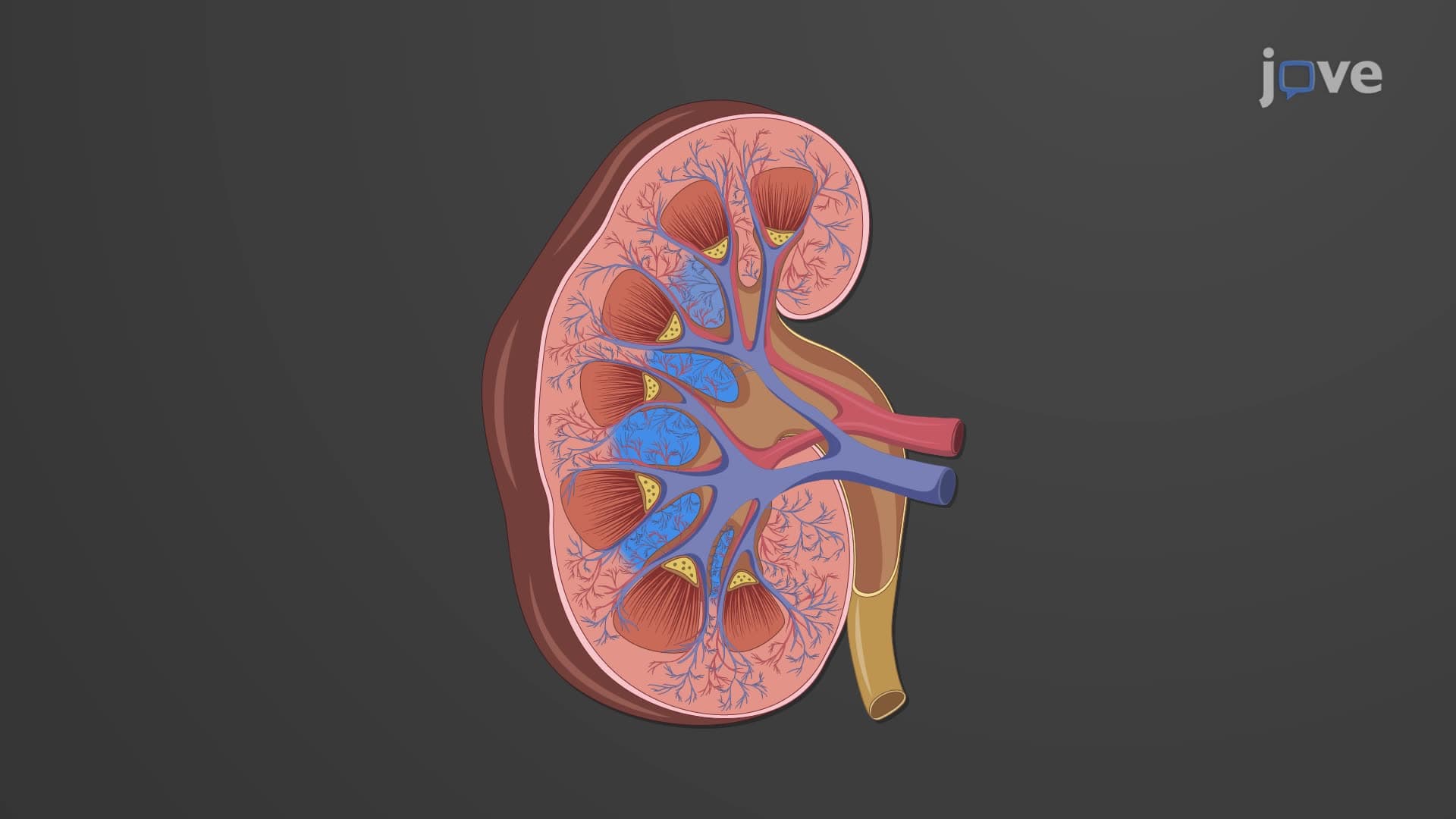
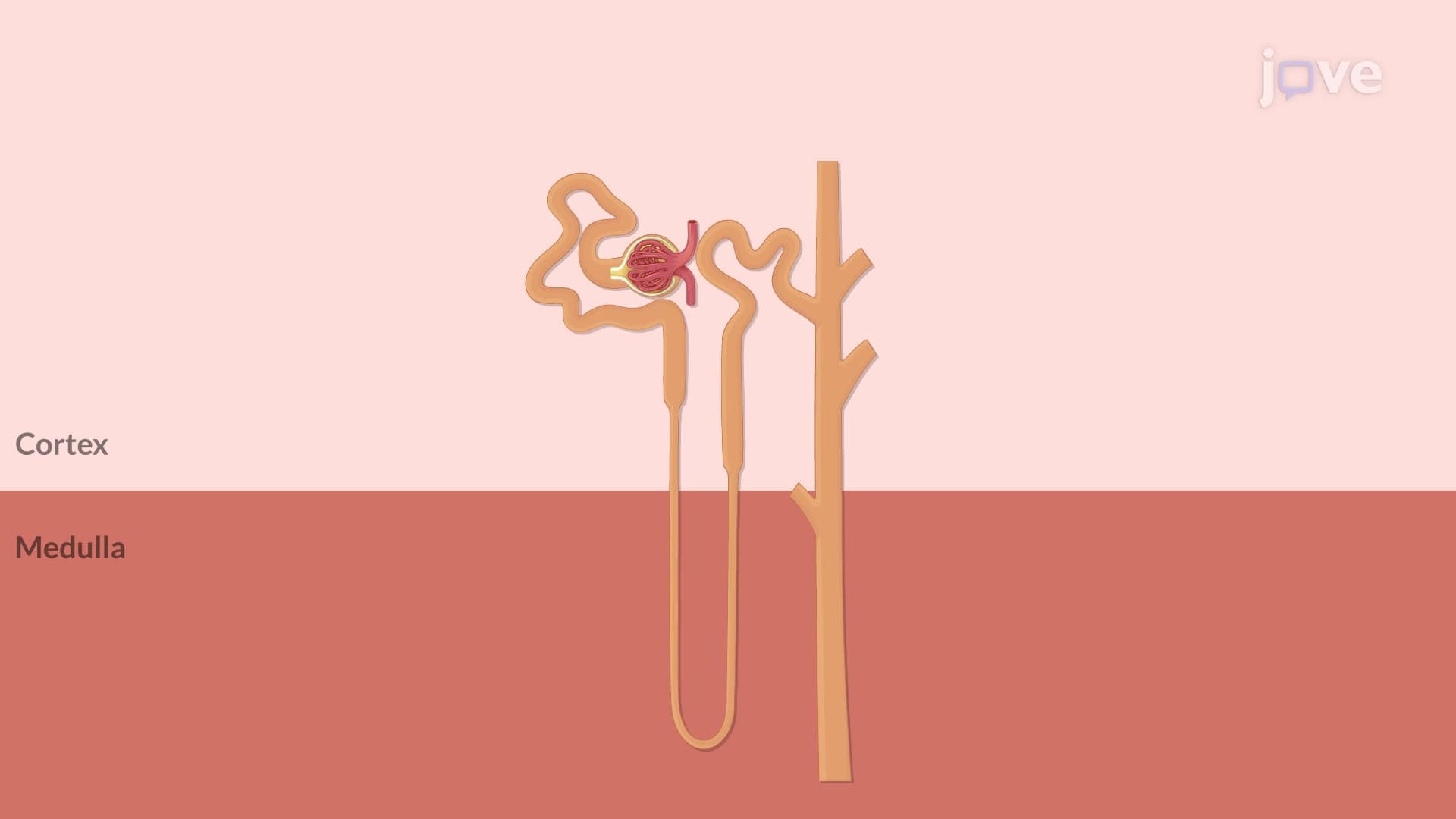
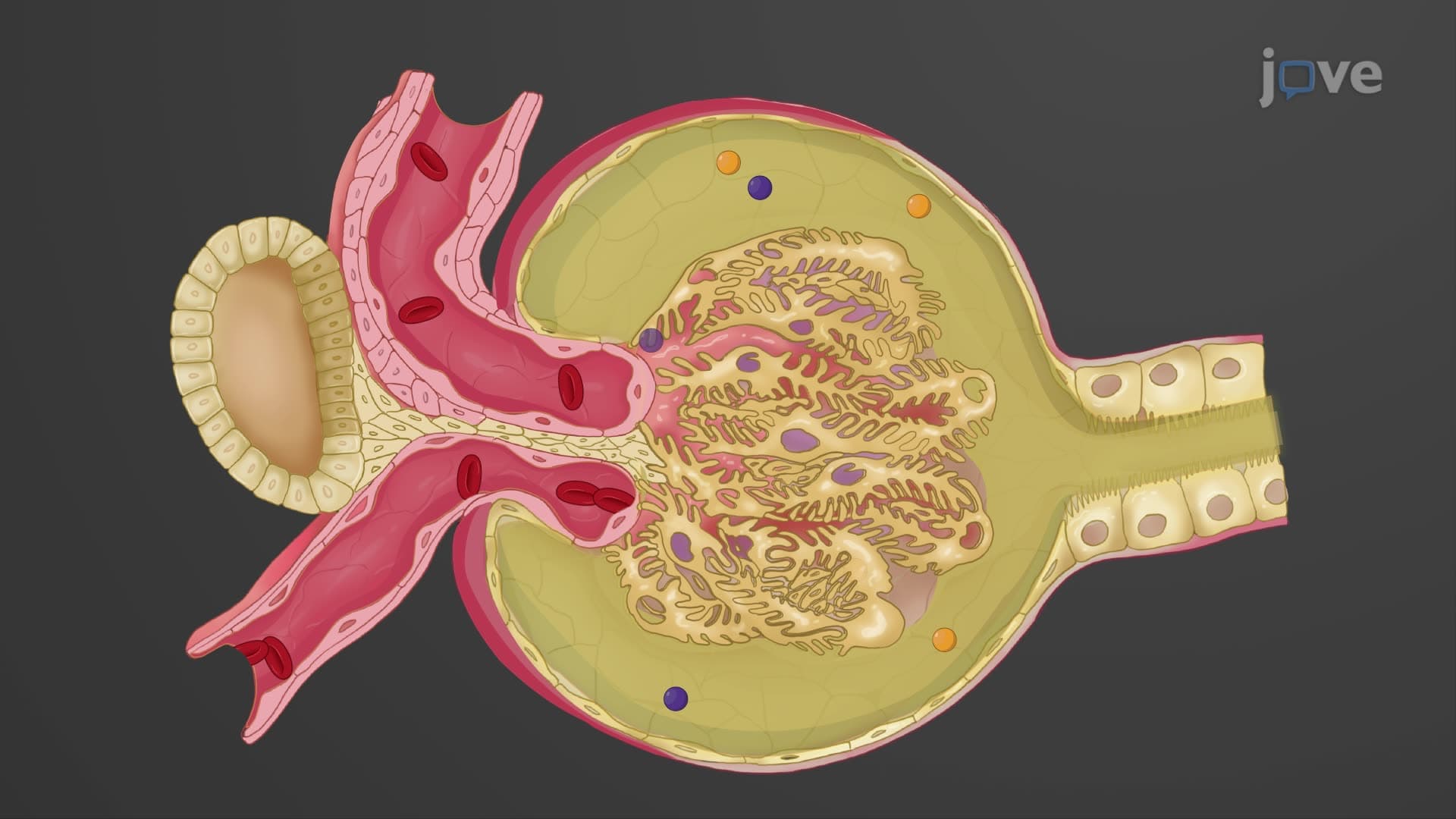
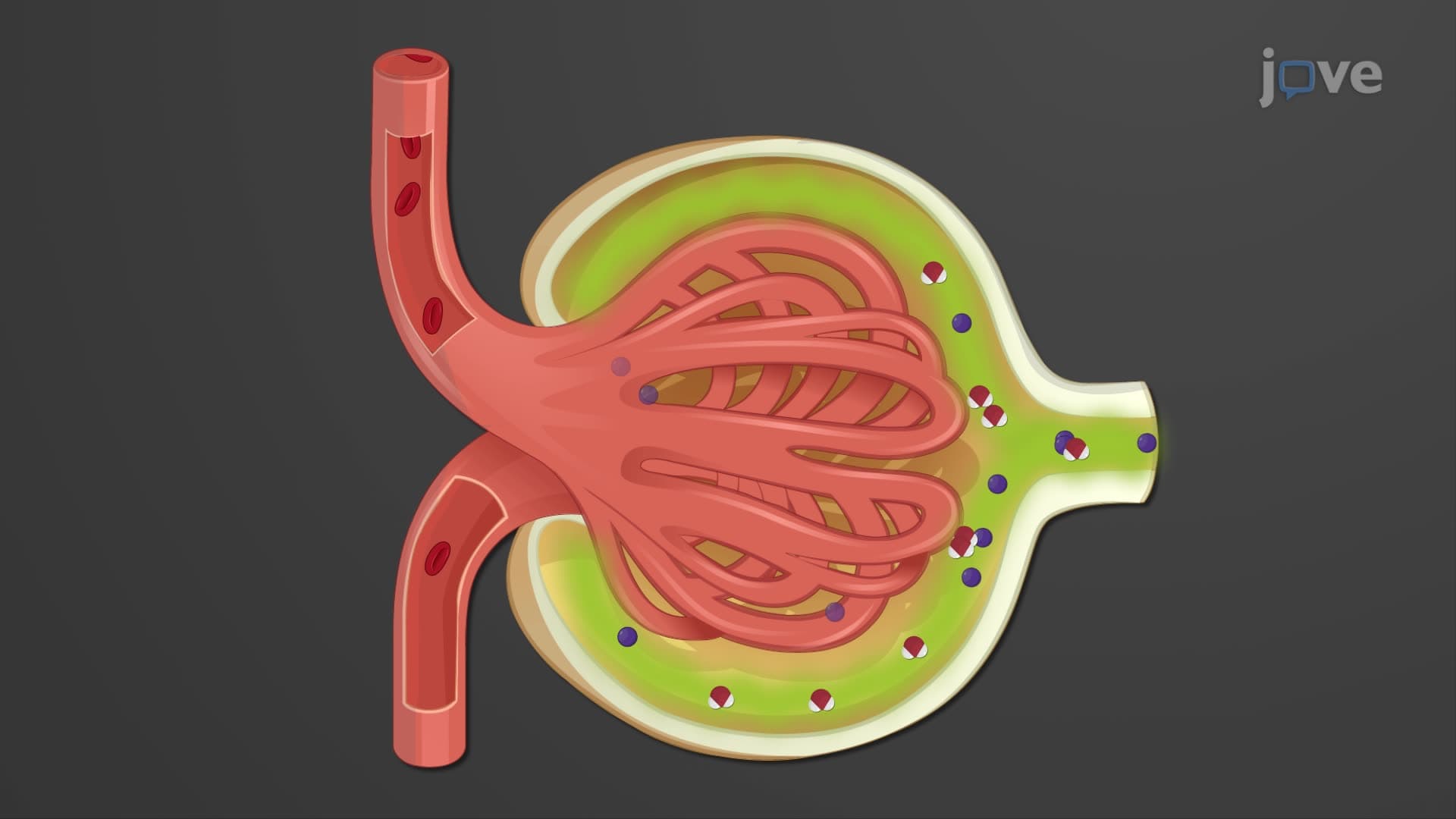
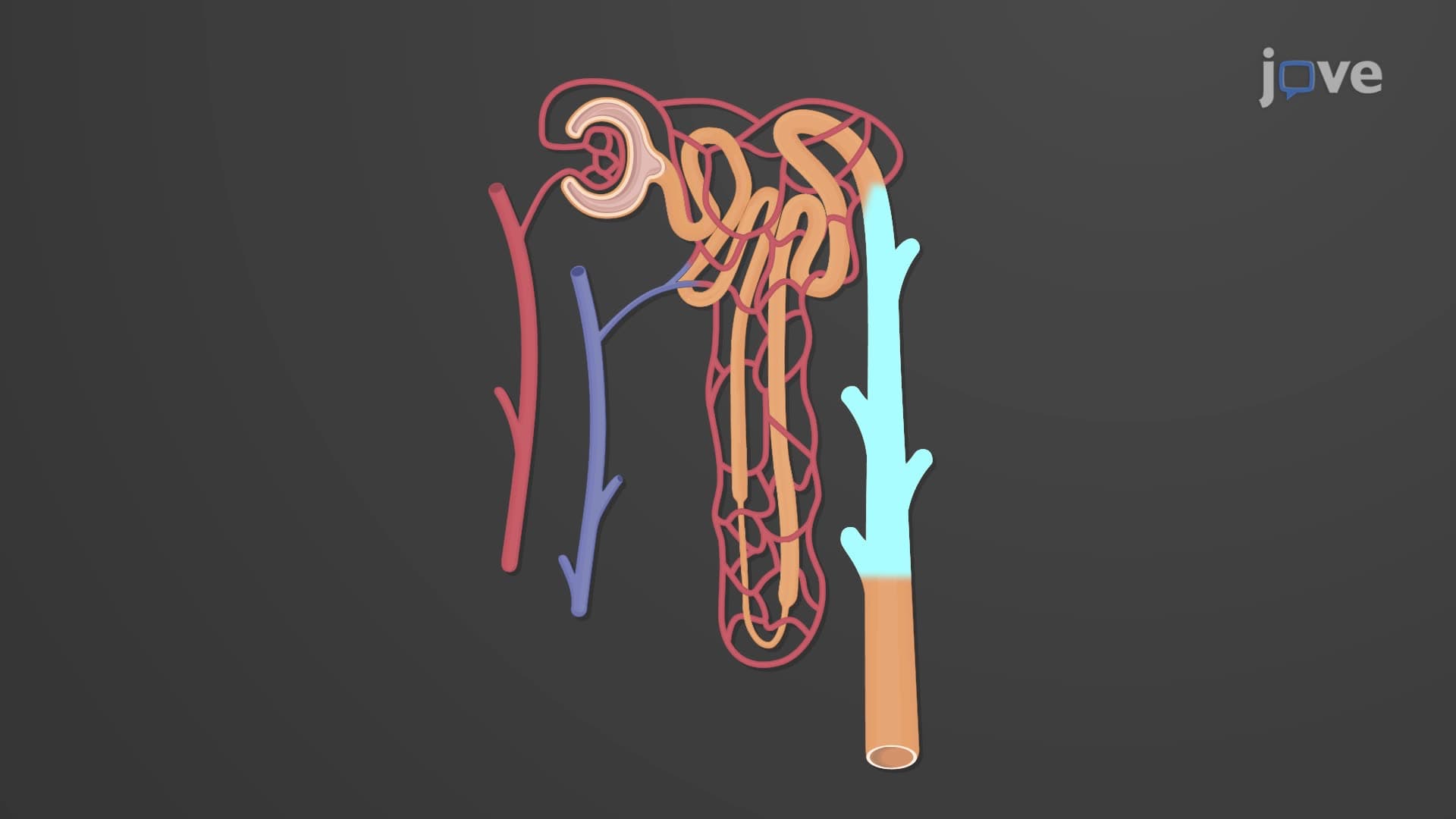
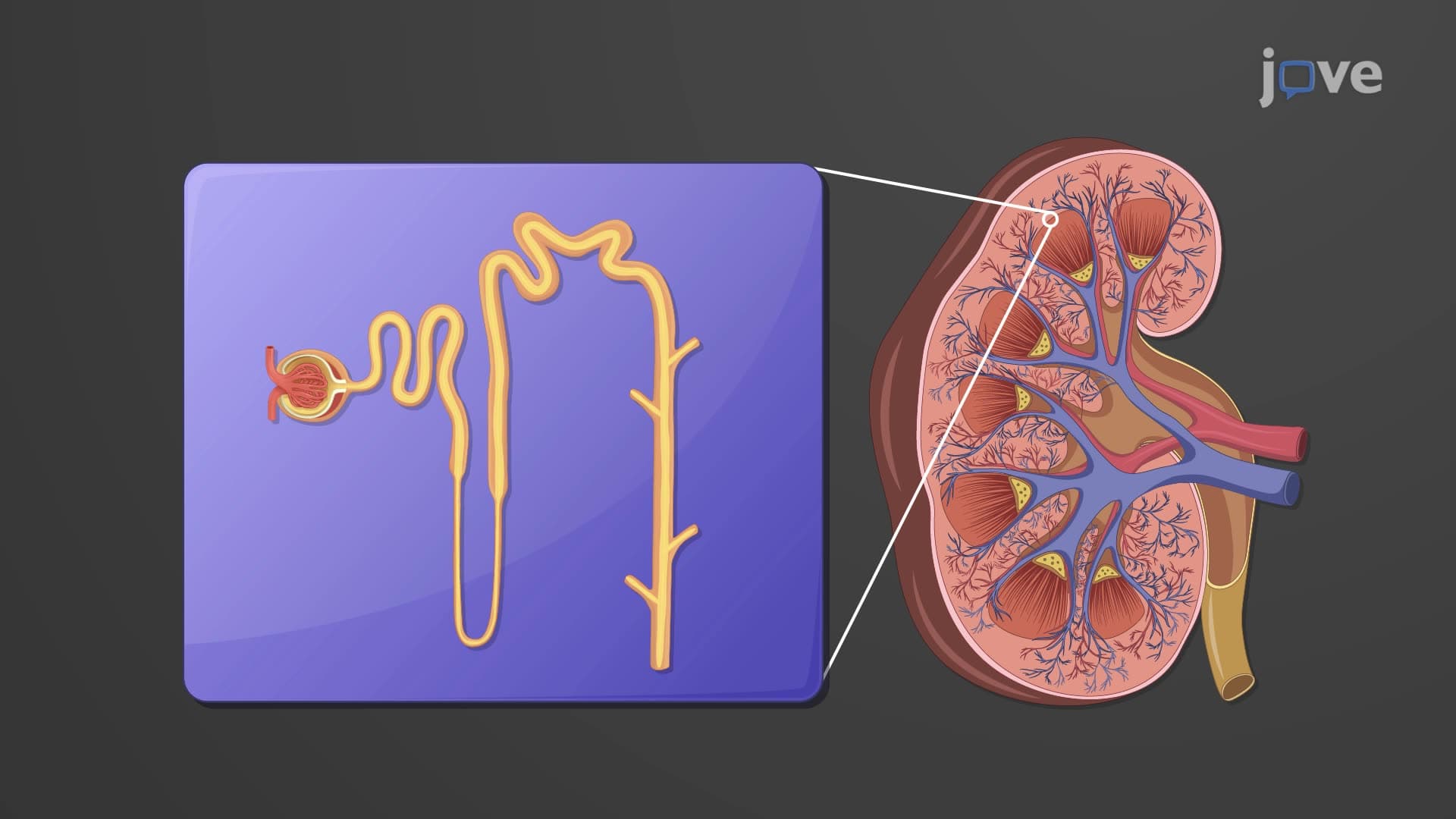
What is tubular reabsorption and secretion represents two opposing yet complementary transport processes that transform the initial glomerular filtrate into concentrated urine. These kidney tubular processes explained work continuously along the nephron's 3-cm journey, from Bowman's capsule to the collecting duct, fine-tuning body fluid composition with remarkable precision.
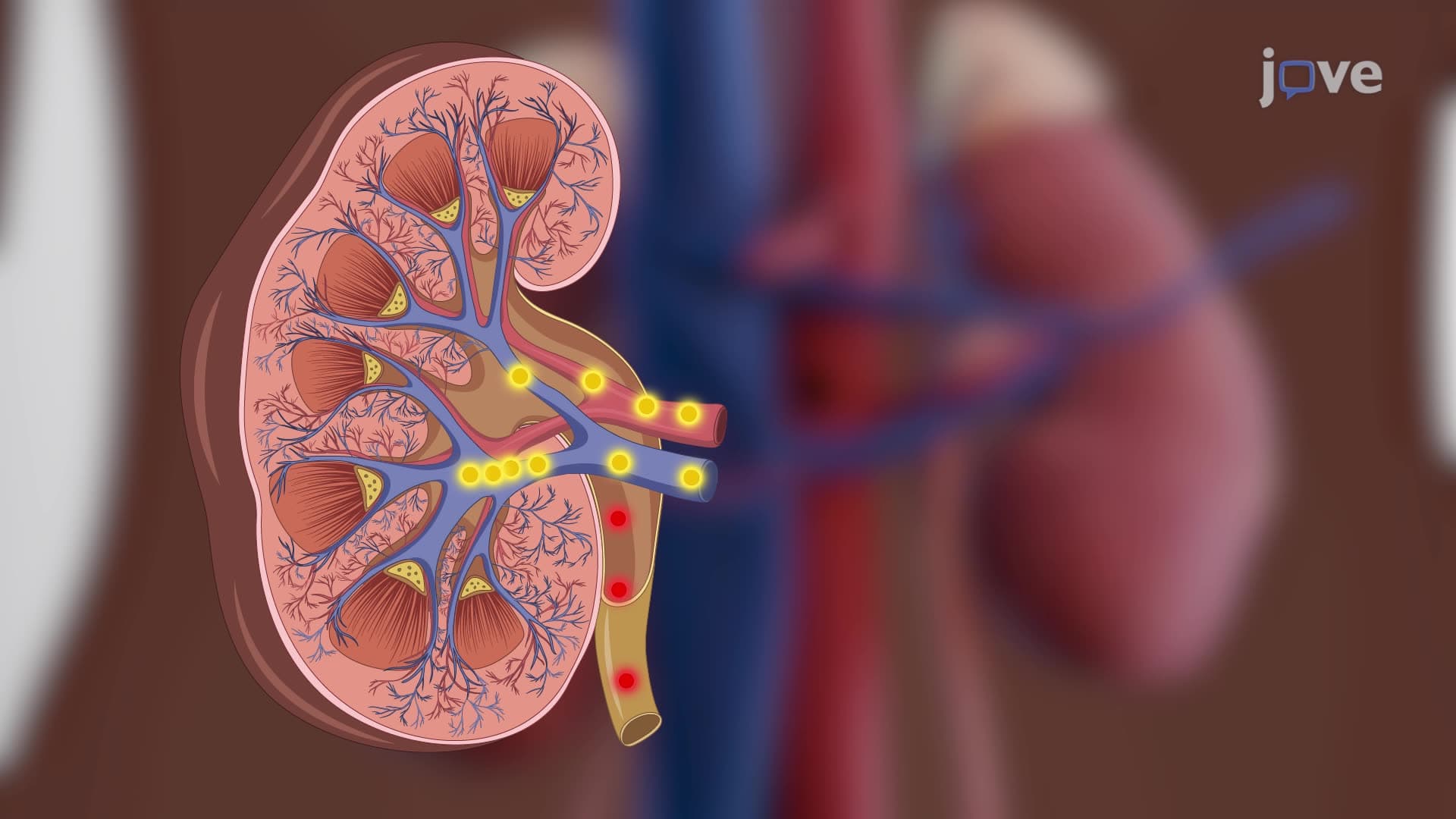
Tubular reabsorption reclaims approximately 99% of filtered water, 100% of glucose and amino acids, and variable amounts of electrolytes depending on body needs. Meanwhile, tubular secretion actively removes metabolic wastes, excess ions, and foreign substances that either weren't filtered initially or need additional clearance.
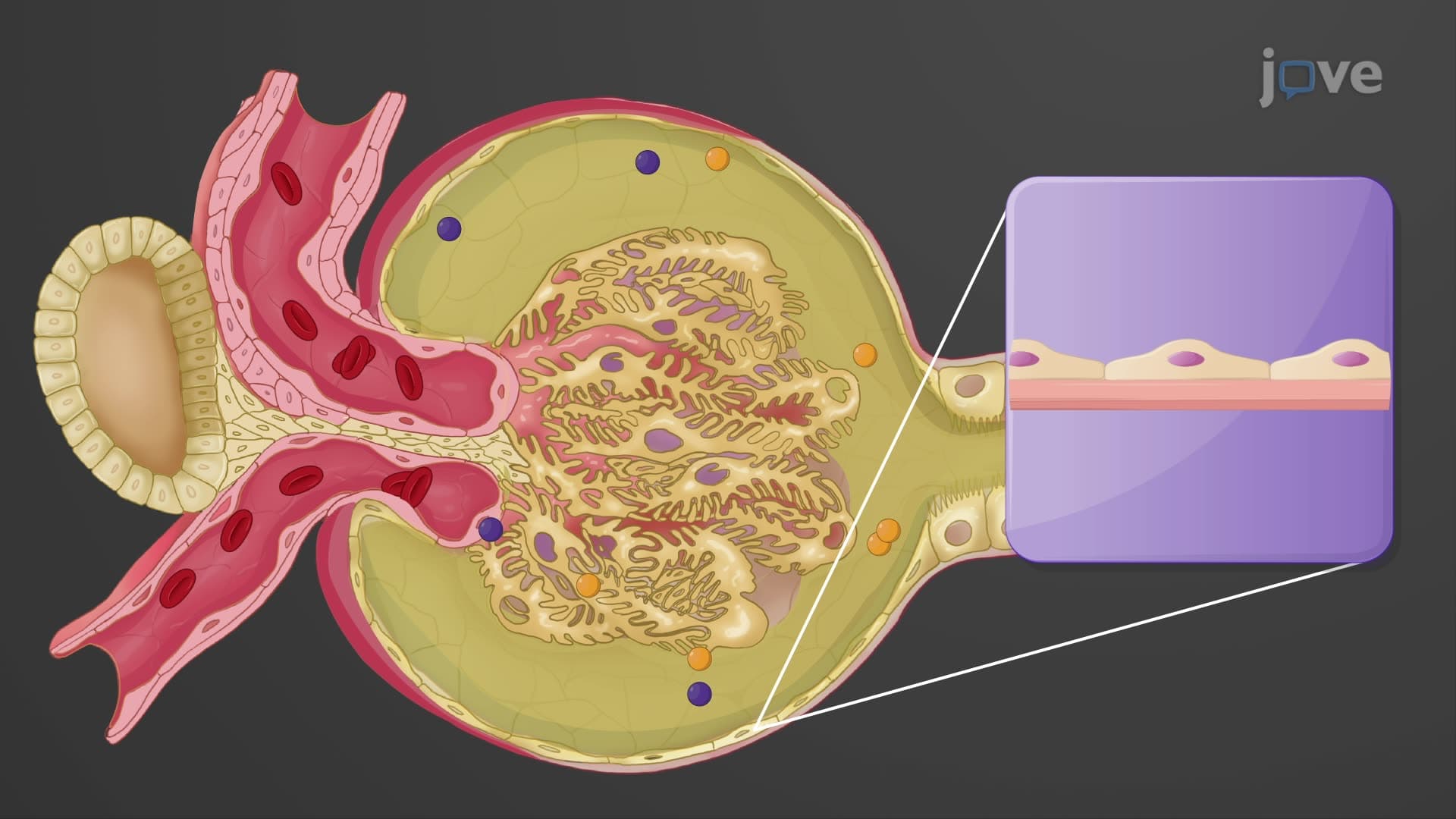
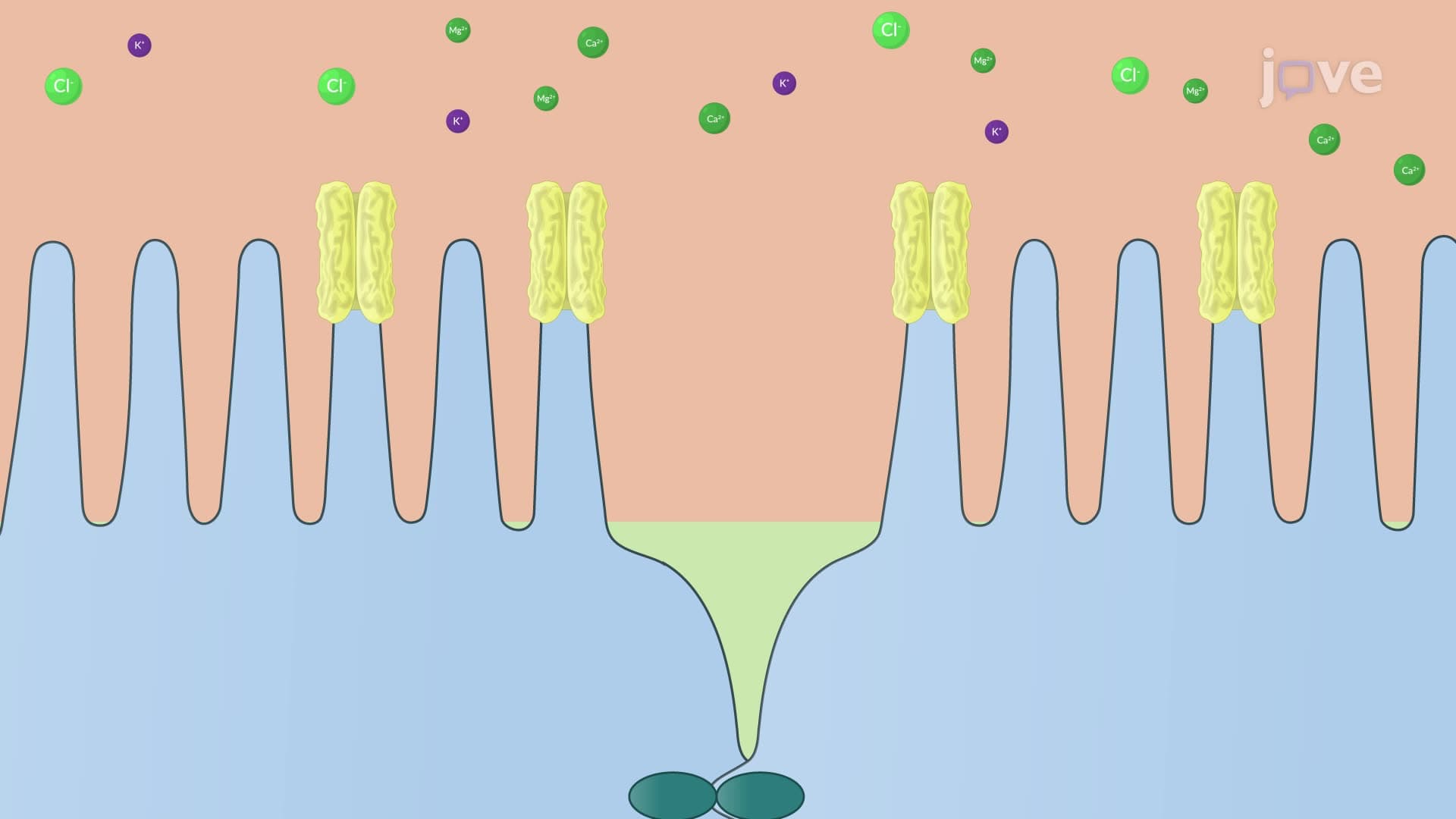
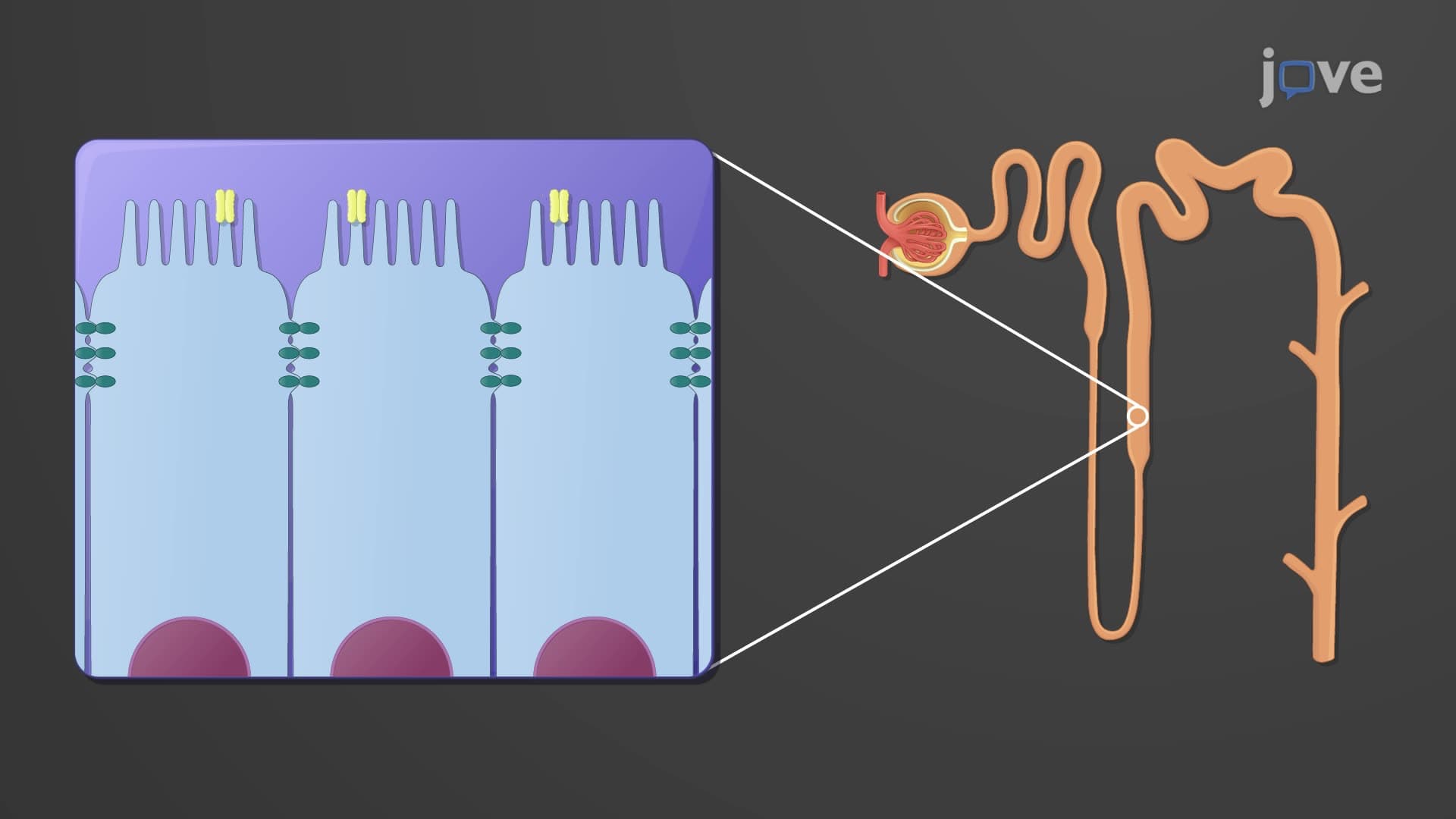
The tubule reabsorption mechanism operates through two distinct anatomical routes. The transcellular pathway moves substances directly through tubular epithelial cells, crossing both apical (luminal) and basolateral (blood-facing) membranes. This route provides precise control over transport rates and selectivity. Conversely, the paracellular pathway allows movement between cells through tight junctions, particularly important for water and small ions in the proximal tubule.
Active passive reabsorption tubule processes differ fundamentally in their energy requirements. Active transport consumes ATP to move substances against concentration gradients, exemplified by sodium-potassium pumps in the basolateral membrane. Passive transport harnesses existing gradients-water follows osmotic gradients, while ions move down electrochemical gradients without direct energy expenditure.
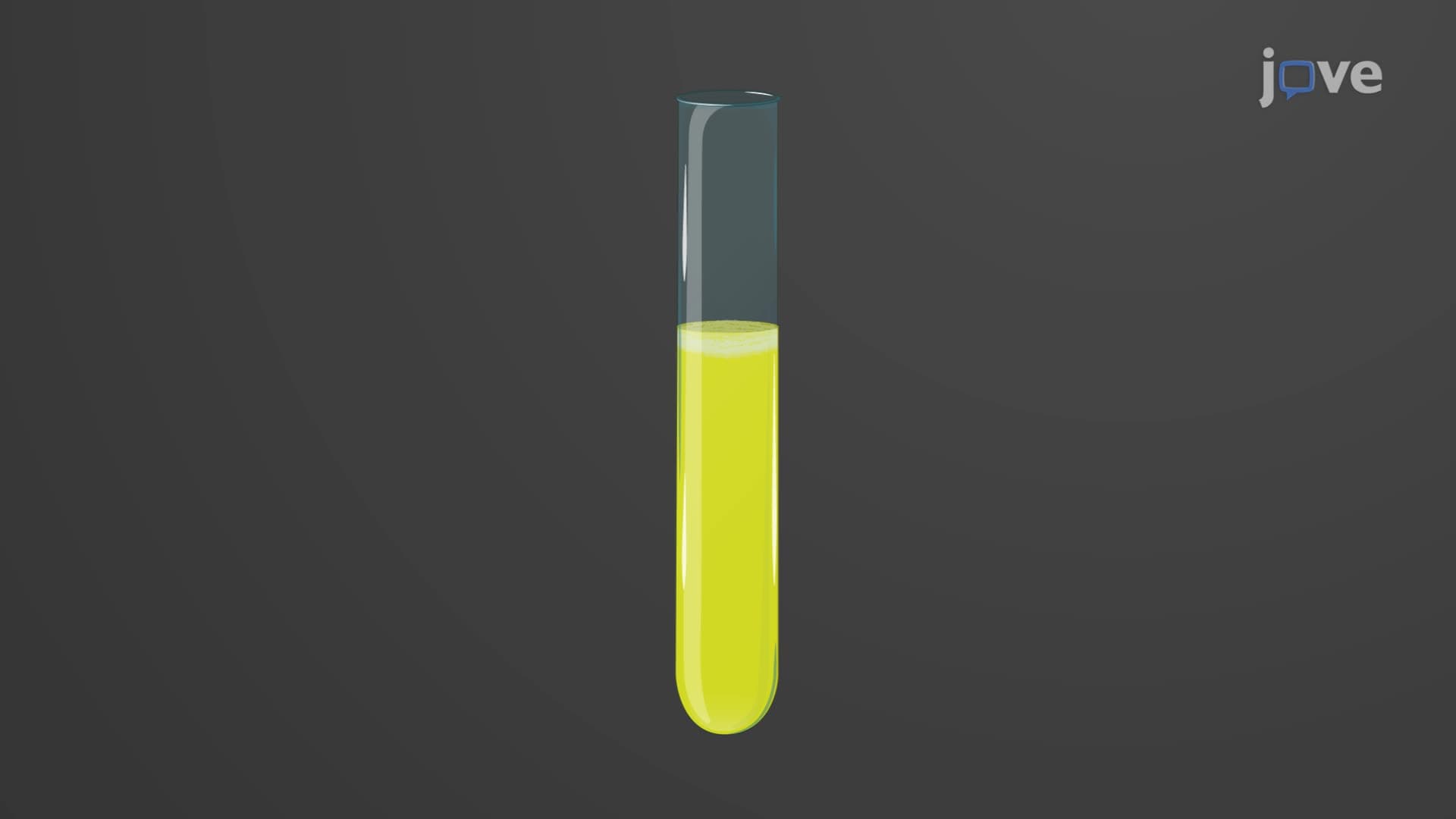
The concept of transport maximum Tm renal becomes clinically critical in conditions like diabetes mellitus. When blood glucose exceeds approximately 180 mg/dL, glucose transporters become saturated, causing glucose to appear in urine (glycosuria). This principle helps explain why diabetic patients experience polyuria and why glucose monitoring is essential for disease management.
Students preparing for the MCAT or AP Biology exams should understand that Tm represents the maximum transport rate achievable when all carrier proteins are saturated. This concept frequently appears in questions about kidney physiology and drug interactions.
Tubular secretion drug elimination pathways actively transport substances from blood into urine, even when plasma concentrations are low. Para-aminohippuric acid (PAH), used in renal function tests at medical centers like Mayo Clinic, demonstrates this process-kidneys can clear nearly 100% of PAH from blood in a single pass through active secretion.
This mechanism proves crucial for eliminating medications like penicillin, furosemide, and many other pharmaceuticals. Understanding these pathways helps explain why certain drugs require dosage adjustments in kidney disease and why some medications can interfere with each other's elimination.
Related Micro-courses