Loading video…


 25 Concepts
 78.1K views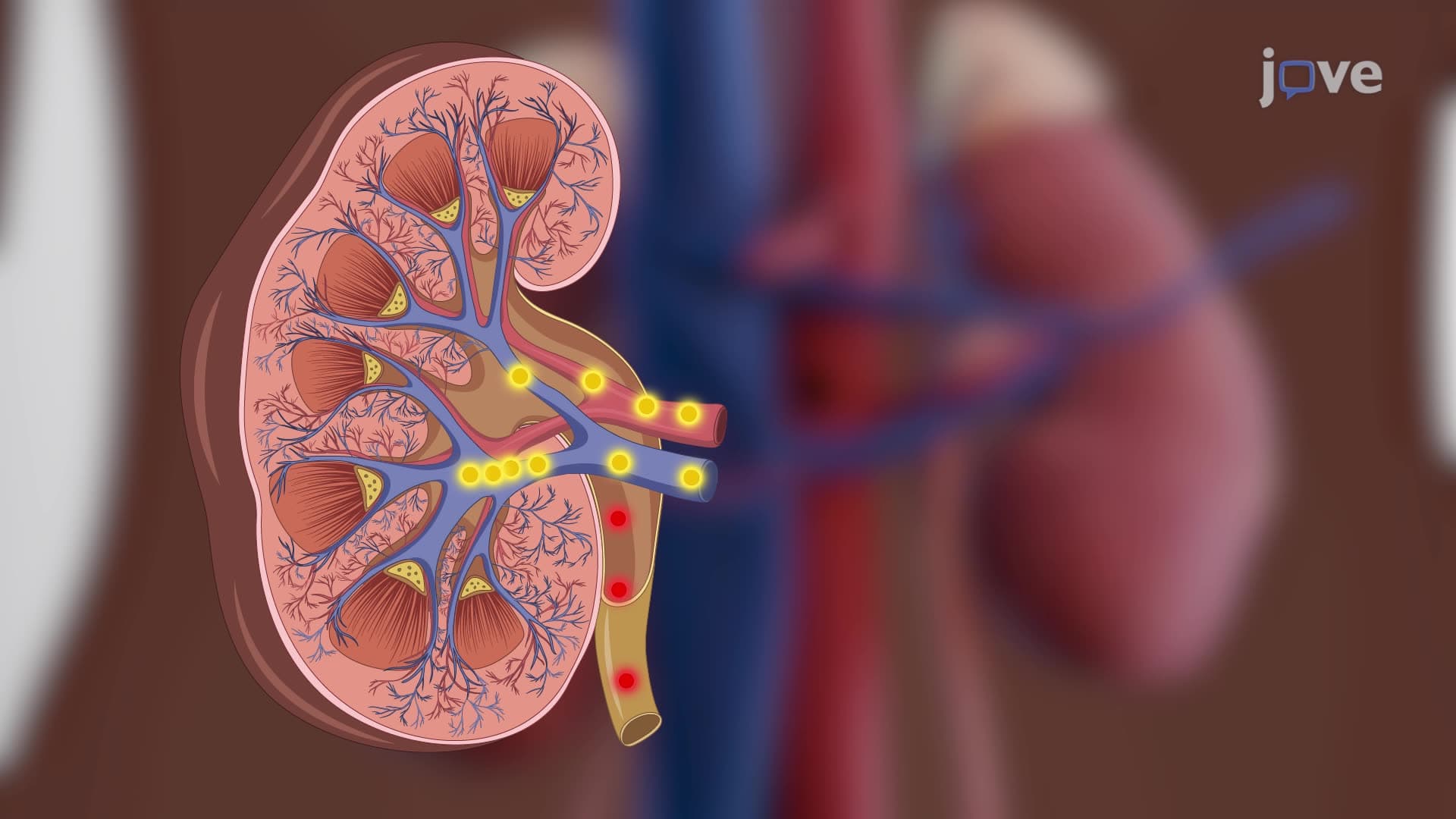

Video Summary: What Is Urinary System
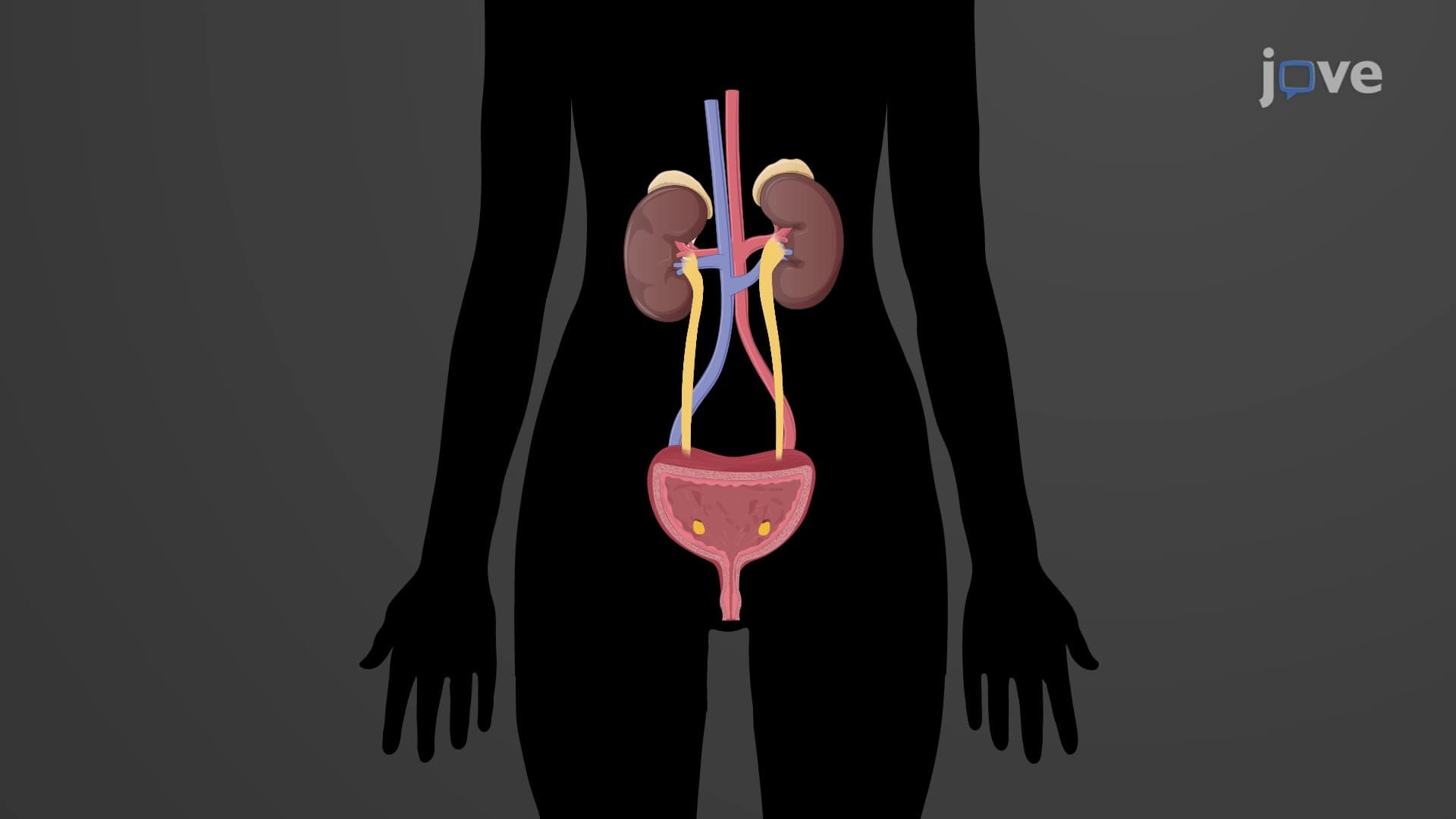
Did you know your kidneys filter about 50 gallons of blood daily-equivalent to filling a standard bathtub twice? Understanding urinary system anatomy biology reveals how four interconnected organs work together to maintain your body's chemical balance. From emergency rooms in Houston treating kidney stones to dialysis centers in New York, healthcare professionals rely on deep knowledge of what is the urinary system to save lives every day. Watch the full video on JoVE Coach to master this concept with expert-led visuals and step-by-step explanations.
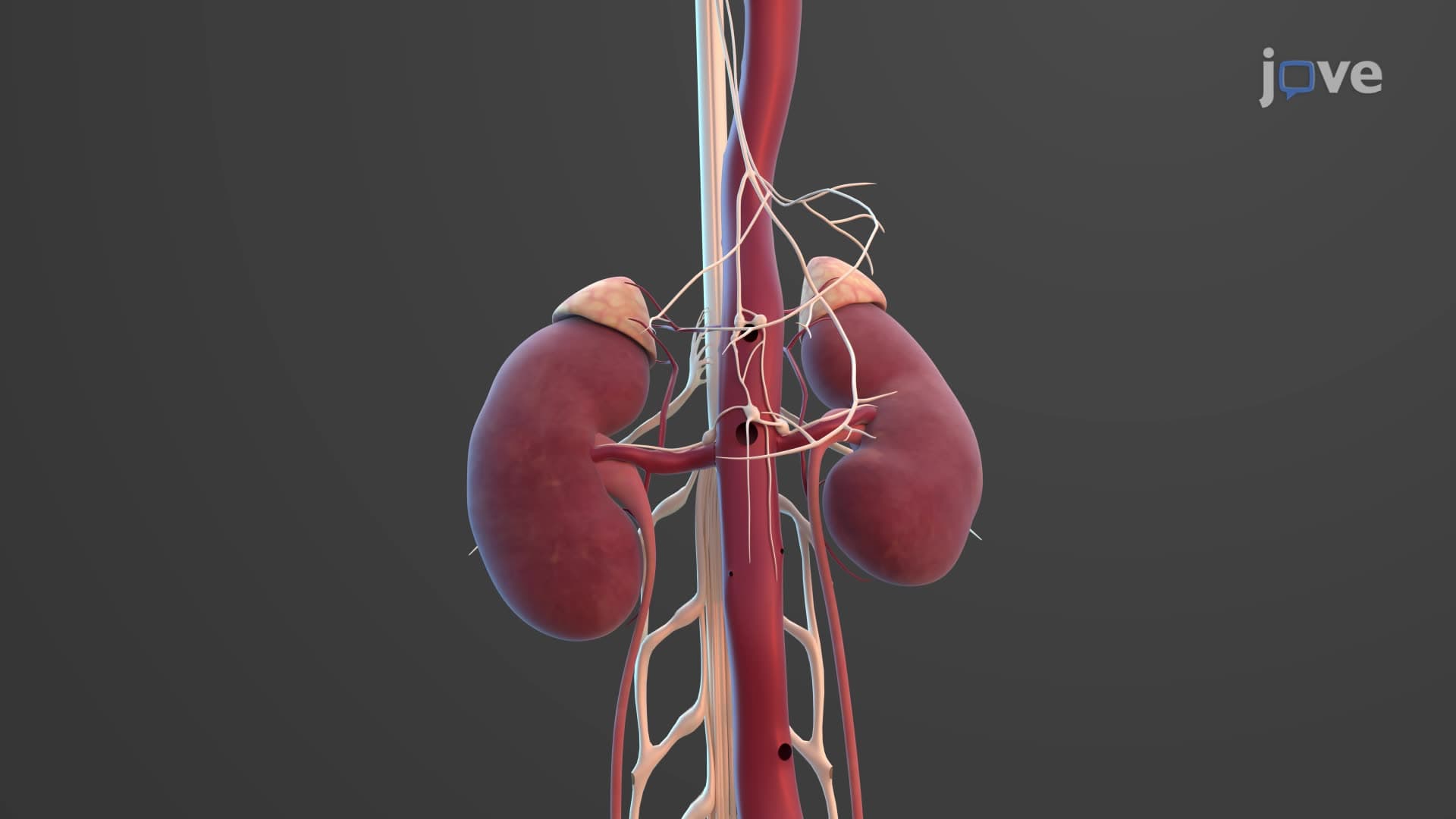
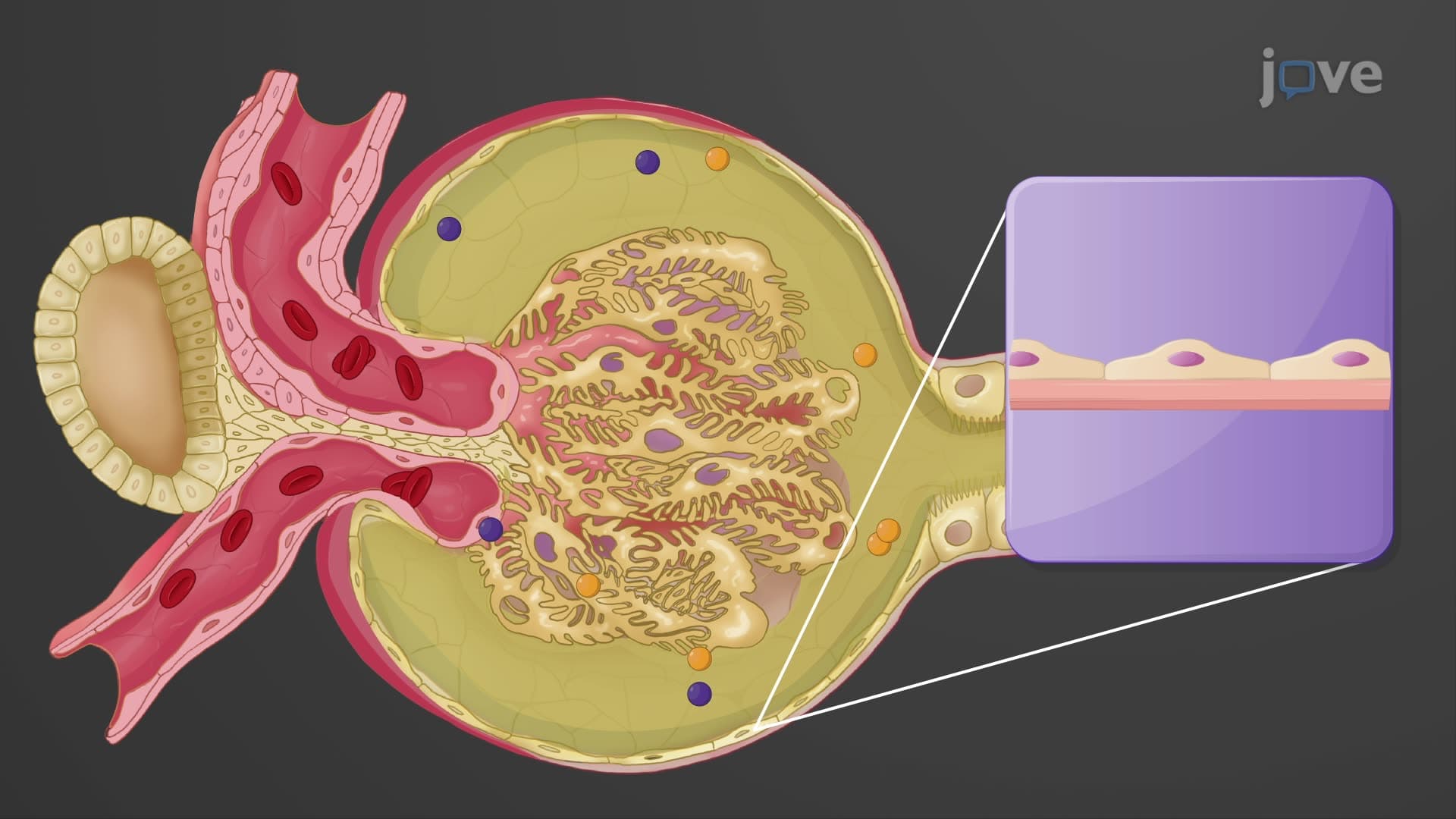
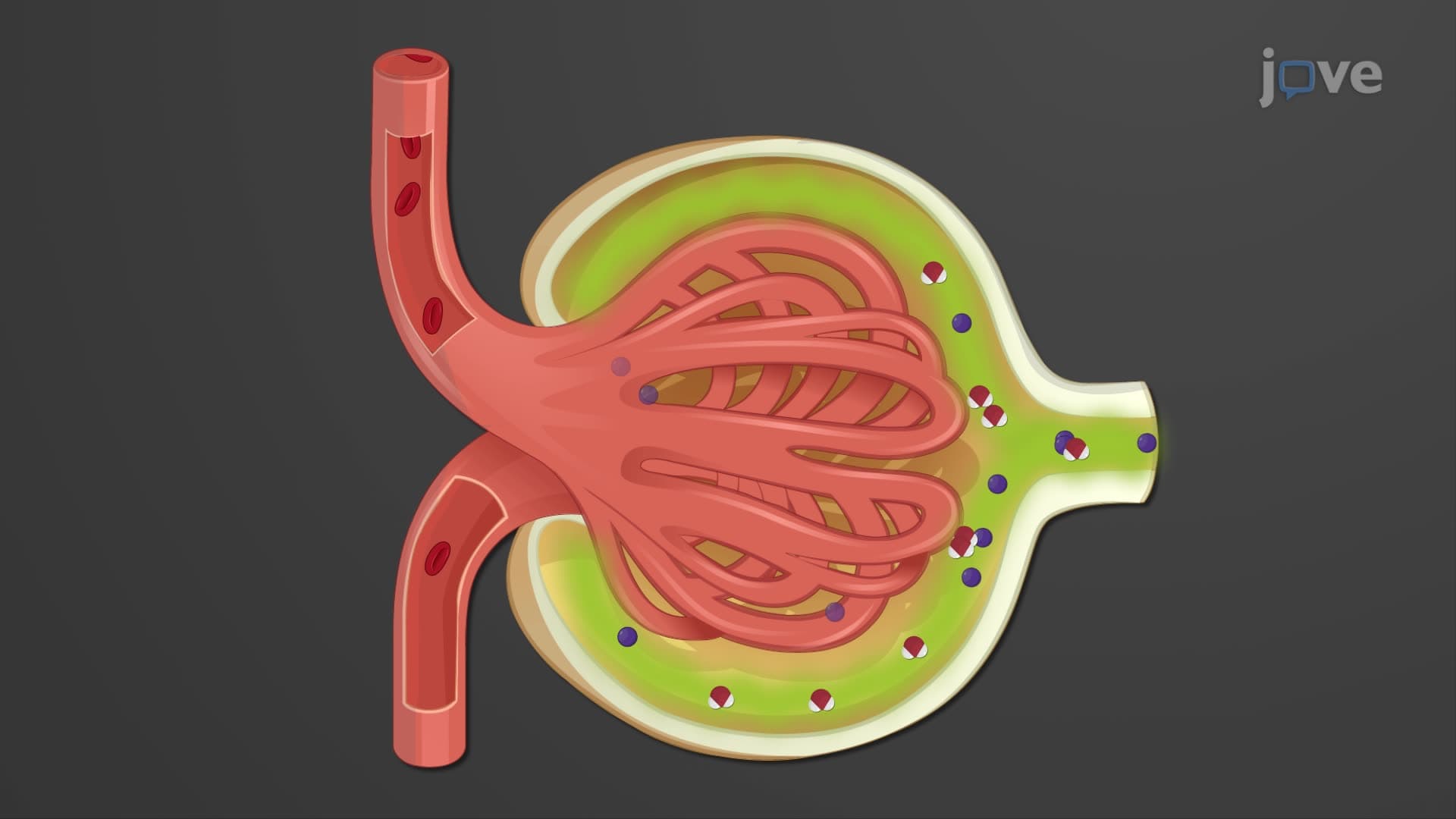
The urinary system anatomy biology encompasses a sophisticated network of organs that maintains homeostasis through precise waste filtration and fluid regulation. This system demonstrates remarkable engineering, processing approximately 180 liters of filtrate daily while retaining essential nutrients and maintaining blood chemistry within narrow physiological ranges.
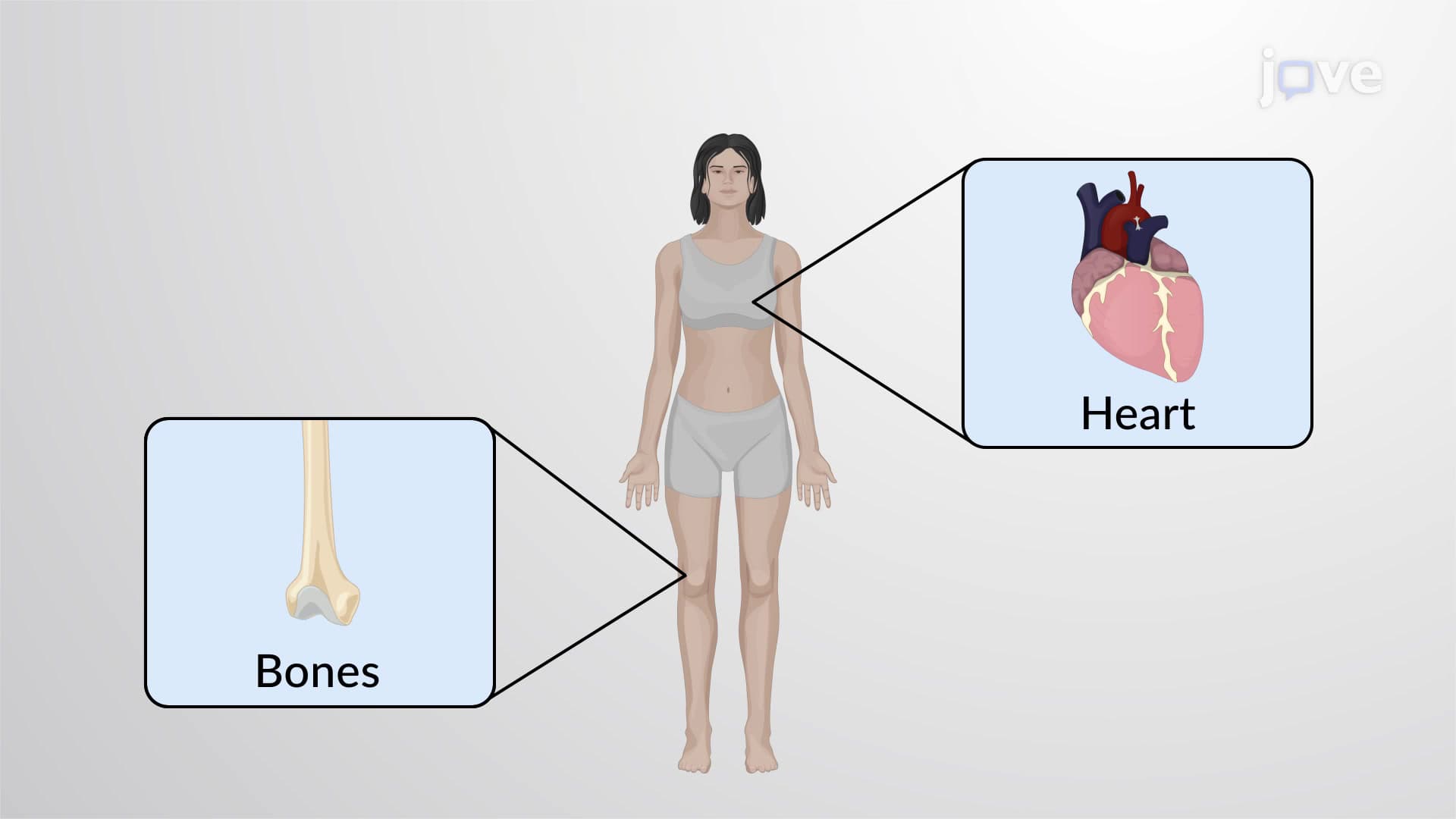
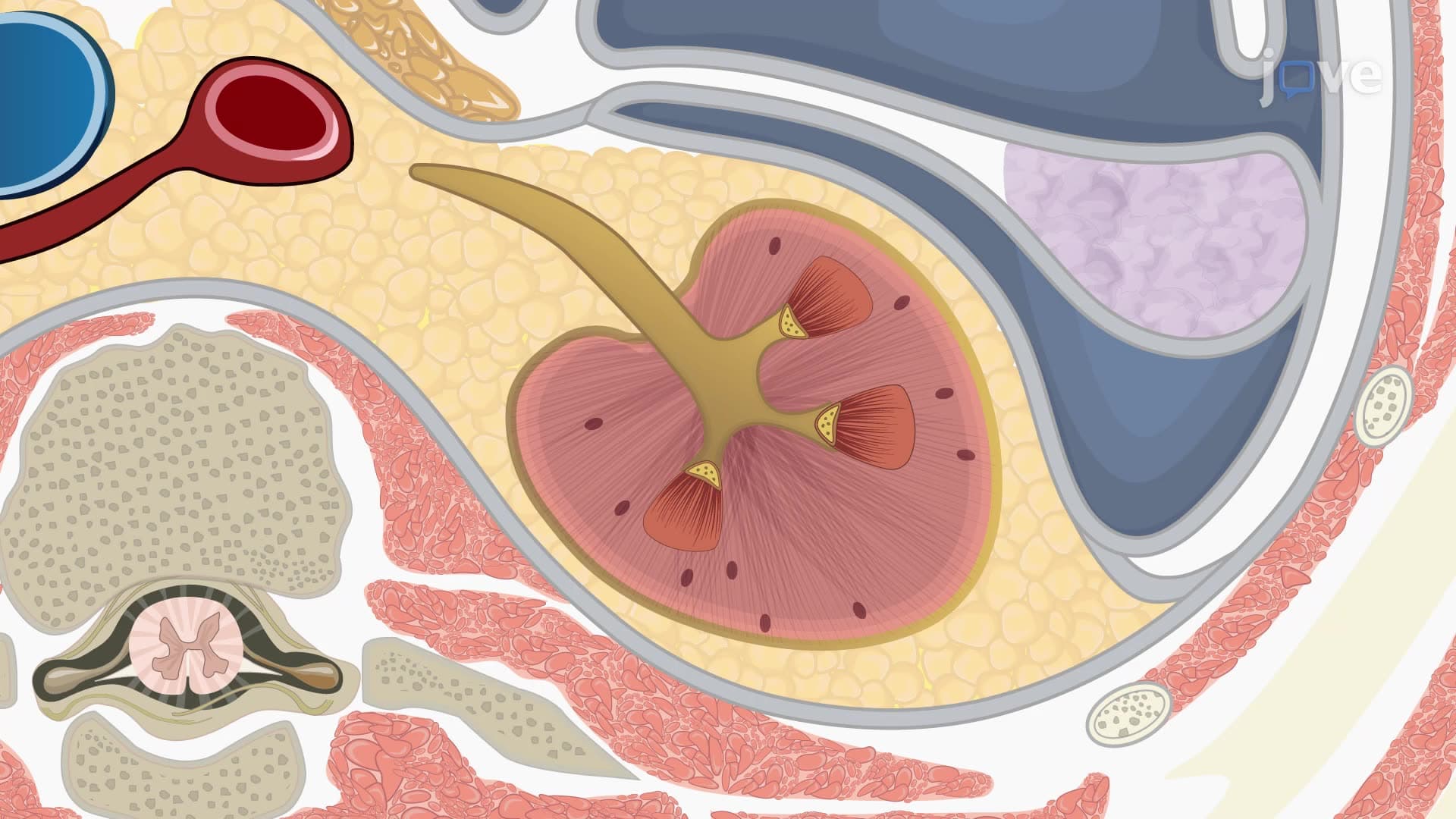
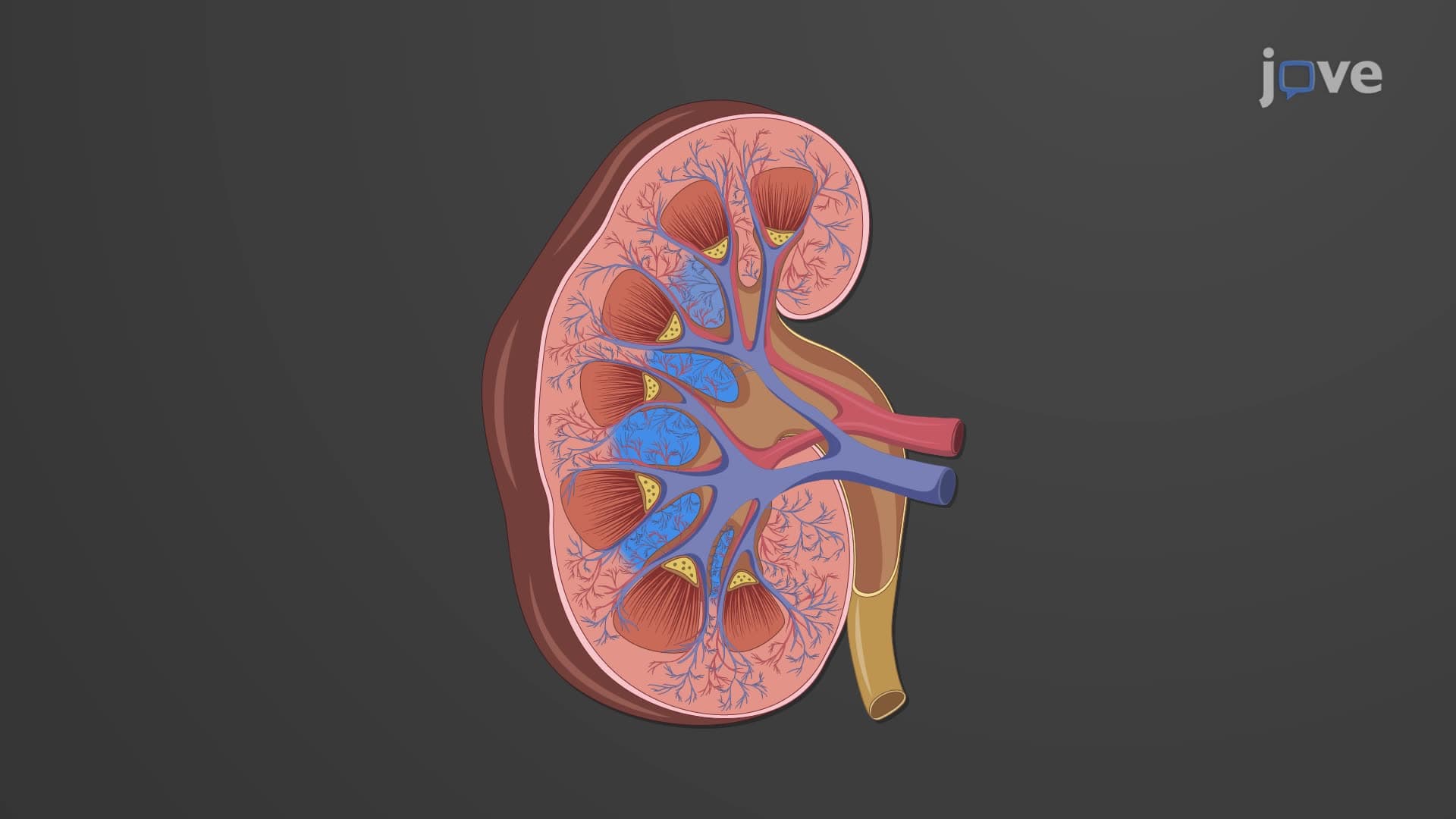
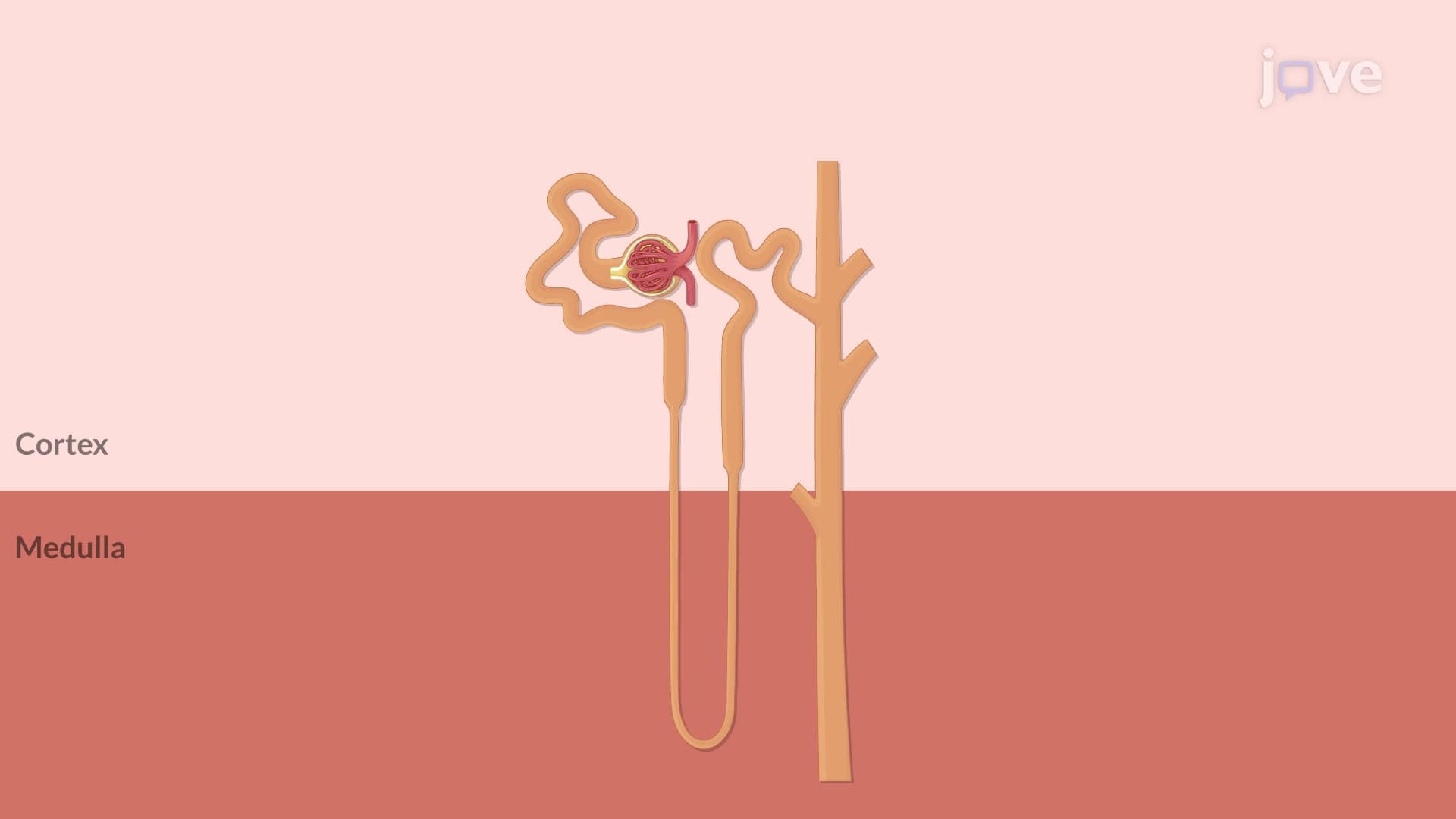
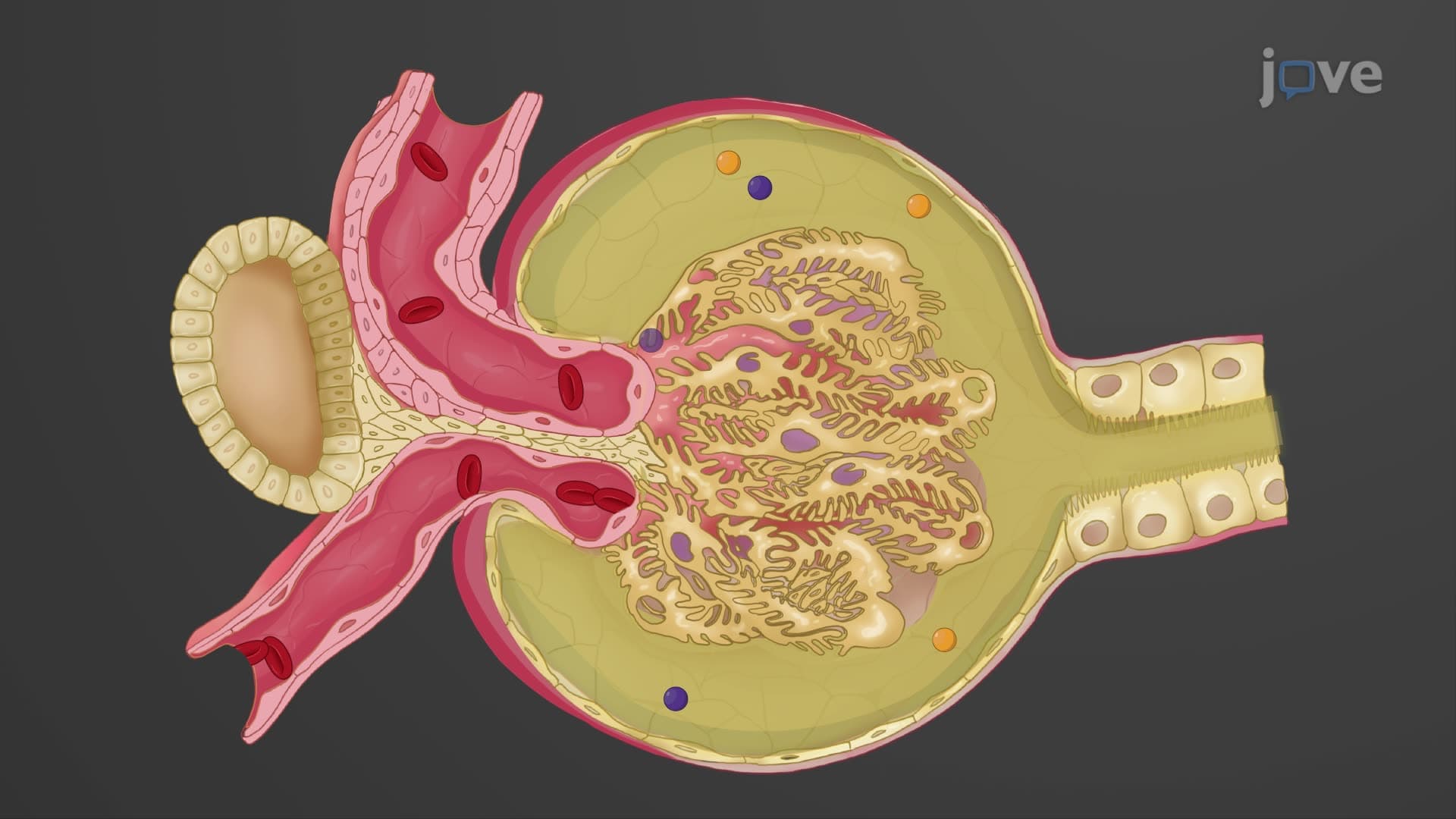
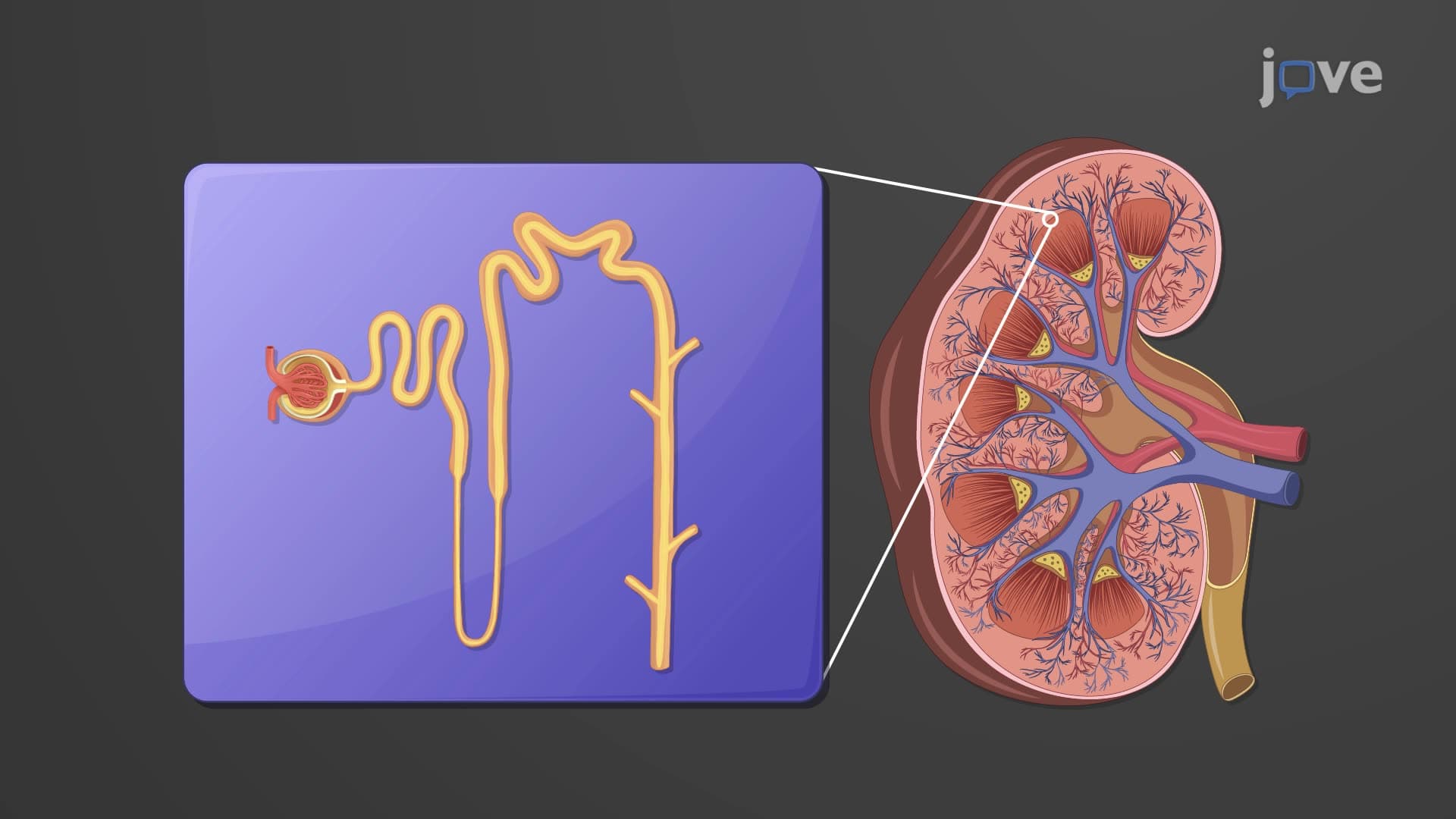
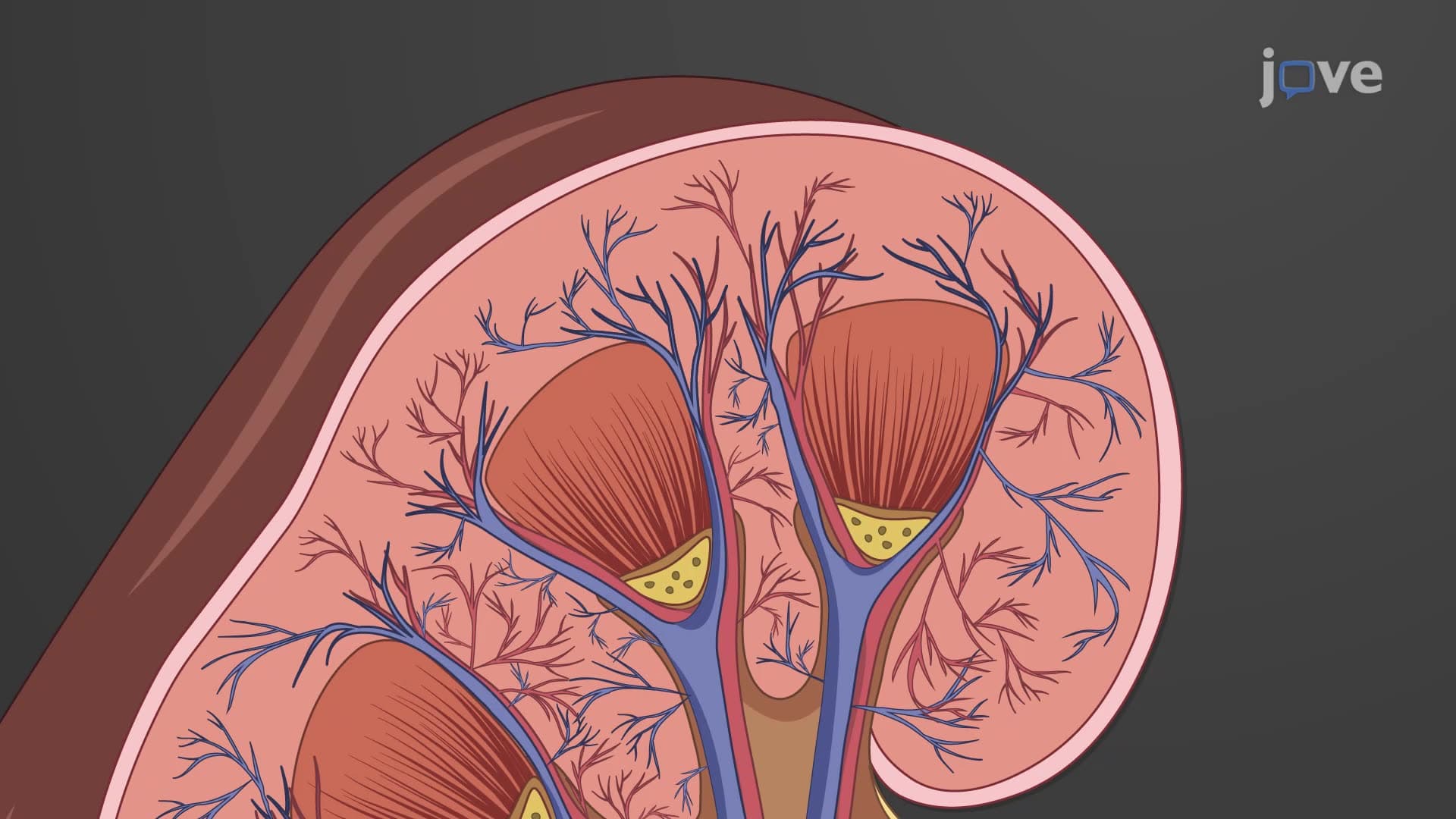
Beyond their primary filtration function, kidneys serve as endocrine organs producing erythropoietin (stimulating red blood cell production) and renin (regulating blood pressure). Located at the T12-L3 vertebral level, these bean-shaped organs contain over one million nephrons each. The kidney urinary system overview reveals how cortical and medullary regions work synergistically-the cortex houses filtration units while the medulla concentrates urine through countercurrent mechanisms.
Students preparing for the MCAT encounter detailed kidney physiology, particularly glomerular filtration rates and tubular reabsorption. AP Biology courses emphasize how kidneys exemplify negative feedback systems, adjusting filtration based on blood pressure and volume status.
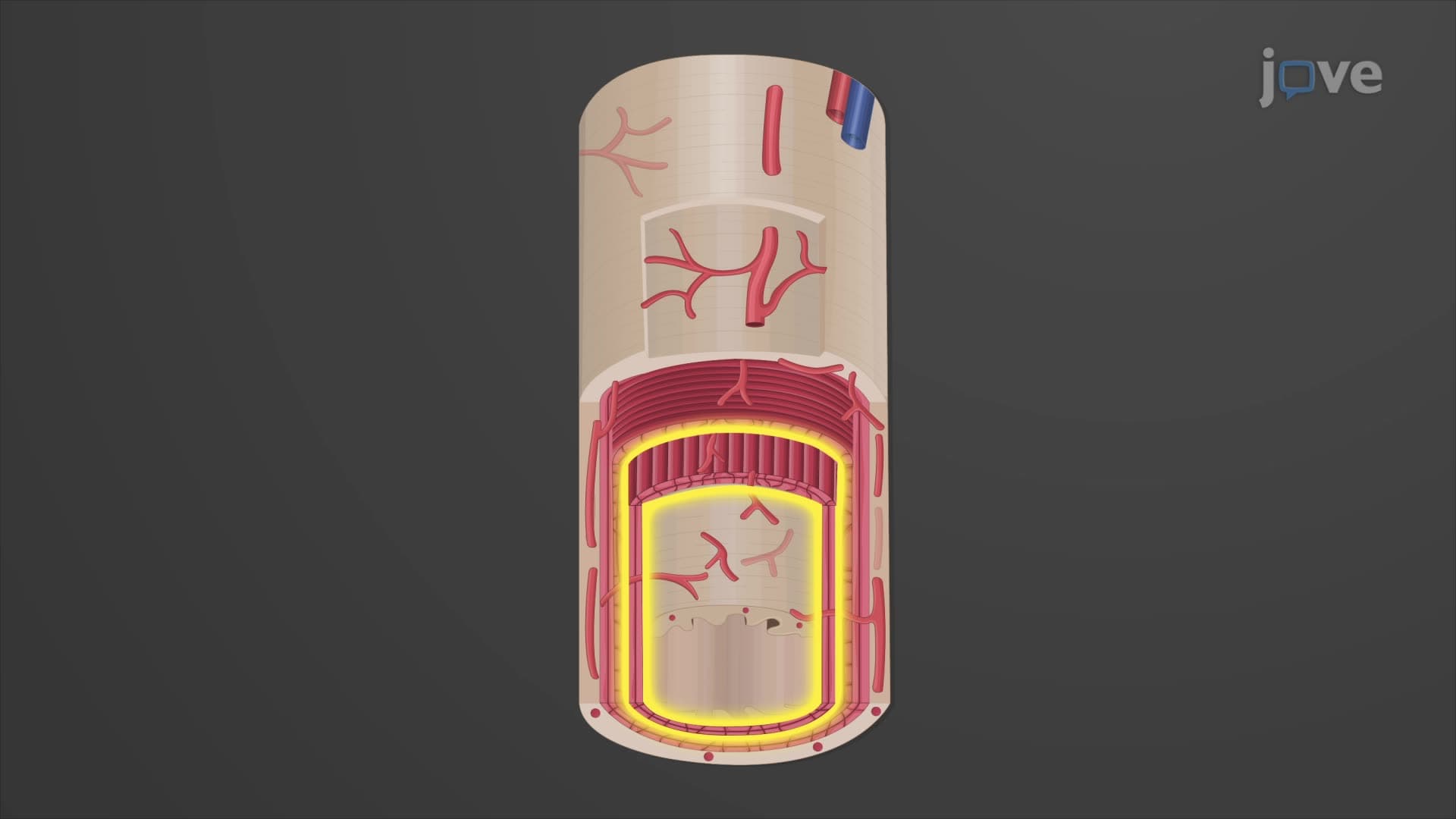
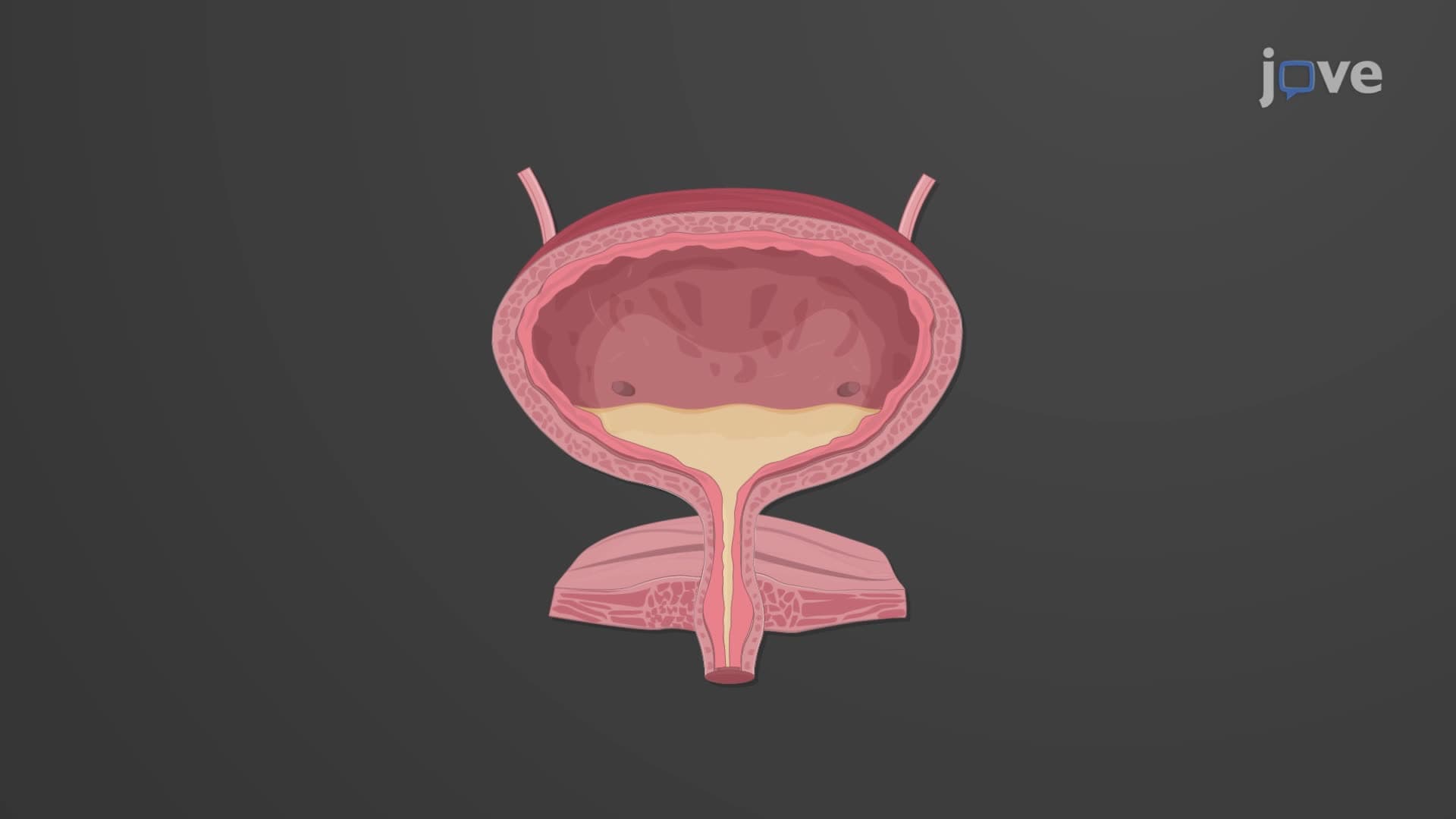
The 25-30 cm ureters employ peristaltic contractions to propel urine against gravity, demonstrating smooth muscle coordination essential for unidirectional flow. The detrusor muscle of the bladder exhibits unique properties-stretching to accommodate varying volumes while maintaining low internal pressure until voiding reflexes activate.
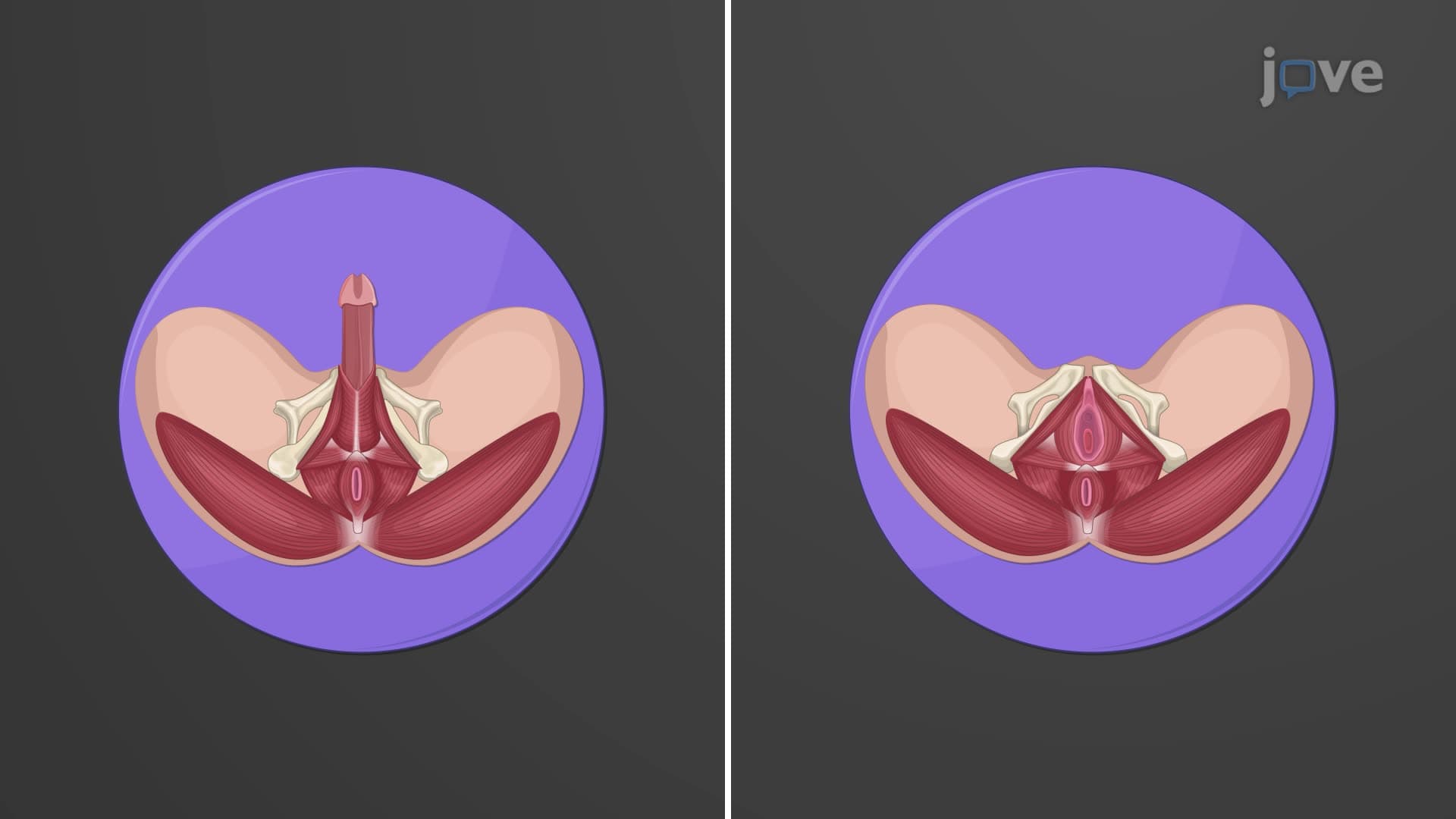
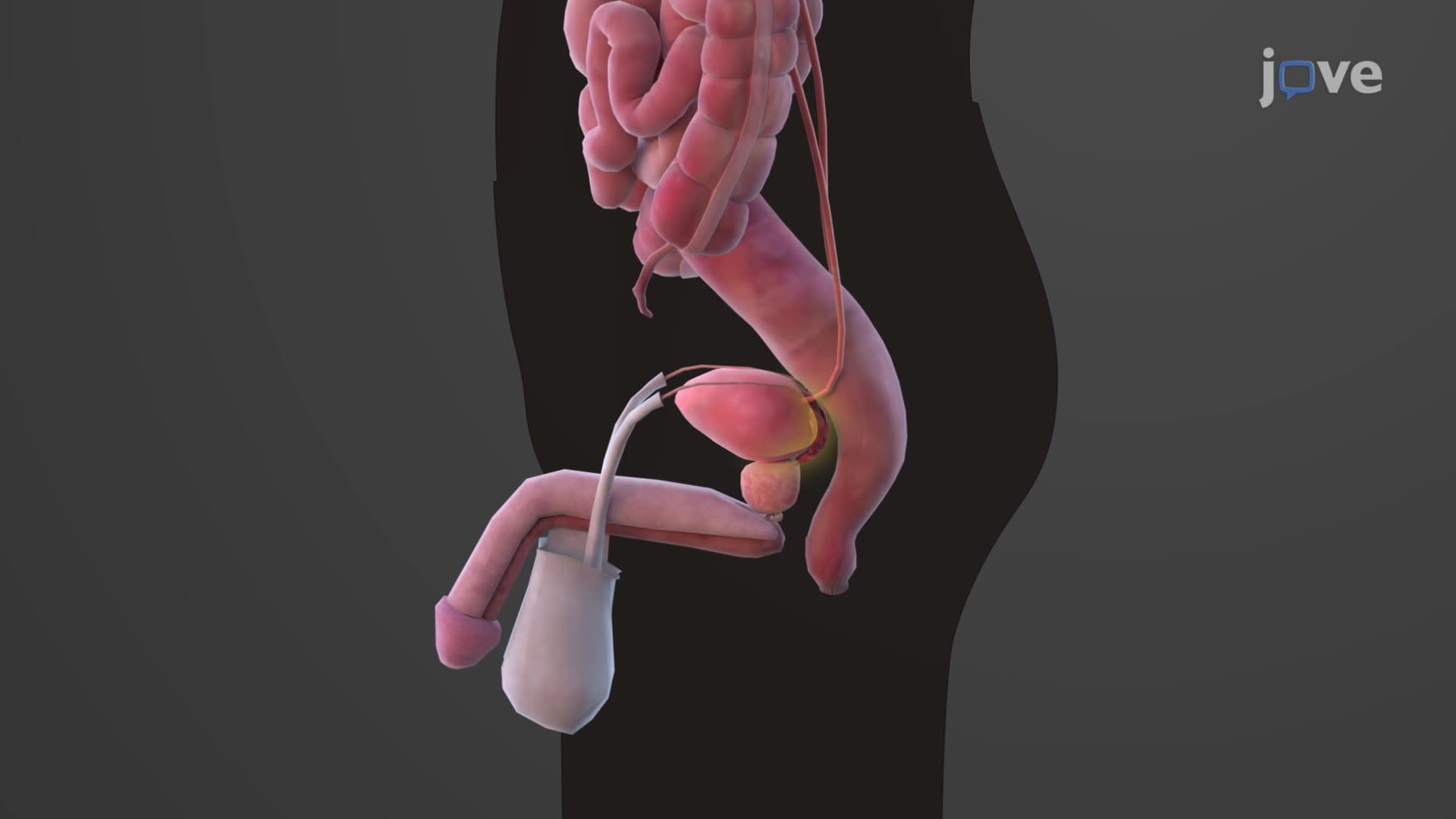
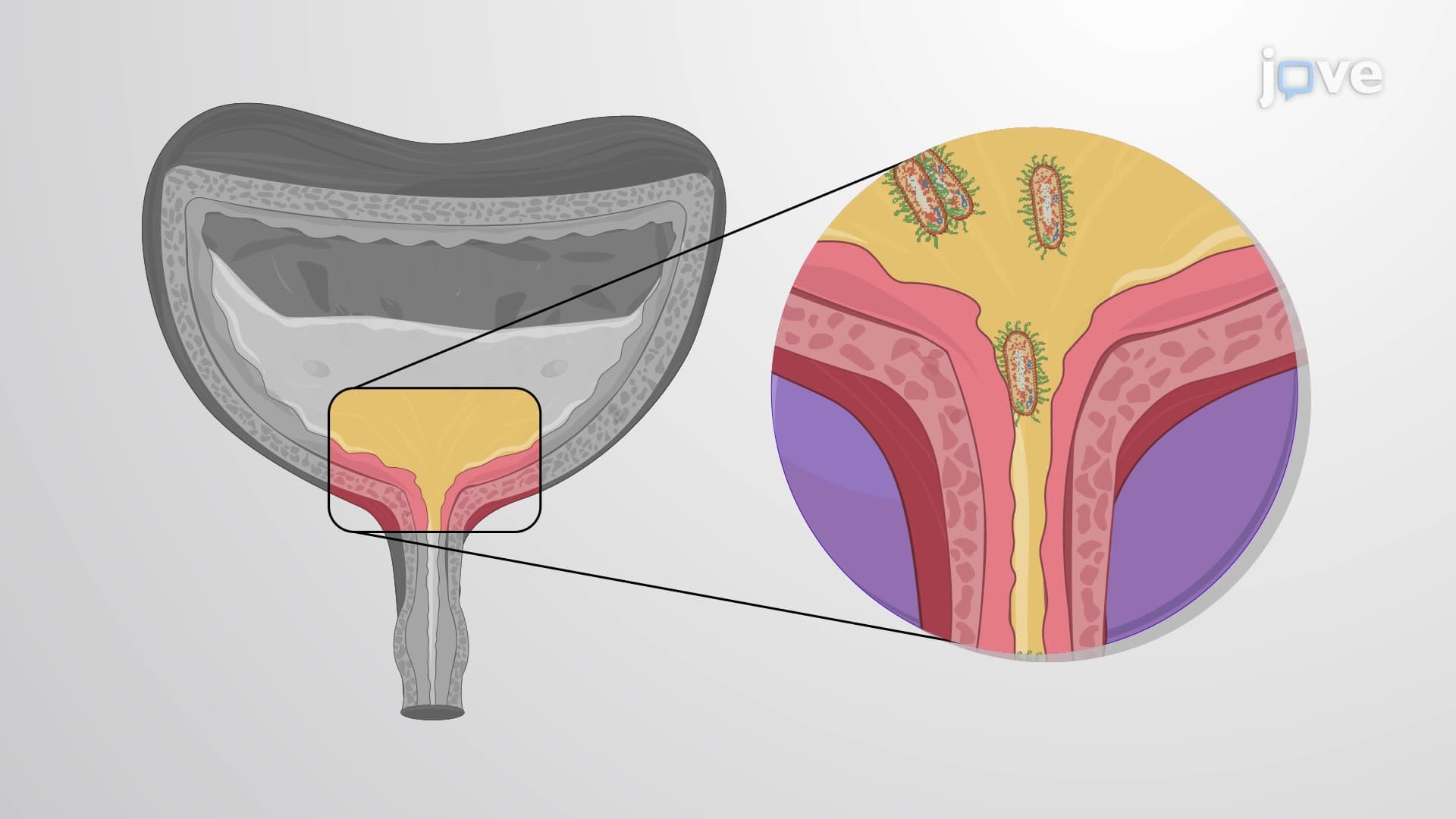
What is the urinary system in anatomy becomes clinically relevant when examining urethral length differences: males (18-20 cm) versus females (4 cm). This anatomical variation explains higher UTI rates in women and influences catheterization procedures taught in nursing programs. NCLEX-RN examinations frequently test understanding of these anatomical differences in infection prevention protocols.
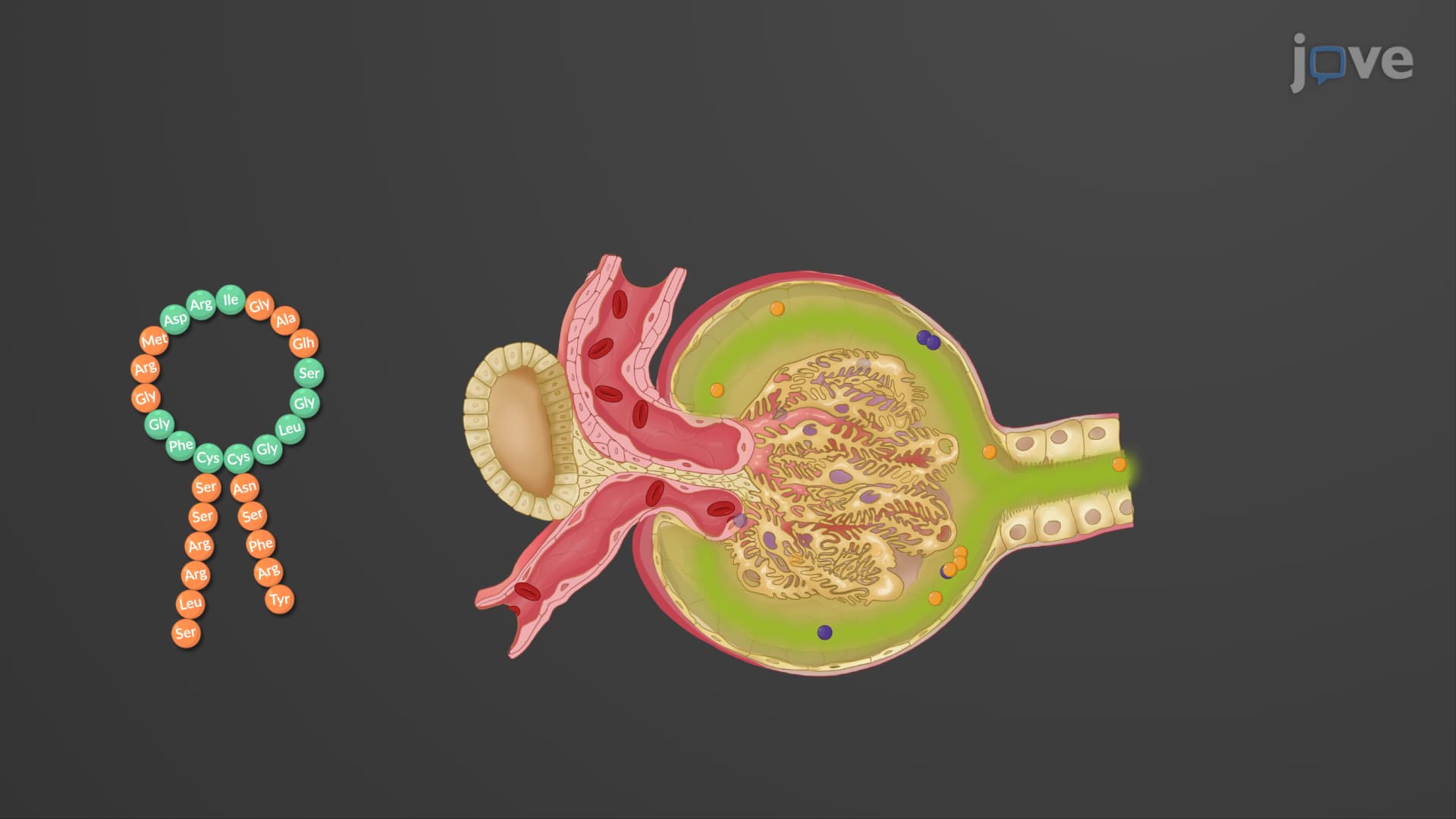
The urinary filtration system integrates seamlessly with cardiovascular and endocrine systems, making it essential content for USMLE Step 1 preparation, where students must understand how antidiuretic hormone, aldosterone, and angiotensin II collectively regulate fluid balance and blood pressure.
Related Micro-courses