Loading video…


 25 Concepts
 78.1K views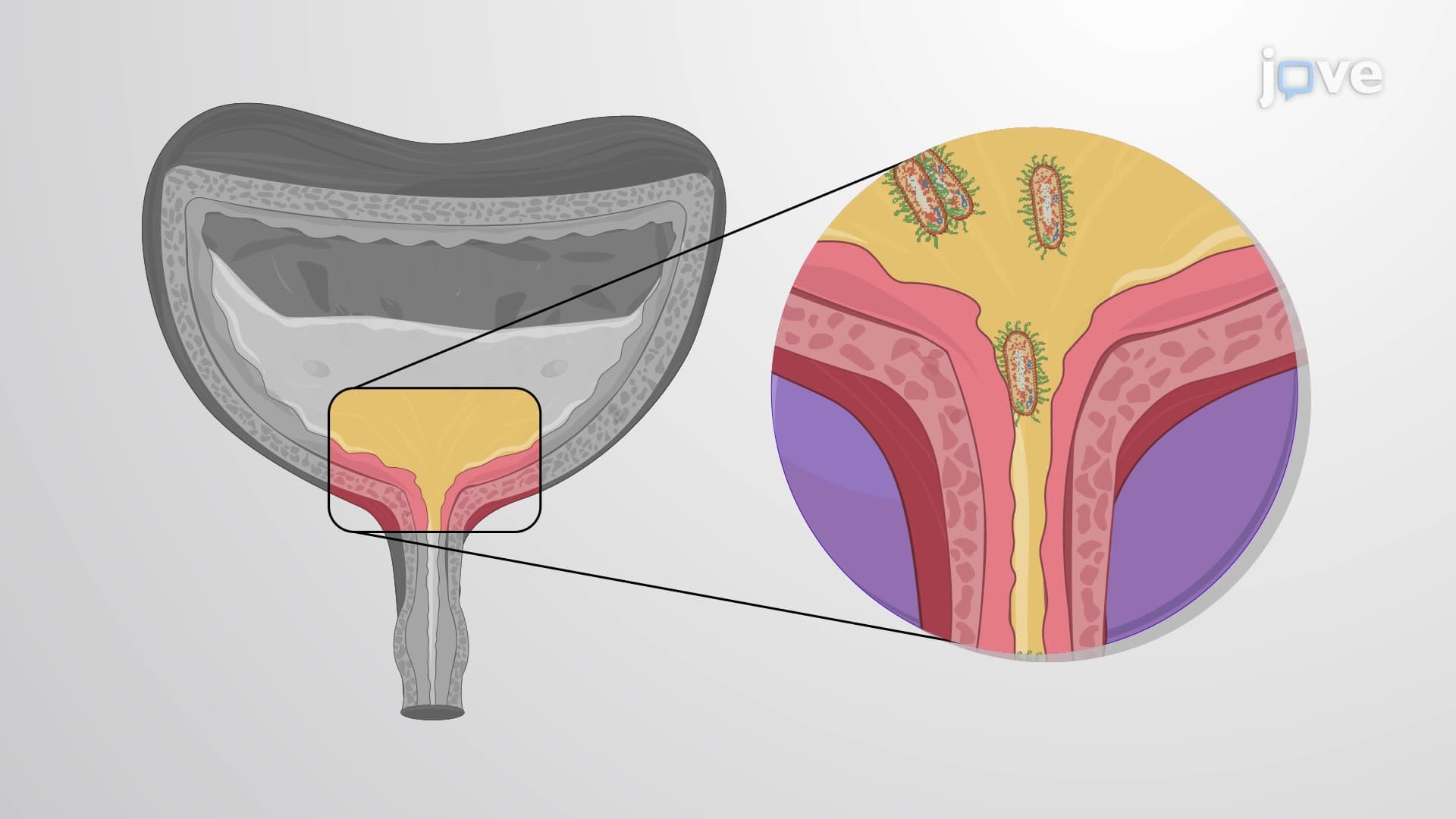

Video Summary: What are Disorders Urinary System
Did you know that over 37 million Americans suffer from chronic kidney disease, yet many don't realize their kidneys are failing until it's too late? Understanding urinary system disorders biology reveals how infections, lifestyle choices, and genetic factors can disrupt the body's waste filtration system. From urinary tract infections affecting college students in dormitories to kidney stones plaguing adults nationwide, What are Disorders of the Urinary System encompasses a spectrum of conditions that can impact anyone. Watch the full video on JoVE Coach to master this concept with expert-led visuals and step-by-step explanations.
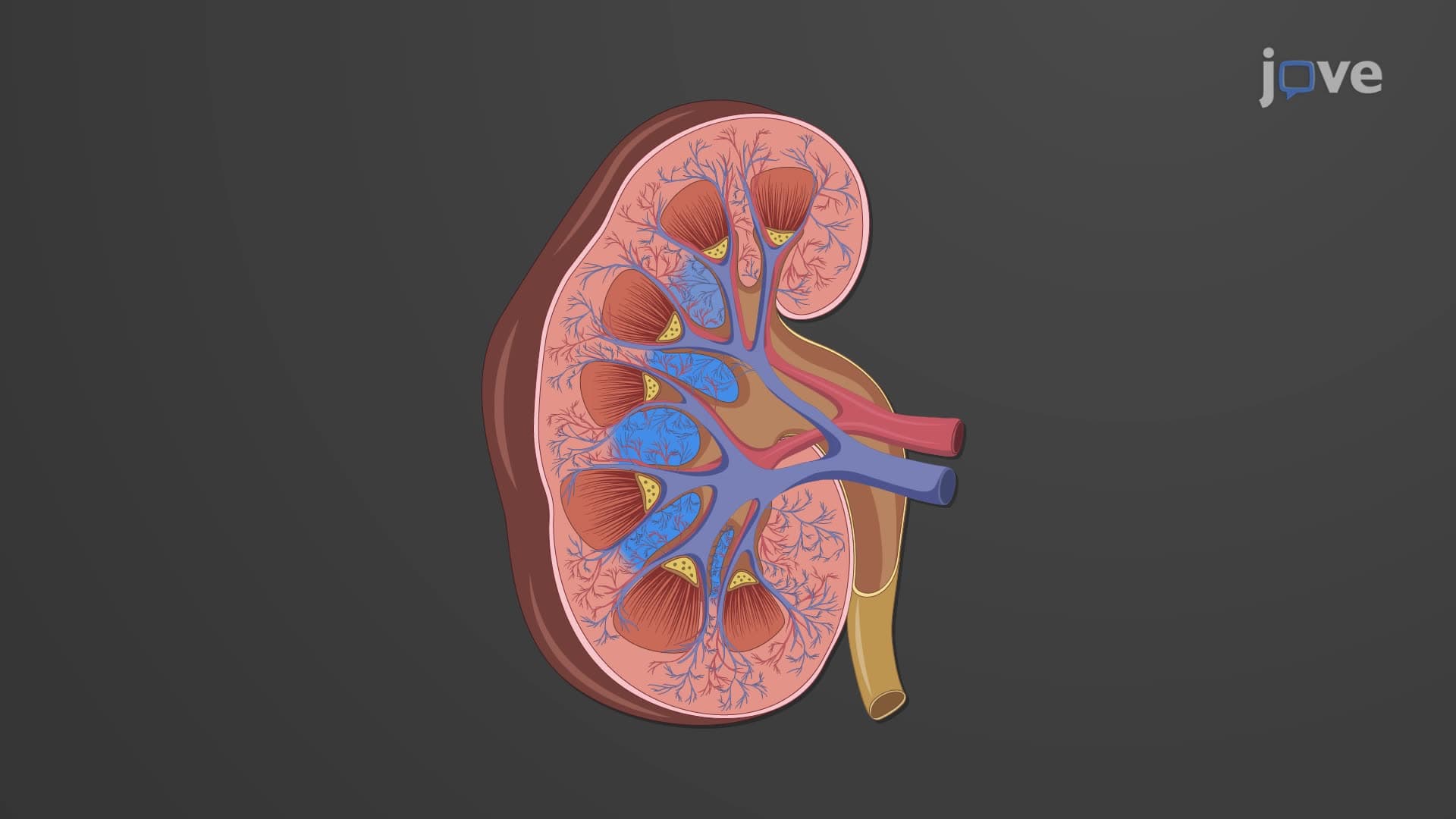
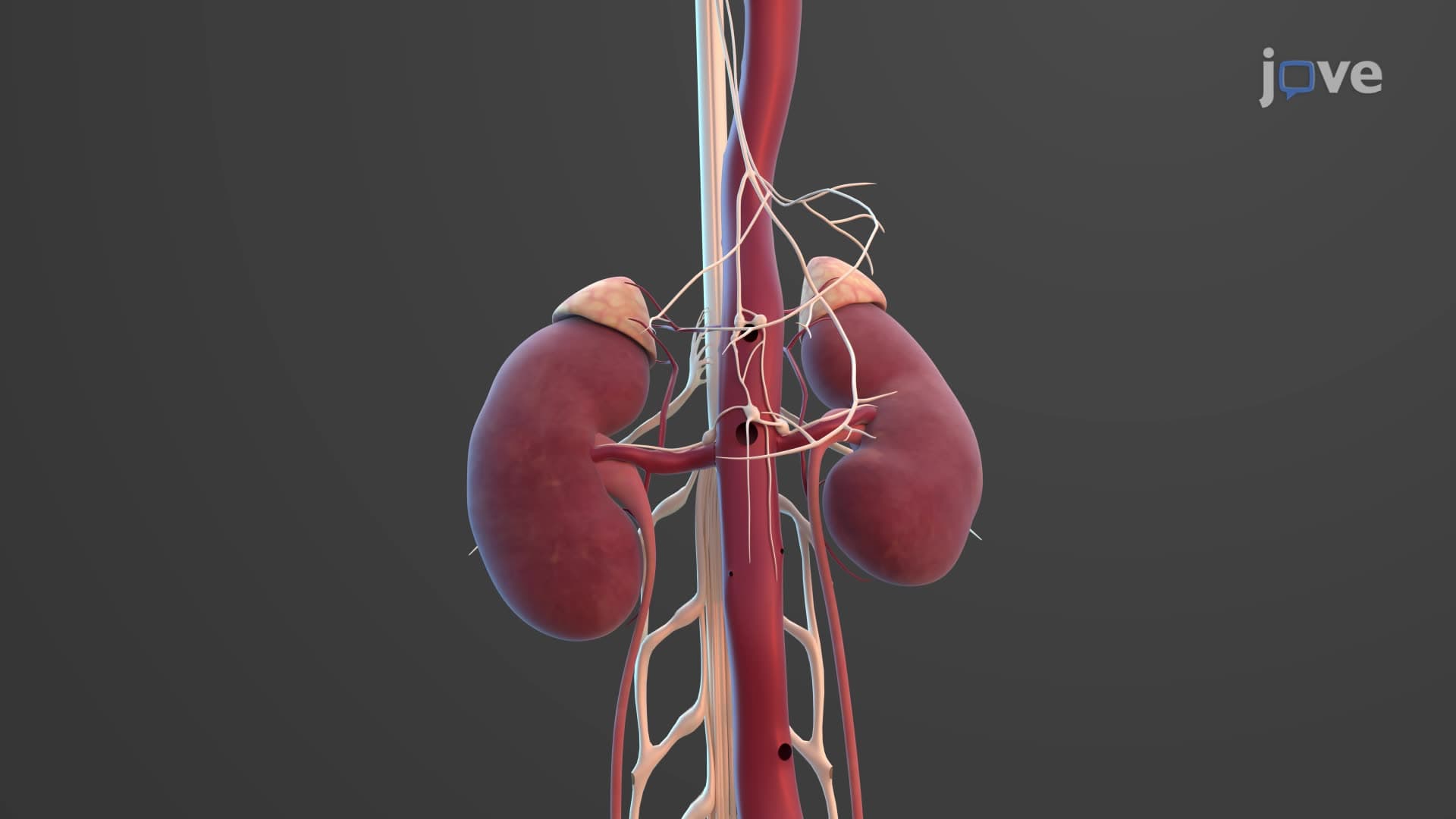
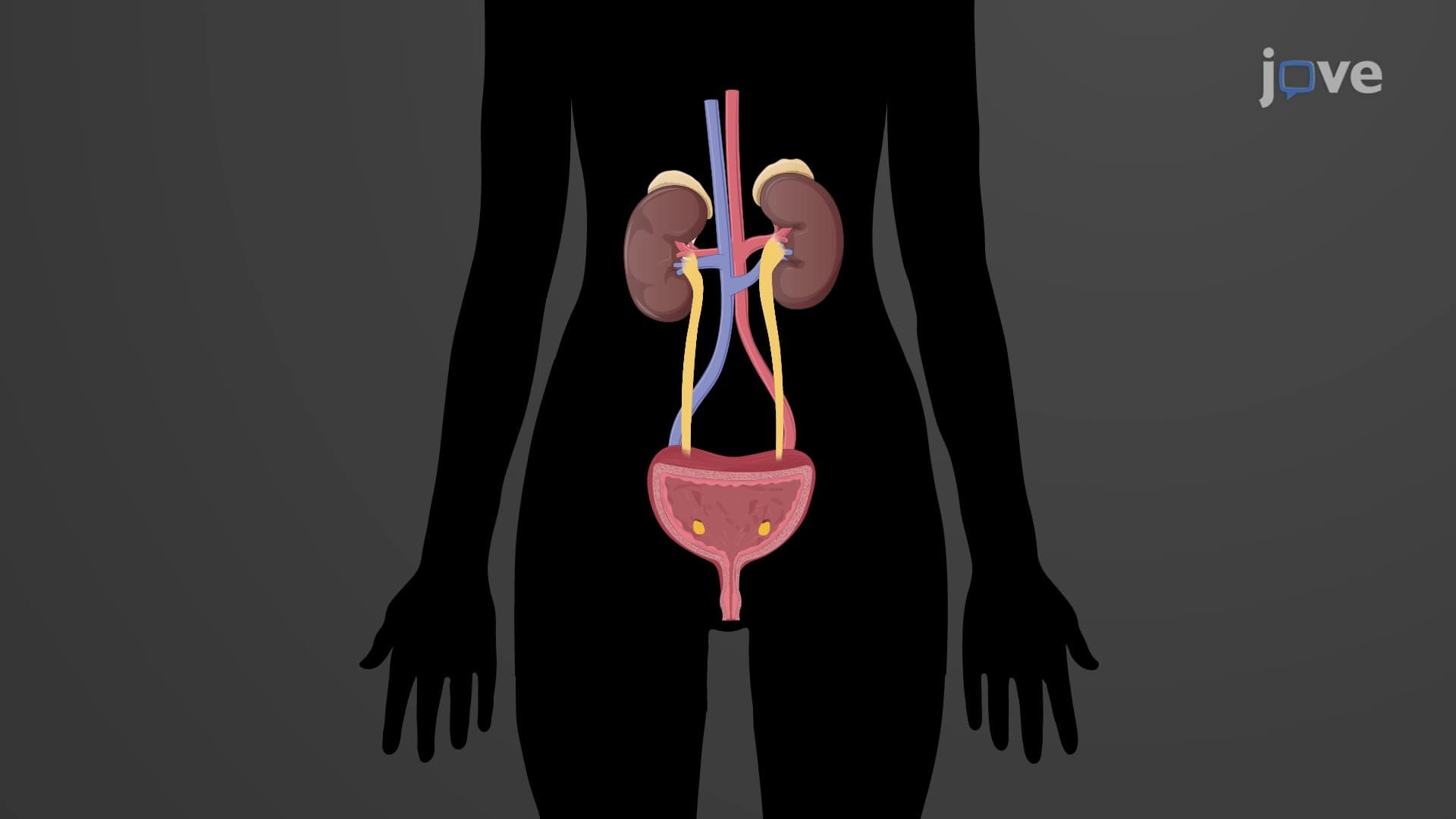
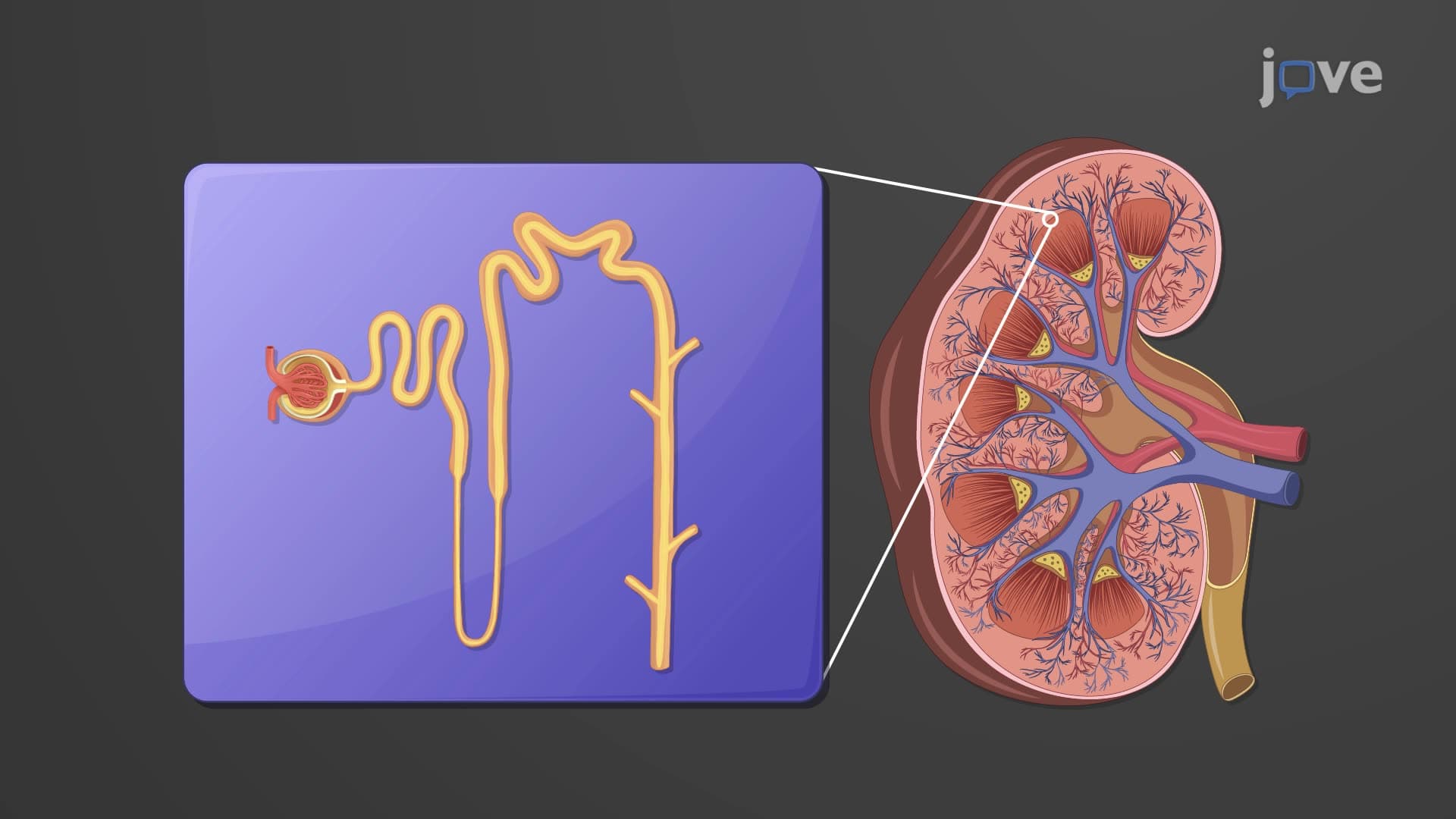
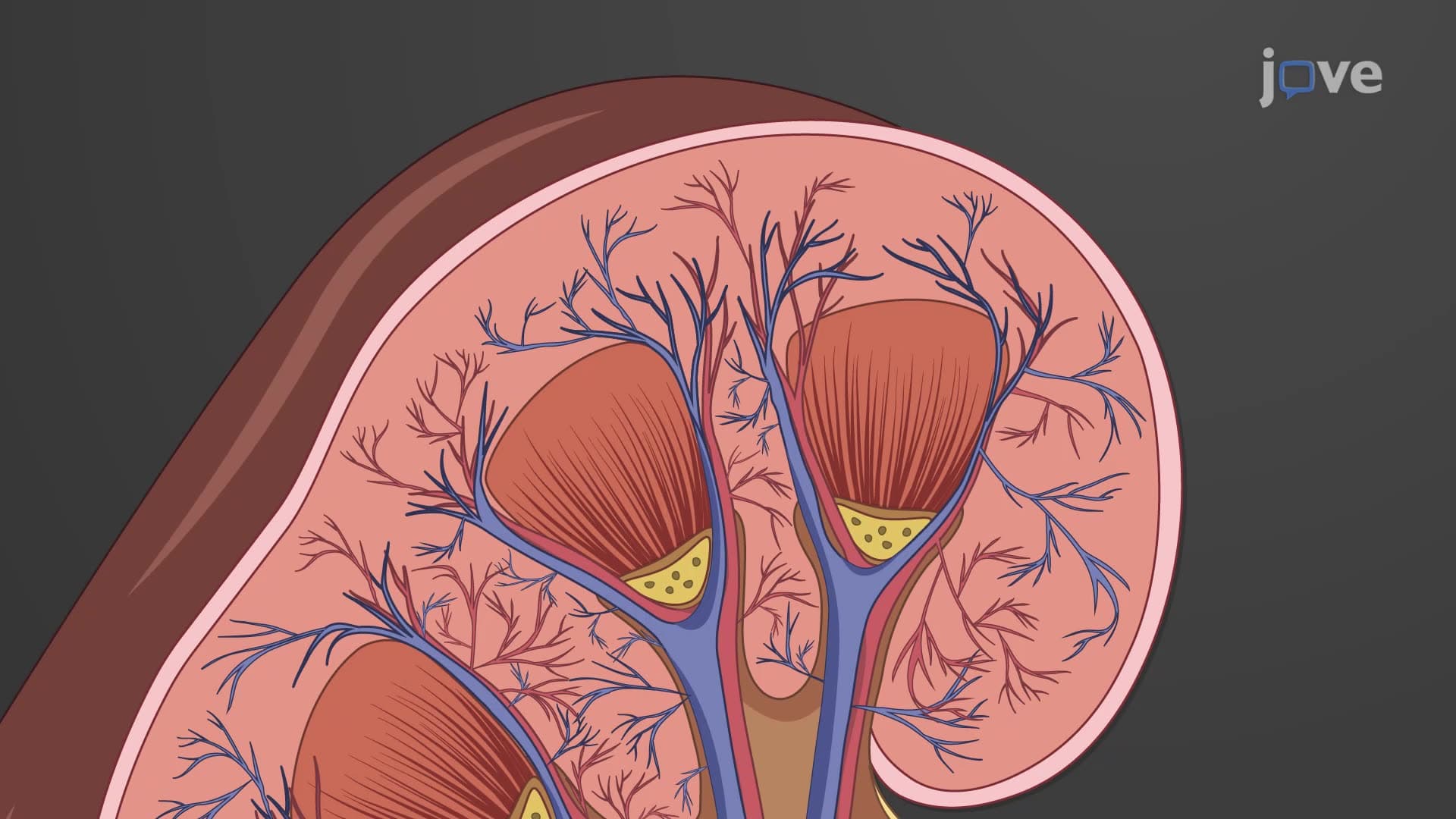
Urinary system disorders biology encompasses a wide range of conditions affecting the kidneys, ureters, bladder, and urethra. These disorders represent some of the most common health issues in the United States, with urinary tract infections alone accounting for over 10 million doctor visits annually. The urinary system's primary function-filtering waste and maintaining fluid balance-makes it vulnerable to various pathological processes that can significantly impact overall health.
Urinary tract infection UTI represents the most frequently encountered urinary disorder, particularly affecting women due to anatomical differences. The typical pathway begins when bacteria, most commonly *Escherichia coli*, ascend through the urethra. In college dormitories and healthcare facilities, poor hygiene and catheter use increase infection risks. When bacteria reach the bladder, they cause cystitis, characterized by painful urination and frequent urges. If left untreated, the infection can ascend to the kidneys, causing pyelonephritis-a serious condition that can lead to sepsis and permanent kidney damage.
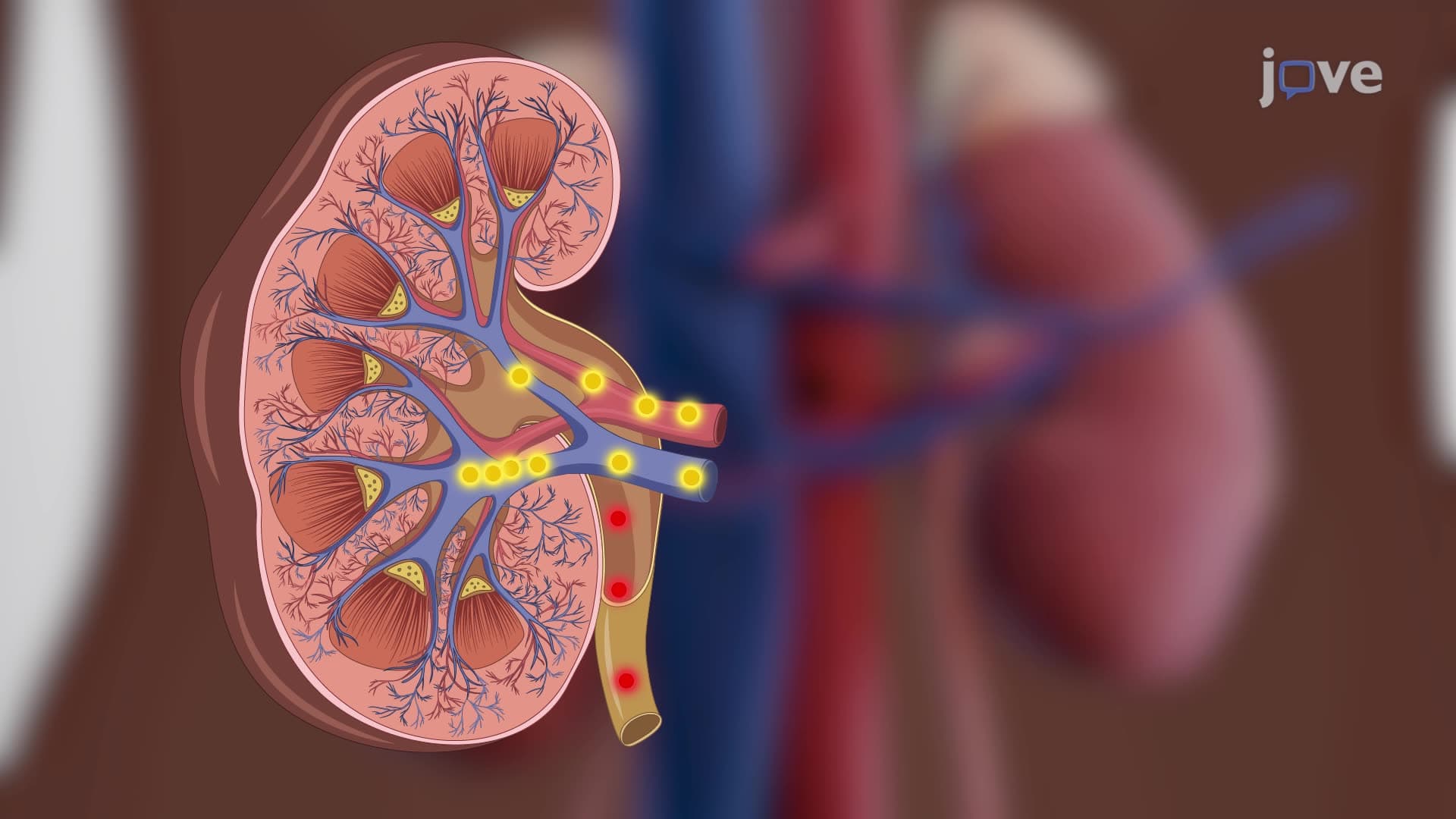
Kidney stone urolithiasis affects approximately 1 in 10 Americans, with higher prevalence in the southeastern United States due to climate and dietary factors. These hard deposits form when urine becomes supersaturated with minerals like calcium oxalate, calcium phosphate, or uric acid. Dehydration, high-sodium diets, and certain medications increase stone formation risk. Students preparing for the MCAT should understand that stones can cause severe renal colic and potentially lead to hydronephrosis if they obstruct urine flow completely.
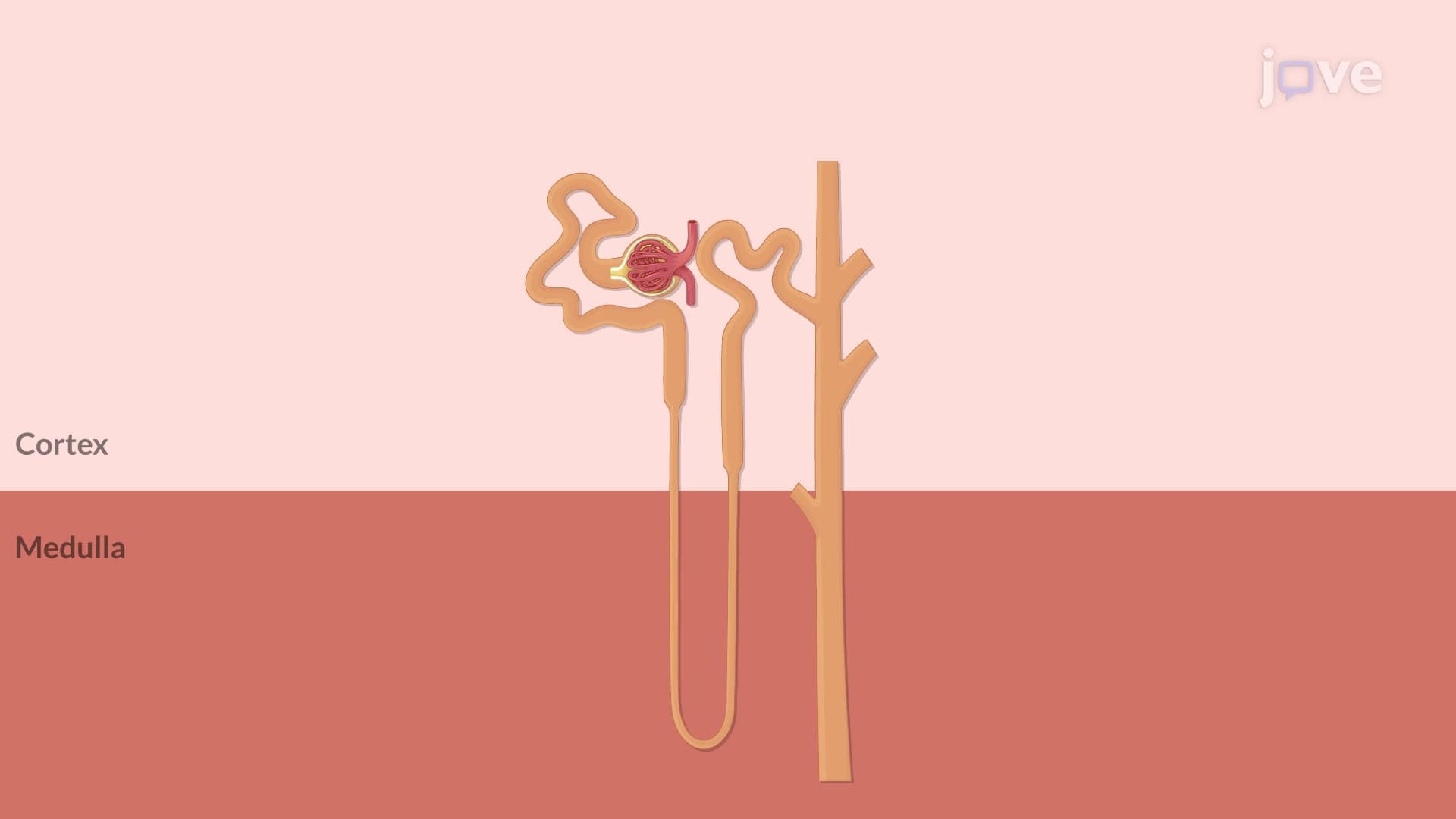
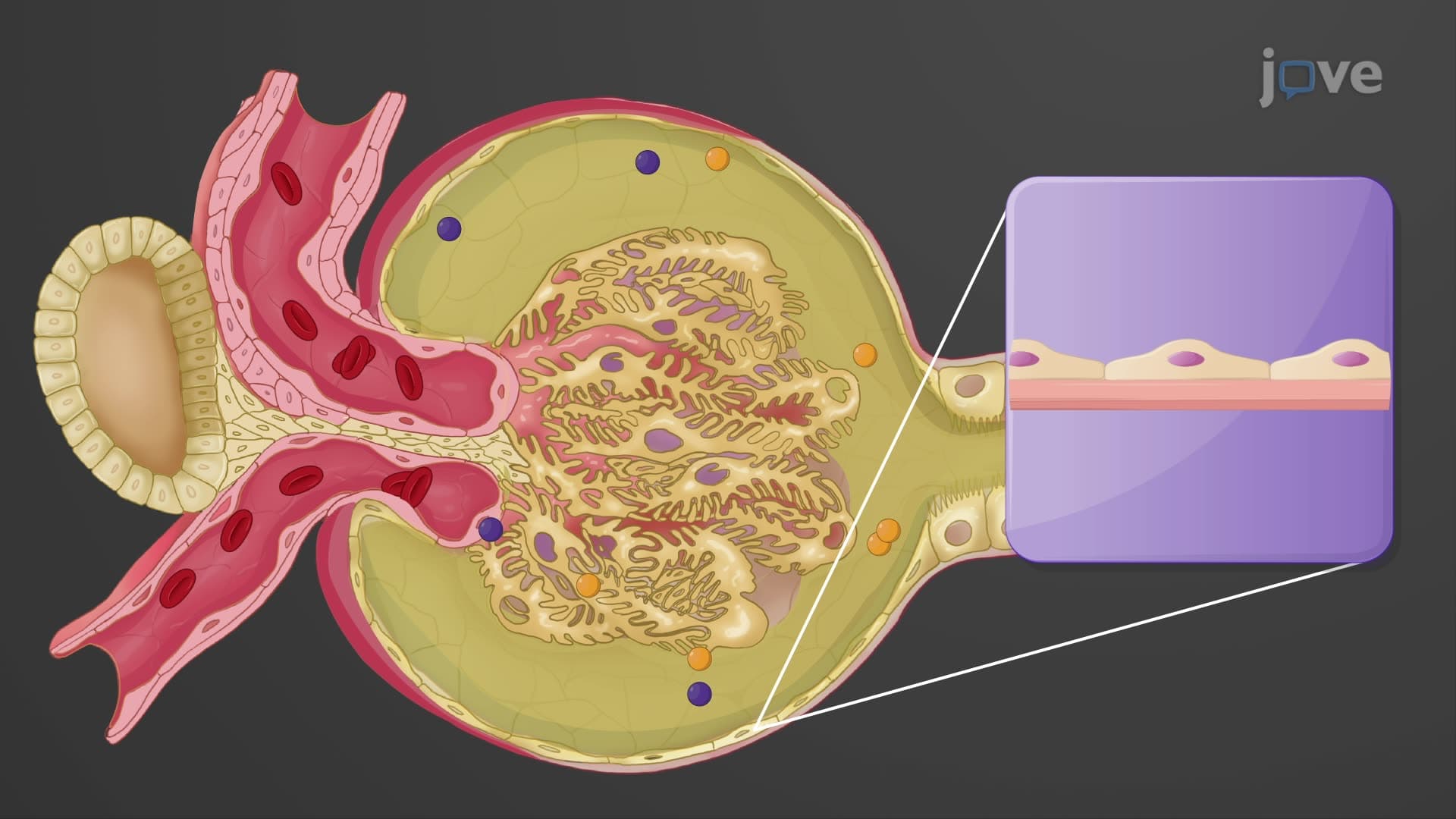
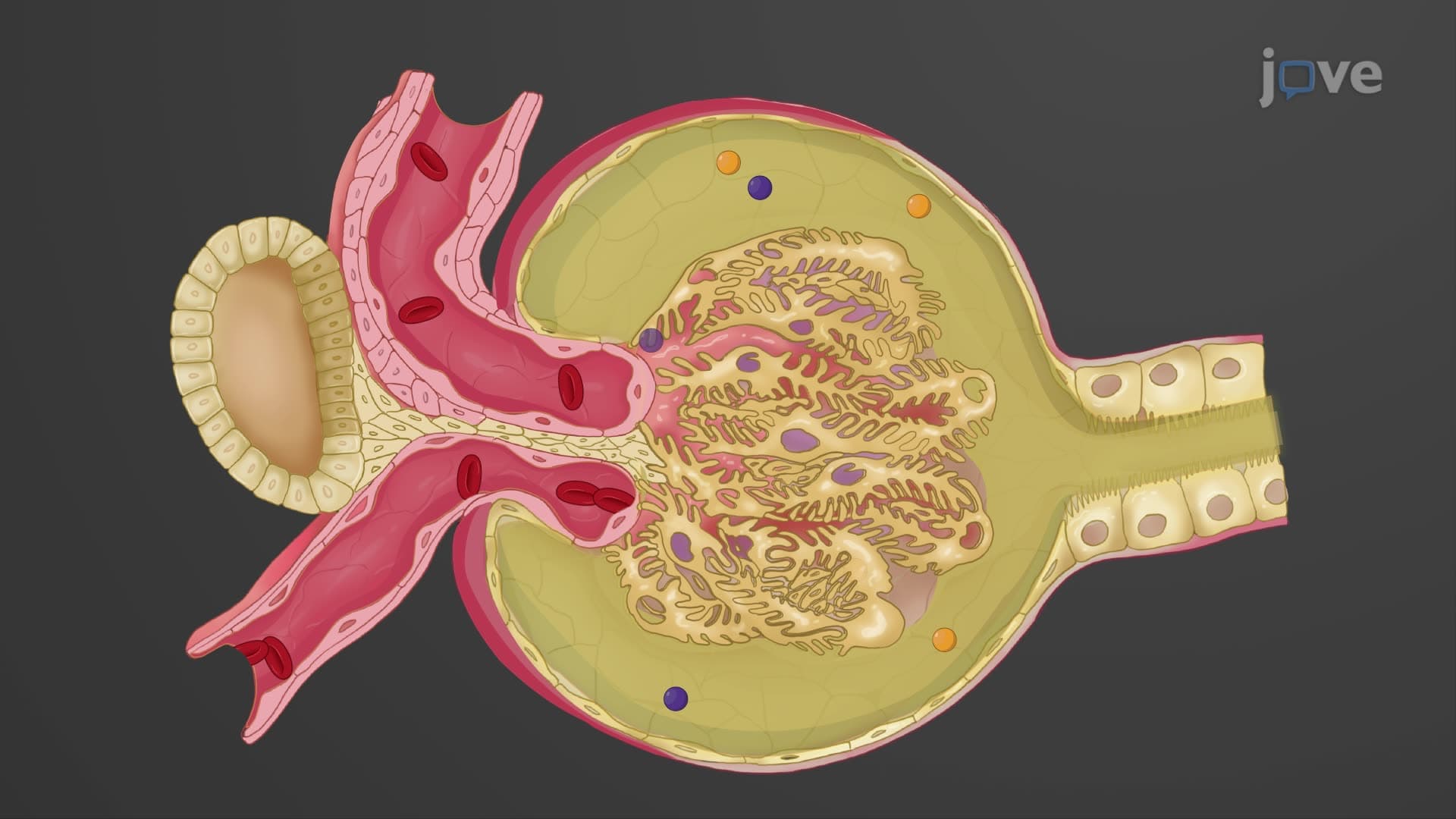
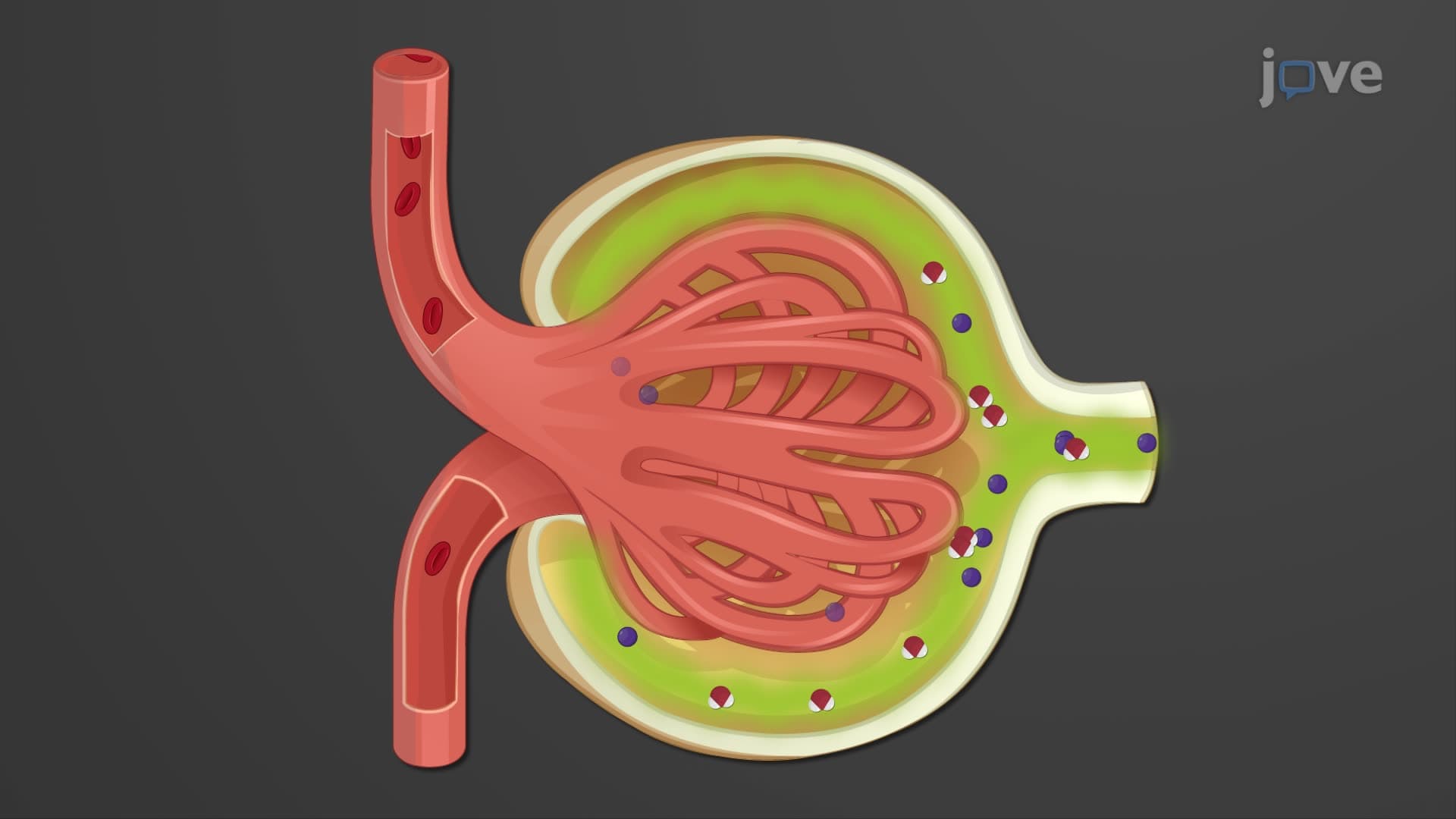
Glomerulonephritis represents a complex group of kidney urinary disorders explained through immune system dysfunction. This inflammation of the glomeruli can result from post-infectious processes, such as following streptococcal throat infections, or autoimmune conditions like lupus. Nephrotic syndrome kidney manifestations include massive proteinuria, hypoalbuminemia, and edema-concepts frequently tested on AP Biology exams. Meanwhile, polycystic kidney disease demonstrates how genetic factors contribute to kidney failure renal progression, with cysts gradually replacing normal kidney tissue and reducing filtration capacity over decades.
Students studying for college physiology courses should recognize how these disorders interconnect with other body systems, affecting cardiovascular health, electrolyte balance, and blood pressure regulation-knowledge essential for USMLE Step 1 preparation.
Related Micro-courses