Loading video…


 9 Concepts
 1.9K views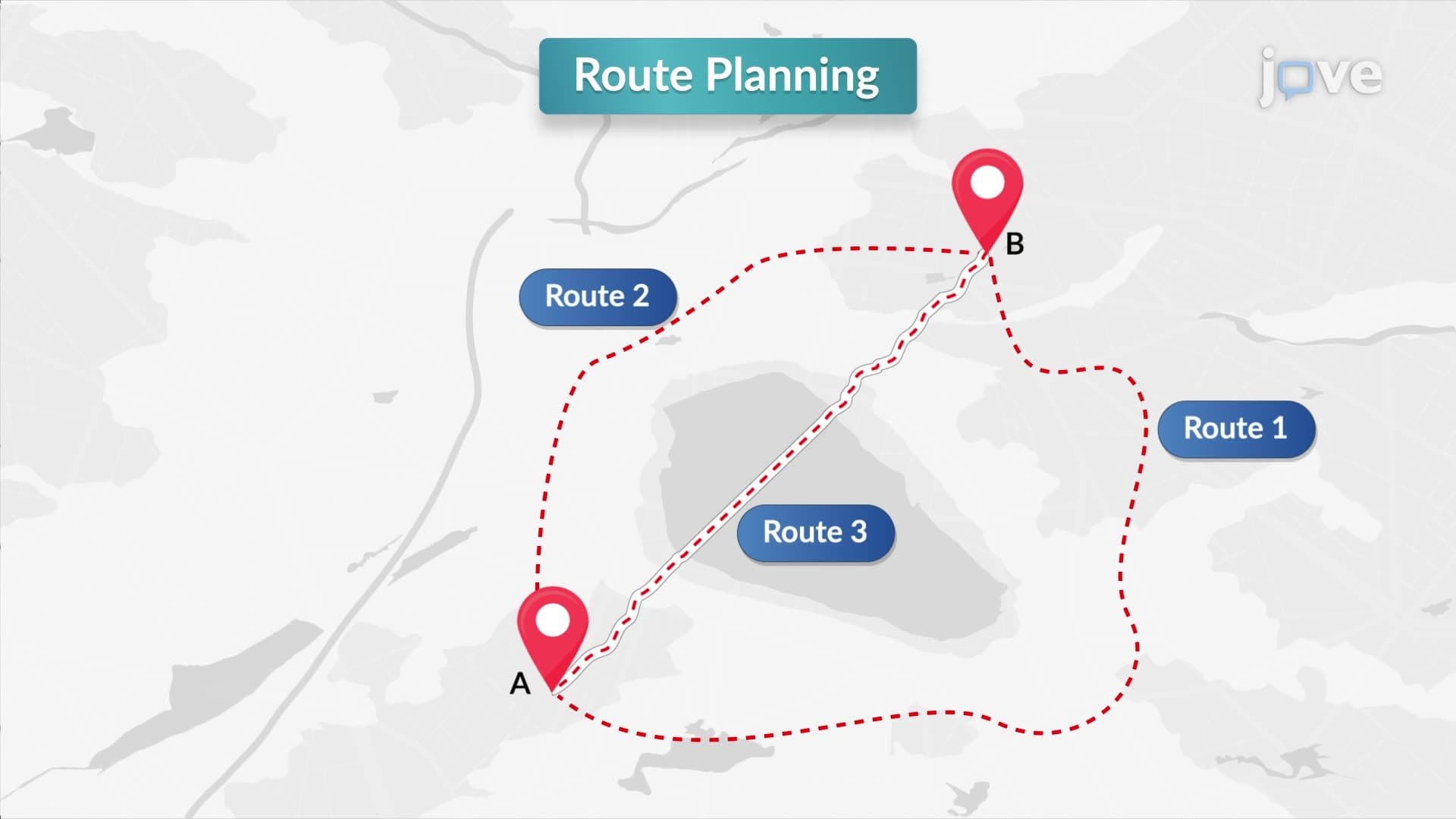

Video Summary: Design Example Alignment Road Line Explained
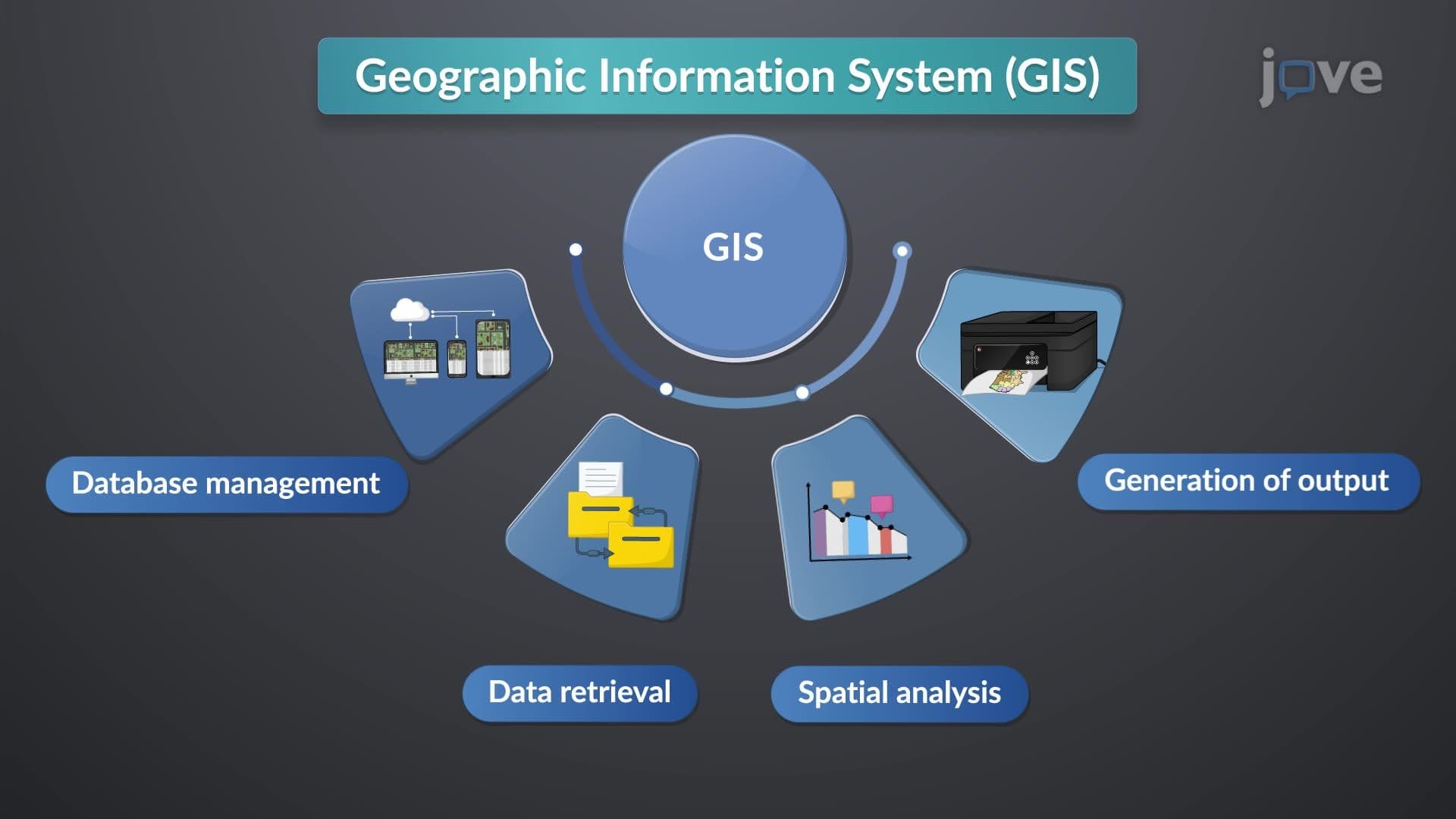
Did you know that choosing the wrong road alignment can cost taxpayers millions of dollars? Charge and current principles apply even in civil engineering projects, where the flow of traffic resembles electrical current through optimized pathways. When the California Department of Transportation designs new highway segments, engineers use Geographic Information System (GIS) technology to evaluate multiple route options, balancing budget constraints with environmental impact. The Design Example Alignment Road Line Explained demonstrates how systematic analysis leads to cost-effective infrastructure decisions. Watch the full video on JoVE Coach to master this concept with expert-led visuals and step-by-explanations.
The Design Example Alignment Road Line Explained concept represents a fundamental approach in civil engineering that mirrors principles found throughout STEM disciplines. Just as charge and current flow through paths of least resistance in electrical circuits, traffic flows most efficiently through well-designed road alignments that minimize travel time and construction costs.
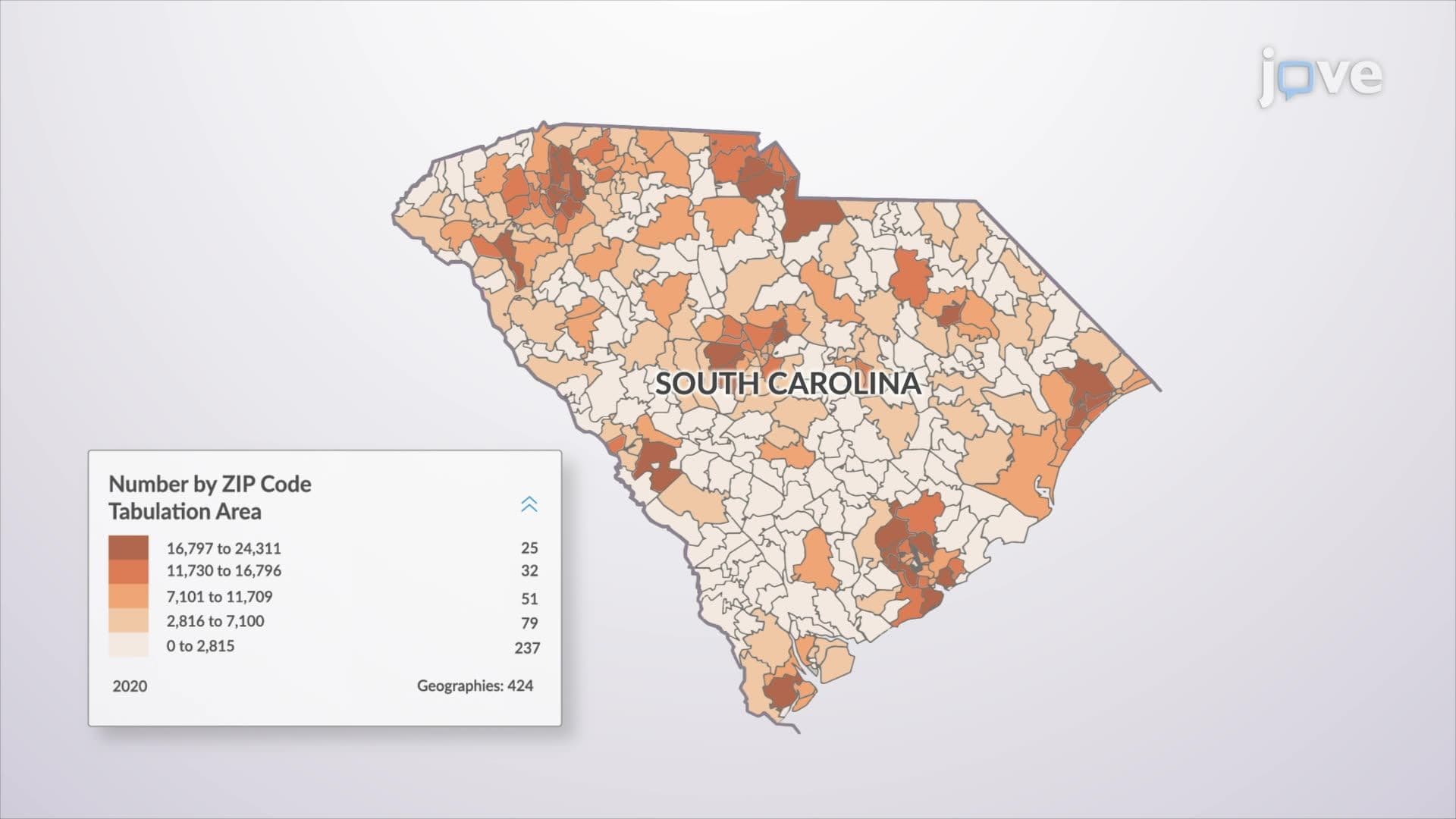
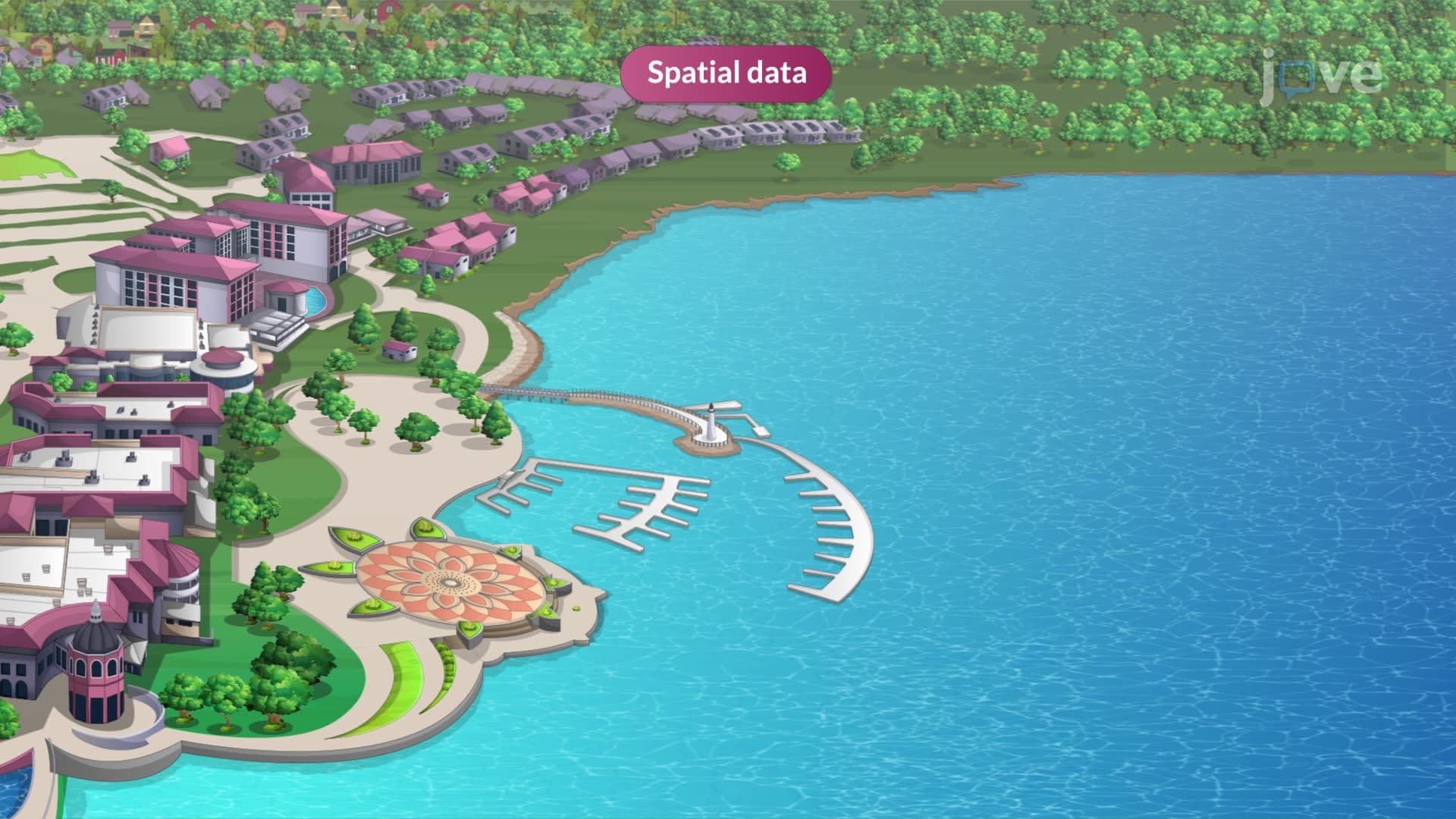
Modern road design begins with comprehensive geospatial data collection using satellite imagery and GIS technology. Engineers examine land cover patterns to identify forests, wetlands, or urban areas that might impact construction costs. Geomorphological analysis reveals soil composition and stability, crucial for foundation design. Drainage assessment prevents flooding issues, while slope and contour analysis determines grading requirements and potential landslide risks.
Students preparing for AP Environmental Science or college-level geography courses will recognize these data types as essential components of spatial analysis. The charge and current definition concept applies here through understanding how multiple variables interact to influence final decisions.
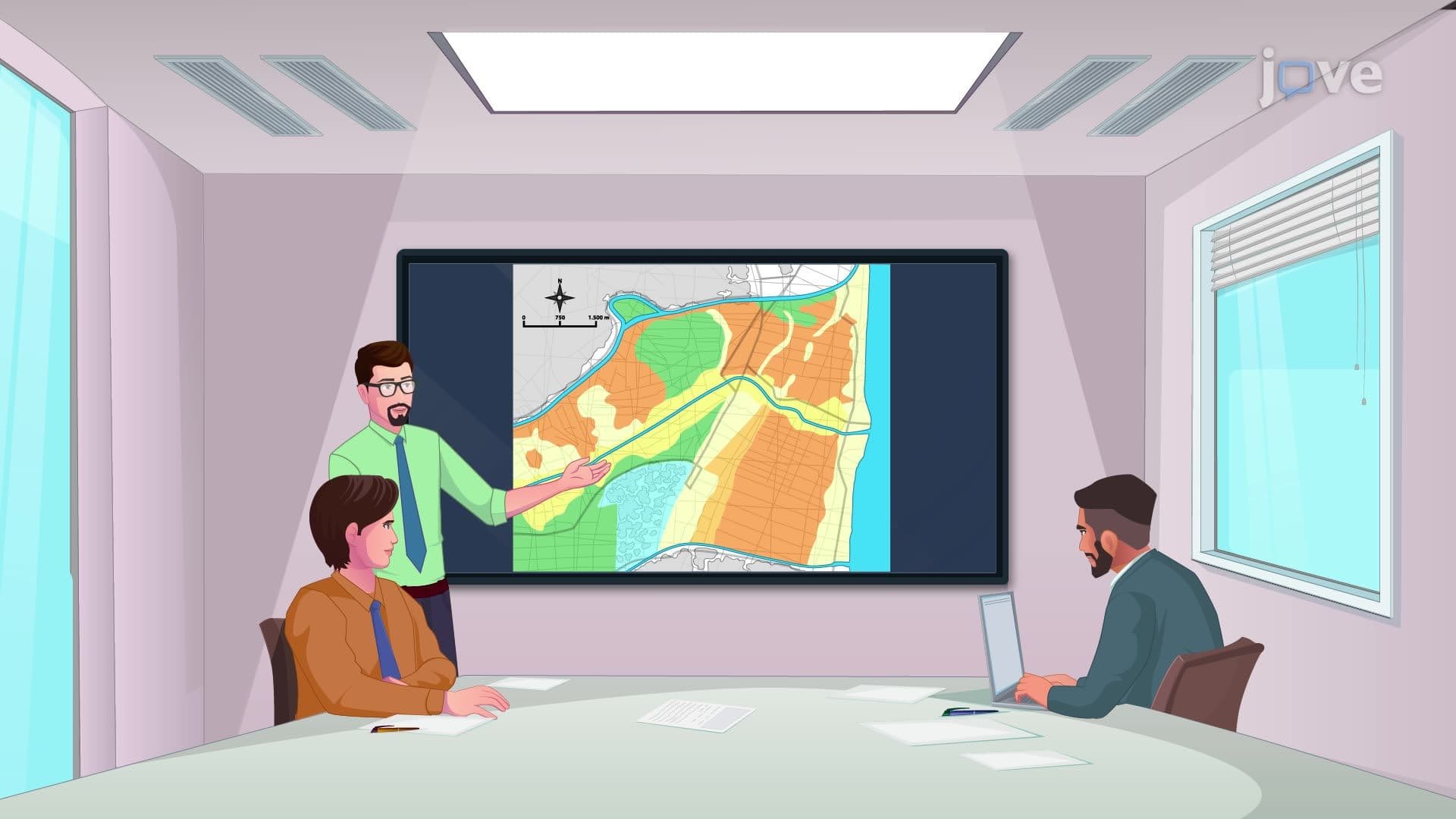
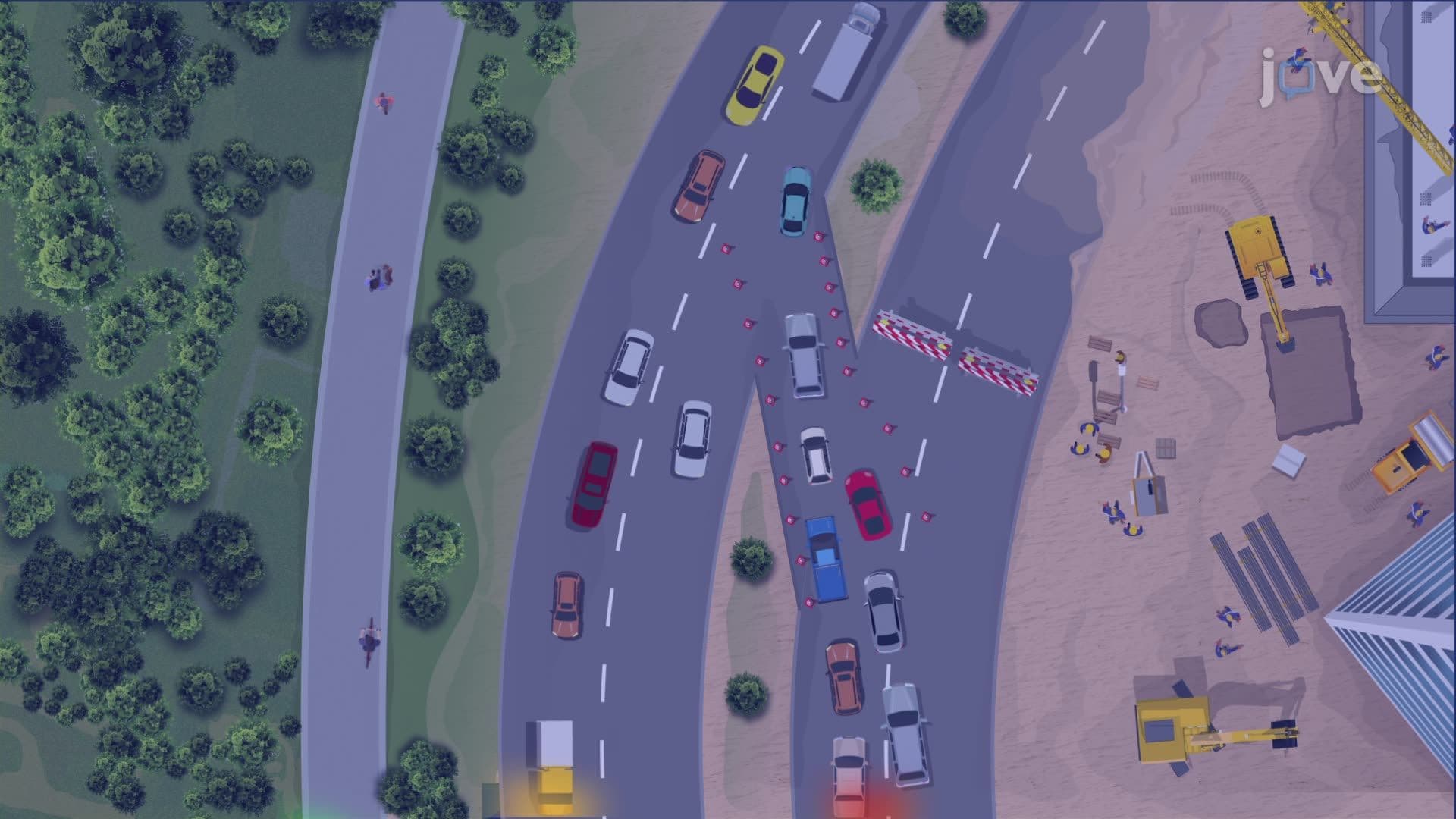
The systematic evaluation process involves creating multiple route alternatives and assessing each option's feasibility. Engineers consider traffic volume projections, which determine required lane width and intersection design. Social factors include community displacement and property acquisition costs. Economic analysis encompasses construction expenses, maintenance requirements, and long-term operational costs. Environmental impact assessment evaluates habitat disruption, air quality effects, and water resource protection.
Major US infrastructure projects demonstrate these principles daily. The Interstate Highway System expansion, managed by the Federal Highway Administration, routinely applies this methodology. For example, when Texas Department of Transportation planned State Highway 130 around Austin, engineers evaluated dozens of potential alignments before selecting the route that balanced environmental protection with traffic efficiency.
Students studying for the Fundamentals of Engineering (FE) exam will encounter similar optimization problems requiring systematic analysis of multiple variables. Understanding what is charge and current in detail helps students grasp how complex systems require careful pathway analysis, whether dealing with electrical circuits or transportation networks.
Related Micro-courses