Loading video…


 11 Concepts
 9.9K views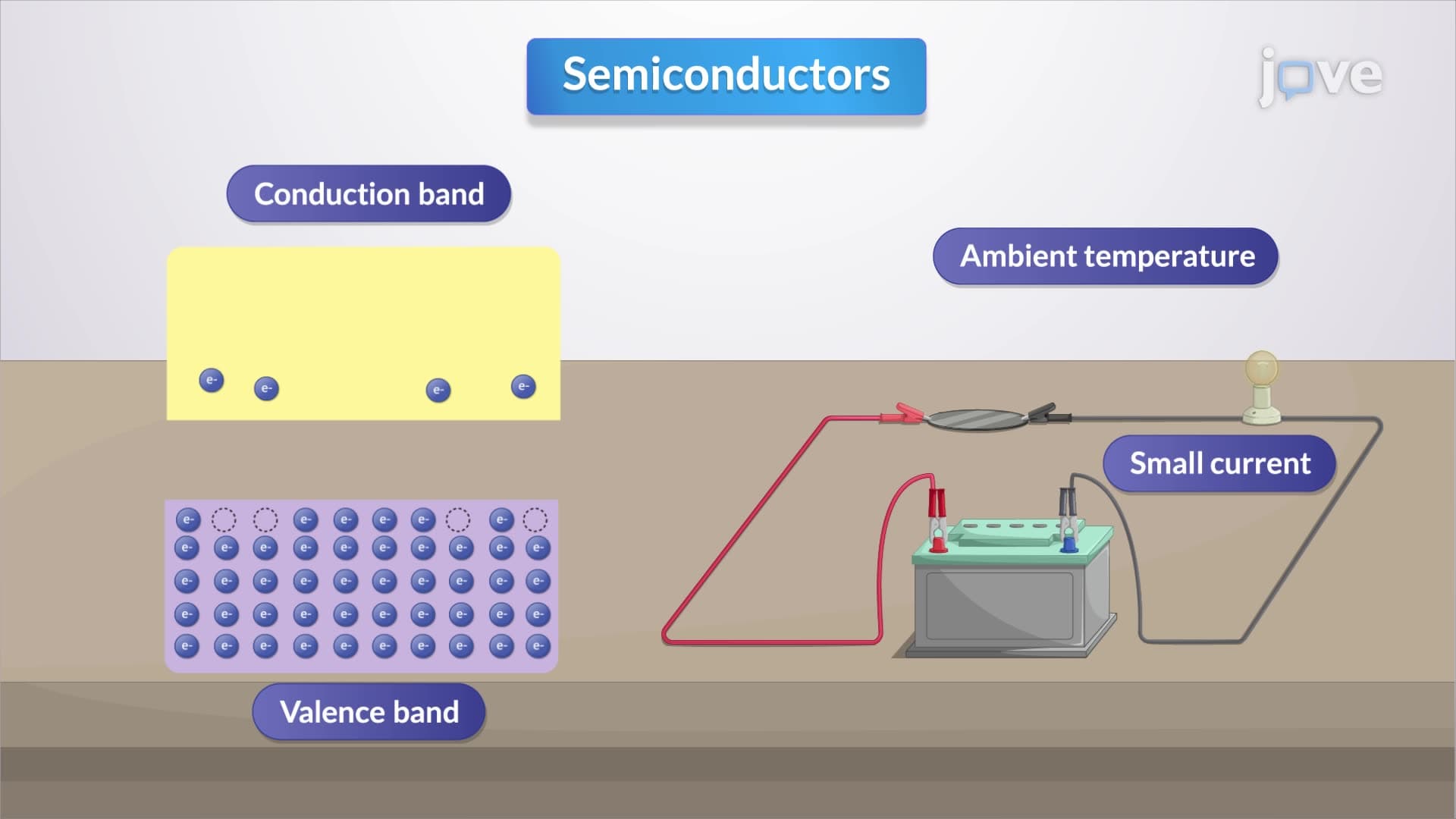

Video Summary: What are Semiconductors
Did you know that the smartphone in your pocket contains billions of semiconductor devices working together? Understanding the types of semiconductors starts with recognizing how these materials bridge the gap between metals and insulators through their unique energy band structures. Silicon Valley's entire tech industry relies on semiconductor materials like silicon, which has a 1.1 eV energy band gap that allows controlled electrical conductivity. What are semiconductors becomes clear when you examine how temperature, light, and doping create the perfect conditions for modern electronics. Watch the full video on JoVE Coach to master this concept with expert-led visuals and step-by-step explanations.
What are semiconductors represents one of the most crucial concepts in modern physics and engineering. These materials occupy a unique position between metals and insulators, exhibiting controllable electrical properties that make them indispensable for electronic devices. Unlike metals, which conduct electricity freely, or insulators, which block current flow, semiconductors offer tunable conductivity that engineers can manipulate for specific applications.
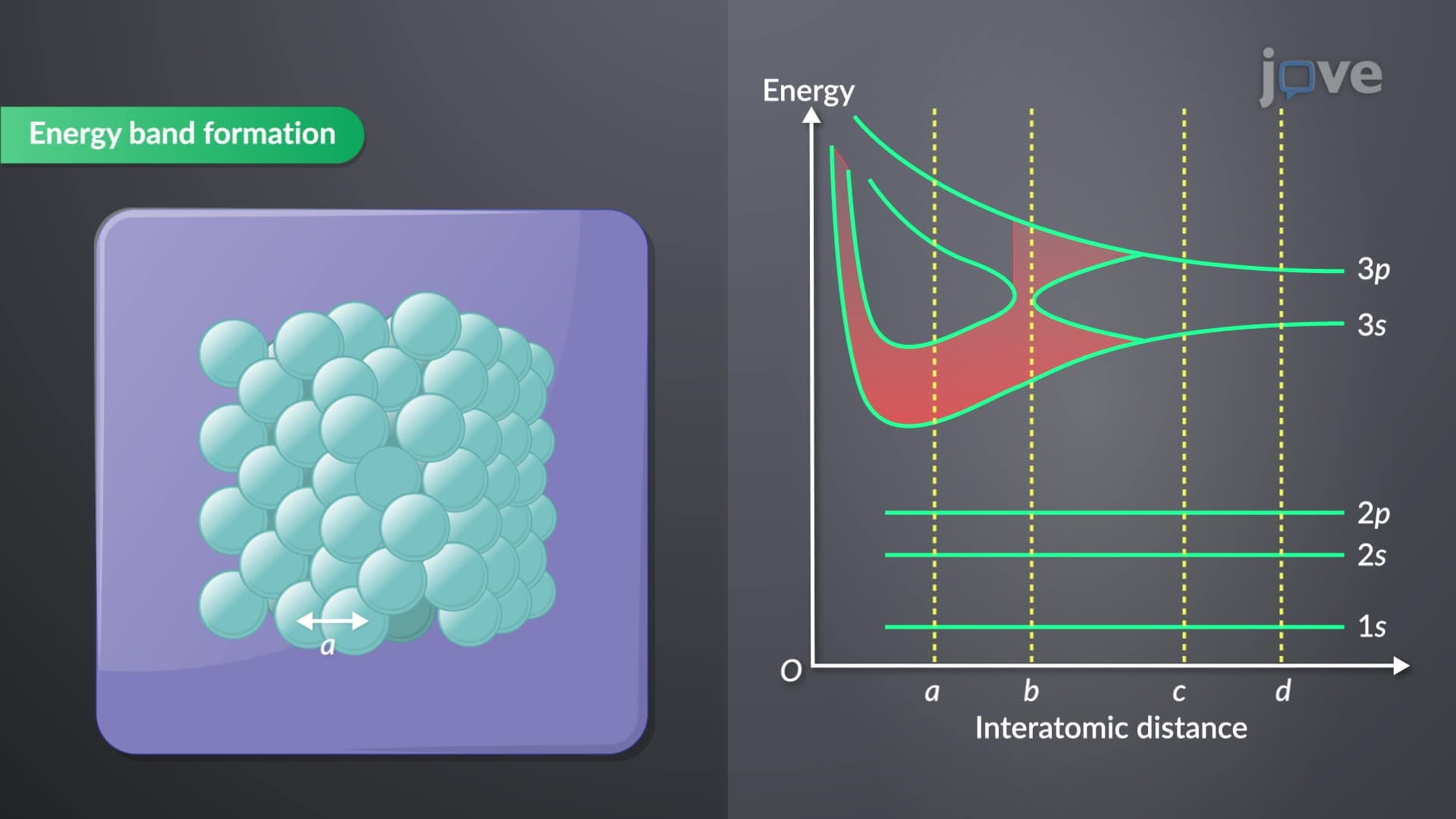
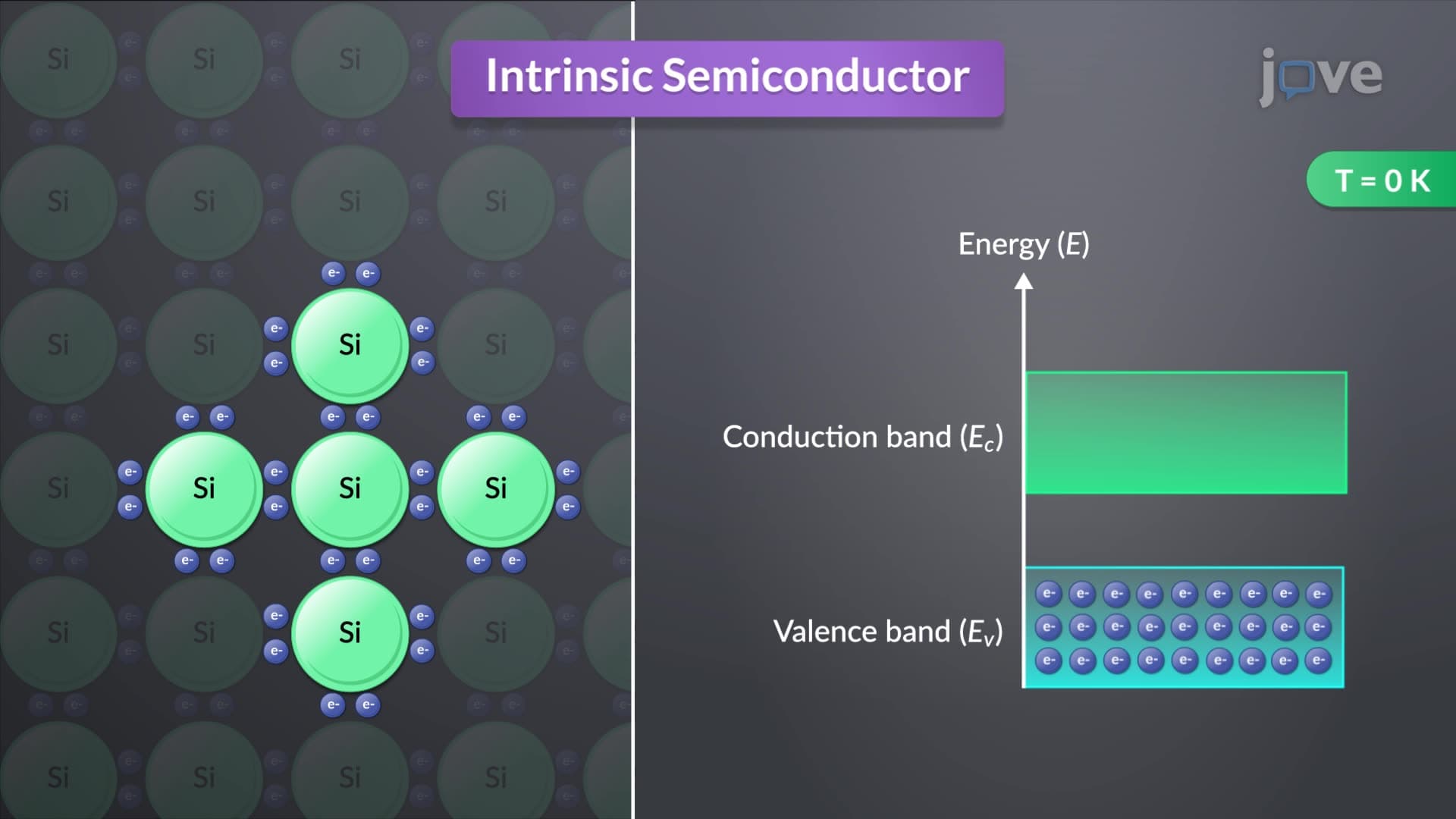
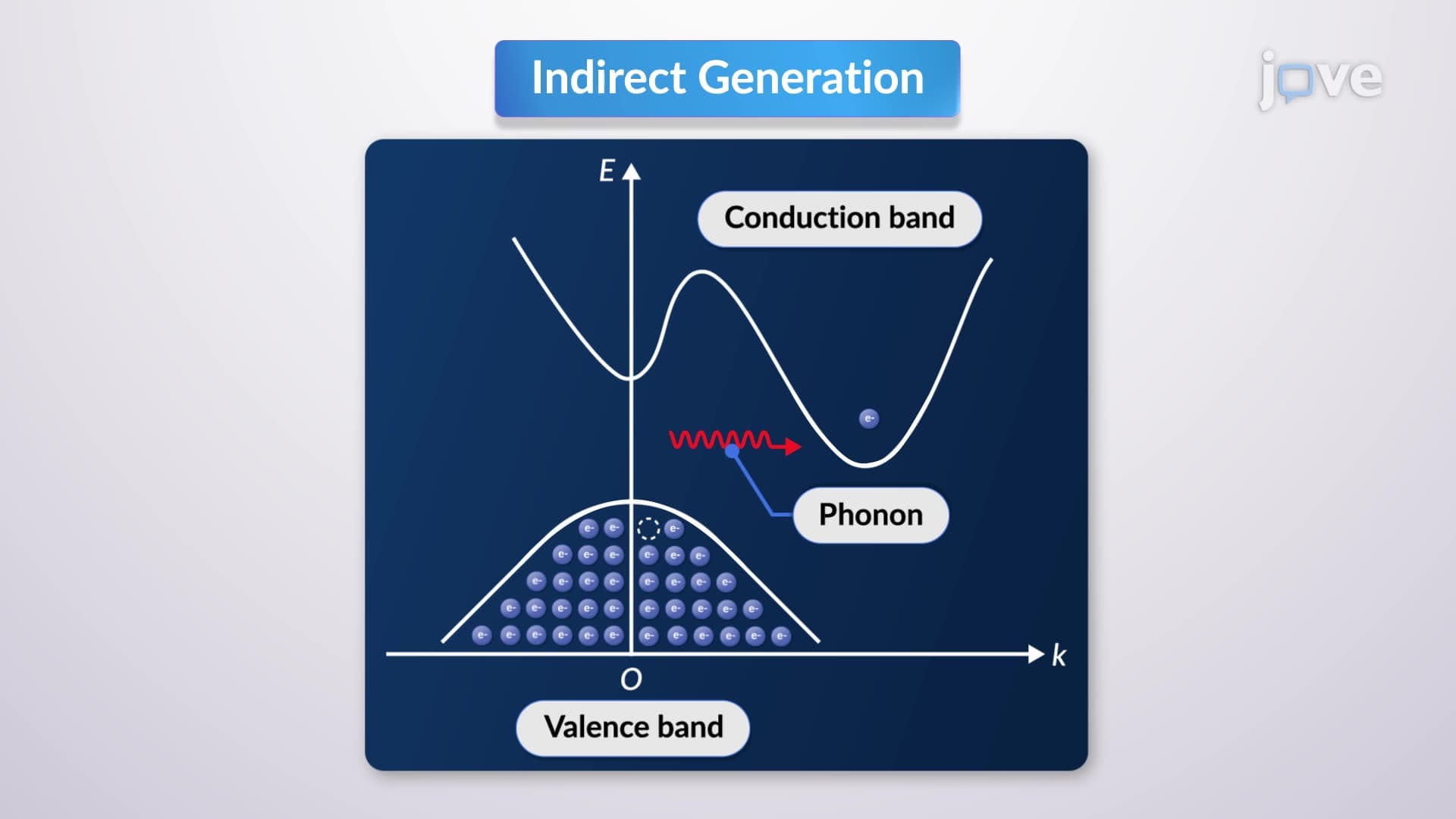
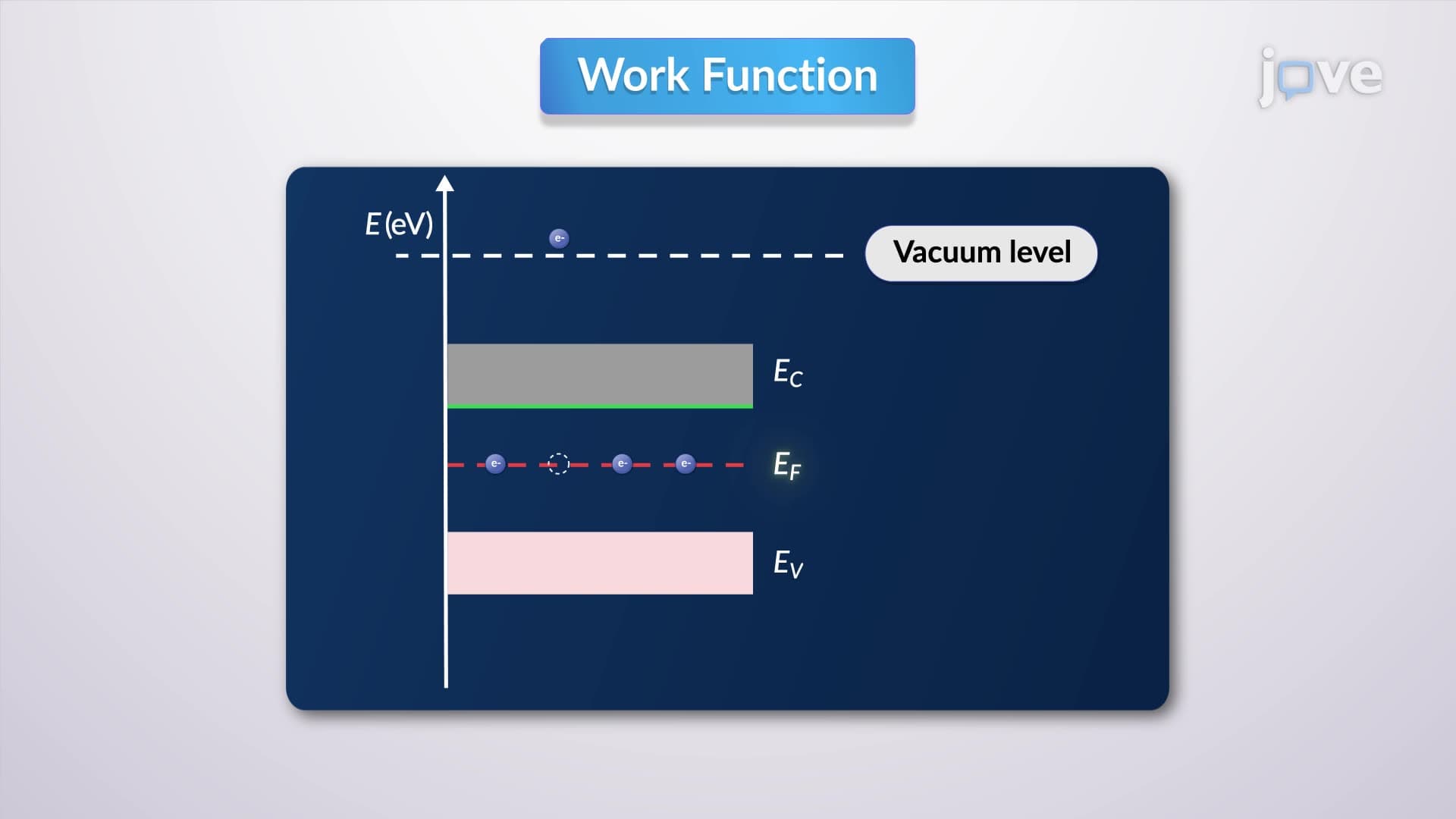
The types of semiconductors are fundamentally distinguished by their energy band structures. Pure semiconductors like silicon and germanium exhibit intrinsic properties with energy band gaps of approximately 1.1 eV and 0.67 eV respectively. This narrow gap allows thermal energy at room temperature to promote electrons across the band gap, creating both free electrons in the conduction band and positive holes in the valence band.
When students encounter this concept in AP Physics or college-level materials science courses, understanding band theory becomes essential for explaining semiconductor behavior. The energy band gap determines whether a material will conduct electricity under specific conditions, making this knowledge critical for MCAT physics sections and engineering fundamentals.
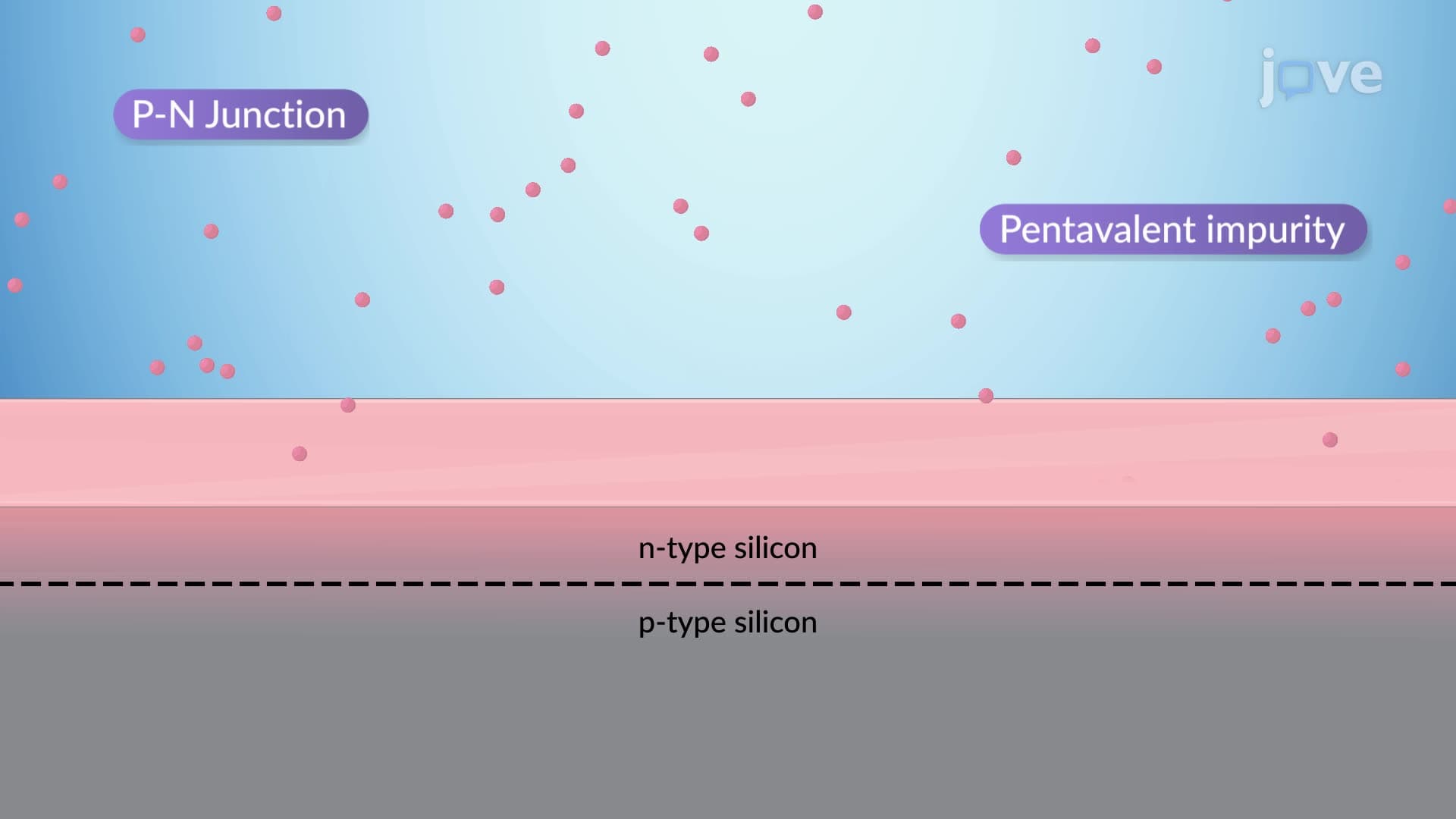
Pure semiconductors demonstrate intrinsic behavior, but the real technological revolution comes from extrinsic semiconductors created through doping. Adding small amounts of impurities dramatically alters conductivity properties. Phosphorus-doped silicon creates n-type semiconductors with excess electrons, while boron-doped silicon produces p-type semiconductors with electron holes.
Major US semiconductor companies like Intel, AMD, and Qualcomm rely on these doping principles to manufacture processors, memory chips, and communication devices. Understanding these types of semiconductors helps explain how your iPhone processes information and how Tesla's electric vehicles manage battery systems.
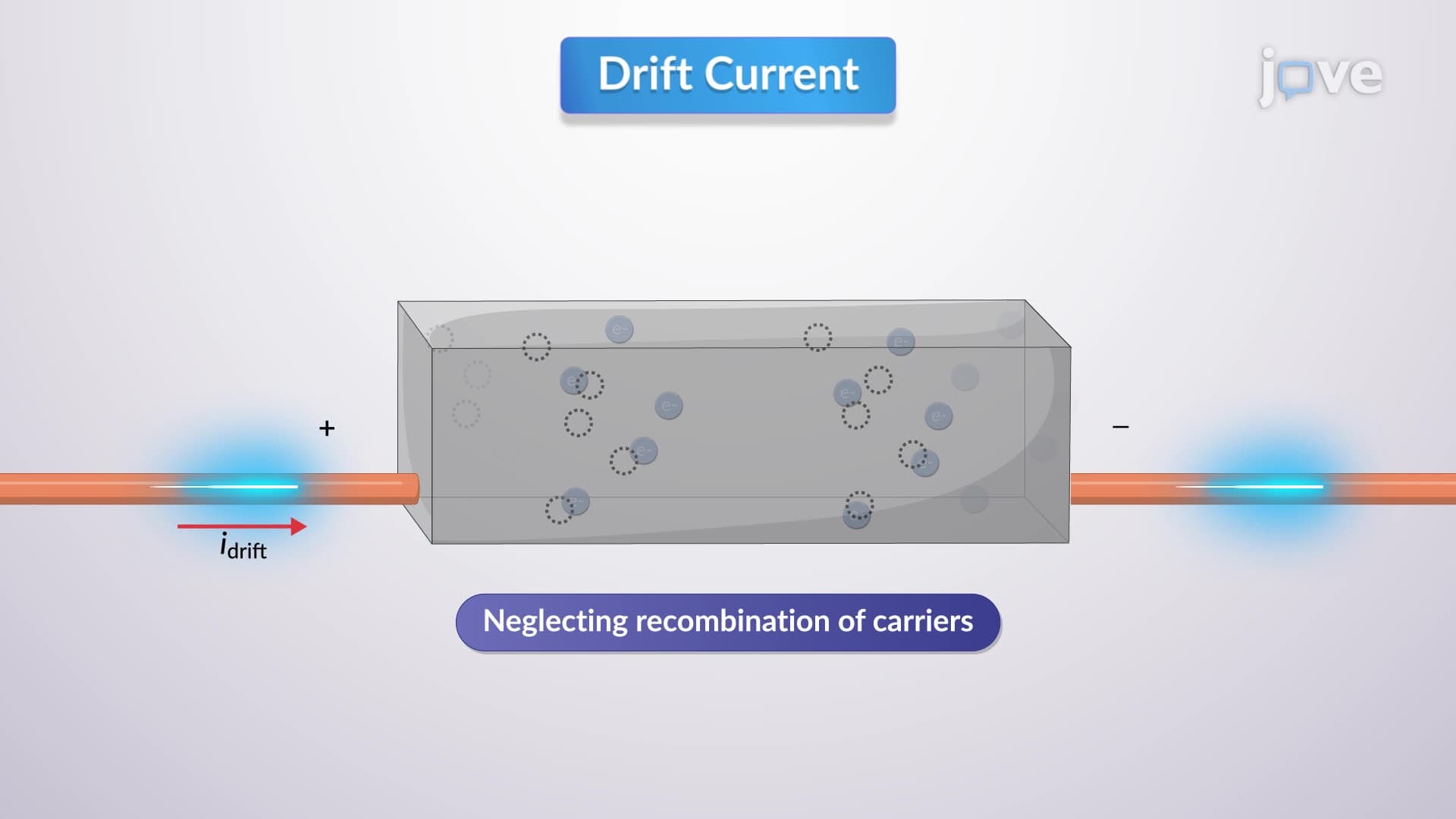
Unlike metals, whose resistance increases with temperature, semiconductor conductivity improves as temperature rises. This counterintuitive behavior results from increased thermal energy promoting more electrons across the band gap. Students preparing for standardized tests should remember that semiconductor resistance decreases with temperature increase-a common AP Physics exam question.
Light illumination also affects semiconductor properties, explaining how solar panels convert sunlight to electricity and how camera sensors detect images. These photovoltaic effects demonstrate practical applications that students encounter in environmental science and renewable energy discussions.
Related Micro-courses