Loading video…


 11 Concepts
 9.9K views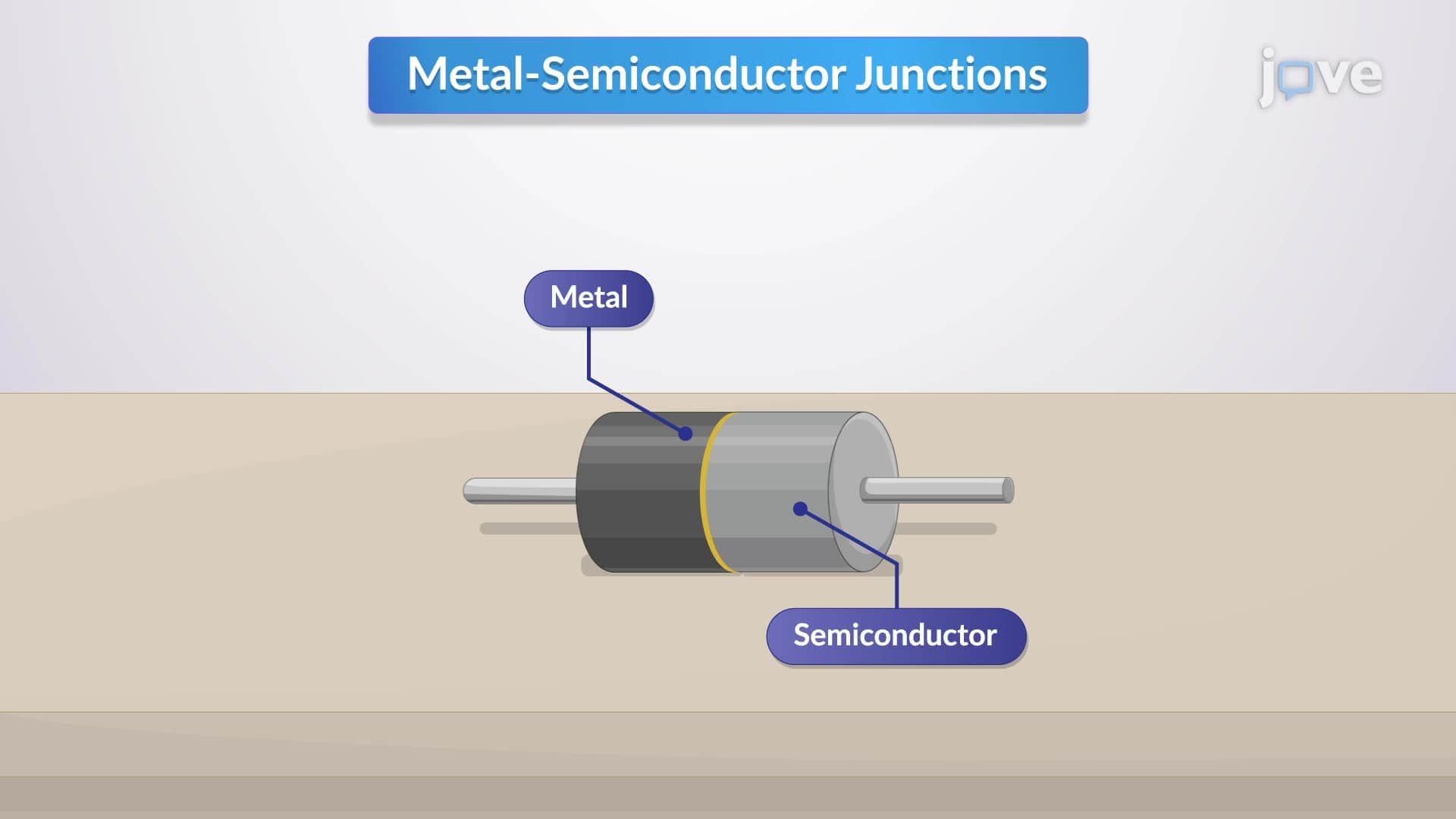

Video Summary: What are Metal Semiconductor Junctions
Did you know that the touchscreen on your iPhone relies on precisely controlled biasing of metal semiconductor junctions to detect your finger's electrical properties? Understanding what are metal semiconductor junctions reveals how electrons behave when metals contact semiconductors, creating either current-blocking Schottky barriers or current-flowing Ohmic contacts. Silicon solar panels across California's Mojave Desert depend on these junction principles to convert sunlight into electricity. Watch the full video on JoVE Coach to master this concept with expert-led visuals and step-by-step explanations.
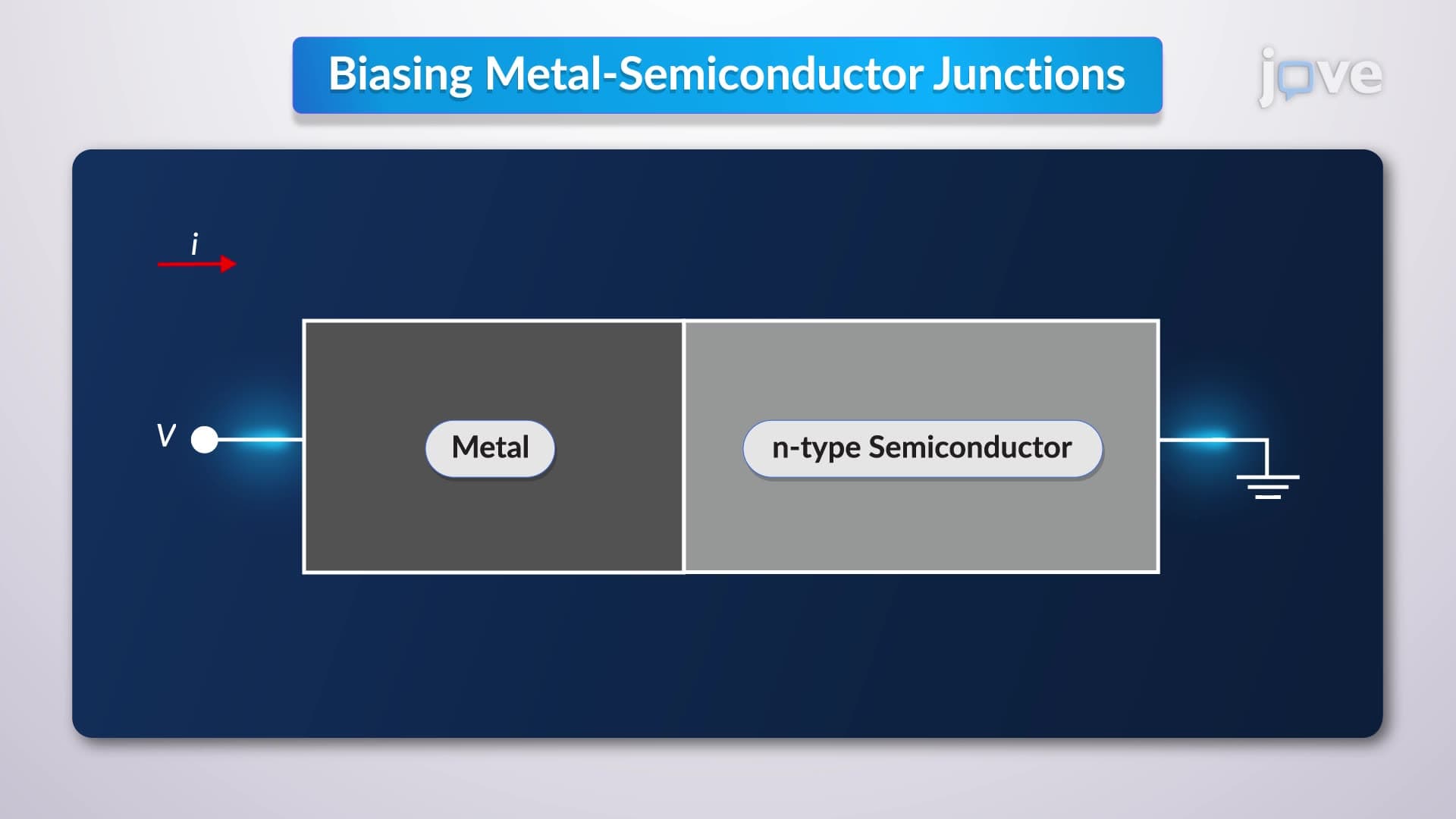
Metal semiconductor junctions form the backbone of modern electronics, from the processors in Tesla's autopilot systems to LED streetlights illuminating Chicago's downtown. These junctions occur when a metal surface physically contacts a semiconductor material, creating an interface that fundamentally alters electron behavior and current flow characteristics.
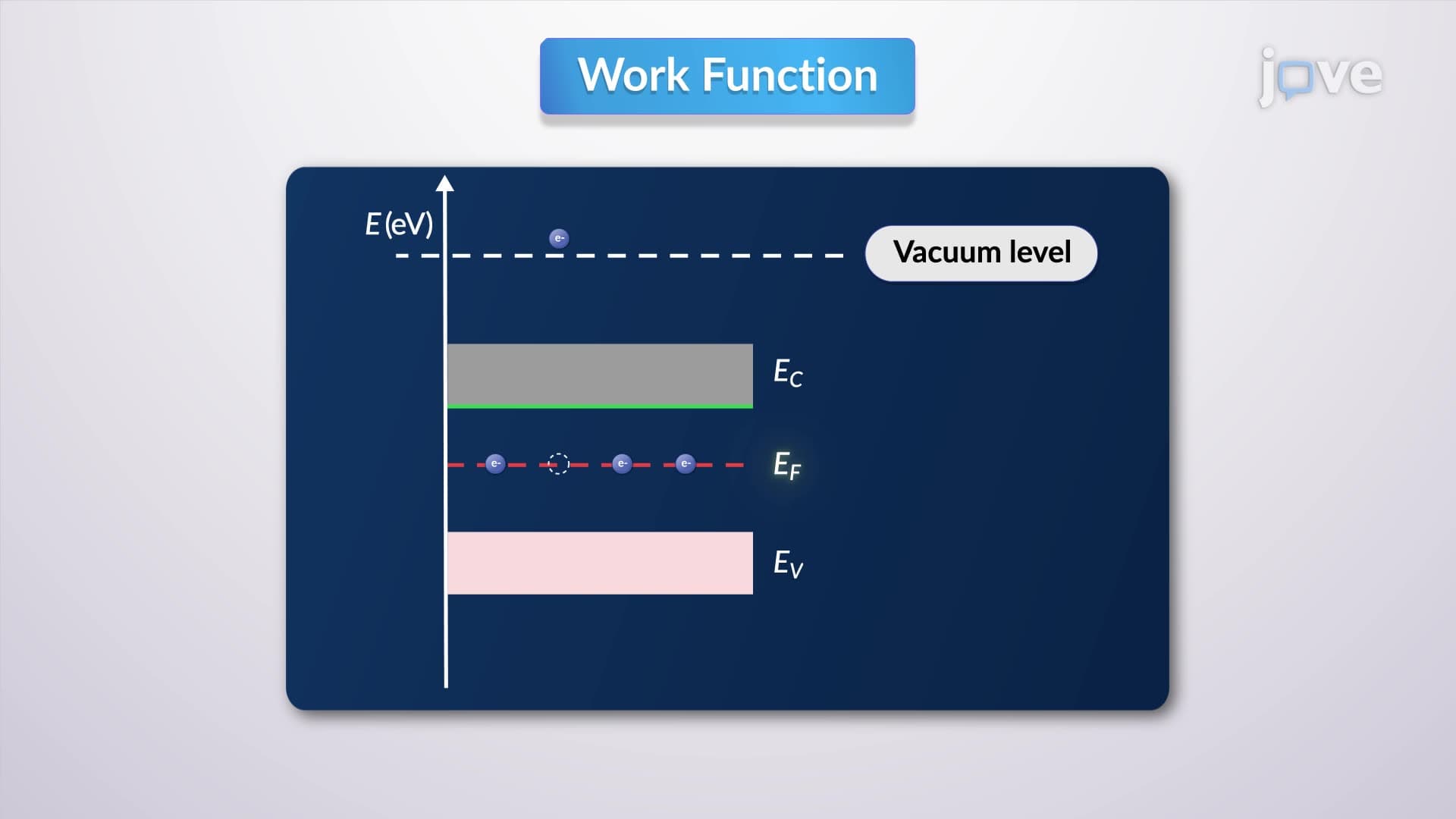
The critical factor determining junction behavior is the work function-the minimum energy required to remove an electron from a material's surface. When a metal's work function exceeds the semiconductor's work function, electrons naturally transfer from the semiconductor to the metal upon contact. This electron migration creates a depletion region in the semiconductor and establishes a potential barrier called a Schottky junction.
Conversely, when the semiconductor's work function exceeds the metal's, electrons flow from metal to semiconductor, creating an Ohmic junction. Intel's microprocessor manufacturing in Oregon relies heavily on controlling these work function relationships to create desired electrical characteristics in computer chips.
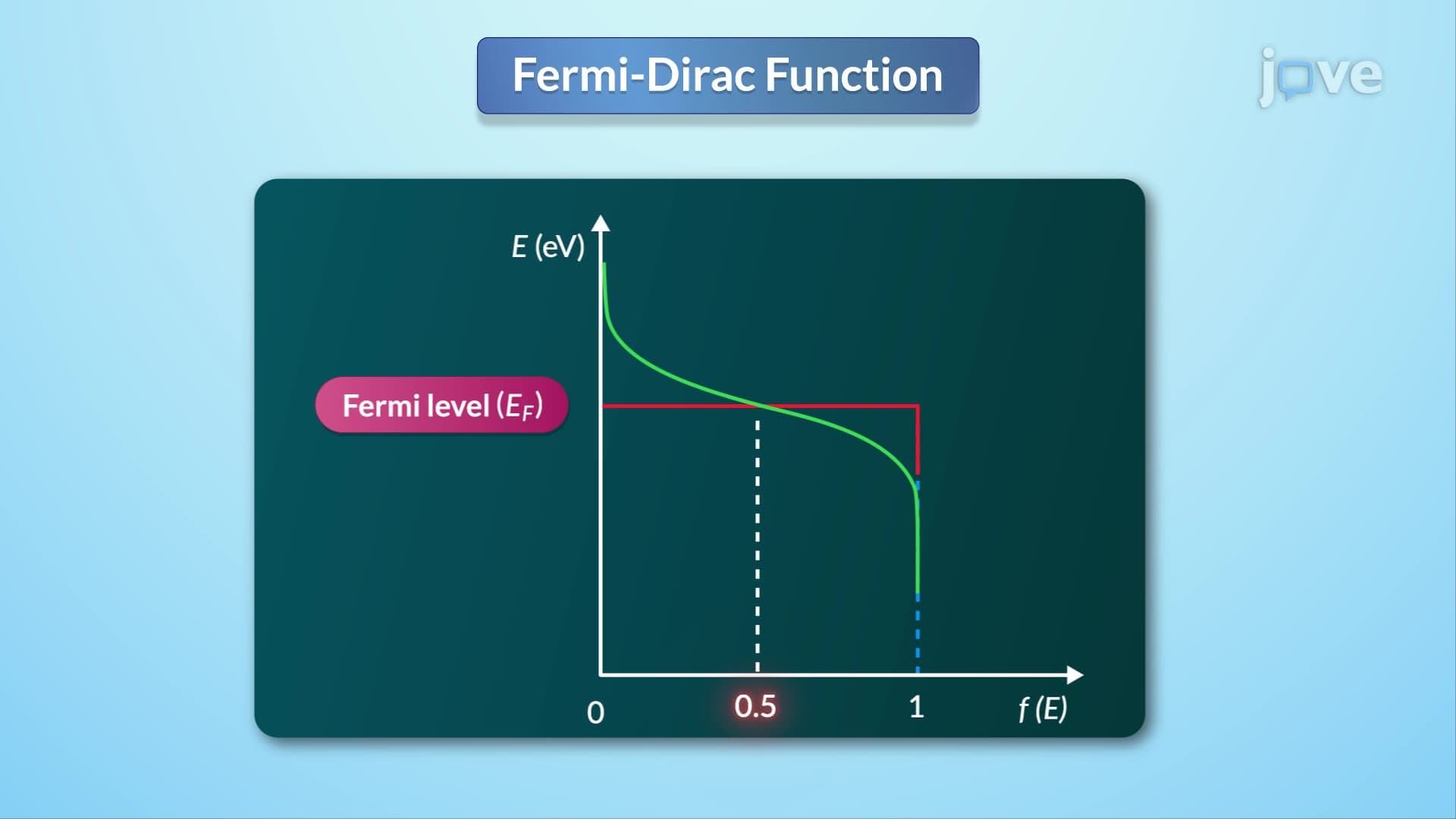
Before contact, both materials maintain separate Fermi energy levels-the highest occupied electron energy state at absolute zero temperature. Upon junction formation, these Fermi levels must align to reach thermodynamic equilibrium. This alignment process drives the electron transfer that characterizes different junction types.
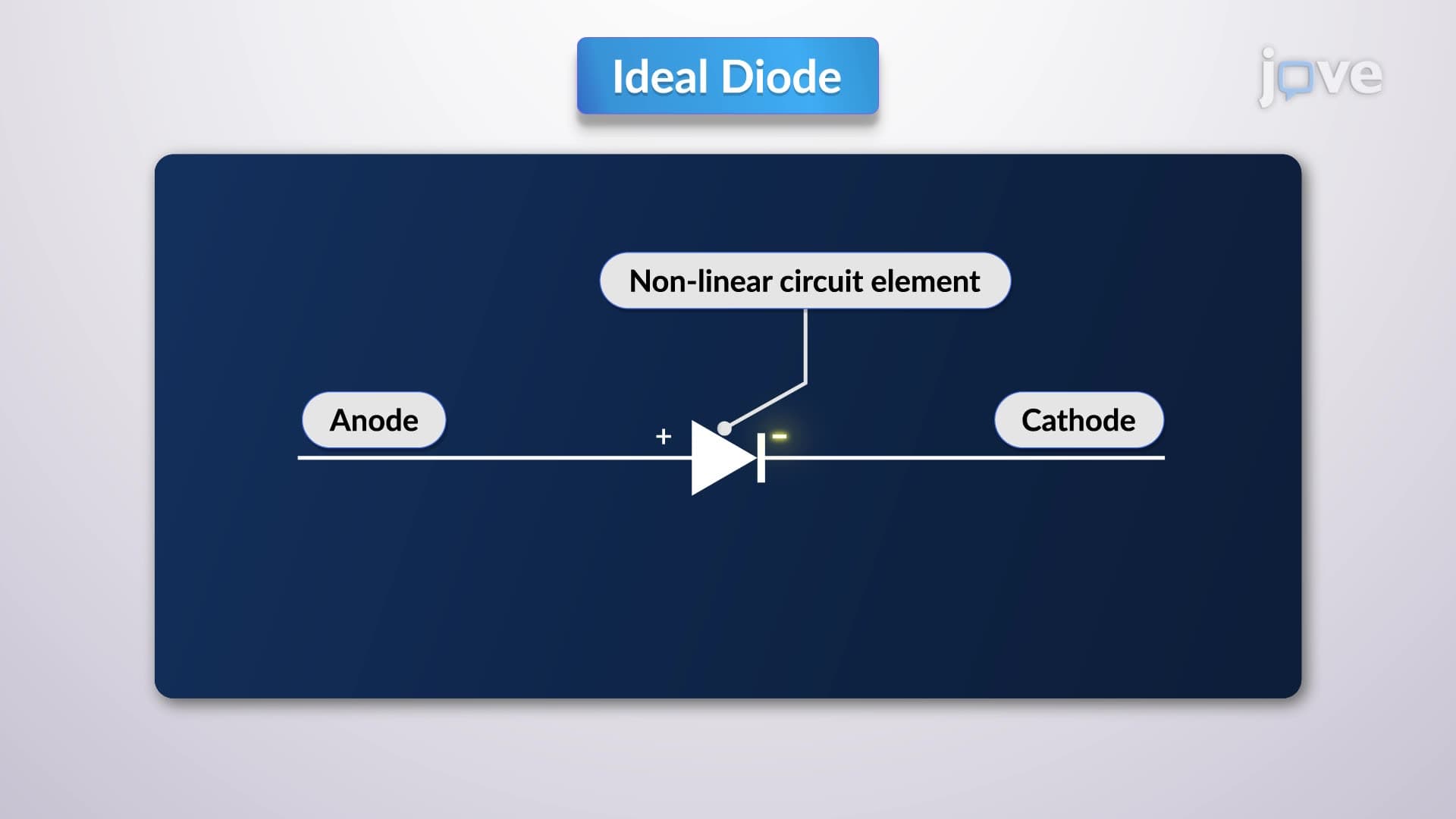
In Schottky junctions, the barrier height equals the difference between the metal's work function and the semiconductor's electron affinity. This barrier restricts electron flow from semiconductor to metal, creating rectifying behavior similar to diodes. Students preparing for AP Physics or college-level solid state physics courses should note that barrier height calculations frequently appear on exams, particularly when analyzing junction IV characteristics.
Ohmic junctions conduct current bidirectionally, making them essential for electrical contacts in devices like the solar panels powering Nevada's massive photovoltaic installations. These junctions ensure efficient current collection without introducing unwanted voltage drops. Meanwhile, Schottky junctions serve as high-frequency rectifiers in radar systems used by the FAA for air traffic control across US airports.
Understanding these principles prepares students for advanced coursework in electrical engineering and materials science, where junction physics underlies everything from smartphone displays to electric vehicle charging systems.
Related Micro-courses