Loading video…


 11 Concepts
 9.9K views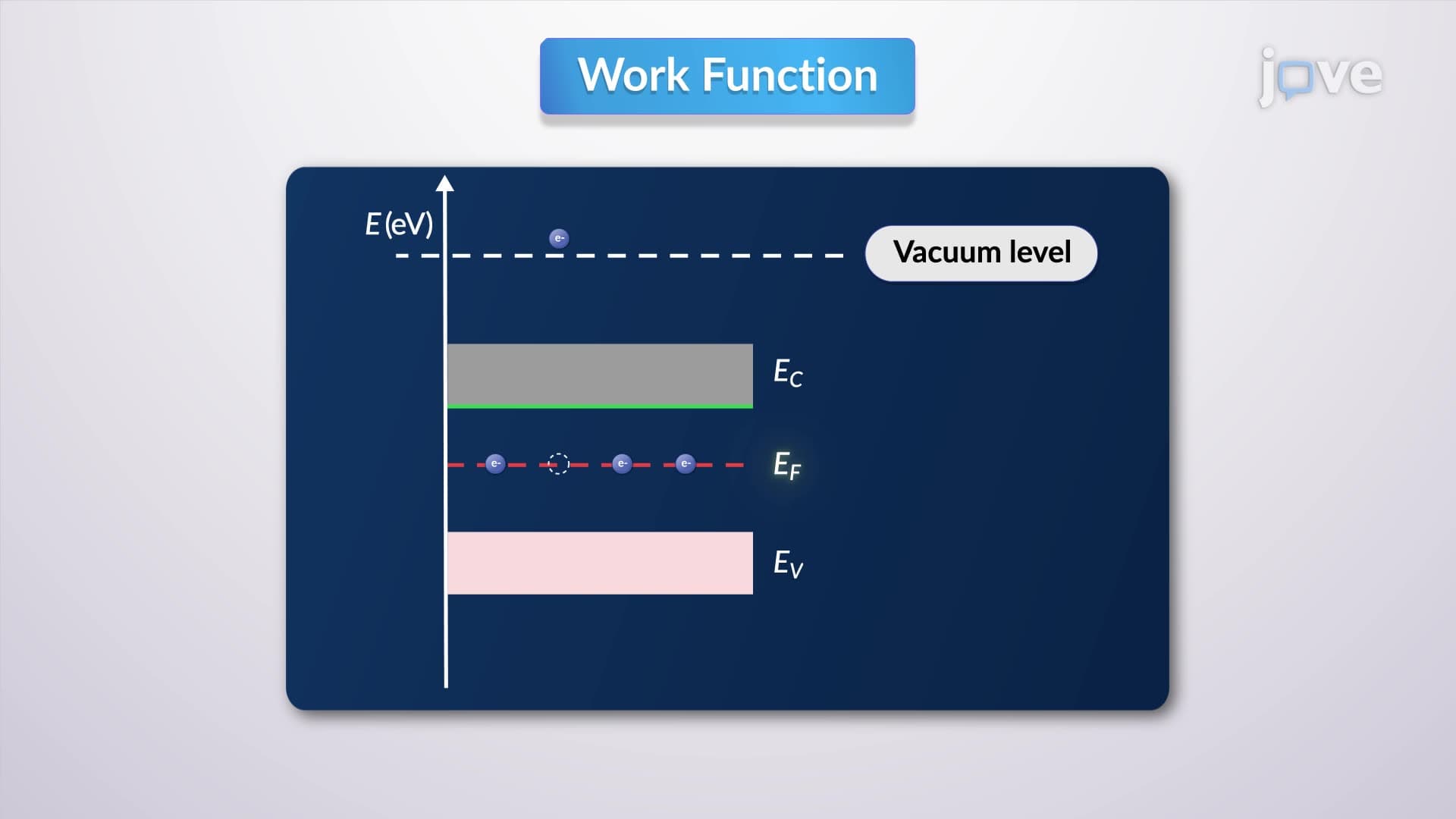

Video Summary: What Is Fermi Level Dynamics
Ever wonder why your smartphone battery works or why solar panels convert sunlight to electricity? The ideal diode forms the foundation of these technologies through Fermi level dynamics - the energy behavior at material interfaces. When metals and semiconductors meet, electrons redistribute to achieve equilibrium, creating energy barriers that control current flow. This process powers everything from computer processors at Intel to electric vehicle batteries at Tesla. Watch the full video on JoVE Coach to master this concept with expert-led visuals and step-by-step explanations.
Fermi level dynamics describes how energy levels adjust when different materials come into contact, particularly at metal-semiconductor interfaces. This fundamental concept explains why electronic devices function and forms the theoretical foundation for understanding the ideal diode behavior that students encounter in AP Physics and college-level electrical engineering courses.
The vacuum level serves as the universal energy reference point - imagine it as the "escape velocity" for electrons trying to leave a material's surface. In semiconductors like silicon used in computer chips, the vacuum level sits above the conduction band, with the energy gap between them called electron affinity. For silicon, this gap measures approximately 4.0 eV.
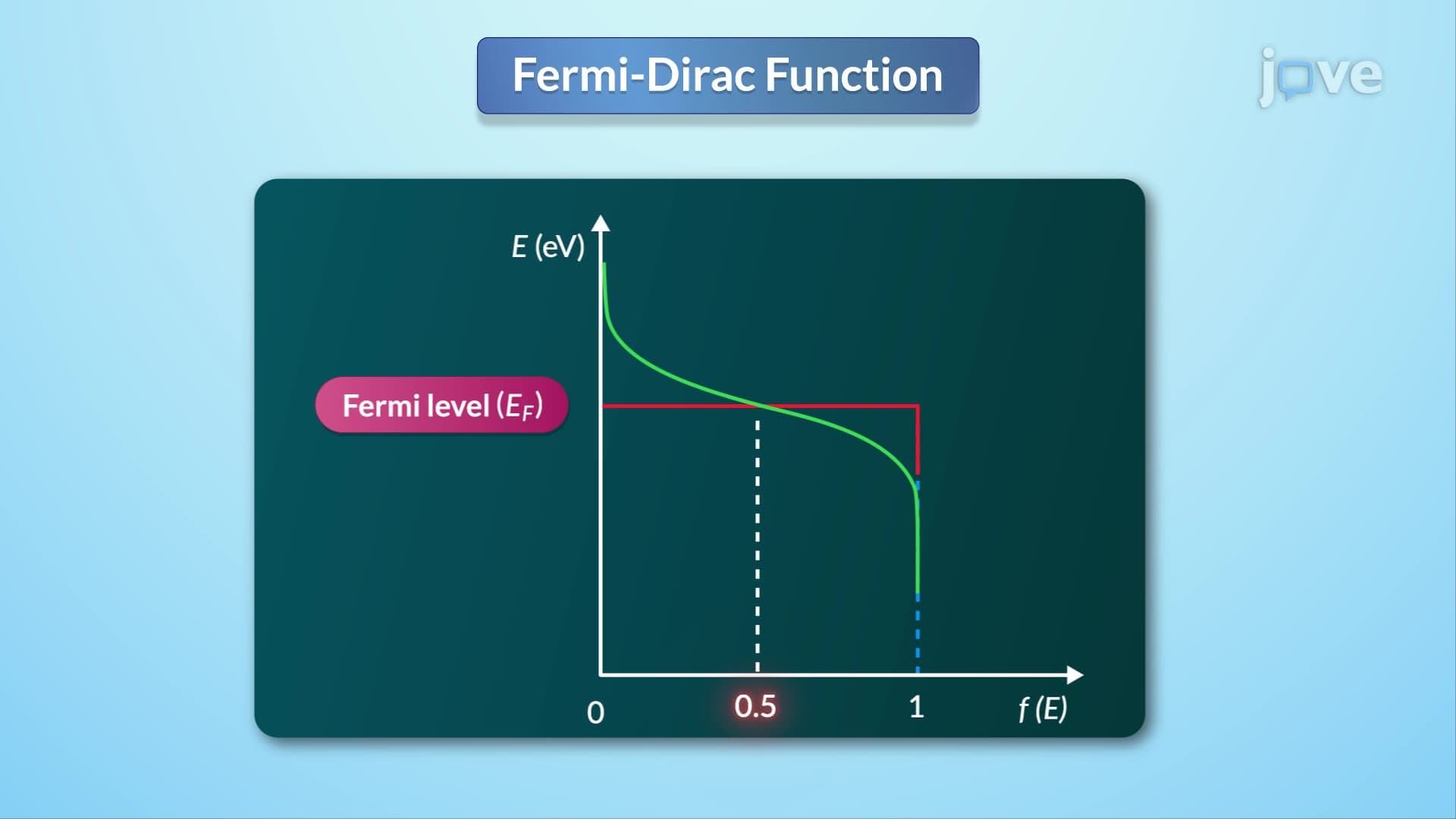
Work function represents the minimum energy needed to remove an electron from the Fermi level to the vacuum level. Metals like aluminum (used in integrated circuits) have high work functions around 4.3 eV because their Fermi levels contain densely packed electron states. Semiconductors show variable work functions depending on their doping concentration and operating temperature - crucial factors that engineers at companies like AMD and NVIDIA must consider when designing processors.
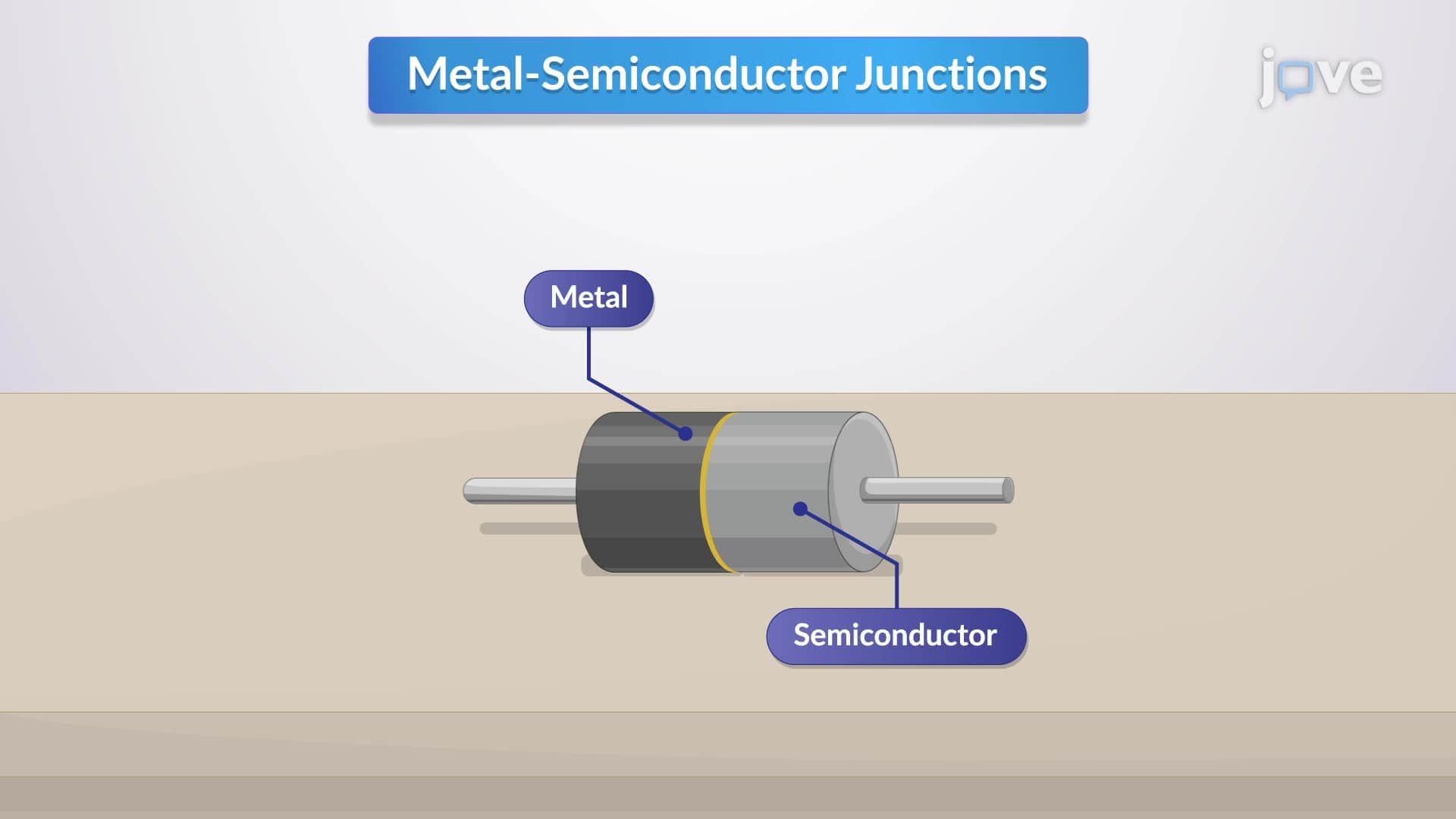
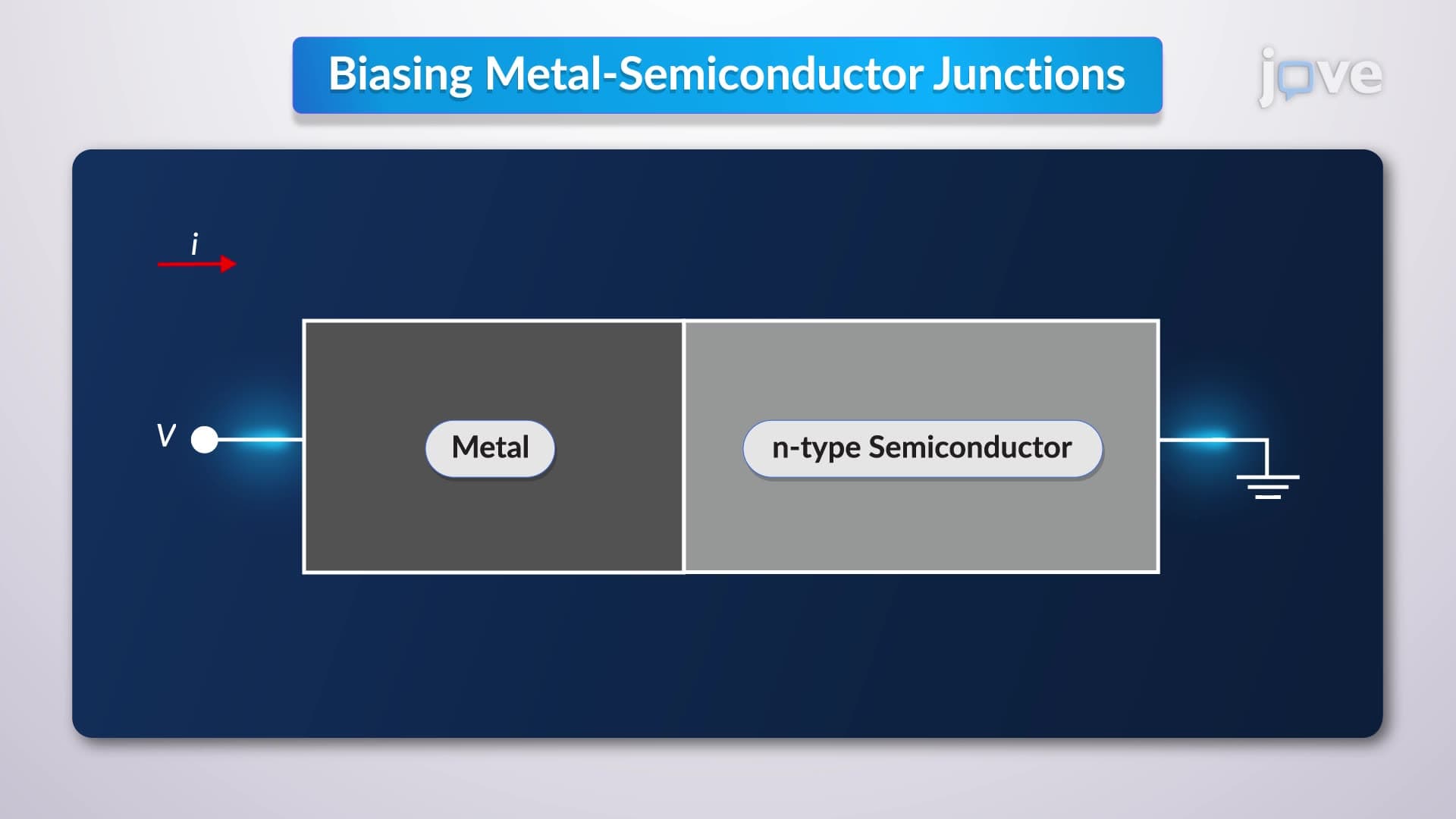
When a metal contacts a semiconductor, nature demands energy equilibrium. Electrons transfer between materials until their Fermi levels align, creating a continuous vacuum level across the interface. This charge redistribution bends the semiconductor's energy bands, forming what physicists call a Schottky barrier.
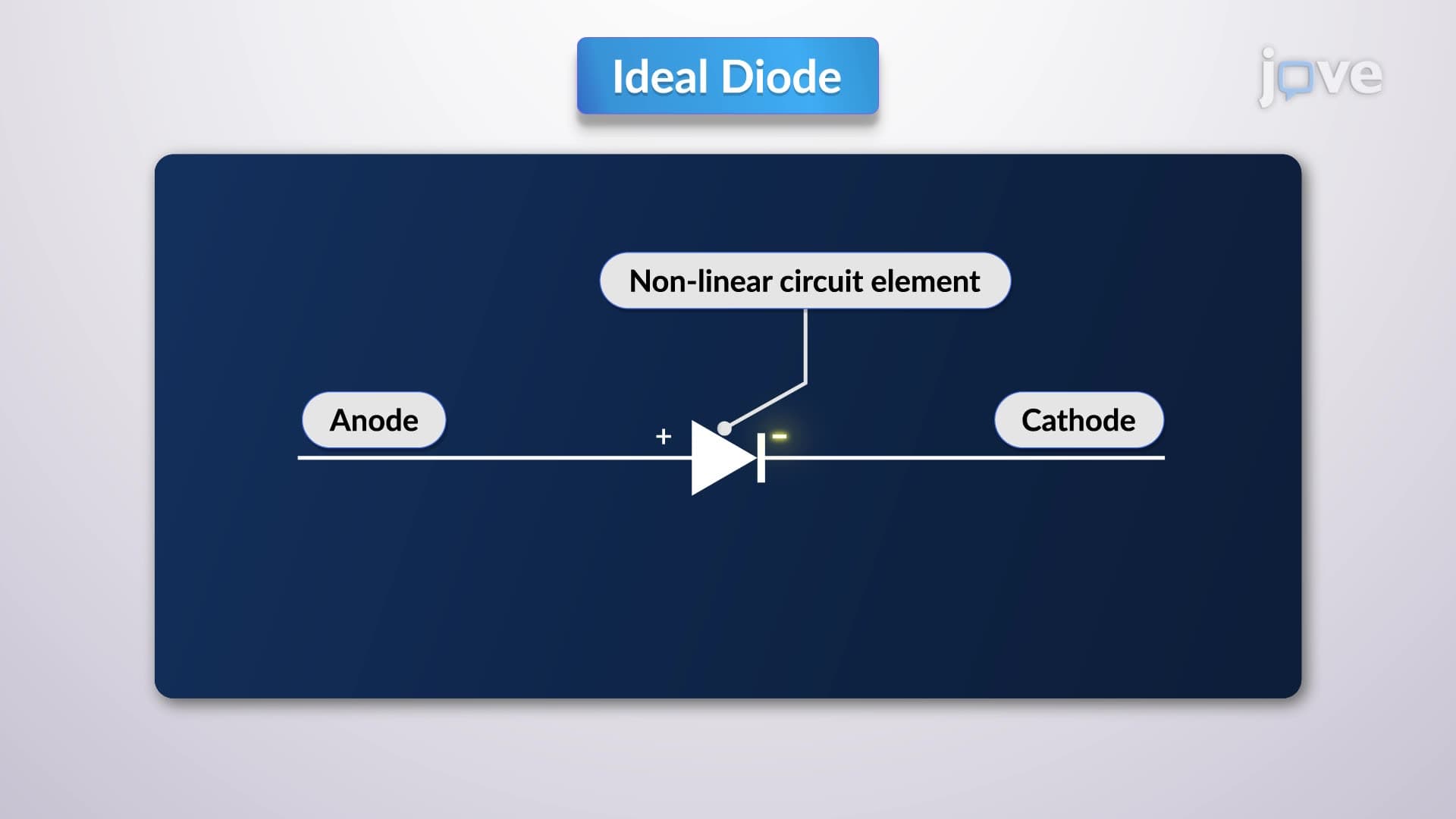
The barrier height depends on the metal's work function minus the semiconductor's electron affinity. For example, when aluminum contacts n-type silicon, the resulting barrier height affects how easily current flows - a principle that determines whether the junction behaves like the ideal diode students study in physics classes.
These concepts appear regularly on the MCAT physics section and in college semiconductor physics courses. Understanding Fermi level dynamics helps explain photovoltaic cells (solar panels), LED operation, and transistor behavior. Companies like First Solar rely on these principles when manufacturing thin-film solar cells, while semiconductor manufacturers use Schottky barriers in high-frequency electronics and power rectifiers.
Related Micro-courses