Loading video…


 11 Concepts
 9.9K views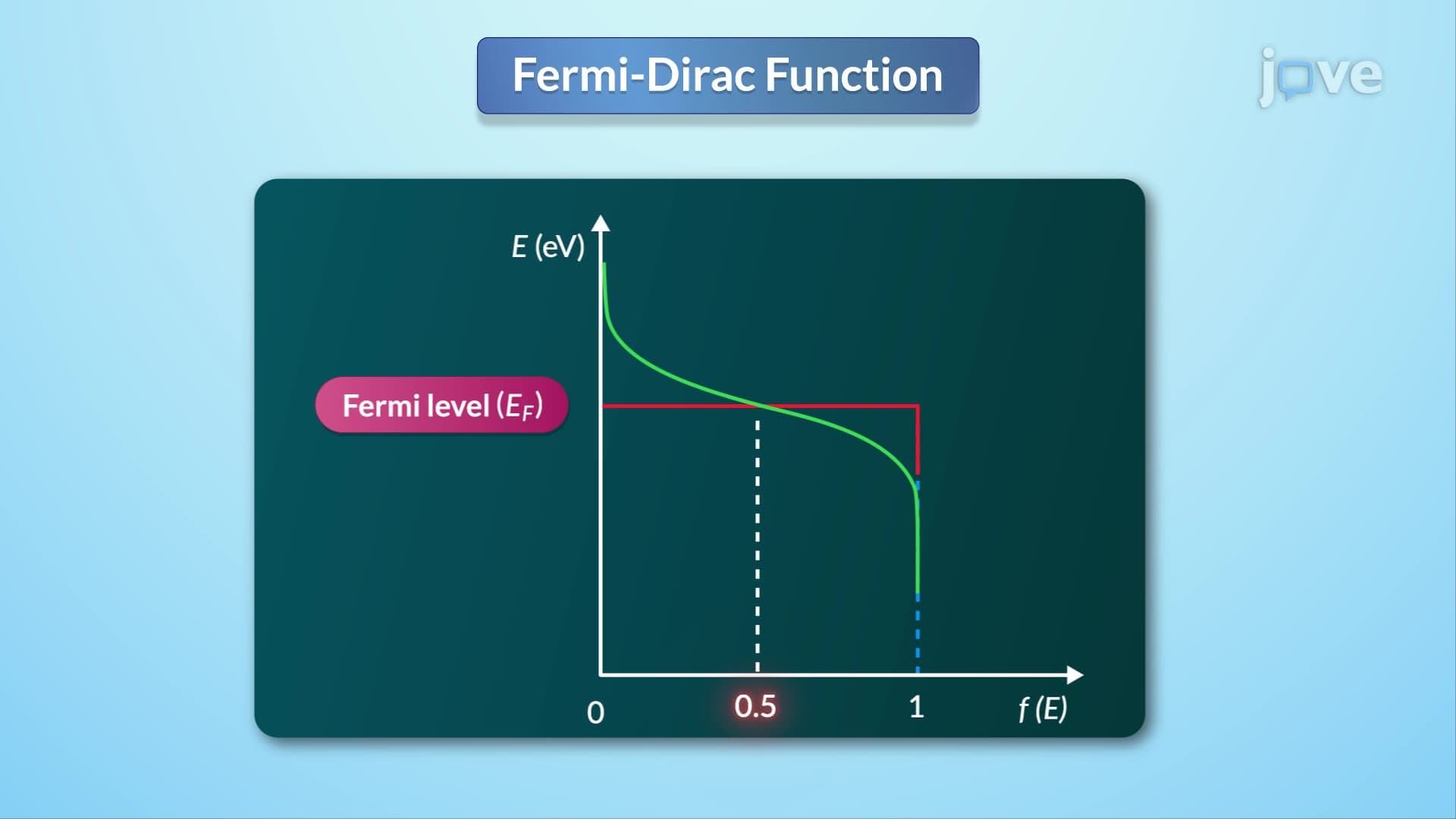

Video Summary: What Is Fermi Level
Ever wonder why your smartphone processor works differently in freezing winter versus scorching summer heat? Fermi level dynamics govern how electrons behave in semiconductors like the silicon chips powering Apple's iPhone processors manufactured in Texas. What is Fermi Level becomes crucial when understanding how temperature changes affect electronic device performance and efficiency. The Fermi level represents the energy threshold where electrons have exactly 50% probability of occupying an energy state, determining semiconductor behavior in everything from solar panels to computer chips. Watch the full video on JoVE Coach to master this concept with expert-led visuals and step-by-explanations.
The Fermi level dynamics represent one of quantum mechanics' most practical applications in modern technology. Named after Italian physicist Enrico Fermi, this concept describes the energy level where electrons have exactly 50% probability of occupancy at any given temperature. Understanding fermi level dynamics definition becomes essential for students pursuing electrical engineering, materials science, or physics careers.
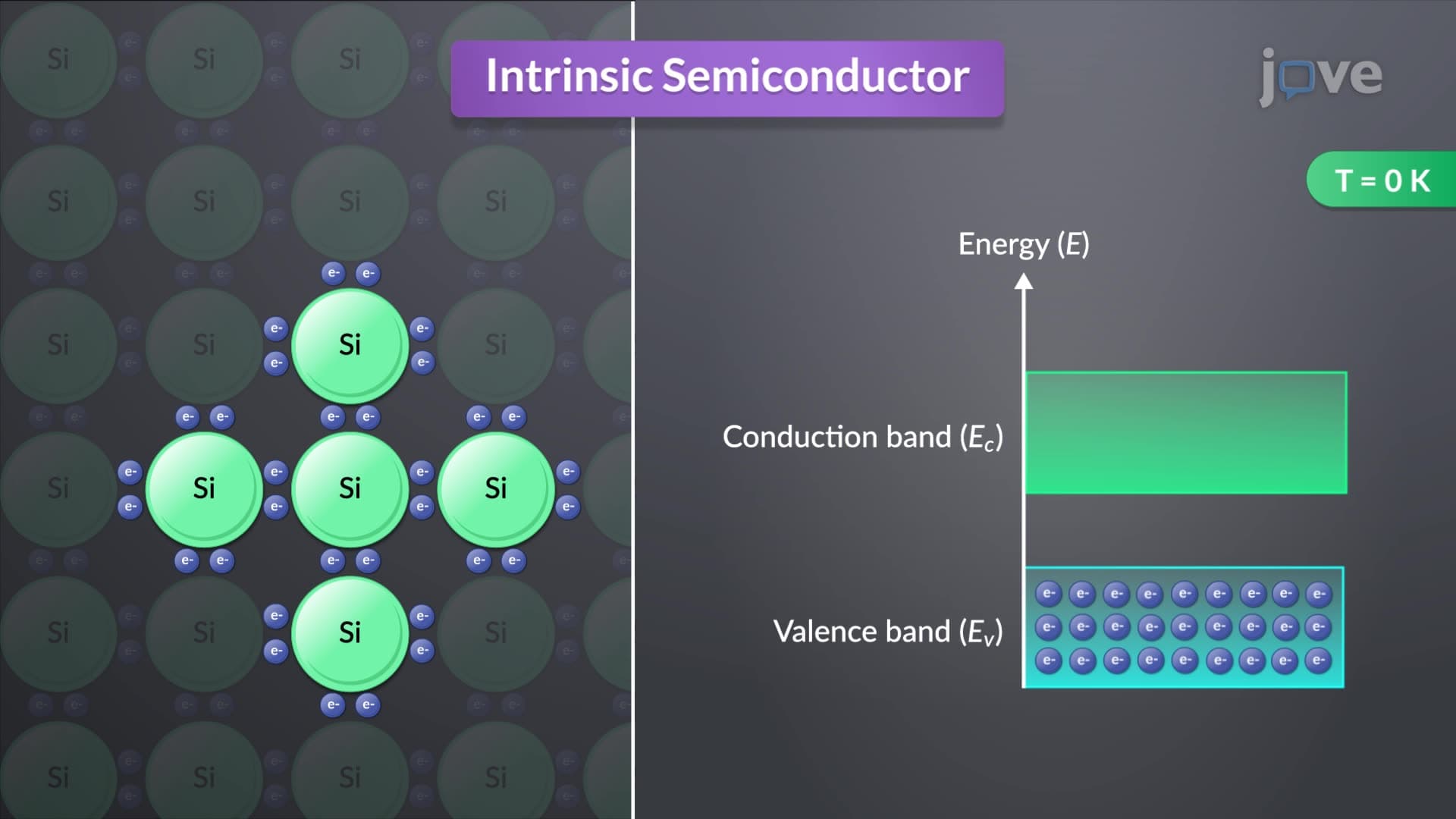
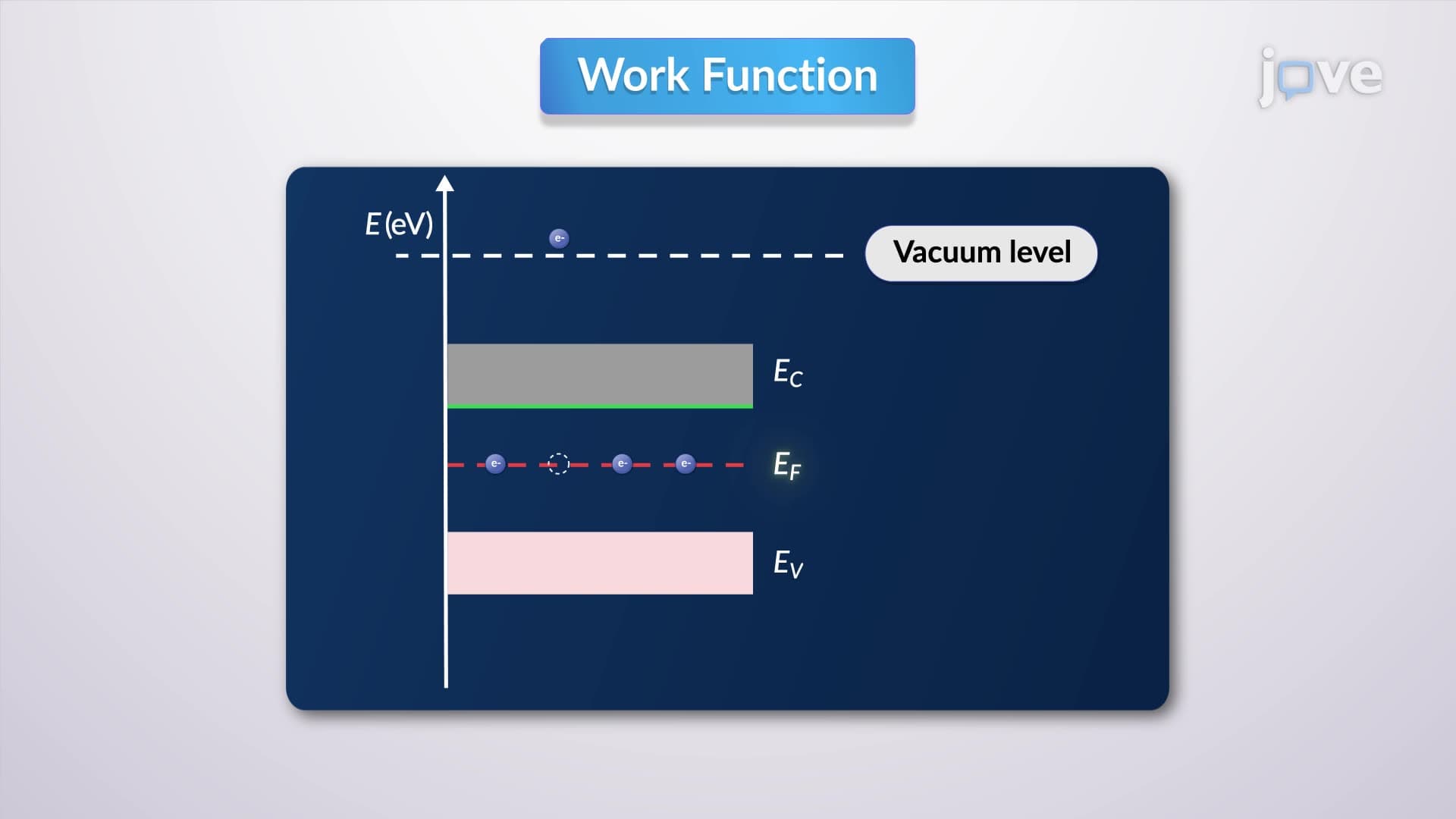
What is fermi level dynamics in detail requires examining how electron and hole concentrations affect energy band positioning. In intrinsic semiconductors like pure silicon wafers used by Intel's Oregon fabrication facilities, equal electron and hole concentrations position the Fermi level precisely in the middle of the band gap. This balanced state explains why pure semiconductors have limited conductivity.
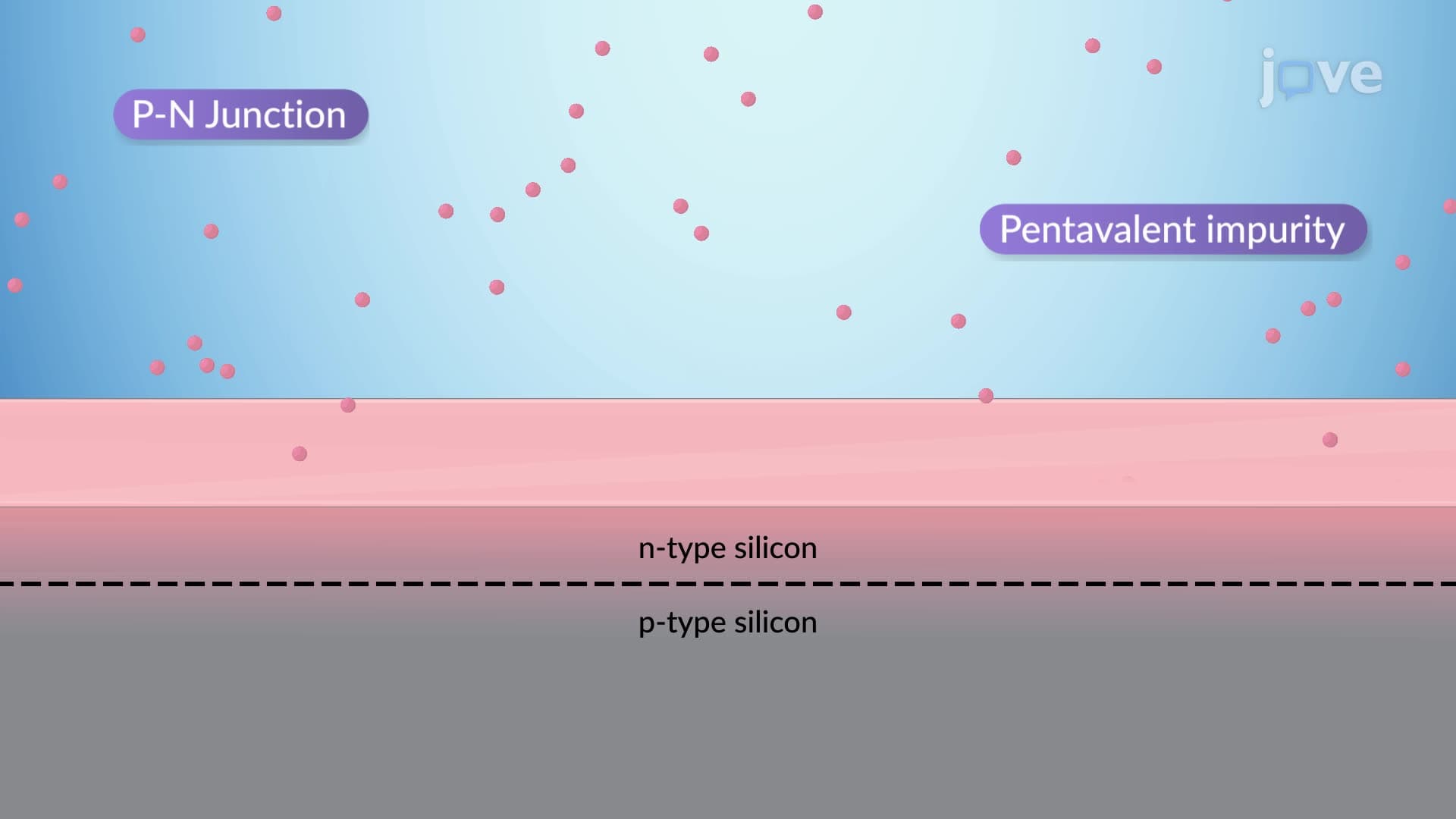
N-type semiconductors, created by adding phosphorus atoms to silicon, introduce extra electrons that shift the Fermi level closer to the conduction band. Companies like Texas Instruments utilize this principle in their Dallas manufacturing plants to create transistors with enhanced electron flow. Conversely, p-type semiconductors incorporate boron atoms, creating electron holes that pull the Fermi level toward the valence band.
The fermi level dynamics overview reveals how temperature dramatically affects semiconductor behavior. At absolute zero, all energy states below the Fermi level remain completely filled, while higher states stay empty. However, as temperature increases-like summer conditions affecting solar panels in Arizona-thermal energy enables electrons to jump from valence to conduction bands, shifting the Fermi level upward.
This temperature dependence explains why smartphone processors throttle performance during hot weather and why NASA's Mars rovers require specialized thermal management. Students preparing for AP Physics or college semiconductor courses should understand these thermal effects for exam success.
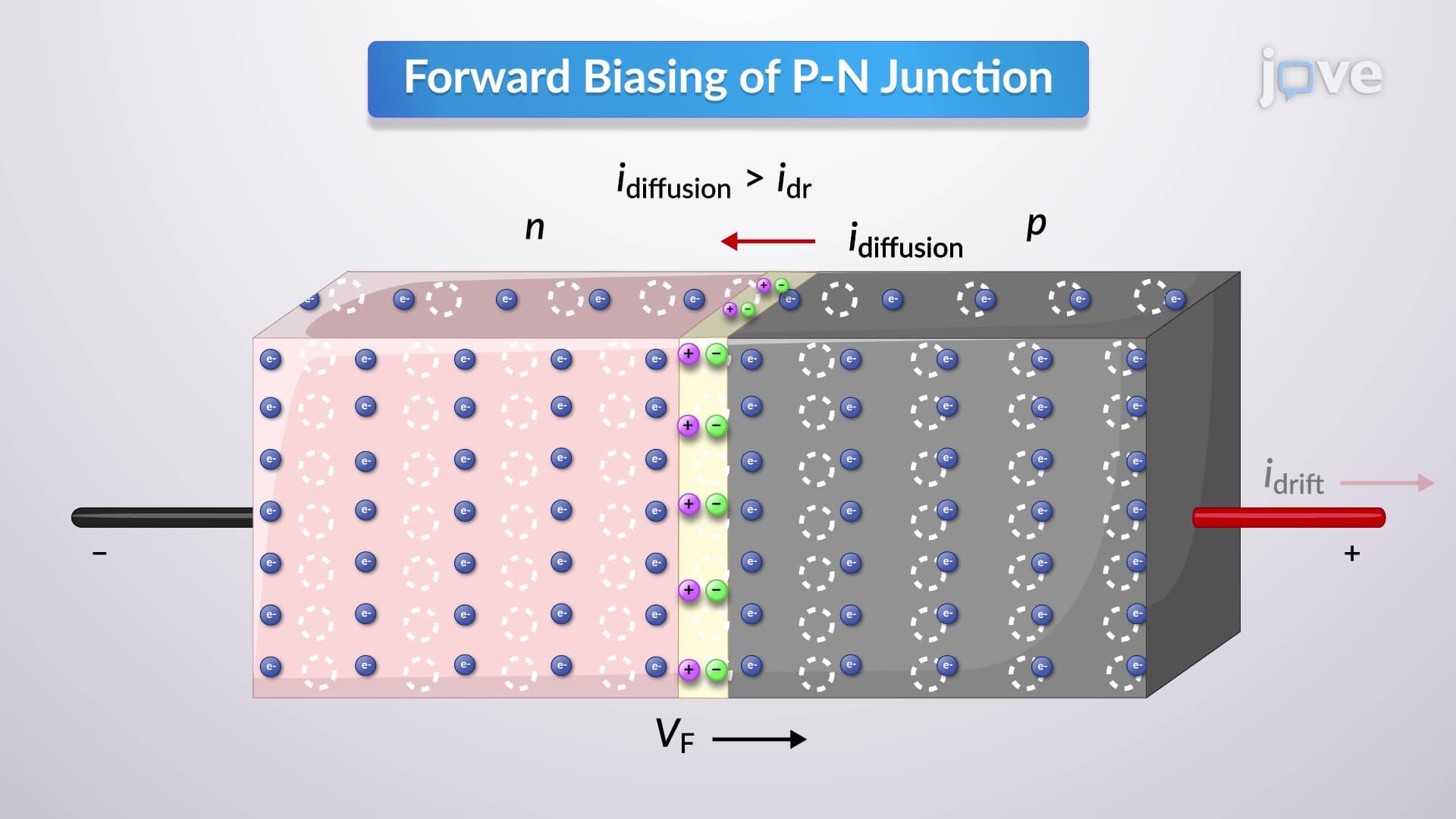
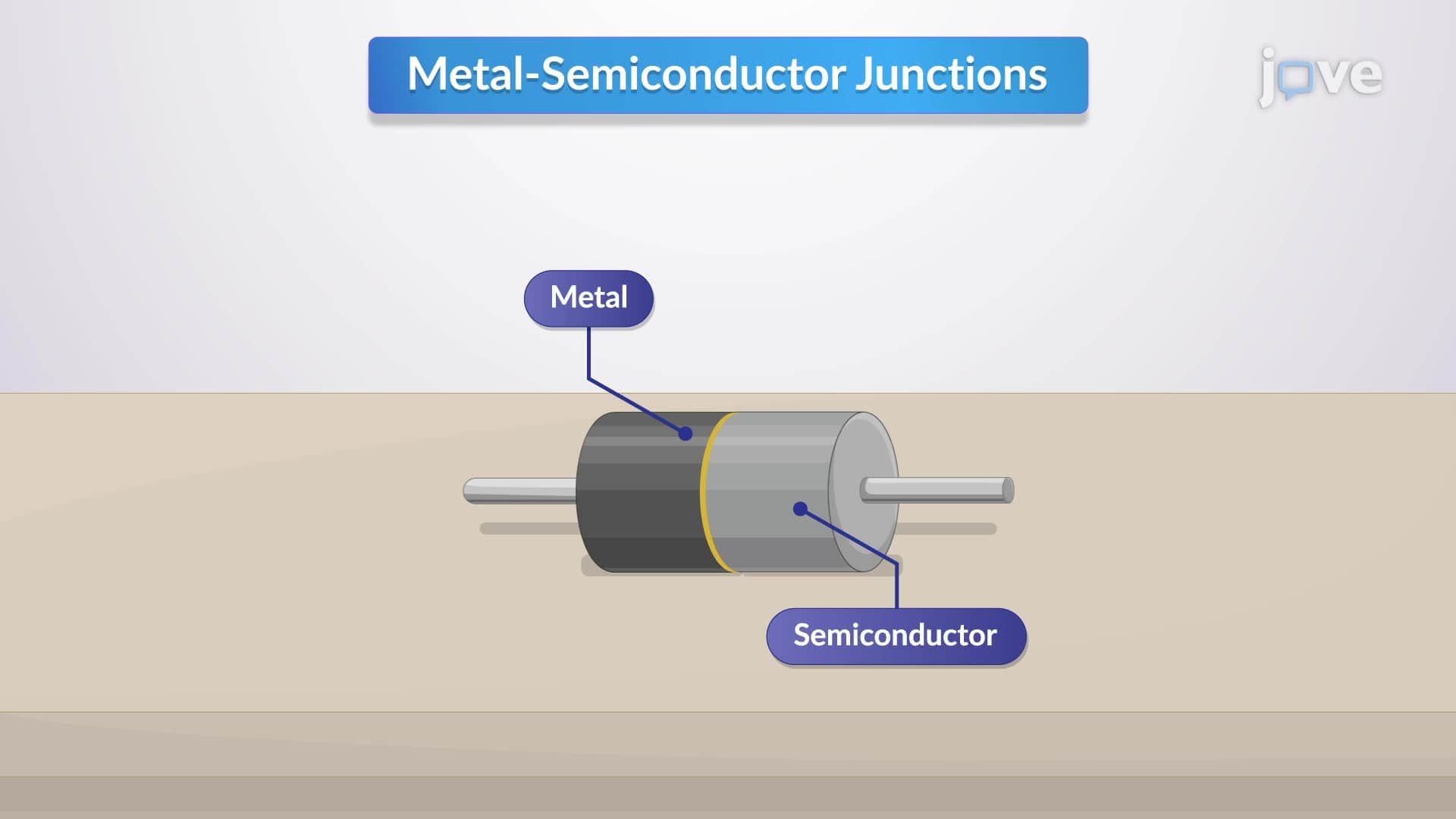
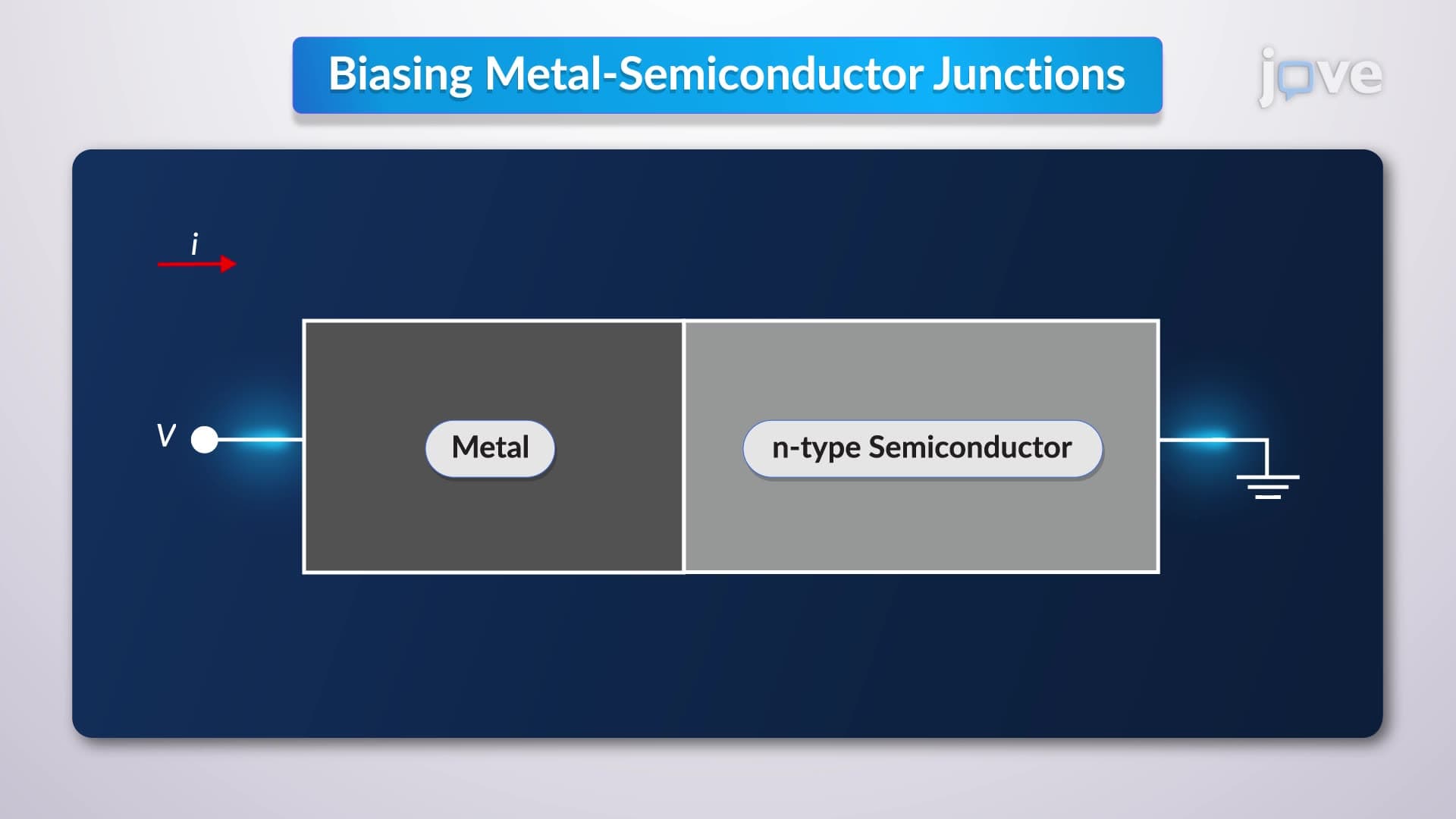
When materials with different Fermi levels connect, electrons flow from higher to lower energy levels until equilibrium establishes uniform Fermi levels across the junction. This principle underlies every semiconductor device operation, from LED lights manufactured in North Carolina to photovoltaic cells produced in California's Silicon Valley. Understanding this alignment process proves crucial for MCAT physics sections and electrical engineering coursework.
Related Micro-courses