Loading subject page…
- Analytical Chemistry
- Atomic Spectroscopy
- Atomic Absorption Spectroscopy: Interference
Micro-course: Atomic Spectroscopy
18,939 views
Learn key concepts and earn your certificate.

Atomic Absorption Spectroscopy: Interference

00:00
01:25
Video Summary: What Is Atomic Absorption Spectroscopy Interference
Ever wonder why environmental labs analyzing lead in drinking water sometimes get false readings? AAS interference types can cause inaccurate results when analyzing trace metals in water samples, potentially missing dangerous contamination levels. The EPA requires strict quality control measures because what is atomic absorption spectroscopy interference directly impacts public health decisions. When the Massachusetts Department of Public Health analyzed water samples during the Flint water crisis investigation, understanding interference mechanisms was crucial for accurate lead detection. Watch the full video on JoVE Coach to master this concept with expert-led visuals and step-by-step explanations.
- Understand what is atomic absorption spectroscopy interference and identify the three primary interference categories that affect analytical accuracy
- Identify spectral interference sources and evaluate appropriate background correction techniques like Zeeman or deuterium correction methods
- Analyze chemical interference mechanisms, including matrix effects and nonvolatile salt formation that reduce atomization efficiency
- Compare different approaches for minimizing ionization interference through the addition of easily ionized suppressor elements
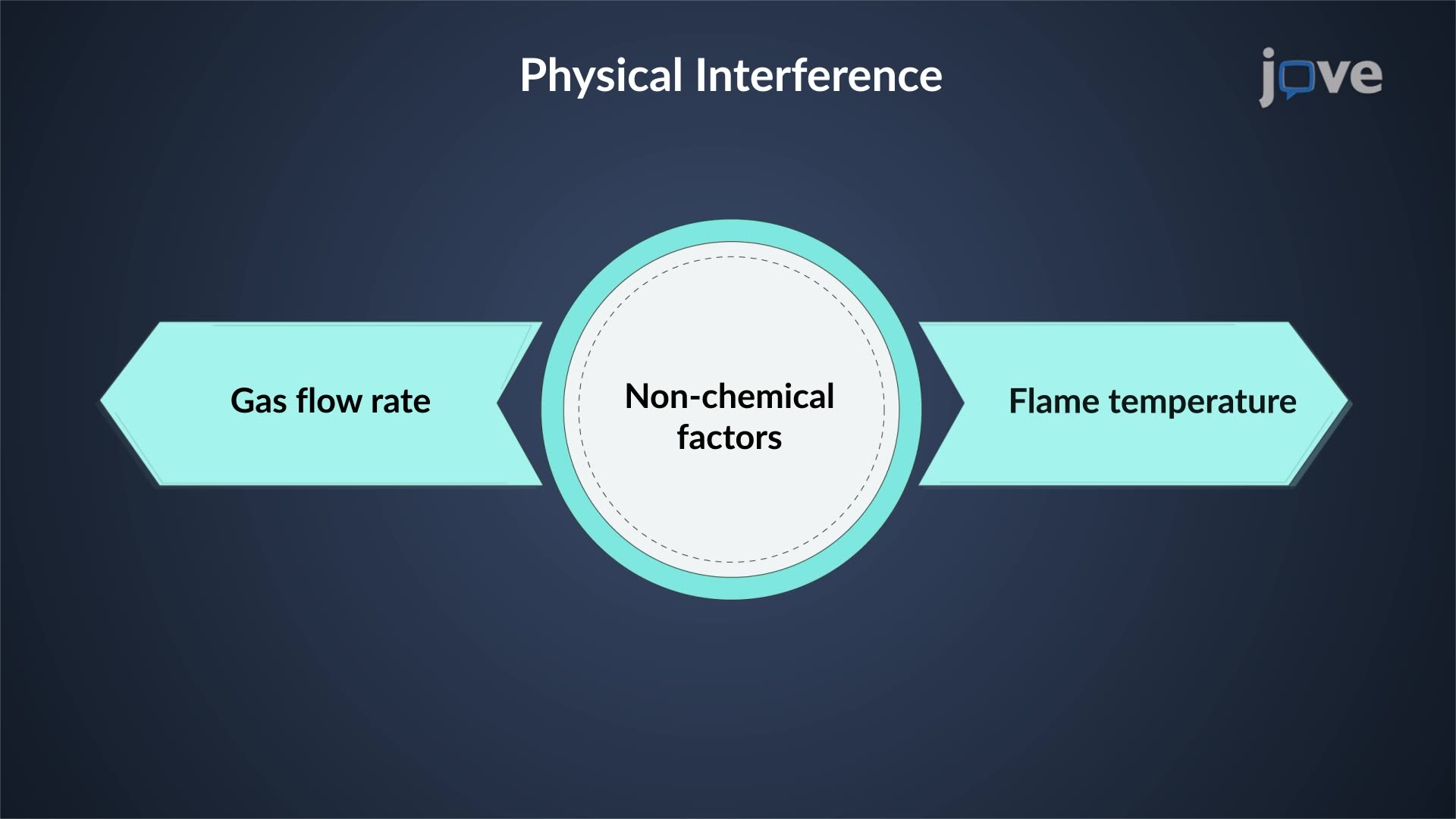
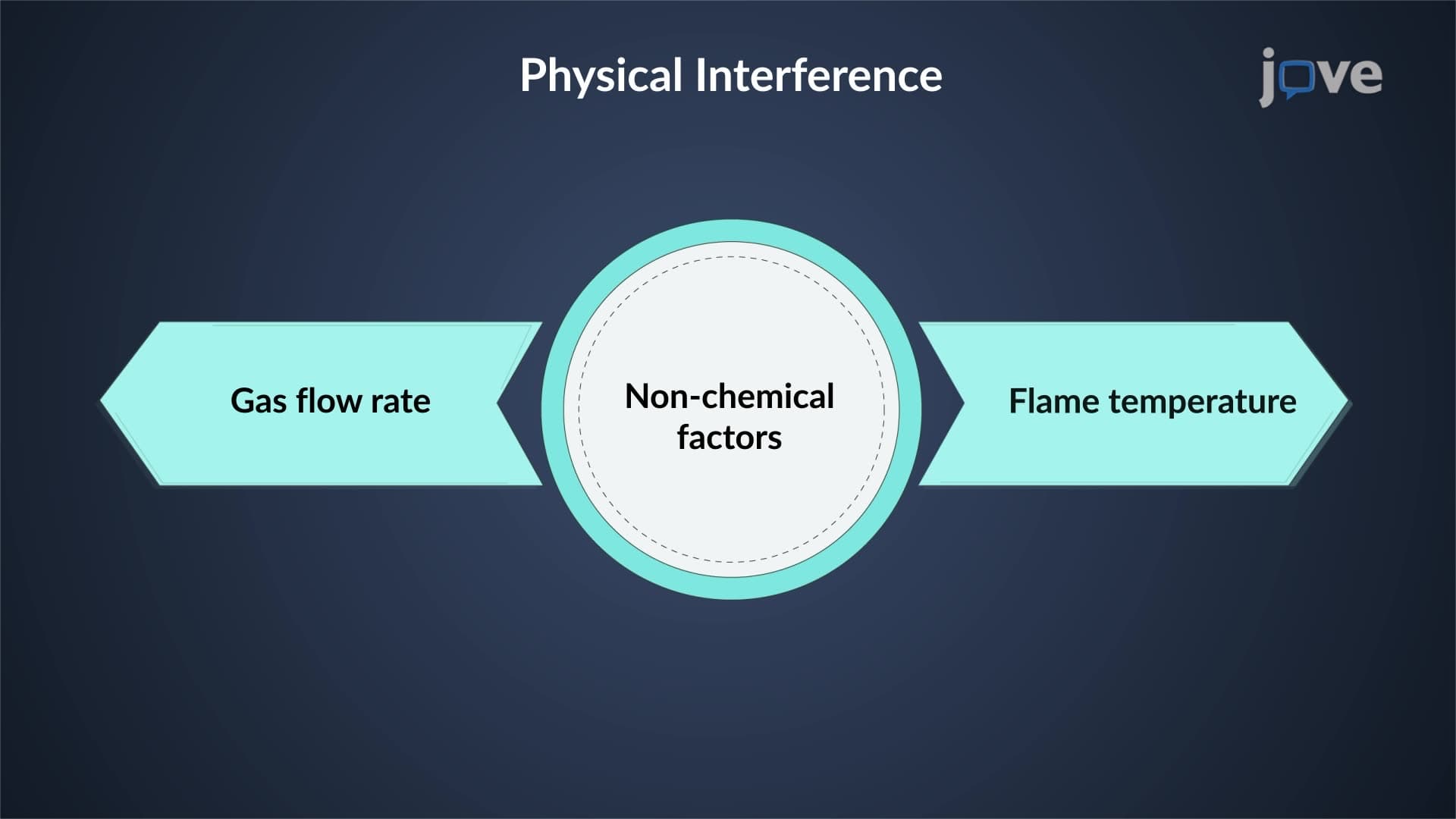
- Evaluate physical interference factors such as gas flow variations and temperature fluctuations that impact measurement precision
- Apply interference correction strategies including internal standards, complexing agents, and optimized atomization conditions
- Recognize real-world scenarios where AAS interference types critically affect environmental monitoring and clinical diagnostics
- Explore quality control protocols used by analytical laboratories to ensure reliable trace metal analysis results
Understanding What is Atomic Absorption Spectroscopy Interference
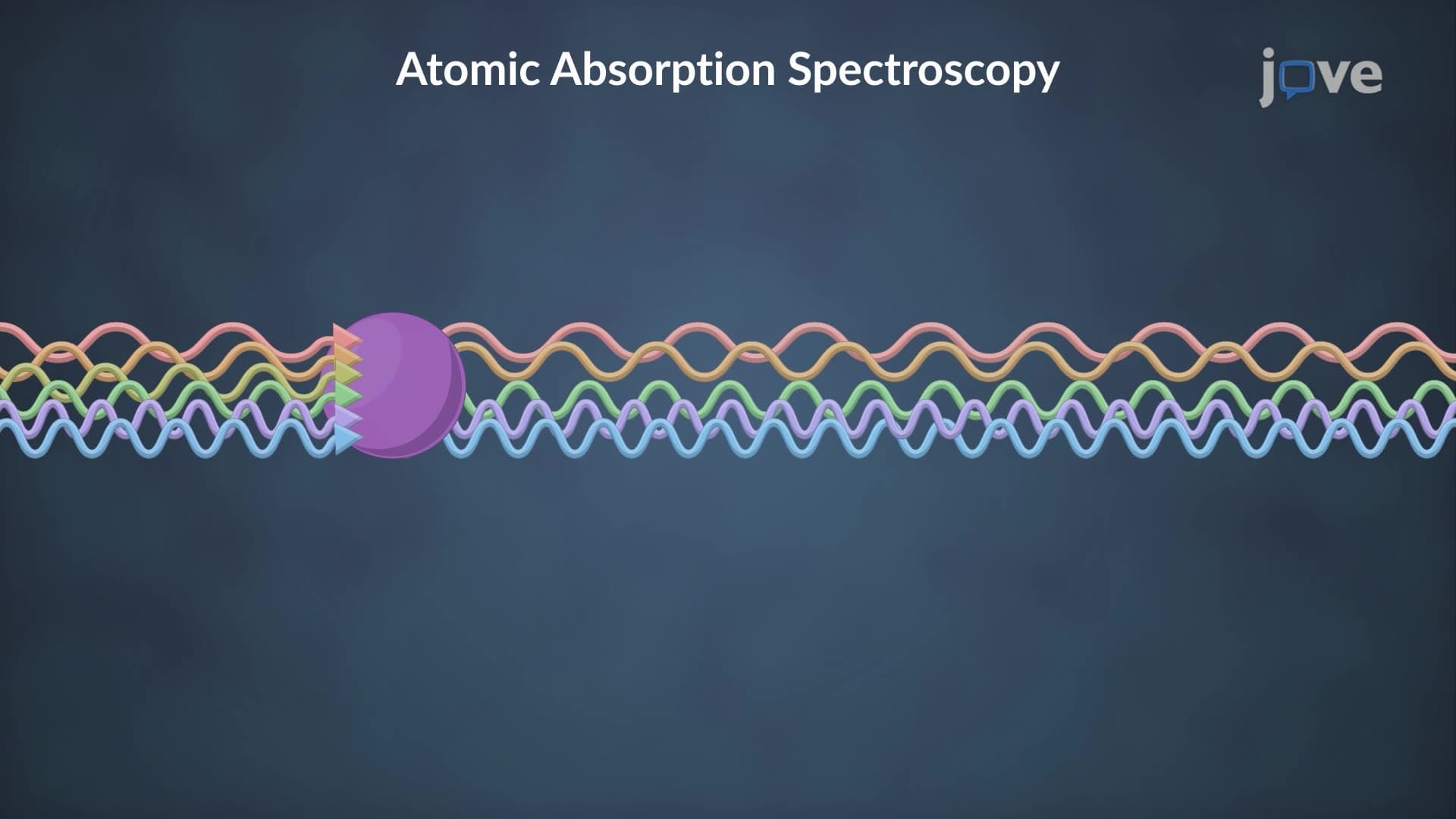
Interferences in atomic absorption spectroscopy represent systematic errors that compromise analytical accuracy by altering the relationship between analyte concentration and measured absorbance. These interference mechanisms can lead to falsely elevated or suppressed signals, potentially causing misdiagnosis in clinical settings or incorrect environmental assessments. The FDA requires pharmaceutical companies to validate AAS methods specifically addressing potential AAS interference types when analyzing trace metals in drug products.
Spectral Interference AAS: Overlapping Signals and Background Correction
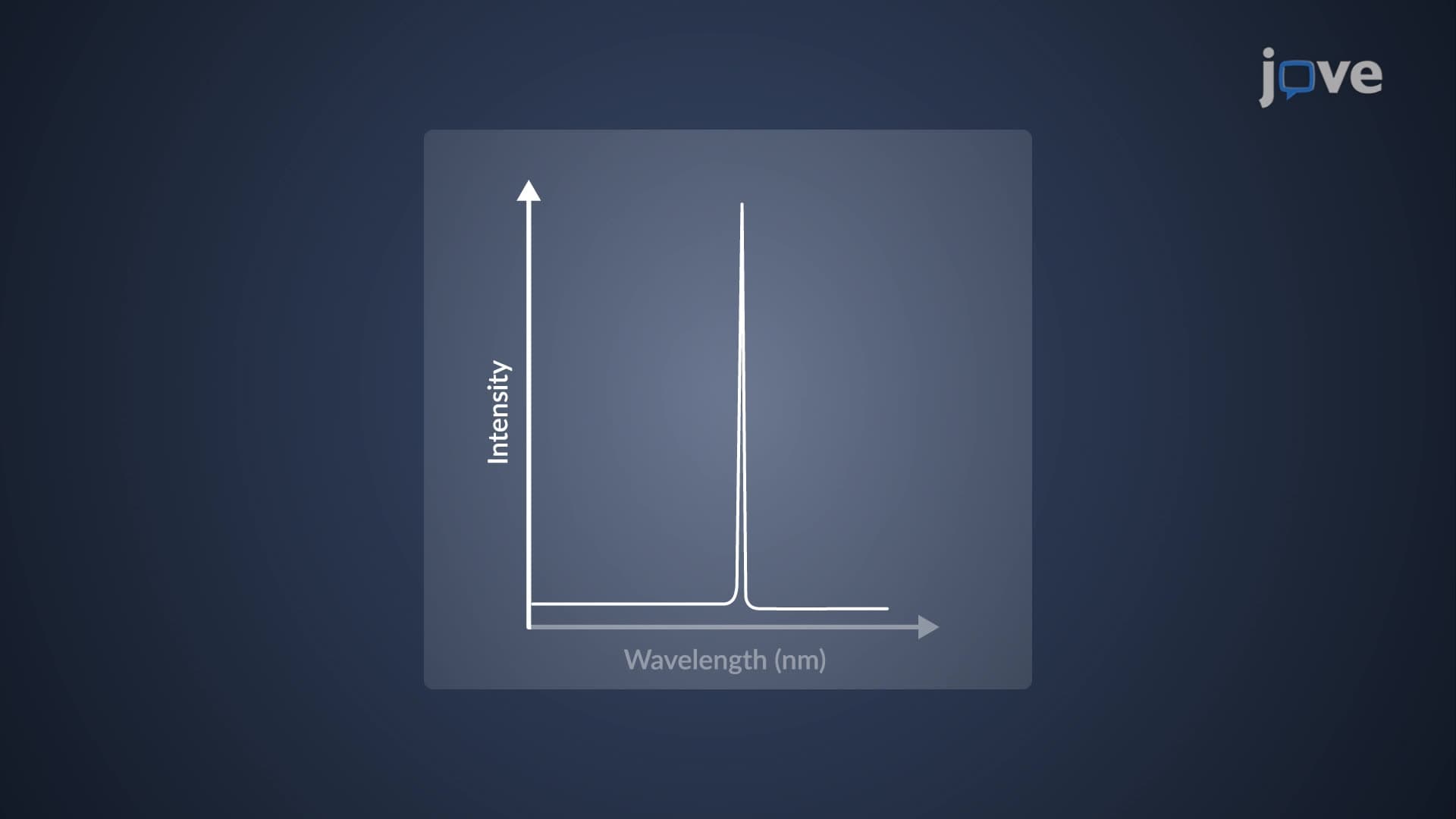
Spectral interference AAS occurs when unwanted signals overlap with the analyte's characteristic absorption wavelength. This commonly happens when analyzing biological samples containing high sodium concentrations, where sodium D-line emission can interfere with other metal determinations. Modern laboratories employ sophisticated background correction AAS systems including Zeeman effect correction, which uses magnetic fields to separate analyte signals from background interference. Smith-Hieftje correction alternates between high and low current measurements, while deuterium lamps provide continuum background correction for many applications.
Clinical laboratories analyzing serum copper levels in Wilson's disease patients must account for iron interference at certain wavelengths. High-resolution spectrometers with narrow spectral bandwidths can resolve closely spaced absorption lines, minimizing spectral overlap issues that plague older instruments.
Chemical Interference AAS and Matrix Effects
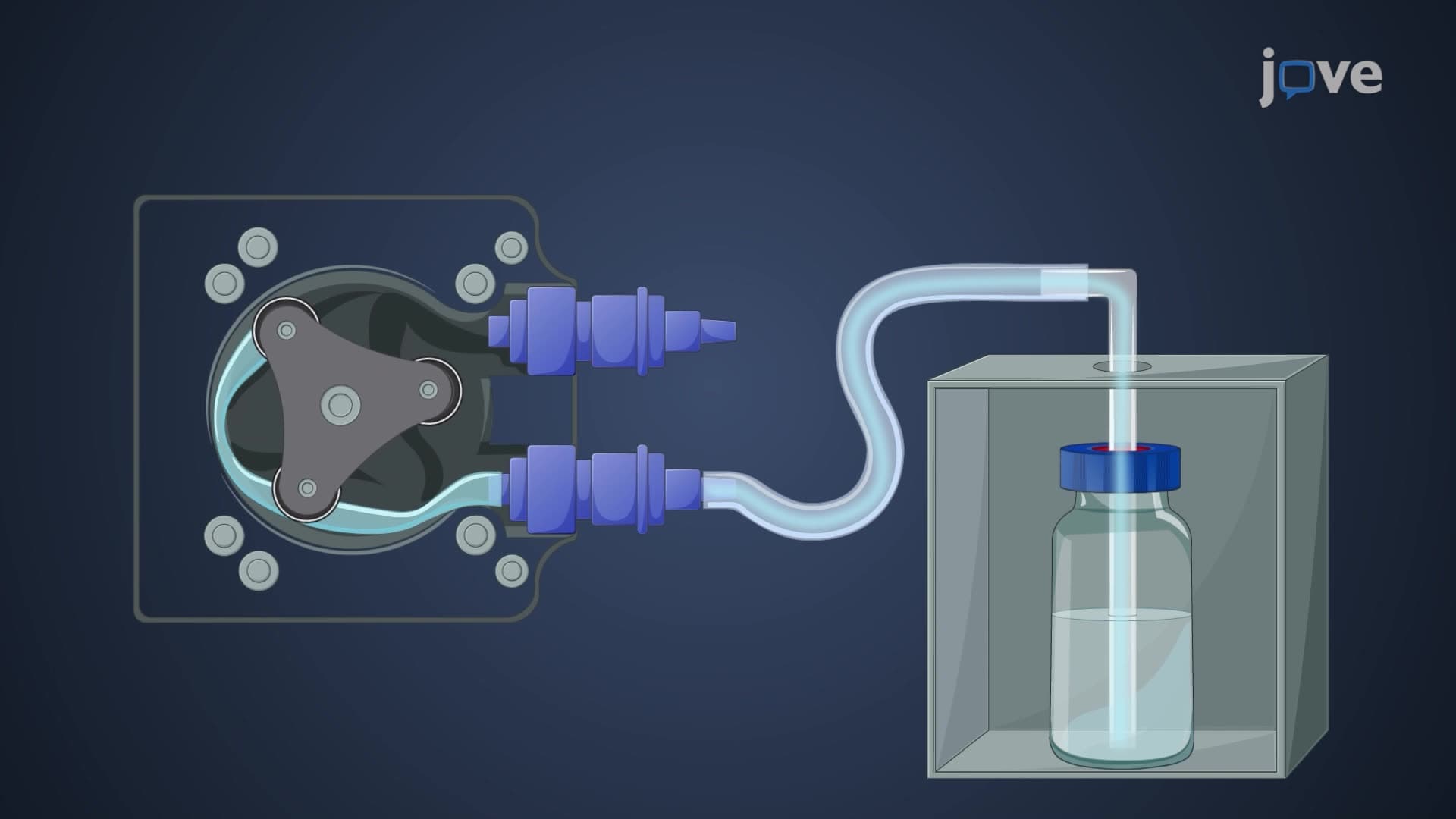
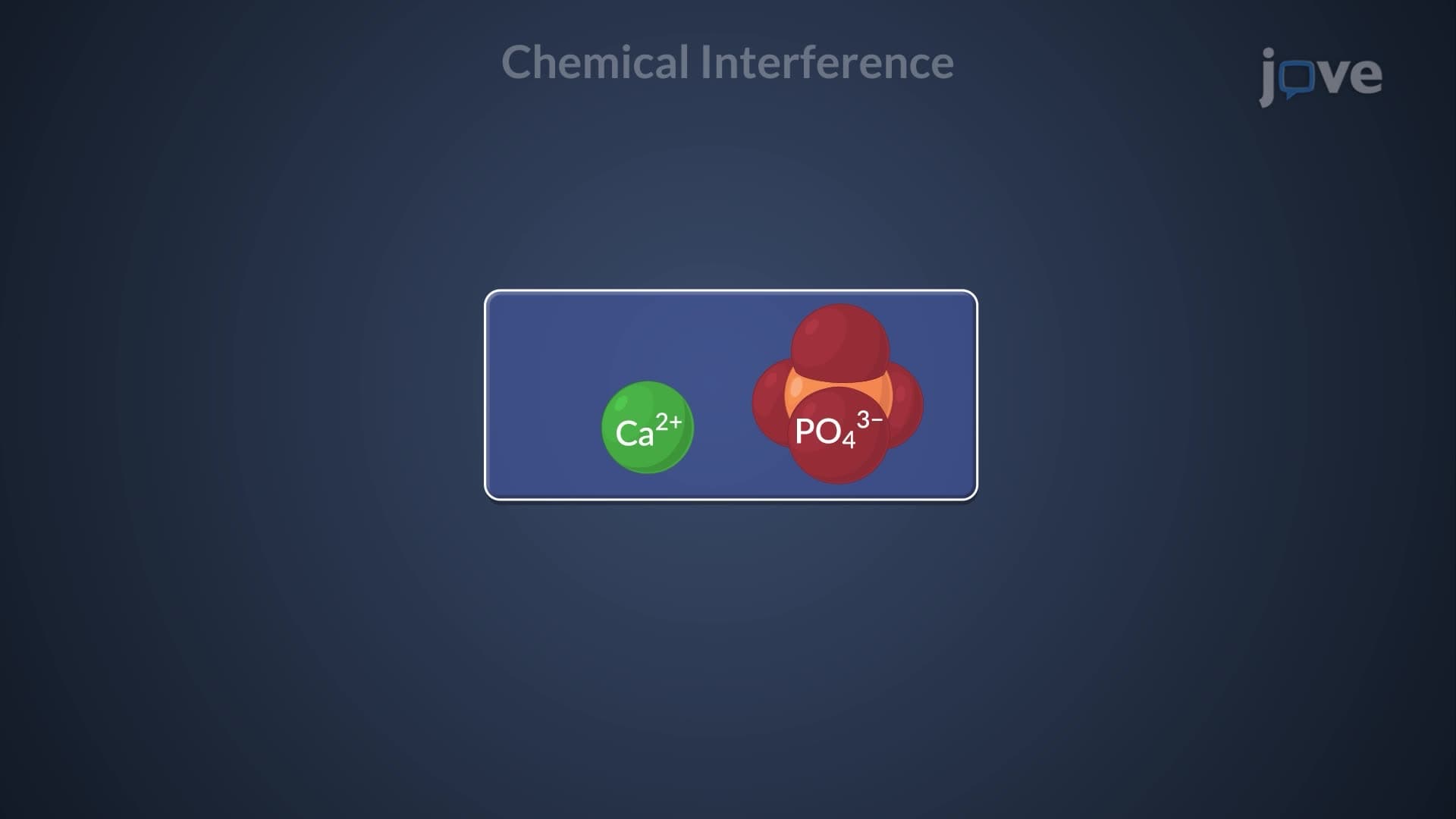
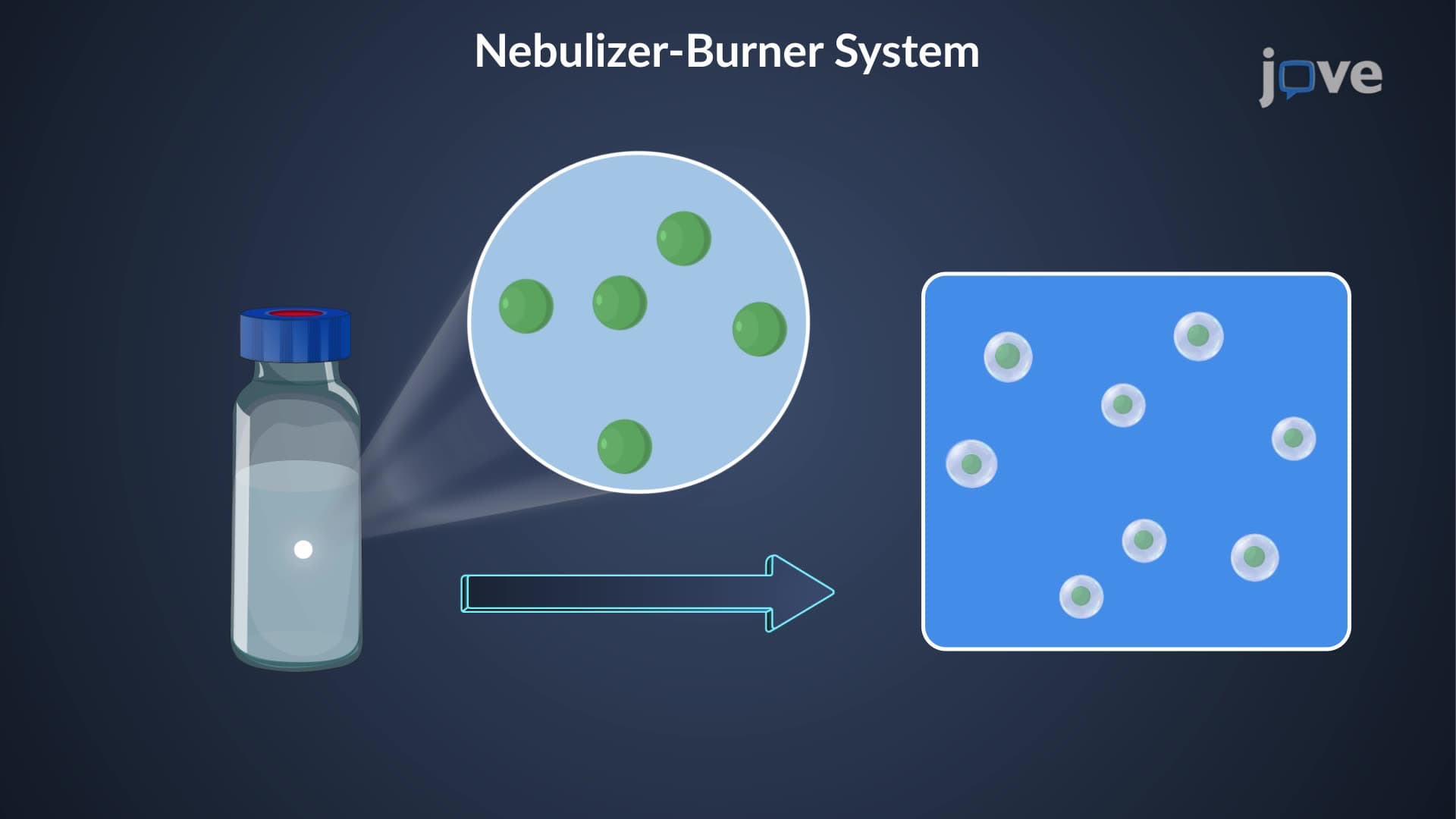
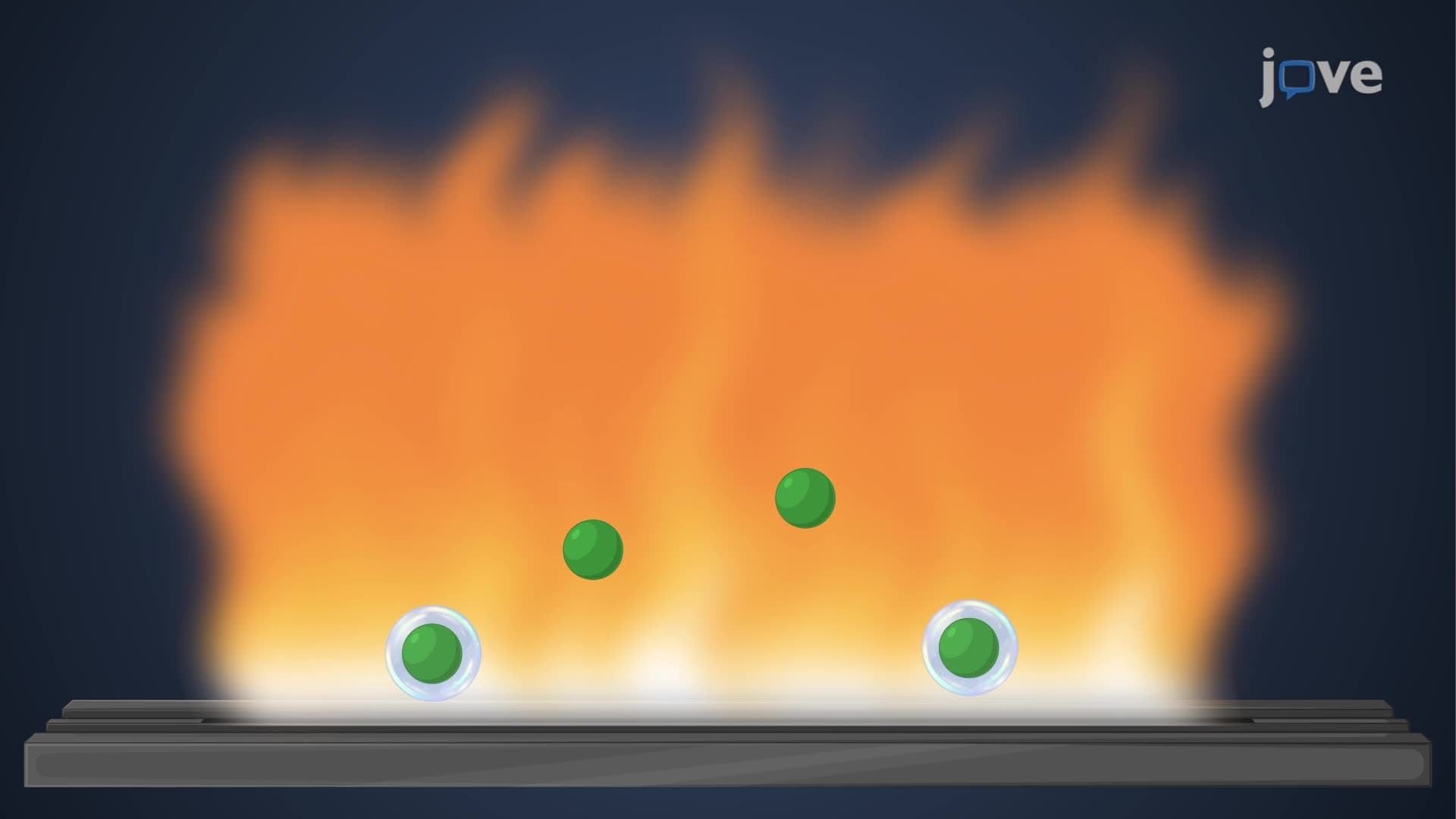
Chemical interference AAS mechanisms involve analyte interactions with sample matrix components, forming thermally stable compounds that resist atomization. Matrix interference AAS frequently occurs when analyzing geological samples containing phosphates, which form refractory compounds with calcium and magnesium. These nonvolatile salts require higher atomization temperatures or chemical modification to ensure complete dissociation.
The addition of releasing agents like lanthanum or strontium can effectively eliminate phosphate interference in calcium determinations. Alternatively, complexing agents such as EDTA can mask interfering species, preventing their interaction with target analytes. Environmental laboratories analyzing soil samples for heavy metals routinely add matrix modifiers to overcome chemical interference effects.
Ionization Interference AAS: Suppression Strategies
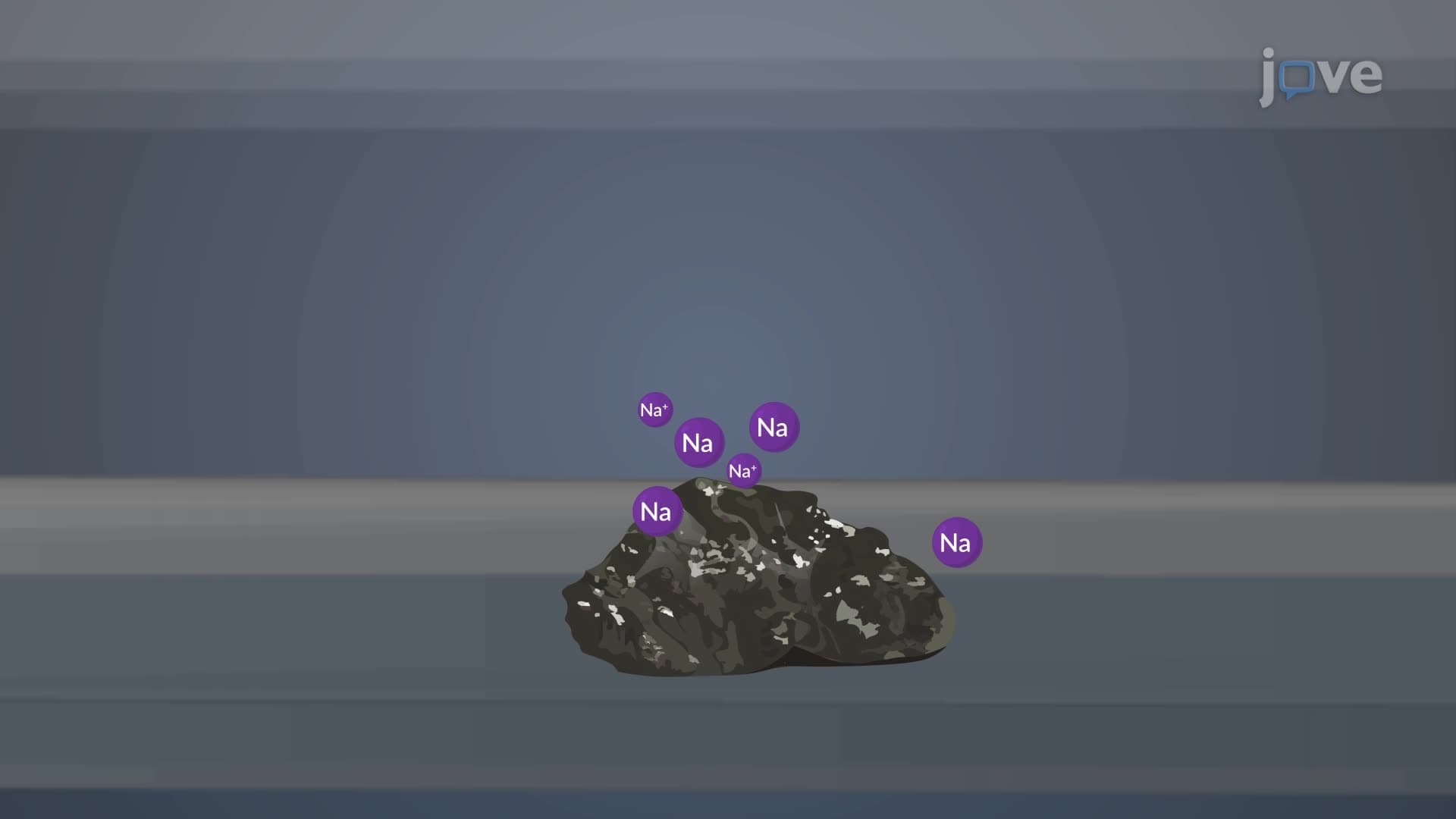
Ionization interference AAS becomes significant when analyzing easily ionized elements like alkali metals at high flame temperatures. When atoms ionize rather than remaining in ground state, absorption signals decrease proportionally to the ionization degree. The classic solution involves adding excess potassium or cesium as ionization suppressors-these elements ionize preferentially, maintaining the analyte in its atomic form.
This principle proves essential when analyzing sodium or potassium in biological fluids, where varying sample matrices could cause inconsistent ionization behavior. The MCAT frequently tests understanding of Le Chatelier's principle applied to ionization equilibria in analytical chemistry contexts.
Frequently Asked Questions
Atomic absorption spectroscopy interference refers to systematic effects that distort the relationship between analyte concentration and measured signal. These interferences can cause false positive or negative results in critical applications like clinical diagnostics, environmental monitoring, and pharmaceutical quality control. Understanding interference types enables analysts to select appropriate correction methods and ensure reliable quantitative results.
Exam questions often present scenarios where students must identify interference sources and recommend correction strategies. For example, you might analyze why calcium readings are low in samples containing phosphate (chemical interference) or explain how adding cesium improves potassium determinations (ionization suppression). MCAT passages frequently connect AAS interference concepts to biological matrix effects in clinical analysis.
Modern instruments use background correction methods including deuterium lamps for continuum correction, Zeeman effect correction using magnetic fields, and Smith-Hieftje correction alternating lamp currents. High-resolution spectrometers with narrow bandwidths can also resolve overlapping spectral lines. The choice depends on the specific interference wavelengths and instrument capabilities available.
The EPA requires AAS interference control when analyzing drinking water for lead and copper compliance monitoring. Clinical laboratories must address matrix interference when measuring trace metals in blood serum for diagnosing conditions like Wilson's disease or heavy metal poisoning. Pharmaceutical companies validate interference correction methods to meet FDA requirements for drug product analysis.
Basic understanding of atomic structure, chemical bonding, and equilibrium principles from general chemistry provides sufficient foundation. High school chemistry students familiar with flame tests and atomic spectra can grasp the fundamental concepts. The mathematical aspects involve straightforward relationships between concentration and absorbance rather than complex calculations.
Focus on understanding the underlying chemistry rather than memorizing correction methods. Practice identifying when phosphate interferes with alkaline earth metals, how matrix modifiers work, and why certain elements require ionization suppressors. Create concept maps linking interference types to their chemical causes and appropriate solutions.
Mastering interference concepts provides foundation for studying other atomic spectroscopy techniques like inductively coupled plasma (ICP) spectroscopy and atomic fluorescence. The principles of matrix effects, spectral overlap, and ionization behavior apply broadly across analytical instrumentation used in graduate research and industrial applications.
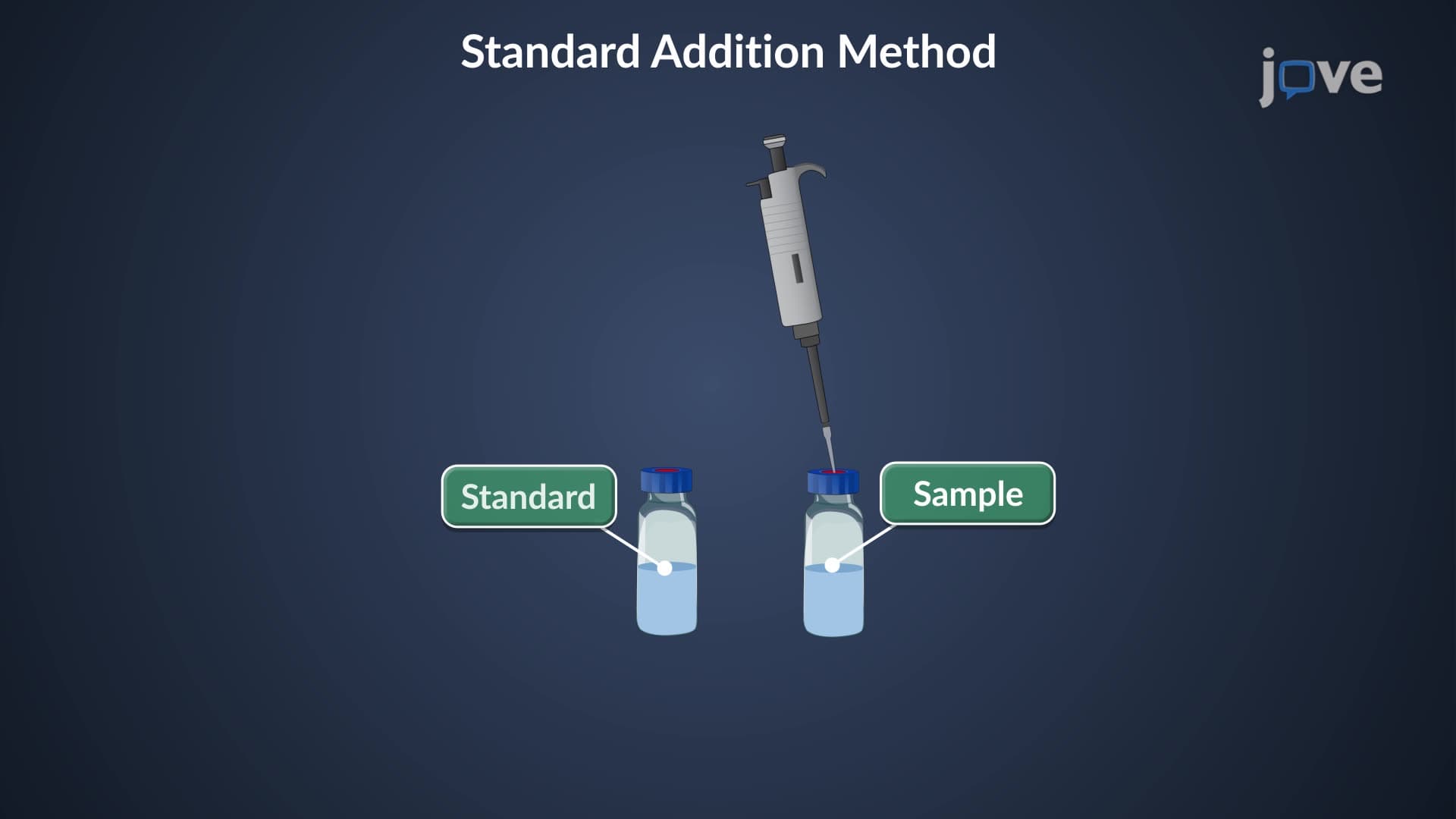
Standard protocols include analyzing certified reference materials with known interference patterns, using internal standards to monitor systematic errors, and performing standard addition methods to assess matrix effects. Regular calibration with interference-matched standards helps maintain analytical accuracy across diverse sample types.
Related Micro-courses

15 Concepts