Loading subject page…

- Analytical Chemistry
- Complexometric Titration, Precipitation Titration, and Gravimetry
- EDTA: Direct, Back-, and Displacement Titration
Micro-course: Complexometric Titration, Precipitation Titration, and Gravimetry
72,634 views
Learn key concepts and earn your certificate.






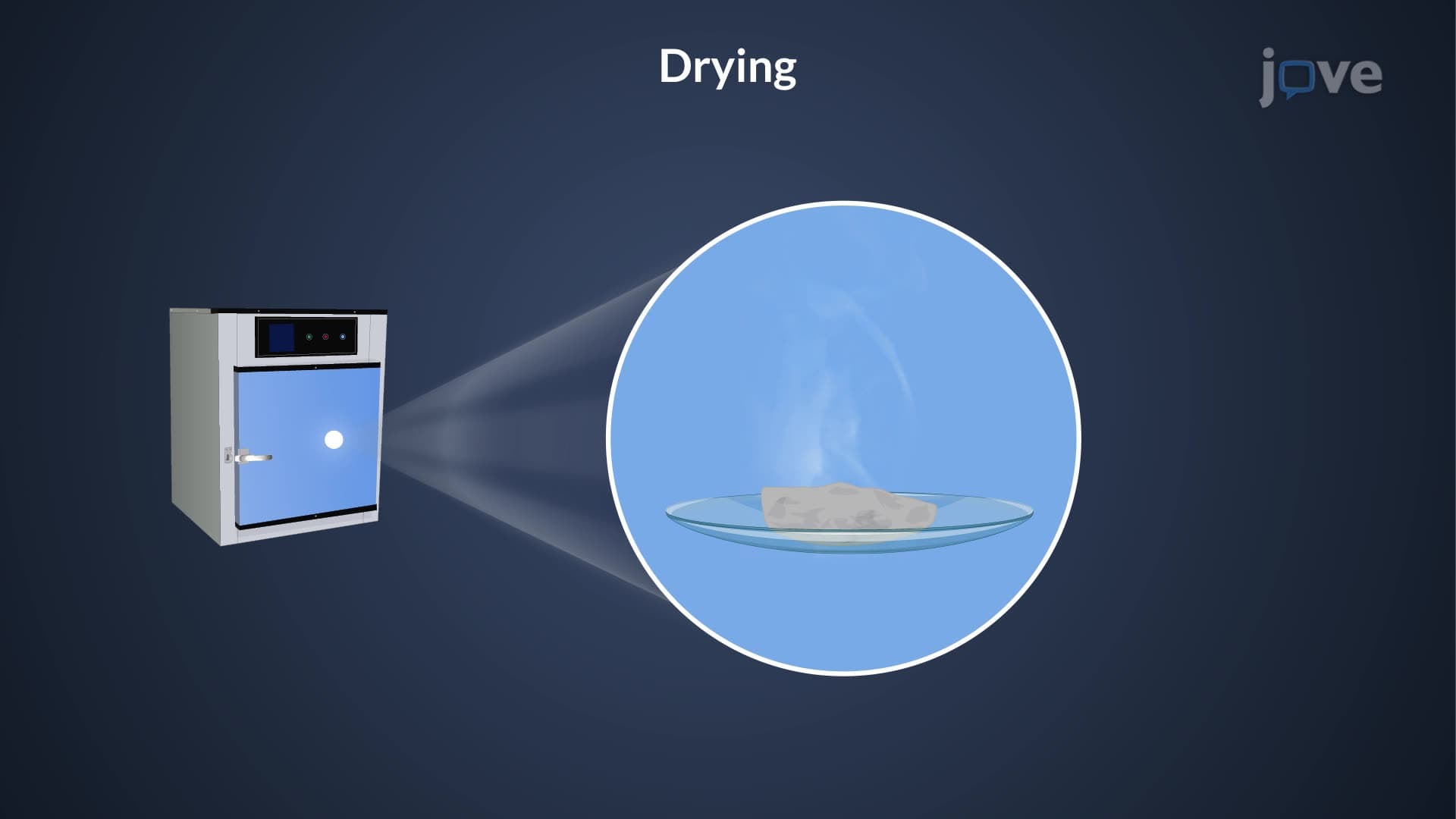
EDTA: Direct, Back-, and Displacement Titration


00:00
01:30
Video Summary: Direct Back and Displacement Titrations Using Edta
Ever wondered how water treatment plants in cities like Los Angeles measure metal contamination levels with such precision? EDTA displacement titration, along with direct and back titration methods, enables chemists to quantify metal ions even when traditional indicators fail. These sophisticated analytical techniques solve real challenges-from testing lead levels in drinking water to quality control in pharmaceutical manufacturing. Direct, Back, and Displacement Titrations Using EDTA represent three powerful approaches that overcome the limitations of simple acid-base titrations. Watch the full video on JoVE Coach to master this concept with expert-led visuals and step-by-step explanations.
- Understand the principles behind Direct, Back, and Displacement Titrations Using EDTA and identify when each method is most appropriate
- Compare the advantages and limitations of direct EDTA titration versus back titration techniques for different metal ions
- Analyze why aluminum and other slow-reacting metals require back titration with excess EDTA rather than direct methods
- Apply displacement titration methodology to determine calcium concentrations using magnesium-EDTA complexes
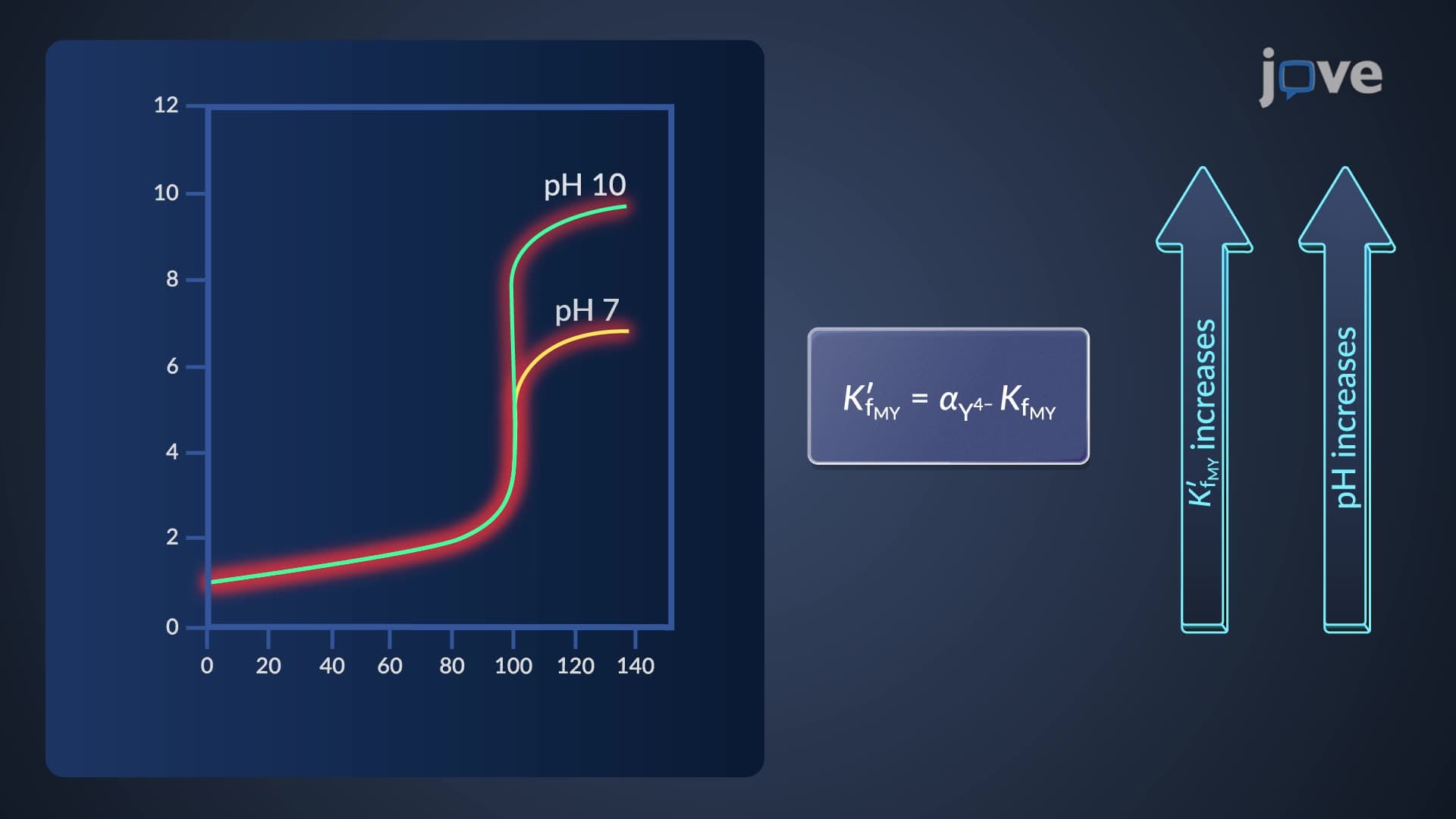
- Evaluate the role of pH buffering and masking agents in preventing metal hydroxide precipitation during EDTA titrations
- Recognize endpoint detection challenges that necessitate alternative titration approaches for certain metal-indicator combinations
- Explore the practical applications of each EDTA titration type in environmental monitoring and pharmaceutical analysis
Understanding Direct, Back, and Displacement Titrations Using EDTA
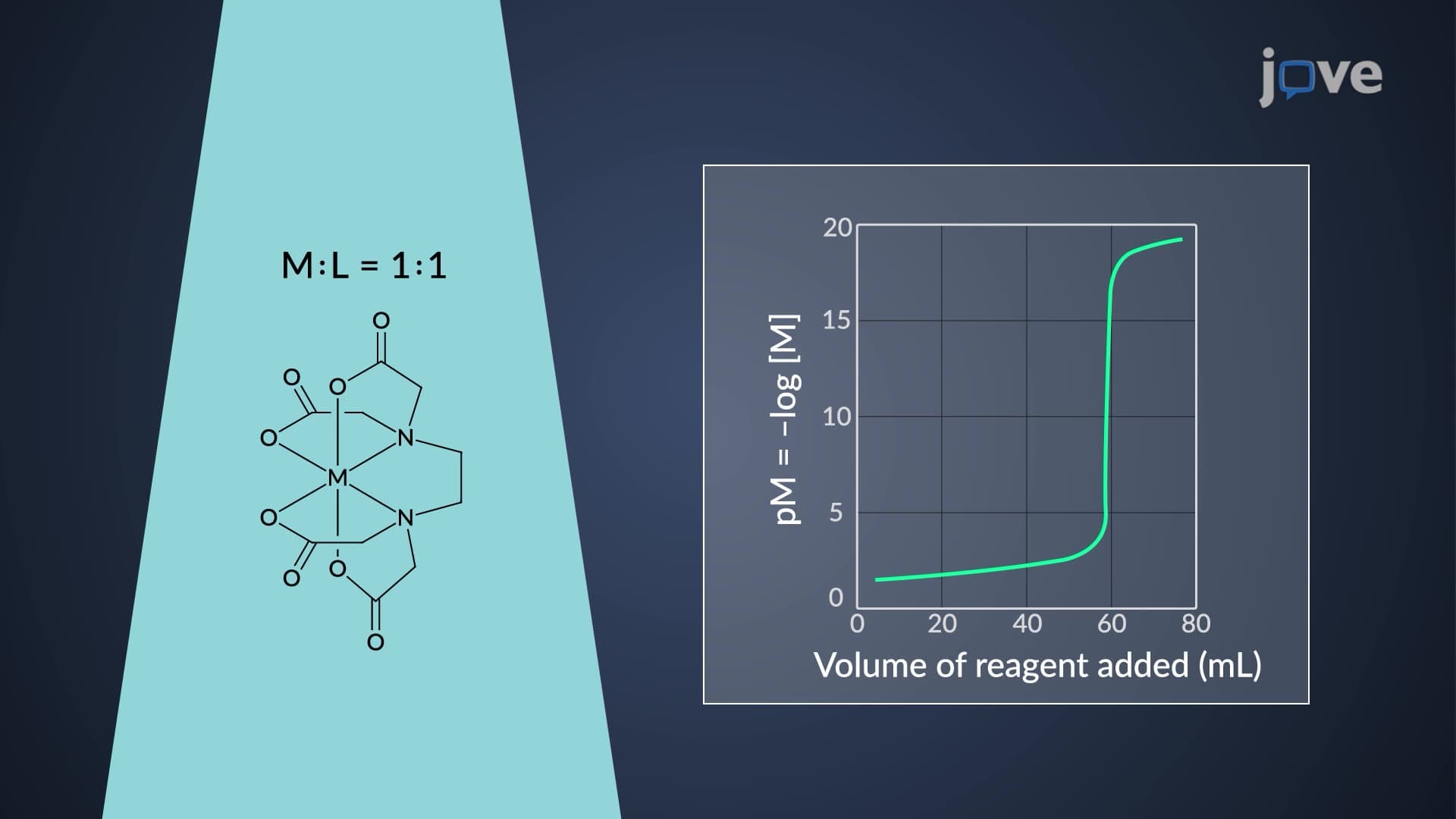
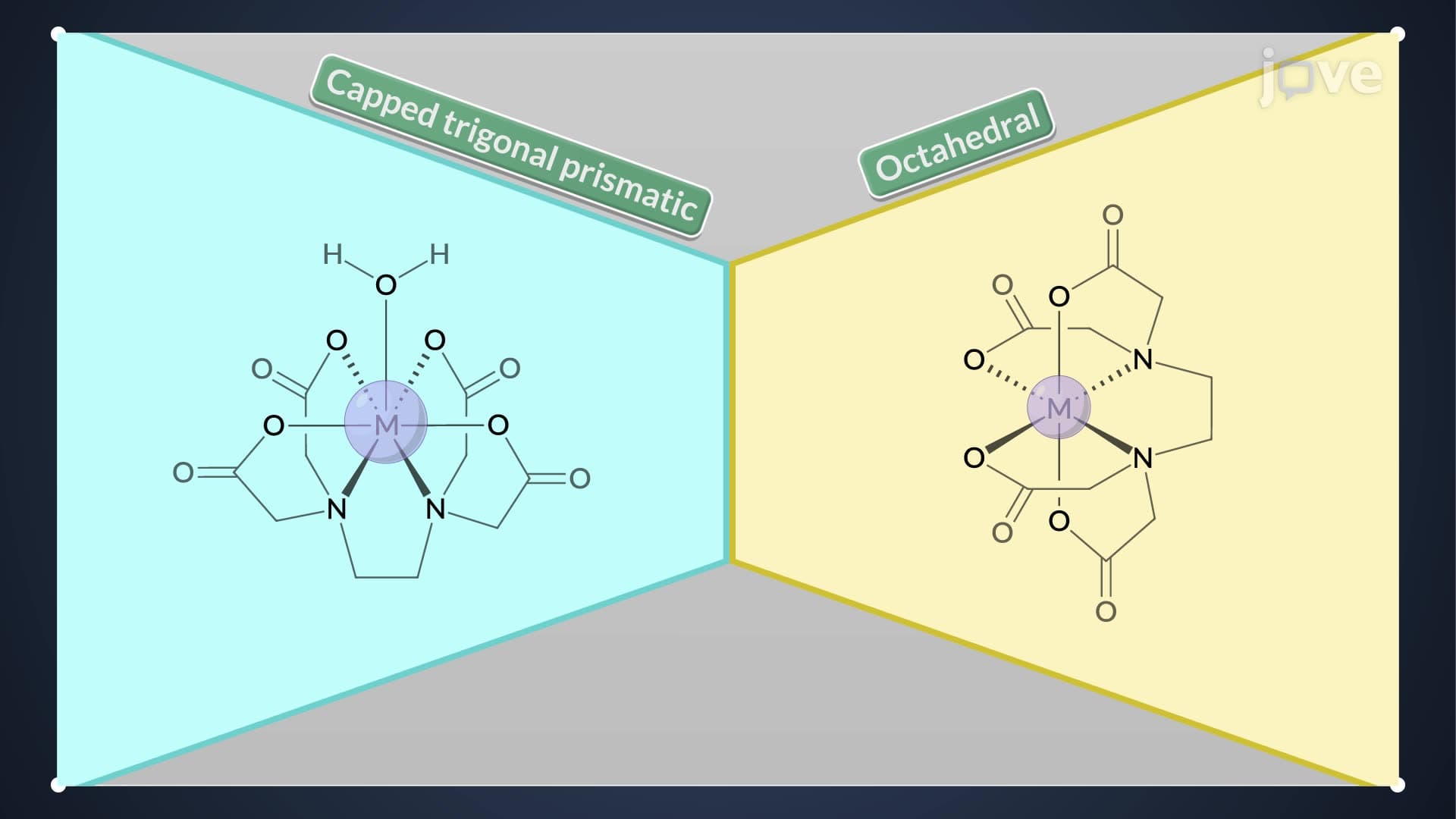
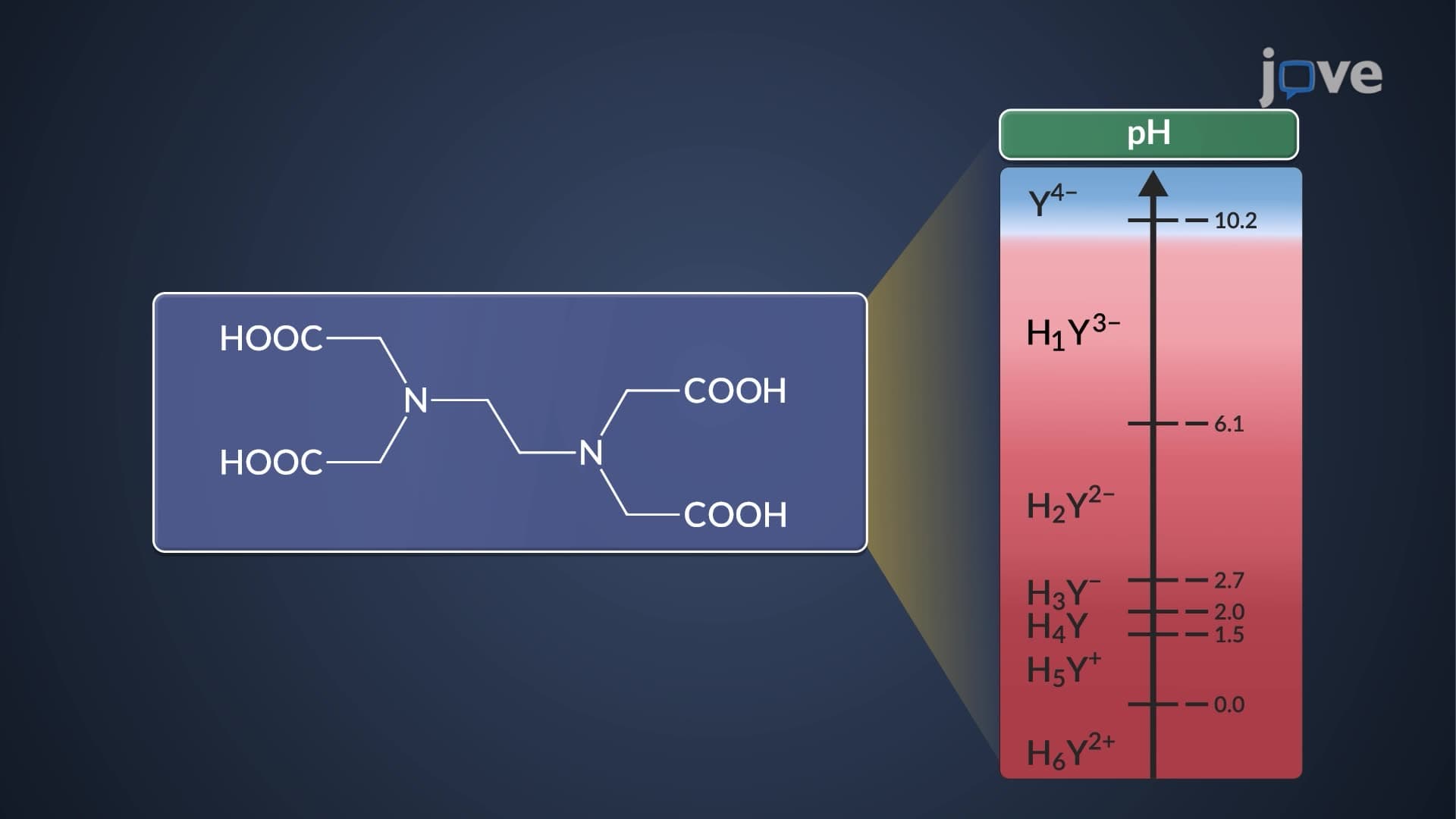
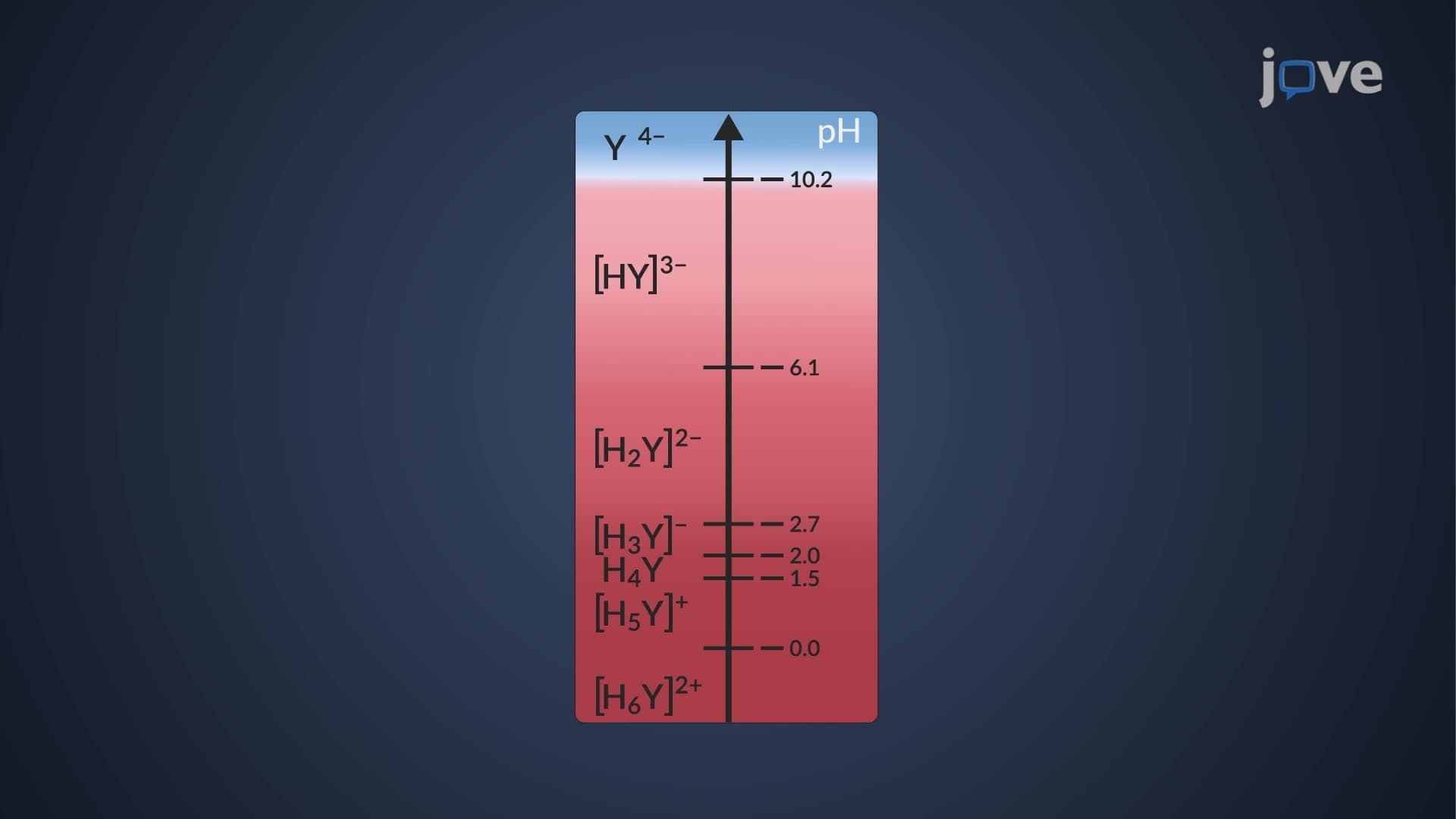
EDTA (ethylenediaminetetraacetic acid) titrations represent some of the most versatile analytical techniques in quantitative chemistry. Unlike simple acid-base titrations, EDTA forms stable 1:1 complexes with metal ions regardless of their charge, making it invaluable for metal analysis in everything from municipal water testing to pharmaceutical quality control.
Direct EDTA Titration: The Standard Approach
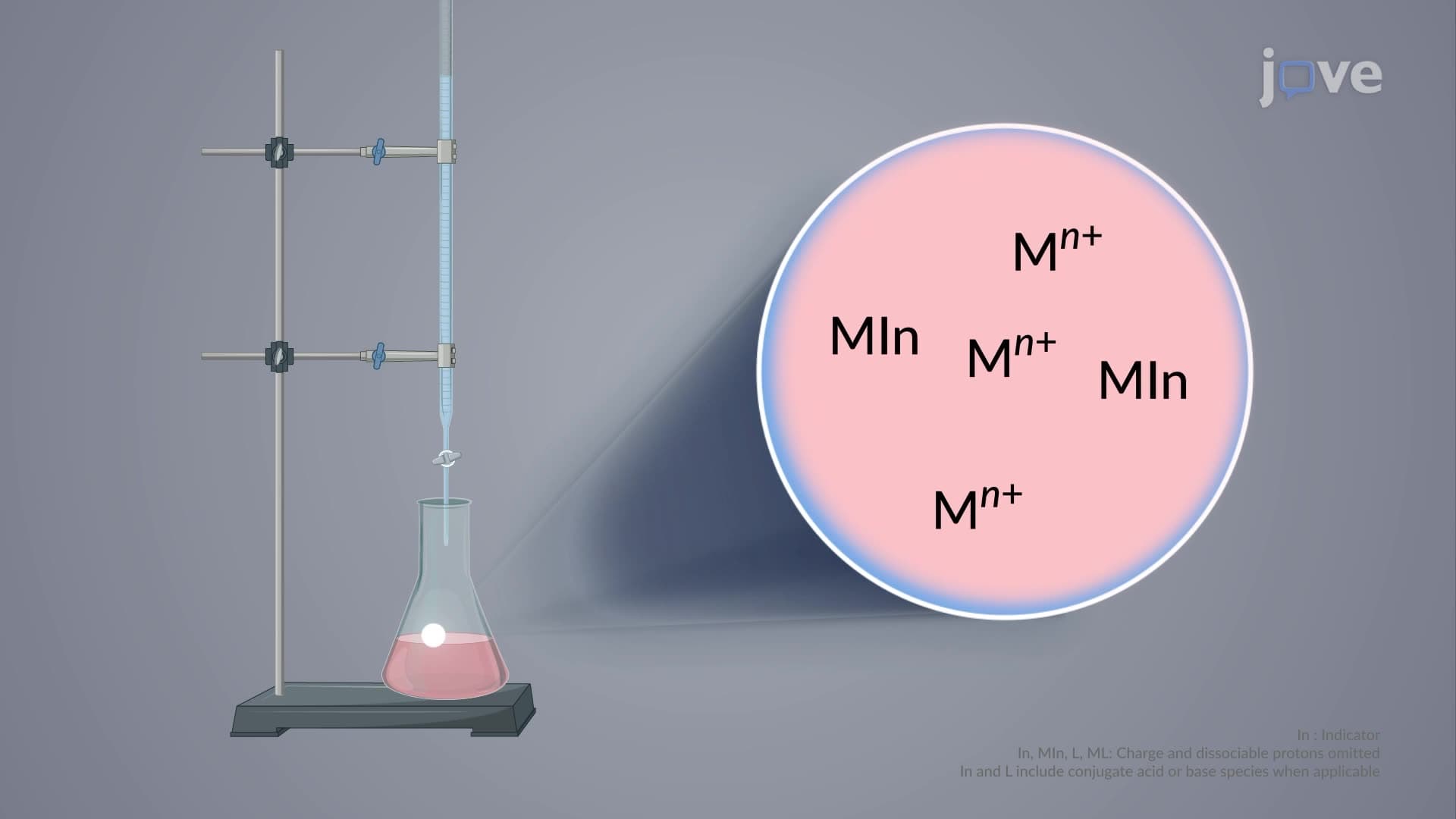
In direct EDTA titration, the metal ion solution receives dropwise addition of standardized EDTA solution until the endpoint indicates complete complexation. This method works exceptionally well for metals like lead(II), where rapid complex formation occurs at controlled pH. For example, when analyzing lead contamination in drinking water samples from Flint, Michigan-style scenarios, chemists buffer the solution at pH 10 with tartrate present. The tartrate prevents lead hydroxide precipitation while allowing clear endpoint detection with indicators like Eriochrome Black T.
The key limitation emerges with slow-reacting metals or those that interfere with visual indicators. Some metals form kinetically inert complexes, while others precipitate before EDTA can effectively complex them.
EDTA Back Titration Methods: Overcoming Kinetic Barriers
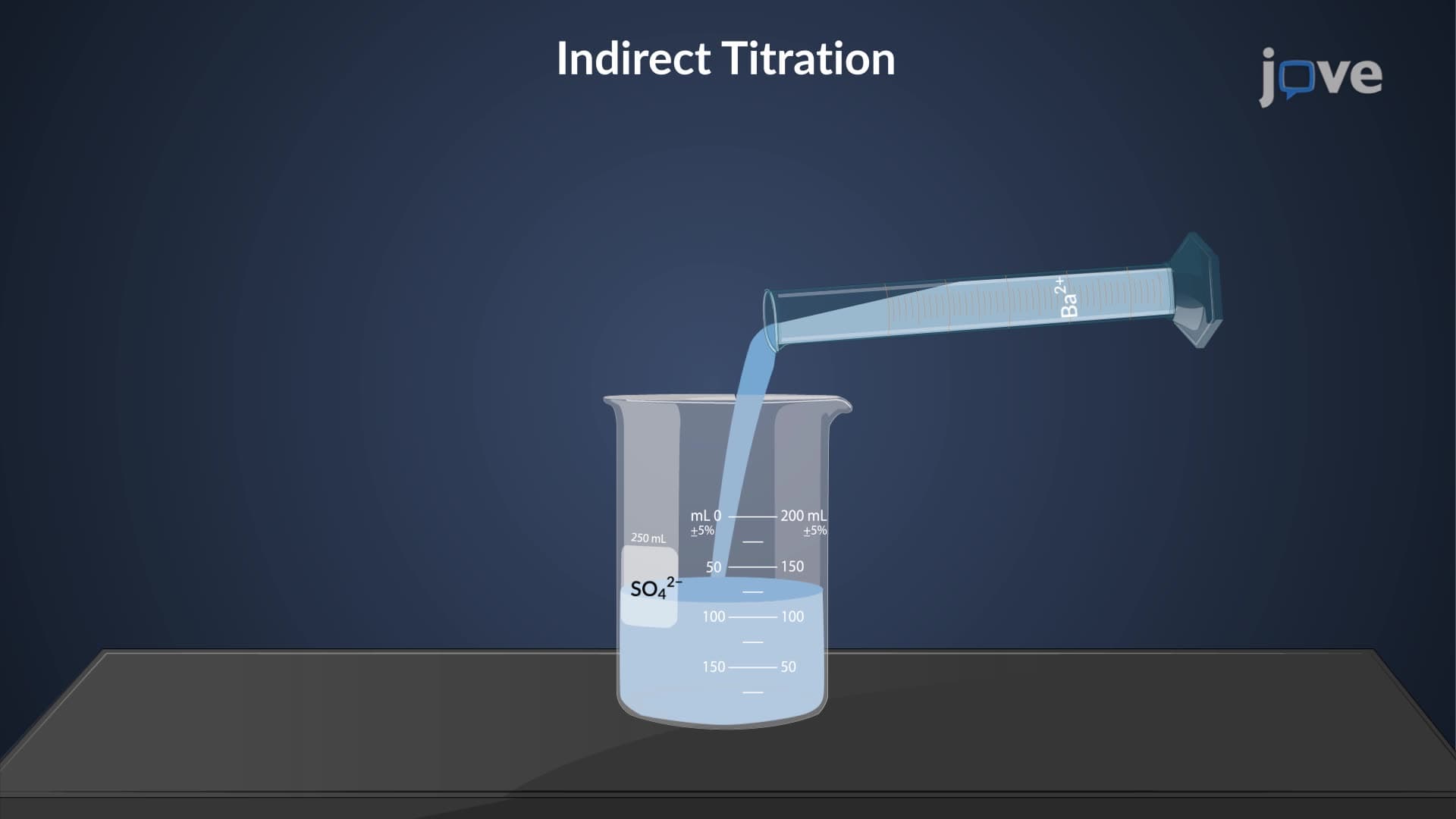
Back titration becomes essential when direct methods fail. This technique adds a known excess of EDTA to the metal ion solution, allowing ample time for complete complexation. The unreacted EDTA is then back-titrated with a standardized solution of a more cooperative metal ion, typically zinc(II).
Aluminum analysis exemplifies this approach perfectly. Aluminum ions react extremely slowly with EDTA at room temperature and lack reliable visual indicators. By adding excess EDTA and back-titrating with zinc using a clear visual endpoint, analysts can accurately determine aluminum concentrations in materials like pharmaceutical-grade aluminum hydroxide or drinking water treatment residuals.
Displacement Titration: When Indicators Aren't Available
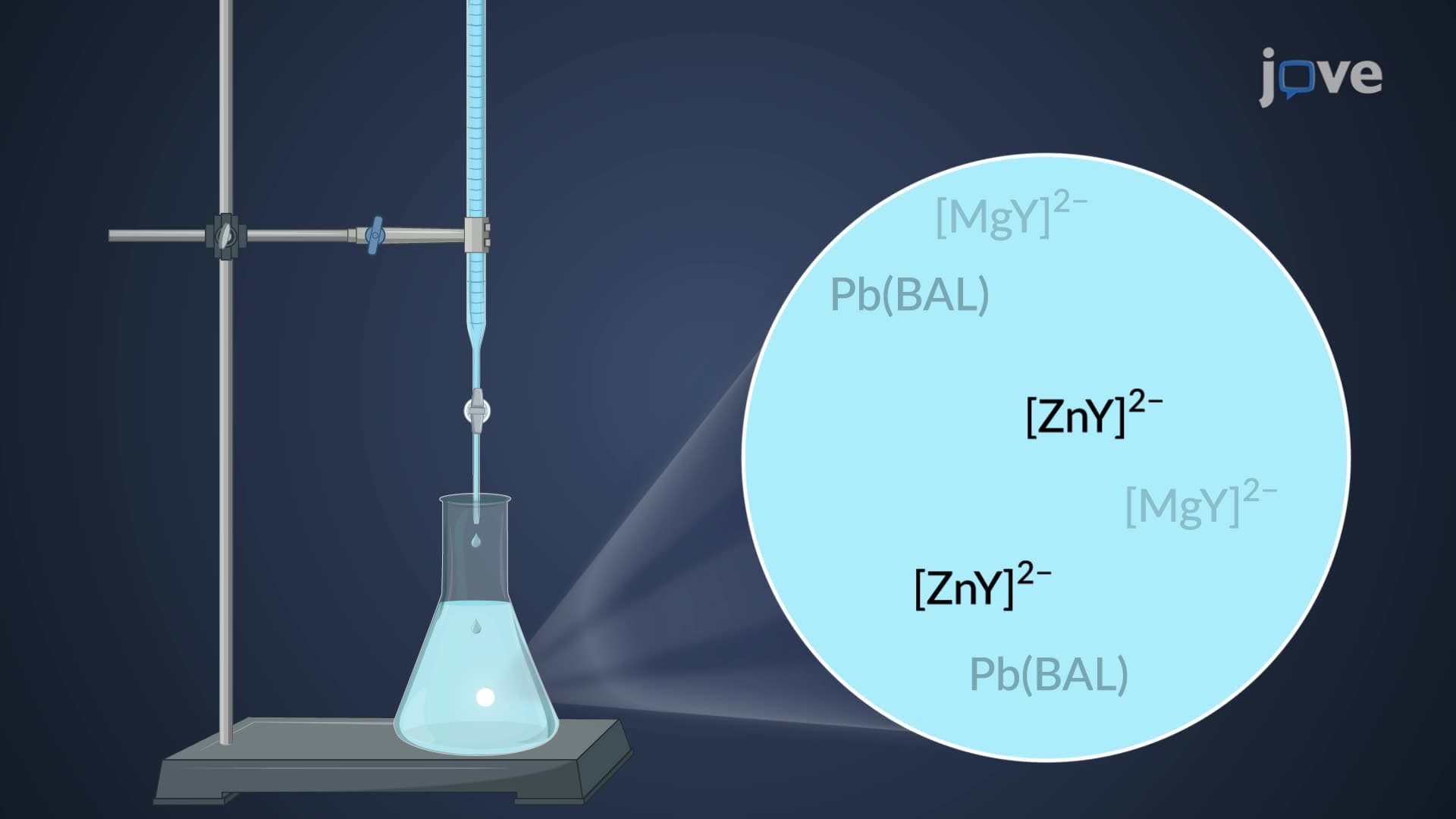
Displacement titration addresses situations where suitable indicators simply don't exist for the target metal ion. This elegant technique uses a weaker metal-EDTA complex that the target ion can displace, releasing the weaker metal for conventional titration.
Calcium determination illustrates this beautifully. Calcium-EDTA complexes are thermodynamically more stable than magnesium-EDTA complexes. When calcium ions encounter magnesium-EDTA solution, they displace the magnesium, forming calcium-EDTA complexes. The liberated magnesium ions are then titrated with standard EDTA using Eriochrome Black T indicator-a system that works reliably where direct calcium titration might not.
These methods appear frequently on AP Chemistry exams and college analytical chemistry courses, particularly in problems involving water hardness calculations and metal contamination analysis.
Frequently Asked Questions
These are three analytical methods for determining metal ion concentrations using EDTA as the titrant. Direct titration adds EDTA directly to the metal solution, back titration uses excess EDTA followed by back-titration with another metal, and displacement titration uses a metal-EDTA complex that gets displaced by the target ion. Each method solves specific analytical challenges when others fail.
EDTA displacement titration involves adding a weaker metal-EDTA complex to your sample, where the target metal ion displaces the weaker metal due to higher complex stability. Use this method when your target metal ion lacks a suitable indicator or when direct/back titration methods prove unreliable, such as determining calcium in the presence of interfering ions.
AP Chemistry often tests displacement titration in free-response questions involving water hardness analysis or multi-step analytical procedures. Expect calculations involving stoichiometry of displacement reactions, equilibrium constants for metal-EDTA complexes, and interpreting experimental data from titration curves. Practice problems typically involve calcium/magnesium systems.
Yes, MCAT Chem/Phys sections frequently include EDTA titration scenarios in passage-based questions about analytical techniques or laboratory procedures. College analytical chemistry exams commonly test back titration calculations, especially for aluminum determination and pharmaceutical analysis applications. Focus on understanding when to choose back titration over direct methods.
Water treatment facilities across the US use these methods daily to monitor metal contamination levels in municipal water supplies. Pharmaceutical companies employ EDTA titrations for quality control of metal-containing drugs and supplements. Environmental labs use displacement titration to analyze soil and groundwater samples for regulatory compliance with EPA standards.
Not at all! If you understand basic titration concepts and complex ion formation from general chemistry, you're ready to learn EDTA methods. The key is grasping that EDTA forms 1:1 complexes with metals and that some complexes are more stable than others. High school chemistry provides sufficient background for these concepts.
Practice identifying which titration method suits different scenarios-direct for cooperative metals, back for slow-reacting ones, displacement when indicators aren't available. Master the stoichiometric calculations for each method and understand the underlying equilibrium principles. Work through water hardness problems since they commonly appear on standardized tests.
Consider exploring other complexometric titrations beyond EDTA, such as those using other aminopolycarboxylic acids. Potentiometric titrations and ion-selective electrodes build naturally on these concepts, as do spectrophotometric methods for metal analysis and chromatographic separation techniques used in advanced analytical laboratories.
Related Micro-courses
14 Concepts
13 Concepts