Loading subject page…


72,639 views


Video Summary: Effects of Edta on Endpoint Detection in Complexometric Titrations
Ever wonder how water treatment facilities ensure your tap water meets EPA safety standards for metal contamination? EDTA endpoint detection makes this possible through precise color-change indicators that signal when harmful metals like lead or copper have been completely bound. The effects of EDTA on endpoint detection in complexometric titrations involve sophisticated visual and instrumental methods that transform analytical chemistry from guesswork into exact science. Watch the full video on JoVE Coach to master this concept with expert-led visuals and step-by-step explanations.
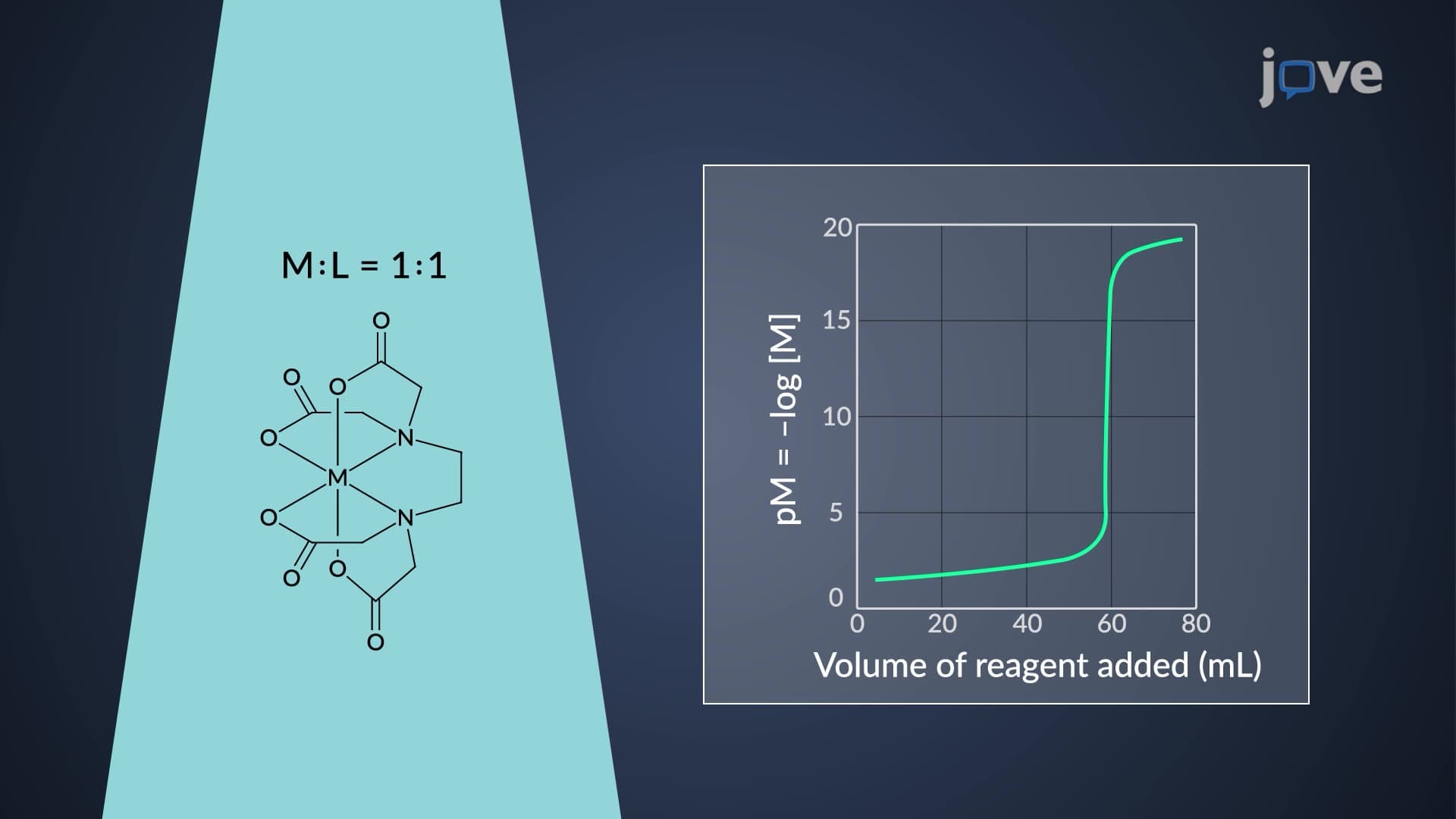
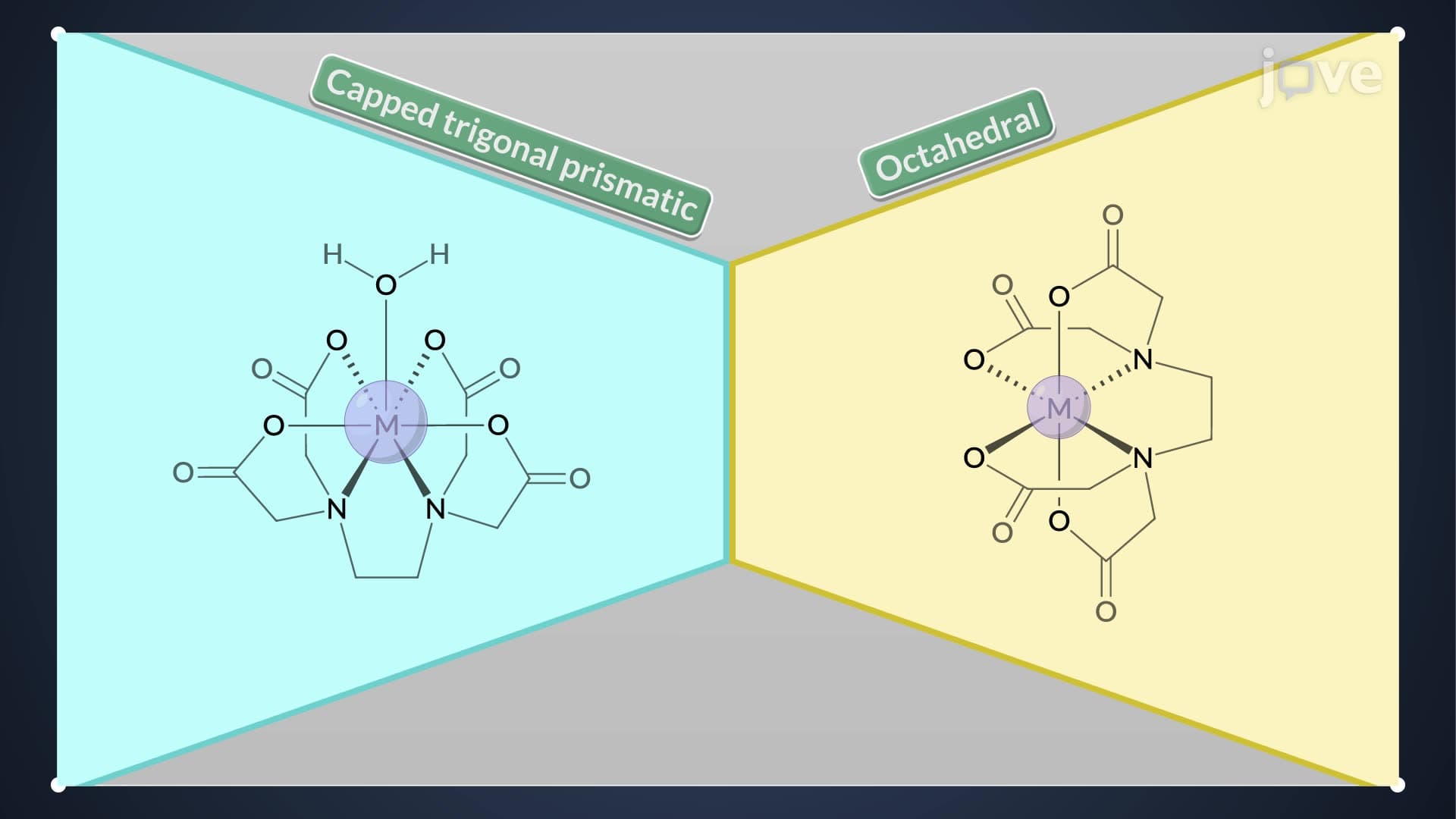
The effects of EDTA on endpoint detection in complexometric titrations represent a cornerstone of analytical chemistry that students encounter in AP Chemistry and college-level quantitative analysis courses. EDTA (ethylenediaminetetraacetic acid) forms extremely stable complexes with metal ions, but detecting when the reaction reaches completion requires sophisticated indicator systems that respond to the dramatic change in free metal ion concentration.
Metallochromic indicator EDTA systems work through competitive binding mechanisms. These organic dye molecules form colored complexes with metal ions, but their binding strength must be precisely calibrated-strong enough to produce visible color but weaker than the metal-EDTA bond. When EDTA is added during titration, it gradually "steals" metal ions from the indicator, causing a sharp color change endpoint titration that signals completion. For example, Eriochrome Black T changes from wine-red (metal-bound) to blue (free indicator) when titrating calcium or magnesium with EDTA, a reaction students commonly perform in water hardness analysis labs.
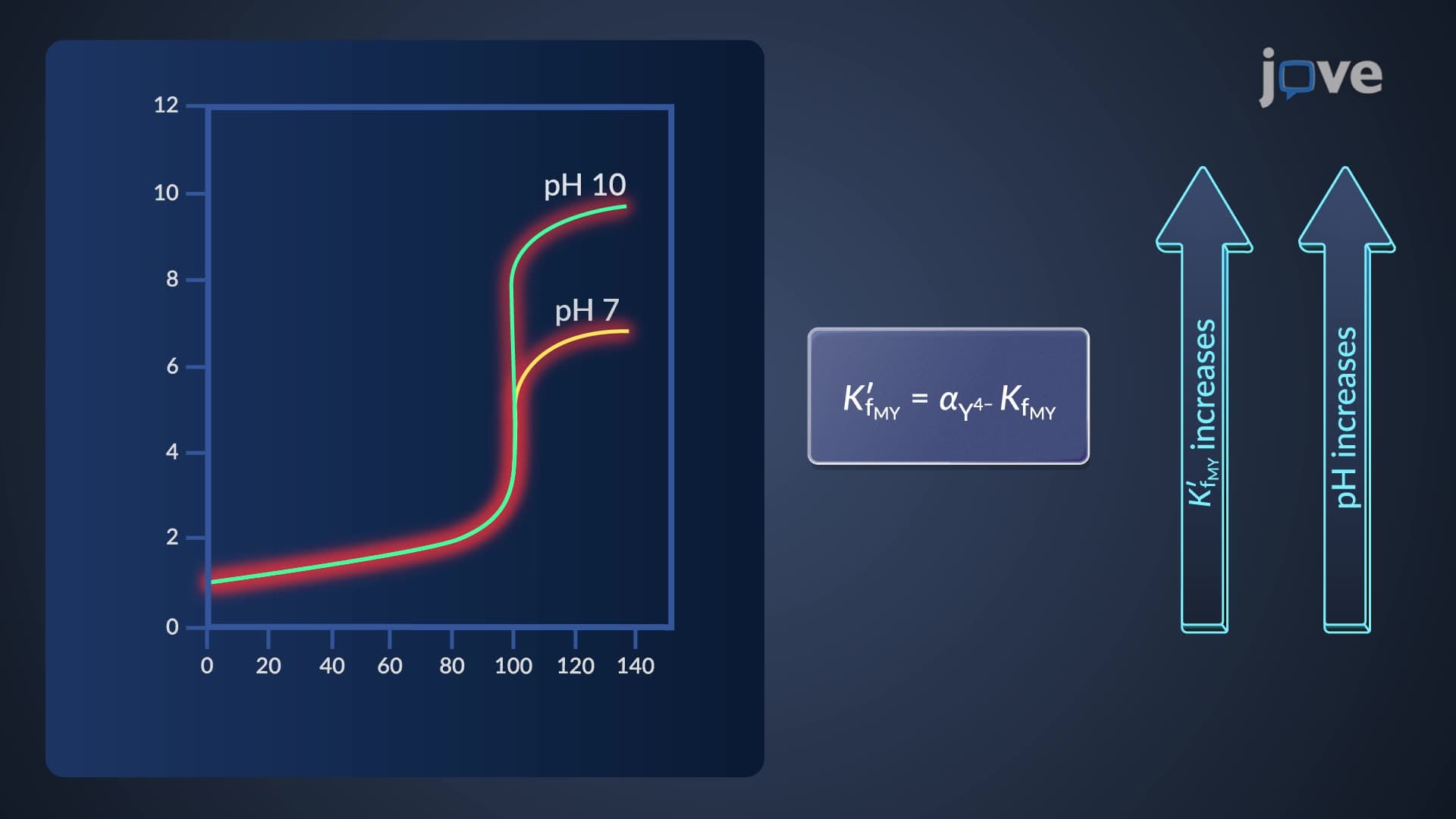
The endpoint sharpness EDTA depends critically on solution pH because metallochromic indicators are typically acid-base indicators themselves. At incorrect pH values, the indicator's color changes due to protonation rather than metal binding, masking the true endpoint. For calcium-magnesium titrations, pH 10 buffer ensures the indicator remains in its proper form. This pH dependence explains why EDTA titrations require careful buffer selection-a concept frequently tested on MCAT biochemistry sections.
When visual indicator EDTA methods fail due to colored solutions or weak color changes, instrumental techniques provide alternatives. Potentiometric endpoint complexometric detection uses metal-selective electrodes to monitor potential changes as free metal ion concentration drops during titration. Spectrophotometric monitoring tracks absorbance changes at specific wavelengths, particularly useful in pharmaceutical quality control where colored drug matrices interfere with visual detection. These instrumental approaches appear regularly in advanced analytical chemistry courses and research laboratory protocols across US universities.
Related Micro-courses