Loading video…


 22 Concepts
 72.7K views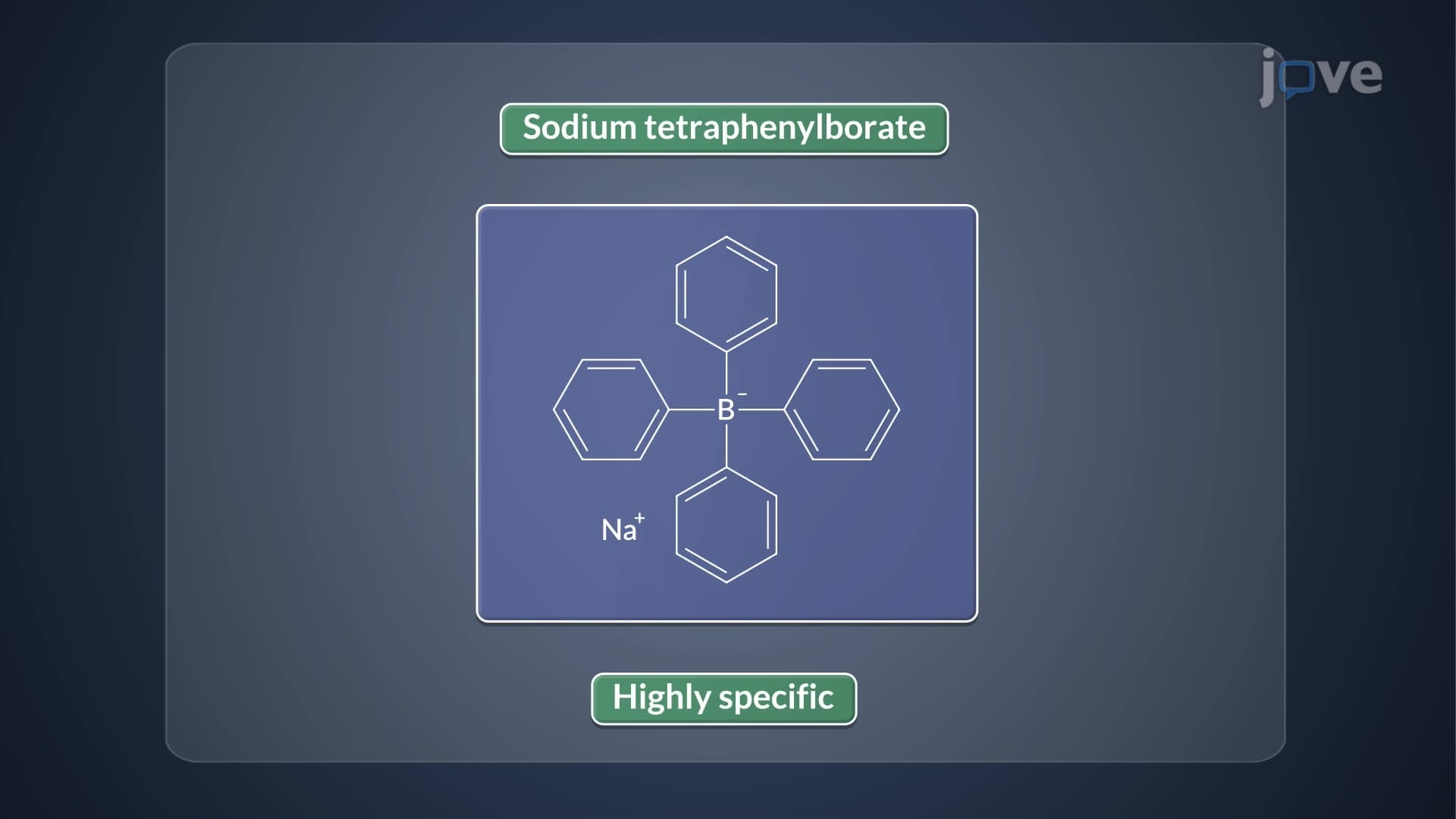

Video Summary: Gravimetry Inorganic and Organic Precipitating Agents Explained
Ever wonder how forensic scientists determine the exact amount of poison in a sample, or how water treatment plants measure harmful metals? Gravimetry precipitating agents make these critical measurements possible by forming solid compounds that can be weighed with incredible precision. These specialized chemicals, both inorganic and organic, transform dissolved substances into measurable precipitates-like how silver nitrate instantly creates a white silver chloride precipitate when testing for chloride contamination in drinking water. Watch the full video on JoVE Coach to master this concept with expert-led visuals and step-by-step explanations.
Gravimetric analysis relies on precipitating agents-specialized chemicals that convert dissolved analytes into solid, weighable compounds. These agents fall into two major categories: inorganic and organic precipitants, each offering distinct advantages for different analytical scenarios. The selection of appropriate precipitating agents determines the success of gravimetric procedures, affecting both accuracy and precision of quantitative measurements.
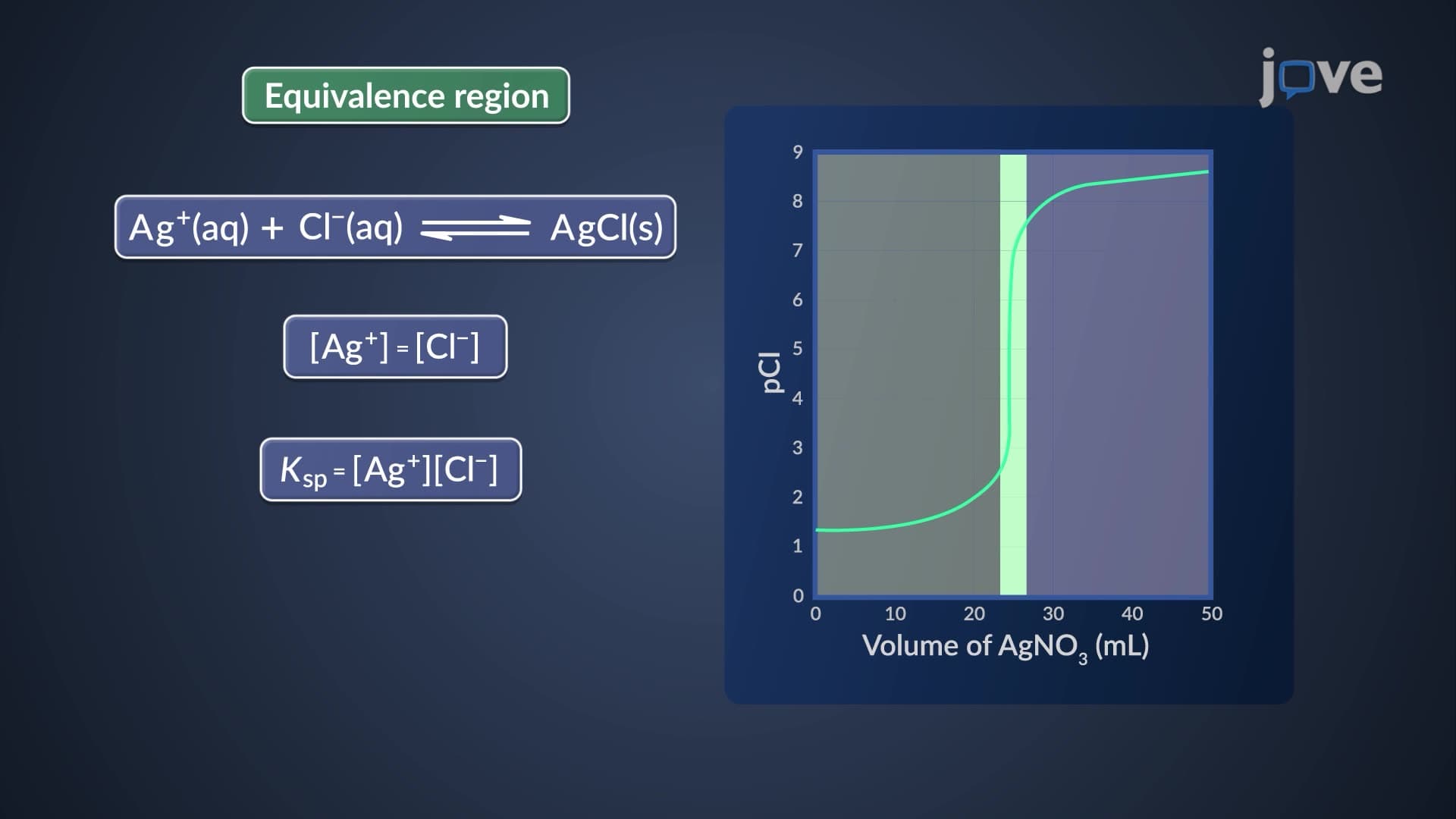
Inorganic precipitating agents include common laboratory chemicals like silver nitrate, barium chloride, and ammonium oxalate. These reagents form ionic precipitates through electrostatic attractions between oppositely charged ions. For example, silver nitrate (AgNO3) precipitates chloride ions as silver chloride (AgCl), a reaction frequently used in water quality testing across municipal treatment facilities.
However, inorganic precipitants often suffer from limited selectivity. Barium chromate formation can simultaneously determine both barium and chromate concentrations, but barium ions also precipitate with sulfate, phosphate, and other anions. This cross-reactivity requires careful sample preparation and sometimes additional separation steps. Many inorganic precipitates, particularly hydrous metal oxides and phosphates, require thermal conversion to stable, weighable forms-a process that adds complexity but improves analytical precision.
Organic precipitating agents revolutionized gravimetric analysis by offering remarkable selectivity. These large, complex molecules can form specific interactions with target analytes while ignoring potential interferents. Sodium tetraphenylborate exemplifies this selectivity-it precipitates potassium and ammonium ions with extraordinary specificity, making it invaluable for pharmaceutical potassium content analysis.
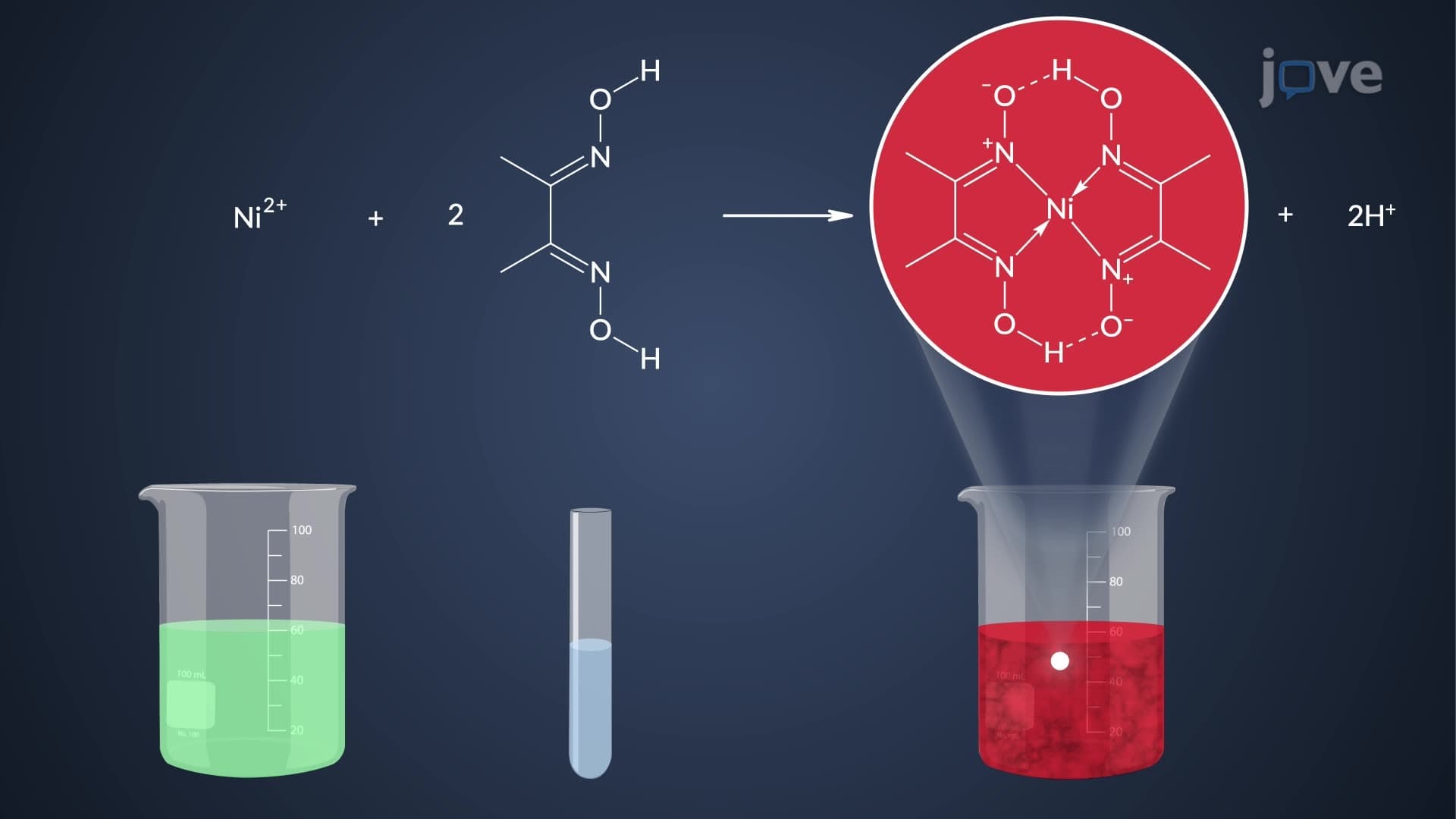
Chelating agents represent another crucial class of organic precipitants. Dimethylglyoxime forms distinctive red precipitates exclusively with nickel ions, enabling precise nickel determination in stainless steel manufacturing quality control. Similarly, 8-hydroxyquinoline (oxine) chelates numerous metal ions, but under controlled pH conditions, it can selectively precipitate aluminum, magnesium, or zinc ions with minimal interference.
Understanding precipitating agents proves essential for AP Chemistry students tackling precipitation reactions and stoichiometry problems. College-level analytical chemistry courses extensively cover gravimetric methods, while MCAT preparation often includes questions about selective precipitation in biological systems. Environmental chemistry applications include using organic precipitants to measure toxic metals in soil samples, while pharmaceutical quality control relies on these agents for drug purity verification.
The key to mastering precipitating agents lies in understanding the relationship between molecular structure and selectivity, recognizing when to choose inorganic versus organic reagents, and predicting precipitation behavior under various conditions.
Related Micro-courses