Loading subject page…


72,637 views

Video Summary: Indirect and Alkalimetric Edta Titration Methods
Did you know that EPA laboratories use EDTA alkalimetric titration to measure water hardness in drinking water across American cities? This specialized analytical technique allows chemists to determine concentrations of metal ions and anions through two distinct pathways. The Indirect and Alkalimetric EDTA Titration Methods enable precise quantification when direct titration isn't feasible-like analyzing sulfate levels in municipal water supplies or determining calcium content in pharmaceutical tablets. Watch the full video on JoVE Coach to master this concept with expert-led visuals and step-by-step explanations.
Indirect and Alkalimetric EDTA Titration Methods represent sophisticated analytical techniques that extend the versatility of complexometric analysis beyond simple metal ion determination. These methods become essential when direct EDTA titration proves inadequate or impossible, particularly in environmental and pharmaceutical laboratories across the United States.
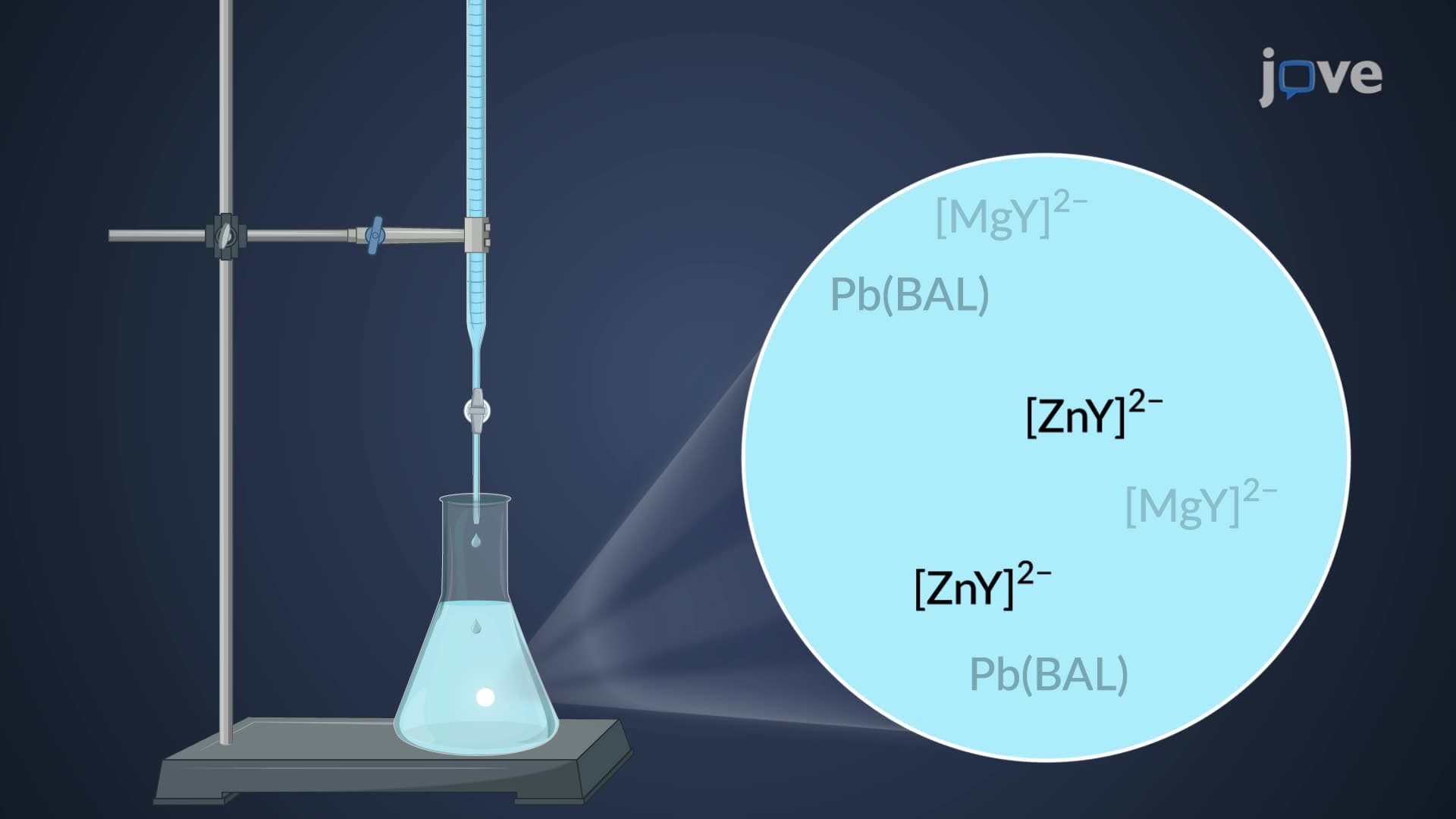
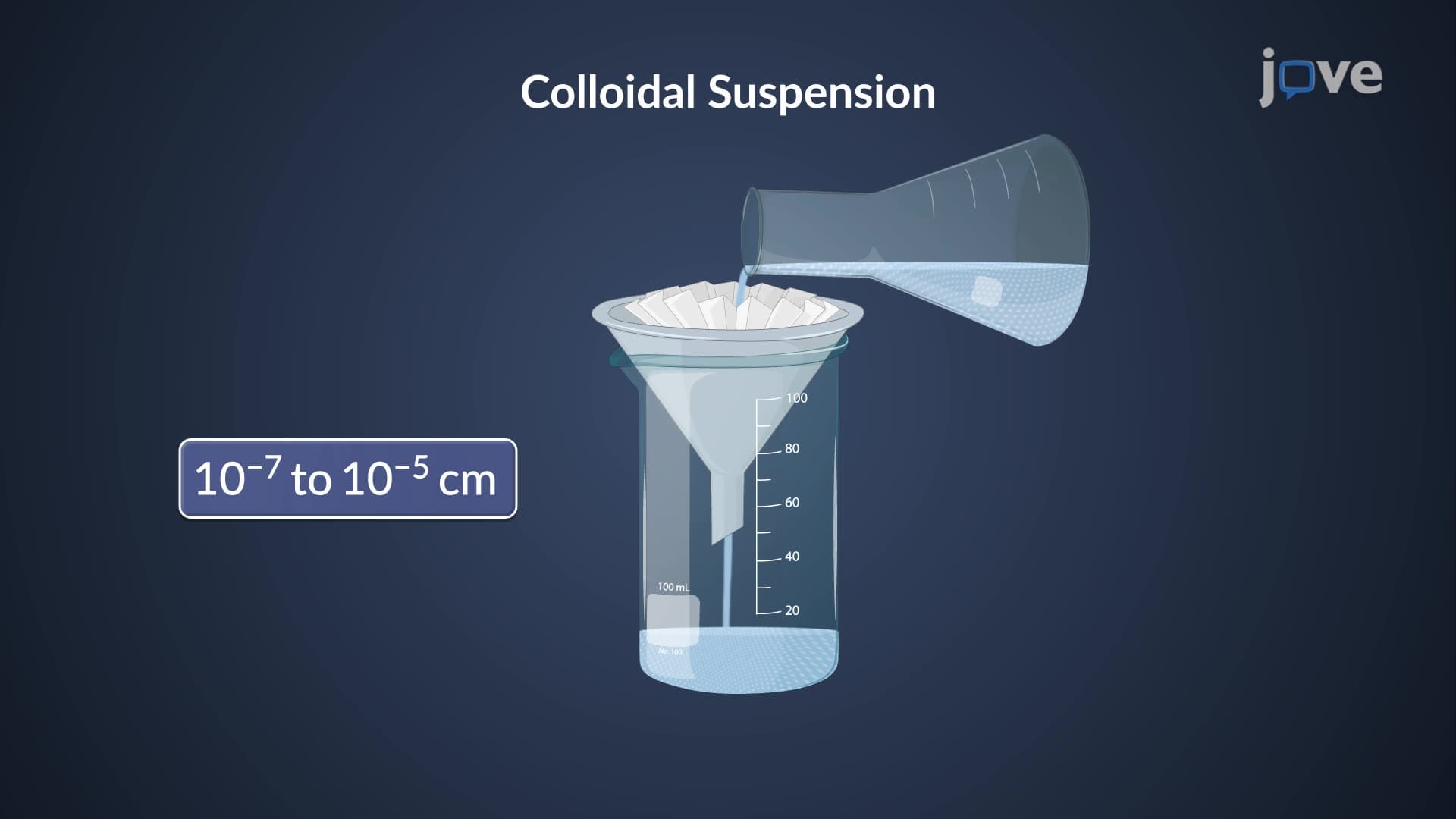
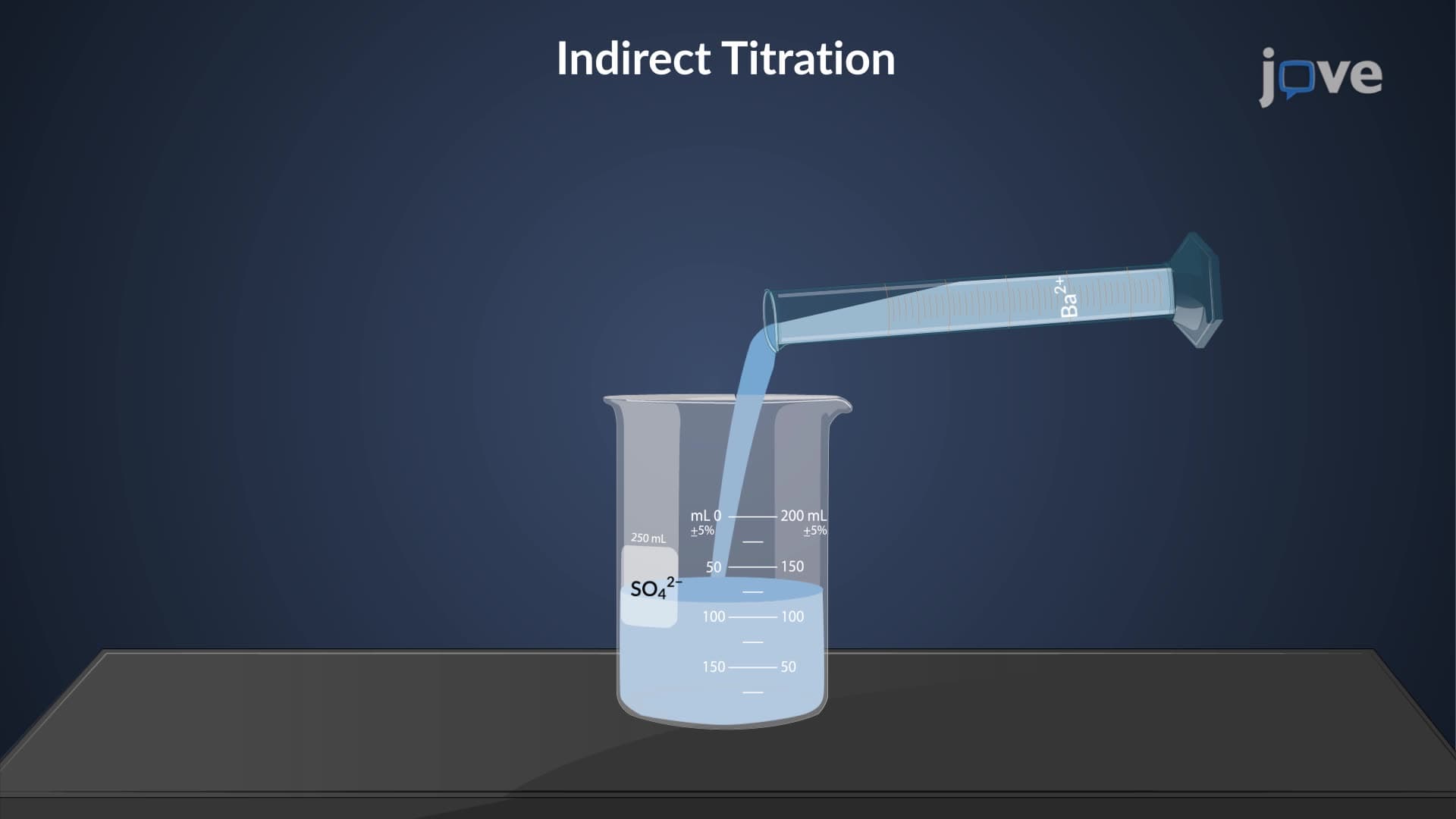
The EDTA indirect titration method employs a clever two-step approach to quantify anions that cannot be directly titrated with EDTA. Consider analyzing sulfate contamination in groundwater near industrial sites-a critical concern for EPA compliance. Analysts add excess barium chloride to precipitate barium sulfate, creating an insoluble white solid that removes sulfate ions from solution. After filtration and washing, the remaining barium ions in the filtrate undergo direct EDTA titration.
This indirect EDTA analysis proves invaluable because sulfate ions lack the coordination sites necessary for direct EDTA complexation. The stoichiometry reveals that each sulfate ion consumes exactly one barium ion, allowing precise back-calculation of original sulfate concentration. Students preparing for AP Chemistry or college analytical chemistry courses frequently encounter this technique in water quality assessments and pharmaceutical testing scenarios.
How EDTA indirect titration works involves careful stoichiometric control and systematic error minimization. The process begins with adding a known excess of precipitating metal ions-typically barium for sulfates or silver for halides. Complete precipitation ensures quantitative removal of target anions, while excess metal ions remain dissolved for subsequent EDTA titration.
The mathematical relationship becomes: moles of analyte anion = initial moles of metal ion - moles of EDTA consumed. This calculation appears regularly on MCAT practice exams and college analytical chemistry midterms, emphasizing precision in volumetric measurements and molarity calculations.
Alkalimetric metal determination operates through an entirely different mechanism involving proton release EDTA titration. When disodium EDTA (Na2H2Y) reacts with metal ions like calcium or magnesium, it forms stable 1:1 complexes while simultaneously releasing two hydrogen ions per metal ion complexed.
The reaction: Ca2+ + Na2H2Y → CaY2- + 2Na+ + 2H+ demonstrates this alkalimetric metal determination principle. The liberated protons create an acidic solution that undergoes conventional acid-base titration with standardized sodium hydroxide. This indirect complexometric method proves particularly useful in clinical laboratories analyzing serum calcium levels or in pharmaceutical companies testing calcium supplement purity.
American students often encounter this technique in biochemistry courses when studying calcium homeostasis or in materials science when analyzing cement composition. The dual-titration approach provides exceptional accuracy and eliminates interference from colored solutions that might obscure traditional EDTA endpoint indicators.
Related Micro-courses