Loading subject page…

- Analytical Chemistry
- Complexometric Titration, Precipitation Titration, and Gravimetry
- Precipitate Formation and Particle Size Control
Micro-course: Complexometric Titration, Precipitation Titration, and Gravimetry
72,636 views
Learn key concepts and earn your certificate.






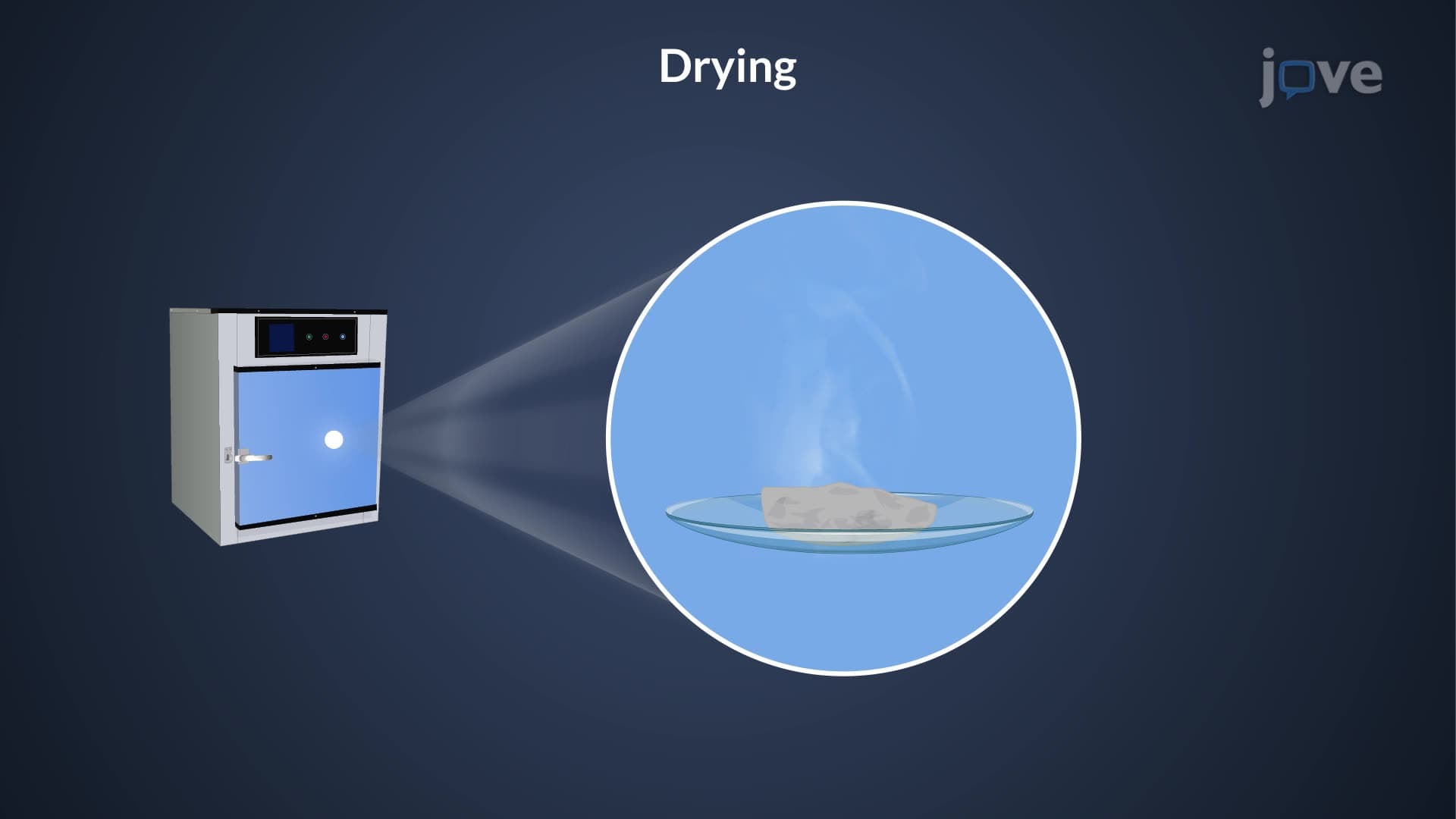
Precipitate Formation and Particle Size Control

00:00
01:16
Video Summary: Precipitate Formation and Particle Size Control Explained
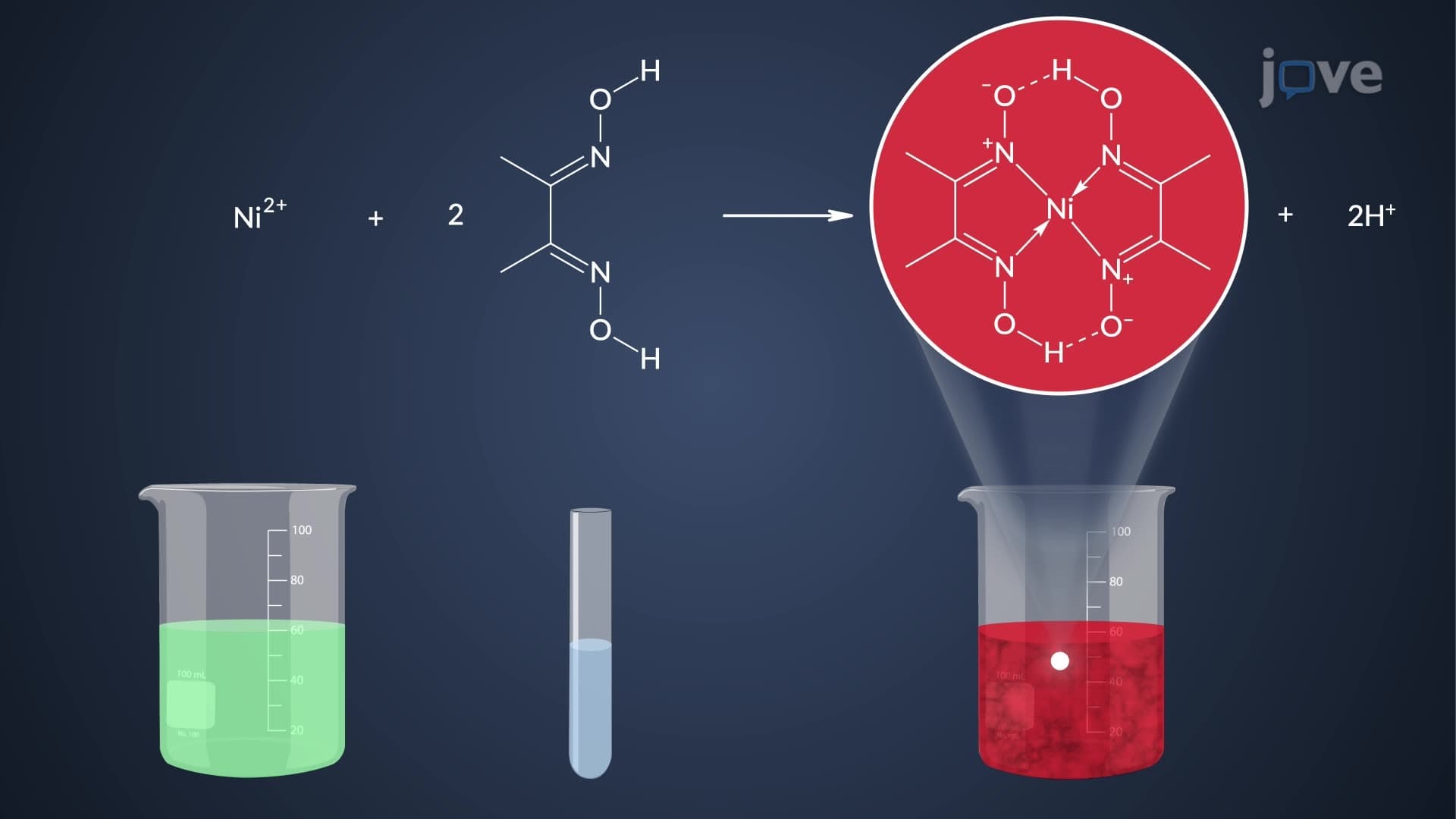
Ever wondered why your chemistry lab precipitate sometimes clogs the filter paper while other times it settles beautifully? Precipitate particle size control determines whether you get tiny colloidal particles that slip through filters or large crystalline particles that separate cleanly. In pharmaceutical manufacturing, companies like Pfizer must precisely control precipitation conditions to ensure consistent drug particle sizes for proper absorption rates. Understanding Precipitate Formation And Particle Size Control Explained helps predict and optimize these outcomes through relative supersaturation principles. Watch the full video on JoVE Coach to master this concept with expert-led visuals and step-by-step explanations.
- Understand the fundamental principles of Precipitate Formation And Particle Size Control Explained including relative supersaturation effects
- Identify the key factors that determine whether precipitates form as colloidal suspensions or crystalline deposits
- Analyze the relationship between Q/S ratio (relative supersaturation) and resulting particle characteristics
- Compare colloidal versus crystalline precipitate properties in terms of filtration and separation efficiency
- Evaluate optimal precipitation conditions including pH, temperature, and common ion effects for desired particle sizes
- Apply nucleation versus crystal growth concepts to predict and control precipitate morphology in laboratory settings
- Recognize how precipitation conditions directly impact analytical accuracy in gravimetric analysis procedures
- Explore practical techniques for manipulating supersaturation to achieve target particle size distributions
Understanding Precipitate Formation And Particle Size Control
The formation of precipitates in analytical chemistry isn't just about mixing two solutions-it's a carefully orchestrated process where particle size can make or break your analysis. When you're performing gravimetric analysis in AP Chemistry or college analytical chemistry courses, controlling precipitate characteristics becomes crucial for accurate results.
The Science Behind Relative Supersaturation
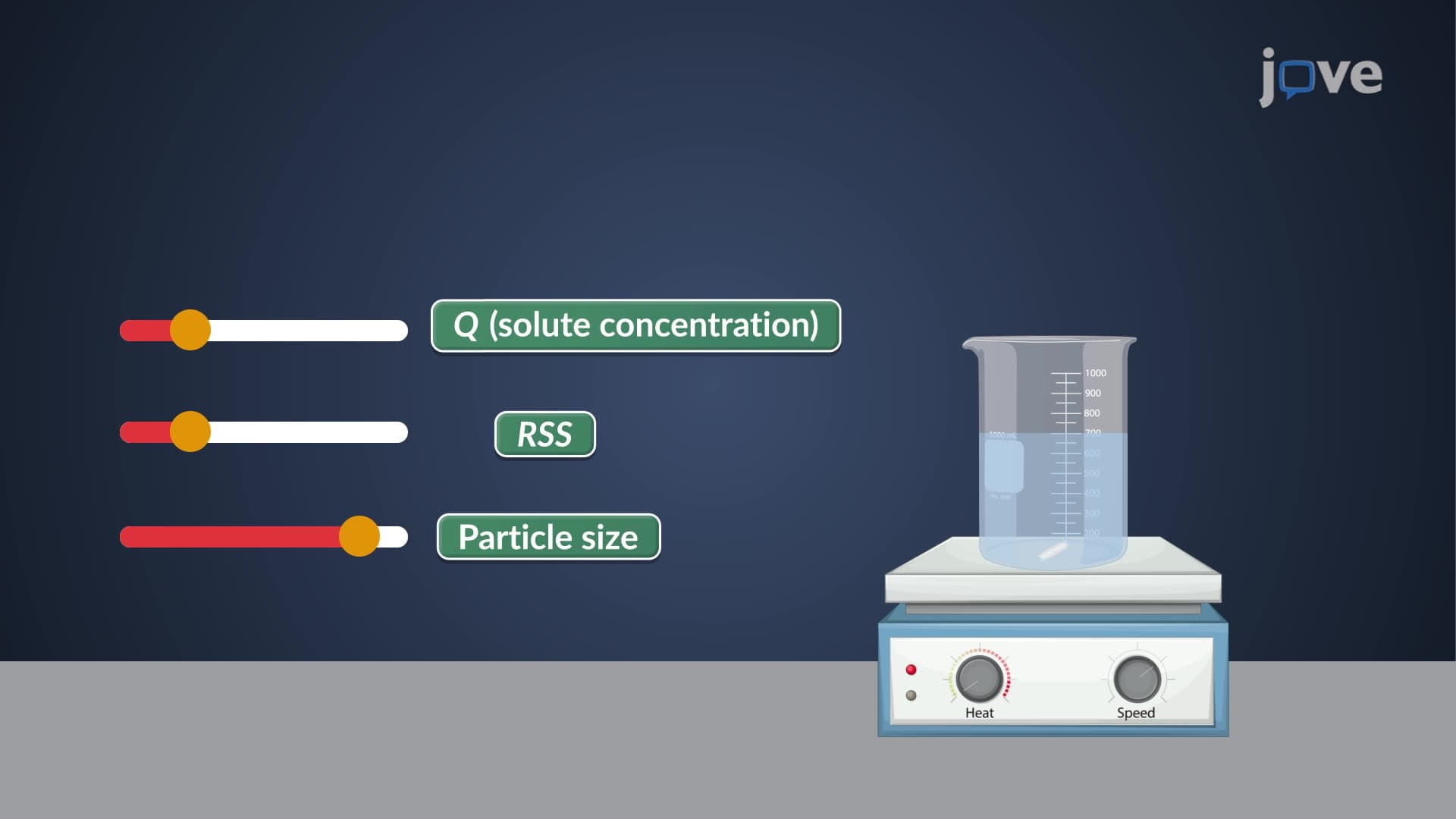
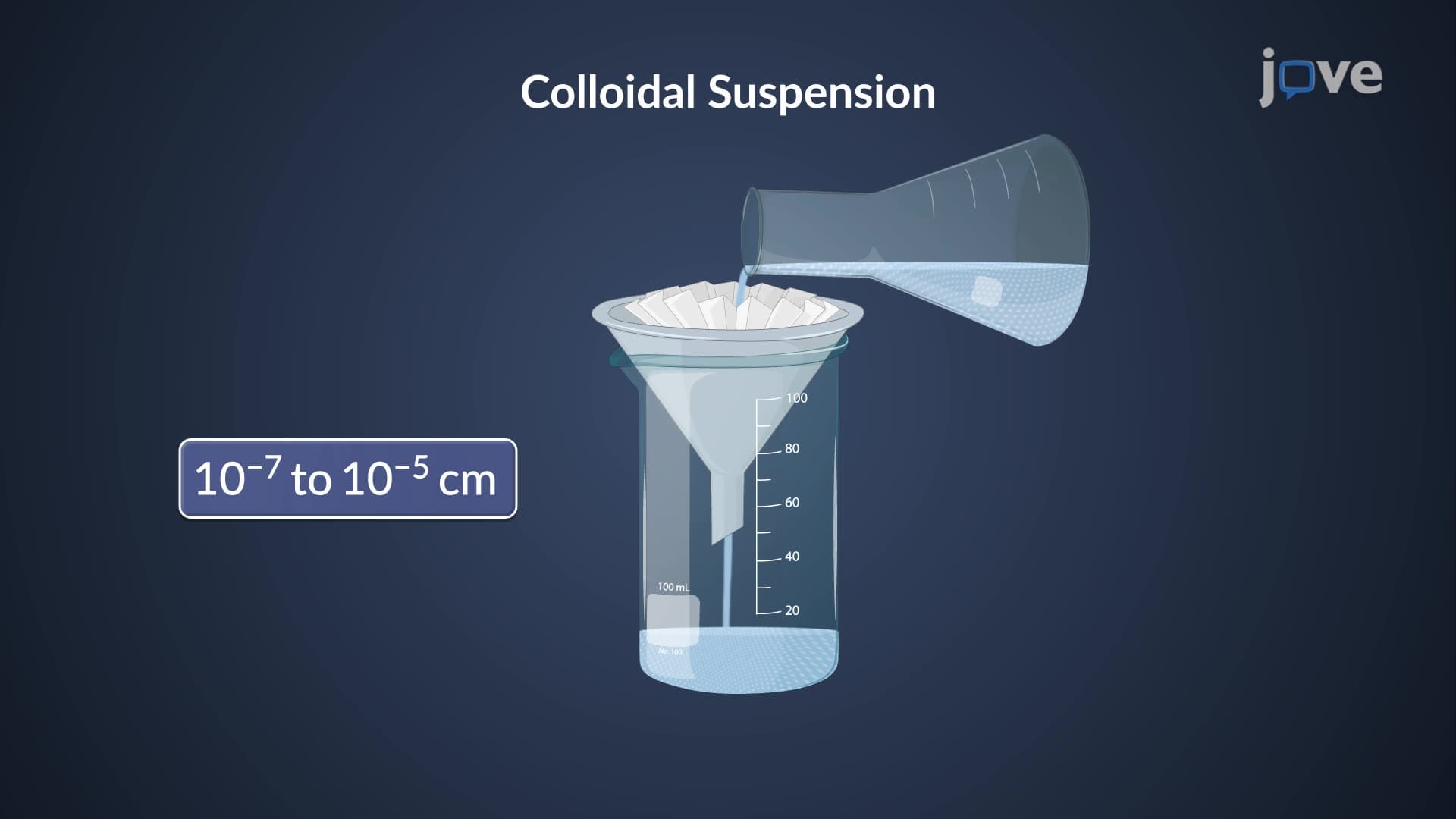
The key to precipitate particle size control lies in understanding relative supersaturation, expressed as Q/S, where Q represents the actual concentration of dissolved species and S represents the equilibrium solubility. This ratio acts as the master switch determining your precipitate's fate. When Q/S is high (typically >100), you're in the realm of rapid nucleation, creating countless tiny particles that form colloidal suspensions. These microscopic particles, often smaller than 0.1 micrometers, behave like stubborn teenagers-they refuse to settle and slip right through your filter paper.
Conversely, when Q/S is low (typically <10), you enter the crystal growth zone. Here, fewer nucleation sites form, but existing crystals grow larger, creating the well-behaved crystalline precipitates that analytical chemists love. These particles, typically 0.1-10 micrometers or larger, settle quickly and filter cleanly.
Controlling Precipitation Conditions in Practice
Real-world precipitate formation particle size control involves manipulating several variables simultaneously. Temperature plays a crucial role-higher temperatures generally favor crystal growth over nucleation by increasing molecular mobility. The Mayo Clinic's clinical laboratories, for instance, carefully control temperature when precipitating proteins for diagnostic tests to ensure consistent particle sizes.
pH optimization represents another powerful tool. For metal hydroxide precipitates, gradually adjusting pH rather than dumping in base all at once prevents the supersaturation spike that leads to colloidal formation. Similarly, the common ion effect can be strategically employed-slowly adding precipitating agent while stirring allows controlled supersaturation levels.
Applications in Academic and Professional Settings
Students preparing for the MCAT will encounter these concepts in analytical chemistry contexts, while AP Chemistry students see practical applications in their laboratory work. Understanding how to control precipitate particle size isn't just academic-it's essential in pharmaceutical manufacturing, environmental testing, and clinical diagnostics where particle size directly affects bioavailability, analytical accuracy, and separation efficiency.
Frequently Asked Questions
Precipitate formation and particle size control refers to the systematic management of conditions during precipitation reactions to achieve desired particle characteristics. It involves manipulating factors like supersaturation, temperature, and pH to produce either fine colloidal particles or larger crystalline precipitates depending on analytical needs.
MCAT questions often test relative supersaturation concepts in biochemistry contexts, particularly protein precipitation and drug solubility. AP Chemistry exams focus on gravimetric analysis scenarios where you must predict optimal precipitation conditions. Expect questions about Q/S ratios and their effects on particle formation.
Focus on understanding the Q/S relationship through practice problems rather than memorizing conditions. Create comparison charts between colloidal and crystalline precipitates, including their formation conditions and properties. Work through gravimetric analysis calculations that incorporate particle size considerations for comprehensive understanding.
Companies like Johnson & Johnson and Merck use controlled precipitation to manufacture drug particles with specific size distributions that optimize bioavailability. Insulin manufacturing, for example, requires precise particle size control to ensure consistent absorption rates in diabetic patients across different injection sites.
Not at all-basic understanding of solubility and chemical equilibrium from high school chemistry provides sufficient foundation. The concepts build logically from familiar precipitation reactions, making them accessible to students with general chemistry knowledge.
Particle size determines filtration behavior-colloidal precipitates (formed under high supersaturation) contain particles smaller than filter paper pores, while crystalline precipitates (formed under low supersaturation) contain larger particles that are easily retained. The relative supersaturation ratio Q/S determines which type forms.
Higher temperatures generally promote crystal growth over nucleation, leading to larger particles that filter more easily. Lower temperatures favor rapid nucleation, creating smaller colloidal particles. This principle helps explain why "hot filtration" techniques work better for certain precipitates in analytical procedures.
Explore crystal engineering principles, advanced separation techniques like centrifugation and ultrafiltration, and colloidal chemistry applications in nanotechnology. Understanding particle size distribution analysis and its applications in pharmaceutical quality control represents natural next steps for deeper exploration.
Related Micro-courses
14 Concepts
13 Concepts