Loading subject page…


72,639 views

Video Summary: Washing Drying and Ignition of Precipitates Explained
Did you know that a single unwashed precipitate can throw off pharmaceutical quality control by over 15%? Precipitate washing drying ignition is the critical three-step process that ensures accurate analytical results in everything from water treatment plants to clinical laboratories across the United States. The washing and ignition of precipitates removes impurities, eliminates moisture, and converts compounds into their most stable weighing forms for gravimetric analysis. Watch the full video on JoVE Coach to master this concept with expert-led visuals and step-by-step explanations.
The process of washing drying and ignition of precipitates represents one of the most critical skill sets in analytical chemistry, directly impacting the accuracy of quantitative analysis in research laboratories, pharmaceutical companies, and environmental testing facilities across the United States. This three-stage purification and preparation process ensures that precipitates are free from contamination, properly dehydrated, and in the correct chemical form for accurate mass determination.
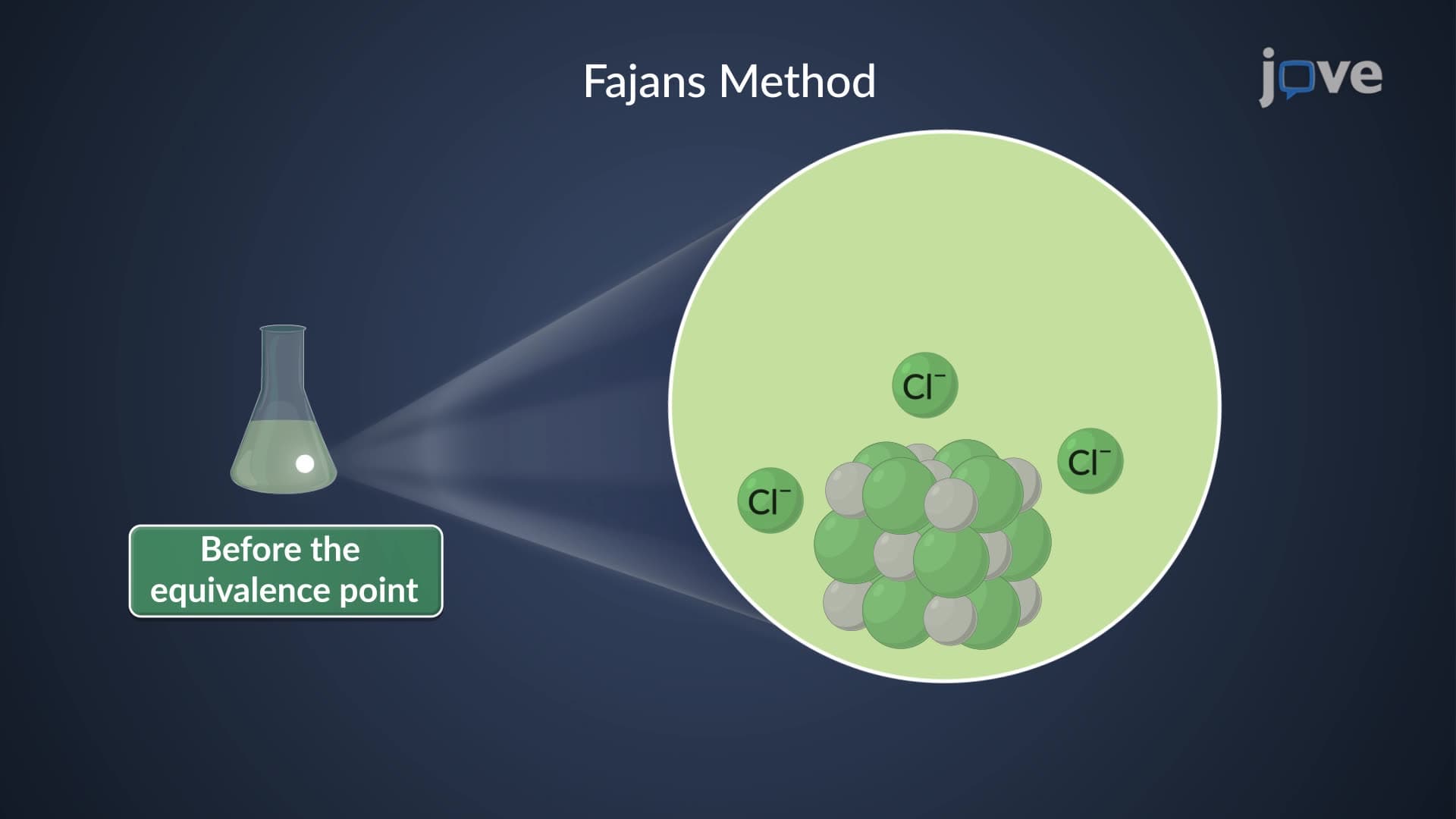
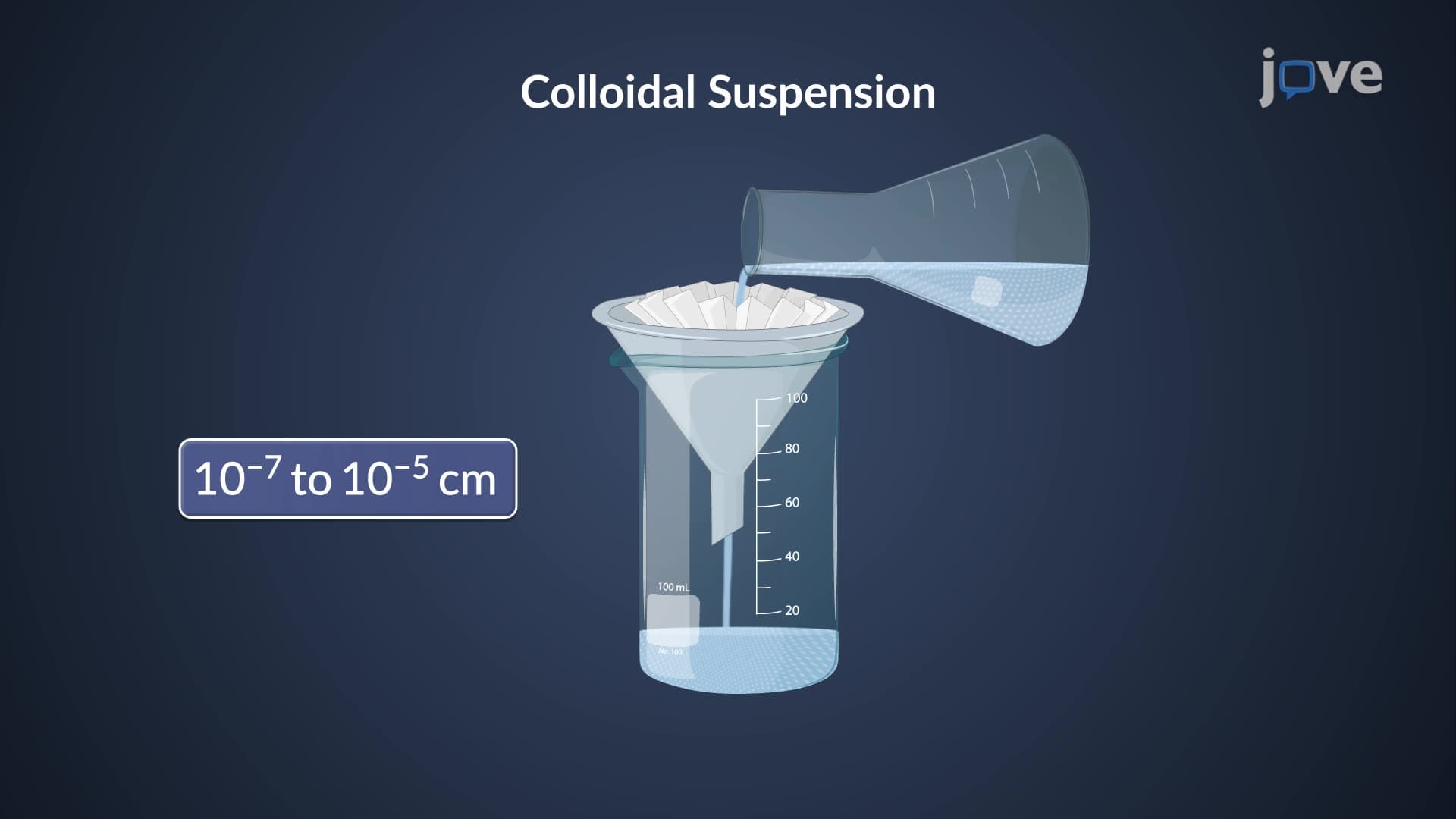
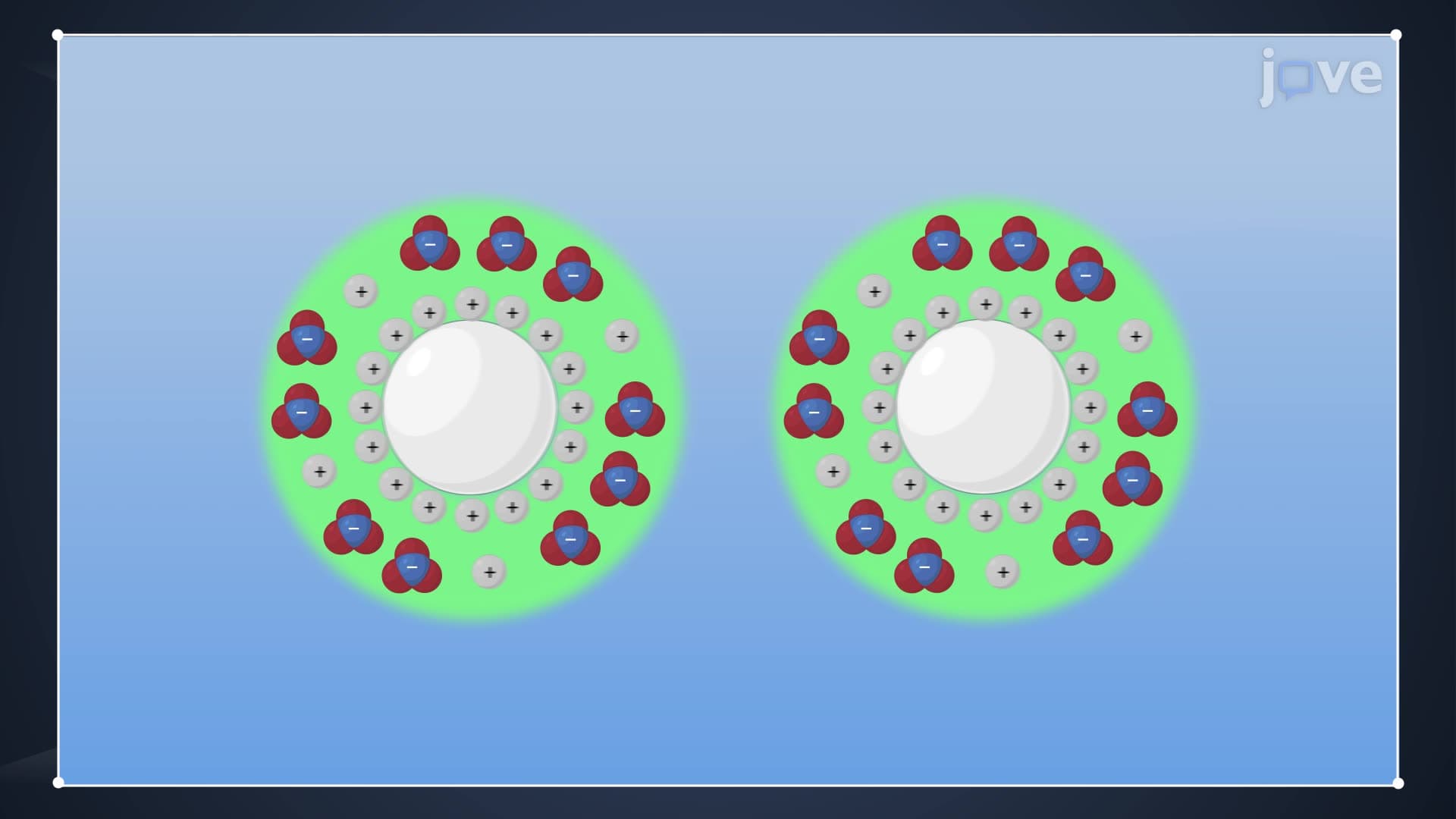
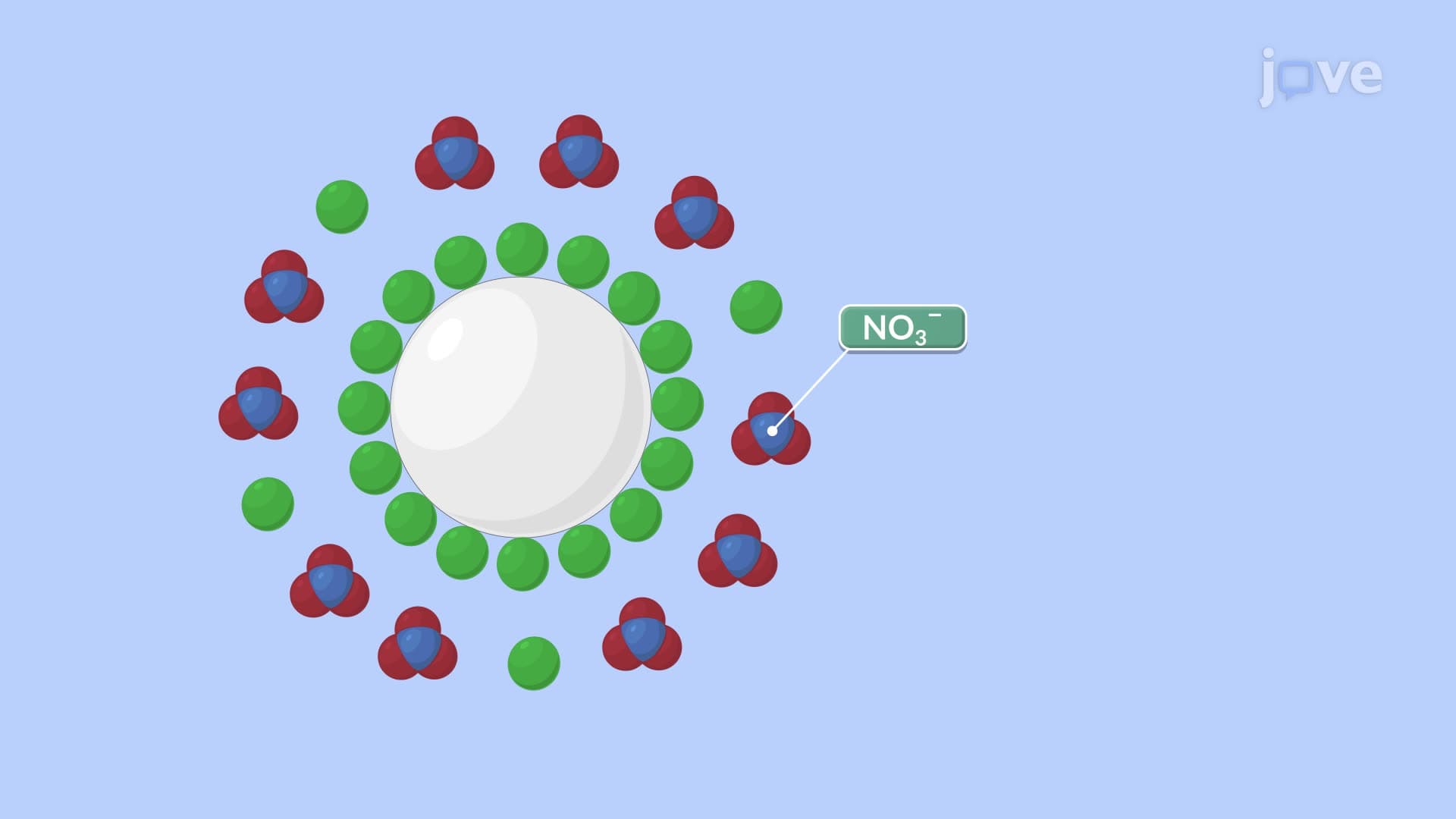
Precipitate purity washing requires careful consideration of the specific chemical properties of both the precipitate and potential contaminants. Colloidal precipitates, such as silver chloride formed in chloride ion determination, present unique challenges due to their tendency toward peptization-the process where particles redisperse into solution when washed with pure water. To prevent this, analytical chemists use dilute electrolyte solutions, typically containing nitric acid, which maintains the ionic strength necessary to keep particles aggregated.
For slightly soluble precipitates like lead sulfate or barium sulfate, the washing strategy involves using solutions containing a common ion to suppress dissolution through the common ion effect. For example, when washing lead sulfate precipitates, the wash solution contains dilute sulfuric acid to maintain high sulfate ion concentration, minimizing lead sulfate solubility and preventing analytical losses that could affect results in environmental lead testing or pharmaceutical analysis.
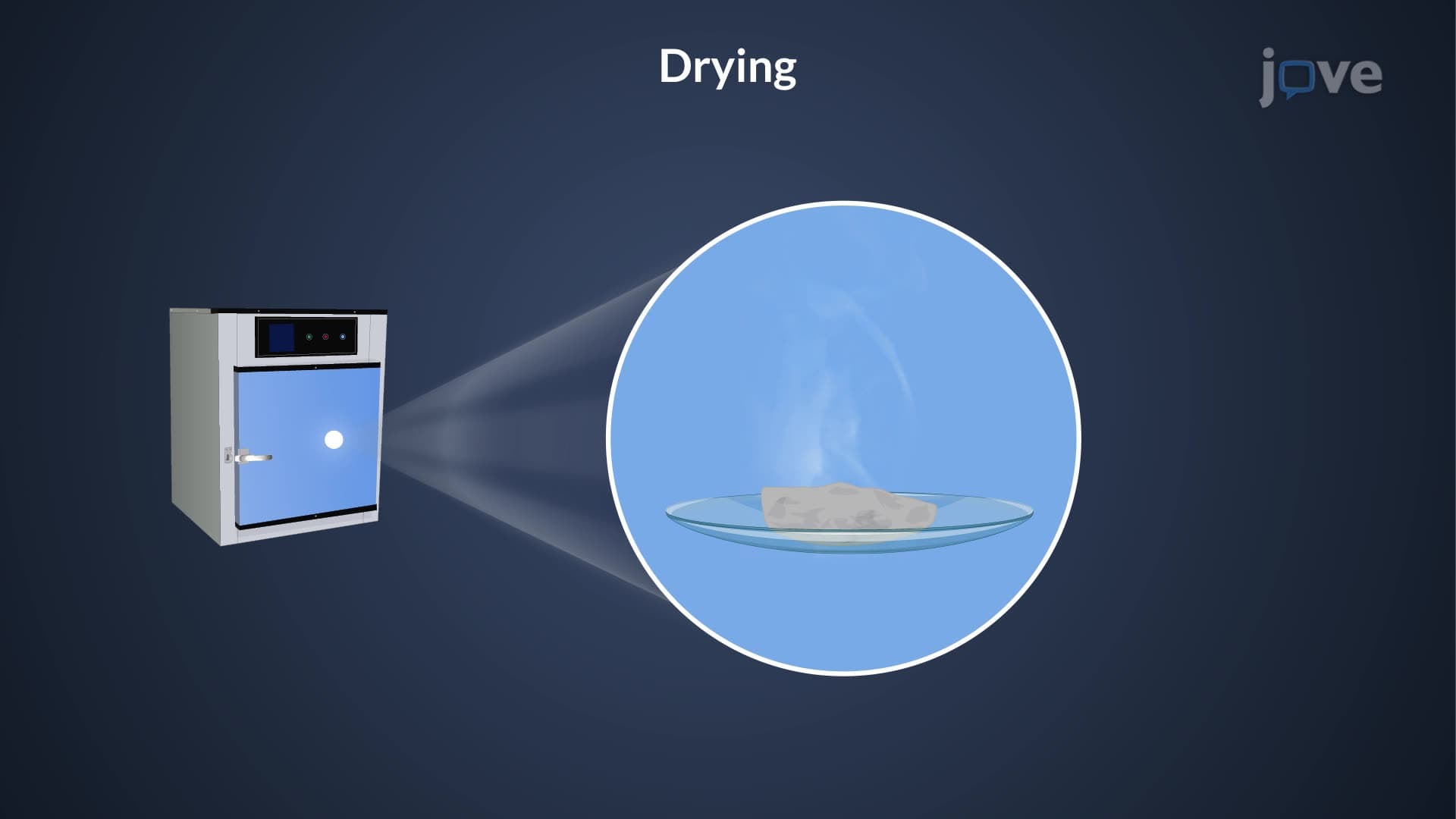
The drying phase removes adsorbed water molecules and volatile organic solvents that would otherwise contribute to mass measurements and compromise analytical accuracy. Most precipitates are dried in laboratory ovens at temperatures between 100-150°C, though specific drying temperature precipitate requirements vary based on thermal stability and decomposition characteristics. Students preparing for AP Chemistry exams should note that proper temperature control prevents premature decomposition while ensuring complete moisture removal.
Ignition gravimetric analysis becomes necessary when precipitates must be converted to more stable compounds for accurate weighing. This process typically occurs in muffle furnace ignition at temperatures ranging from 500-1200°C, depending on the specific analytical method. For instance, calcium oxalate precipitates are ignited to form calcium oxide, providing a more stable and well-defined compound for quantitative calcium determination in water analysis or pharmaceutical testing.
These techniques appear frequently in college analytical chemistry courses and standardized examinations, including MCAT preparation for pre-medical students. Understanding gravimetric filter crucible procedures and proper use of desiccators for cooling represents fundamental laboratory skills that translate directly to professional analytical work. Environmental laboratories routinely employ these methods for determining sulfate levels in drinking water, while pharmaceutical companies use gravimetric analysis to verify drug purity and composition, making this knowledge immediately applicable to real-world analytical challenges.
Related Micro-courses