Loading subject page…

- Analytical Chemistry
- Complexometric Titration, Precipitation Titration, and Gravimetry
- Colloidal precipitates
Micro-course: Complexometric Titration, Precipitation Titration, and Gravimetry
72,634 views
Learn key concepts and earn your certificate.





Colloidal precipitates

00:00
01:09
Video Summary: What are Colloidal Precipitates
Ever wondered why some laboratory precipitates remain stubbornly cloudy despite careful filtration? Colloidal precipitates chemistry reveals particles so small they defy gravity, staying suspended through electrostatic forces. These microscopic clusters, common in silver chloride formation during qualitative analysis labs at universities like MIT and Stanford, create stable suspensions that challenge traditional separation methods. Understanding what are colloidal precipitates becomes crucial when unexpected cloudiness appears in analytical procedures. Watch the full video on JoVE Coach to master this concept with expert-led visuals and step-by-step explanations.
- Understand what are colloidal precipitates and how their unique particle size distinguishes them from crystalline precipitates
- Identify the role of electric double layers in stabilizing colloidal suspensions through electrostatic repulsion
- Analyze how surface-to-mass ratios affect adsorption properties in colloidal systems
- Compare coagulation methods including thermal treatment and electrolyte addition for particle aggregation
- Evaluate the critical coagulation concentration needed to overcome electrostatic barriers
- Apply peptization principles to explain why improper washing can redisperse settled particles
- Recognize the importance of non-interfering electrolytes in preventing unwanted redispersion
- Explore real-world applications in water treatment, pharmaceutical manufacturing, and analytical chemistry procedures
Understanding What Are Colloidal Precipitates
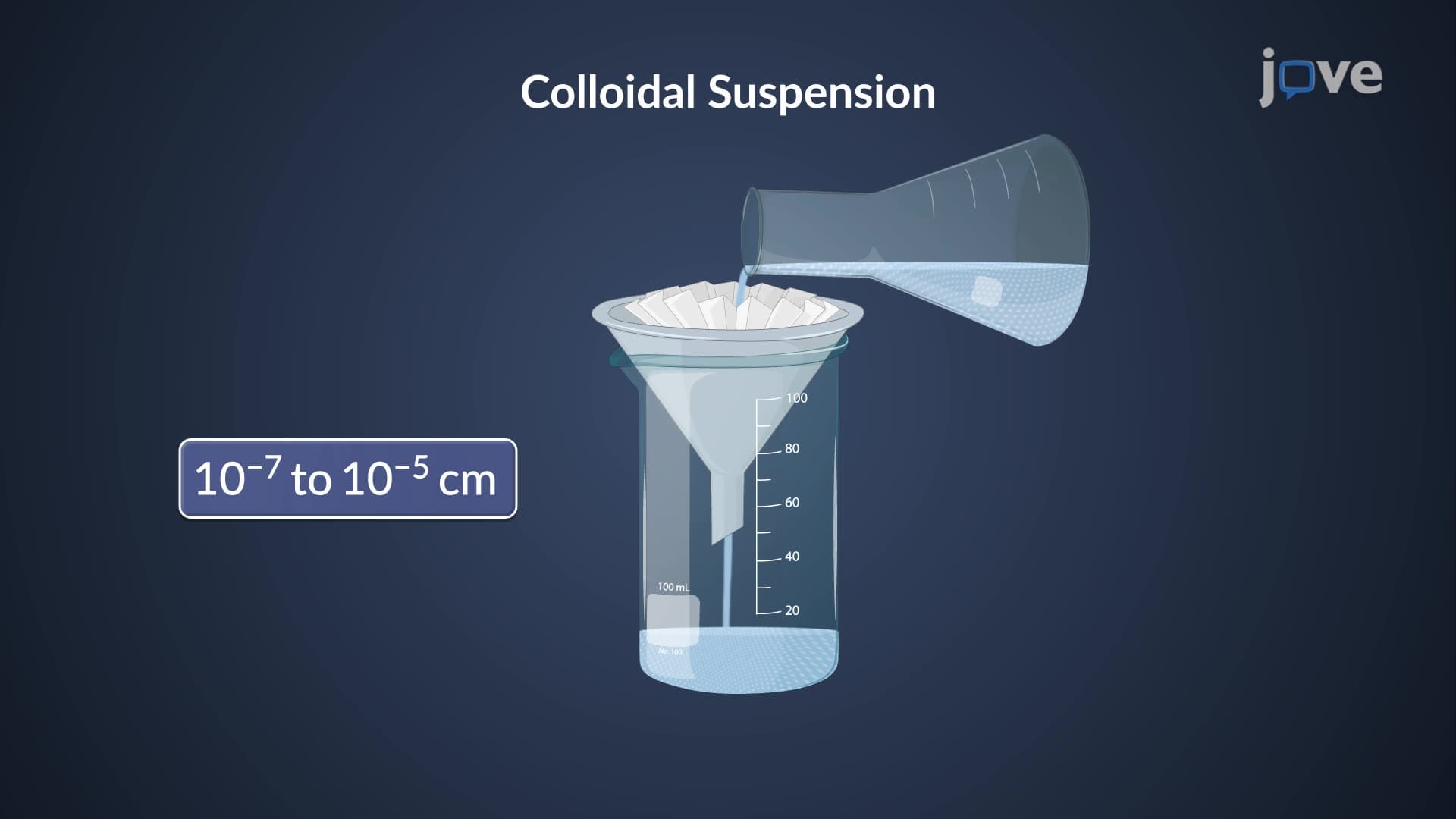
Colloidal precipitates represent a fascinating intermediate state between true solutions and coarse suspensions. These particles, typically ranging from 1 to 1000 nanometers, possess unique properties that make them both challenging and valuable in analytical chemistry. Unlike crystalline precipitates that settle quickly under gravity, colloidal particles remain suspended due to their enormous surface-to-mass ratio and complex surface interactions.
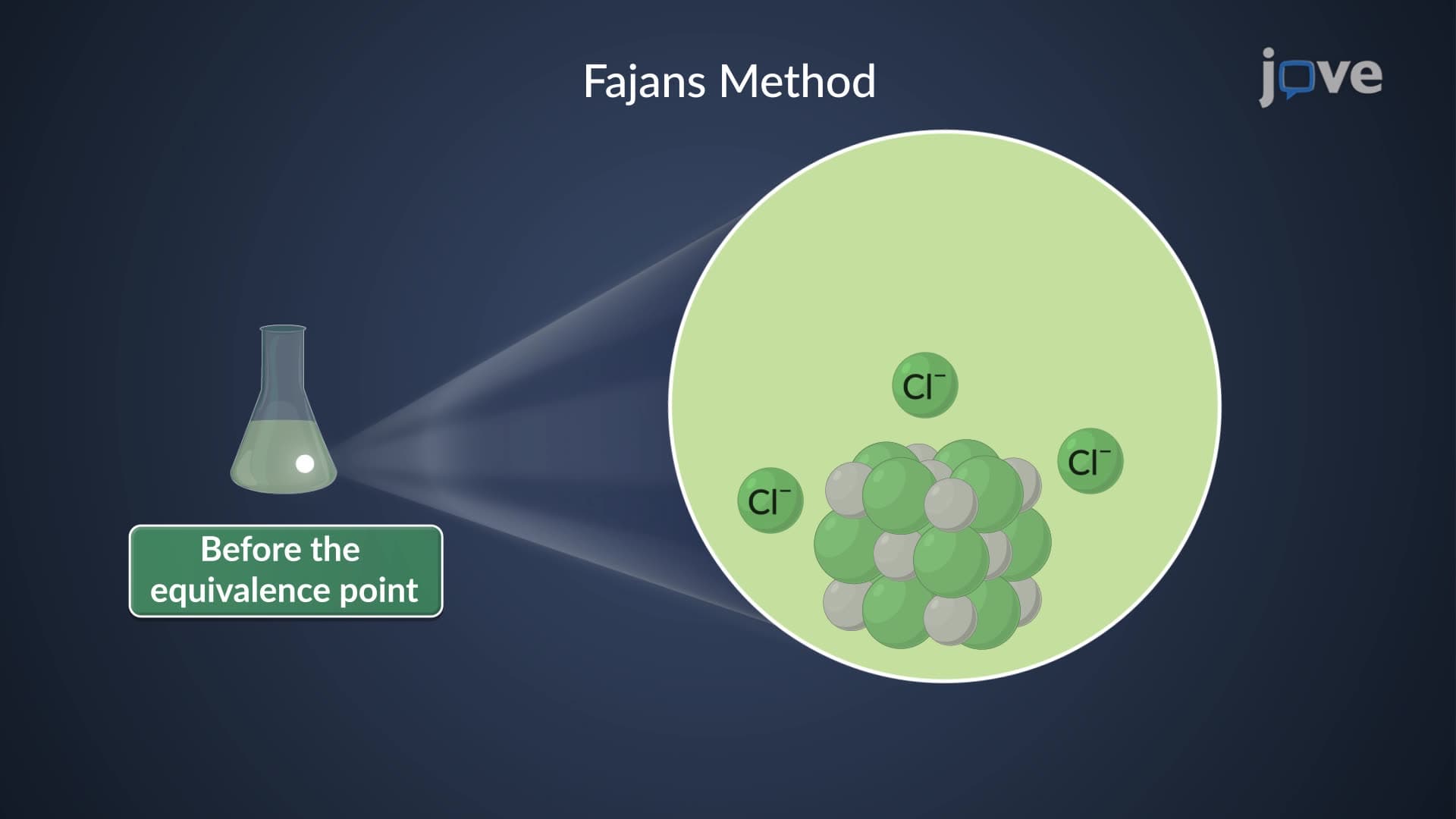
The formation of colloidal precipitates often occurs during rapid precipitation reactions, such as when excess silver nitrate reacts with chloride ions in qualitative analysis. This process, commonly encountered in AP Chemistry labs and undergraduate analytical chemistry courses, demonstrates how reaction conditions dramatically influence particle size and behavior.
Colloidal Precipitate Properties and Stability Mechanisms
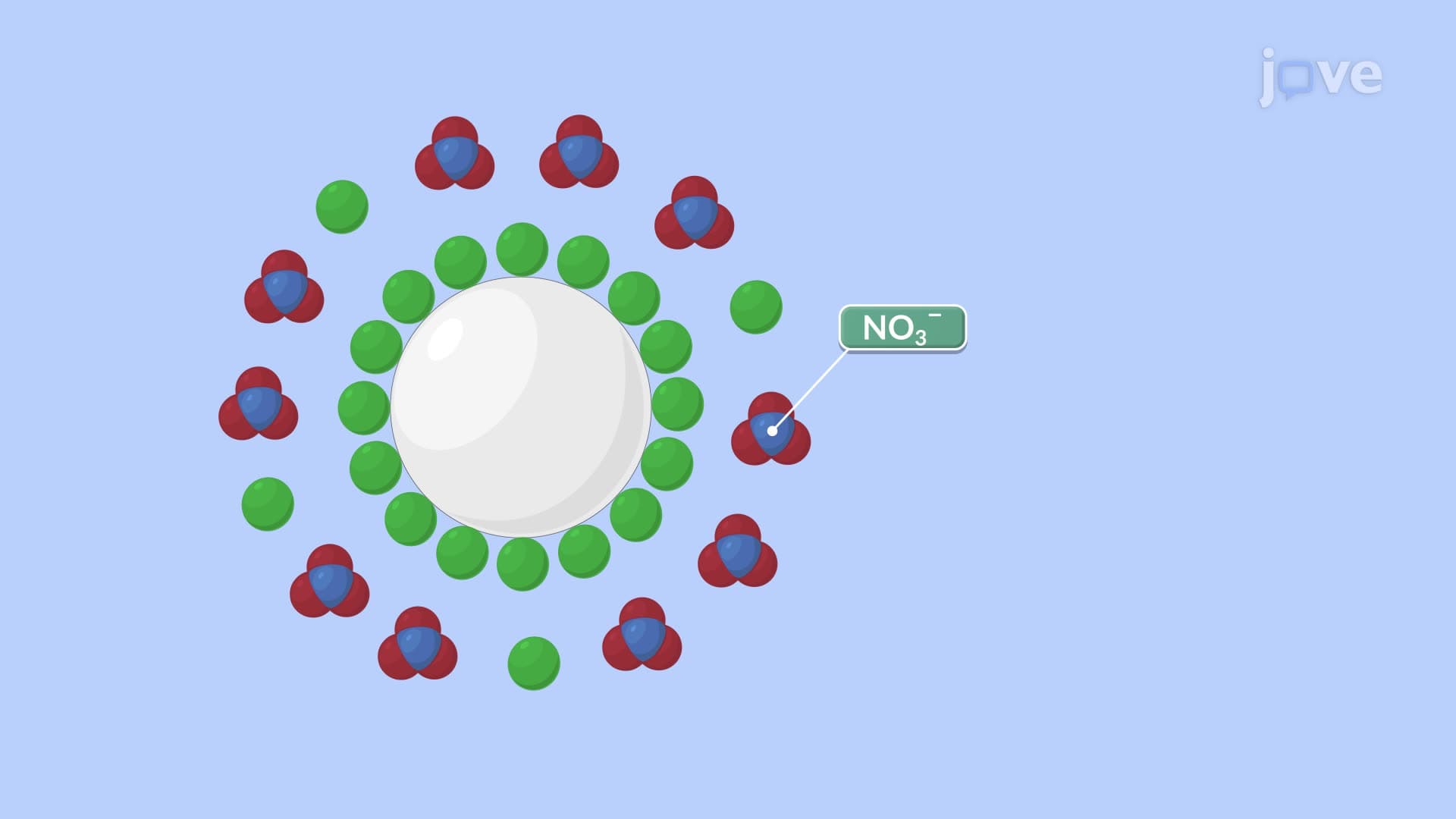
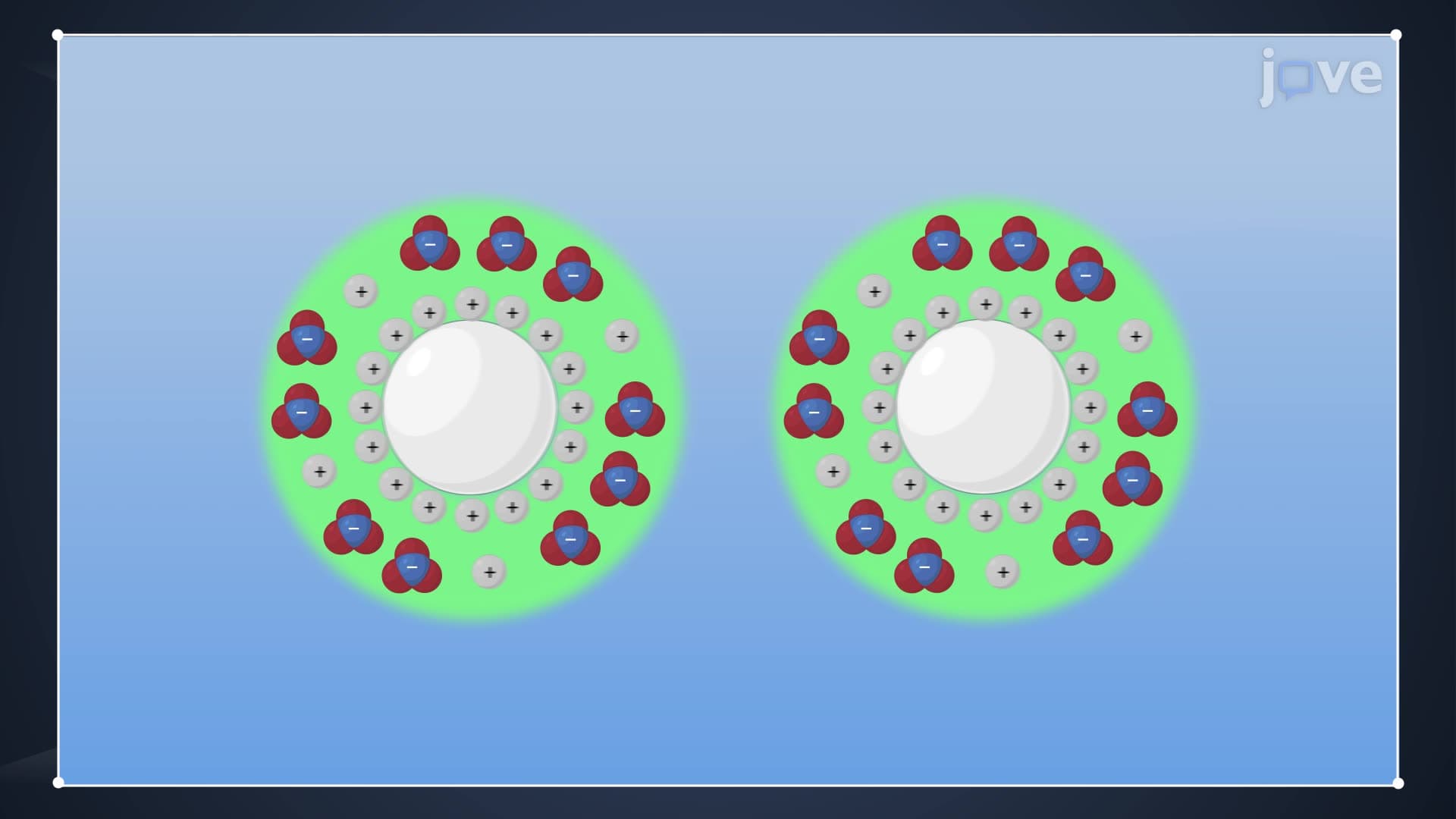
The stability of colloidal suspensions stems from the electric double layer surrounding each particle. This phenomenon occurs when primary ions adsorb onto the particle surface, creating a charged layer that attracts oppositely charged counter-ions from solution. For silver chloride colloids formed with excess silver nitrate, silver ions constitute the primary adsorption layer, while nitrate ions form the secondary counter-ion layer.
This electrostatic stabilization prevents particle collision and coagulation, explaining why colloidal precipitates can remain suspended indefinitely. Students preparing for the MCAT or advanced placement exams should understand that this stability depends on maintaining sufficient electrostatic repulsion to overcome van der Waals attractive forces between particles.
Coagulation Techniques in Analytical Chemistry
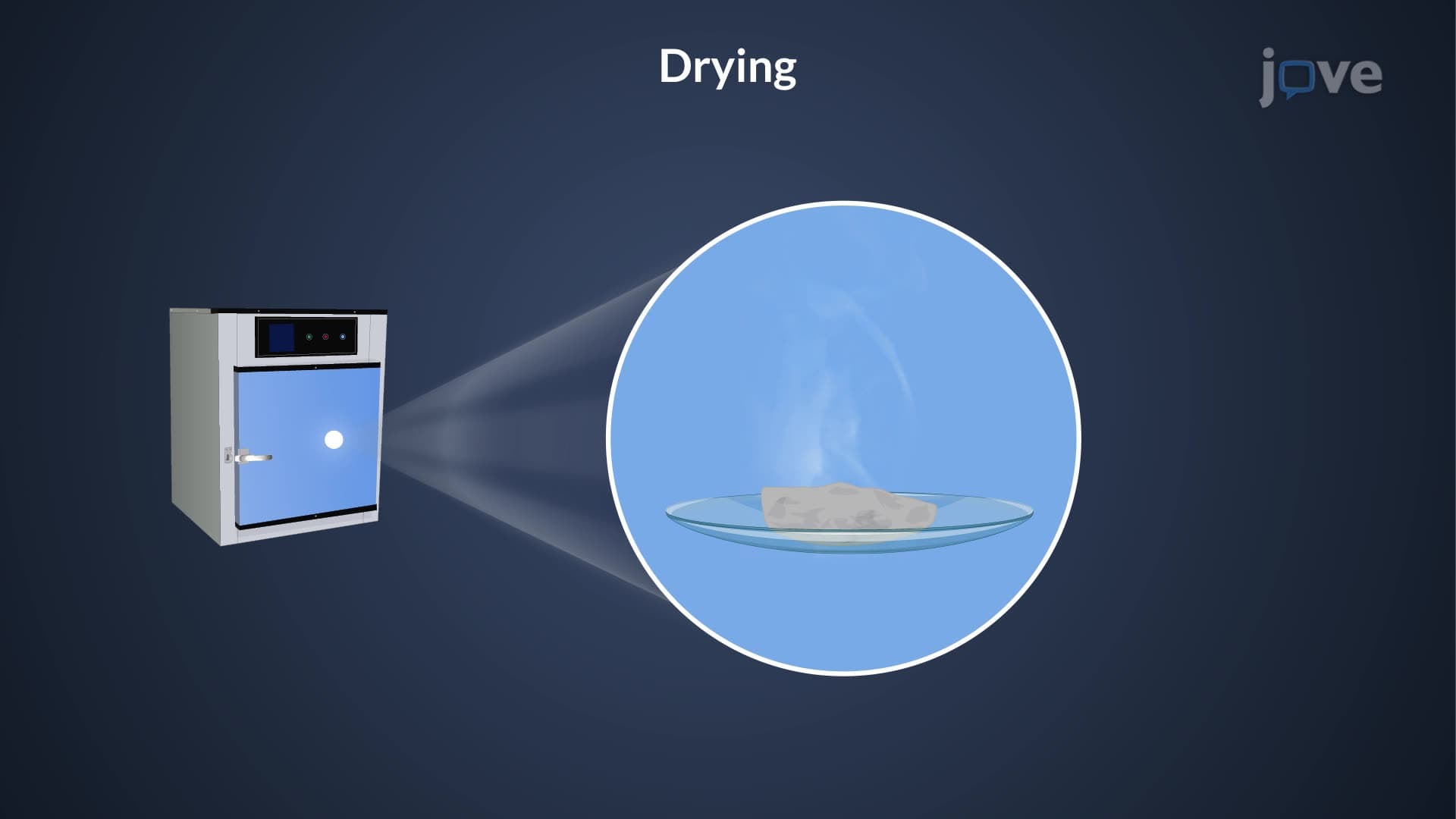
Several methods can destabilize colloidal precipitates to promote coagulation. Thermal treatment increases particle kinetic energy, enabling them to overcome electrostatic barriers and collide more frequently. This technique, commonly used in gravimetric analysis procedures taught at institutions like UC Berkeley and the University of Texas, requires careful temperature control to avoid decomposition.
Electrolyte addition offers an alternative coagulation method by compressing the electric double layer. The critical coagulation concentration represents the minimum electrolyte level needed to neutralize surface charges sufficiently for spontaneous particle aggregation. This concept frequently appears on college chemistry midterms and standardized tests.
Peptization and Prevention Strategies
Peptization, the redispersion of coagulated particles during washing, poses significant challenges in quantitative analysis. This phenomenon occurs when washing removes electrolytes, allowing the electric double layer to re-expand and particles to redisperse. Pharmaceutical companies and environmental testing laboratories must carefully control washing procedures to prevent sample loss through peptization.
Prevention involves washing with dilute solutions of non-interfering electrolytes rather than pure water. This maintains sufficient ionic strength to prevent redispersion while removing unwanted impurities, ensuring accurate analytical results in both academic and industrial settings.
Frequently Asked Questions
Colloidal precipitates consist of extremely small particles (1-1000 nm) that remain suspended due to electrostatic forces, while crystalline precipitates form larger, well-ordered structures that settle under gravity. Colloidal particles have enormous surface-to-mass ratios that promote surface adsorption, creating electric double layers that prevent coagulation. This fundamental difference affects separation techniques, with colloidal precipitates requiring special coagulation methods before filtration.
AP Chemistry and college midterms frequently test coagulation mechanisms, peptization prevention, and the role of electrolytes in colloid stability. Students encounter problems involving silver halide precipitates, calculating critical coagulation concentrations, and explaining why certain washing procedures cause particle redispersion. MCAT questions often connect colloidal behavior to biological systems like protein aggregation.
Focus on understanding the electric double layer model and practice drawing particle diagrams showing adsorbed ions. Create concept maps linking particle size, surface area, and stability mechanisms. Work through precipitation problems systematically, identifying when coagulation or peptization might occur. Practice explaining why heating and electrolyte addition both promote coagulation through different mechanisms.
Basic understanding of precipitation reactions, ionic equilibria, and electrostatic forces provides sufficient foundation for colloidal precipitate concepts. Students comfortable with molarity calculations and qualitative analysis can successfully master these topics. The mathematical requirements remain minimal, focusing more on conceptual understanding than complex calculations.
Water treatment facilities across the US use coagulation principles to remove suspended particles from drinking water. Pharmaceutical companies like Pfizer and Johnson & Johnson control particle size during drug manufacturing to optimize bioavailability. Environmental testing laboratories must manage colloidal behavior when analyzing soil and water samples for regulatory compliance.
MCAT passages often describe biological colloids like protein aggregation or drug delivery systems, then ask about stability factors and coagulation mechanisms. Questions might involve comparing different electrolyte concentrations' effects on colloid stability or predicting how pH changes affect particle charge. The test emphasizes connecting colloidal principles to physiological processes.
Advanced colloid chemistry topics include zeta potential measurements, Brownian motion effects, and industrial applications in nanotechnology. Students might explore related areas like surface chemistry, adsorption isotherms, and pharmaceutical formulation science. These concepts build naturally into physical chemistry and materials science coursework.
Cloudy filtrates typically indicate colloidal particle formation due to rapid mixing, excess reagent addition, or inappropriate reaction conditions. The particles pass through filter paper because their small size allows them to navigate pore spaces. Successful separation requires coagulation through heating, electrolyte addition, or pH adjustment before attempting filtration.
Related Micro-courses
14 Concepts
13 Concepts