Loading subject page…

- Analytical Chemistry
- Complexometric Titration, Precipitation Titration, and Gravimetry
- Complexometric Titration: Ligands
Micro-course: Complexometric Titration, Precipitation Titration, and Gravimetry
72,634 views
Learn key concepts and earn your certificate.











Complexometric Titration: Ligands

00:00
00:43
Video Summary: What are Complexometric Titration Ligands
Ever wonder how scientists test your tap water for heavy metals like lead or measure calcium levels in blood tests? Complexometric titration ligands are the specialized molecules that make these crucial measurements possible by forming predictable bonds with metal ions. Ligands used in complexometric titration range from simple single-binding molecules to complex multi-armed chelators like EDTA, which water treatment facilities across the US use daily to monitor water quality. Understanding what are complexometric titration ligands reveals the chemistry behind everything from environmental monitoring to medical diagnostics. Watch the full video on JoVE Coach to master this concept with expert-led visuals and step-by-step explanations.
- Understand what are complexometric titration ligands and their fundamental role in analytical chemistry procedures
- Identify the different types of ligands in complexometric titration, including monodentate, bidentate, and multidentate varieties
- Compare the stability and effectiveness of various ligand structures in metal ion binding applications
- Analyze how ligand denticity affects chelate formation and titration endpoint sharpness
- Apply knowledge of ligand selectivity to choose appropriate complexing agents for specific analytical tasks
- Evaluate the advantages of polydentate ligands like EDTA in real-world analytical applications
- Recognize the connection between ligand structure and the stability of metal-ligand complexes
- Explore practical applications of complexometric titrations in environmental testing and clinical analysis
Understanding Complexometric Titration Ligands
Complexometric titration ligands are molecules specifically designed to bind with metal ions through coordinate covalent bonds, forming stable complexes that allow for precise quantitative analysis. These specialized binding agents serve as the foundation for analytical techniques used everywhere from EPA water testing laboratories to hospital clinical chemistry departments across the United States.
Classification by Binding Sites: Monodentate vs. Multidentate Ligands
The types of ligands in complexometric titration are classified primarily by their denticity-the number of binding sites available to coordinate with a metal ion. Monodentate ligands possess a single binding site, while bidentate ligands offer two coordination points. However, multidentate ligand complexometry utilizes ligands with multiple binding sites, creating what chemists call "chelate" complexes-a term derived from the Greek word for "claw."
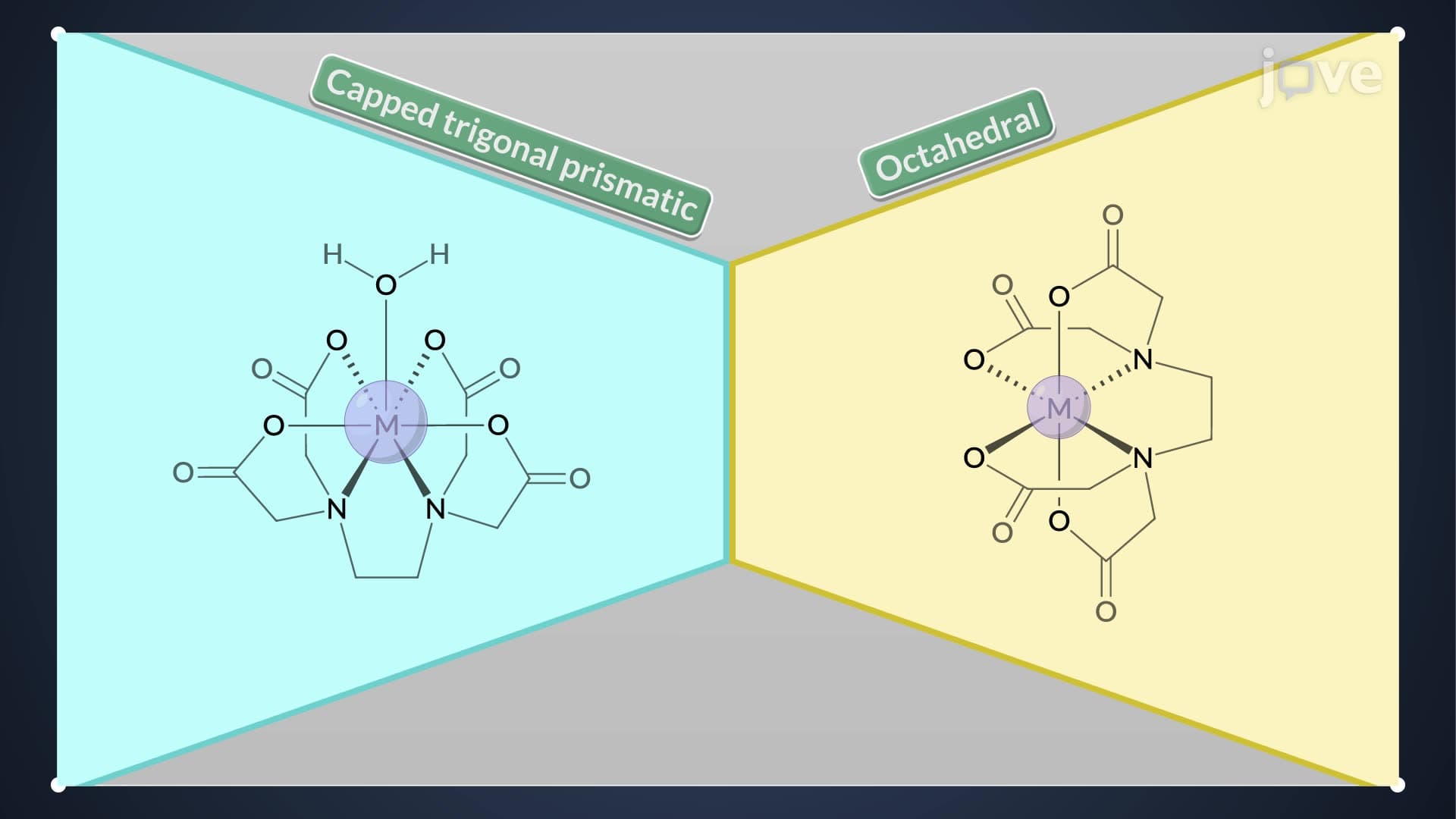
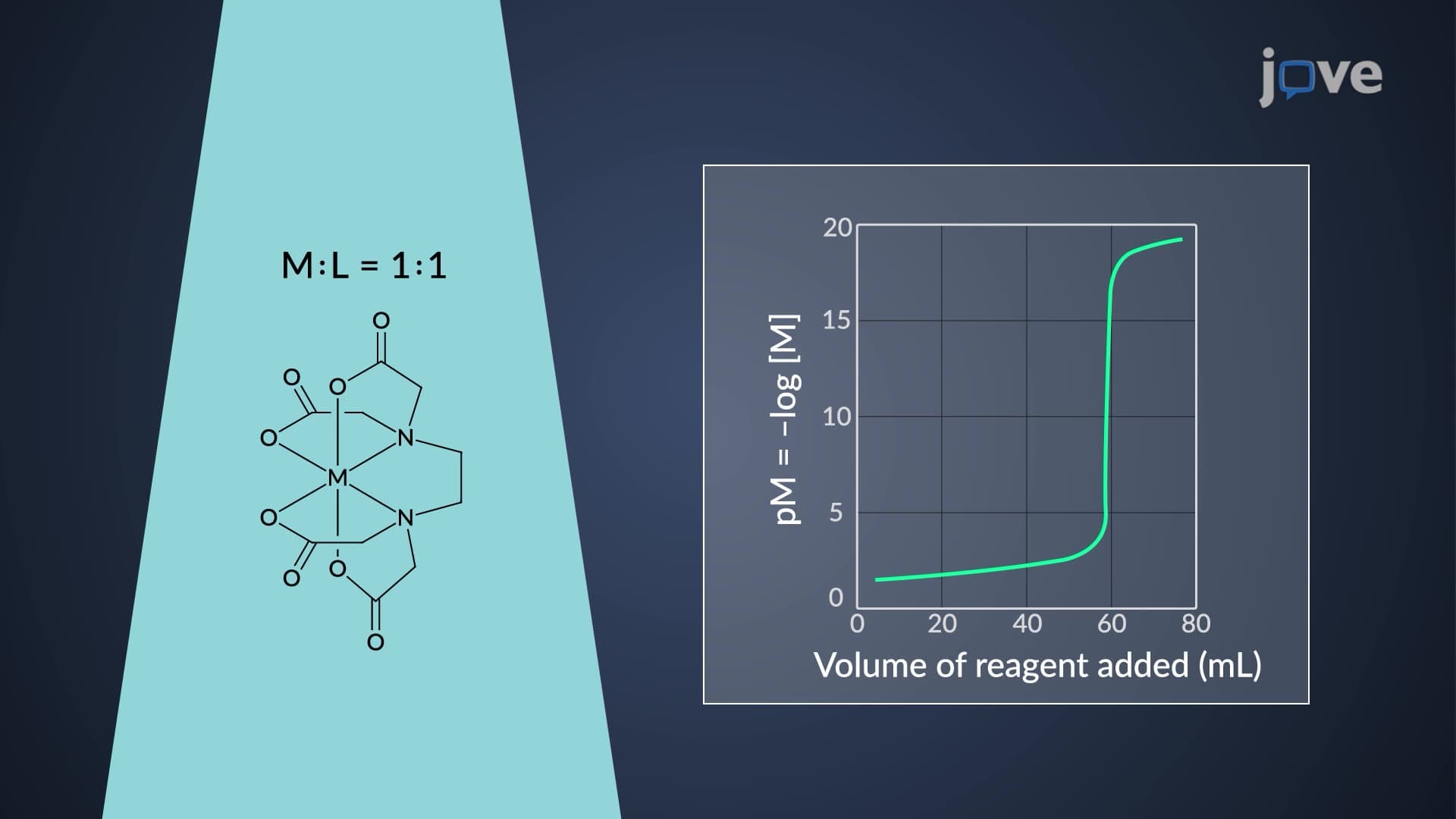
Monodentate bidentate ligands represent the simpler end of the spectrum, but they often require multiple ligand molecules to fully coordinate with a single metal ion, leading to stepwise complex formation that can complicate endpoint detection. In contrast, polydentate ligands like ethylenediaminetetraacetic acid (EDTA) can wrap around metal ions with multiple coordination sites simultaneously, forming incredibly stable 1:1 complexes.
The Power of Chelation in Analytical Chemistry
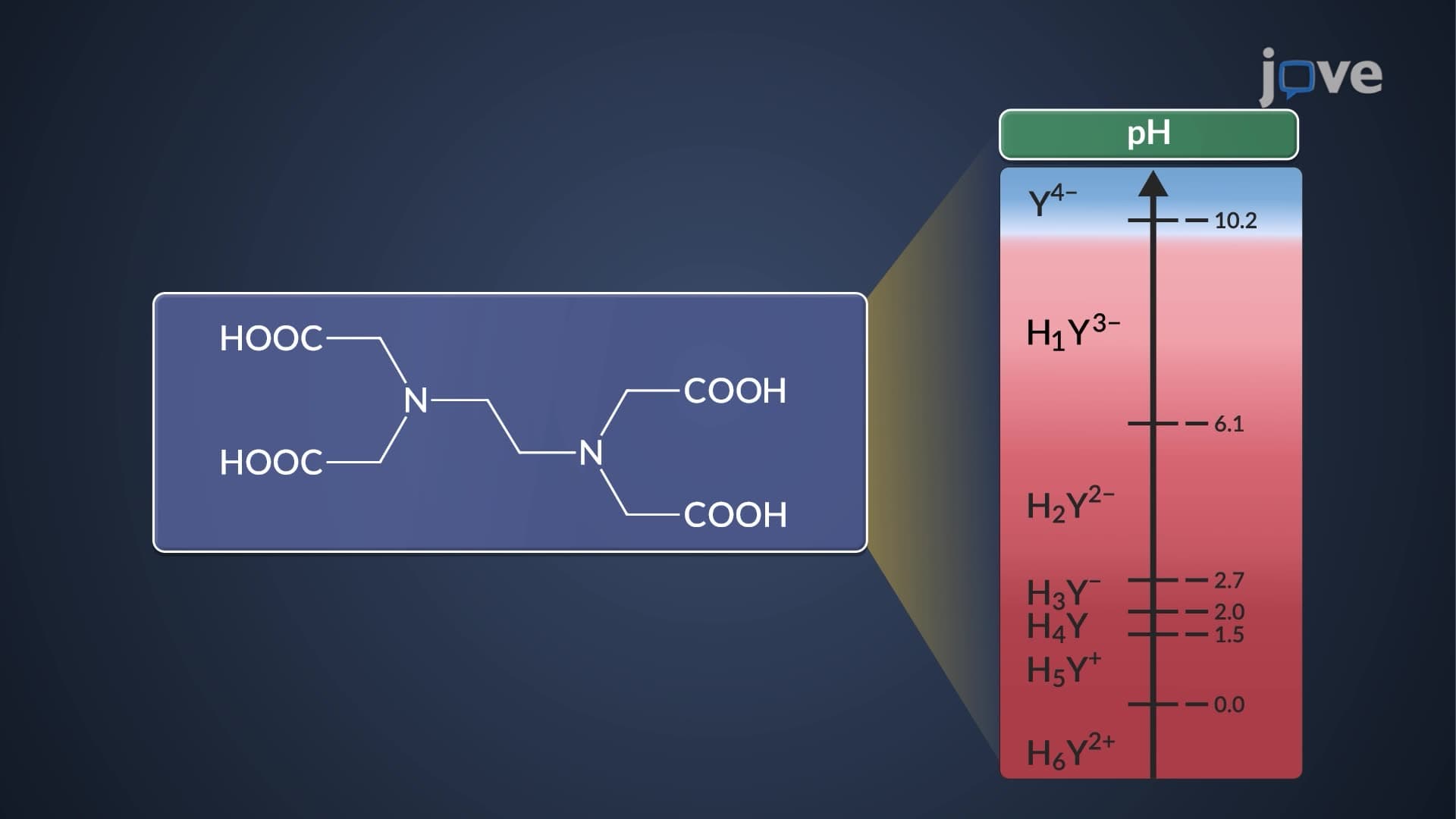
Chelating ligands titration represents the gold standard in complexometric analysis because of the exceptional stability these multi-armed molecules provide. EDTA, the most widely used complexometric titrant, possesses six potential binding sites-four carboxylate oxygens and two amine nitrogens-allowing it to essentially "cage" metal ions in a single binding event. This characteristic makes EDTA invaluable for applications like determining water hardness in municipal water treatment facilities or measuring calcium levels in clinical blood samples.
Practical Applications and Exam Relevance
Students preparing for AP Chemistry exams frequently encounter problems involving ligand selectivity titration, where understanding the relationship between ligand structure and complex stability becomes crucial. The concept also appears prominently in college-level analytical chemistry courses and pre-med curricula, as auxiliary ligand complexometry techniques are fundamental to clinical diagnostic methods.
Water treatment plants across the US rely on EDTA titrations to monitor calcium and magnesium concentrations, ensuring optimal water quality for millions of Americans. Similarly, environmental monitoring agencies use specialized ligands to detect trace metals in soil and water samples, making this knowledge directly applicable to real-world analytical challenges that chemistry students may encounter in their future careers.
Frequently Asked Questions
Complexometric titration ligands are special molecules that grab onto metal ions like a molecular handshake, forming stable partnerships that allow chemists to measure exact concentrations. These ligands act as chemical "detectives" that can identify and quantify specific metals in everything from drinking water to blood samples. Think of them as highly selective molecular tools that make precise metal analysis possible.
Polydentate ligands like EDTA work best because they form the most stable 1:1 complexes with metal ions. Unlike monodentate ligands that bind at only one point, multidentate ligands wrap around metals with multiple binding sites, creating incredibly stable "cage-like" structures. This stability translates to sharper endpoints and more accurate results in analytical procedures.
AP Chemistry frequently tests ligand concepts through equilibrium problems, complex ion formation calculations, and analytical chemistry applications. Students often encounter questions about chelate stability, ligand denticity effects, and practical applications like water hardness determination. The College Board emphasizes understanding how ligand structure affects complex stability and analytical utility.
The MCAT focuses on fundamental ligand concepts including coordinate covalent bonding, chelation effects, and biological applications of metal-ligand interactions. Students should understand how multidentate ligands like EDTA form more stable complexes than monodentate alternatives. The exam often connects these concepts to enzyme active sites and pharmaceutical applications.
US water treatment facilities use EDTA daily to monitor calcium and magnesium levels, ensuring proper water hardness for millions of Americans. Clinical laboratories employ various ligands to measure essential metals in blood work, while environmental agencies use specialized complexing agents to detect harmful heavy metals in soil and groundwater contamination studies.
Basic understanding of chemical bonding and acid-base concepts provides sufficient foundation for learning complexometric ligands. Most high school chemistry students can grasp these principles with proper instruction, as the concepts build naturally on coordinate covalent bonding. The key is visualizing how electron pairs create bonds between ligands and metal centers.
Focus on understanding the relationship between ligand denticity and complex stability rather than memorizing individual structures. Practice drawing chelate formations and calculating formation constants to reinforce theoretical concepts. Create comparison charts showing monodentate, bidentate, and multidentate examples to visualize the stability trend.
Consider exploring ligand field theory, which explains electronic properties of metal complexes, or instrumental methods like atomic absorption spectroscopy that rely on complexometric principles. Bioinorganic chemistry offers fascinating applications of ligand concepts in biological systems, while environmental analytical methods showcase real-world problem-solving applications.
Auxiliary ligands serve supporting roles in complexometric analysis, often preventing unwanted side reactions or improving selectivity without directly participating in the main titration reaction. These helper molecules create optimal conditions for the primary ligand-metal interaction, similar to how buffers maintain optimal pH conditions for specific chemical processes.
Related Micro-courses

14 Concepts
13 Concepts