Loading subject page…


72,642 views

Video Summary: What are Types of Coprecipitation
Ever wonder why pharmaceutical companies struggle with drug purity during manufacturing? The types of coprecipitation create unwanted contamination when supposedly pure compounds trap impurities during crystal formation. In U.S. drug manufacturing, understanding coprecipitation mechanisms prevents costly batch failures and ensures FDA compliance. Four main coprecipitation types-surface adsorption, isomorphous replacement, occlusion, and mechanical entrapment-each contaminate precipitates through different pathways that analytical chemists must recognize and control. Watch the full video on JoVE Coach to master this concept with expert-led visuals and step-by-step explanations.
Types of coprecipitation represent systematic contamination mechanisms that plague analytical chemists across industries from pharmaceutical manufacturing to environmental testing. These unwanted processes occur when supposedly pure precipitates incorporate foreign species, leading to inaccurate quantitative results and failed quality control standards. Understanding each coprecipitation type enables chemists to predict, prevent, and correct analytical errors that could otherwise compromise critical measurements.
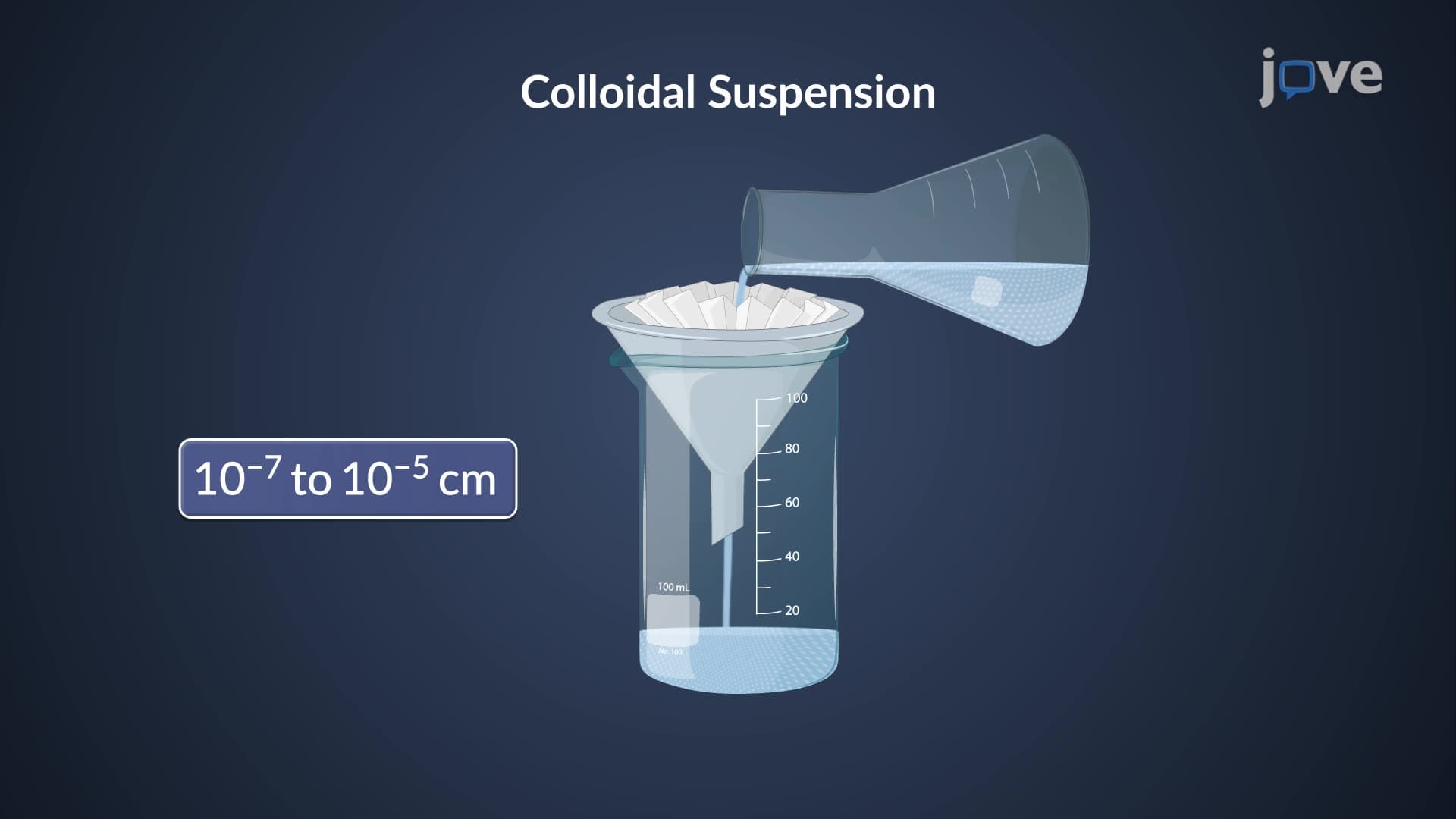
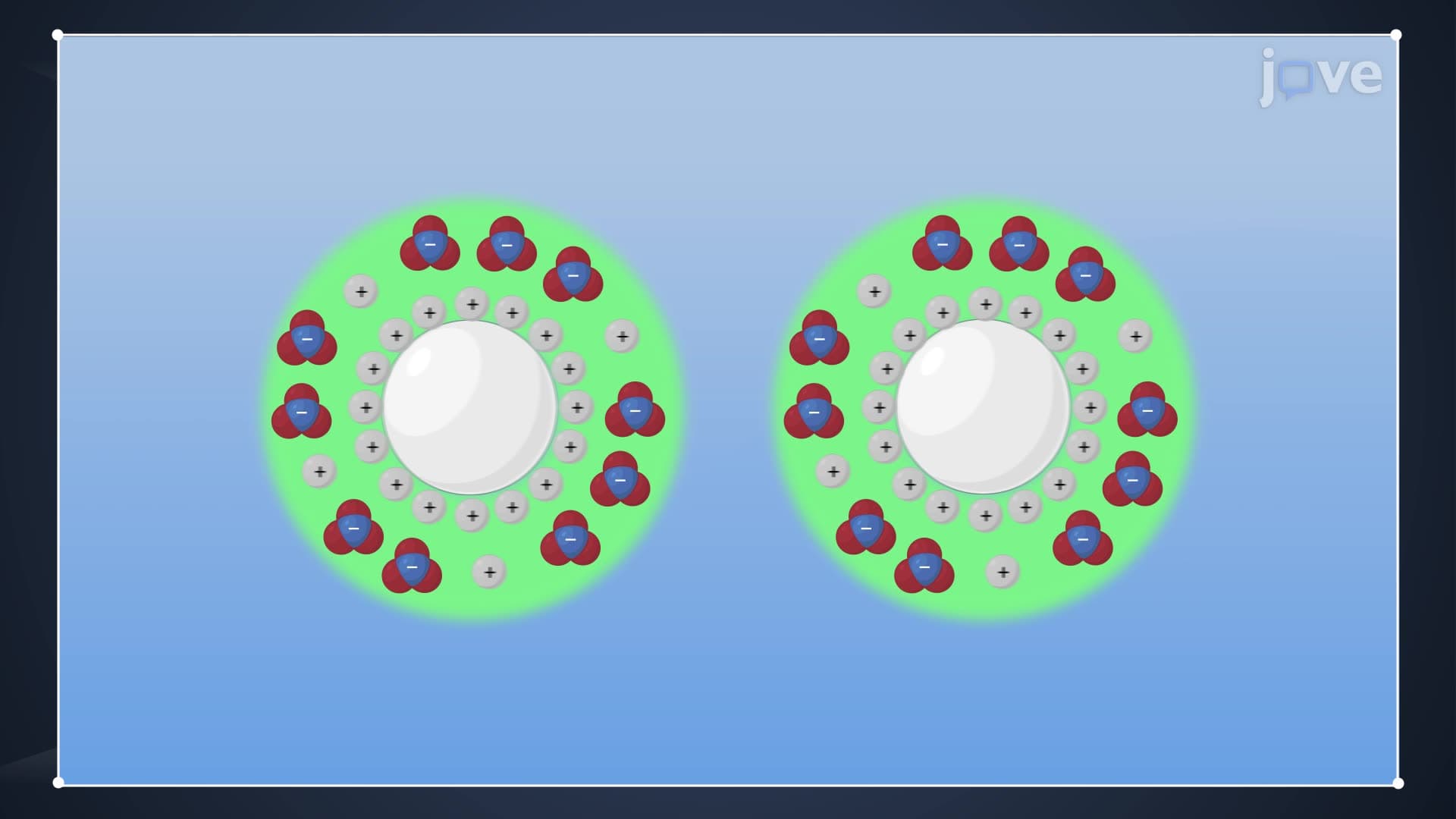
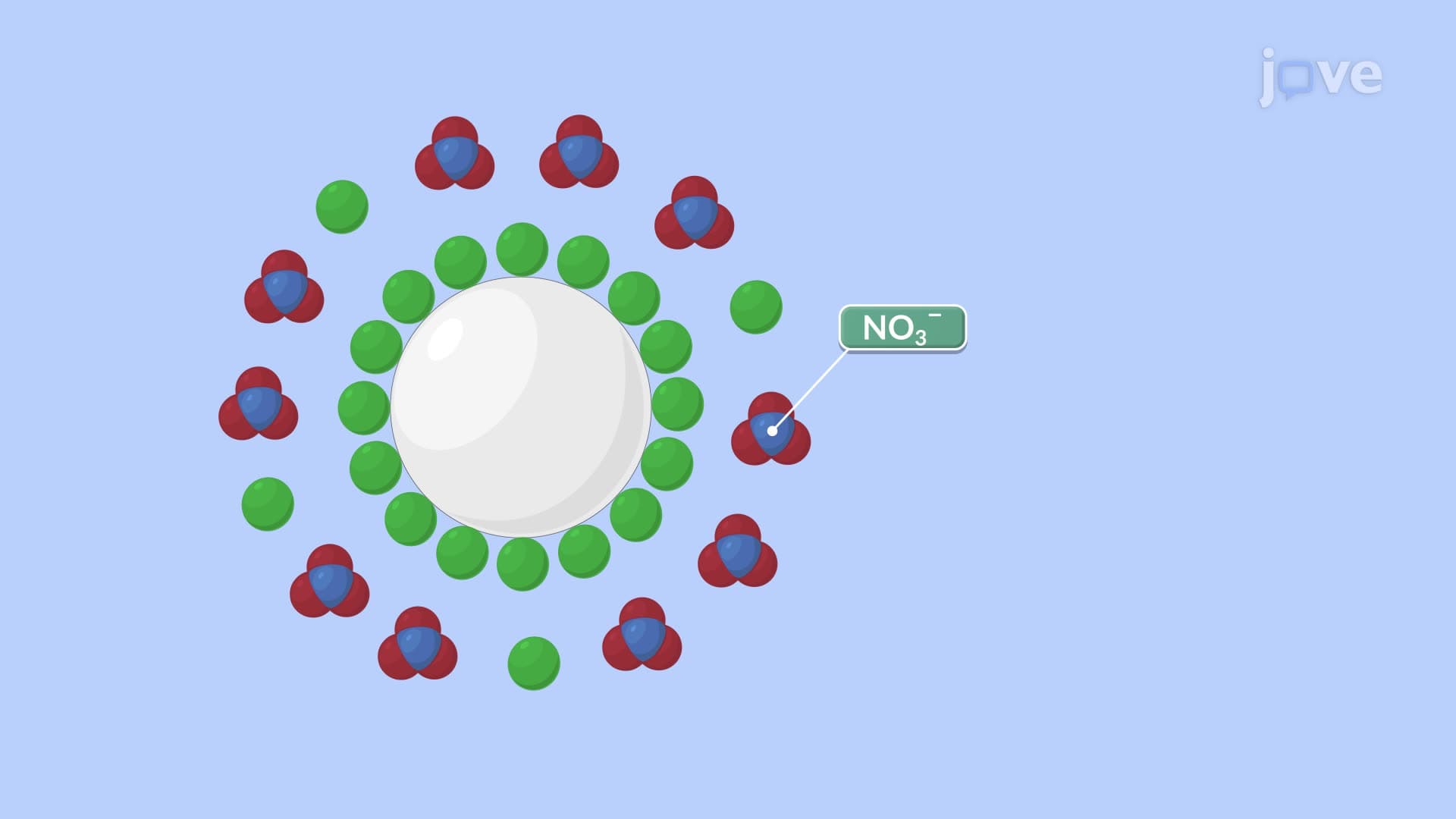
Surface adsorption coprecipitation predominantly affects colloidal precipitates with high surface area-to-volume ratios. Consider barium sulfate precipitation in water quality testing-a common analytical procedure used by U.S. environmental laboratories. The freshly formed barium sulfate particles attract barium ions as a primary adsorbed layer, which then attracts nitrate counterions as a secondary layer. This double-layer formation effectively incorporates barium nitrate contamination into what should be pure barium sulfate.
This mechanism proves particularly troublesome in pharmaceutical analysis where drug compounds often form colloidal precipitates. AP Chemistry students frequently encounter this concept when studying gravimetric analysis, as surface adsorption represents a major source of systematic error in quantitative precipitation reactions.
Isomorphous replacement occurs when interfering ions possess similar ionic radii and charges, allowing them to substitute within the growing crystal lattice. During cadmium sulfide precipitation for heavy metal analysis-a procedure used in U.S. environmental monitoring-manganese ions can replace cadmium ions due to their comparable size and charge characteristics. This substitution creates mixed crystals that compromise analytical accuracy.
Prevention strategies include selective ion removal through complexation or choosing alternative precipitants that avoid the interfering species. College-level analytical chemistry courses emphasize recognizing when isomorphous replacement might occur based on ionic properties and periodic trends.
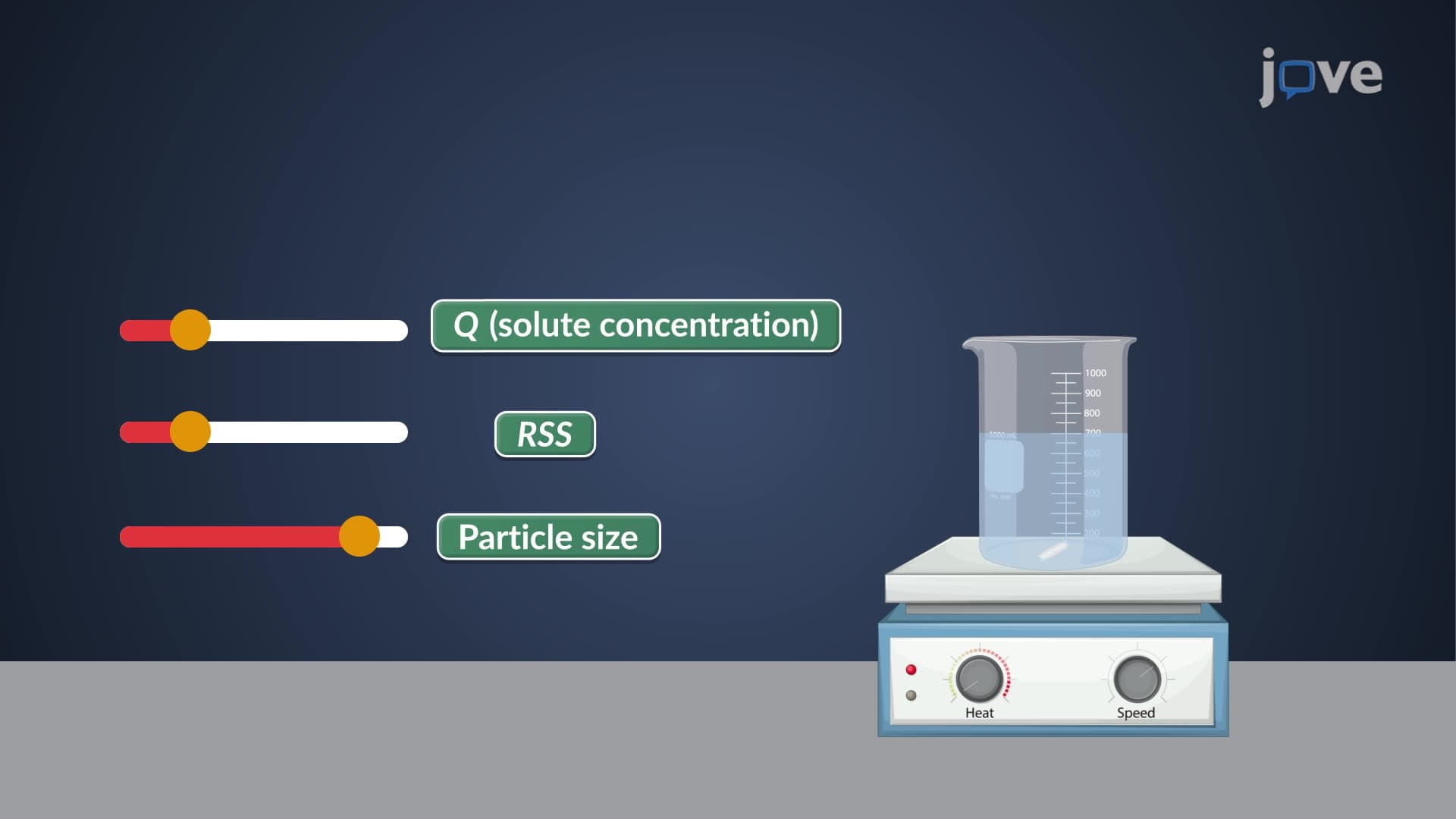
Occlusion traps foreign ions within the rapidly growing crystal lattice, while mechanical entrapment captures solution pockets between adjacent crystal formations. Both mechanisms increase with faster precipitation rates, making controlled precipitation crucial for analytical accuracy.
U.S. pharmaceutical companies address these issues through controlled crystallization processes, maintaining optimal precipitation rates to minimize contamination. MCAT preparation often includes questions about preventing these coprecipitation types through proper experimental design and controlled reaction conditions.
Related Micro-courses