Loading subject page…


72,639 views

Video Summary: What Is Precipitation Gravimetry
Ever wondered how forensic scientists determine the exact amount of silver in a recovered piece of jewelry? Precipitation gravimetry basics involve converting dissolved substances into solid precipitates that can be weighed with extreme precision. This fundamental analytical technique transforms invisible ions in solution into measurable solids through carefully controlled chemical reactions. The FDA uses precipitation gravimetric analysis to verify drug purity in pharmaceutical manufacturing across the United States. Watch the full video on JoVE Coach to master this concept with expert-led visuals and step-by-step explanations.
Precipitation gravimetry represents one of the most precise and reliable methods in analytical chemistry, where scientists convert dissolved analytes into weighable solid precipitates. This technique exploits the principle that certain chemical combinations produce insoluble compounds that can be isolated, purified, and accurately measured. Unlike other analytical methods that rely on complex instrumentation, precipitation gravimetric analysis depends primarily on fundamental chemical principles and careful laboratory technique.
The method's exceptional accuracy makes it invaluable across numerous industries. Environmental Protection Agency laboratories use this technique to monitor heavy metal contamination in drinking water supplies throughout the United States. Pharmaceutical companies rely on precipitation gravimetry to ensure drug compounds meet strict purity standards required by FDA regulations.
How precipitation gravimetry works in chemistry centers on creating ideal precipitates with four critical characteristics. First, the precipitate must exhibit extremely low solubility to minimize analyte loss during separation. Second, high purity prevents interference from co-precipitated substances that would skew results. Third, the precipitate must have a known, definite composition to enable accurate stoichiometric calculations. Finally, easy separation from the reaction mixture ensures complete recovery.
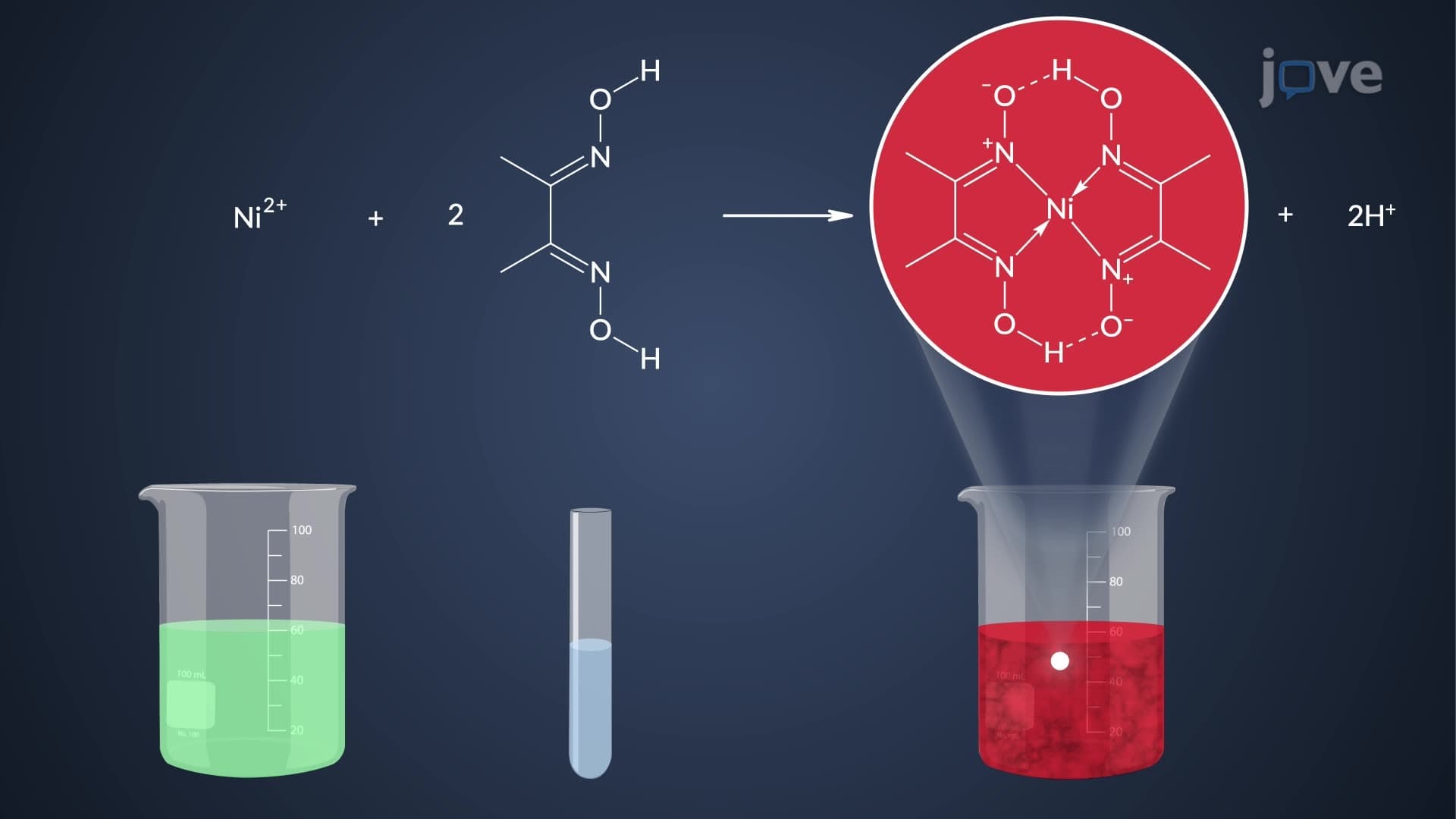
Consider the classic nickel analysis example: when nickel ions react with dimethylglyoxime in ethanol solution, they form a distinctive red precipitate of nickel bis(dimethylglyoximate). This insoluble precipitate gravimetry reaction occurs quantitatively under controlled pH conditions, typically around 8-9, ensuring complete conversion of nickel ions to the desired precipitate.
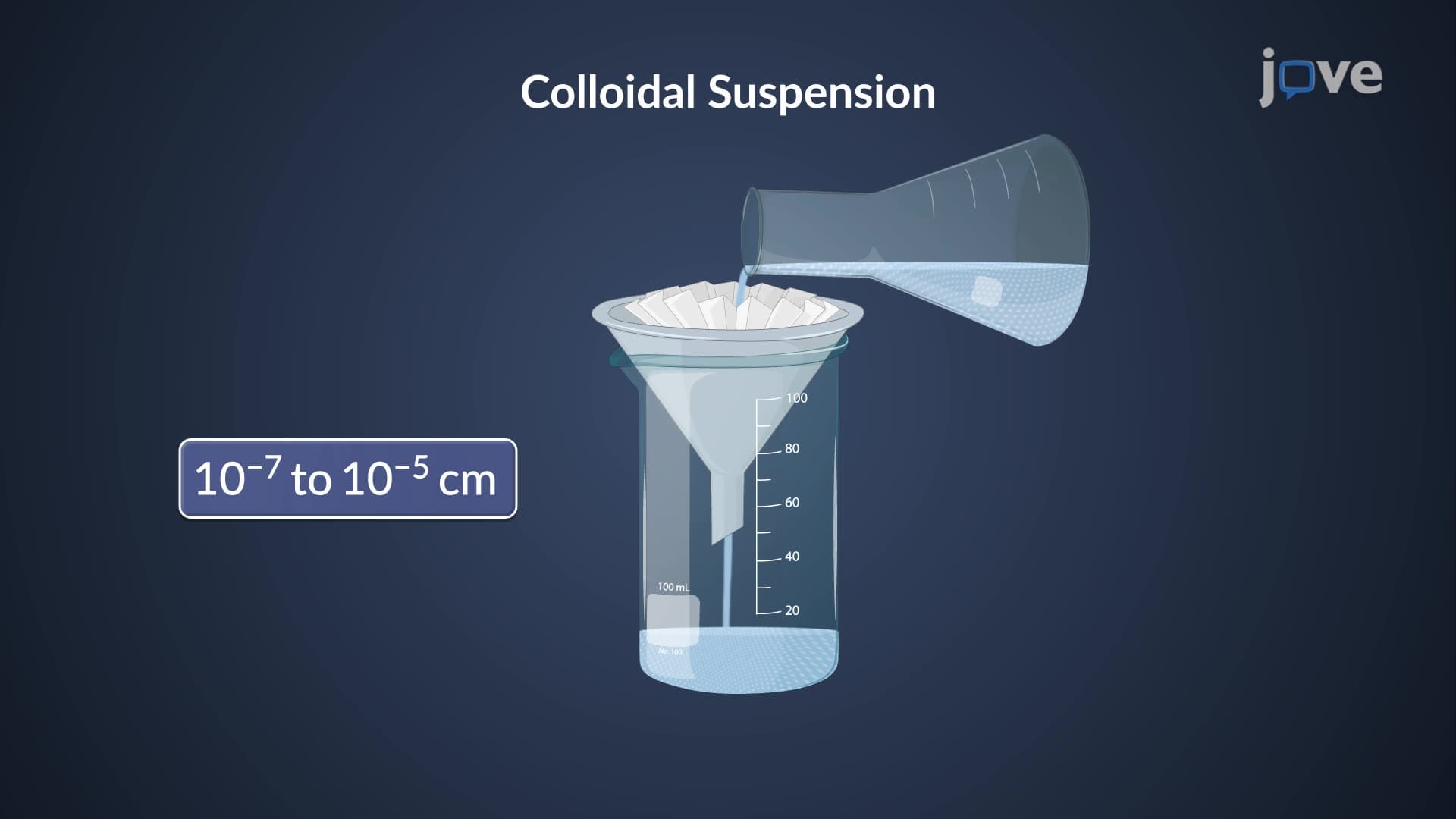
The gravimetric precipitate formation process involves several precisely controlled steps. After precipitation, digestion allows small particles to dissolve and recrystallize onto larger particles, improving filtration weighing gravimetry efficiency. The washing step removes soluble impurities without dissolving the precipitate itself-typically accomplished using cold distilled water or specific wash solutions.
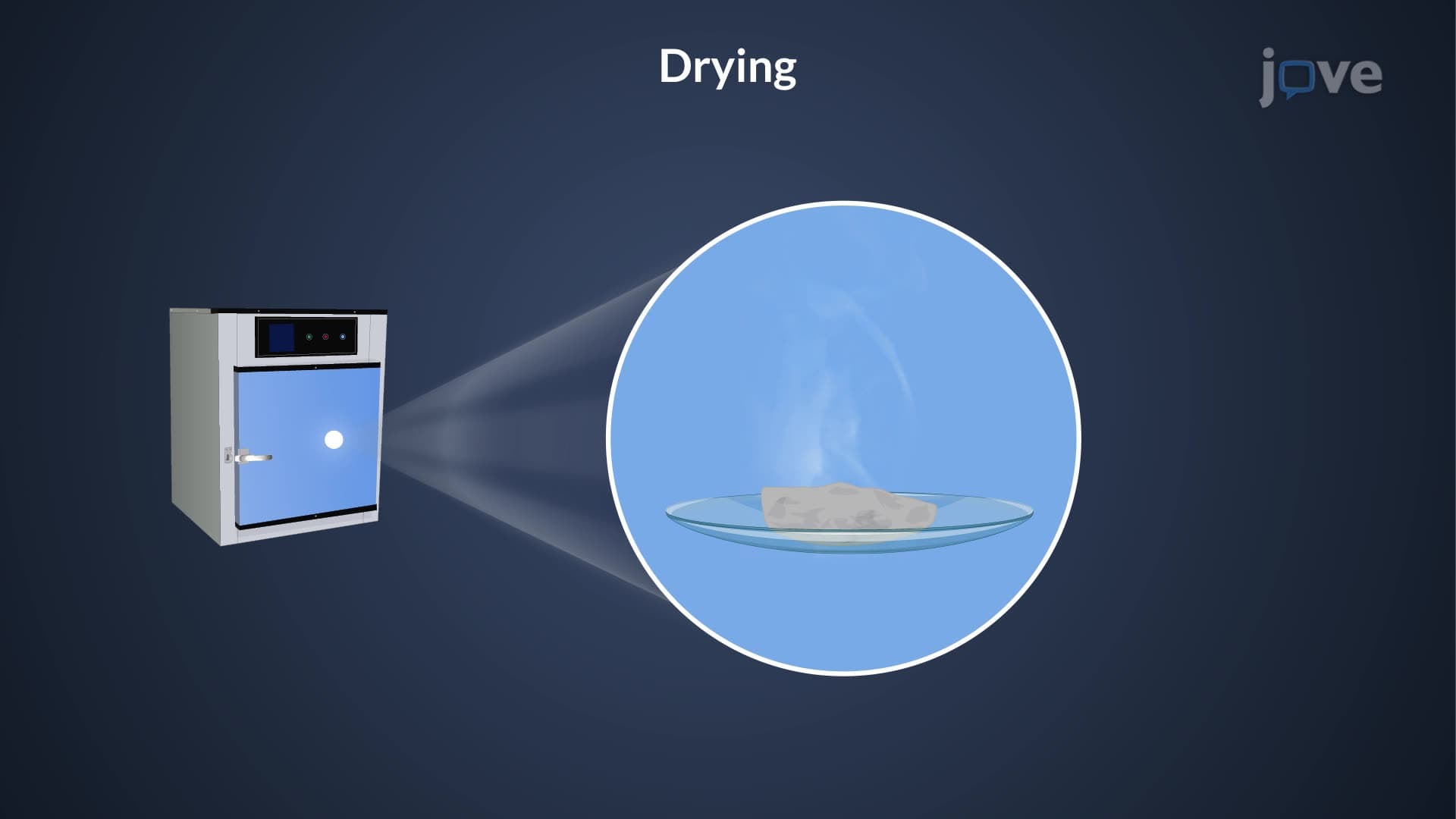
Temperature control during drying removes all moisture without decomposing the precipitate. Many precipitation reactions require specific drying temperatures; silver chloride precipitates, commonly used in chloride determinations, are dried at 110°C to remove water while preventing decomposition.
The precipitation gravimetric factor converts precipitate mass to analyte mass through stoichiometric relationships. For nickel analysis using dimethylglyoxime, the gravimetric factor equals the atomic weight of nickel divided by the molecular weight of the precipitate complex. This mathematical relationship enables precise concentration calculations essential for AP Chemistry problem-solving and college analytical chemistry coursework.
Students preparing for standardized exams like the MCAT encounter precipitation gravimetry in quantitative analysis sections, where understanding these calculation principles proves crucial for success.
Related Micro-courses