Loading subject page…

- Analytical Chemistry
- Complexometric Titration, Precipitation Titration, and Gravimetry
- Precipitation Processes
Micro-course: Complexometric Titration, Precipitation Titration, and Gravimetry
72,634 views
Learn key concepts and earn your certificate.





Precipitation Processes

00:00
01:12
Video Summary: What Is Precipitation Processes
Ever wonder how the EPA removes toxic metals from contaminated groundwater at Superfund sites? Precipitation processes chemistry involves carefully controlling how solid particles form from dissolved substances, making it essential for environmental cleanup and pharmaceutical manufacturing. Through techniques like the homogeneous precipitation method and controlled slow precipitation process, chemists can produce pure crystals while minimizing impurities. Understanding What is Precipitation Processes helps explain everything from water treatment to drug synthesis. Watch the full video on JoVE Coach to master this concept with expert-led visuals and step-by-step explanations.
- Understand What is Precipitation Processes and how controlling supersaturation affects crystal formation and purity
- Identify the difference between homogeneous and heterogeneous precipitation methods in laboratory settings
- Analyze how factors like temperature, concentration, and stirring rate influence particle size and crystal quality
- Compare rapid versus slow precipitation techniques and their effects on coprecipitation of impurities
- Evaluate the role of digestion (Ostwald ripening) in improving crystal purity and size distribution
- Apply controlled precipitation principles to predict outcomes in analytical chemistry procedures
- Recognize real-world applications of precipitation processes in environmental remediation and pharmaceutical manufacturing
- Explore how precipitation equilibria determine the effectiveness of separation and purification methods
Understanding What is Precipitation Processes in Chemical Systems
Precipitation processes chemistry encompasses the controlled formation of solid particles from homogeneous solutions, a fundamental technique used across industries from pharmaceuticals to environmental engineering. These processes rely on manipulating supersaturation-the degree to which a solution contains more dissolved solute than it can normally hold at equilibrium. By understanding and controlling supersaturation, chemists can dictate whether precipitation produces large, pure crystals or small, contaminated particles.
Controlled Precipitation Techniques and Supersaturation Management
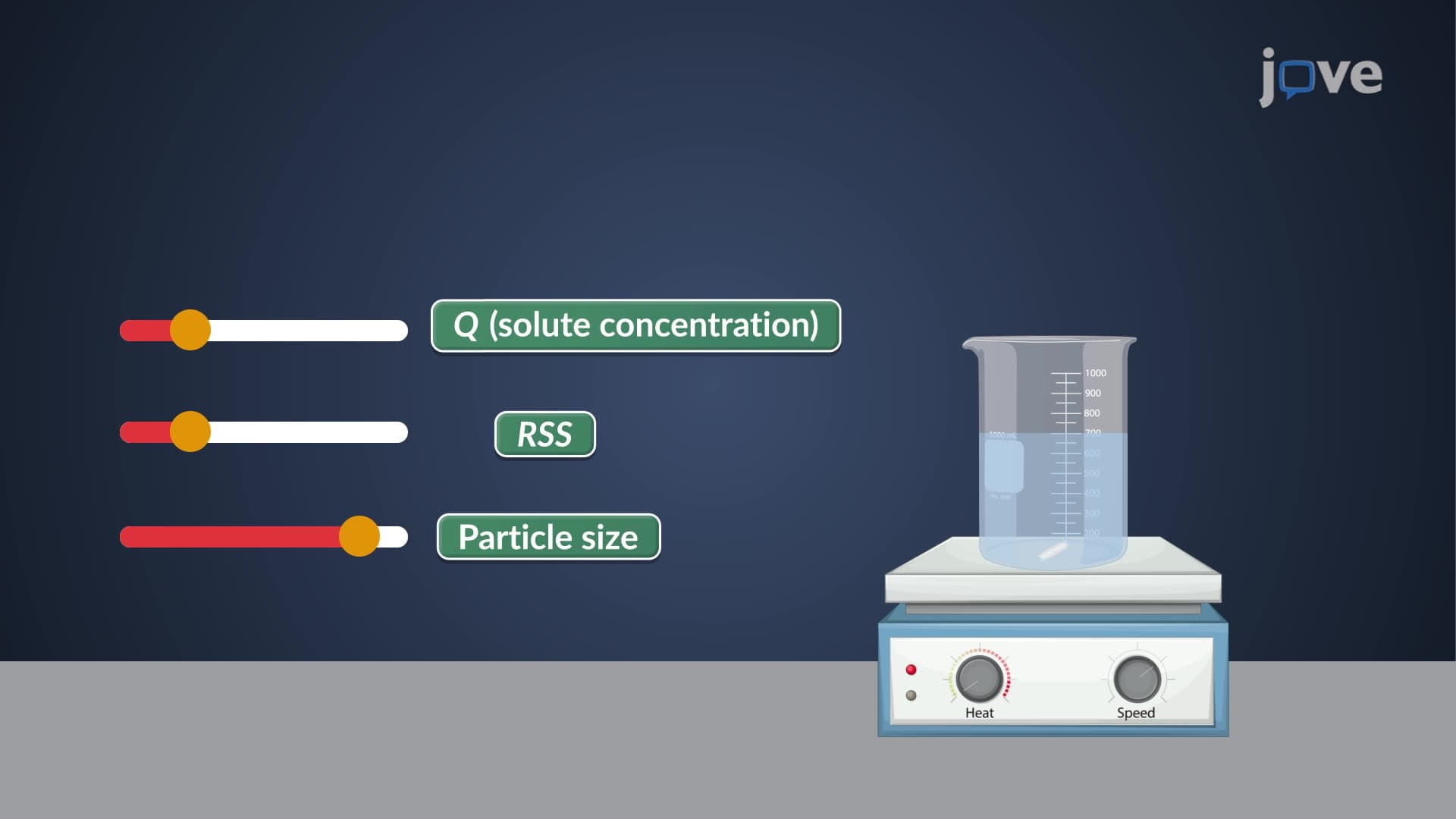
The chemical precipitation process explained centers on the relationship between supersaturation ratio (Q) and crystal quality. When precipitants are added slowly to dilute solutions with constant stirring, the supersaturation decreases gradually, promoting the growth of fewer, larger crystals rather than numerous small particles. This principle appears frequently on AP Chemistry exams, particularly in questions about Le Chatelier's principle and equilibrium shifts.
The homogeneous precipitation method represents an advanced technique where precipitants generate slowly within the solution itself, avoiding the local concentration spikes that cause rapid, uncontrolled crystal formation. For example, urea thermal decomposition gradually releases hydroxide ions, allowing controlled pH increases for metal hydroxide precipitation. This method proves essential in pharmaceutical manufacturing, where crystal purity directly affects drug efficacy and safety.
Temperature Effects and Digestion Processes
Temperature control significantly impacts precipitation outcomes. Higher temperatures increase solubility, reducing supersaturation and favoring larger crystal formation. This principle explains why many analytical procedures specify heating solutions during precipitation steps. Students preparing for the MCAT often encounter this concept in general chemistry sections focusing on solubility equilibria.
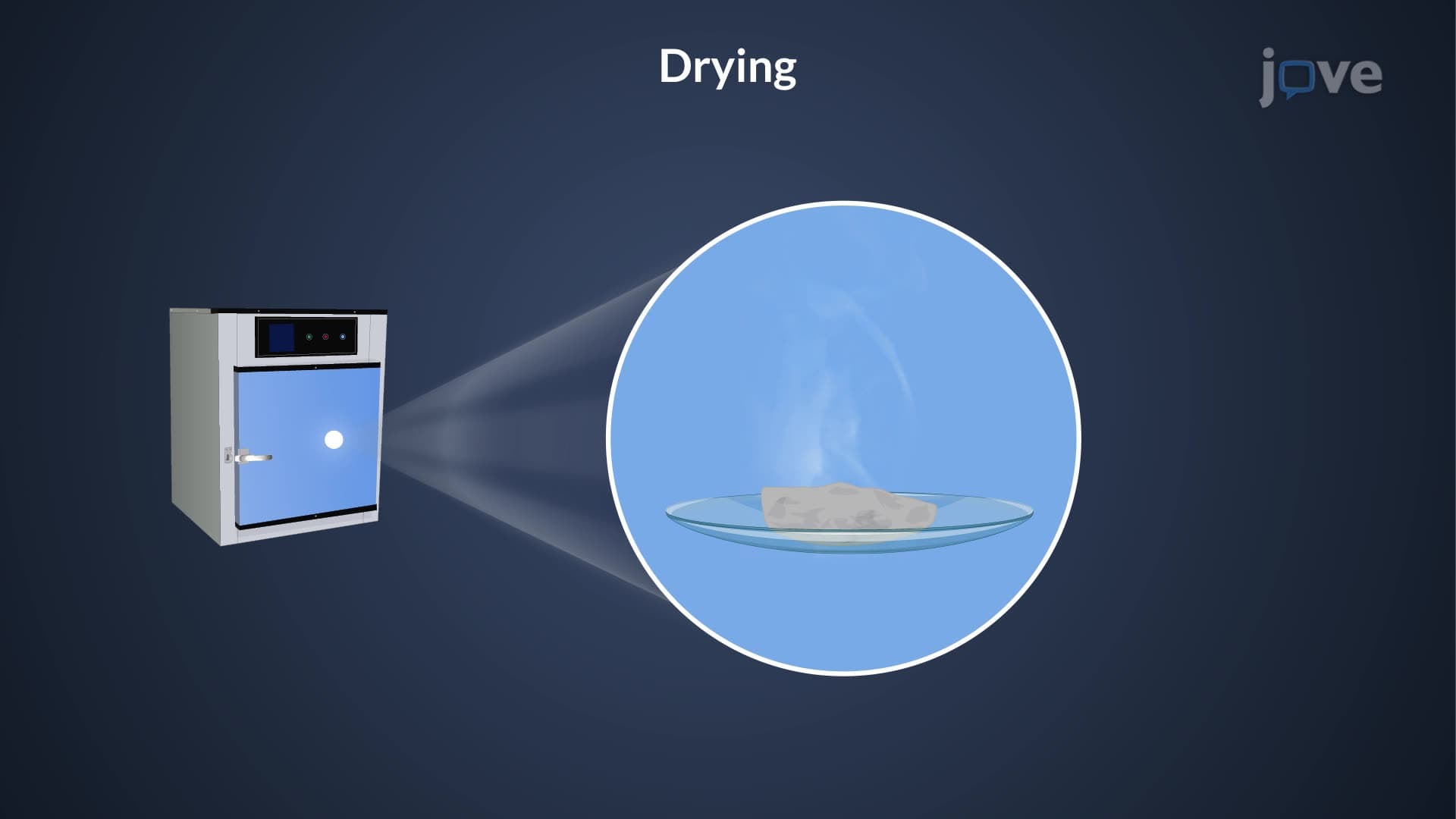
Digestion precipitation, also called Ostwald ripening, represents a post-precipitation purification process. During digestion, precipitates remain in hot mother liquor, allowing smaller crystals to dissolve and redeposit on larger crystal surfaces. This slow precipitation process reduces surface area-to-volume ratios, minimizing adsorbed impurities and improving analytical accuracy. Environmental laboratories use digestion extensively when analyzing metal concentrations in soil and water samples for EPA compliance reporting.
Industrial Applications and Coprecipitation Challenges
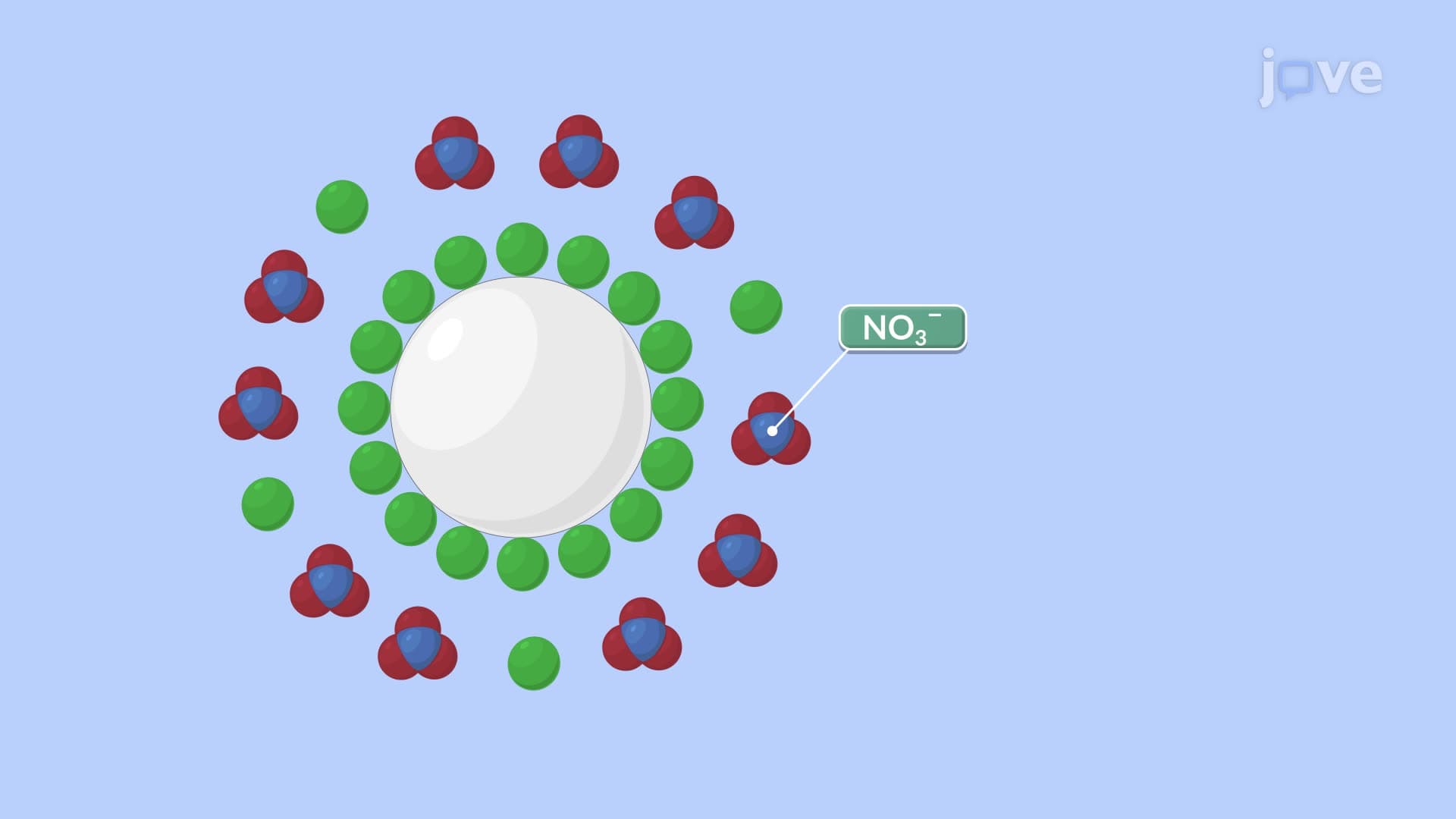
Coprecipitation-the unwanted incorporation of impurities during crystal formation-poses significant challenges in analytical chemistry. Rapidly growing crystals trap ions from solution through absorption (incorporation into crystal lattice) or adsorption (surface attachment). The controlled precipitation technique minimizes these effects by managing crystal growth rates and allowing sufficient time for ion selectivity. This concept frequently appears in college-level analytical chemistry courses and professional certification exams for environmental chemists.
Frequently Asked Questions
Precipitation processes involve forming solid crystals from dissolved substances by controlling supersaturation levels. They work by manipulating factors like concentration, temperature, and mixing to determine crystal size and purity. These processes are fundamental to analytical chemistry, environmental remediation, and pharmaceutical manufacturing.
Laboratory precipitation focuses on analytical accuracy and small-scale purification, while industrial processes emphasize large-scale efficiency and product yield. Both use the same underlying principles of supersaturation control but differ in equipment scale and economic considerations. Industrial applications include wastewater treatment and drug manufacturing.
AP Chemistry tests precipitation through solubility rules, Ksp calculations, and equilibrium shifts, while the MCAT emphasizes applications in biological systems and pharmaceutical contexts. Both exams focus on predicting precipitation outcomes and understanding Le Chatelier's principle effects. Students should practice calculating supersaturation ratios and predicting crystal formation.
Understanding precipitation processes provides essential foundations for quantitative analysis, instrumental methods, and separation techniques in analytical chemistry courses. These concepts directly connect to gravimetric analysis, sample preparation, and quality control procedures. Most analytical chemistry textbooks dedicate entire chapters to precipitation methods and their applications.
Environmental engineers use precipitation to remove heavy metals from contaminated groundwater at Superfund sites and industrial wastewater streams. For example, adding lime to acidic mine drainage precipitates dissolved metals as hydroxides, allowing their removal through settling and filtration. Municipal water treatment plants use precipitation to remove phosphates and other contaminants.
Basic algebra and logarithms suffice for most precipitation calculations, including Ksp expressions and pH relationships. While advanced applications may involve differential equations for kinetics, introductory courses focus on equilibrium concepts and stoichiometry. High school chemistry and college algebra provide adequate mathematical preparation for understanding these processes.
Focus on understanding the relationship between supersaturation and crystal quality rather than memorizing procedures. Practice predicting precipitation outcomes using solubility rules and Ksp values, and work through problems involving temperature effects and common ion influences. Create concept maps connecting precipitation to broader equilibrium principles for comprehensive understanding.
Consider studying crystallography to understand how atomic arrangements affect crystal properties, or explore colloid chemistry to learn about particle stabilization and aggregation. Advanced analytical chemistry covers instrumental methods for characterizing precipitates, while materials science applications include controlled synthesis of nanomaterials and semiconductor crystals.
Related Micro-courses
14 Concepts
13 Concepts