Loading subject page…


323,101 views

Video Summary: Exocrine Glands Methods of Secretion Guide
Ever wonder why your underarm sweat smells different than the sweat on your forehead? The answer lies in how different exocrine secretion methods guide cellular release mechanisms. Your eccrine sweat glands use intact cell membranes, while apocrine glands in your armpits actually shed pieces of cellular material. This Exocrine Glands Methods of Secretion Guide reveals three distinct pathways cells use to release their products. Watch the full video on JoVE Coach to master this concept with expert-led visuals and step-by-step explanations.
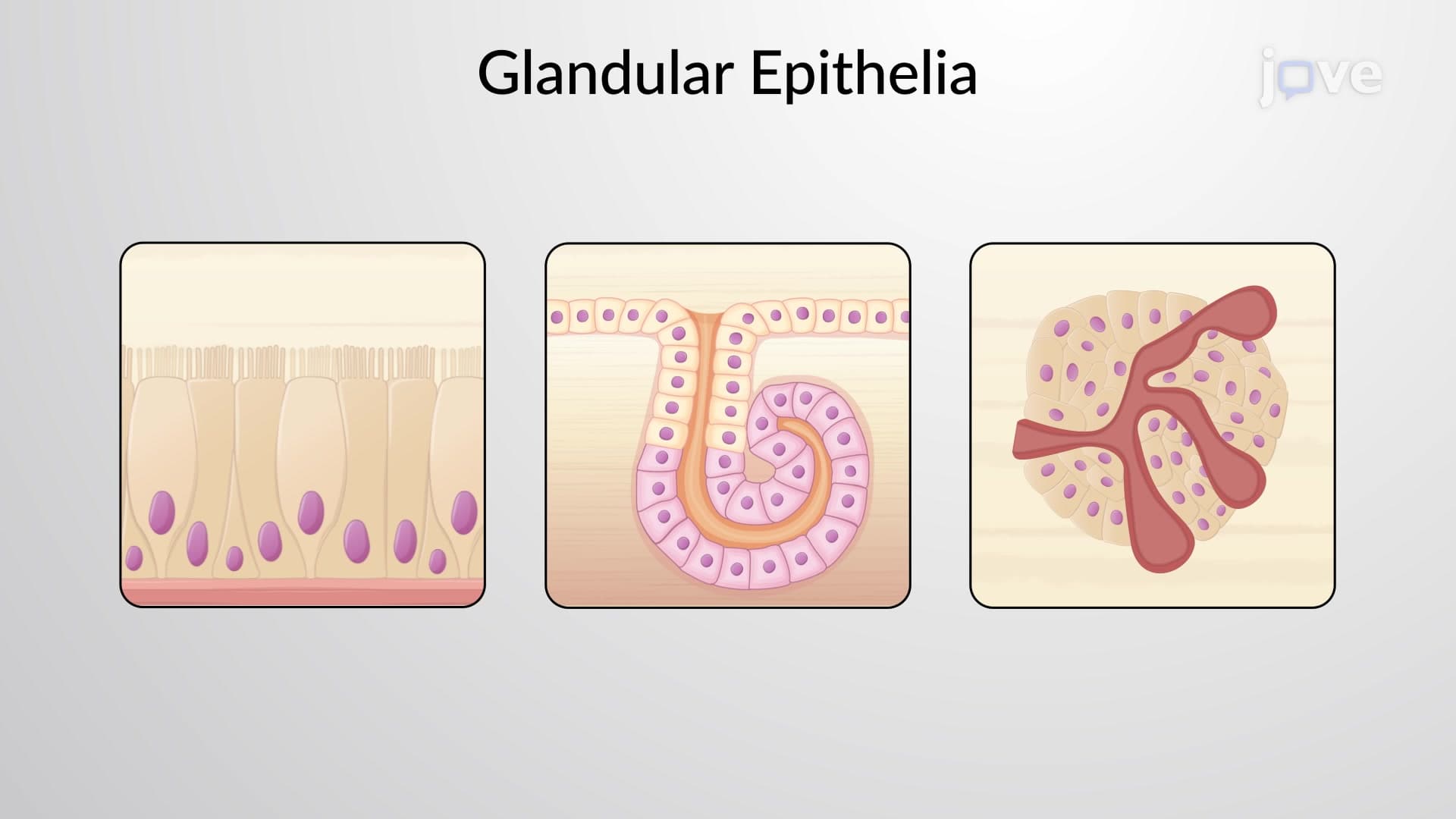
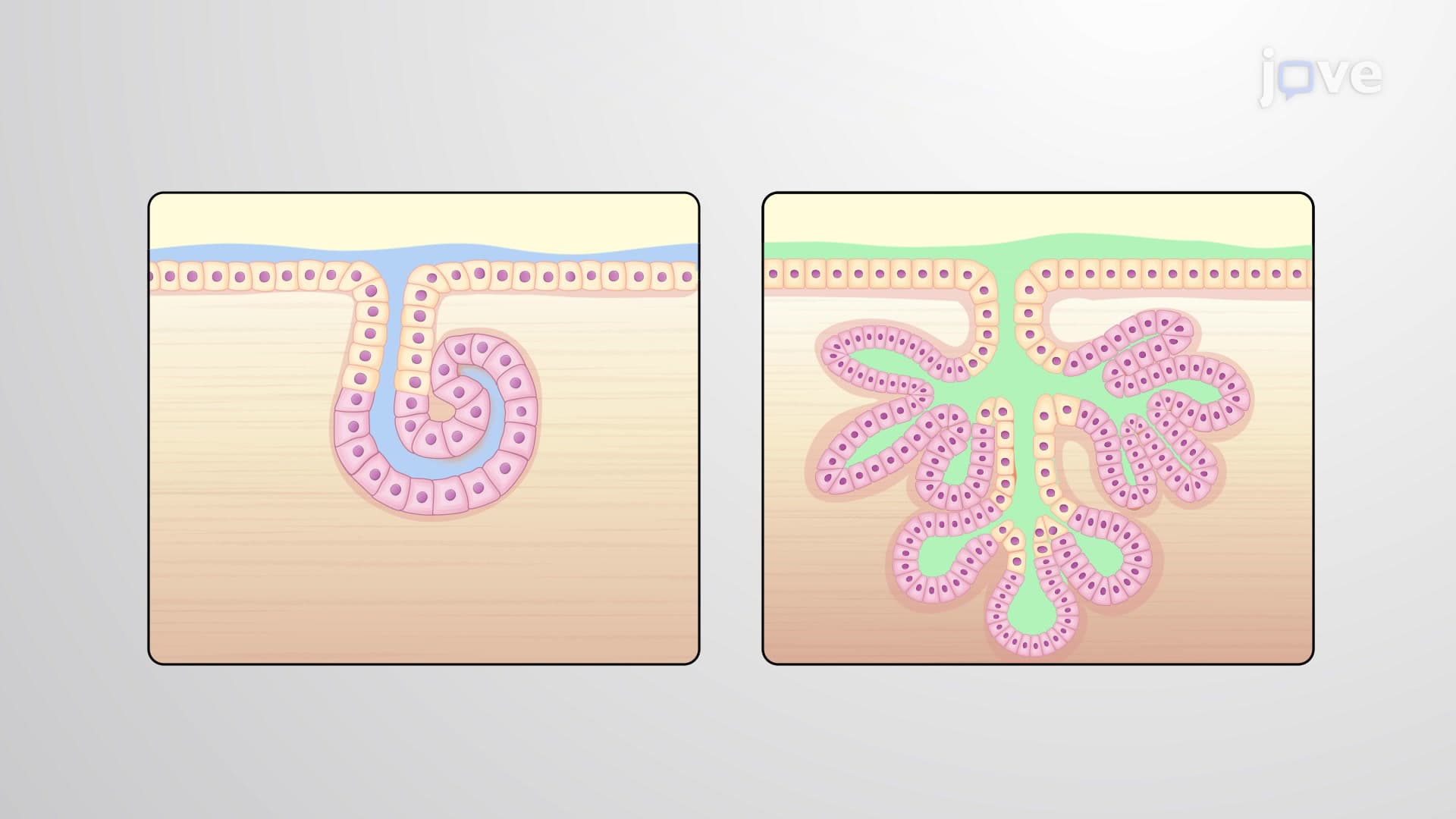
The classification system for exocrine gland secretion represents one of histology's most elegant organizational schemes. Unlike endocrine glands that release hormones directly into the bloodstream, exocrine glands must transport their products through ducts to target surfaces. The methods of exocrine gland secretion fundamentally determine both the composition and functional characteristics of the final secreted product.
This classification system proves essential for medical students preparing for the MCAT, as questions frequently test the relationship between secretion method and gland function. Understanding these mechanisms also appears prominently in AP Biology exams, particularly in units covering cell structure and transport mechanisms.
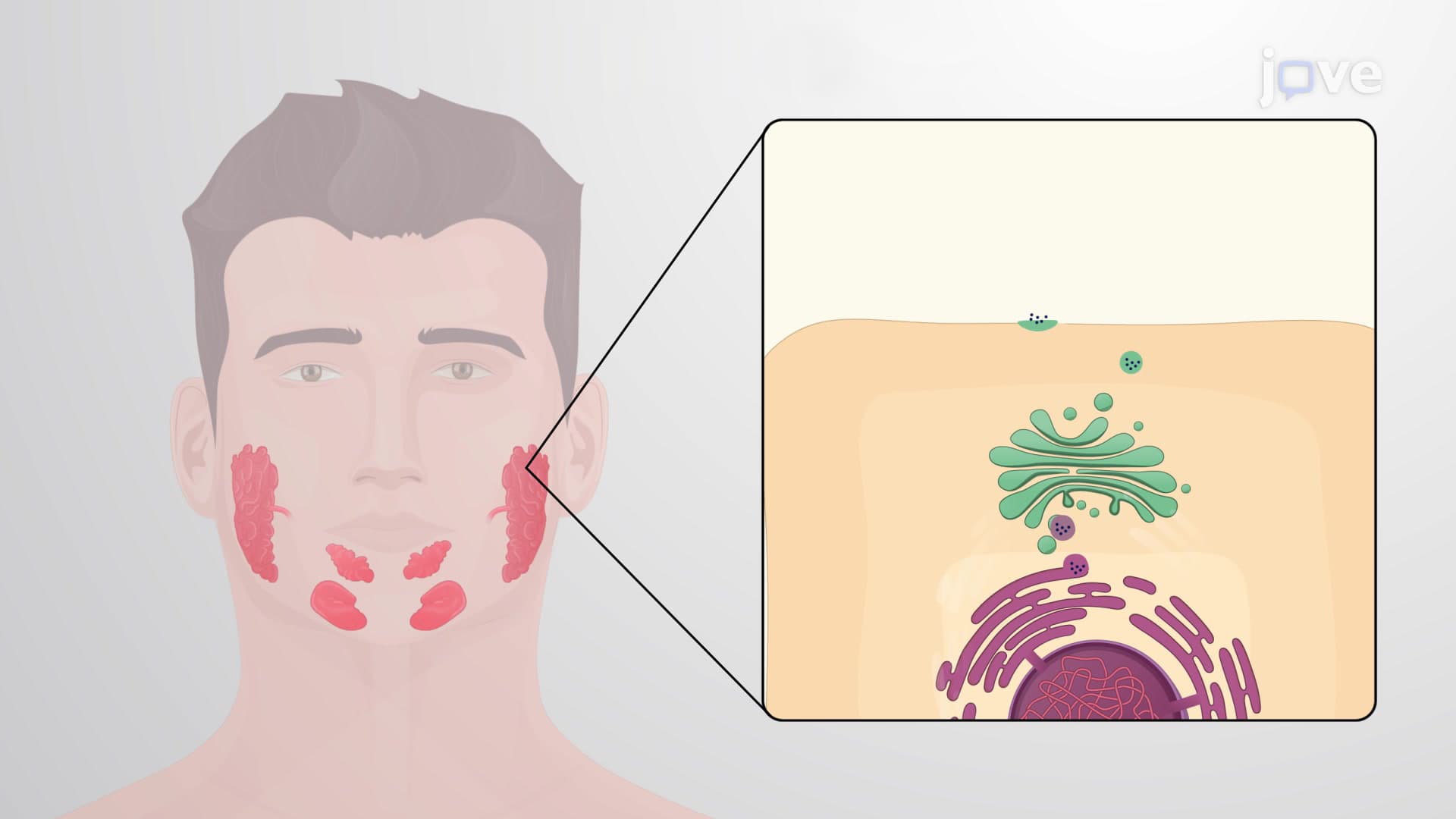
Merocrine glands represent the most common and metabolically efficient secretory mechanism gland type. In this process, cells package their products into membrane-bound vesicles that fuse with the plasma membrane through exocytosis. The merocrine secretion vesicle pathway preserves complete cellular integrity, allowing continuous production without cellular damage.
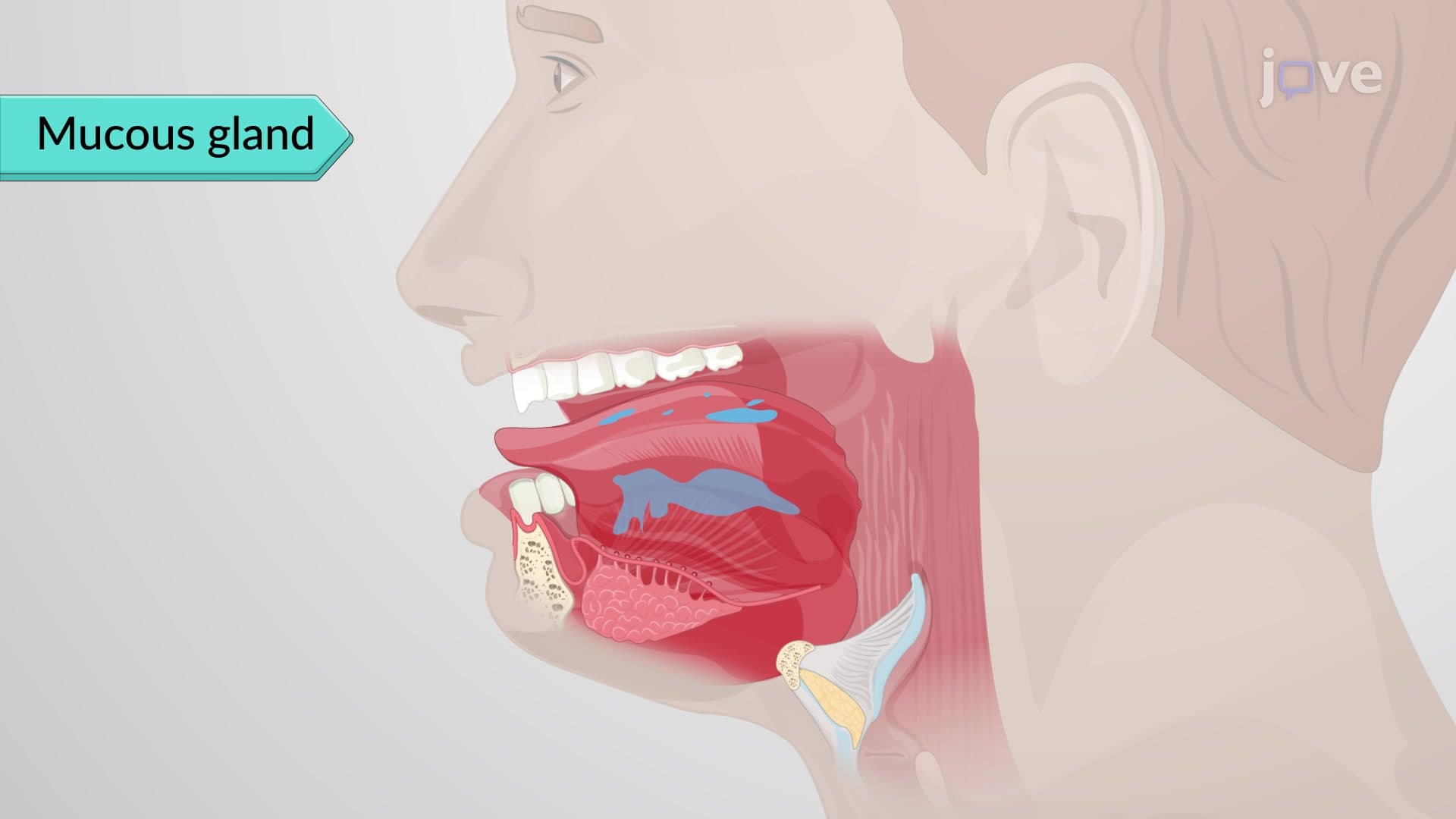
Salivary glands exemplify this mechanism perfectly. When you taste something sour, your parotid glands immediately increase secretion through rapid vesicle fusion, releasing amylase-rich saliva without losing any cellular components. This efficiency explains why humans produce 1-2 liters of saliva daily without depleting salivary gland tissue.
The apocrine secretion membrane mechanism involves a fascinating compromise between efficiency and product complexity. Cells accumulate secretory granules near their apical surface, then pinch off the entire apex, releasing both the intended product and a small portion of cytoplasm. This process requires cellular regeneration but produces more complex secretions.
Human axillary sweat glands demonstrate this mechanism. Unlike eccrine sweat glands that produce simple water and salt solutions, apocrine glands release protein-rich secretions that bacteria metabolize to create characteristic body odor. This explains why antiperspirants target apocrine-rich areas like underarms.
Holocrine cell destruction represents the most dramatic secretion method, where entire cells become the secretory product. Sebaceous glands in hair follicles accumulate lipids until the cell membrane ruptures, releasing oil-rich sebum. Continuous stem cell division in the basal layer replaces these sacrificed cells.
This mechanism proves crucial for skin barrier function. Sebum's complex lipid composition, including triglycerides and squalene, requires the complete cellular machinery for synthesis. The Mayo Clinic estimates that sebaceous glands produce approximately 1-2 grams of sebum daily, requiring constant cellular turnover to maintain skin hydration and antimicrobial protection.
Related Micro-courses