Loading video…


 26 Concepts
 323.1K views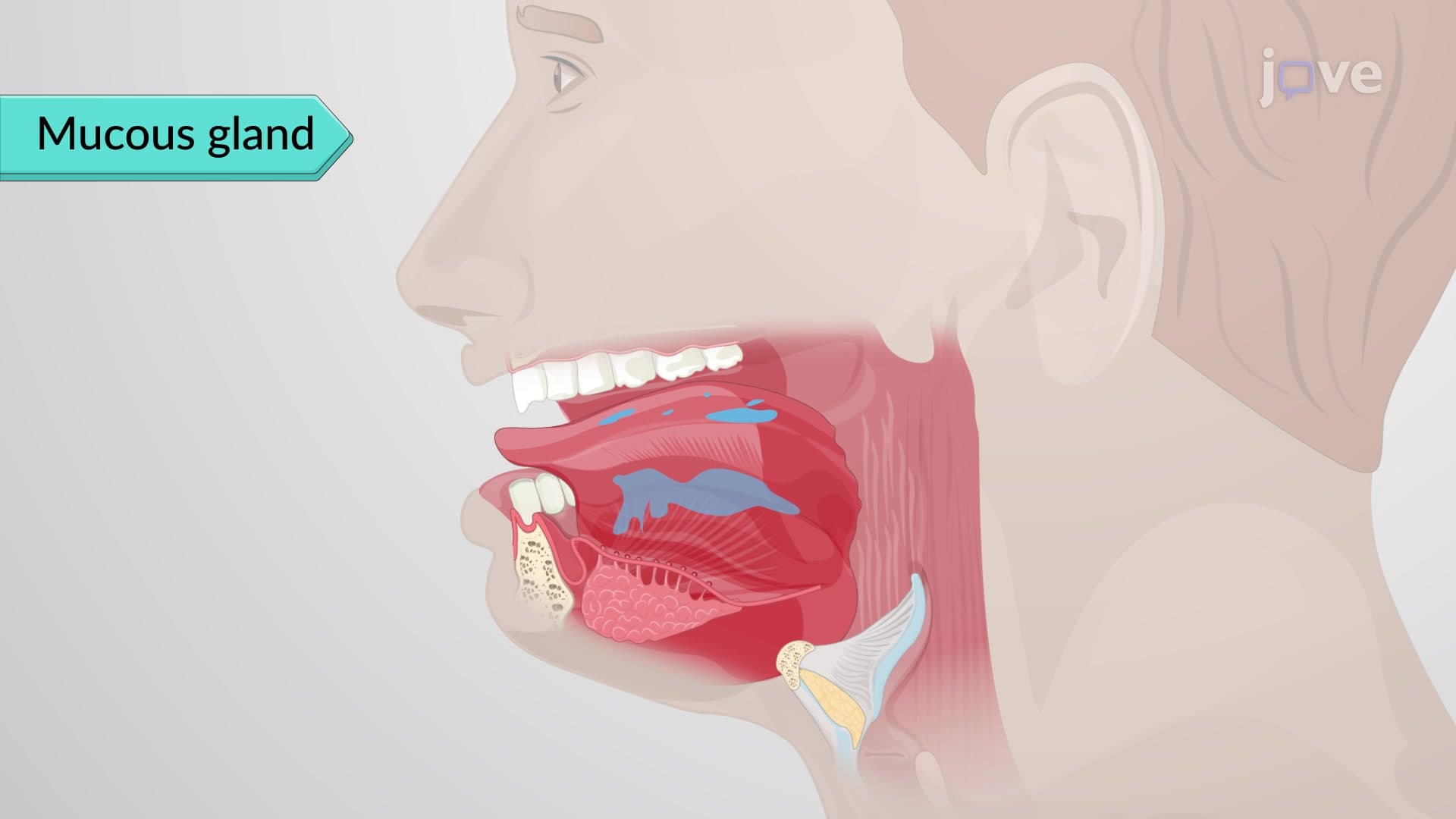

Video Summary: Exocrine Glands Types of Secretions Explained
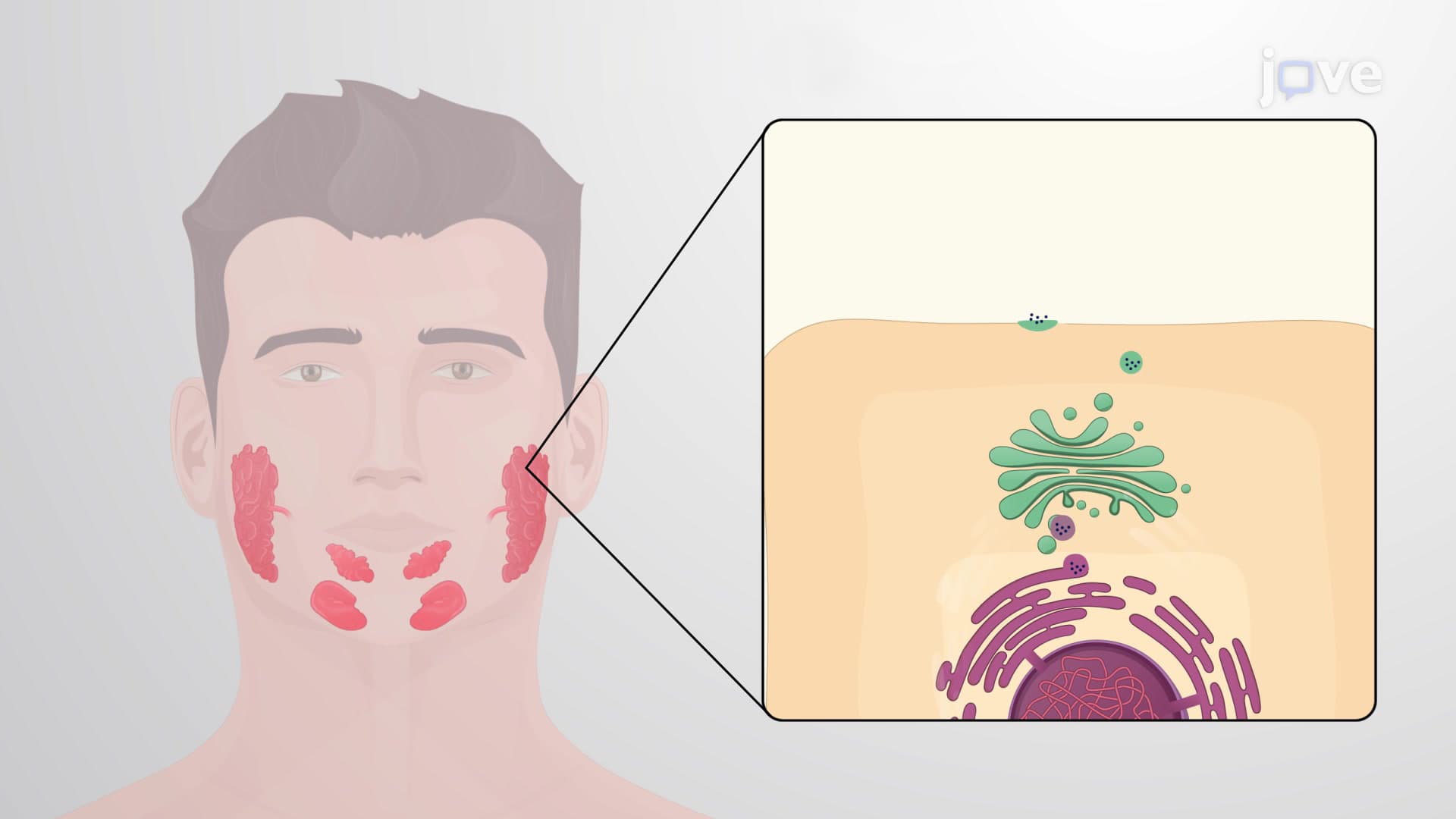
Did you know that your mouth produces up to 1.5 liters of saliva daily through different exocrine gland secretion types? Each salivary gland-from the parotid near your ears to the sublingual under your tongue-produces distinctly different secretions optimized for specific functions. Understanding Exocrine Glands Types of Secretions Explained reveals how serous glands create enzyme-rich watery fluids, mucous glands produce protective lubricants, and mixed glands combine both functions for optimal digestion and protection. Watch the full video on JoVE Coach to master this concept with expert-led visuals and step-by-step explanations.
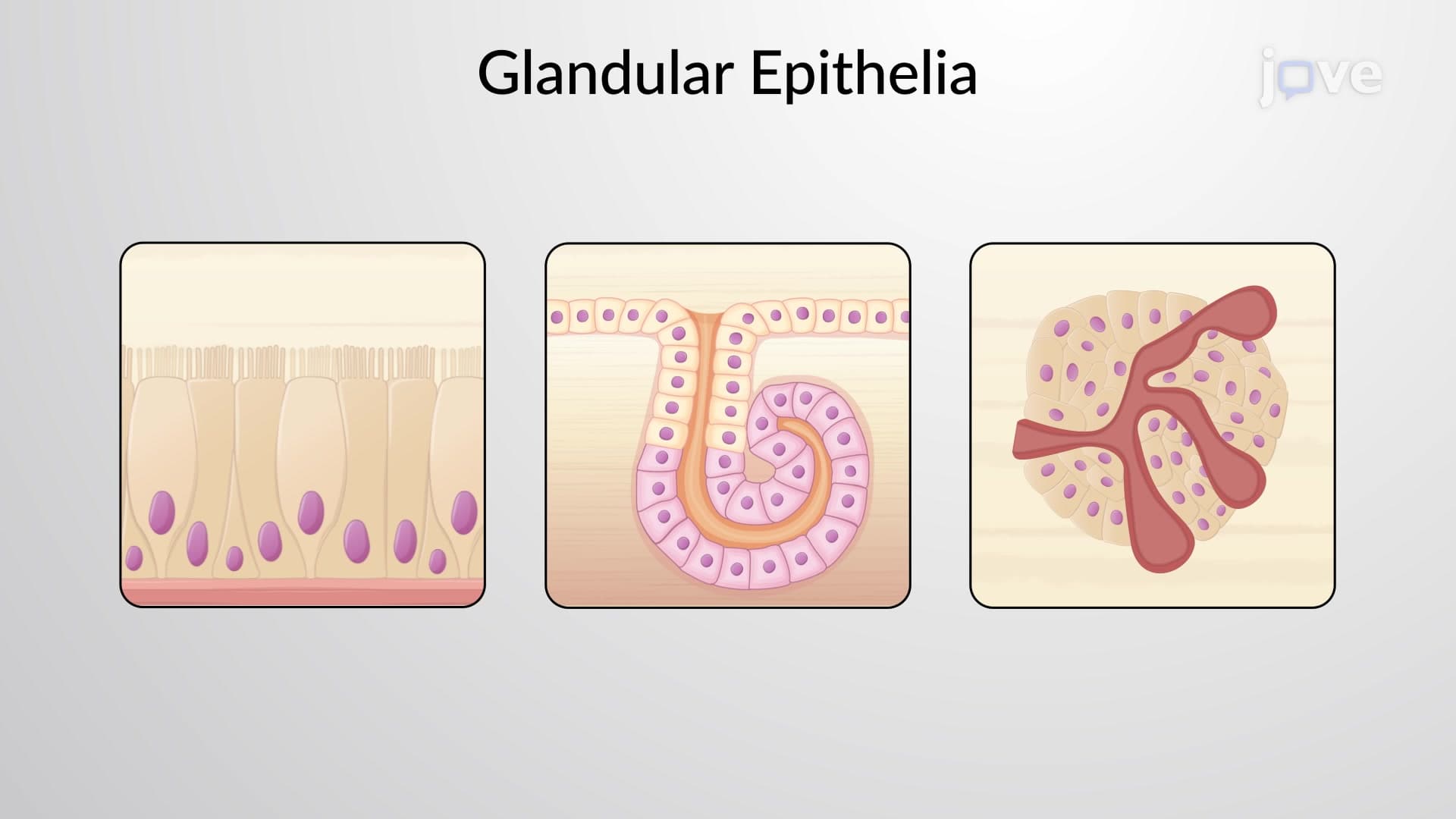
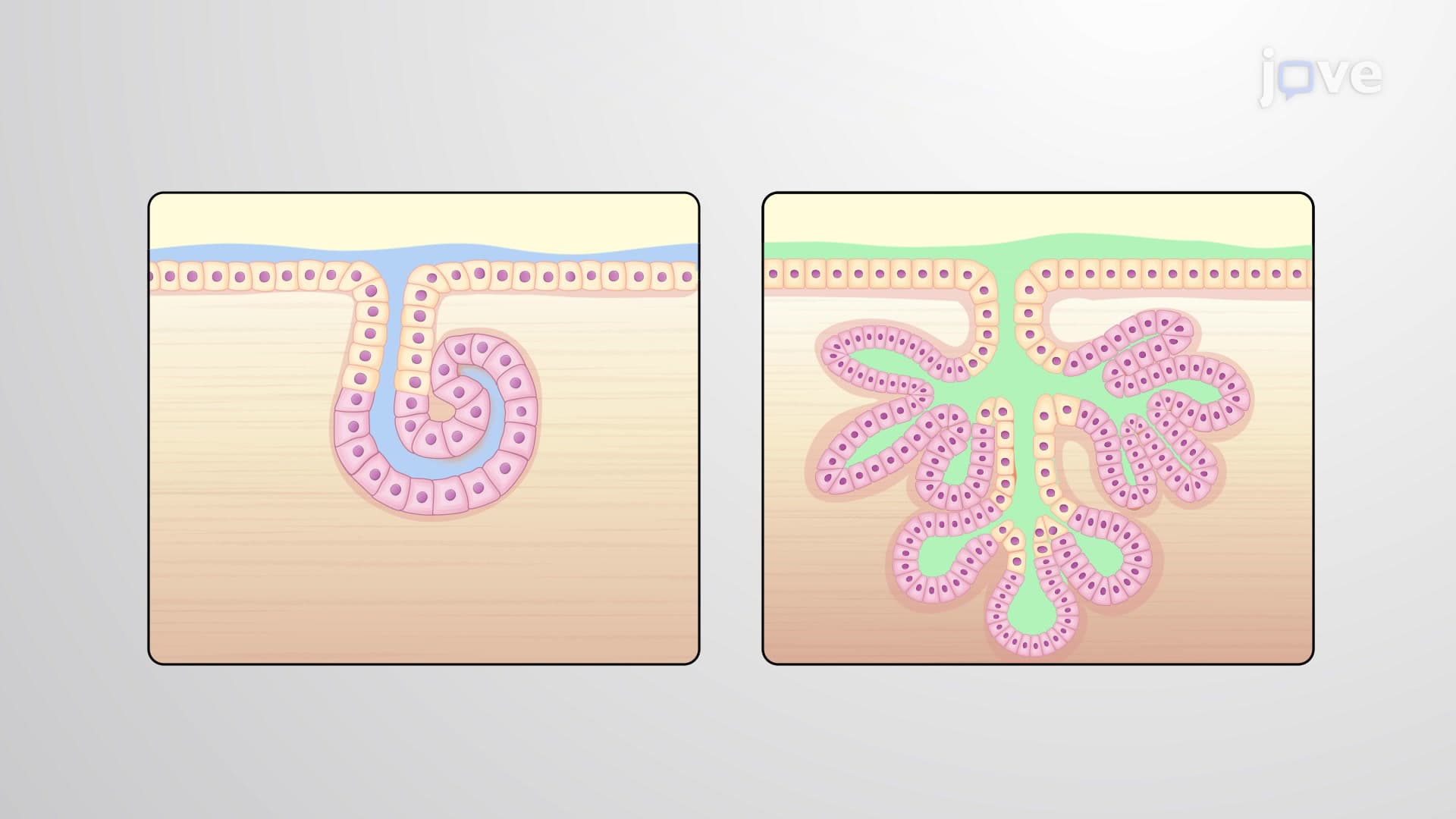
Exocrine glands represent one of the body's most sophisticated delivery systems, secreting products directly onto surfaces or into cavities through specialized ducts. The classification of exocrine gland secretion types depends entirely on the biochemical nature and physical properties of their secretory products, creating three distinct categories that serve unique physiological functions.
Serous watery secretion represents the body's primary mechanism for delivering digestive enzymes and antimicrobial proteins. These thin, aqueous solutions contain high concentrations of glycoproteins, enzymes, and electrolytes. The parotid salivary glands exemplify serous gland function, producing saliva rich in alpha-amylase that begins starch digestion immediately upon food contact.
Students preparing for the MCAT or AP Biology exams should note that serous cells appear pyramid-shaped with basophilic cytoplasm due to extensive rough endoplasmic reticulum-a cellular adaptation reflecting high protein synthesis activity. In clinical settings, parotid gland dysfunction can significantly impact digestion, making this concept relevant for pre-health students studying for the USMLE.
Mucous viscous secretion serves primarily protective and lubricating functions throughout the body. Mucous glands contain cells packed with mucin-rich secretory vesicles, creating their characteristic "frothy" cytoplasmic appearance. The sublingual glands beneath the tongue demonstrate this secretion type, producing thick, slimy mucus that coats the oral cavity and facilitates swallowing.
The high-molecular-weight glycoproteins in mucous secretions create viscoelastic properties essential for surface protection. This concept frequently appears in college anatomy and physiology courses, particularly when studying respiratory and digestive tract adaptations.
Mixed seromucous gland structures represent evolutionary optimization, combining serous and mucous secretory units within single glands. The submandibular salivary glands exemplify this design, containing both serous cells producing enzyme-rich fluid and mucous cells secreting protective lubricants. This dual secretion capability provides comprehensive oral cavity maintenance-enzymatic activity for digestion and mucous protection for tissue health.
For students tackling HESI A2 or TEAS exams, understanding mixed gland histology proves crucial, as these structures commonly appear in nursing school prerequisite assessments focusing on human anatomy and physiology.
Related Micro-courses