Loading subject page…


323,101 views

Video Summary: Exocrine Glands Unicellular and Multicellular Glands Explained
Ever wondered how your body produces tears when you cry or saliva when you smell fresh pizza? Exocrine gland types unicellular multicellular are the cellular factories behind these essential secretions. From simple goblet cells lining your intestines to complex salivary glands in your mouth, these structures demonstrate remarkable diversity in form and function. Watch the full video on JoVE Coach to master this concept with expert-led visuals and step-by-step explanations.
Unicellular multicellular exocrine glands represent one of biology's most elegant examples of form following function. These secretory structures demonstrate how cellular organization directly impacts physiological capability, from single-cell mucus production to complex multi-duct systems delivering specialized secretions.
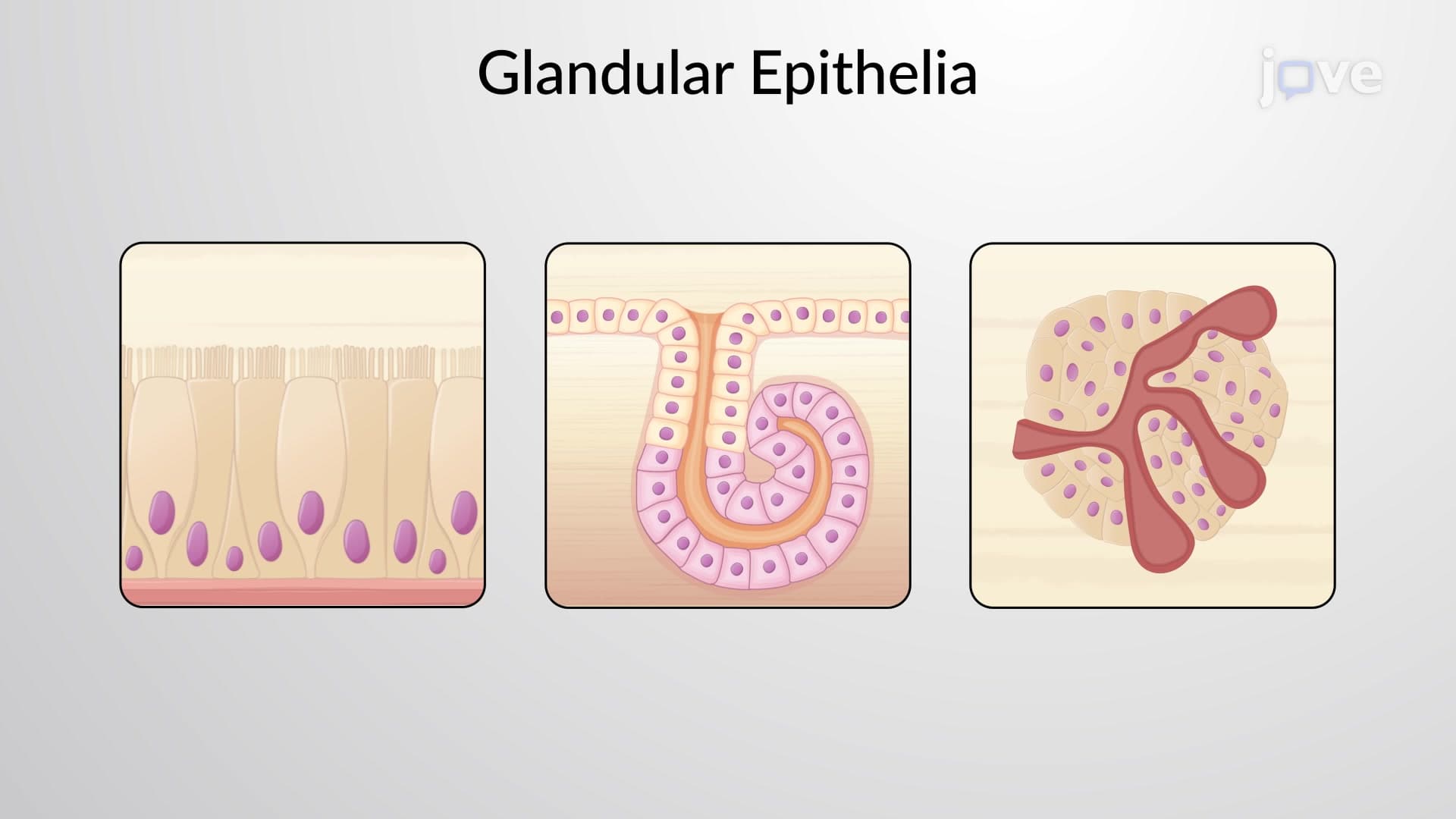
Goblet cell unicellular structures exemplify efficiency in biological design. These individual secretory cells, scattered throughout intestinal and respiratory epithelia, produce mucin-a complex glycoprotein that forms protective mucus barriers. In clinical settings, goblet cell dysfunction contributes to conditions like inflammatory bowel disease, making this concept crucial for pre-med students preparing for the MCAT.
The beauty of unicellular glands lies in their direct secretion mechanism. Unlike their multicellular counterparts, these cells release products directly onto epithelial surfaces without requiring specialized ducts. This streamlined approach proves particularly valuable in rapidly changing environments like the digestive tract, where constant mucus renewal protects underlying tissues from acidic gastric contents.
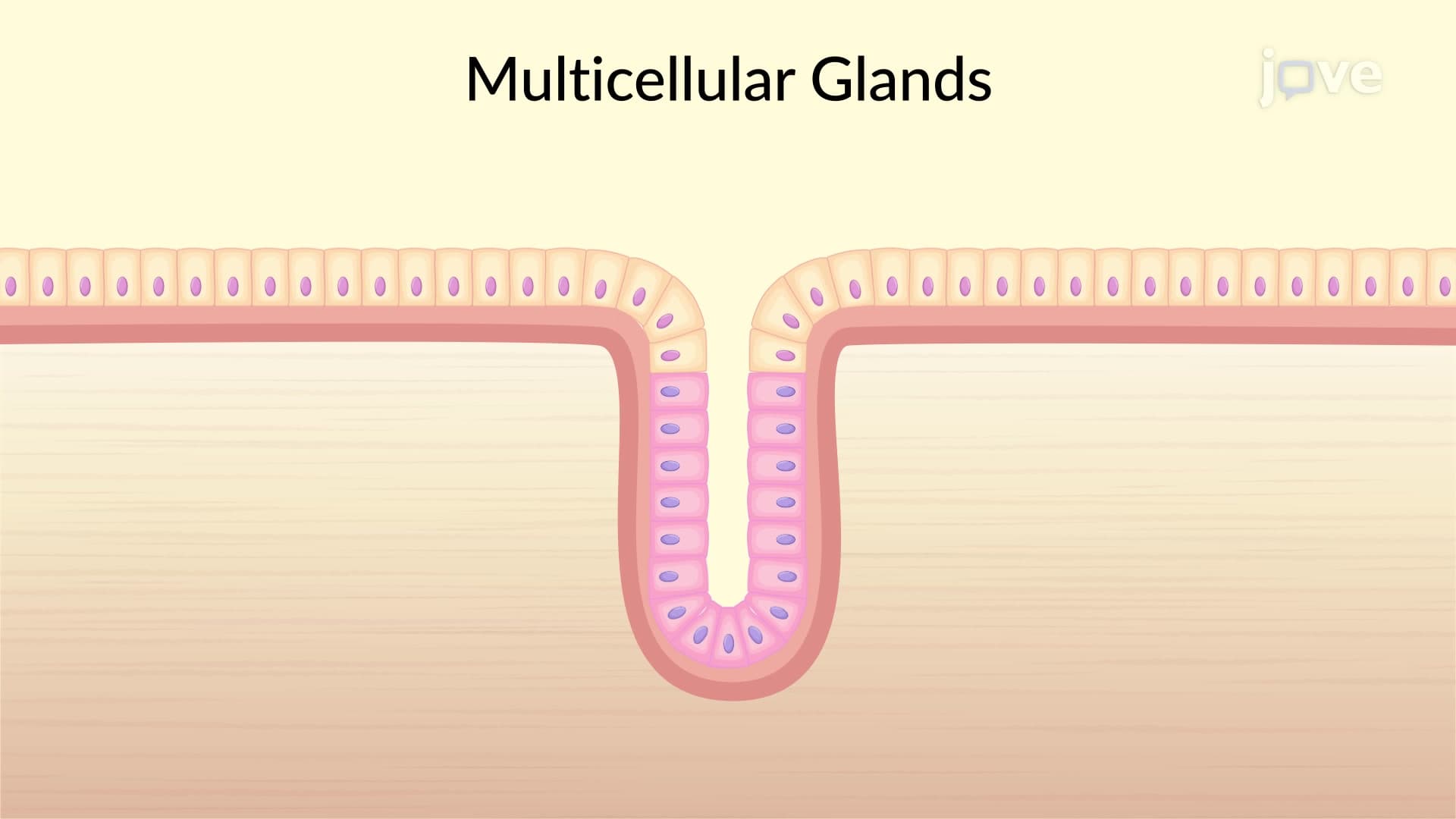
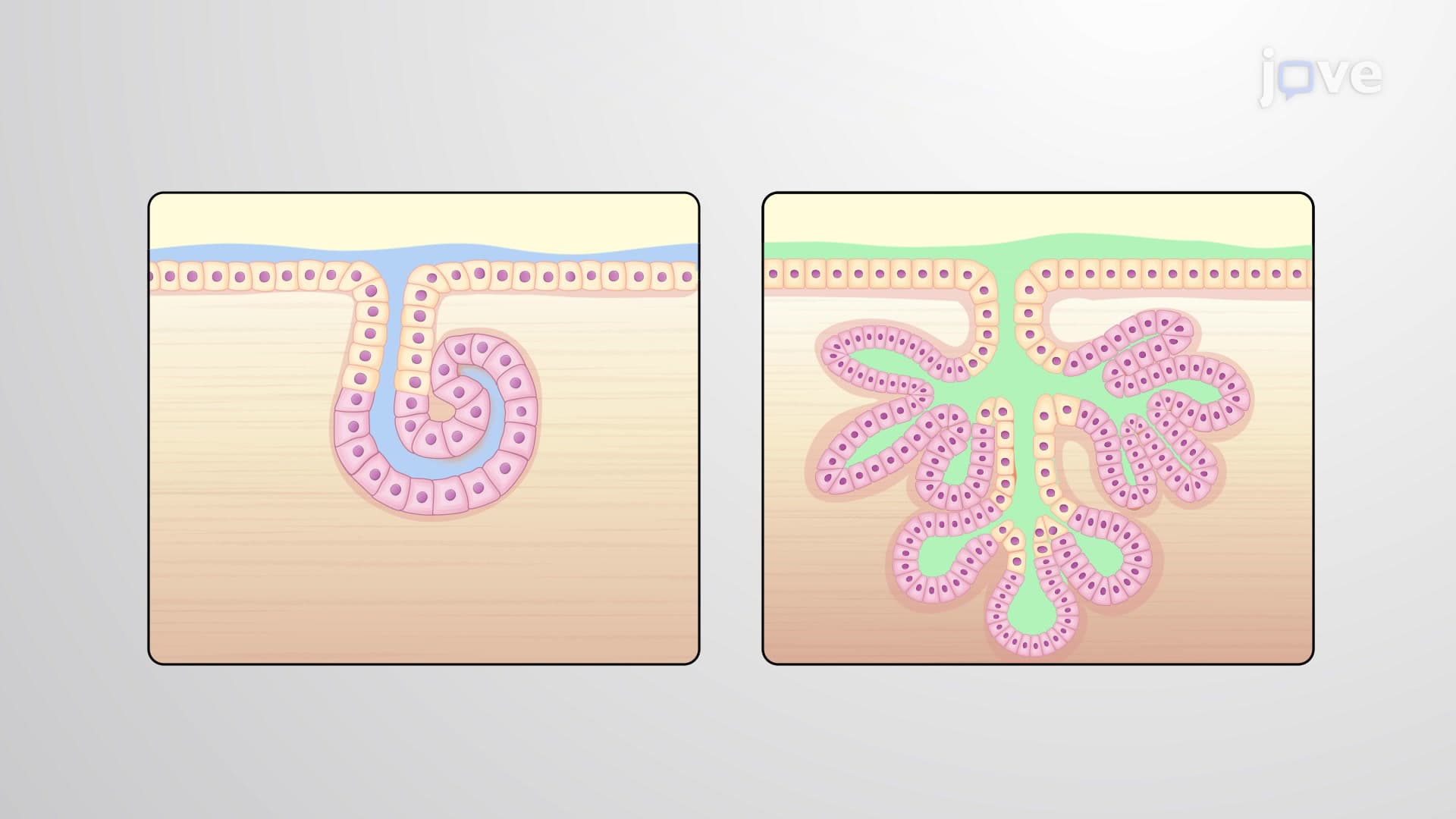
Multicellular gland structure reveals sophisticated organizational principles that AP Biology students encounter on college entrance exams. These complex systems feature two primary components: secretory units (where products are synthesized) and ductal systems (that transport secretions to target surfaces).
Compound tubular acinar gland classification becomes clinically relevant when studying conditions affecting major organs. For instance, pancreatic dysfunction-whether involving tubular units producing digestive enzymes or acinar cells manufacturing bicarbonate-directly impacts patient outcomes in diabetes and cystic fibrosis cases frequently discussed in nursing school curricula.
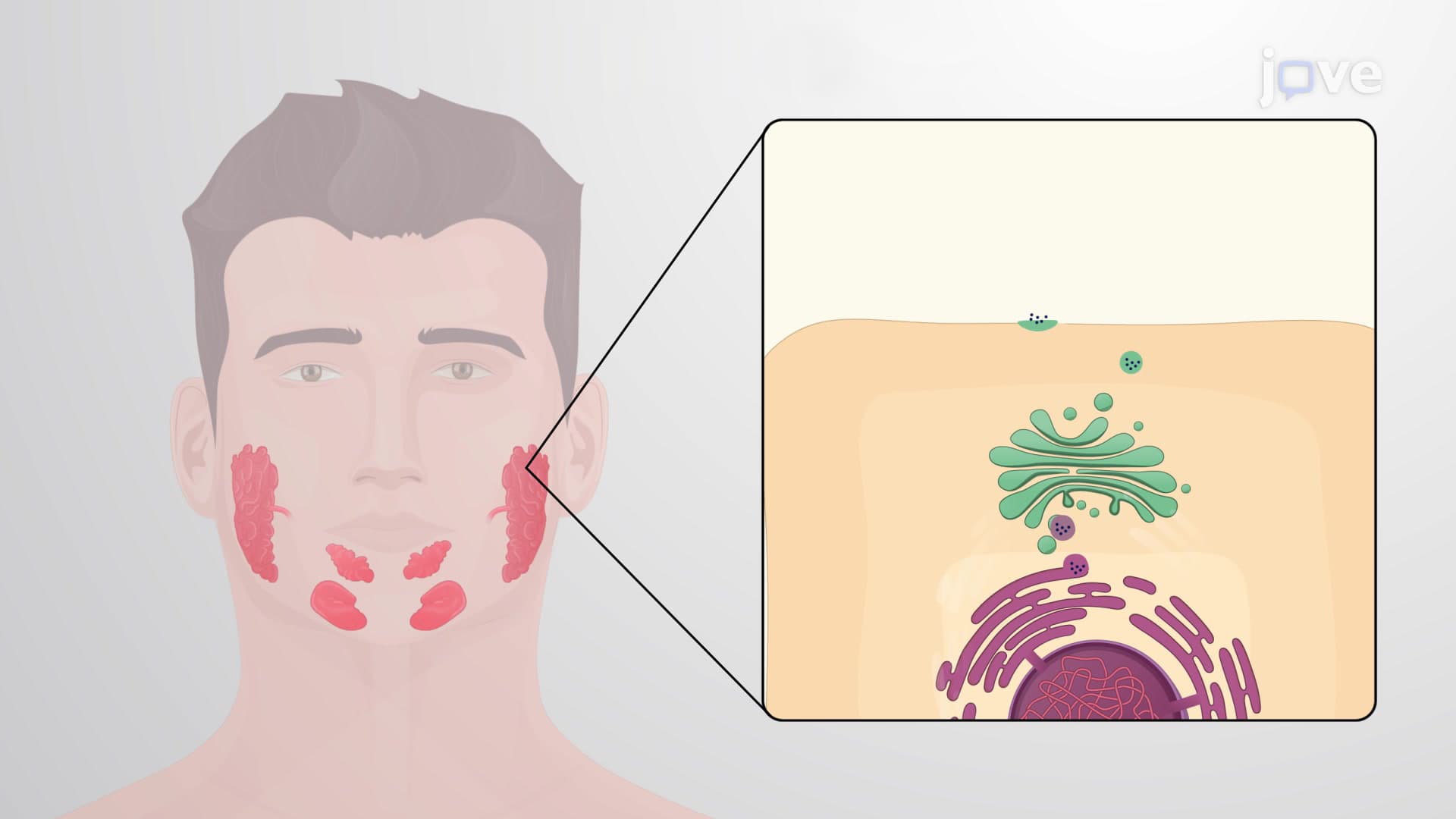
Exocrine gland morphology determines functional capacity through structural specialization. Simple glands with unbranched ducts (like intestinal crypts) provide localized secretion, while compound glands with extensively branched ductal trees (such as salivary glands) achieve widespread surface coverage.
Tubular versus acinar distinctions become particularly important in pathology. Sweat glands demonstrate tubular organization optimized for electrolyte regulation, while sebaceous glands showcase acinar architecture designed for lipid secretion. Understanding these relationships helps students excel on standardized tests like the HESI A2 and prepares them for clinical decision-making in healthcare careers.
Related Micro-courses