Loading subject page…

- Anatomy and Physiology
- Tissues of the Human Body
- Overview of Cell-Cell Junctions
Micro-course: Tissues of the Human Body
323,100 views
Learn key concepts and earn your certificate.



Overview of Cell-Cell Junctions

00:00
01:14
Video Summary: Overview of Cell Cell Junctions Explained
Ever wonder how your intestinal wall blocks harmful bacteria while allowing nutrients to pass through? This selective barrier function demonstrates the critical importance of a cell junctions overview biology concept. Cell-cell junctions are specialized protein structures that connect adjacent cells, creating everything from waterproof seals to communication channels. For instance, disrupted tight junctions in the gut contribute to Crohn's disease, a condition affecting over 500,000 Americans. Watch the full video on JoVE Coach to master this concept with expert-led visuals and step-by-step explanations.
- Understand the fundamental principles of cell-cell junctions and their role in maintaining tissue architecture as outlined in this overview of cell cell junctions explained
- Identify the five major types of cell junctions: tight junctions, adherens junctions, desmosomes, gap junctions, and hemidesmosomes
- Analyze the molecular components of each junction type, including claudins, occludins, cadherins, and connexins
- Compare the structural and functional differences between barrier-forming junctions and communication-enabling junctions
- Evaluate how junction dysfunction contributes to human diseases such as inflammatory bowel disease and cardiac arrhythmias
- Apply knowledge of junction properties to predict tissue behavior under different physiological conditions
- Recognize the clinical significance of cell junctions in drug delivery, cancer metastasis, and tissue engineering
- Explore the evolutionary importance of cell junctions in multicellular organism development
Understanding Cell-Cell Junctions: The Foundation of Tissue Organization
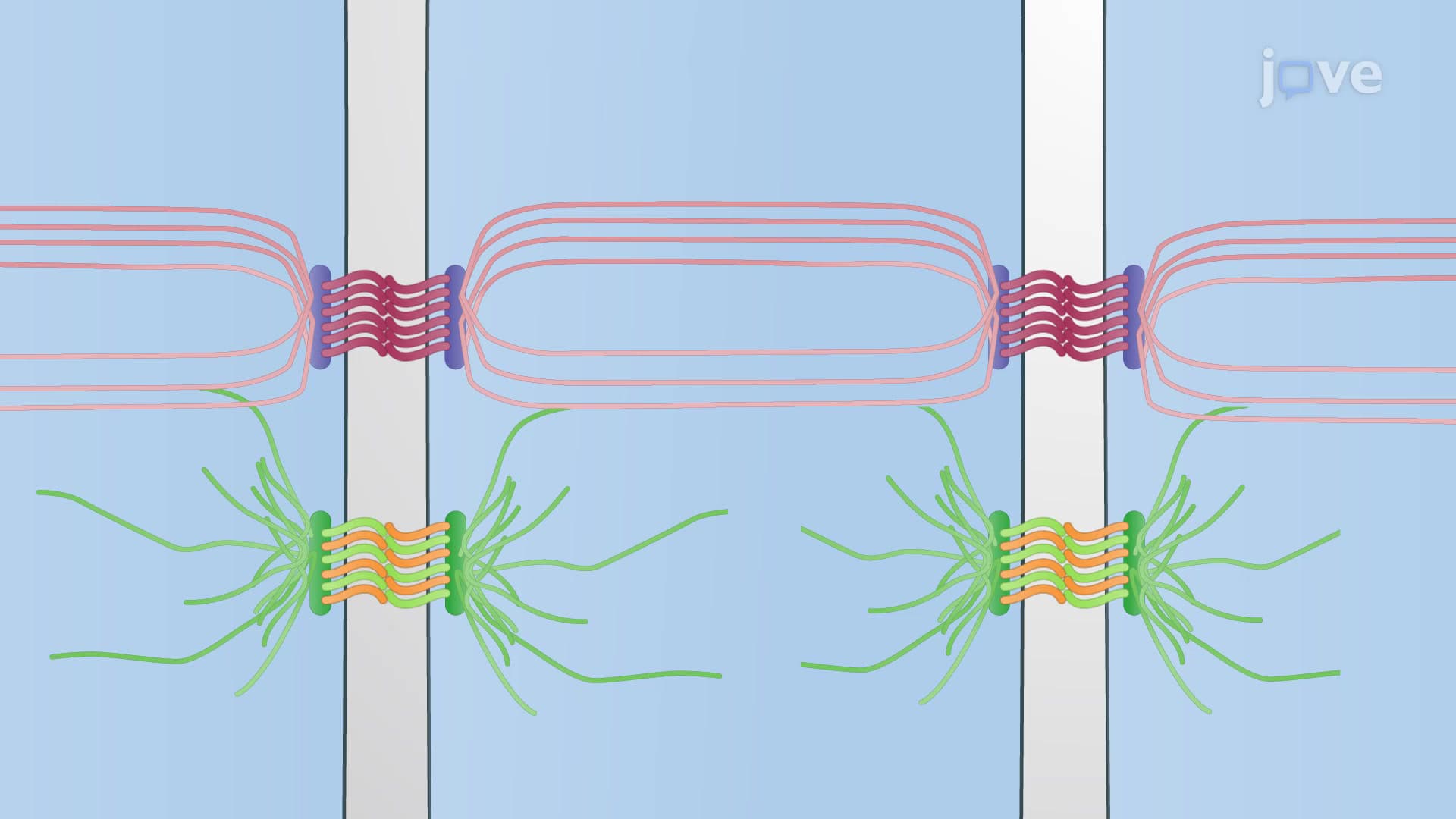
The overview of cell cell junctions explained reveals how these microscopic structures serve as the architectural foundation of all multicellular life. Cell junctions are specialized protein complexes that physically connect adjacent cells, enabling tissues to function as coordinated units rather than collections of individual cells. These connections are essential for maintaining tissue integrity, controlling molecular transport, and facilitating intercellular communication.
Classification and Structure of Major Junction Types
Tight junction barrier function represents one of the most critical aspects of epithelial tissues. These junctions form continuous seals around cell perimeters, creating impermeable barriers that regulate paracellular transport. Composed primarily of claudin and occludin proteins, tight junctions determine tissue selectivity-explaining why the blood-brain barrier protects neural tissue while intestinal epithelia allow nutrient absorption.
Desmosome mechanical junction structures provide tissues with remarkable tensile strength. These button-like connections link intermediate filament networks between cells through desmosomal cadherins and plakoglobin proteins. Cardiac muscle relies heavily on desmosomes to withstand the mechanical stress of constant contraction, making desmosomal mutations a cause of arrhythmogenic cardiomyopathy.
Adherens junction actin connections coordinate cellular behavior across tissues. By linking actin cytoskeletons through E-cadherin proteins, these junctions enable collective cell migration during wound healing and embryonic development. The "cadherin-catenin complex" serves as both a mechanical connector and a signaling hub that influences gene expression.
Gap junction coupling enables direct cytoplasmic communication between adjacent cells. Connexin proteins form channels allowing passage of ions, metabolites, and signaling molecules up to 1000 daltons. This coupling is essential for cardiac rhythm coordination and metabolic synchronization in liver tissue.
Clinical and Academic Relevance
For students preparing for the MCAT or AP Biology exams, understanding cell junction classification overview provides crucial context for tissue physiology questions. Medical schools emphasize junction pathology, as dysfunction underlies numerous diseases including cancer metastasis (loss of adherens junctions), inflammatory bowel disease (tight junction disruption), and inherited cardiomyopathies (desmosomal defects).
Research institutions like Johns Hopkins and Stanford actively investigate junction biology for therapeutic applications, including targeted drug delivery systems that temporarily open tight junctions and tissue engineering approaches that optimize junction formation in artificial organs.
Frequently Asked Questions
Cell-cell junctions are specialized protein structures that connect adjacent cells, serving as the foundation for tissue organization and function. They're essential because they maintain tissue integrity, control what passes between cells, enable cellular communication, and coordinate tissue-wide responses. Without these connections, multicellular organisms couldn't exist as organized, functional units.
The MCAT frequently tests junction types in passage-based questions about epithelial barriers, cardiac conduction, and cancer biology. AP Biology exams emphasize junction classification, molecular components, and functional roles in tissue physiology. Students should master the structure-function relationships and be able to predict consequences of junction disruption.
Tight junctions seal cells together to prevent molecular passage between cells (paracellular transport), while gap junctions create channels allowing direct passage of small molecules through cells (transcellular communication). Think of tight junctions as "walls" and gap junctions as "doorways" between cellular neighbors.
Junction dysfunction contributes to major US health problems: disrupted intestinal tight junctions worsen Crohn's disease and ulcerative colitis, affecting over 1.6 million Americans. Cardiac gap junction defects cause arrhythmias, while desmosomal mutations lead to sudden cardiac death in young athletes. Cancer cells often lose adherens junctions, promoting metastasis.
Basic high school chemistry is sufficient for understanding cell junctions. The key concepts involve protein structure, molecular interactions, and membrane biology-all covered in standard biology courses. Focus on understanding functional relationships rather than detailed biochemical mechanisms, which come later in advanced coursework.
Create a comparison table listing each junction type, its molecular components, primary function, and disease associations. Use visual mnemonics: "Tight junctions are tight seals," "Gap junctions have gaps for communication," "Desmosomes are strong like denim." Practice identifying junctions in histological images and predicting functional consequences of mutations.
Advanced students should investigate junction regulation during development, mechanical force transmission through junction complexes, and emerging therapeutic targets. Topics like junction-mediated cell polarity, epithelial-mesenchymal transitions, and bioengineered junction systems represent cutting-edge research areas with clinical applications.
Related Micro-courses

18 Concepts

19 Concepts

11 Concepts