Loading subject page…


323,100 views

Video Summary: The Effect of Aging on Tissues Explained
Did you know that by age 50, you lose nearly half of your active hair follicles? Understanding aging effects body tissues reveals why our bodies change dramatically over time, from wrinkled skin to brittle bones. Consider how a 70-year-old patient at Johns Hopkins might experience slower wound healing compared to a teenager-this demonstrates The Effect of Aging On Tissues Explained in action. As we age, cellular regeneration slows, collagen production decreases, and tissue elasticity diminishes across all body systems. Watch the full video on JoVE Coach to master this concept with expert-led visuals and step-by-step explanations.
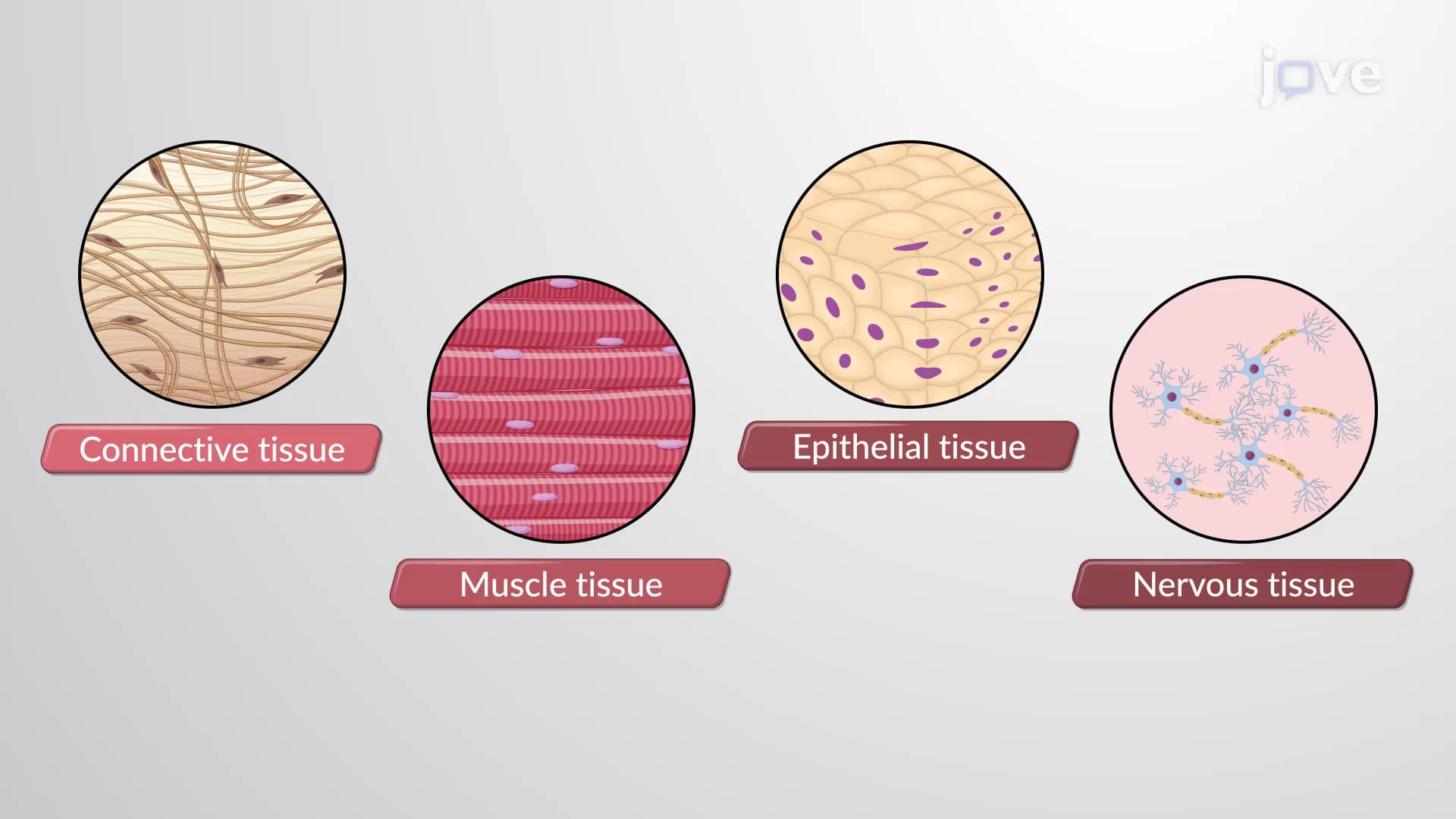
Aging represents a complex biological process that fundamentally alters tissue structure and function throughout the human body. While young tissues maintain robust regenerative capabilities, aging effects body tissues by gradually diminishing cellular repair mechanisms and altering the molecular composition of structural proteins. This process begins subtly in our twenties and accelerates significantly after age 40, creating observable changes that impact daily life and health outcomes.
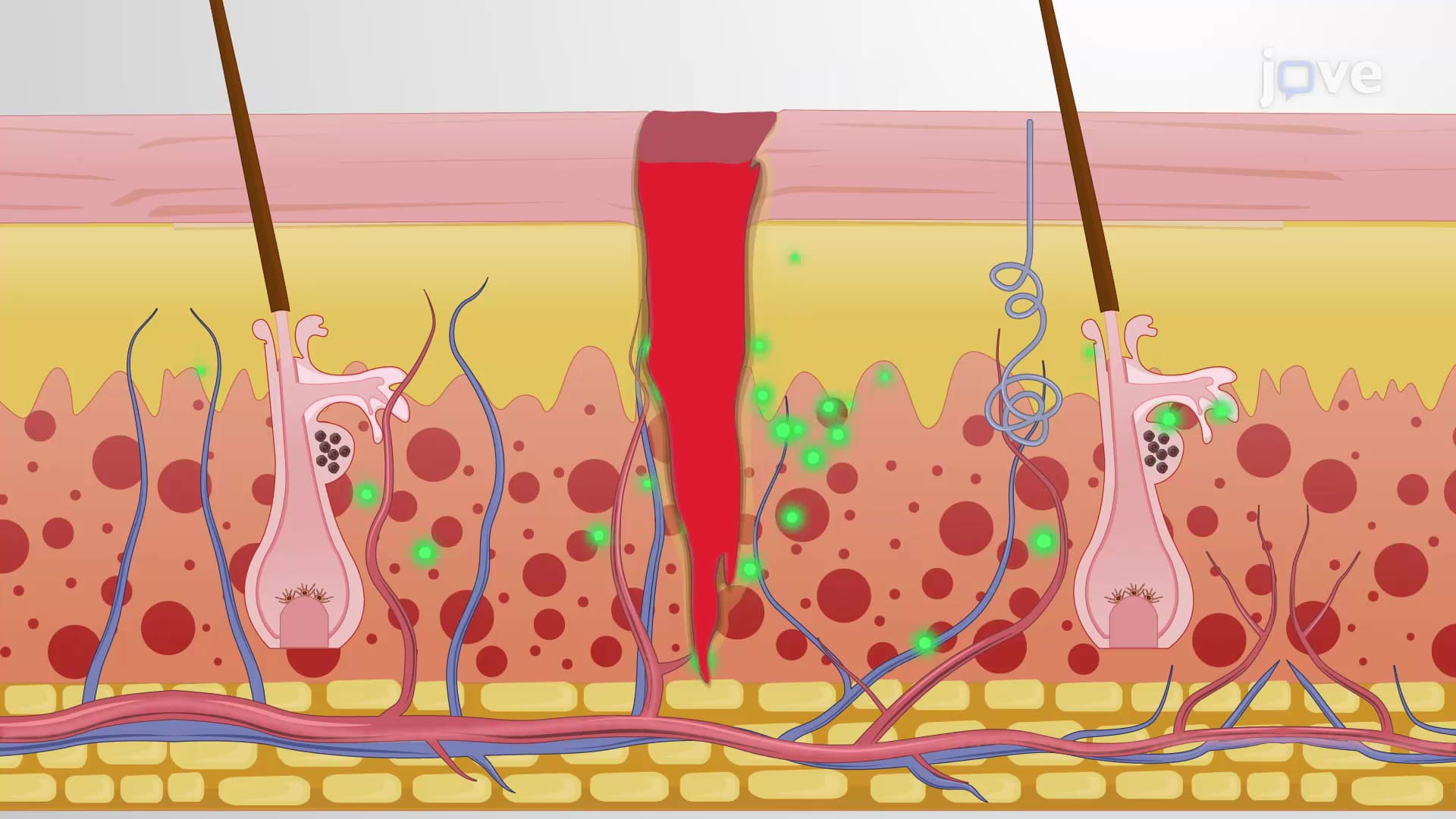
At the cellular level, cellular aging tissue changes occur through several interconnected mechanisms. Telomere shortening limits cell division capacity, while accumulated oxidative stress damages cellular components. For example, skin stem cells in elderly patients at the Mayo Clinic show significantly reduced proliferation rates compared to younger individuals, explaining why elderly patients experience slower wound healing after surgery. This concept frequently appears on AP Biology exams, where students must explain how cellular senescence contributes to tissue dysfunction.
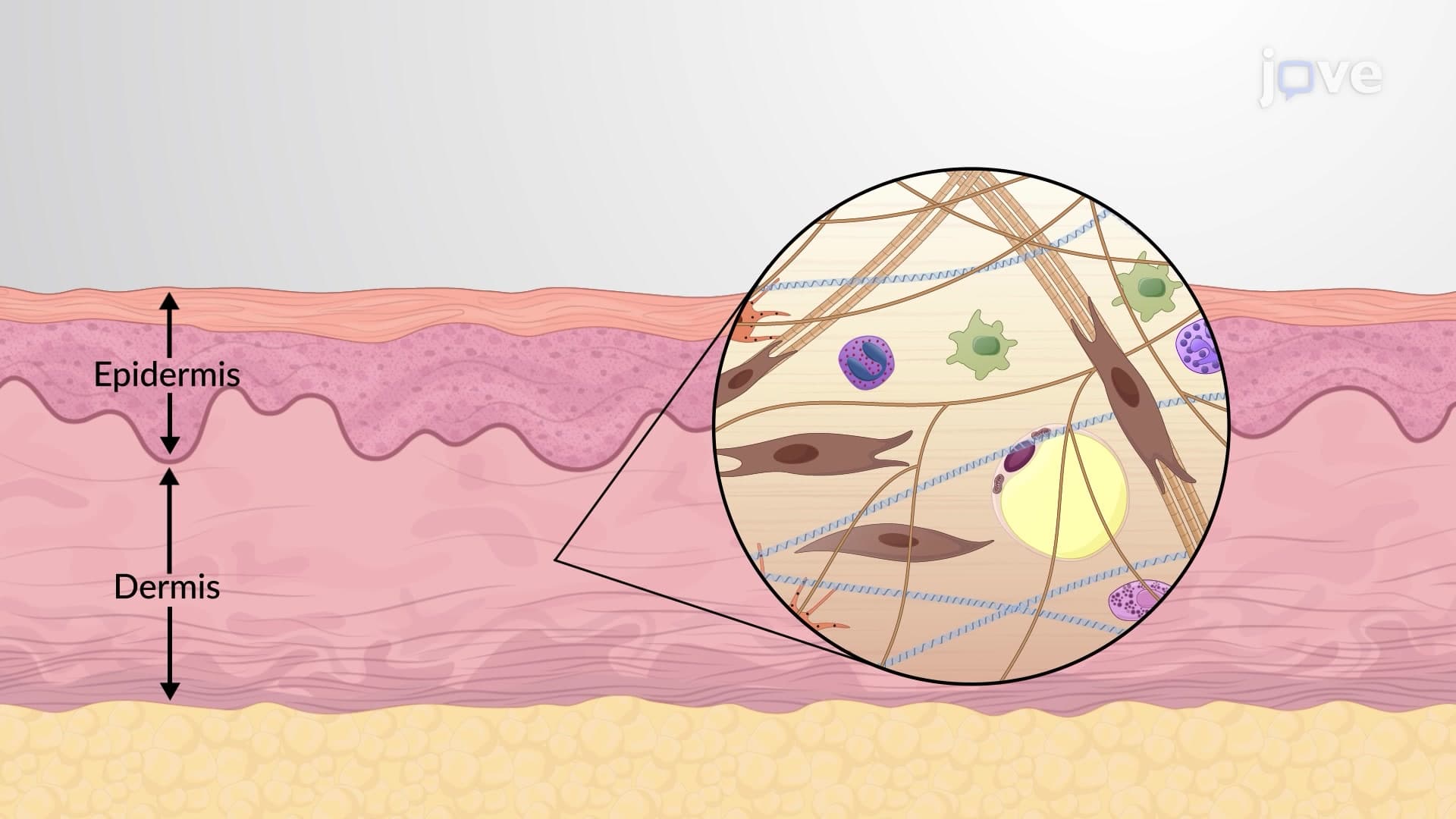
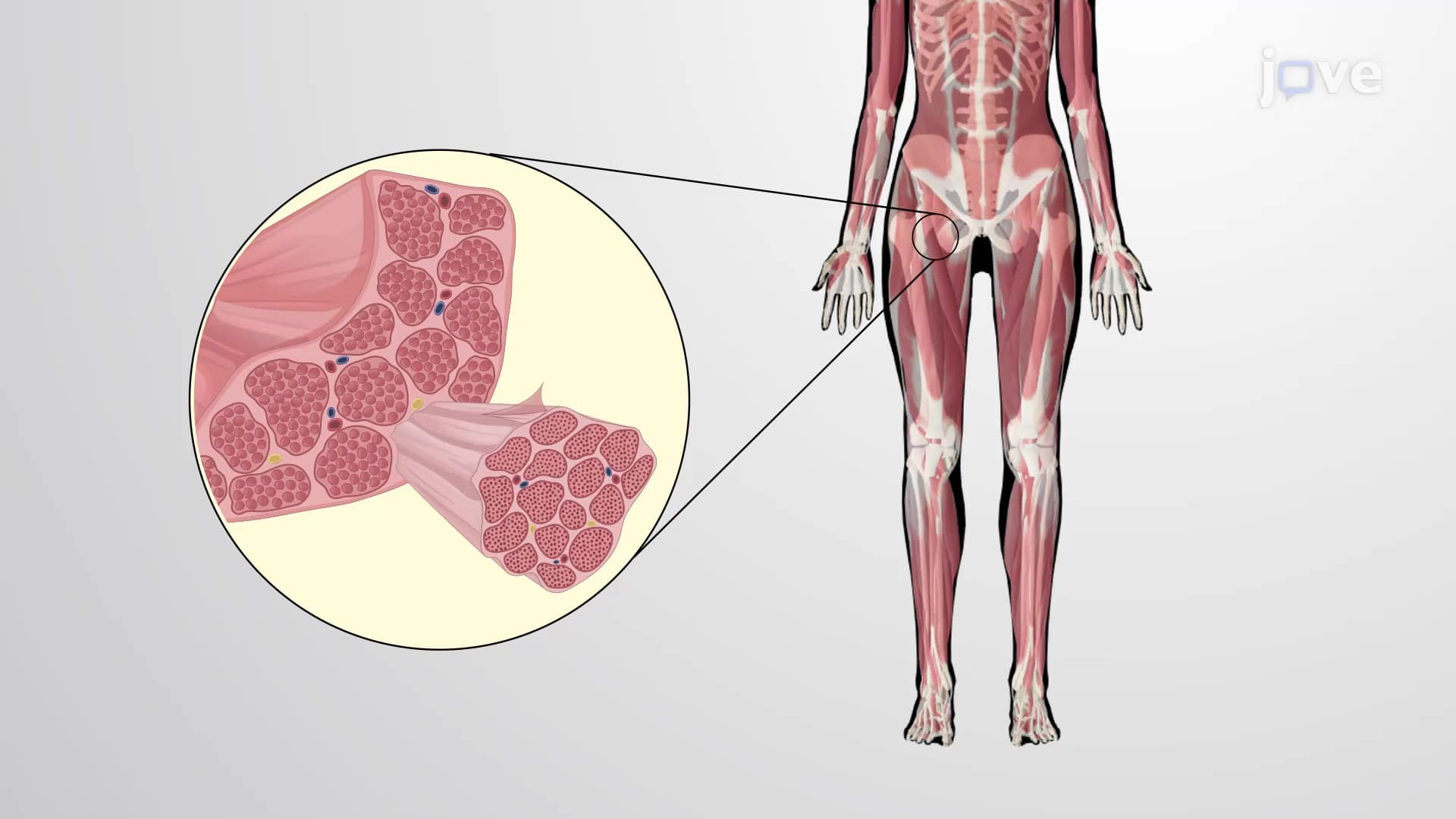
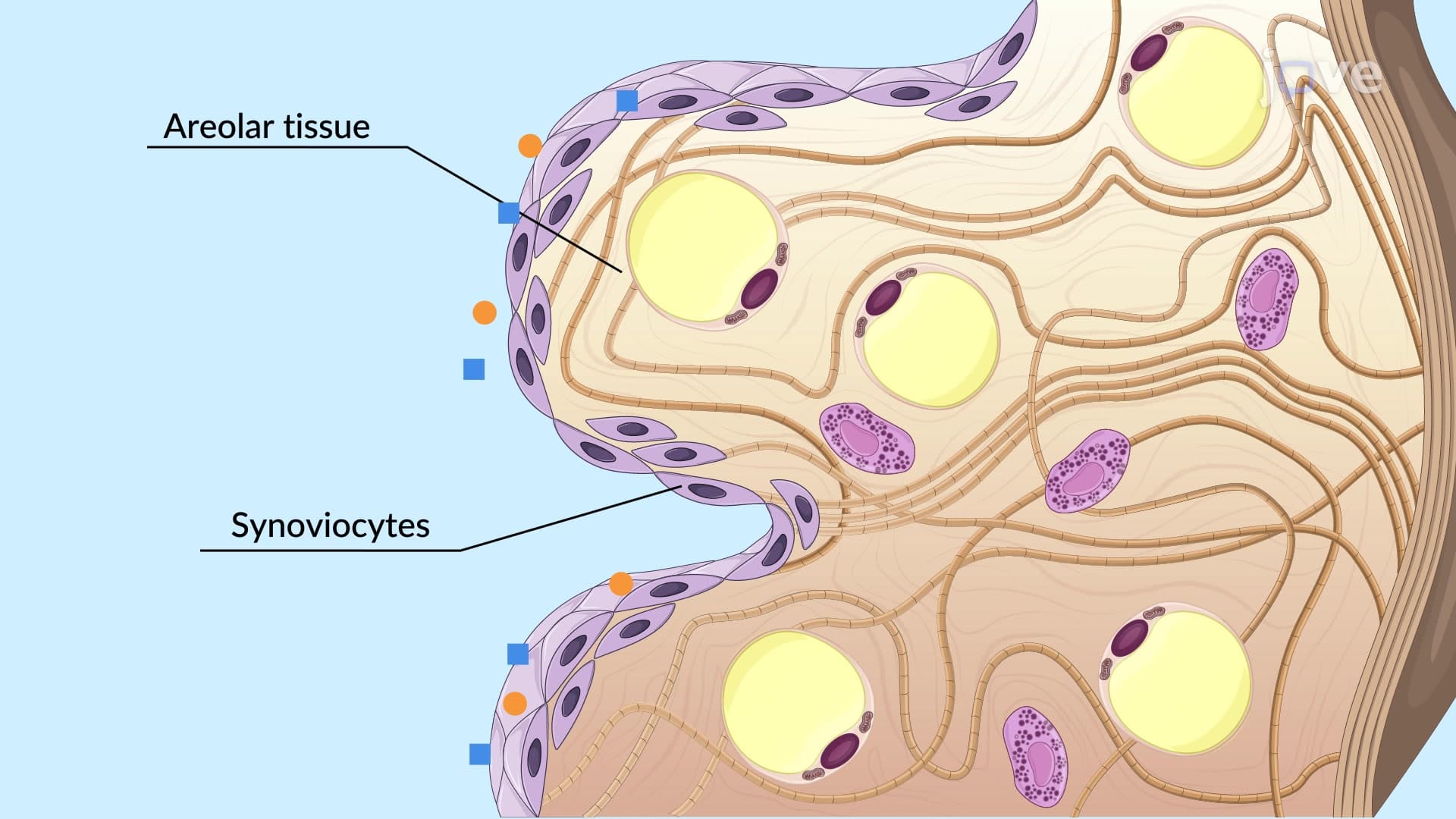
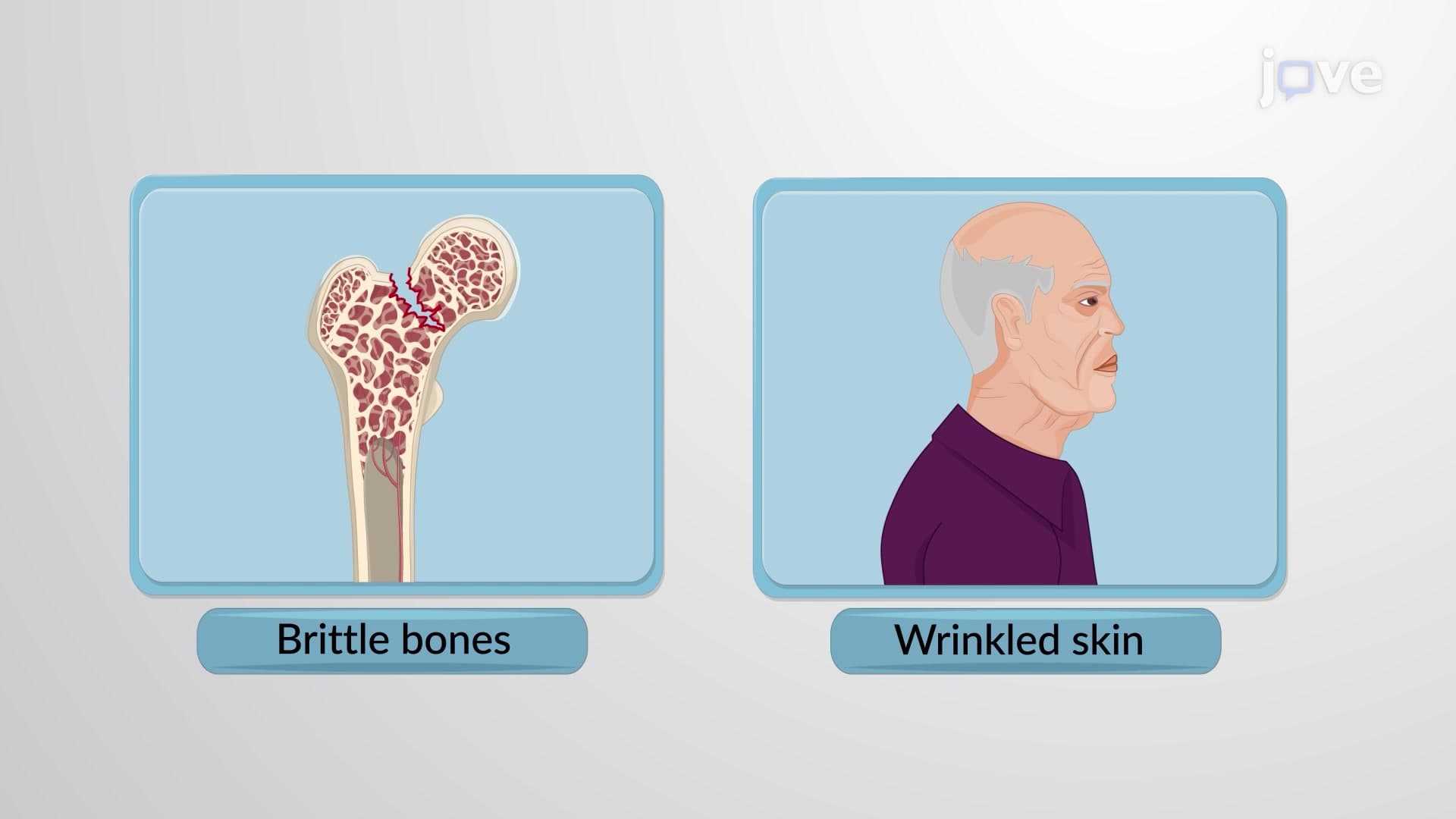
Connective tissue aging changes represent some of the most visible effects of aging. Collagen aging effect manifests as decreased production and altered cross-linking patterns, reducing tissue strength and flexibility. In a 65-year-old patient at Cleveland Clinic, collagen content in skin may decrease by 30% compared to a 25-year-old, directly causing wrinkle formation and reduced skin elasticity. Similarly, tissue elasticity aging affects cartilage composition, where proteoglycan changes reduce shock absorption capacity. This knowledge proves essential for MCAT test-takers, who must understand how molecular changes translate to clinical presentations like osteoarthritis.
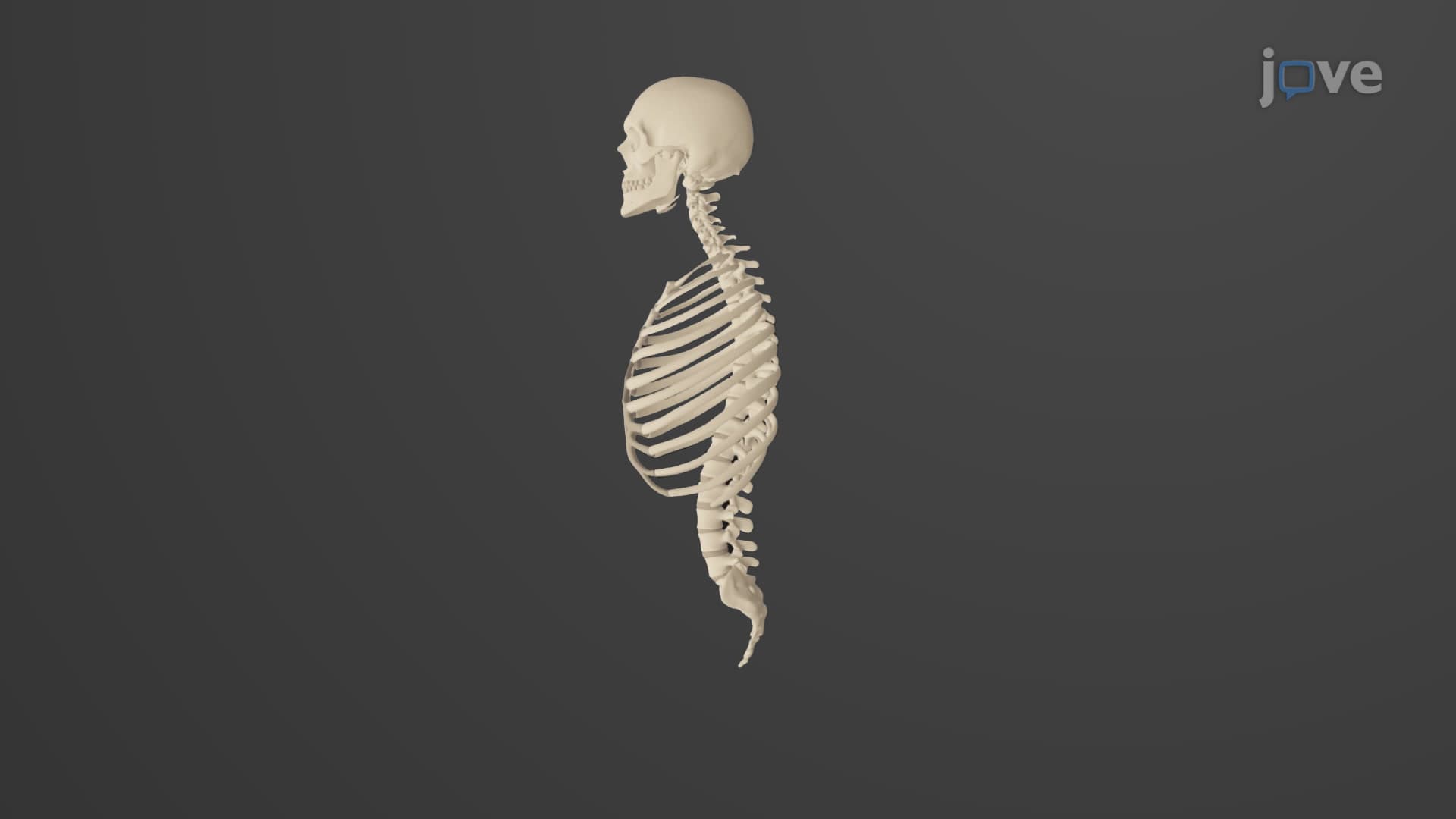
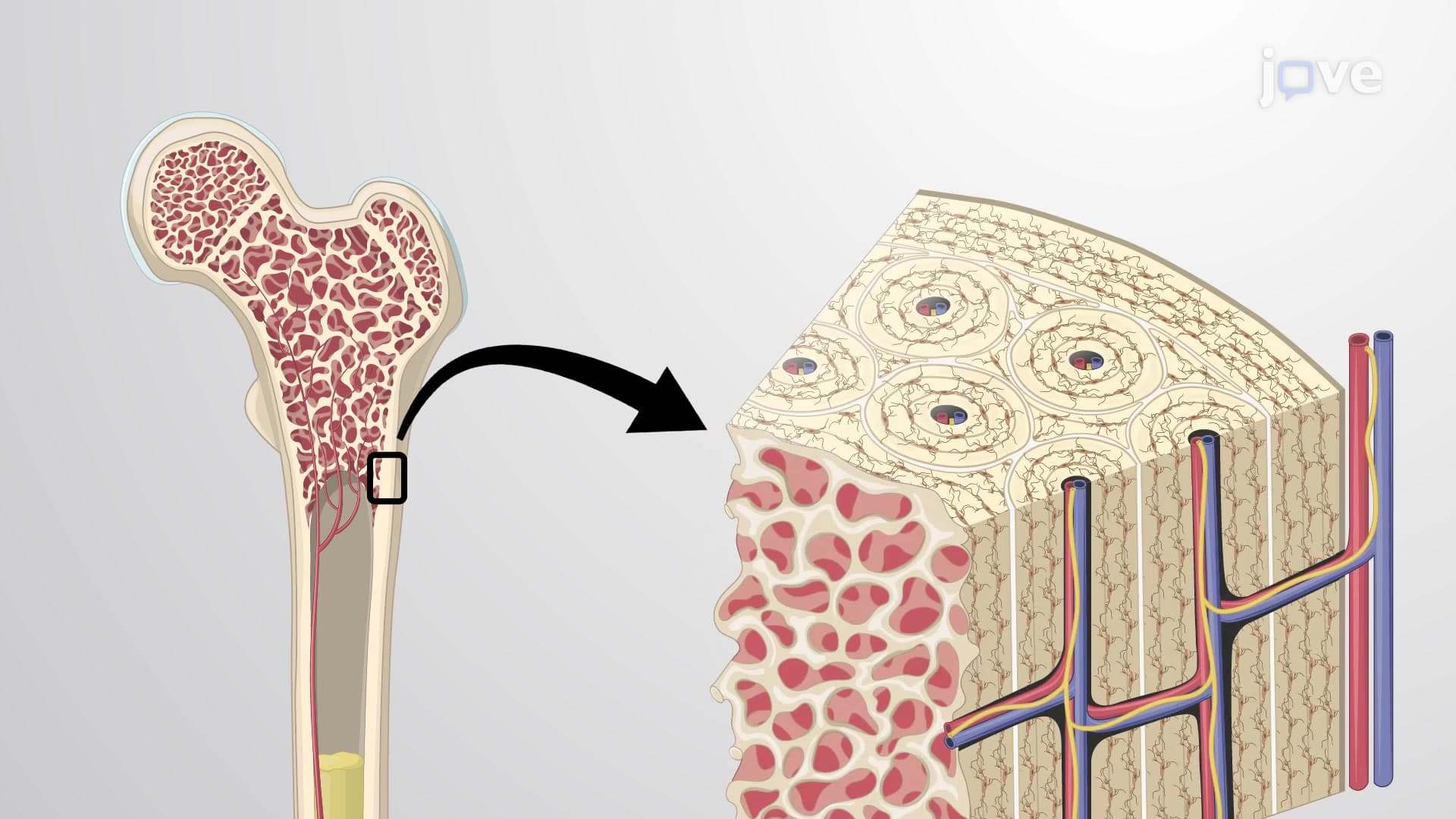
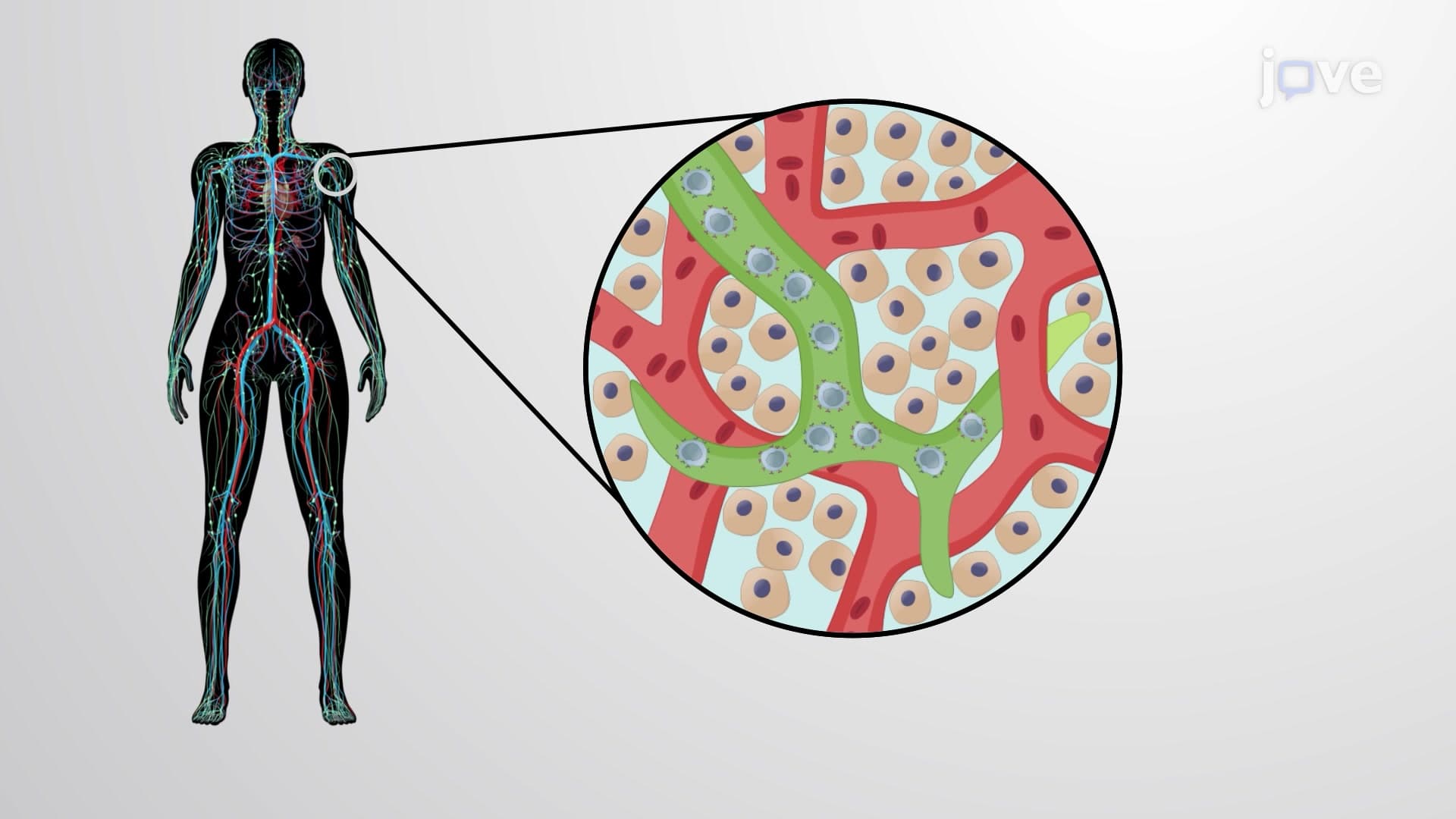
Age related tissue degeneration creates predisposition to various diseases common in elderly populations. Bone tissue loses density due to decreased osteoblast activity and hormonal changes, particularly in postmenopausal women. Statistics from the National Institutes of Health show that osteoporotic fractures affect over 2 million Americans annually, primarily those over 65. Cancer incidence also increases with age due to accumulated DNA damage and reduced immune surveillance. Understanding these connections helps pre-med students preparing for the MCAT connect aging biology to clinical medicine, while high school students can relate these concepts to their own families' health experiences.
Related Micro-courses