Loading subject page…

- Anatomy and Physiology
- Tissues of the Human Body
- Introduction to Connective Tissues
Micro-course: Tissues of the Human Body
323,100 views
Learn key concepts and earn your certificate.
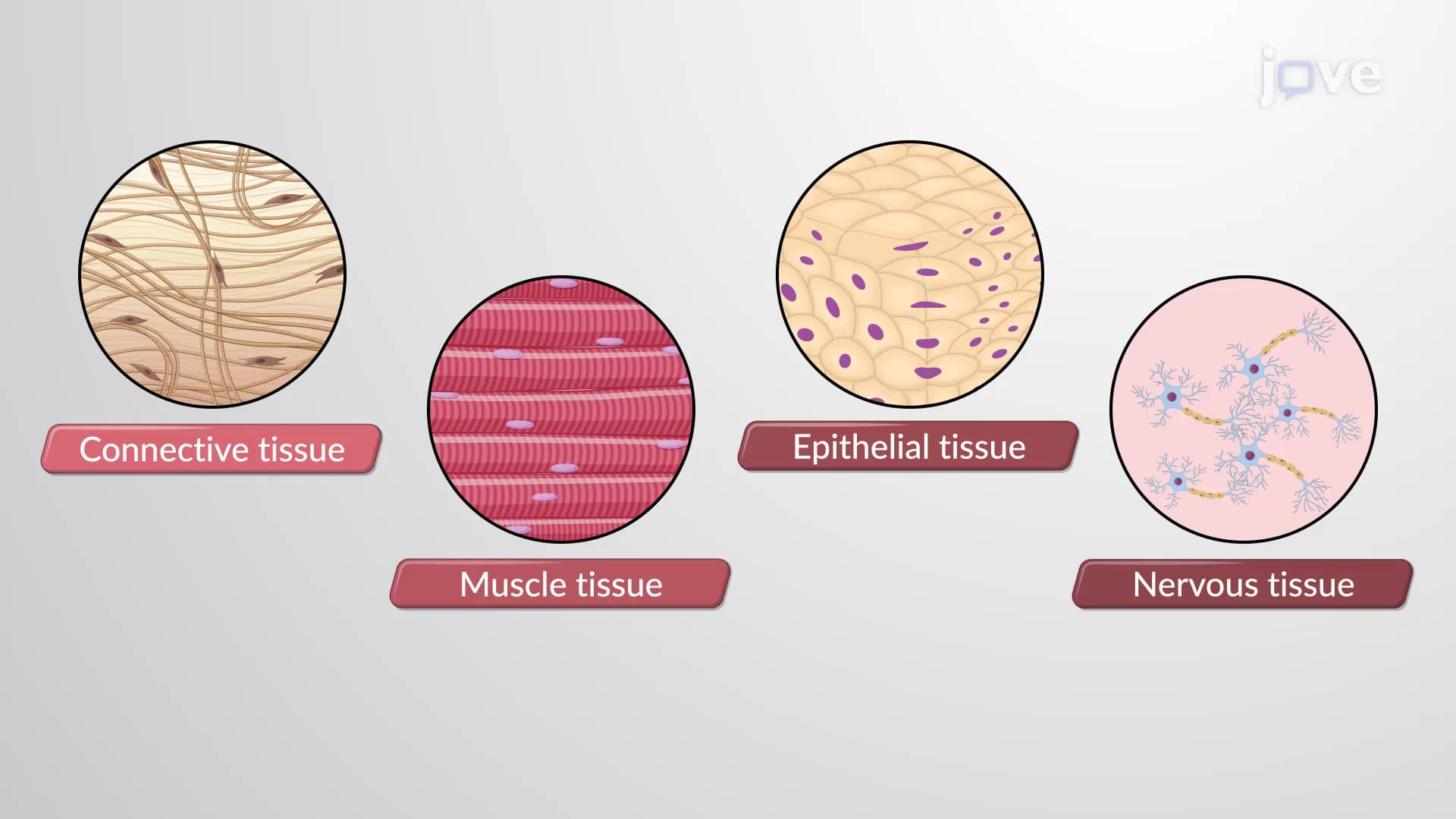



Introduction to Connective Tissues

00:00
01:11
Video Summary: What are Connective Tissues
Ever wonder why your bones don't bend like rubber bands, yet your blood flows freely through vessels? Connective tissue biology explains this fascinating diversity in our bodies. From the rigid calcium deposits in broken bones treated at Johns Hopkins Hospital to the flexible cartilage cushioning basketball players' knees, what are connective tissues in human anatomy reveals how different matrix compositions create vastly different physical properties. These versatile tissues originate from embryonic mesoderm and serve as the body's support system, transportation network, and sensory interface. Watch the full video on JoVE Coach to master this concept with expert-led visuals and step-by-step explanations.
- Understand what are connective tissues and their embryonic origin from the mesoderm germ layer
- Identify the two fundamental components of all connective tissues: extracellular matrix and cellular elements
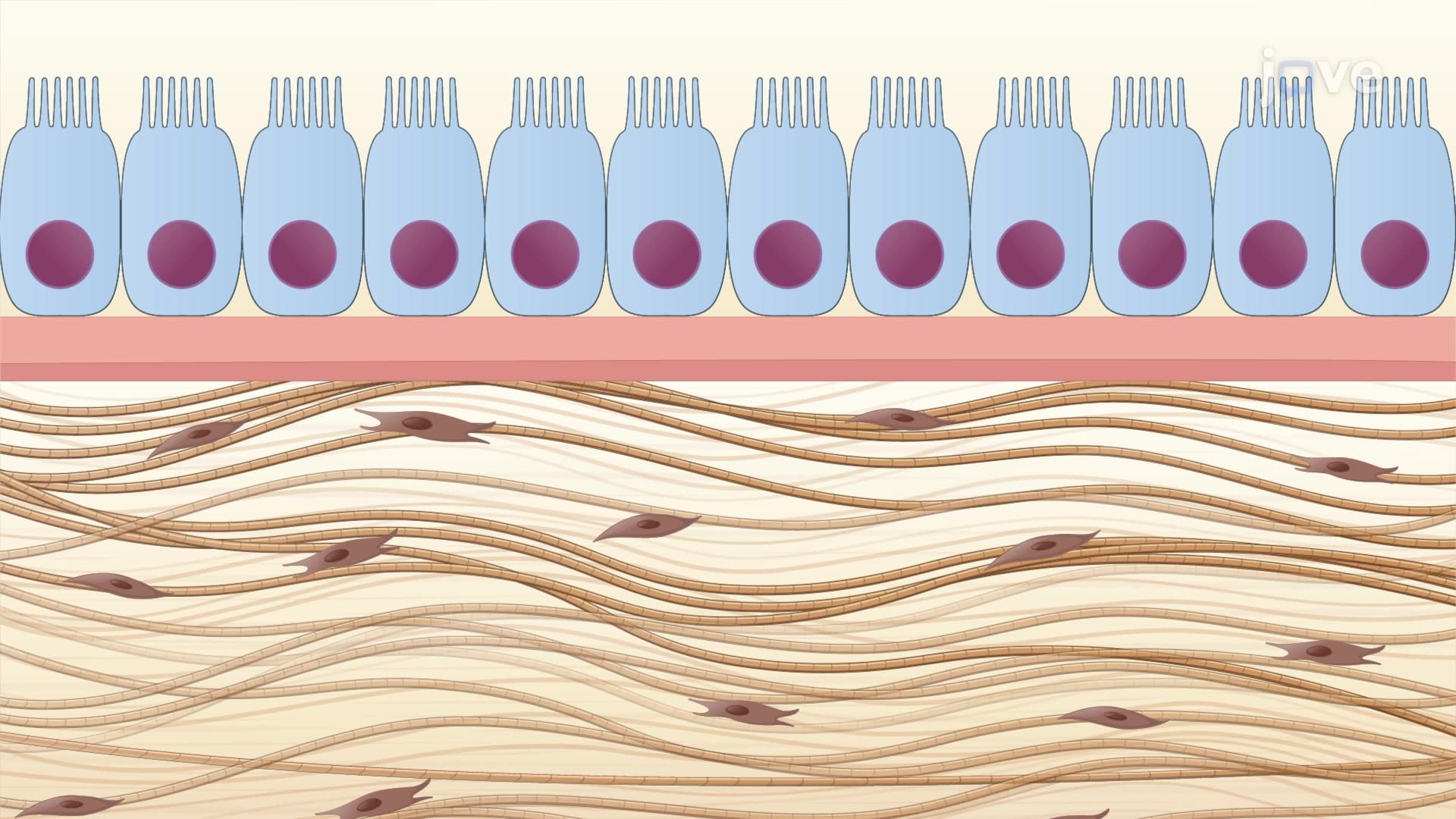
- Compare connective tissues to epithelial tissues in terms of vascularity, matrix prominence, and structural organization
- Analyze the relationship between extracellular matrix composition and tissue physical properties
- Recognize the diverse functions of connective tissues including support, transport, and sensory detection
- Evaluate how ground substance and protein fibers combine to create the non-living extracellular matrix
- Apply knowledge of connective tissue variety to distinguish between hard tissues like bone and fluid tissues like blood
- Explore the vascular nature of most connective tissues and understand cartilage as the notable exception
Understanding What are Connective Tissues: Foundation and Development
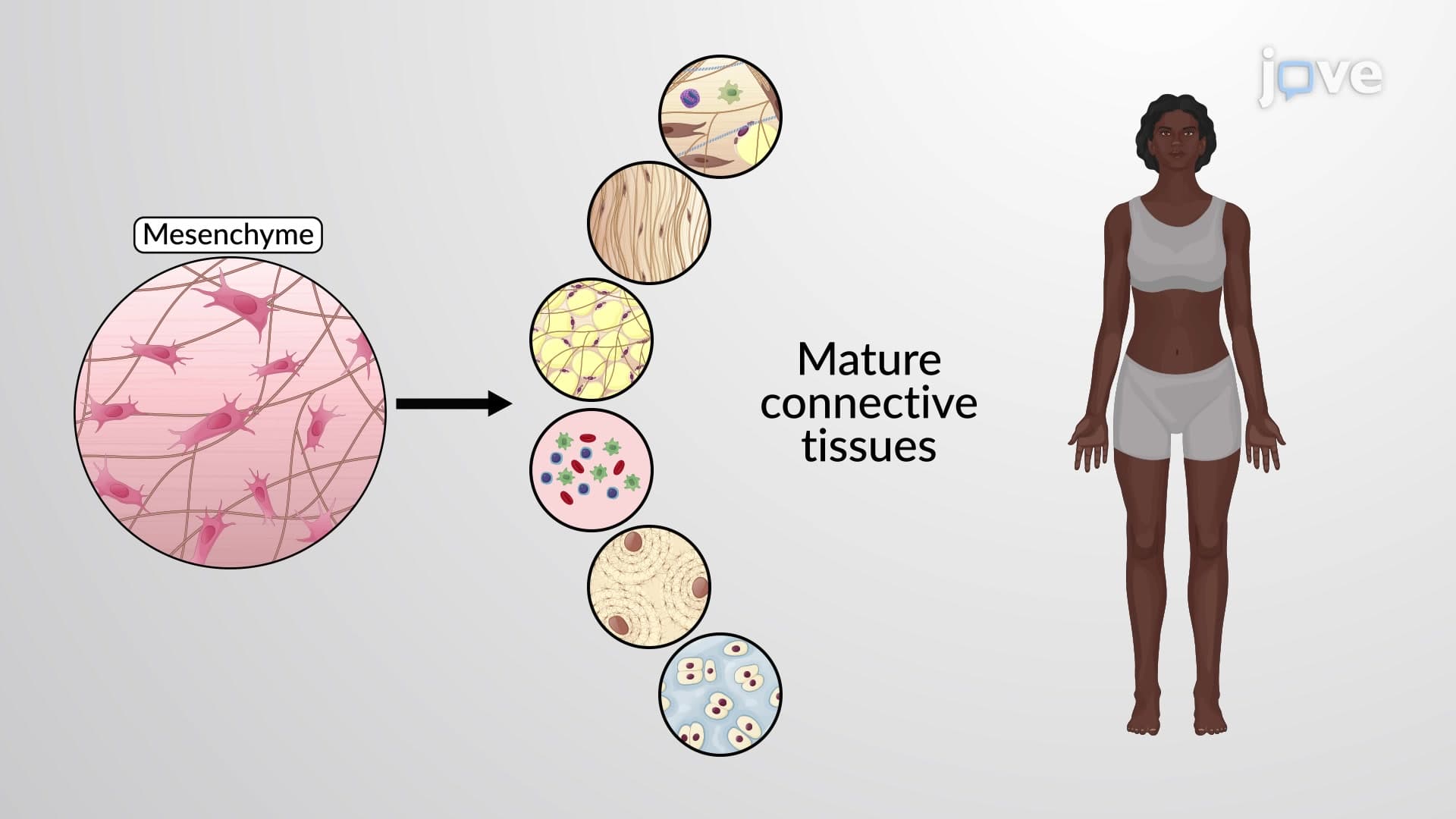
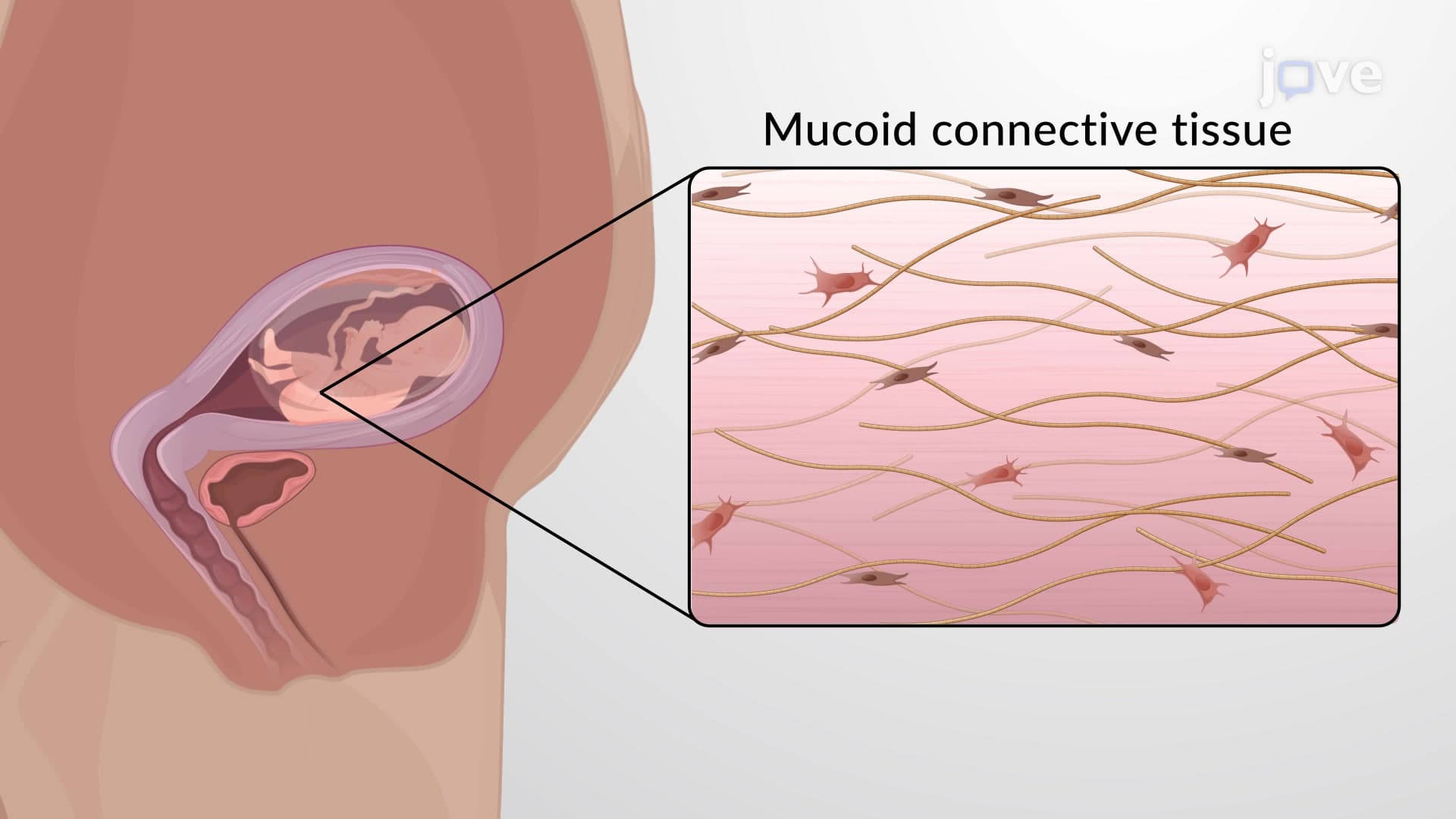
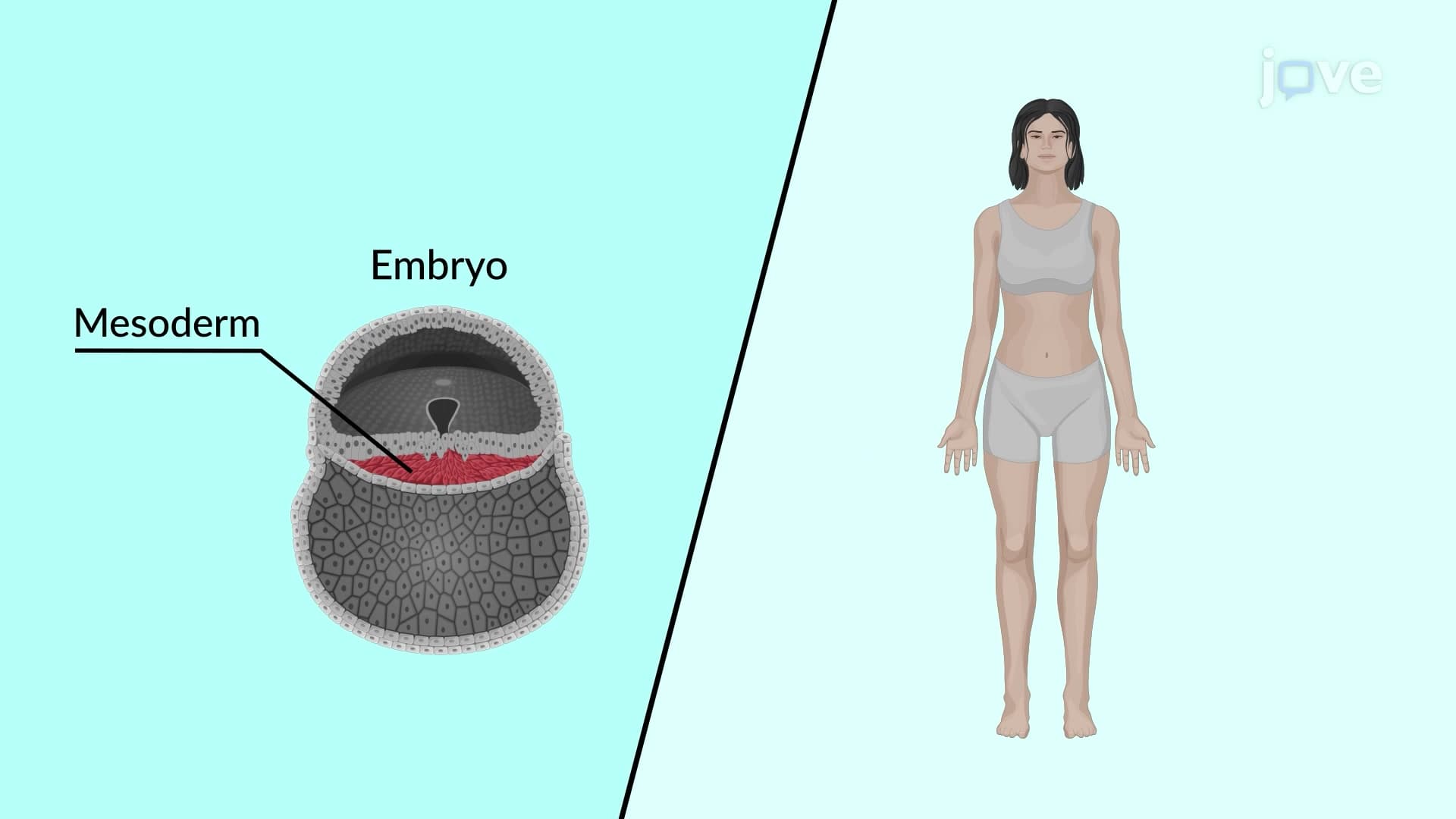
Connective tissue biology begins during embryonic development when the mesoderm, one of three primary germ layers, differentiates into various supportive structures throughout the body. Unlike other tissue types that form compact cellular arrangements, connective tissues are characterized by abundant extracellular matrix connective material that occupies more space than the cells themselves. This fundamental difference makes connective tissues uniquely suited for their diverse roles in human physiology.
The embryonic origin from mesoderm explains why connective tissues appear throughout the body in such varied forms. During early development, mesodermal cells migrate to different locations and respond to local chemical signals, ultimately specializing into bone-forming osteoblasts, cartilage-producing chondrocytes, or blood-generating hematopoietic stem cells. This developmental understanding frequently appears on AP Biology exams and college anatomy courses.
Structural Components: Matrix and Cellular Elements
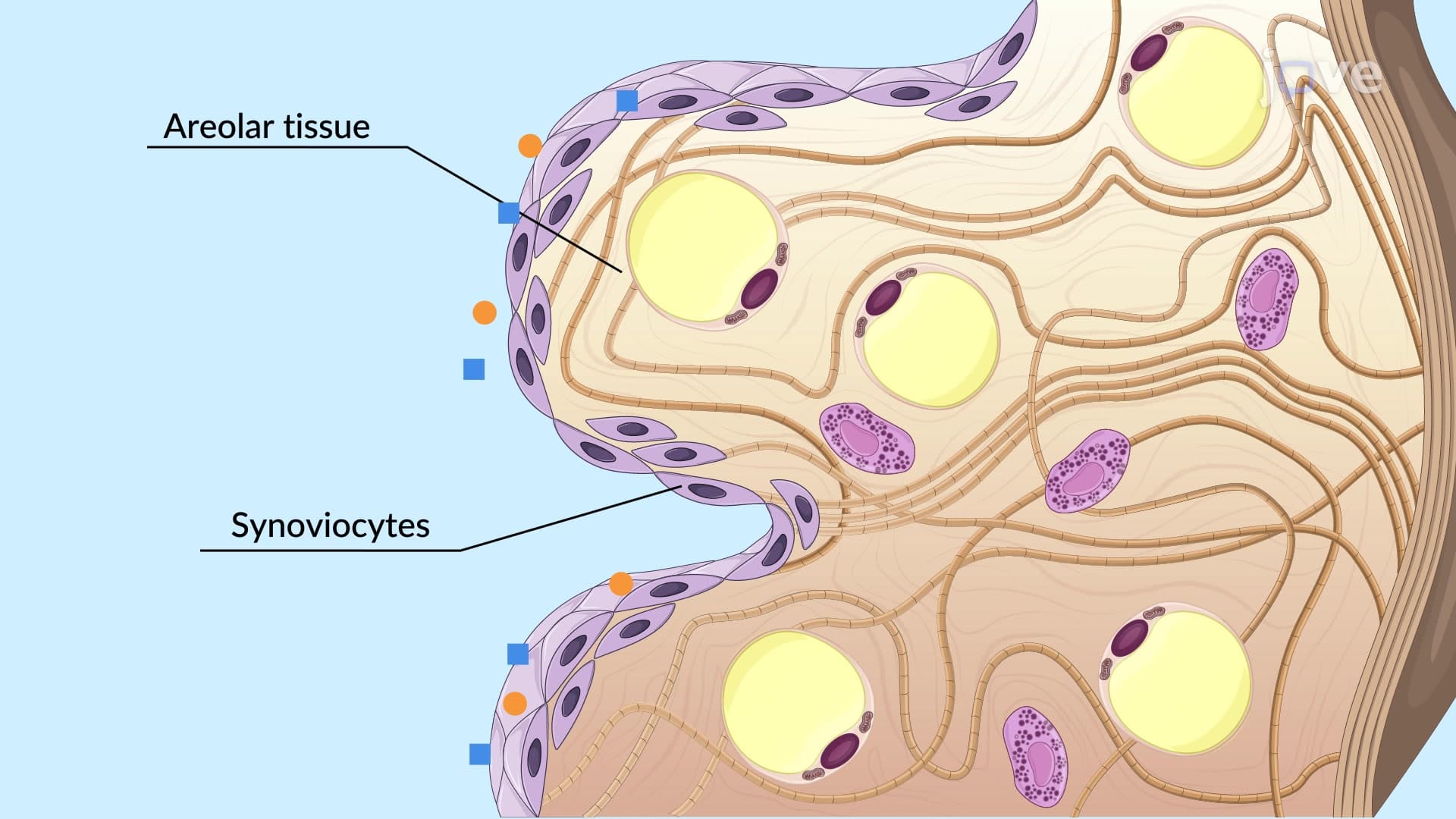
The connective tissue components cells work in harmony with their surrounding matrix to create functional tissue units. The extracellular matrix consists of ground substance fibers connective tissue together in a gel-like medium that provides both structural support and a pathway for nutrient diffusion. Ground substance contains glycoproteins, proteoglycans, and glycosaminoglycans that trap water and create the tissue's characteristic consistency.
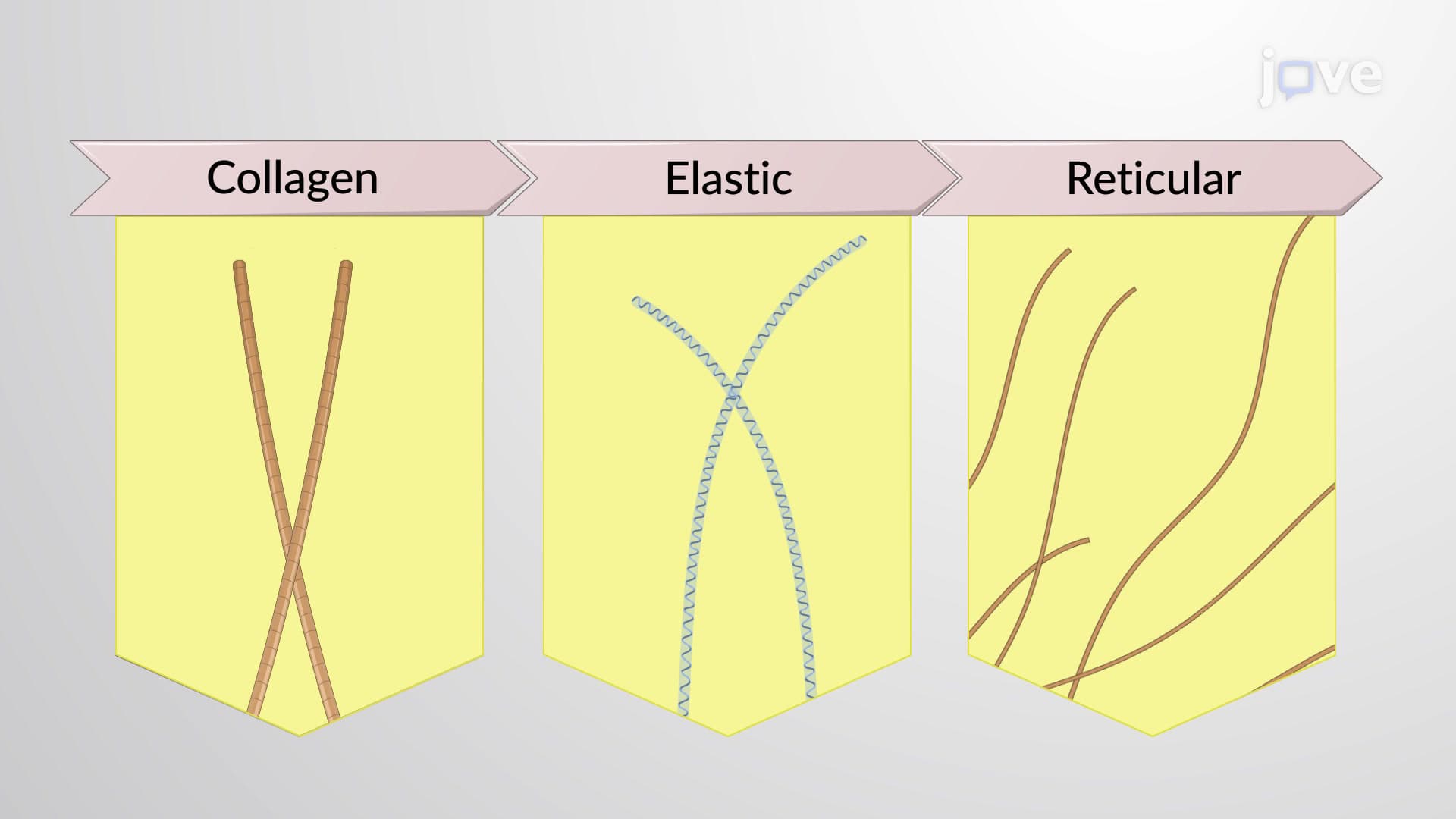
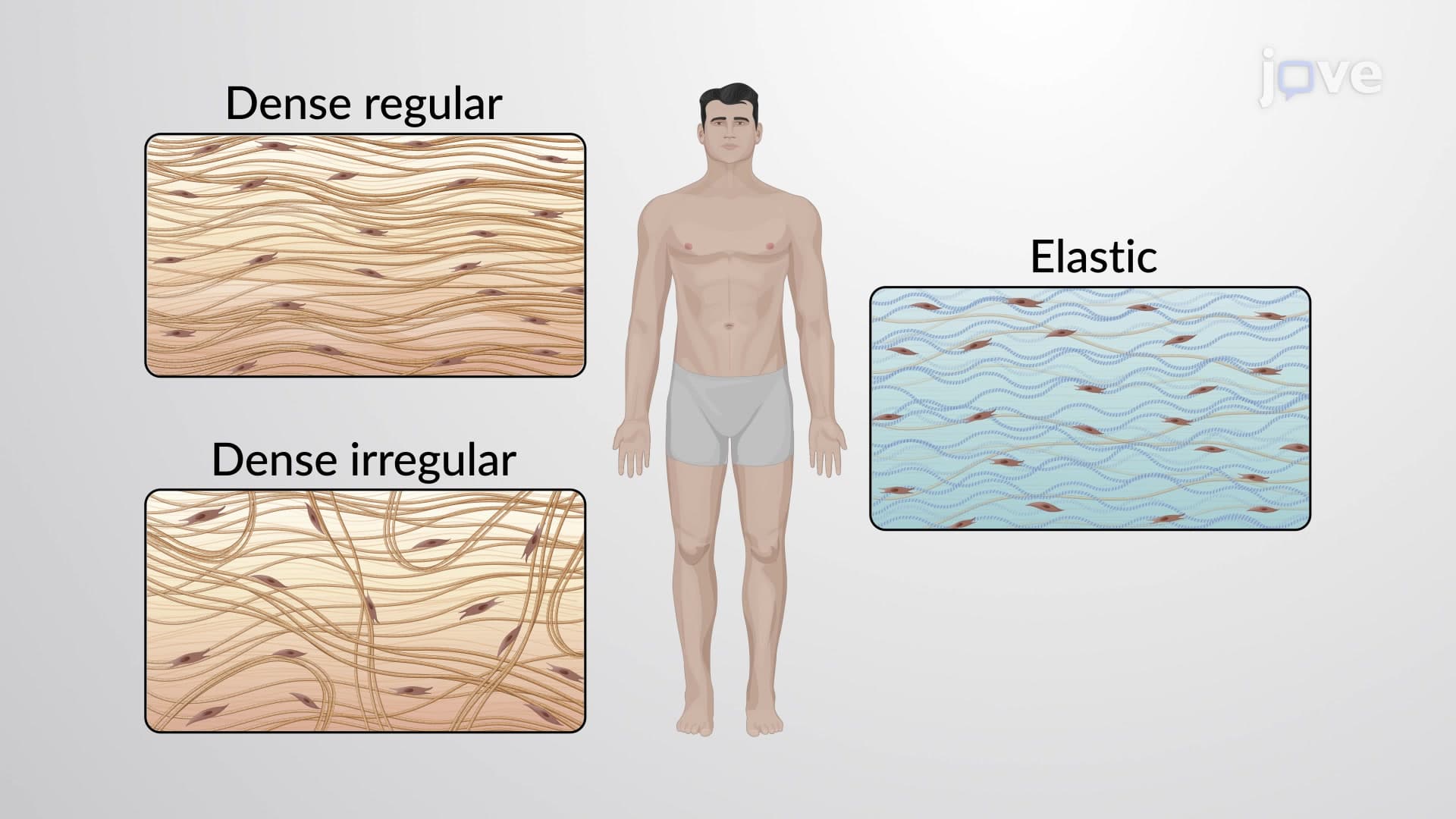
Protein fibers within the matrix include collagen (providing tensile strength), elastin (allowing stretch and recoil), and reticular fibers (forming delicate networks). For example, the Achilles tendon connecting calf muscles to heel bones in marathon runners contains predominantly collagen fibers arranged in parallel bundles, creating incredible tensile strength that can withstand forces exceeding 1,000 pounds per square inch.
Functional Diversity and Physical Properties
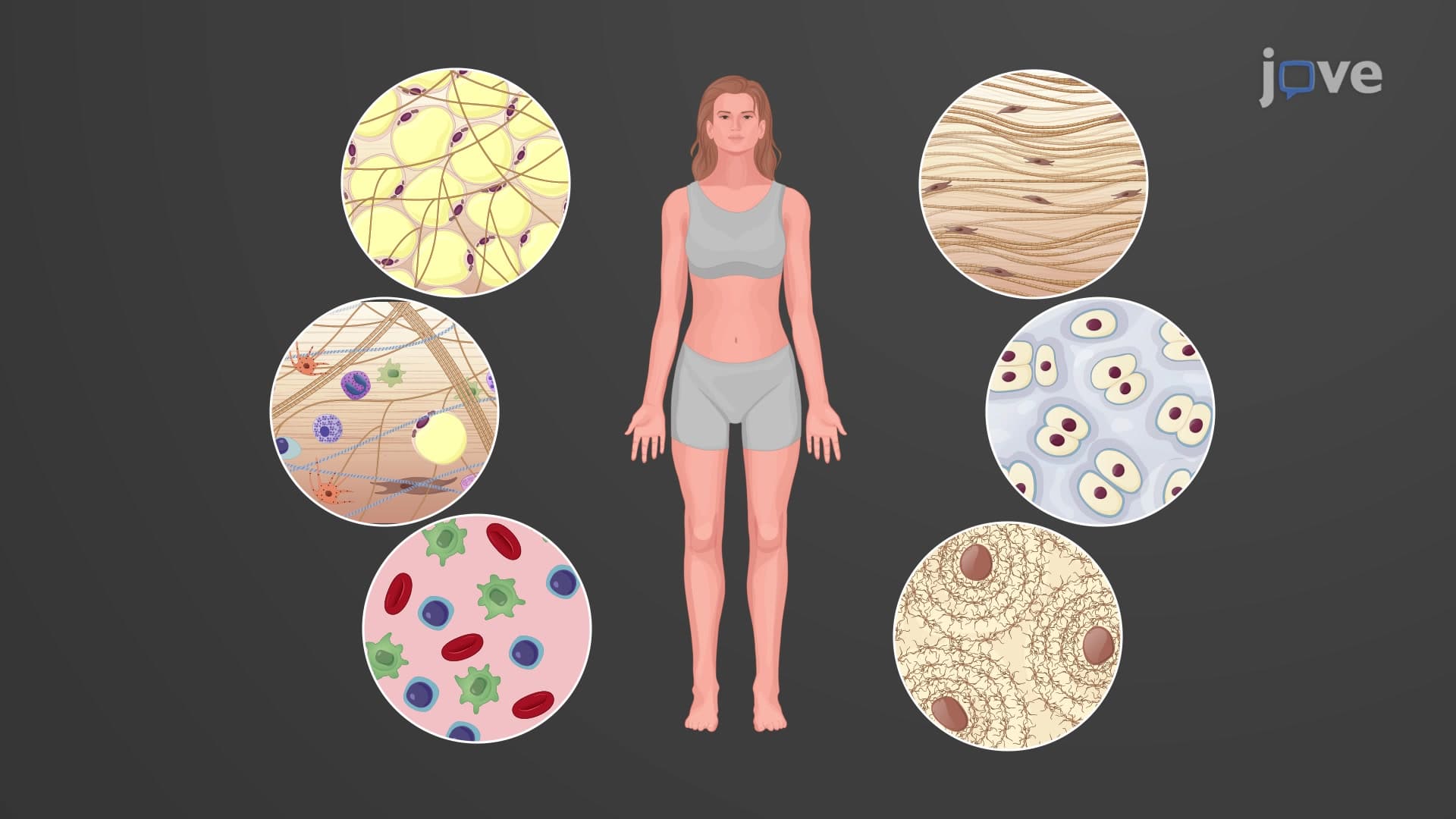
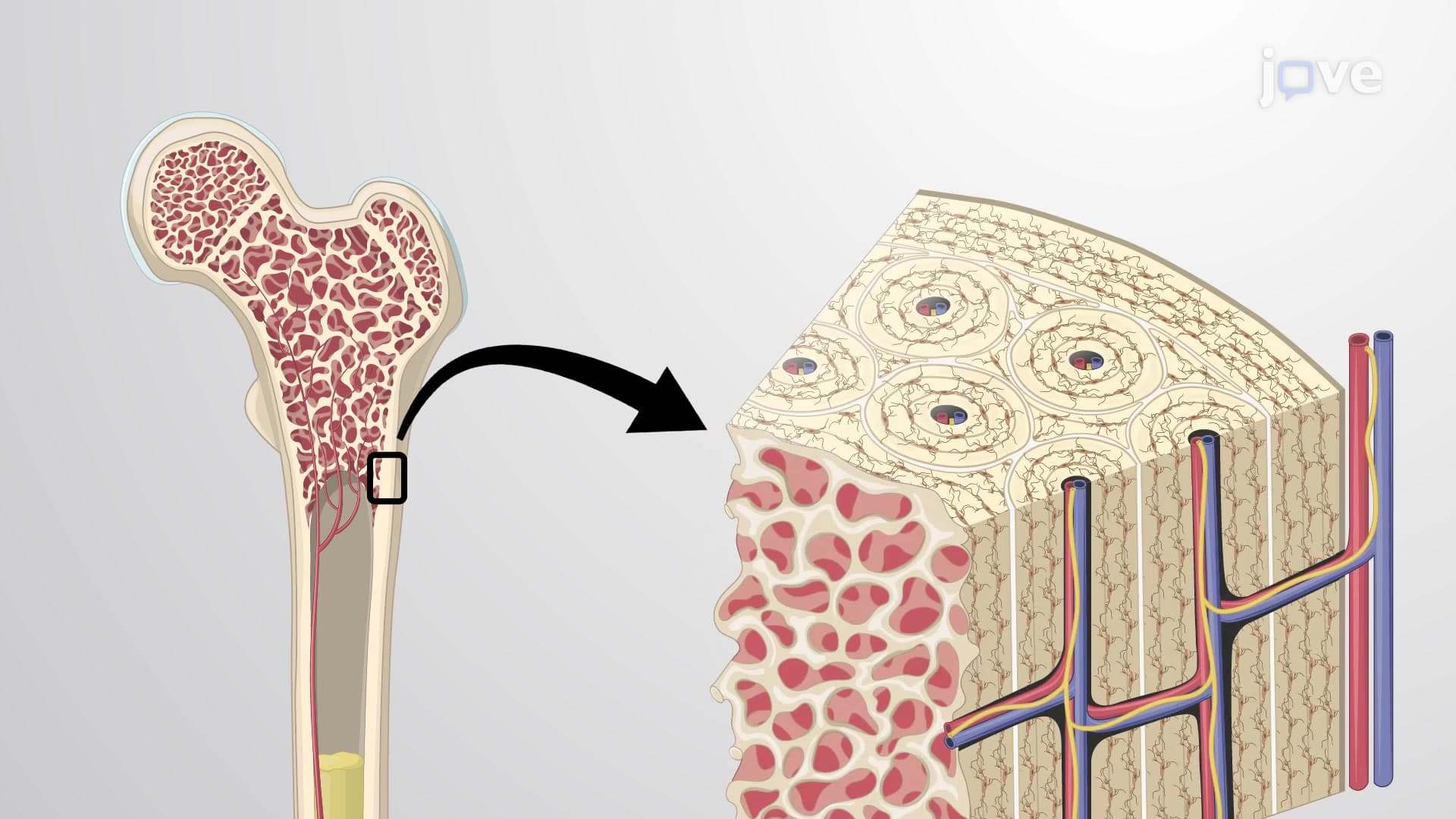
Supporting connective tissue varies dramatically in physical characteristics based on matrix composition and cellular organization. Bone tissue incorporates calcium phosphate crystals within its collagen matrix, creating the rigid framework that supports a 200-pound NFL linebacker during tackles. Conversely, blood maintains fluidity through its liquid plasma matrix, allowing red blood cells to transport oxygen from lungs in Denver's thin air to active muscles in Colorado athletes.
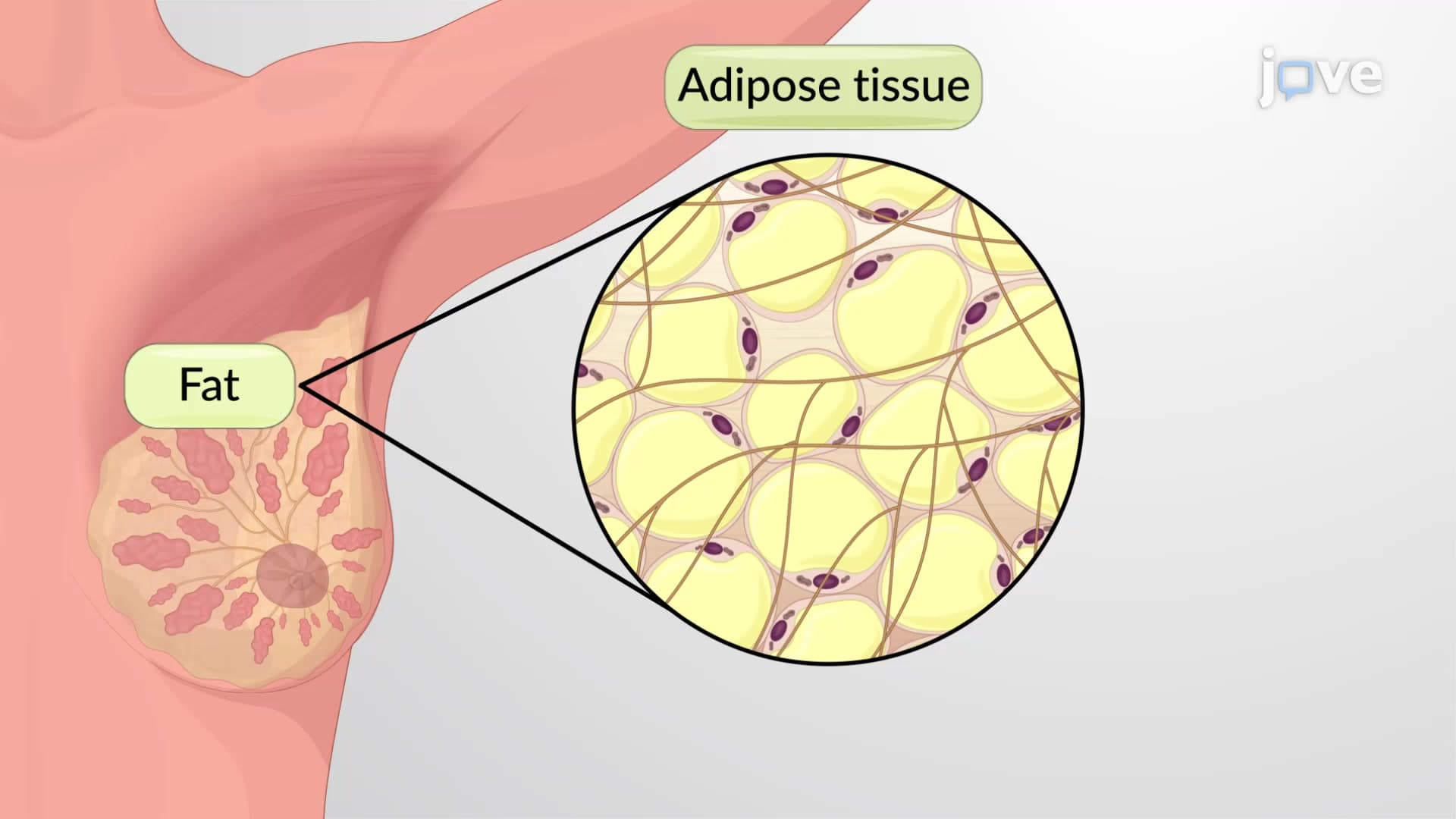
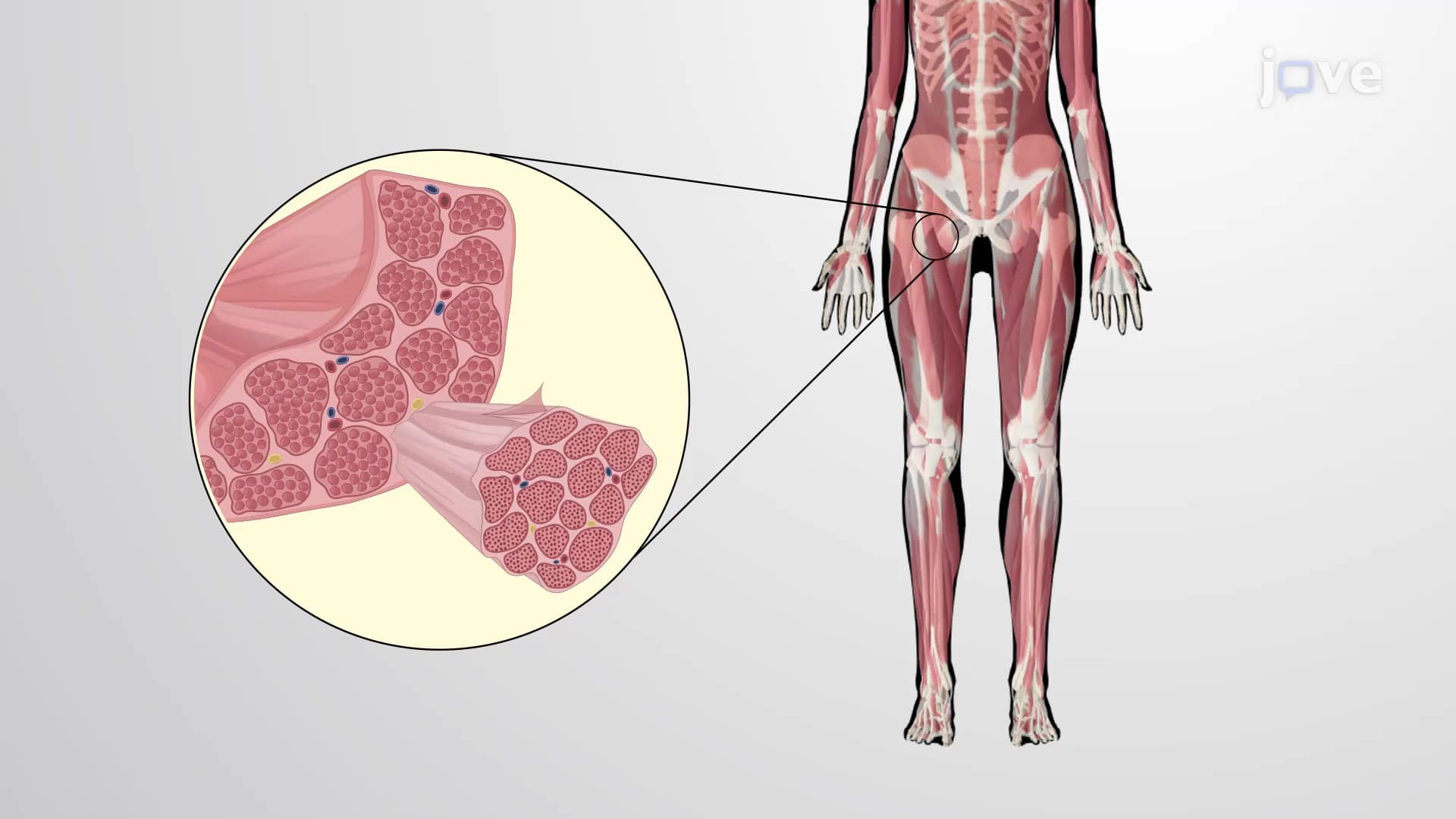
This connective tissue variety extends to specialized functions beyond mechanical support. Adipose tissue stores energy while providing insulation and cushioning. The dermis contains sensory receptors that allow emergency room physicians to assess patient responsiveness through pain and pressure tests. These clinical applications frequently appear on MCAT passages and nursing school examinations.
Vascular Characteristics and Clinical Significance
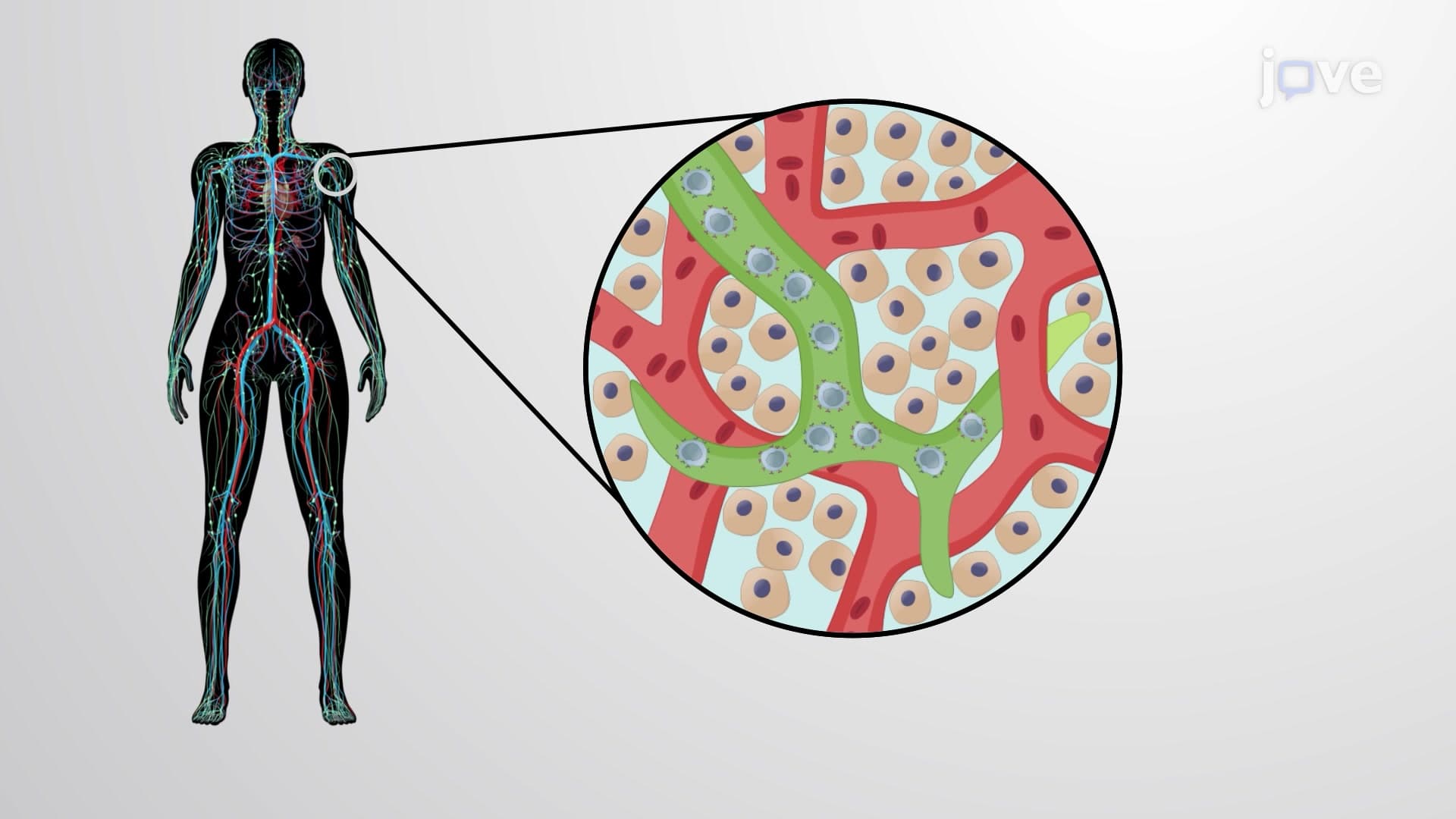
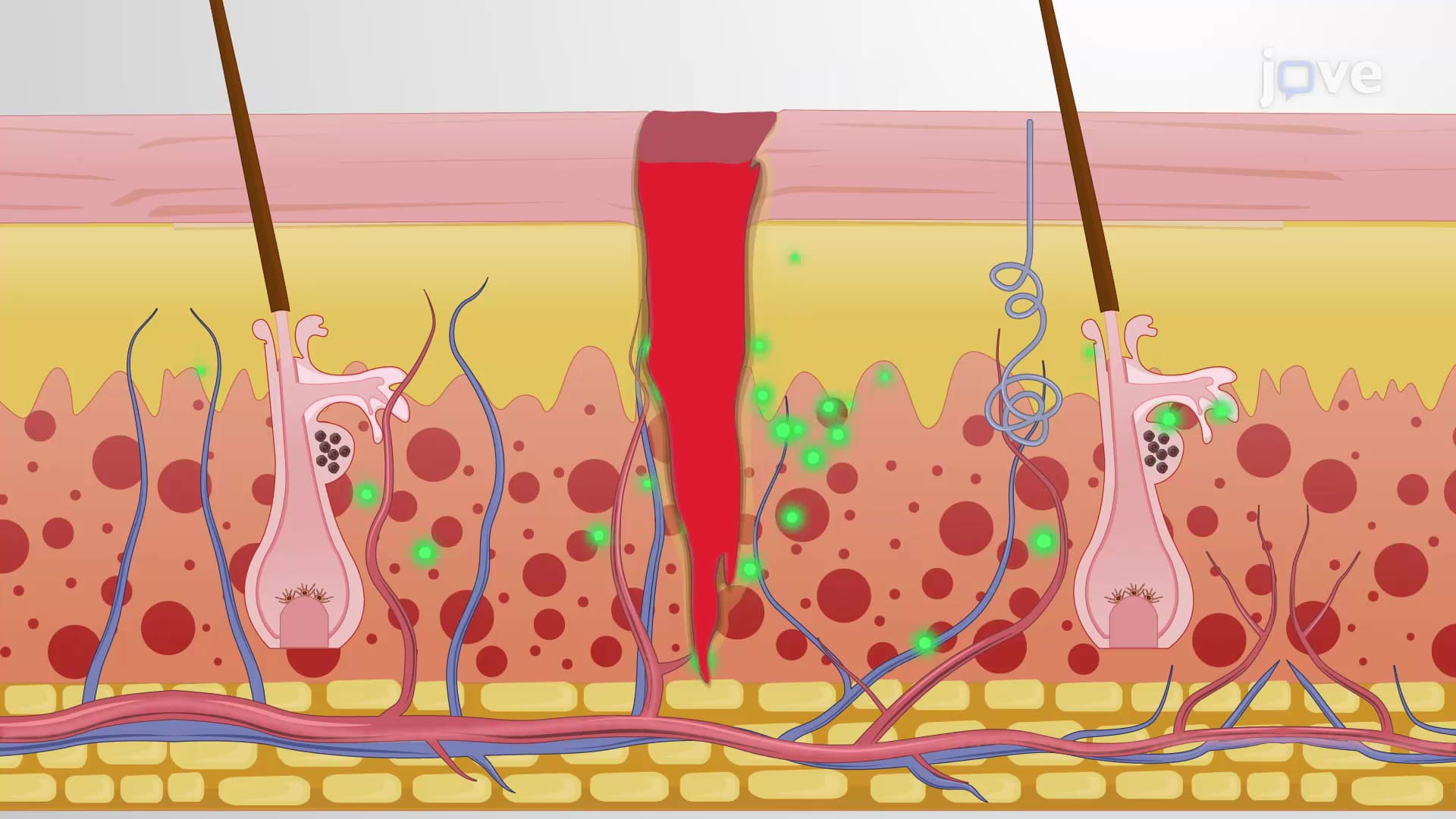
Most connective tissues maintain rich blood supplies that distinguish them from avascular epithelial tissues. This vascularity enables rapid healing in most connective tissue injuries, explaining why muscle strains in college athletes typically heal faster than cartilage damage. Cartilage's avascular nature makes it particularly vulnerable to degenerative conditions, as seen in knee osteoarthritis affecting millions of American adults.
Understanding these vascular differences proves crucial for healthcare students preparing for NCLEX or HESI A2 examinations, where questions often focus on wound healing rates and tissue repair mechanisms in clinical scenarios.
Frequently Asked Questions
Connective tissue is a diverse group of tissues characterized by abundant extracellular matrix that occupies more space than the cells themselves. Unlike epithelial tissues that form tight cellular sheets, connective tissues have cells scattered throughout a gel-like matrix containing protein fibers. This structure allows connective tissues to provide support, transport nutrients, and connect different body parts while maintaining flexibility or rigidity depending on their specific composition.
The MCAT extensively covers connective tissue biology in its Biological and Biochemical Foundations section, particularly focusing on tissue structure-function relationships. USMLE Step 1 tests detailed knowledge of extracellular matrix components and pathology. Nursing students encounter connective tissue questions on NCLEX-RN exams related to wound healing, mobility, and patient assessment. AP Biology exams also include connective tissue classification and embryonic development.
Create a matrix chart organizing connective tissues by consistency (solid, semi-solid, liquid) and function (structural, transport, storage). Use acronyms like "BALC" for Bone, Adipose, Lymph, Cartilage to remember major categories. Practice identifying tissues in microscope images since most college anatomy exams include histology identification questions. Focus on distinguishing features like vascularity, cell types, and matrix composition rather than memorizing lists.
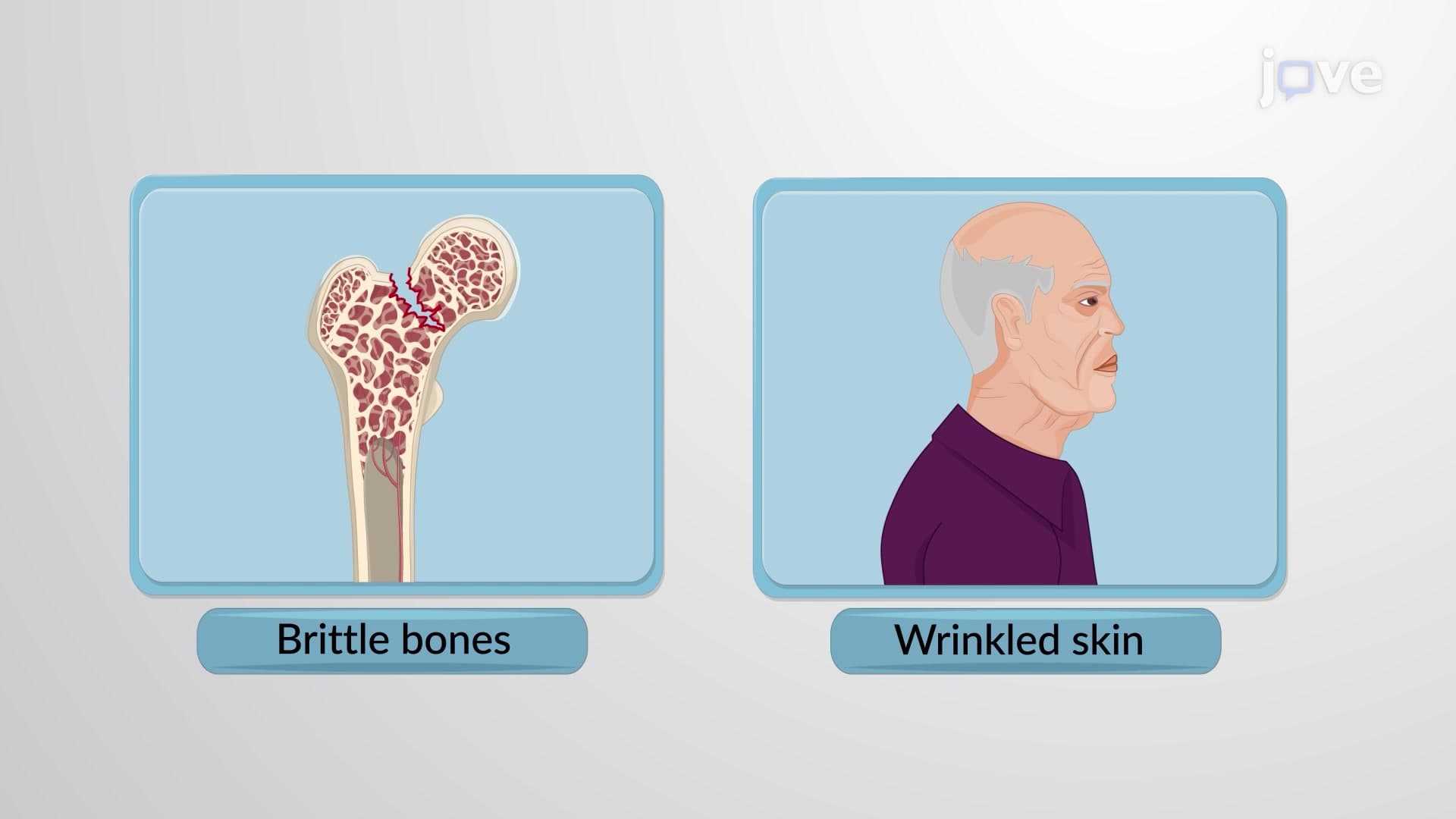
Osteoporosis affects bone connective tissue, causing fractures in elderly patients at facilities like Mayo Clinic. Ehlers-Danlos syndrome involves defective collagen production, leading to hyperflexible joints and fragile skin. Scurvy results from vitamin C deficiency affecting collagen synthesis, historically seen in naval expeditions but occasionally in modern malnutrition cases. Atherosclerosis involves connective tissue changes in blood vessel walls, contributing to heart disease prevalent in American adults.
Connective tissue concepts are absolutely accessible to high school students with basic biology background. Start with familiar examples like bones, blood, and fat before exploring cellular details. The key is understanding the relationship between structure and function rather than memorizing complex biochemical pathways. Most successful students begin with macroscopic examples (comparing bone rigidity to blood fluidity) then work toward microscopic understanding of matrix components.
Create comparison tables highlighting differences between connective tissue types, epithelial tissues, and other tissue categories. Use active recall by drawing tissue diagrams from memory, labeling matrix components and cell types. Practice with histology atlases or online resources to identify tissues under microscopic examination. Form study groups to explain concepts aloud, as teaching others reinforces your understanding of complex structure-function relationships.
Connective tissue knowledge forms the foundation for understanding pathology, pharmacology, and clinical medicine. Autoimmune diseases like rheumatoid arthritis target connective tissue components. Cancer metastasis involves breakdown of extracellular matrix barriers. Wound healing, surgical procedures, and rehabilitation all depend on connective tissue repair mechanisms. This fundamental knowledge becomes increasingly important in medical school coursework and clinical rotations.
Related Micro-courses

18 Concepts

19 Concepts

11 Concepts