Loading subject page…

- Anatomy and Physiology
- Tissues of the Human Body
- Dense Connective Tissue
Micro-course: Tissues of the Human Body
323,100 views
Learn key concepts and earn your certificate.
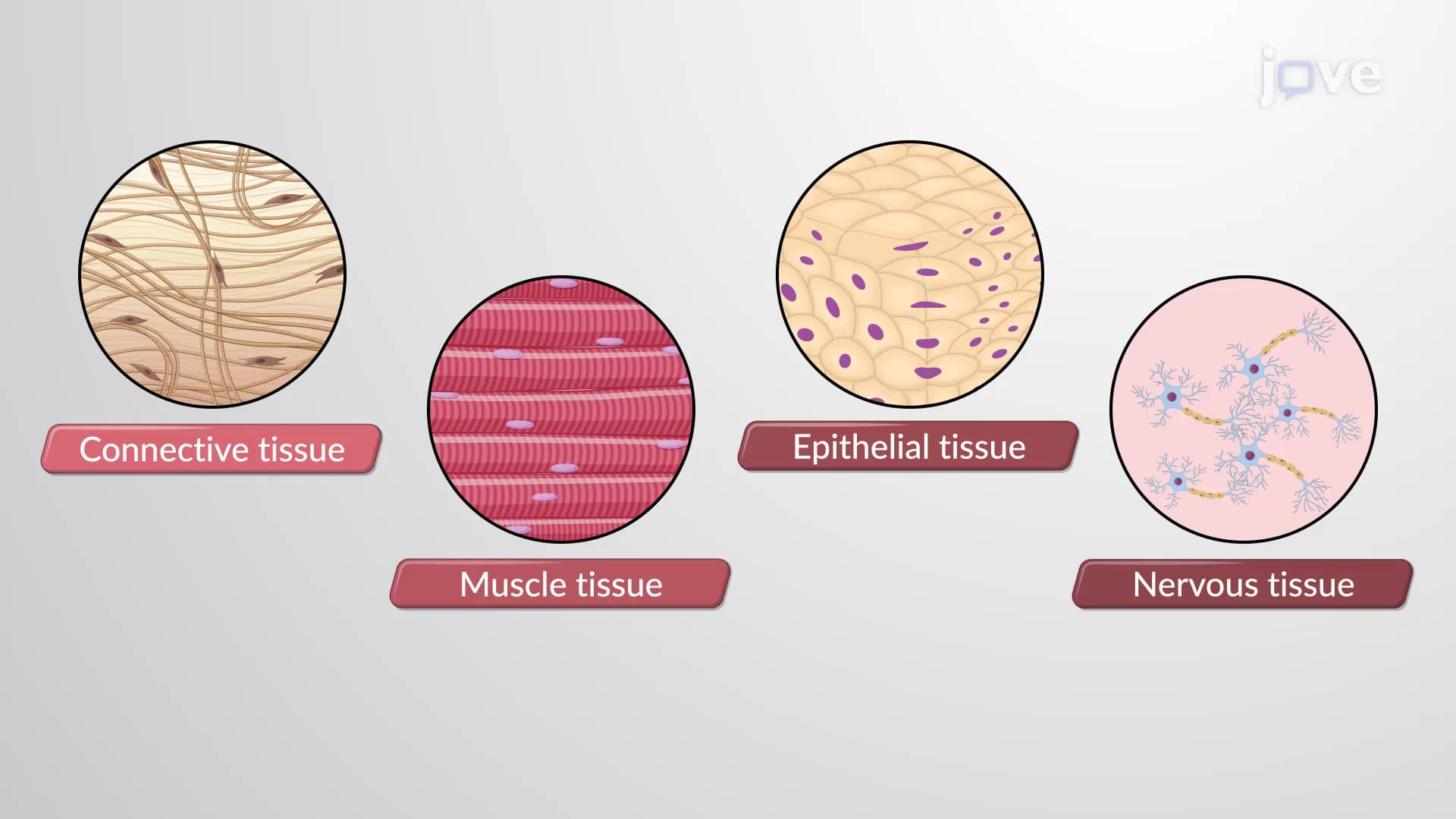

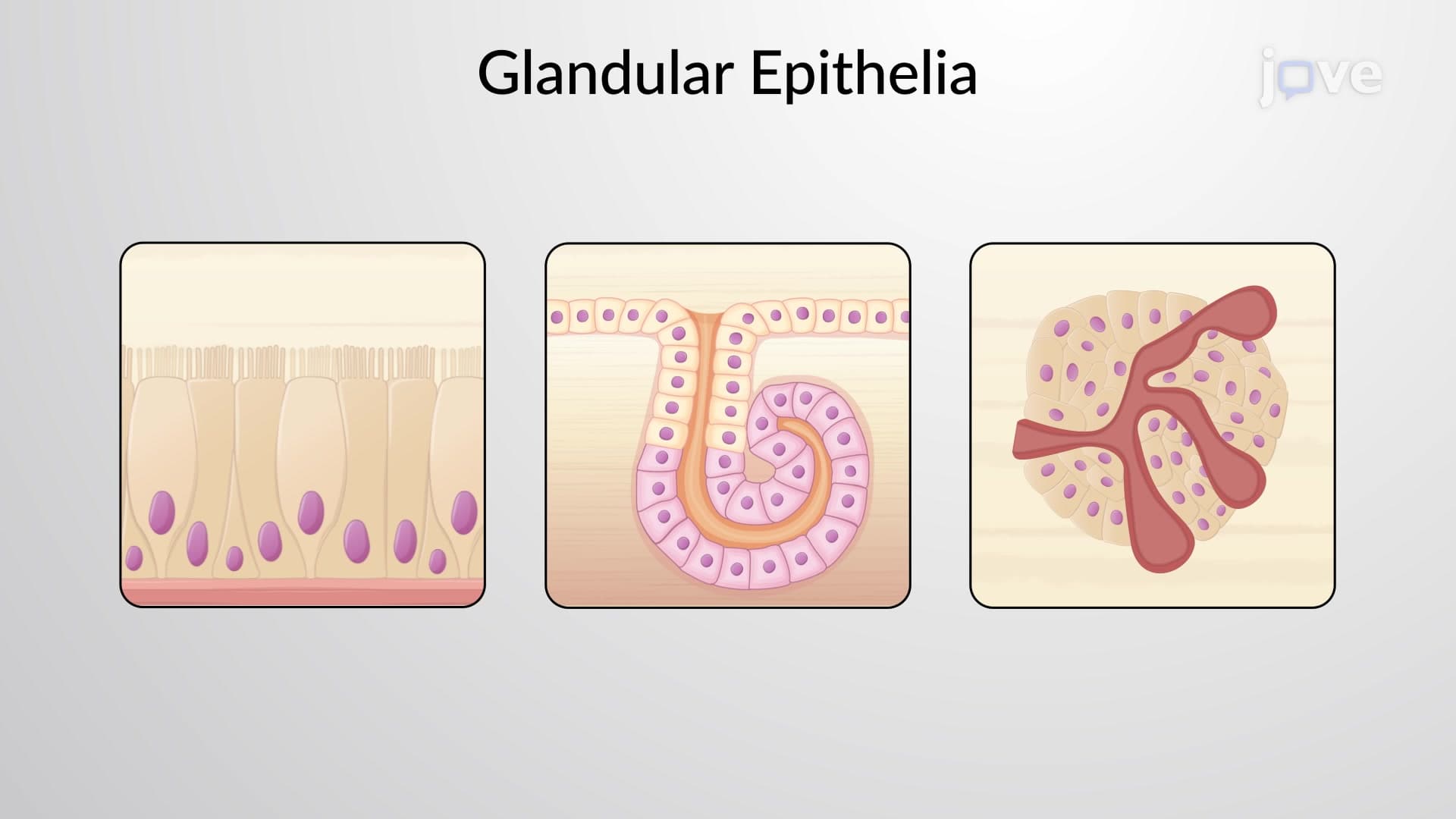

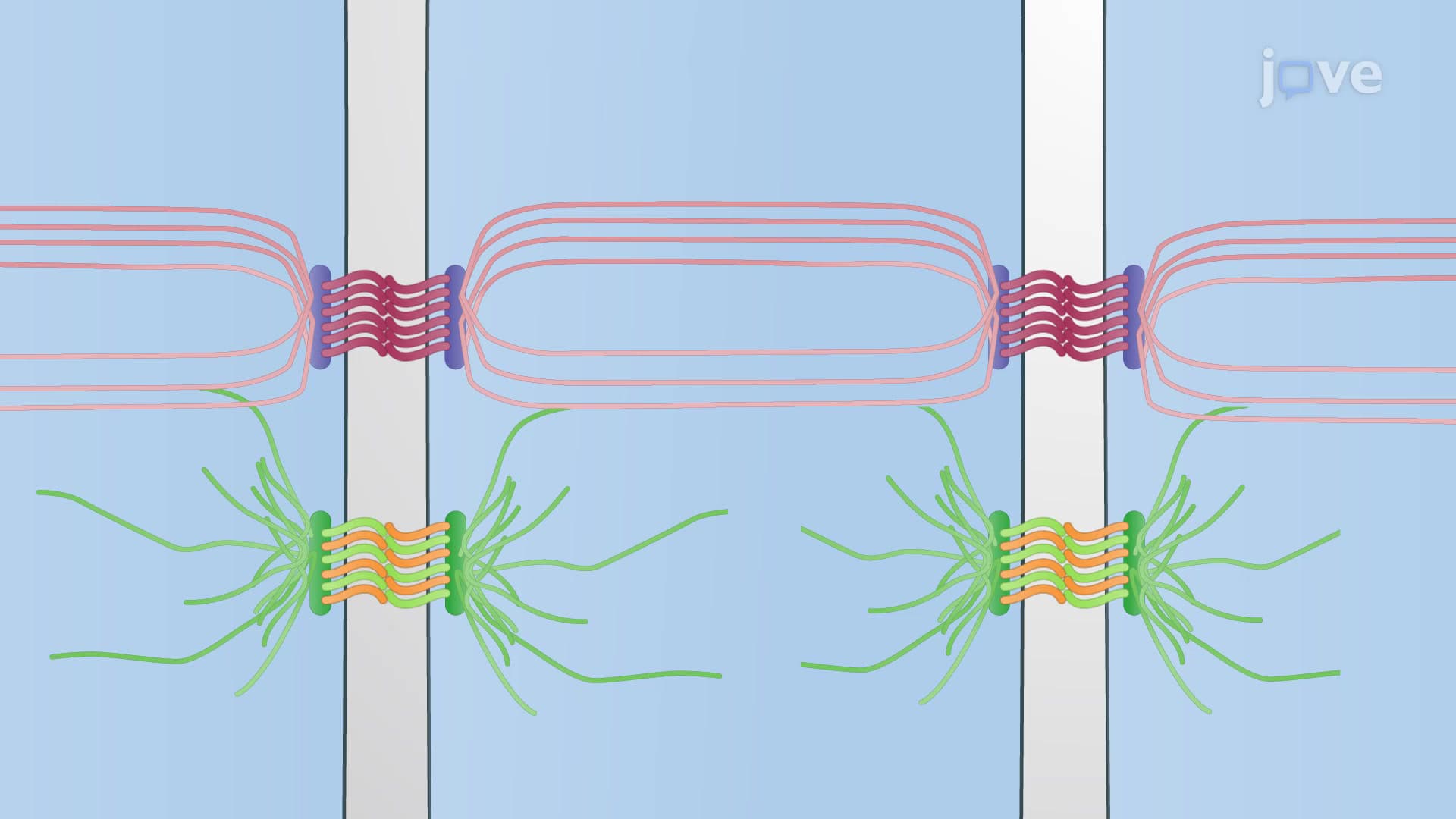
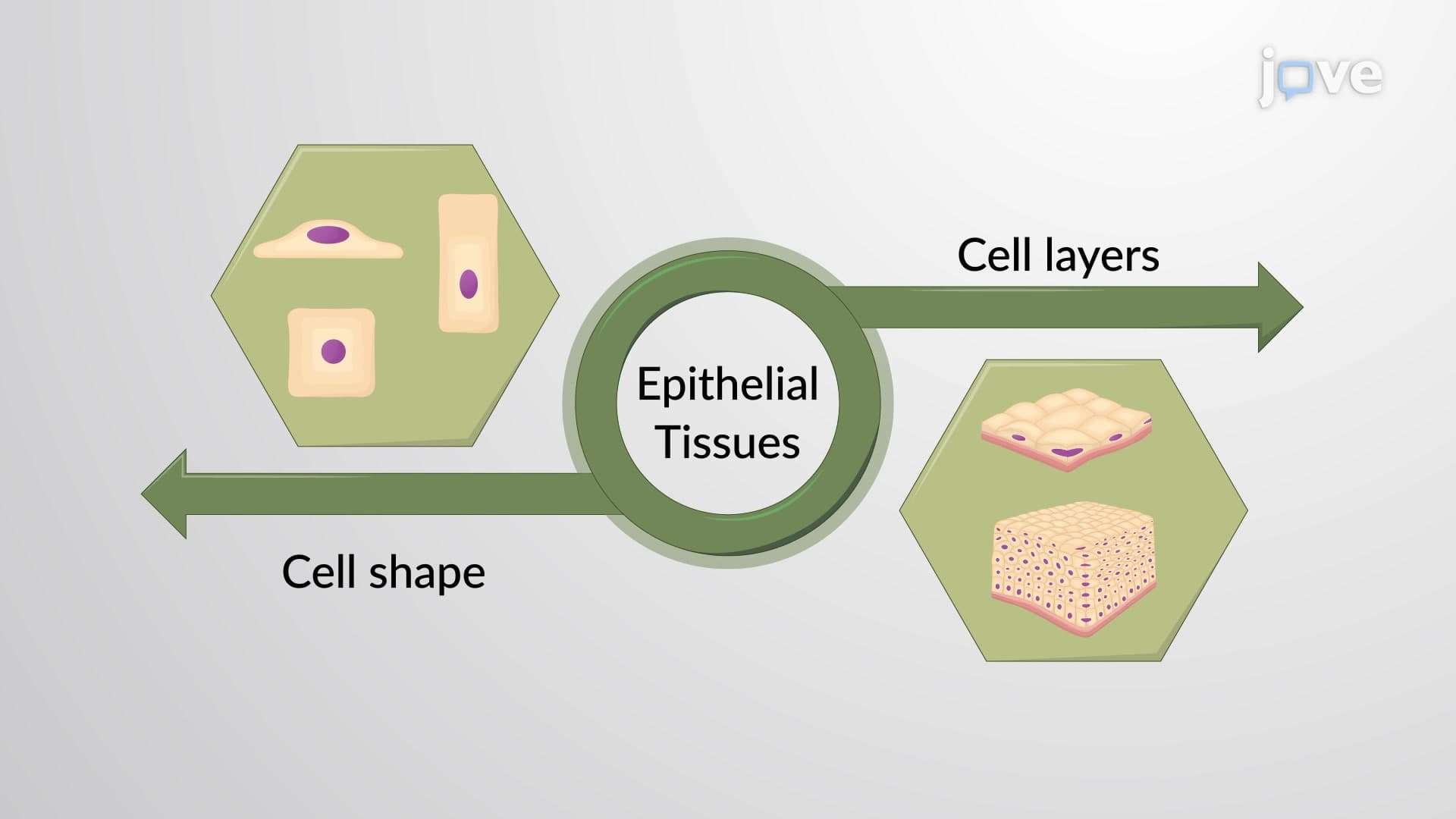
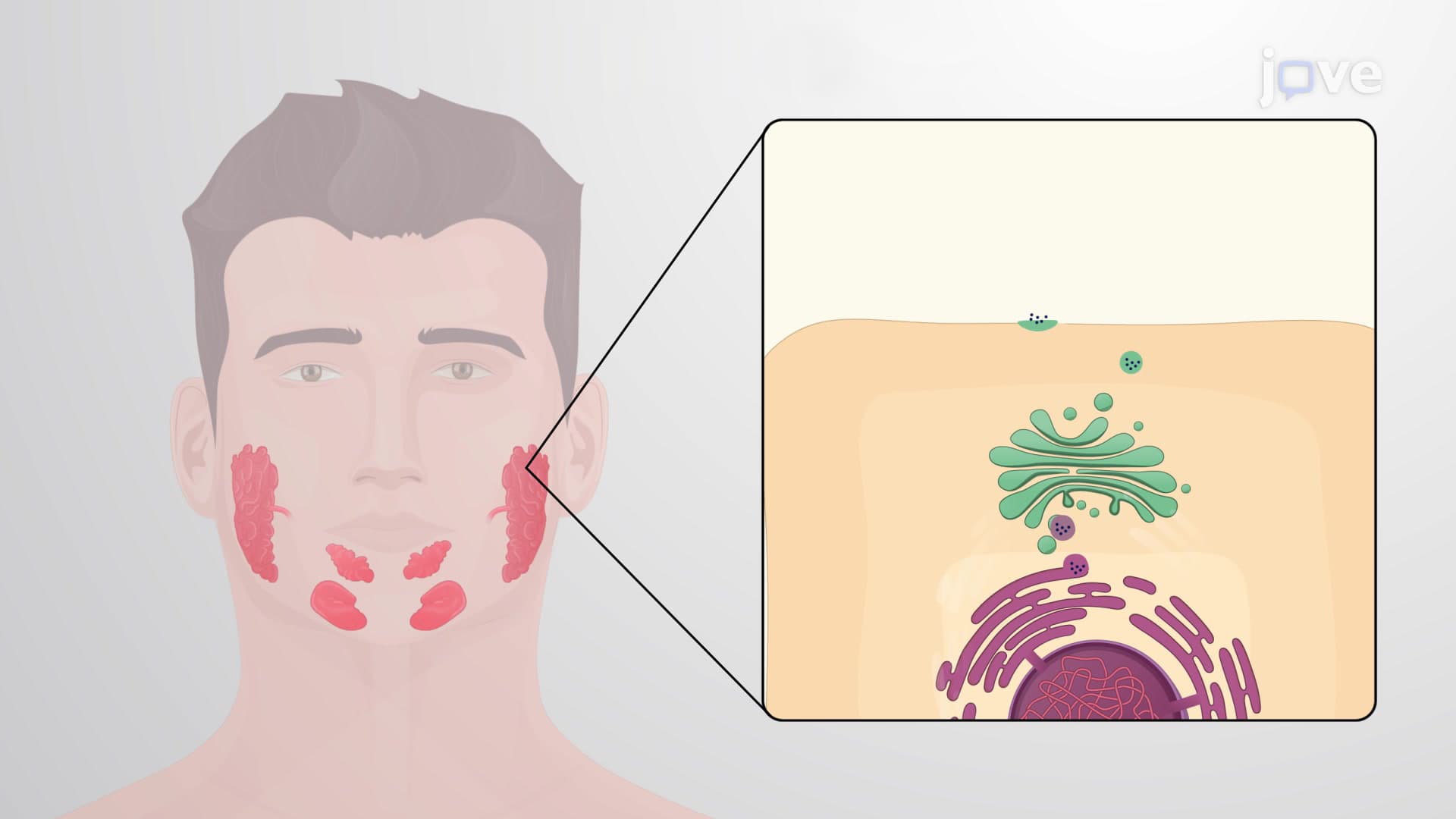
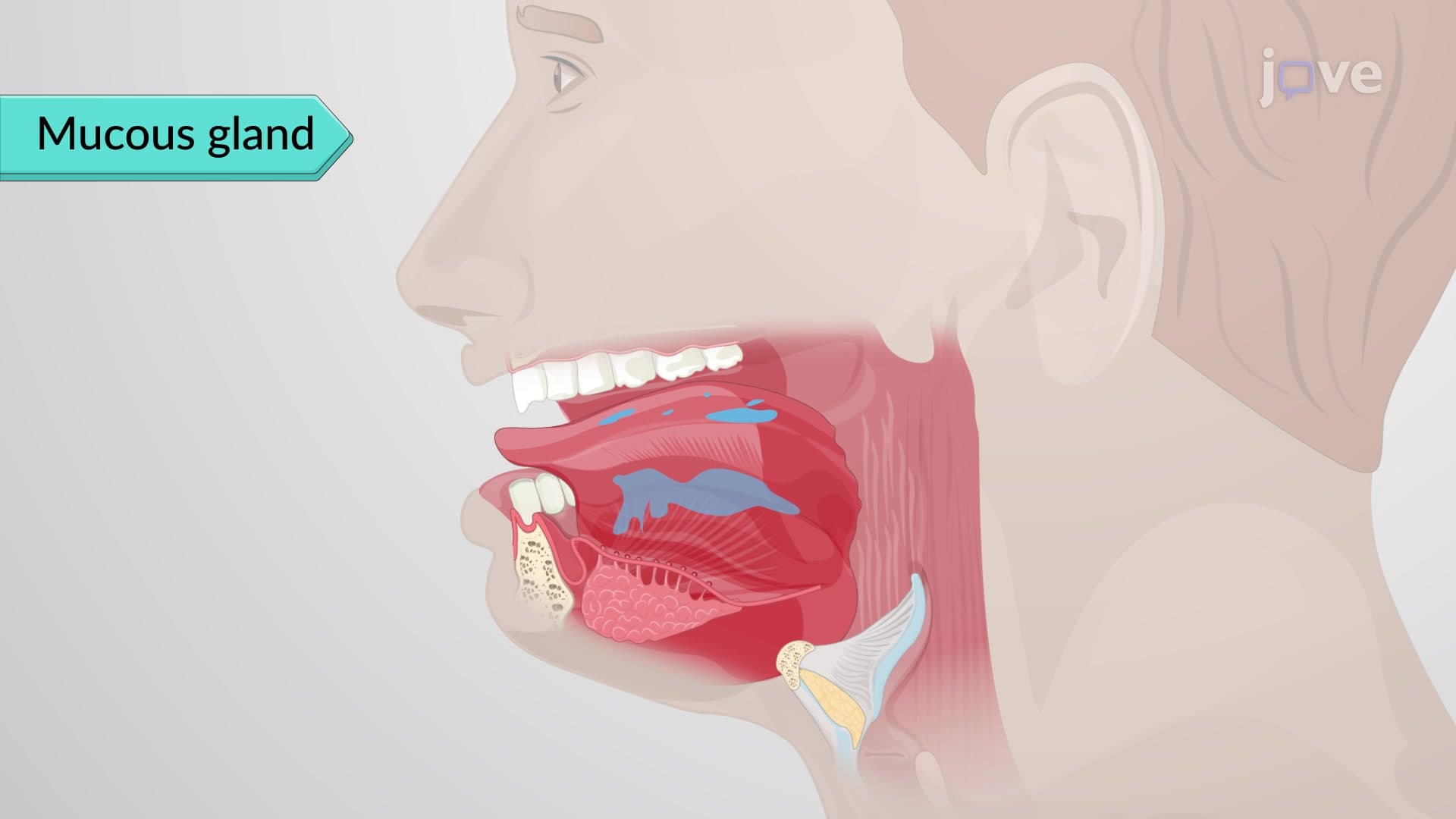
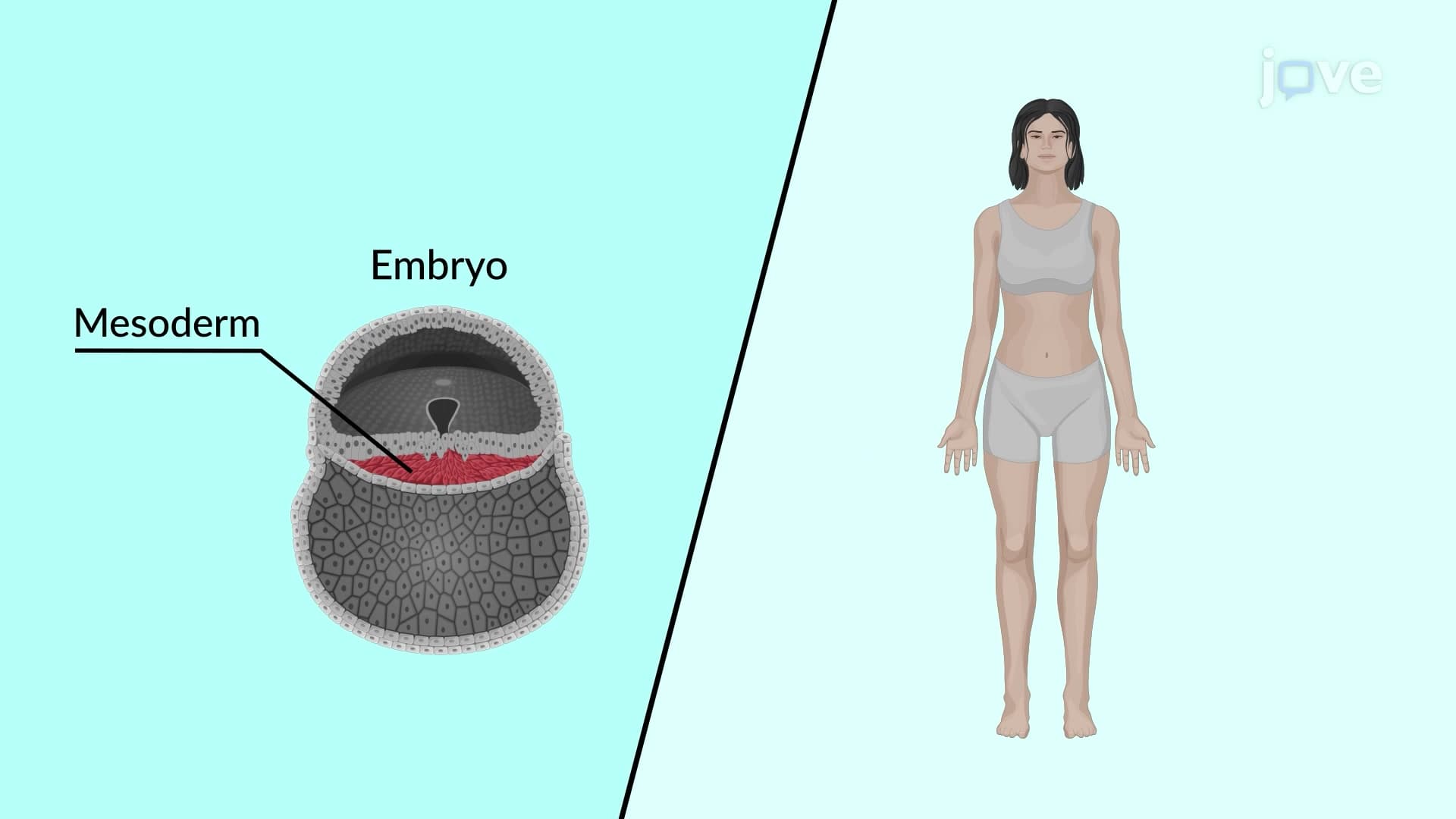
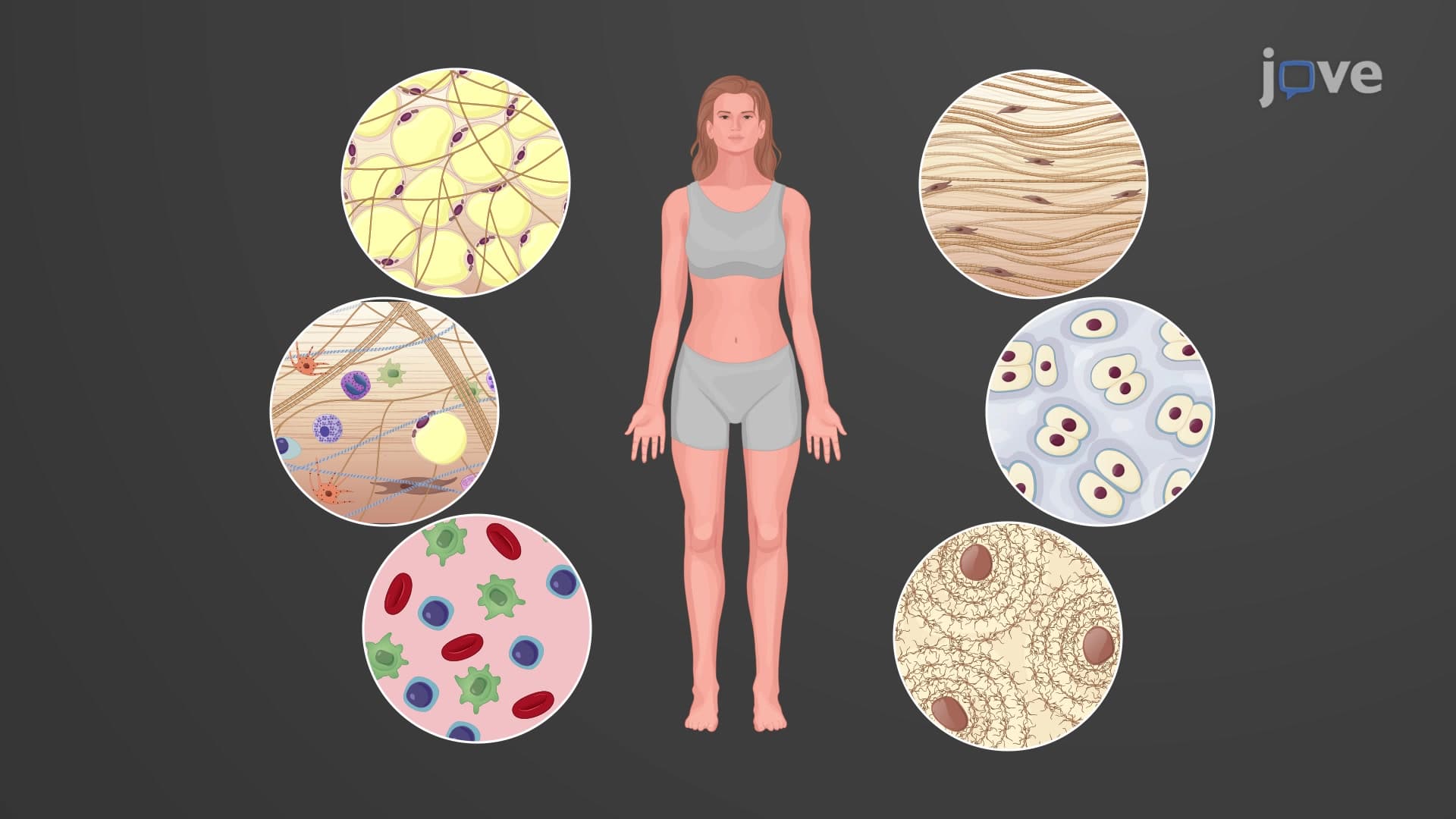
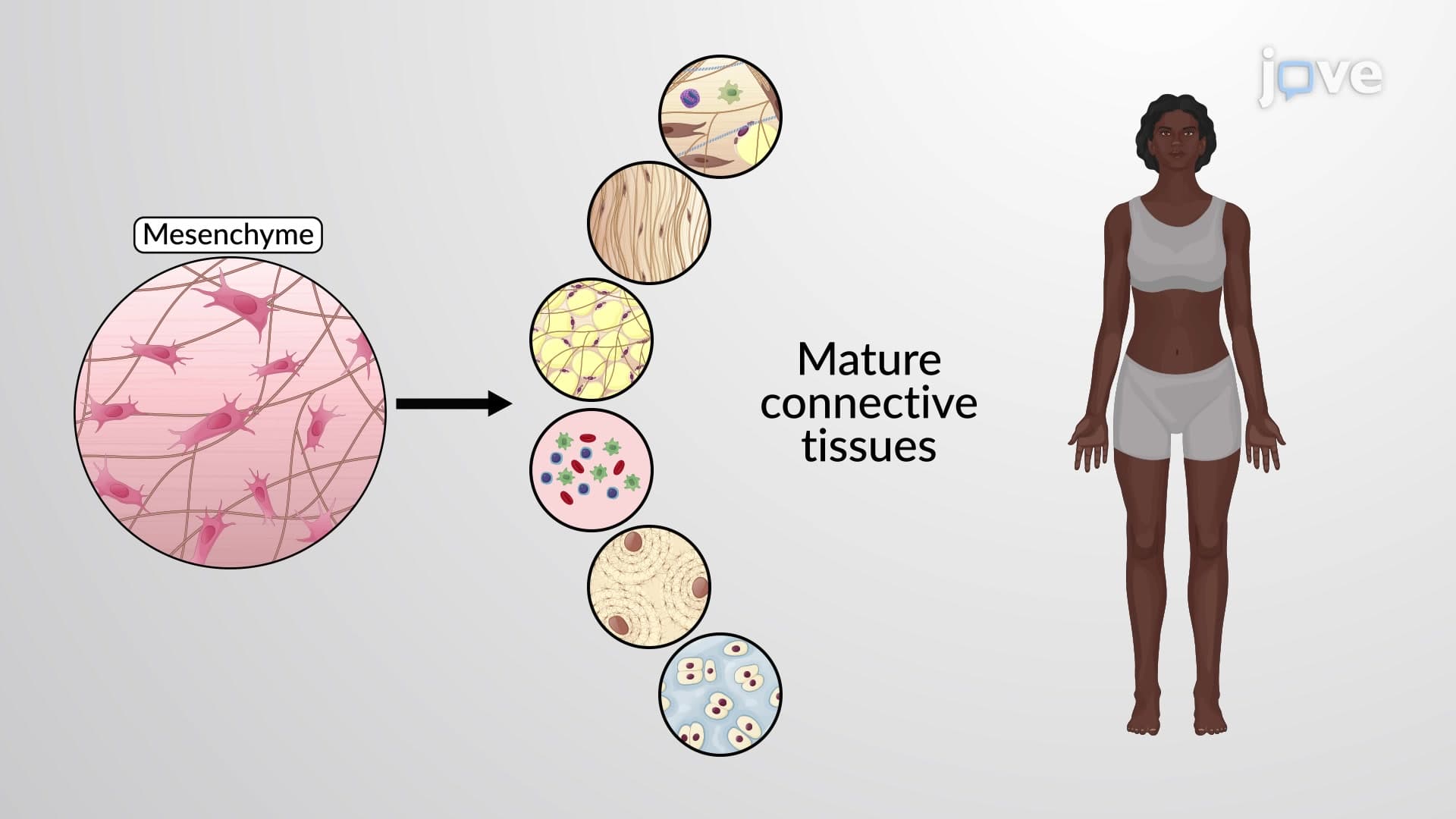
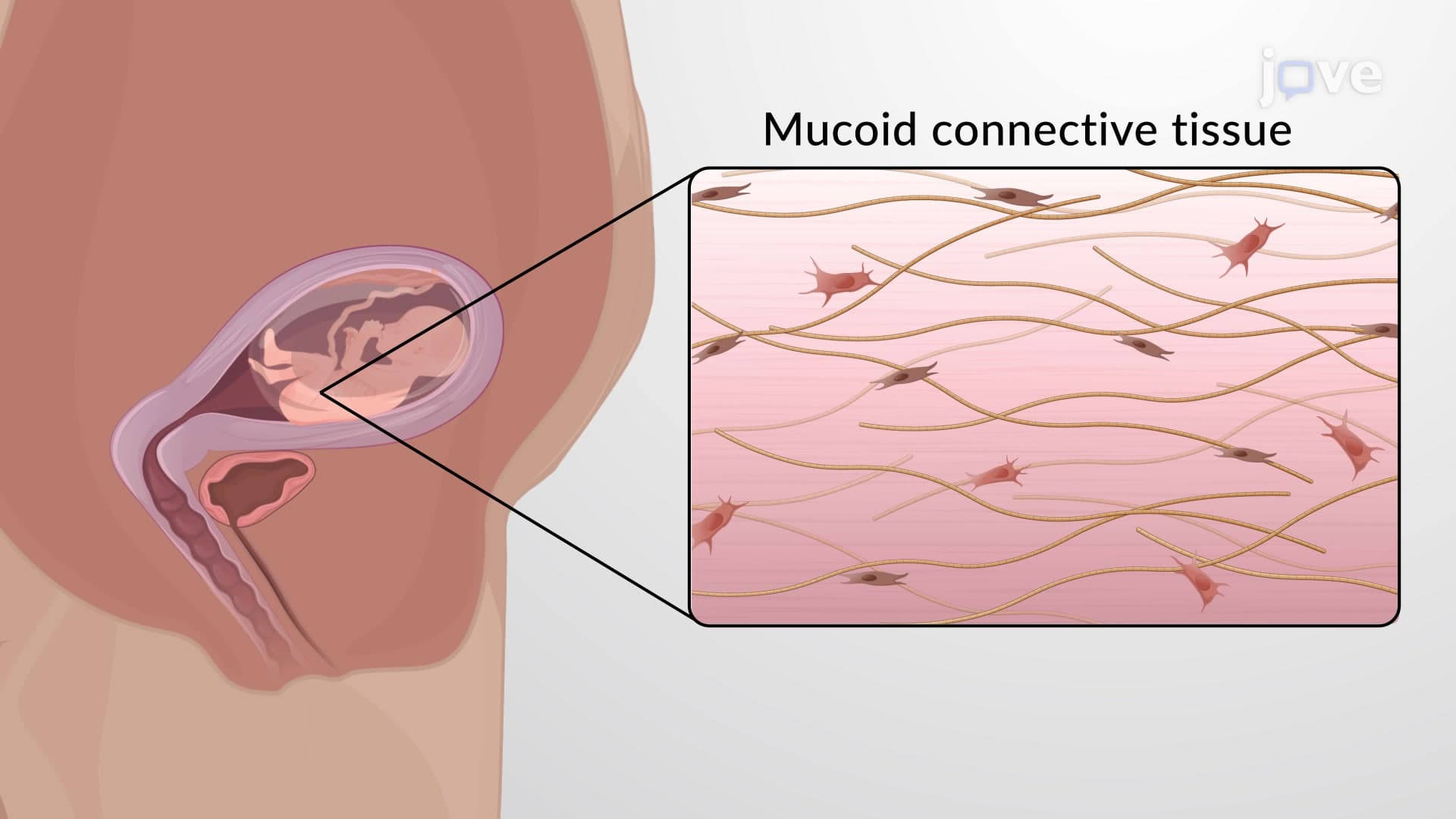
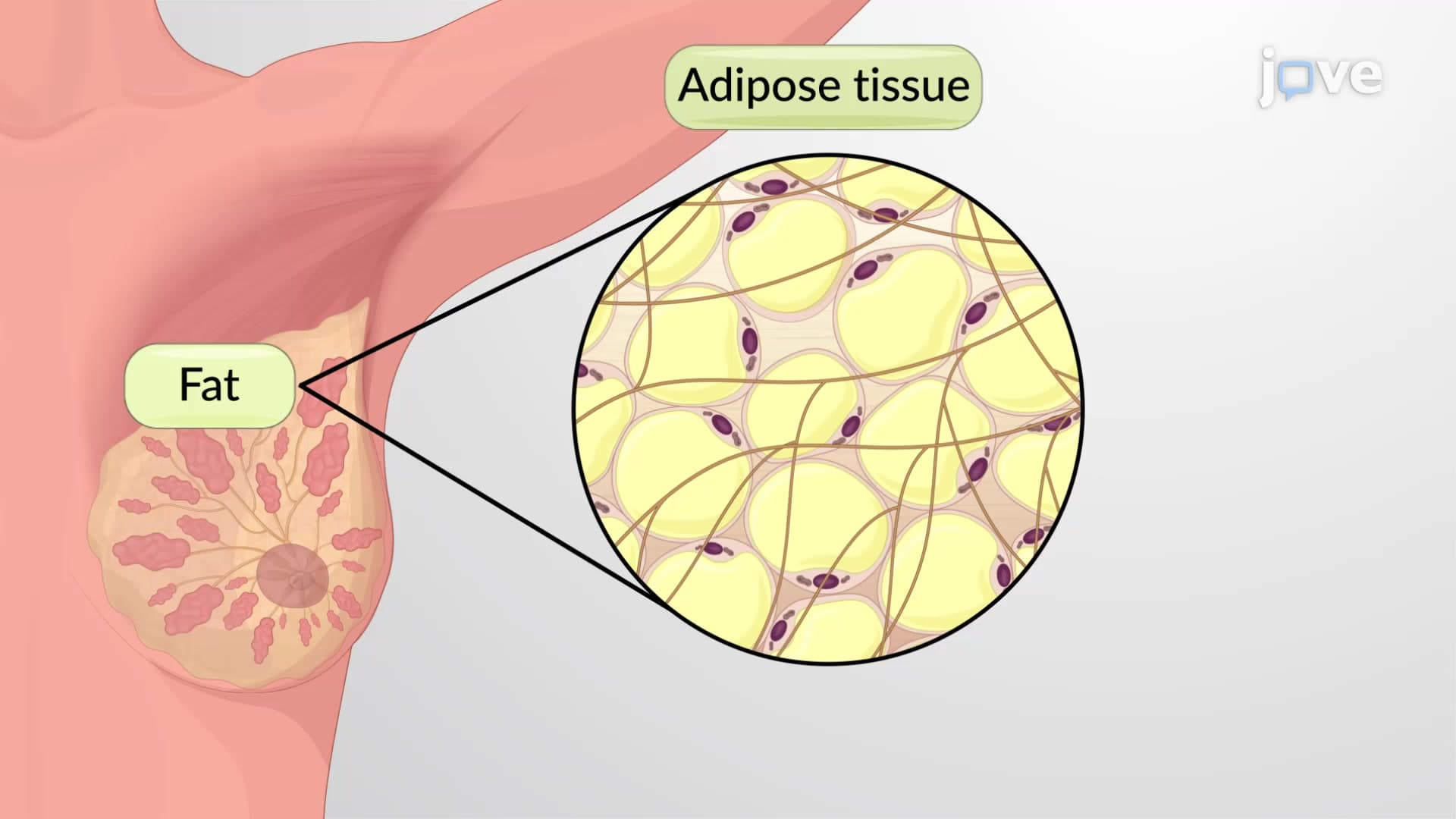

Dense Connective Tissue

00:00
01:13
Video Summary: What Is Dense Connective Tissue
Ever wonder why your Achilles tendon can withstand the force of a basketball slam dunk without snapping? Dense connective tissue biology reveals the secret behind these remarkably strong, fibrous structures that keep our bodies intact during intense physical activity. From the ligaments stabilizing joints in NFL players to the protective fascia surrounding organs in surgical patients at Johns Hopkins Hospital, dense connective tissue provides crucial structural support throughout the human body. Watch the full video on JoVE Coach to master this concept with expert-led visuals and step-by-step explanations.
- Understand what is dense connective tissue and distinguish it from loose connective tissue based on fiber density and cellular composition
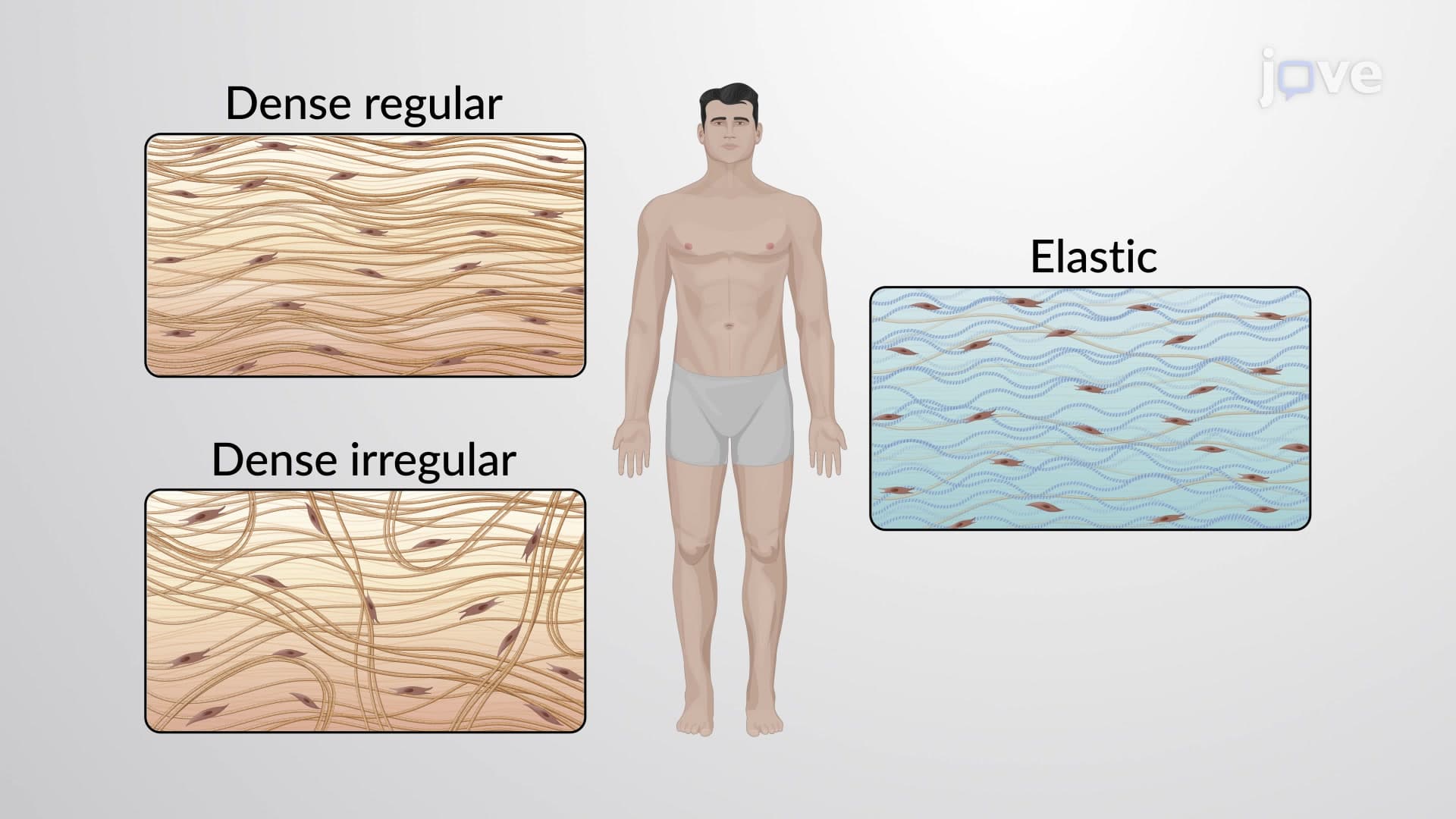
- Identify the three main dense connective tissue types function: dense regular, dense irregular, and elastic tissue
- Compare the structural arrangement of collagen bundles in dense regular versus dense irregular connective tissues
- Analyze how fiber orientation in tendons and ligaments provides resistance to specific directional forces
- Recognize the role of elastin fibers in arterial walls and their importance in cardiovascular function
- Apply knowledge of dense fibrous connective tissue properties to predict tissue location based on mechanical requirements
- Evaluate the relationship between collagen bundle dense connective tissue organization and functional demands
- Explore how dense connective tissue structure supports organ protection and joint stability
Understanding Dense Connective Tissue Fundamentals
Dense connective tissue represents one of the most structurally robust tissue types in the human body, characterized by tightly packed collagen fibers embedded in a relatively sparse extracellular matrix. Unlike loose connective tissue, which contains abundant ground substance and numerous cells, dense connective tissue prioritizes mechanical strength through its high fiber-to-matrix ratio. This tissue type appears frequently on AP Biology exams and college anatomy courses, particularly when students analyze structure-function relationships in biological systems.
Dense Regular Connective Tissue: Parallel Power
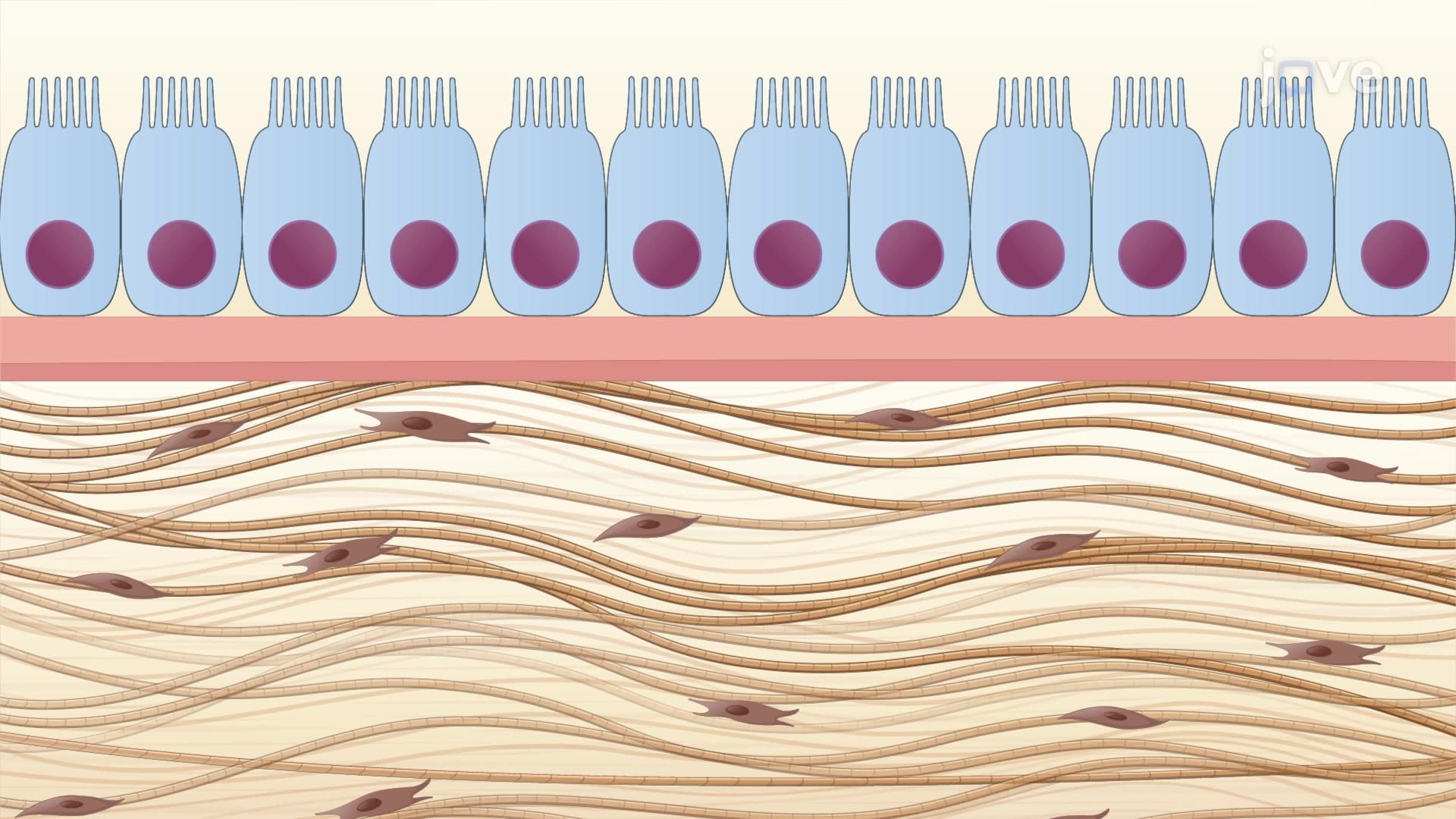
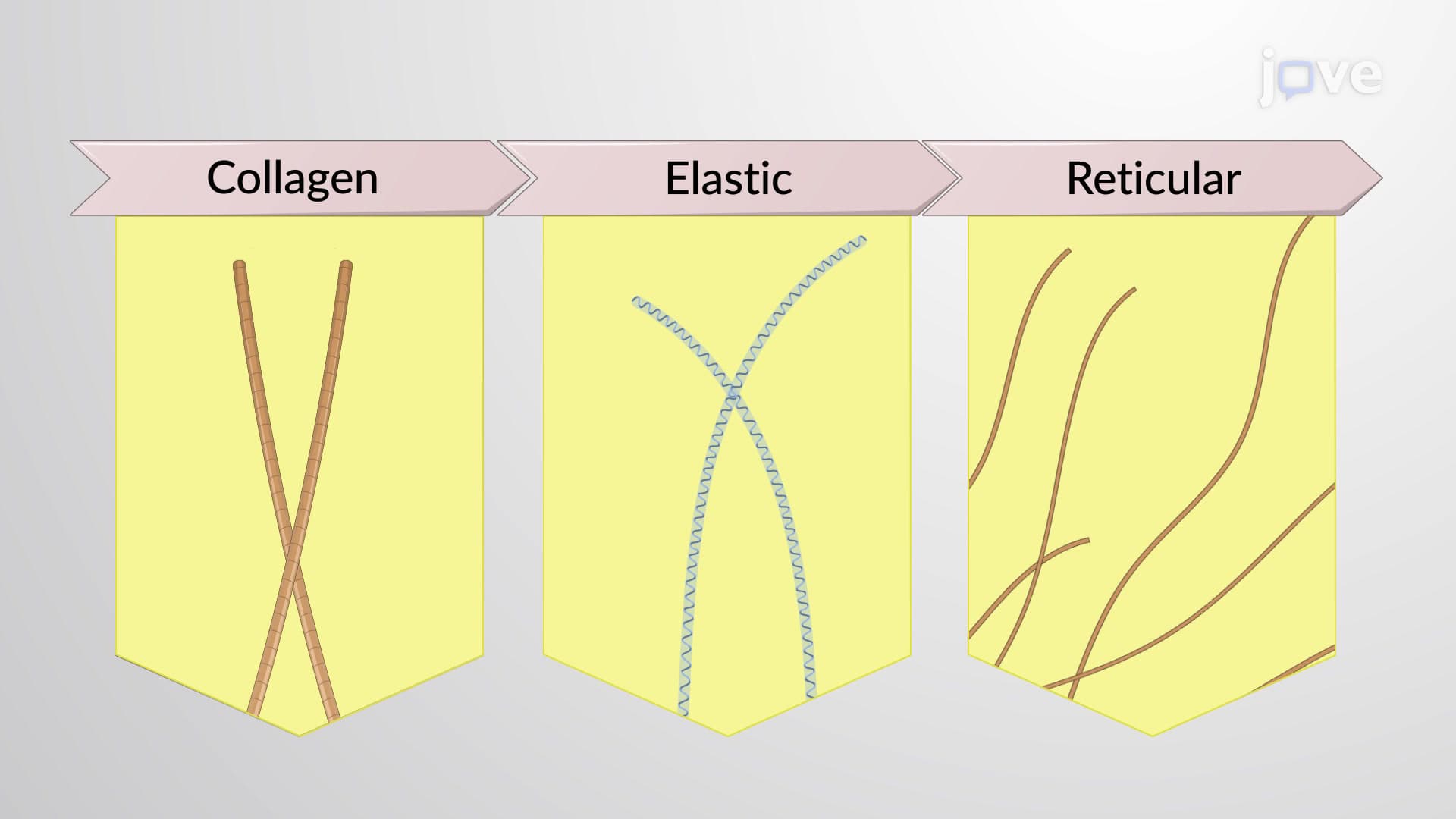
Dense regular tissue exemplifies biological engineering at its finest, with collagen fiber bundles arranged in precise parallel arrays. Fibroblasts, the primary cellular component, align between these collagen bundles in alternating layers, continuously maintaining and repairing the fibrous matrix. This organization appears prominently in tendons connecting muscles to bones (like the quadriceps tendon at the knee) and ligaments linking bone to bone (such as the anterior cruciate ligament). The parallel arrangement makes these tissues incredibly resistant to pulling forces along their fiber direction-a concept frequently tested on MCAT passages involving biomechanics.
Dense Irregular Connective Tissue: Multidirectional Defense
Dense irregular dermis fascia showcases a different organizational strategy, with thicker collagen bundles arranged in random, multidirectional patterns. This seemingly chaotic arrangement actually provides superior protection against forces coming from multiple directions. The dermis layer of skin exemplifies this tissue type, creating a tough protective barrier that can withstand various mechanical stresses. Joint capsules also utilize dense irregular tissue to provide stability while allowing controlled movement-a critical concept for students preparing for USMLE Step 1 examinations.
Elastic Connective Tissue: Stretch and Recoil
Elastic tissue represents a specialized form of dense connective tissue where elastin fibers predominate over collagen. The aorta, America's largest artery, contains elastic sheets that stretch during systole when the heart pumps blood, then recoil during diastole to maintain continuous blood flow. This elastic property becomes clinically significant in conditions like Marfan syndrome, where defective elastin leads to aortic complications-a topic commonly addressed in medical school pathology courses and NCLEX-RN examinations.
Frequently Asked Questions
Dense connective tissue contains tightly packed collagen fibers with minimal ground substance and fewer cells compared to loose connective tissue. This high fiber density provides exceptional mechanical strength and structural support. The tissue sacrifices cellular activity and nutrient exchange for maximum tensile strength, making it ideal for structures like tendons, ligaments, and protective coverings that must withstand significant physical stress.
Dense regular and dense irregular tissues dominate exam questions, particularly structure-function relationships. AP Biology often tests how parallel collagen arrangement in tendons relates to unidirectional force resistance. College anatomy courses frequently examine how random fiber orientation in dermis provides multidirectional protection, while MCAT passages may include elastic tissue's role in cardiovascular physiology.
MCAT biological sciences sections often present dense connective tissue within biomechanics passages, testing fiber orientation effects on mechanical properties. Questions may compare tensile strength between dense regular and irregular tissues, or analyze how elastin defects affect arterial function. Understanding collagen bundle dense connective tissue organization helps answer experimental design questions about tissue engineering and wound healing.
Sports medicine physicians at institutions like the Mayo Clinic regularly treat dense connective tissue injuries, from torn ACL ligaments requiring surgical reconstruction to tendonitis affecting professional athletes. Plastic surgeons utilize knowledge of dense irregular dermis structure when planning facial reconstruction procedures, while cardiovascular surgeons consider elastic tissue properties when replacing diseased aortic sections with synthetic grafts.
Basic high school chemistry sufficiently supports dense connective tissue comprehension. Understanding protein structure helps explain collagen's fibrous nature, while knowledge of intermolecular forces clarifies how collagen bundles maintain their organization. Students with general biology and introductory chemistry backgrounds can successfully master these concepts without requiring biochemistry or organic chemistry prerequisites.
Create visual associations linking tissue organization to function-imagine parallel parking (dense regular) versus scattered parking (dense irregular) to remember fiber arrangements. Use anatomical models to physically locate tendons, ligaments, and skin layers. Practice drawing collagen bundle orientations while reciting their locations, and connect each tissue type to specific injuries you might see in emergency medicine or physical therapy settings.
Dense connective tissue concepts foundation supports understanding wound healing cascades, where fibroblasts deposit collagen during tissue repair. This knowledge extends to pathology courses covering connective tissue disorders like Ehlers-Danlos syndrome, and biomechanics studies analyzing prosthetic joint design. Students planning careers in physical therapy, orthopedic surgery, or biomedical engineering will build extensively upon these fundamental concepts.
Related Micro-courses

18 Concepts

19 Concepts

11 Concepts