Loading subject page…


323,100 views

Video Summary: What Is Epithelial Tissues Glandular Classification
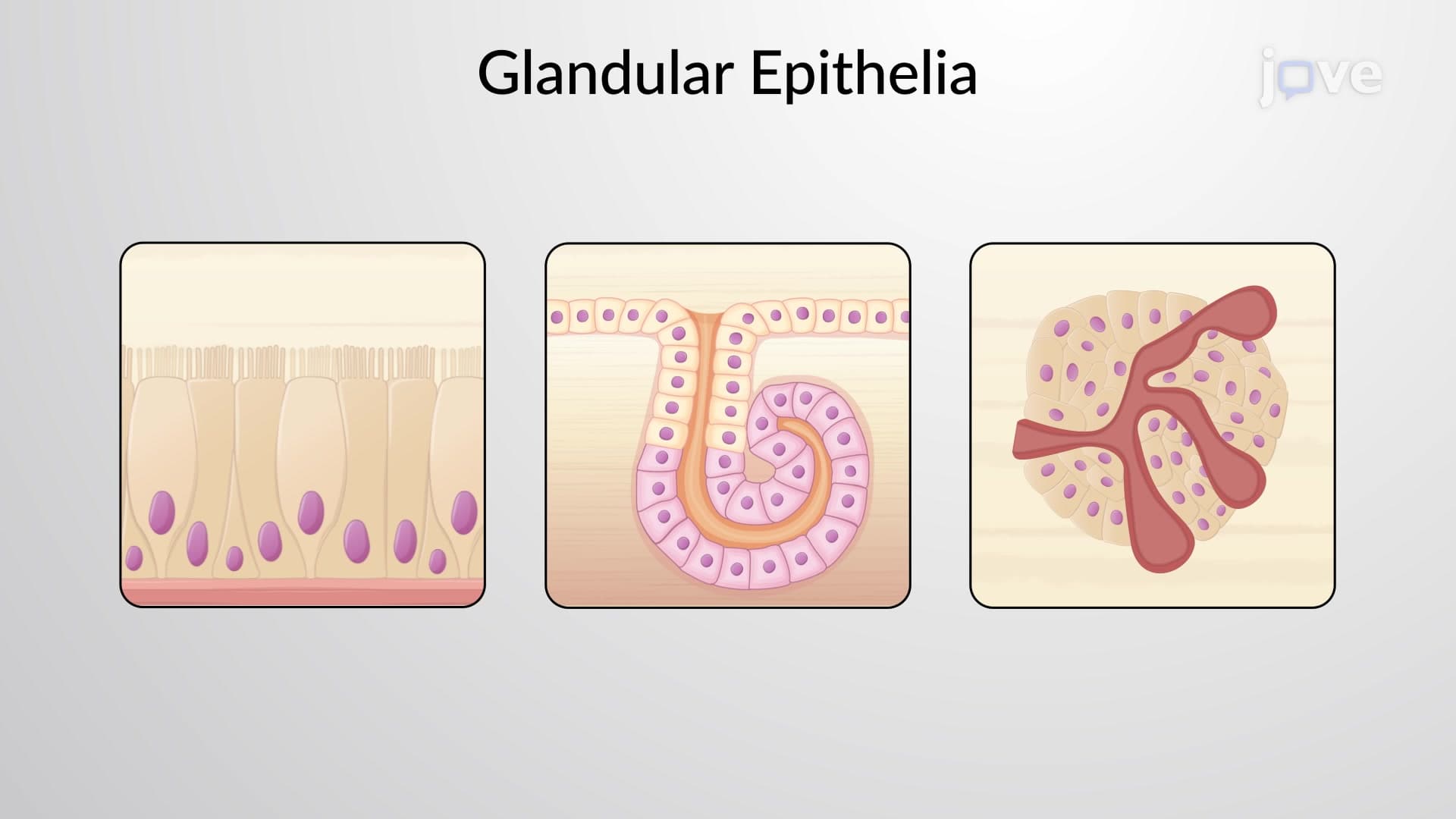
Did you know that your tear ducts and the oil glands in your skin represent completely different types of glandular epithelium classification? Glandular epithelial tissue types are categorized based on their structure and secretion methods, ranging from single-cell goblet cells in your respiratory tract to complex hormone-producing glands like the thyroid. Understanding epithelial tissues glandular classification is fundamental to comprehending how your body produces everything from sweat to life-sustaining hormones. Watch the full video on JoVE Coach to master this concept with expert-led visuals and step-by-step explanations.
Glandular epithelium classification represents one of the most clinically relevant aspects of histology, forming the foundation for understanding human physiology and pathology. This classification system organizes secretory tissues based on cellular arrangement, structural complexity, and secretion delivery mechanisms. For students preparing for the MCAT or AP Biology exams, mastering this concept is essential because it connects basic tissue structure to advanced physiological processes.
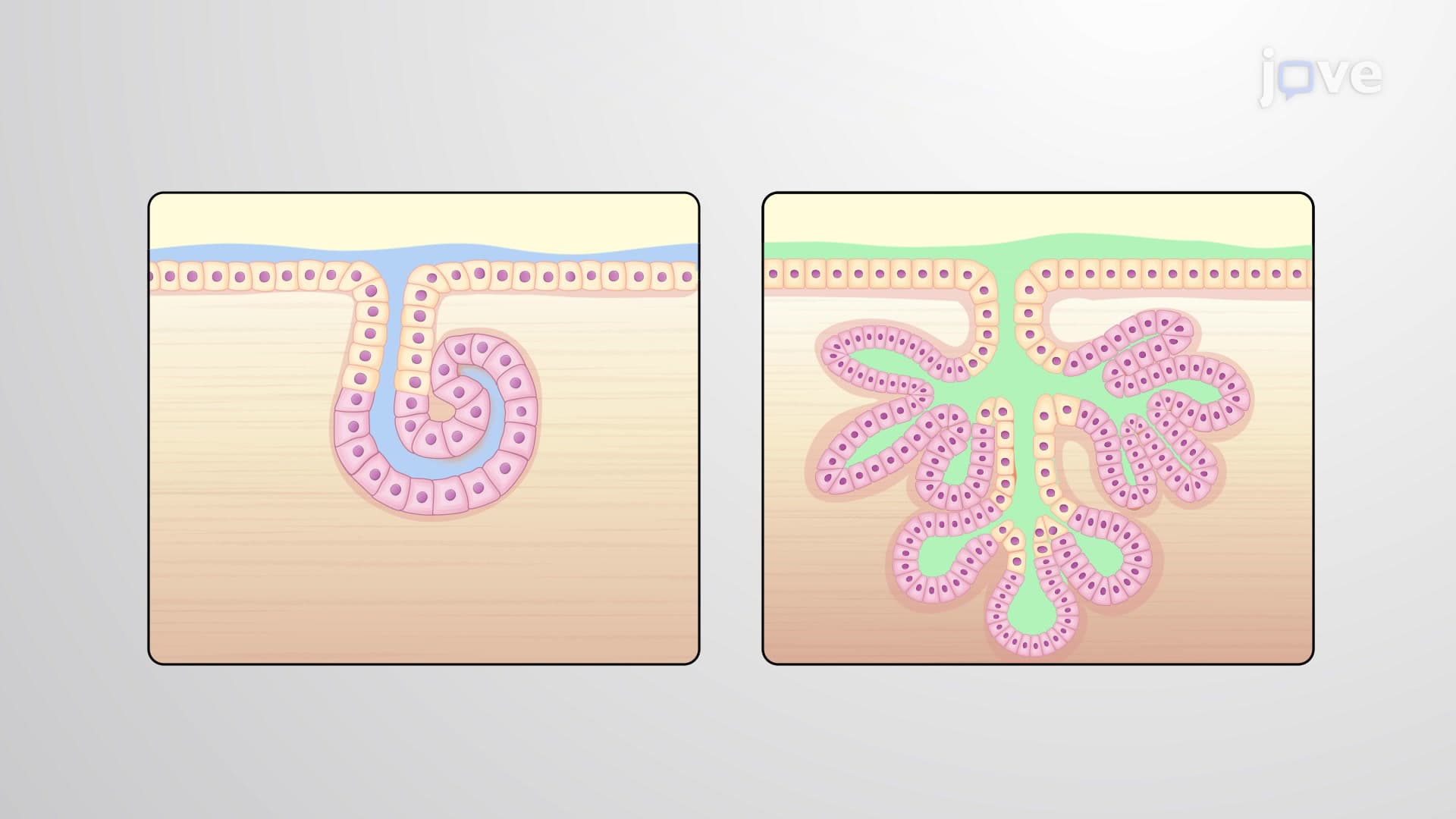
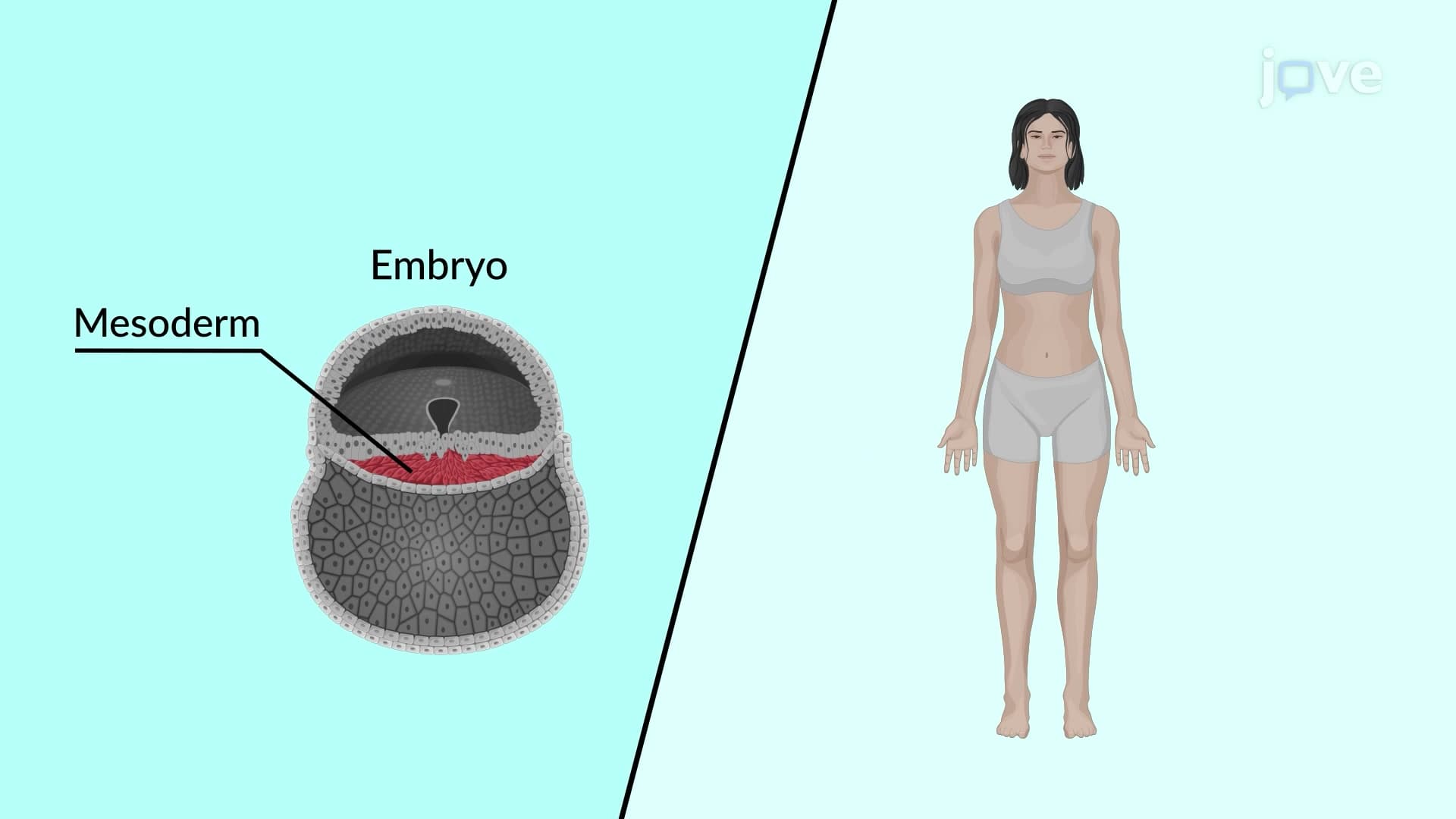
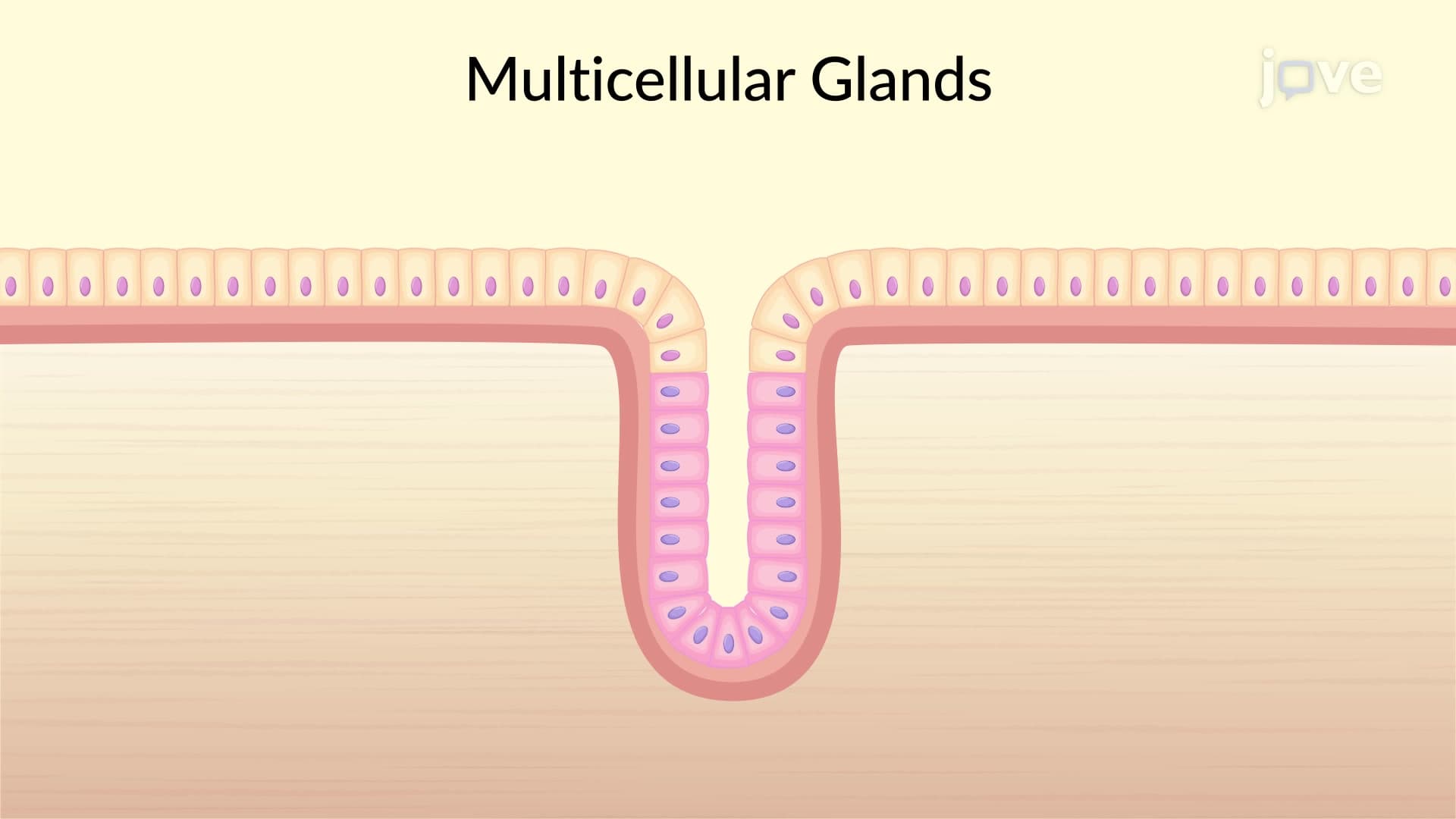
The simplest glandular epithelial tissue types consist of unicellular glands-individual secretory cells scattered throughout epithelial layers. Goblet cells exemplify this category, producing mucus in your respiratory and digestive tracts. These single-cell factories demonstrate how even the most basic glandular tissue structure can maintain vital protective functions. In contrast, multicellular glands arise from coordinated epithelial cell invagination during embryonic development, creating complex secretory organs like salivary glands and mammary glands.
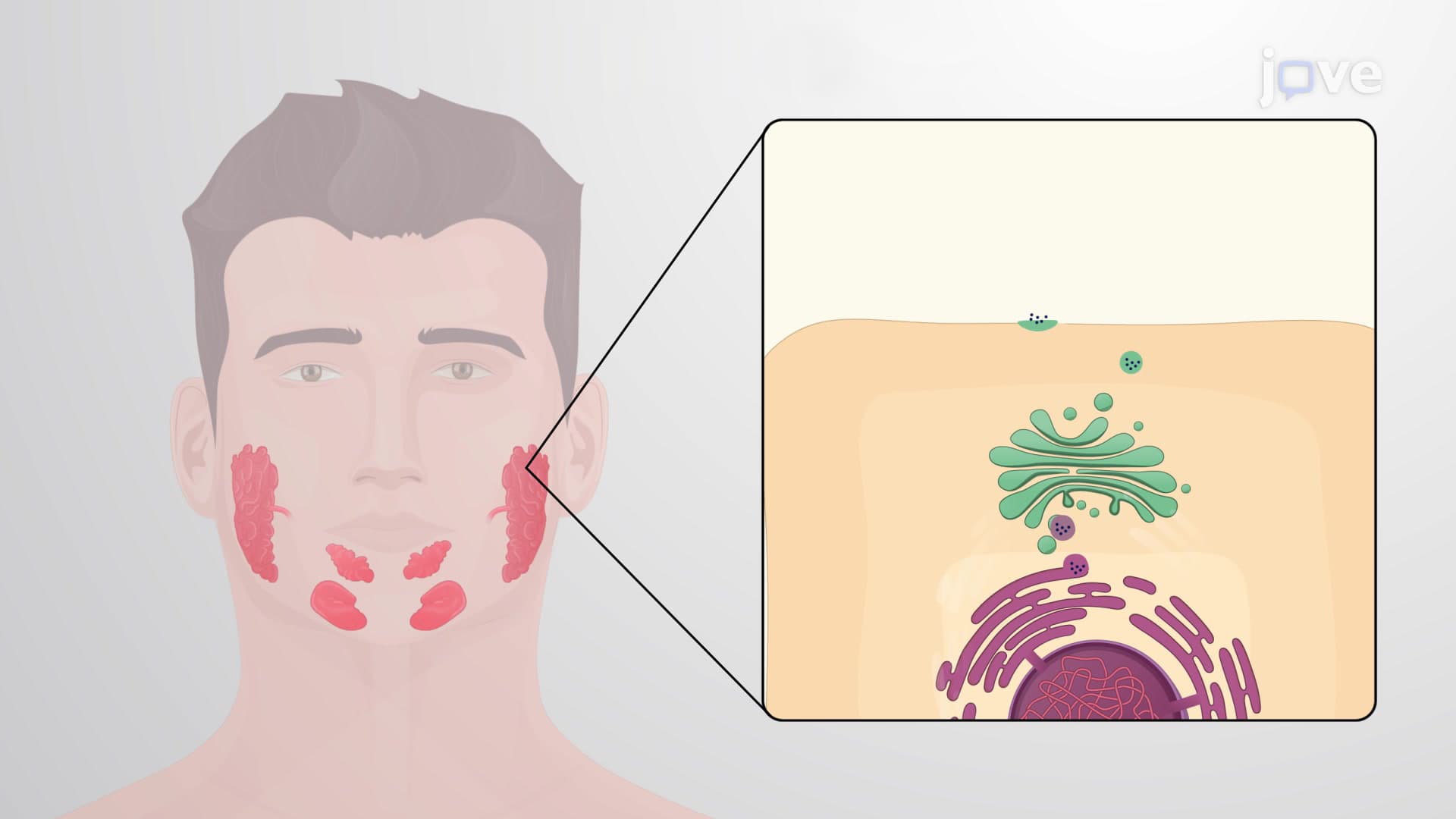
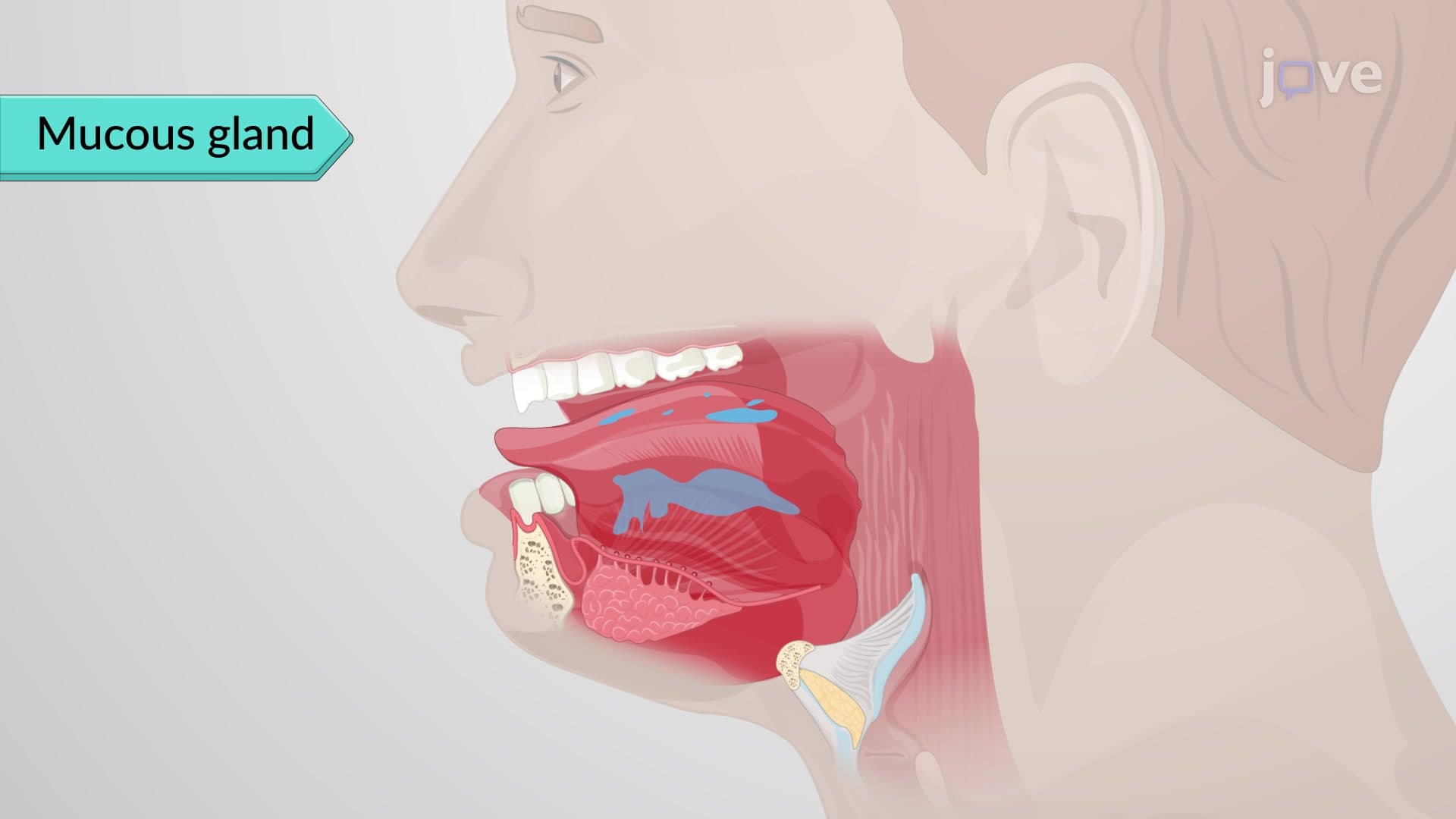
Exocrine endocrine gland epithelium differences become apparent when examining secretion pathways. Exocrine glands maintain their embryonic connections to surface epithelia through elaborate duct systems. The parotid glands in your mouth exemplify this secretory cell type gland organization, channeling saliva through Stensen's ducts. Similarly, eccrine sweat glands demonstrate how multicellular exocrine structures regulate body temperature through precisely controlled secretion release. These ducted systems are frequently tested on college anatomy exams because they illustrate structure-function relationships.
During development, some multicellular glands lose their ductal connections, transforming into endocrine organs that secrete hormones directly into the bloodstream. The pituitary gland represents the classic example of epithelial gland classification type evolution, developing from neural and epithelial tissues to become the body's "master gland." Understanding this developmental transformation helps explain why endocrine disorders often involve both structural abnormalities and functional disruptions-a concept crucial for pre-med students studying for the MCAT.
Related Micro-courses