Loading subject page…

- Anatomy and Physiology
- Tissues of the Human Body
- Extracellular Matrix
Micro-course: Tissues of the Human Body
323,100 views
Learn key concepts and earn your certificate.
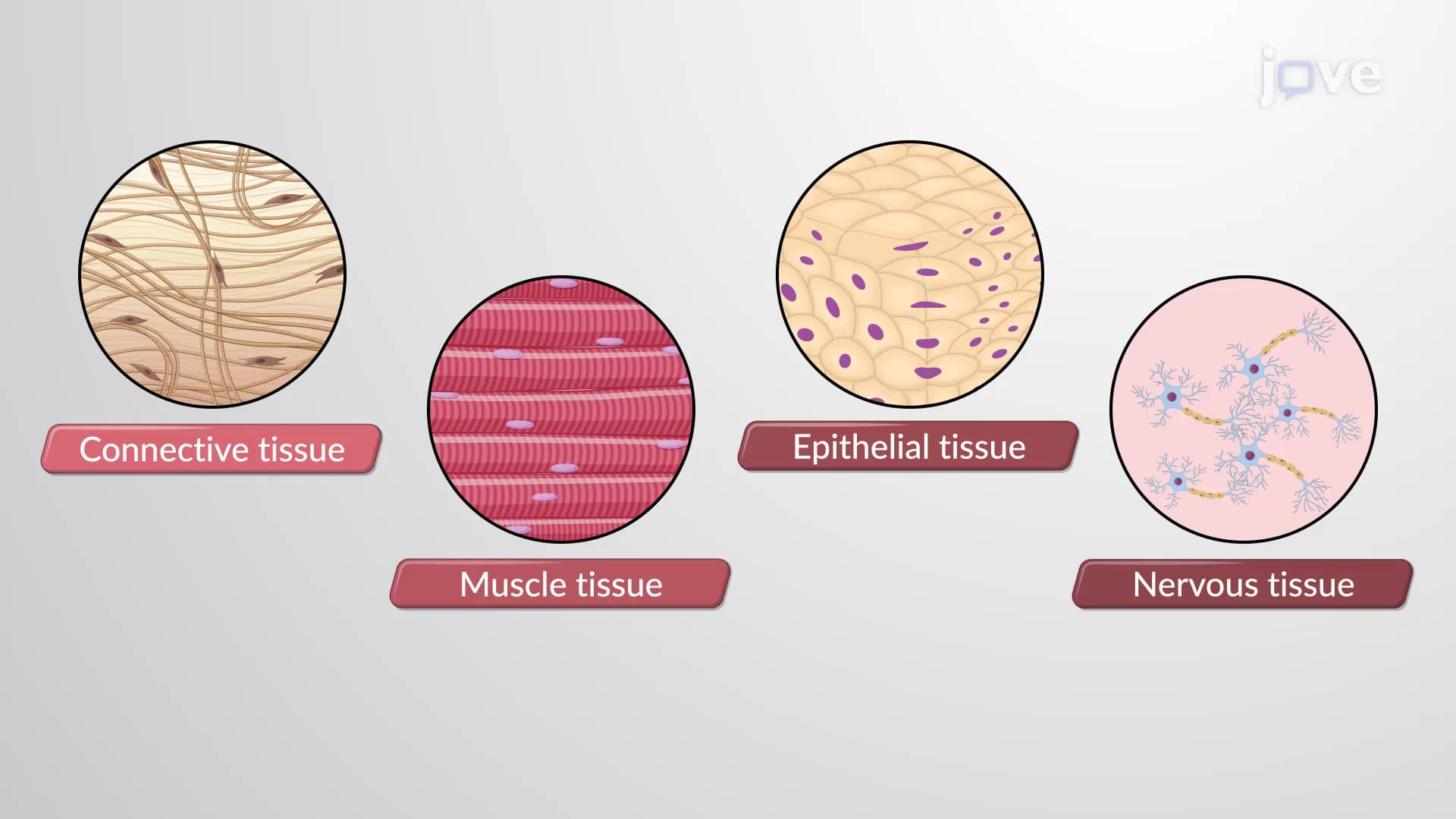

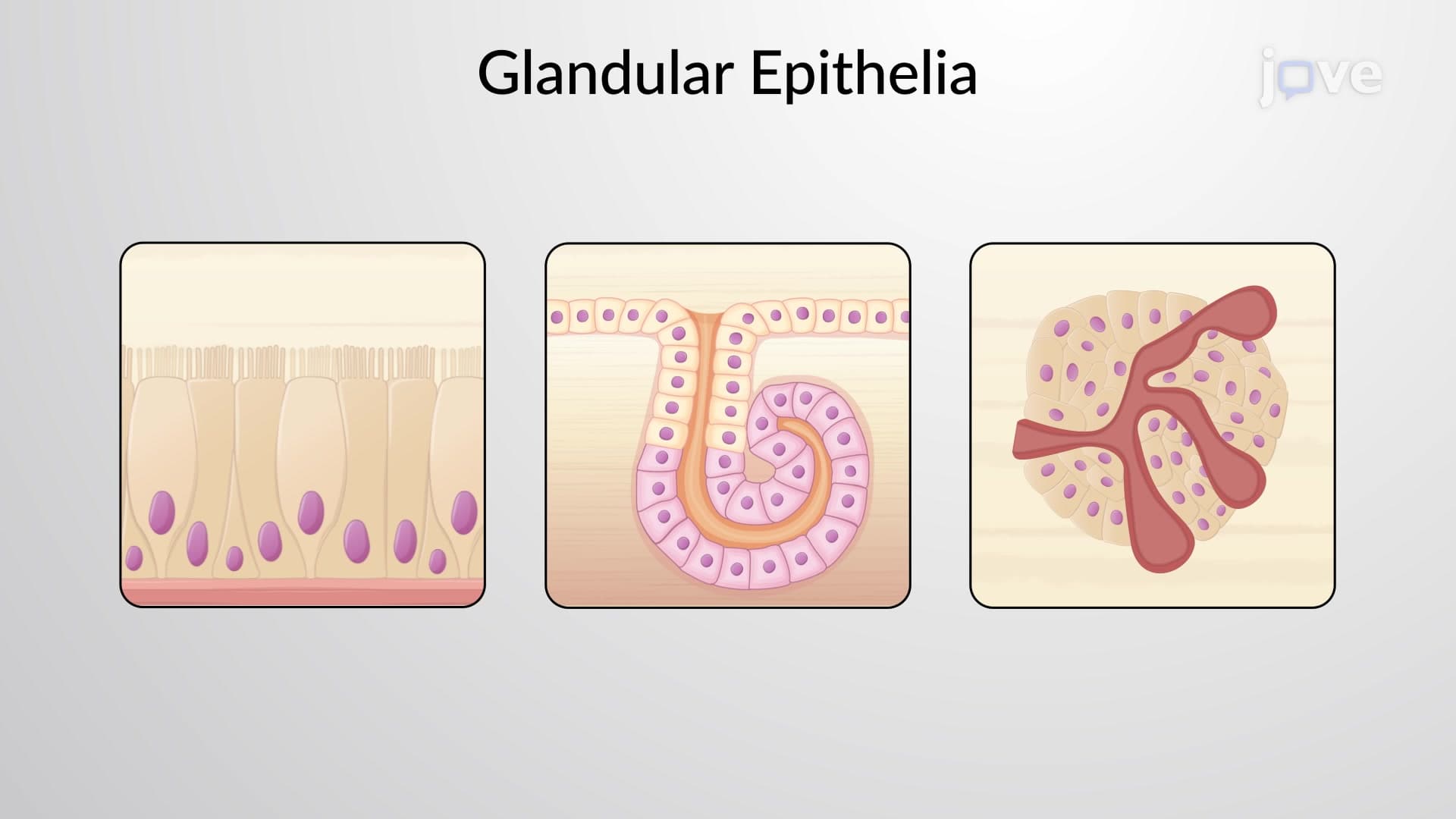

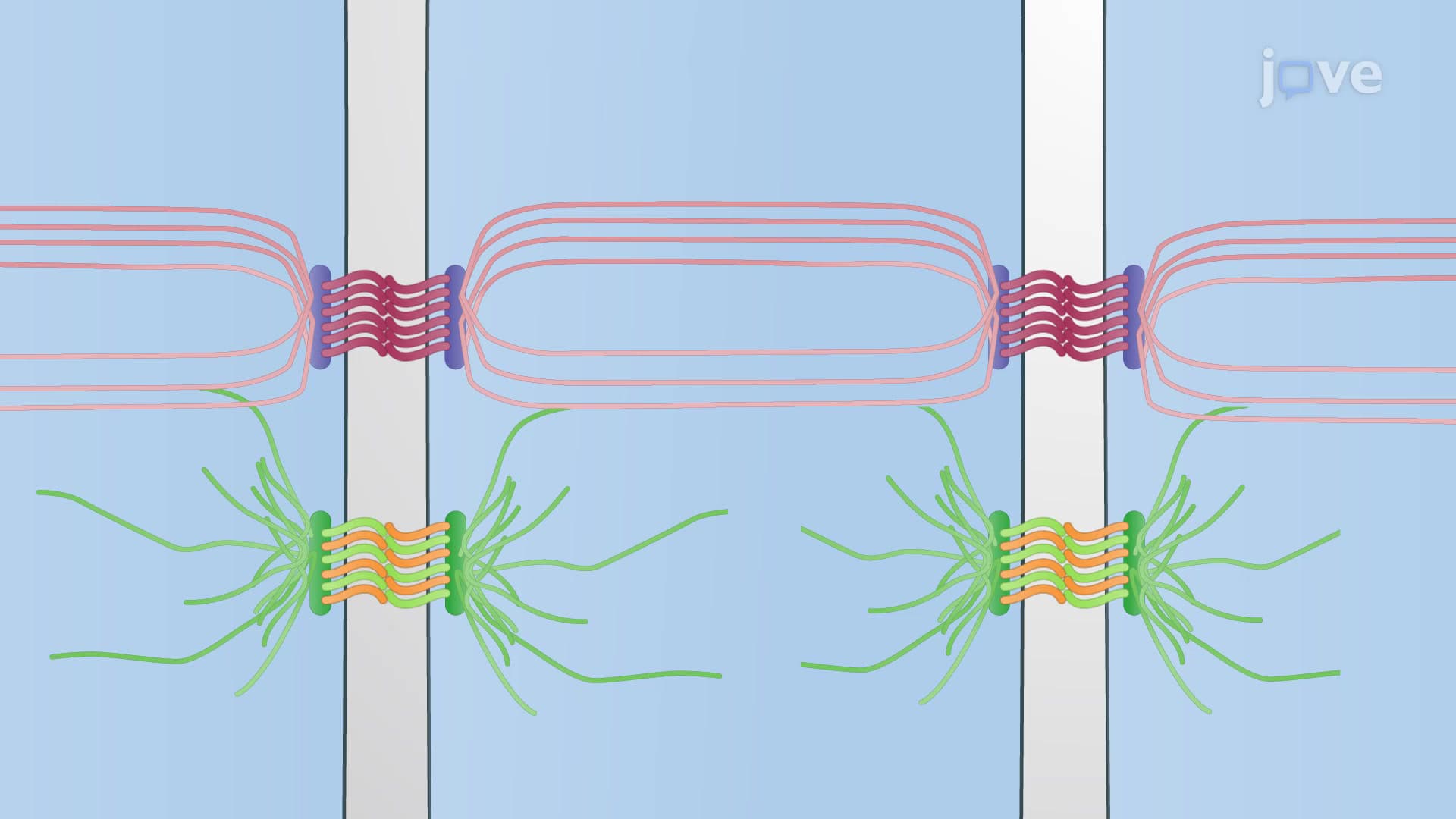
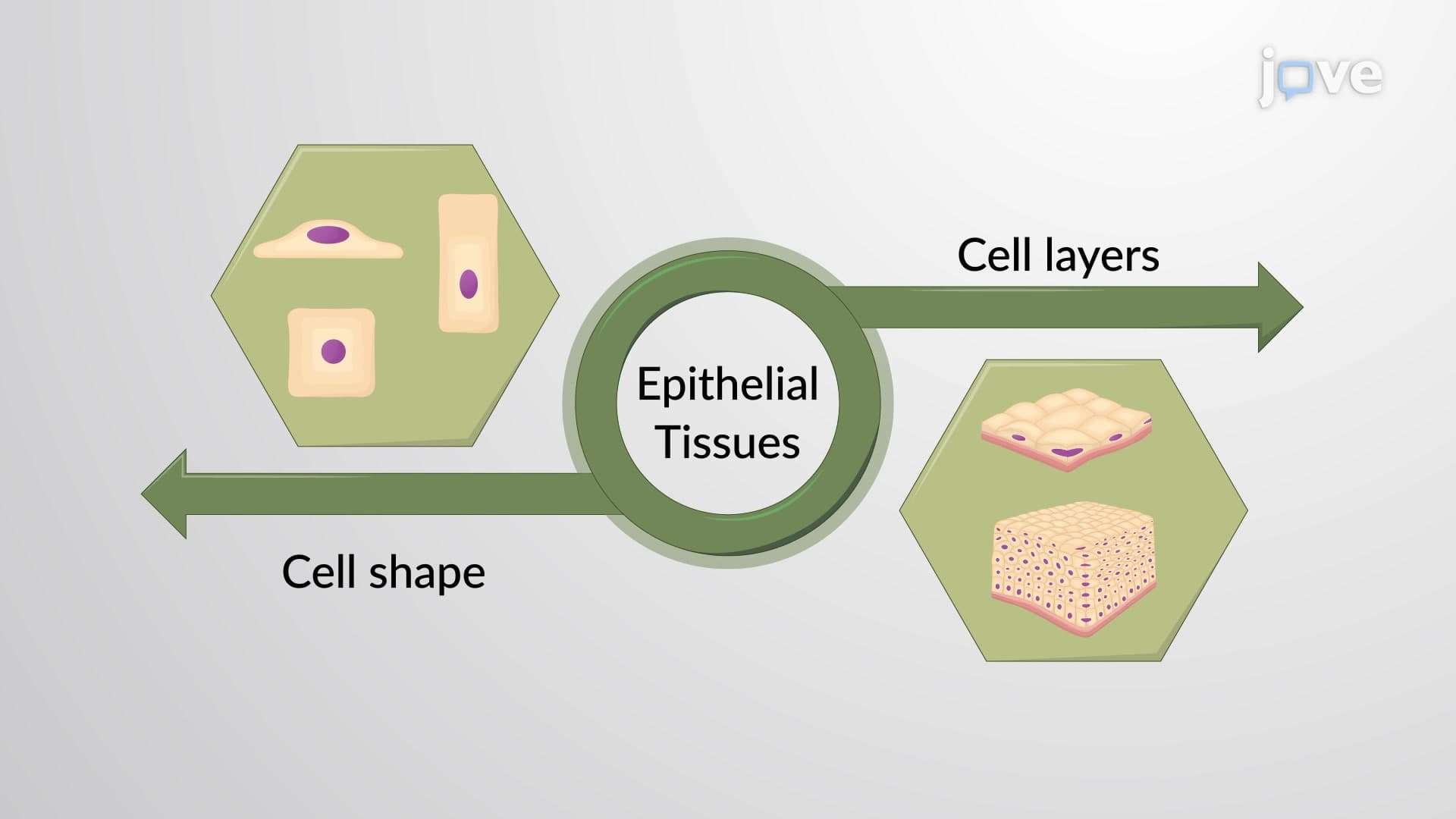
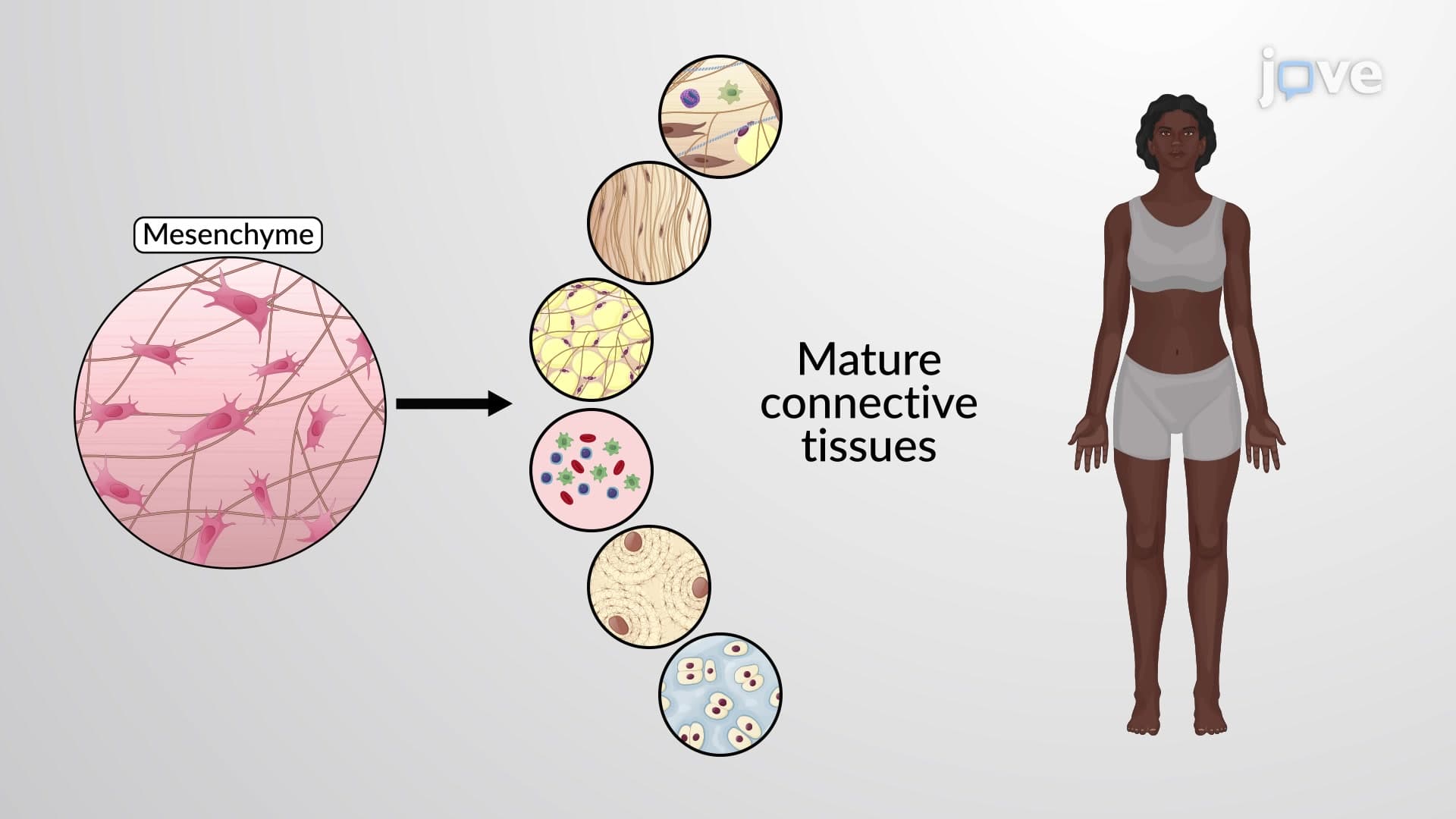
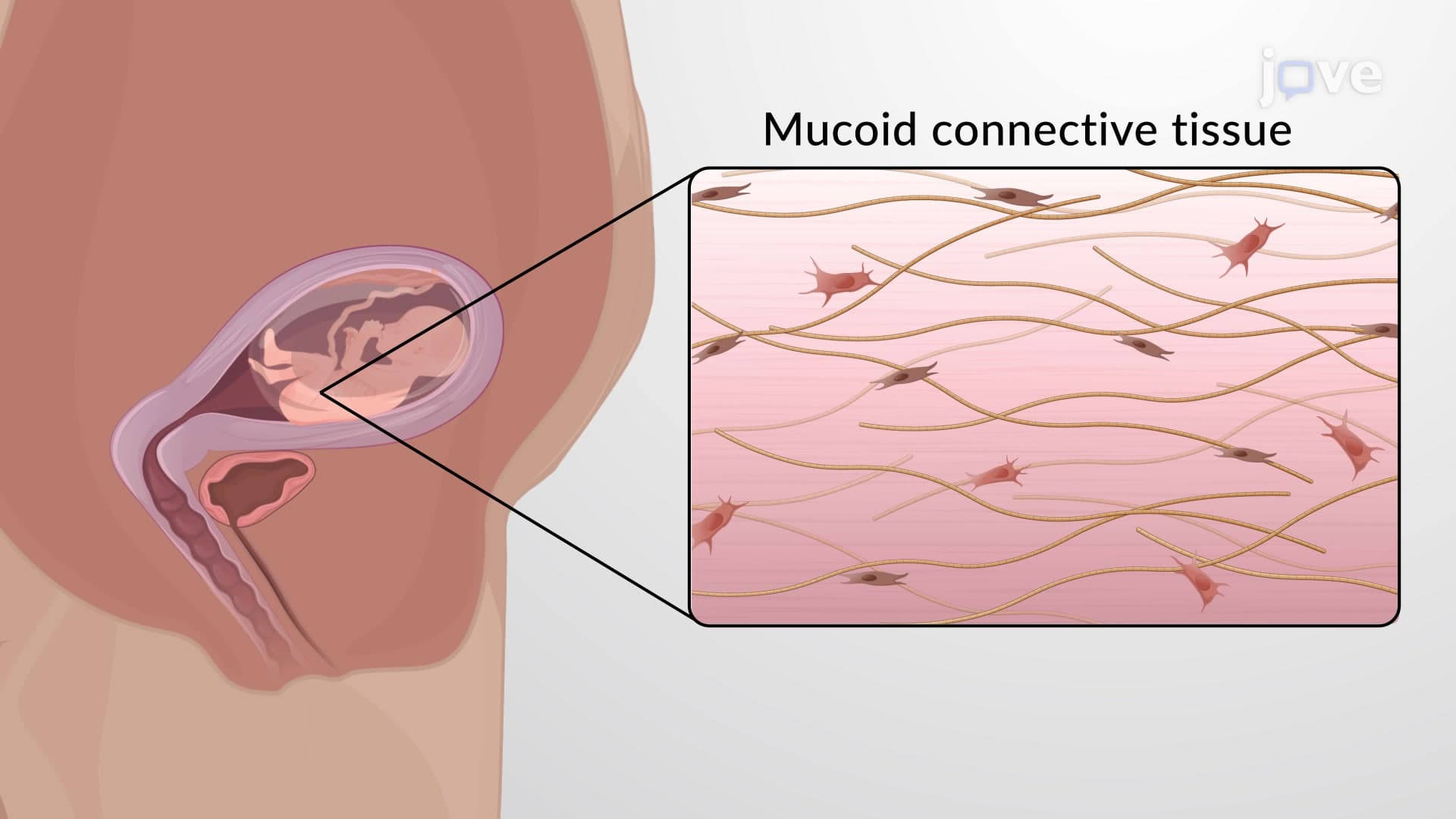
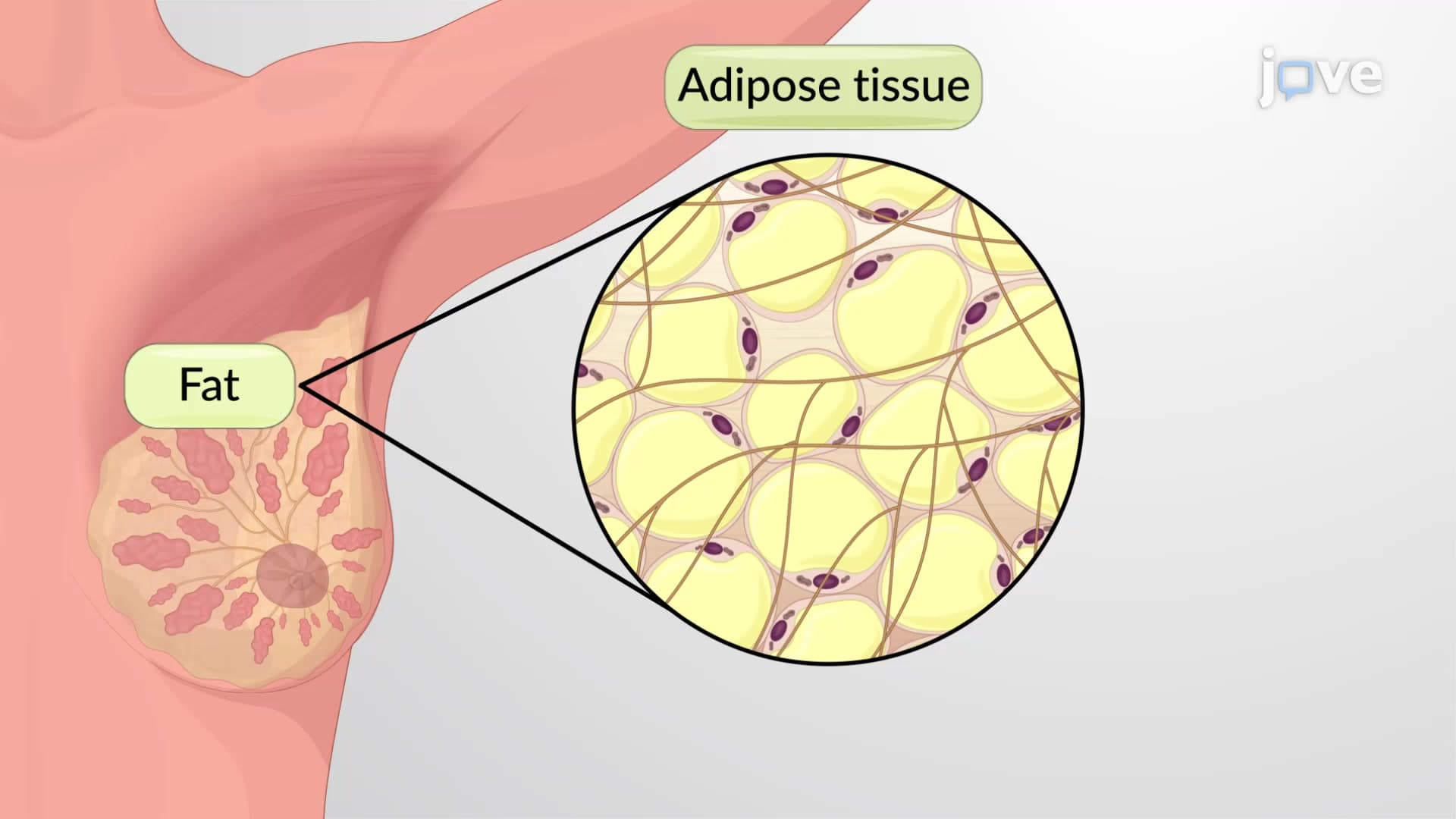

Extracellular Matrix

00:00
01:26
Video Summary: What Is Extracellular Matrix
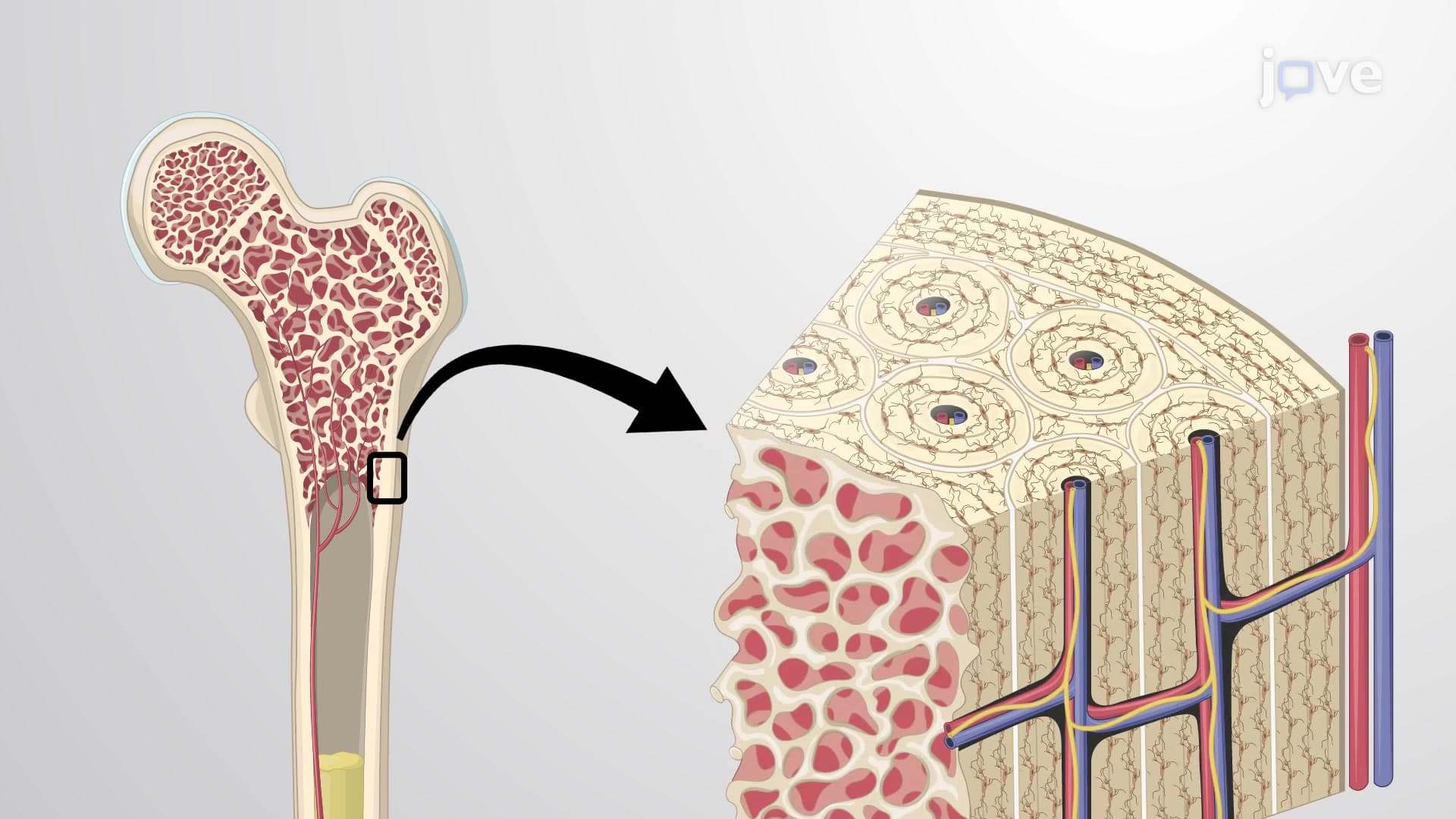
Ever wonder how your bones stay rigid while your blood flows freely throughout your body? The extracellular matrix ECM is the secret scaffold that gives each tissue its unique properties-from the mineralized collagen in your femur bone to the fluid-filled plasma surrounding your red blood cells. This non-cellular component forms the structural foundation that holds cells together and determines tissue function in everything from surgical implants to wound healing in American hospitals. Watch the full video on JoVE Coach to master this concept with expert-led visuals and step-by-step explanations.
- Understand what is extracellular matrix and identify its role as the non-cellular structural component of tissues
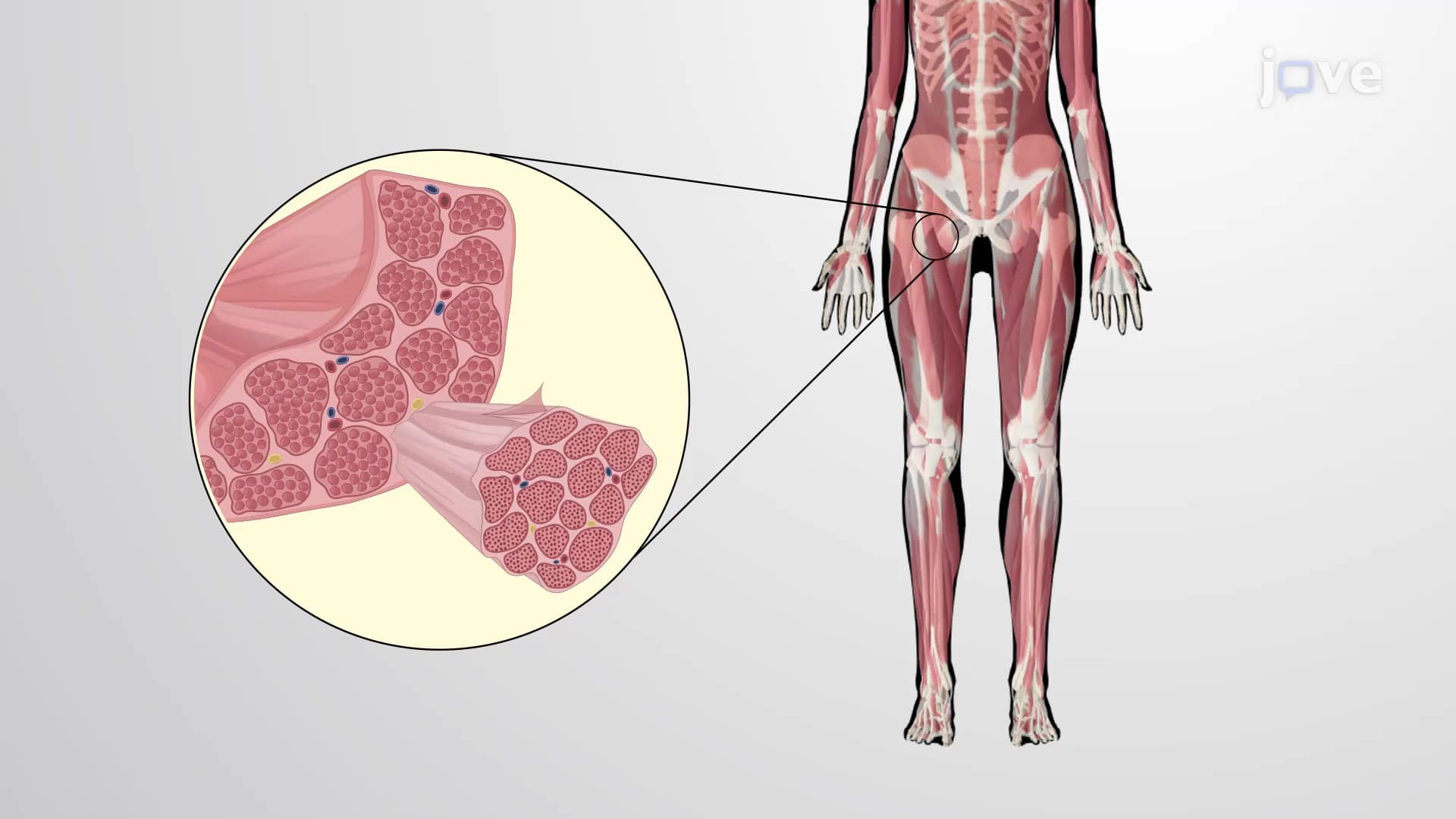
- Analyze the relationship between ECM composition and tissue-specific properties in bones, arteries, and blood
- Compare the functions of basement membrane versus interstitial matrix in supporting cellular activities
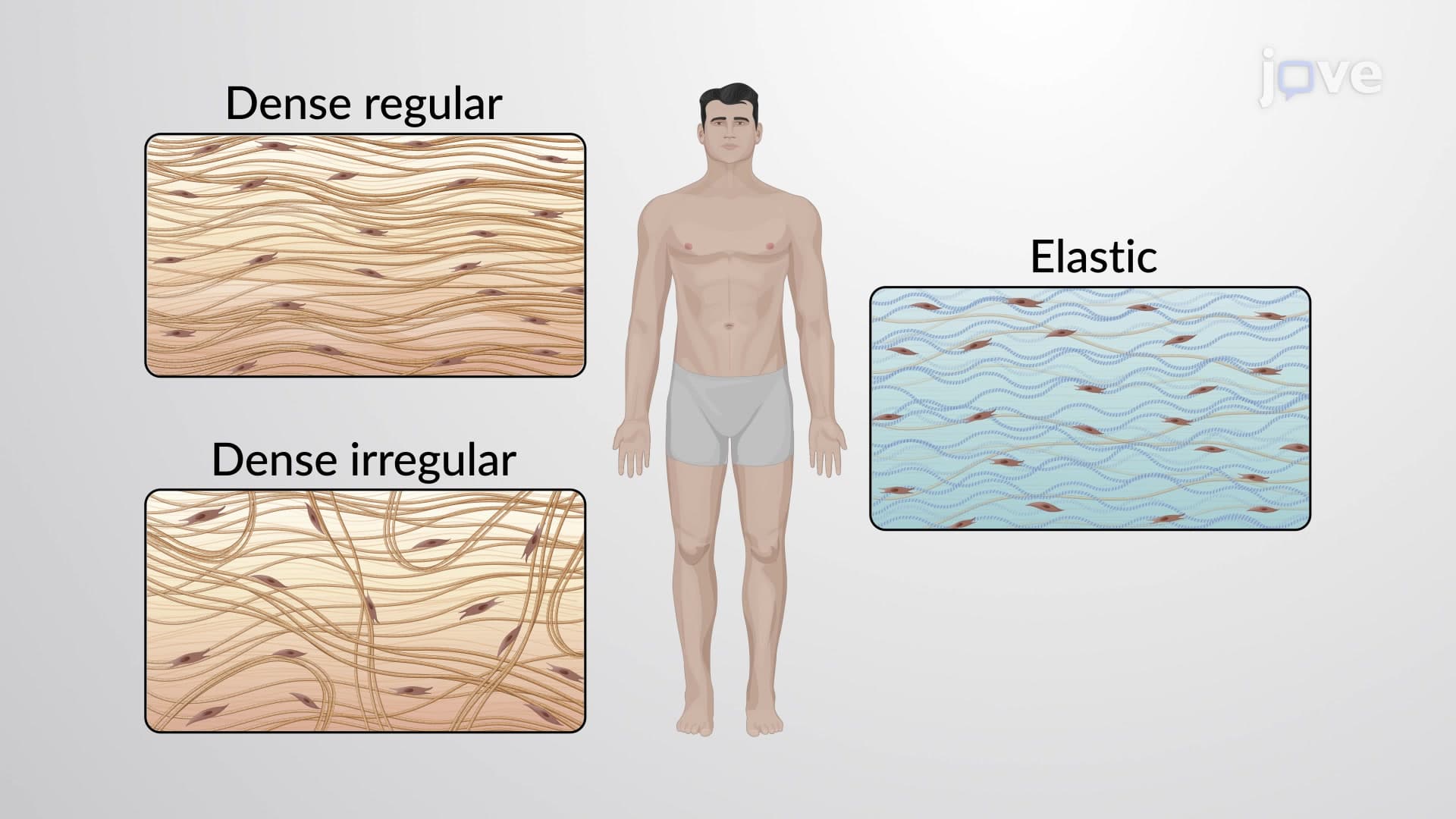
- Evaluate how collagen, elastic fibers, and ground substances contribute to tissue mechanics and flexibility
- Apply knowledge of ECM turnover processes to understand tissue maintenance and repair mechanisms
- Recognize how ECM regulates critical cellular processes including survival, migration, and polarity
- Identify the components of ground substance and their role in tissue hydration and nutrient transport
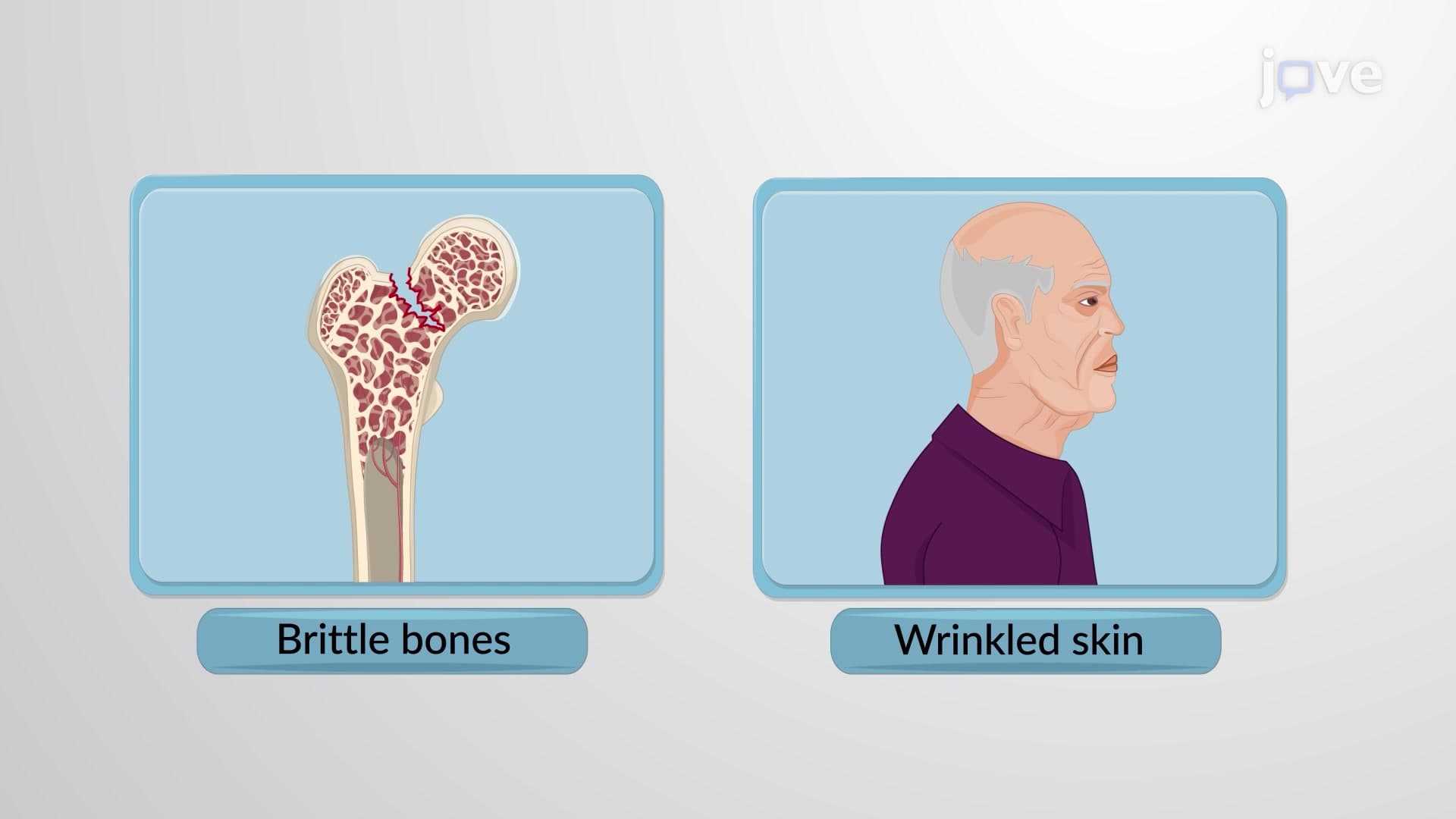
- Explore the connection between ECM dysfunction and common medical conditions affecting Americans
Understanding What is Extracellular Matrix: The Body's Structural Foundation
The extracellular matrix ECM serves as the architectural framework that defines how our tissues function, much like how steel beams determine a building's strength and flexibility. This complex network of proteins and carbohydrates exists outside our cells, providing the structural support that allows a basketball player's Achilles tendon to store and release energy or enables a surgeon's scalpel to make precise incisions through different tissue layers.
ECM Composition and Function: The Three-Part System
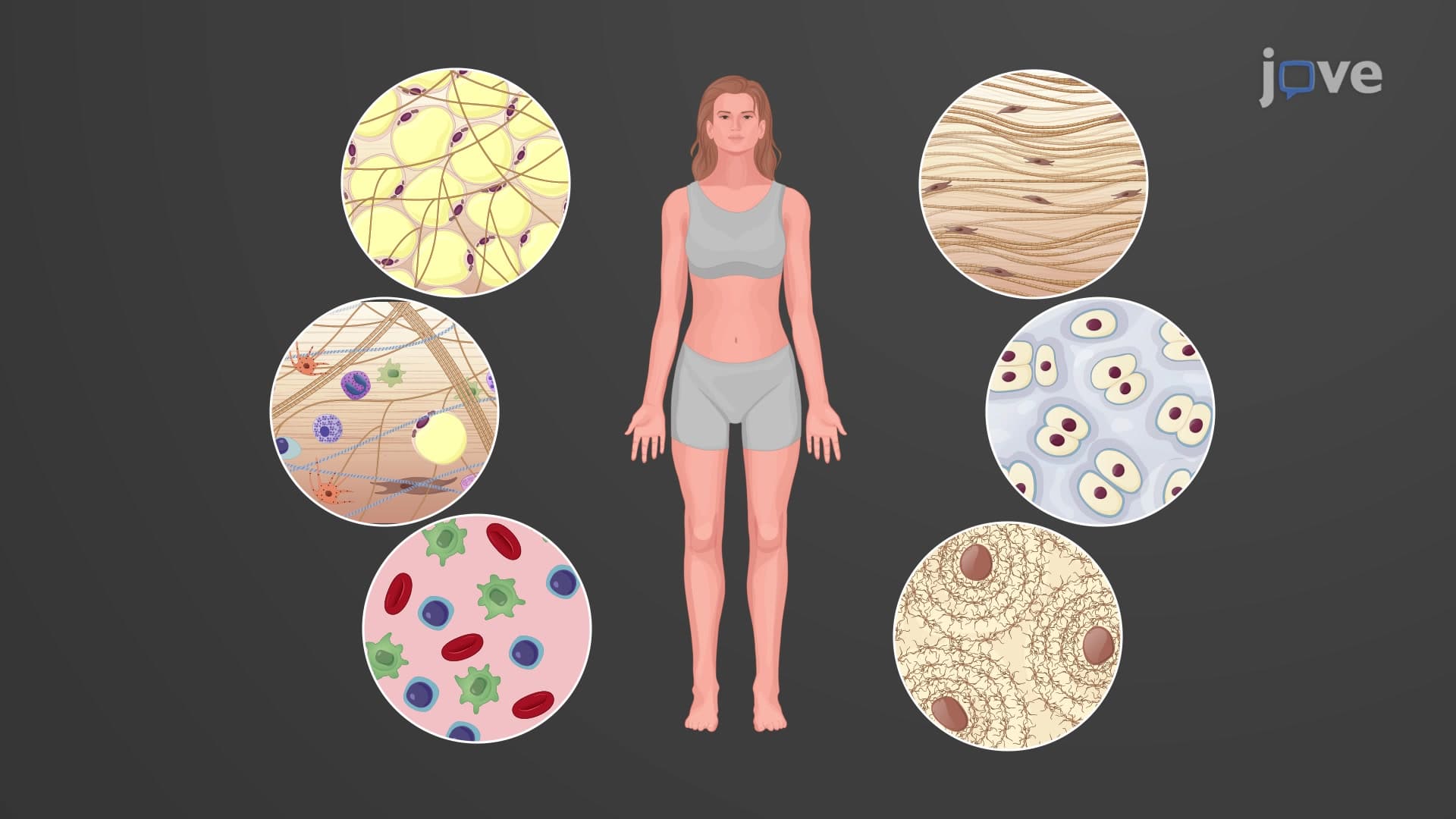
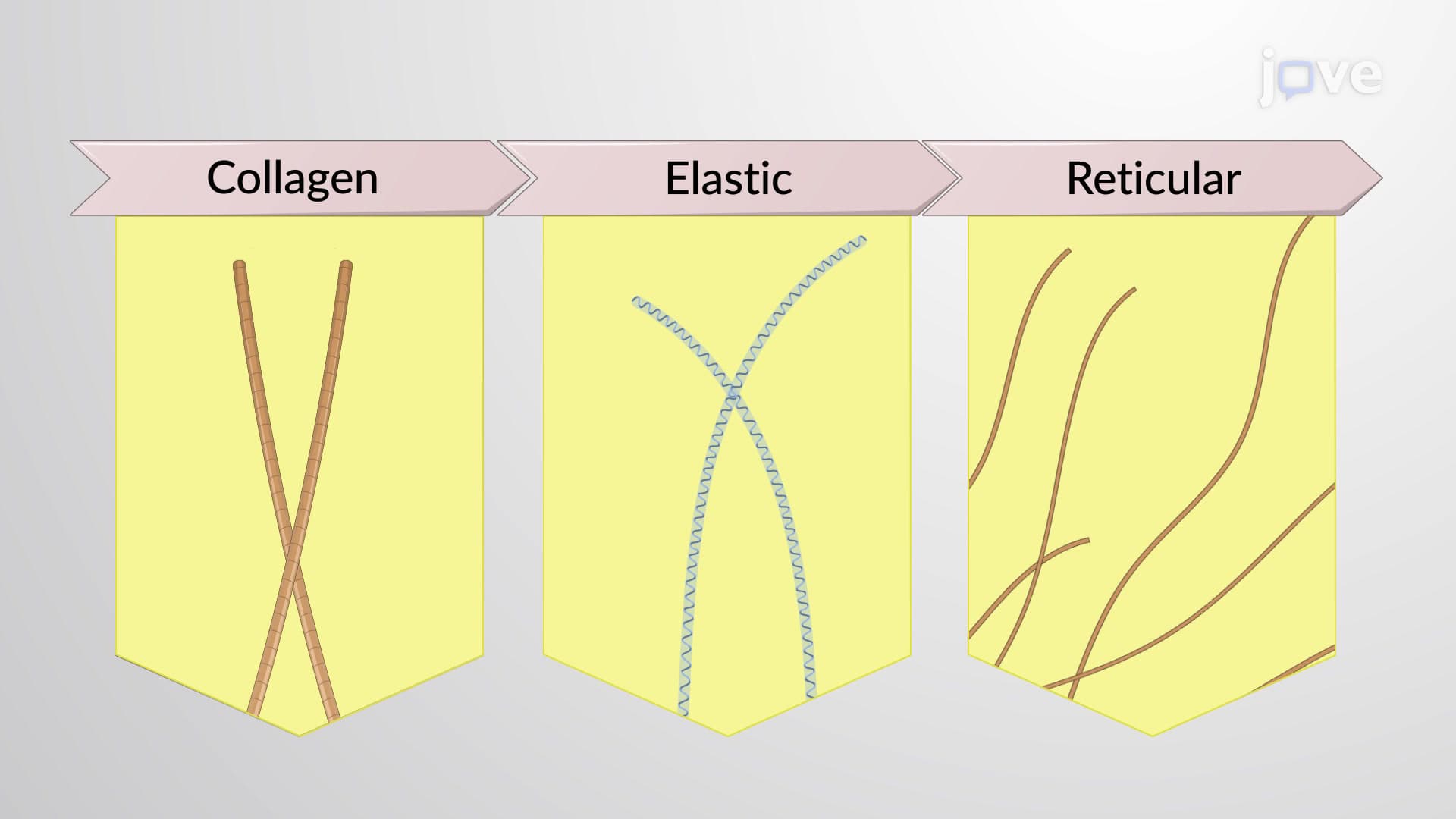
ECM composition and function revolves around three main components working in harmony. Fibrous proteins like collagen provide tensile strength-imagine the collagen in your knee cartilage absorbing the impact when you jump off a diving board at a community pool. Elastic fibers containing elastin allow tissues to stretch and recoil, which is why your aorta can expand with each heartbeat during a cardiac stress test. The ground substance, rich in proteoglycans and glycosaminoglycans, creates a gel-like medium that facilitates nutrient diffusion and cellular communication.
Specialized ECM Structures: Basement Membrane and Interstitial Matrix
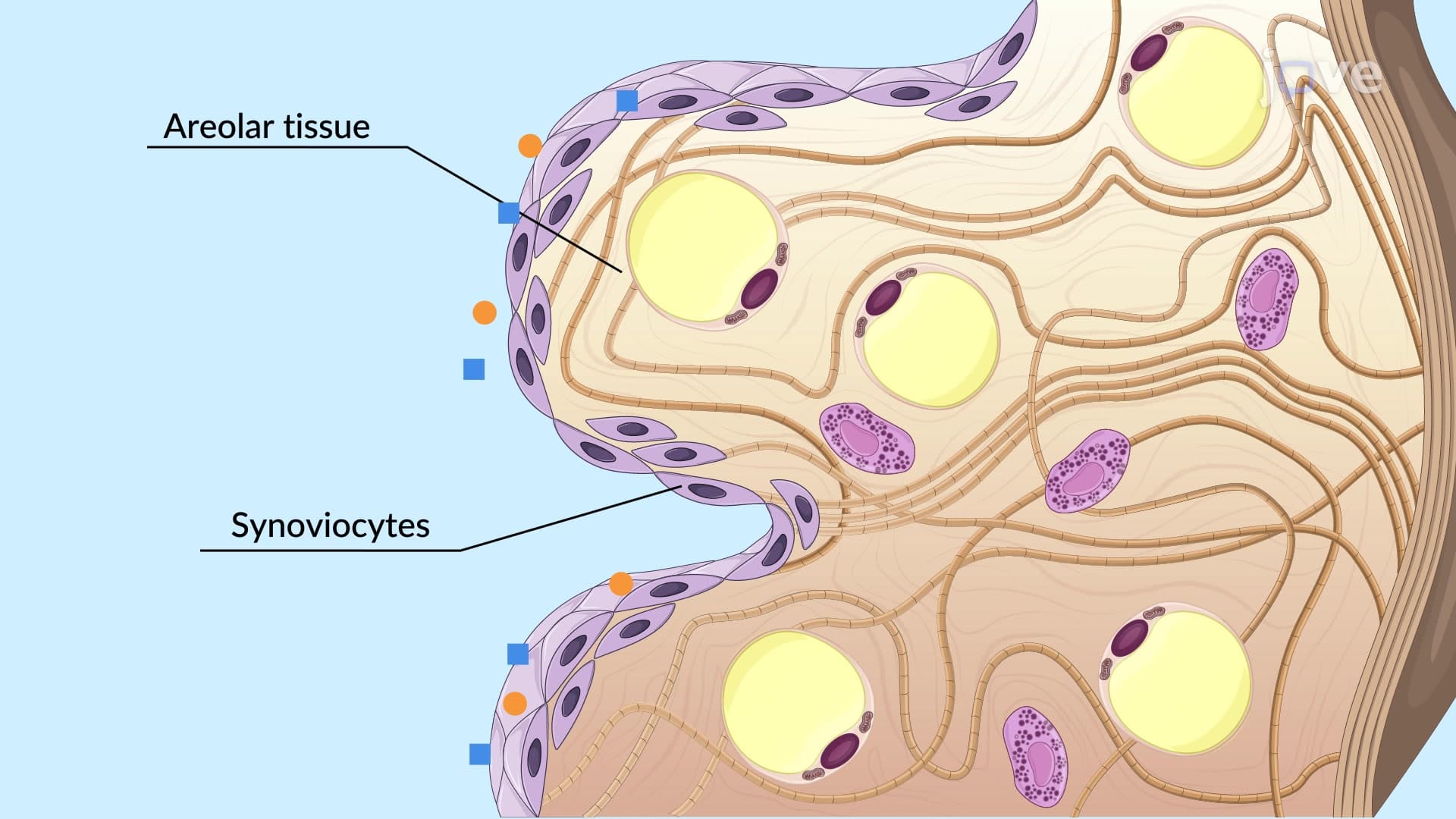
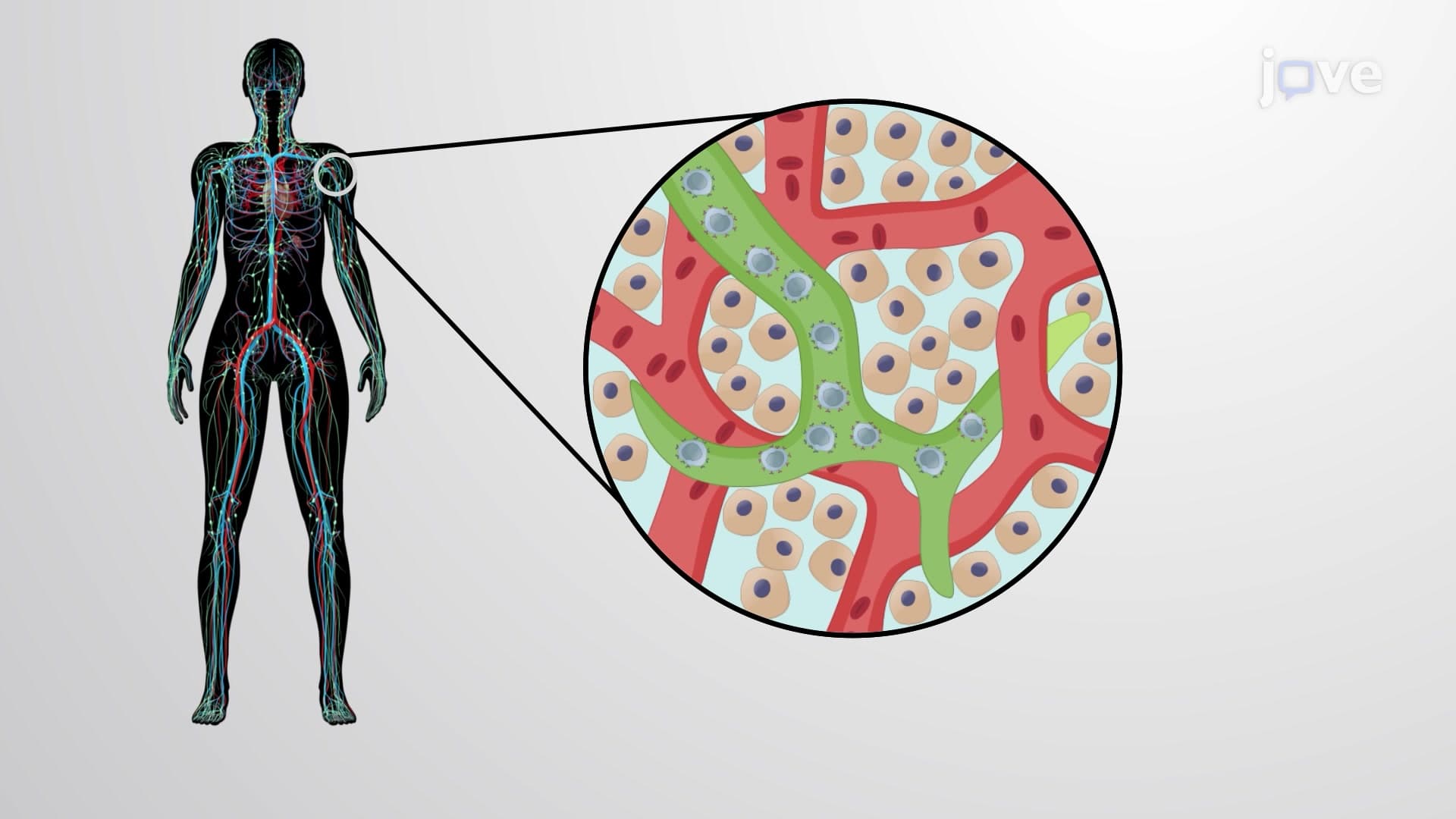
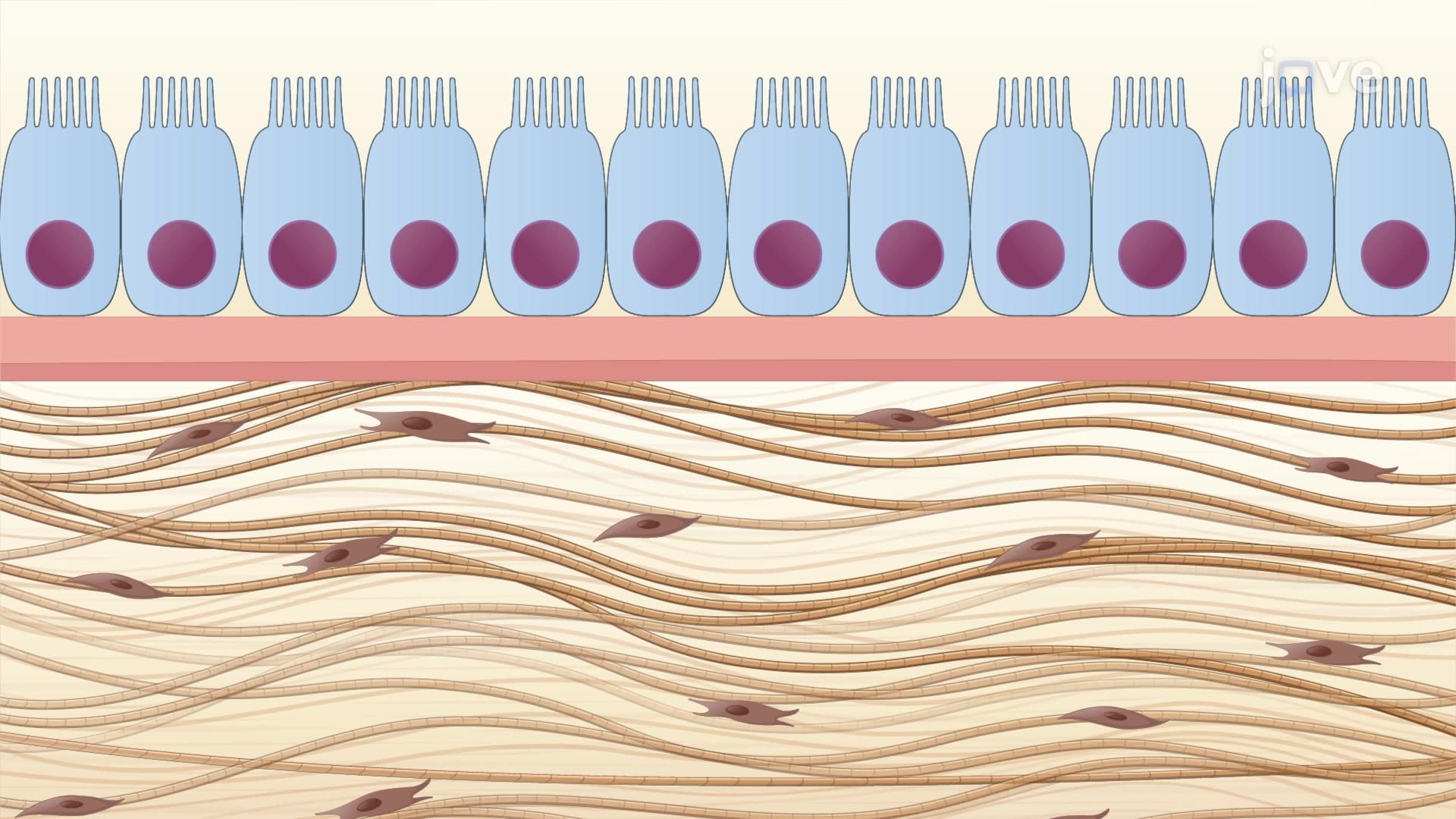
The basement membrane acts as a selective barrier and communication hub between epithelial cells and underlying tissues. In diabetic patients, damage to kidney basement membranes can lead to nephropathy, a condition affecting millions of Americans. Meanwhile, the interstitial matrix fills spaces between cells, creating highways for immune cells during infection response and providing the mechanical support that physical therapists manipulate during tissue rehabilitation.
Clinical and Academic Relevance
Understanding what is the extracellular matrix in connective tissue proves essential for AP Biology students tackling cellular biology units and pre-med students preparing for MCAT passages on tissue organization. Medical students encounter ECM concepts when studying pathology-from atherosclerotic plaques altering arterial ECM to cancer cells breaking down basement membranes during metastasis. The collagen ECM scaffold concept appears frequently in bioengineering applications, where researchers at institutions like MIT and Stanford develop artificial matrices for tissue engineering and wound healing products used in American hospitals.
Frequently Asked Questions
Extracellular matrix (ECM) is the non-living structural network of proteins and carbohydrates that surrounds and supports cells in tissues. It's crucial because it determines tissue properties like bone strength, blood vessel flexibility, and wound healing capacity. ECM dysfunction contributes to conditions like arthritis, cardiovascular disease, and delayed wound healing that affect millions of Americans annually.
ECM frequently appears in MCAT Biological Sciences passages testing tissue organization and cellular biology concepts. AP Biology students encounter ECM in Unit 2 (Cell Structure) and Unit 5 (Heredity) when studying cell adhesion and tissue development. Focus on understanding how collagen, elastin, and proteoglycans create tissue-specific properties rather than memorizing individual protein structures.
Emphasize the functional differences between basement membrane and interstitial matrix, plus how ECM composition determines tissue properties in bone, cartilage, and blood vessels. Many college midterms test ECM's role in cell migration, tissue repair, and how diseases like diabetes affect ECM structure. Practice connecting ECM structure to physiological function rather than isolated memorization.
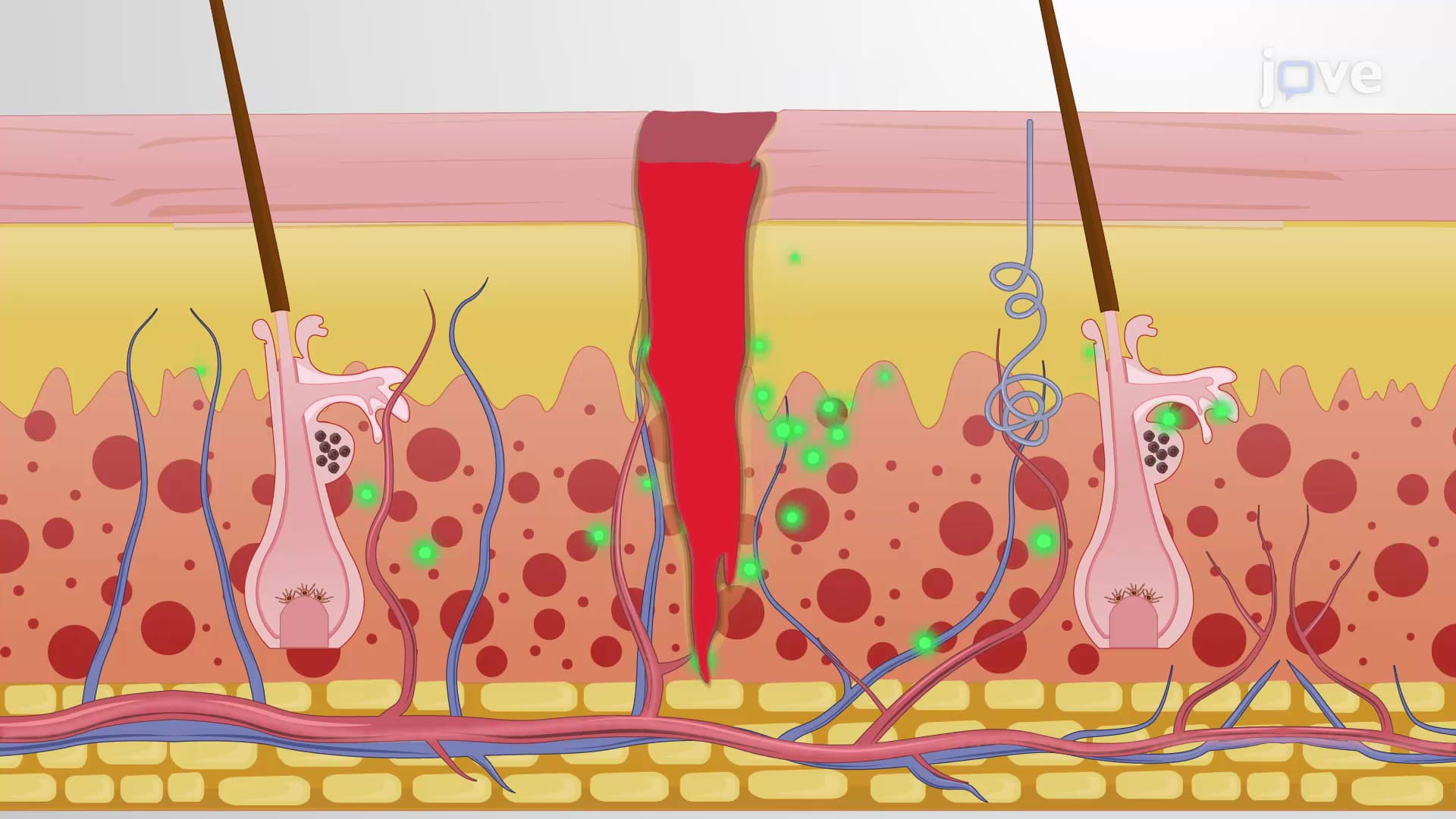
ECM knowledge directly applies to treating conditions like diabetic ulcers, where damaged ECM impairs wound healing, or designing joint replacement surgeries where artificial materials must integrate with natural ECM. Physical therapists use ECM principles when treating connective tissue injuries, while biomedical engineers develop ECM-based products for burn treatment and organ transplantation used in American hospitals.
Not at all-ECM builds on basic cell biology concepts you already know. Start with the simple idea that cells need structural support, then connect ECM to familiar examples like flexible blood vessels and rigid bones. The key is understanding ECM as a functional system rather than memorizing individual molecular details.
Create concept maps linking ECM components to tissue examples-connect collagen to bone strength, elastic fibers to artery flexibility, and proteoglycans to cartilage cushioning. Practice explaining how ECM damage causes specific diseases, and use active recall by sketching ECM organization from memory rather than just re-reading notes.
Explore cell adhesion molecules and integrin signaling pathways that connect cells to ECM, then advance to tissue engineering and regenerative medicine applications. Understanding ECM provides the foundation for studying wound healing, cancer metastasis, and developmental biology-all important topics for advanced biology courses and health science programs.
Related Micro-courses

18 Concepts

19 Concepts

11 Concepts