Loading subject page…

- Anatomy and Physiology
- The Reproductive System
- Birth Control Methods
Micro-course: The Reproductive System
140,996 views
Learn key concepts and earn your certificate.
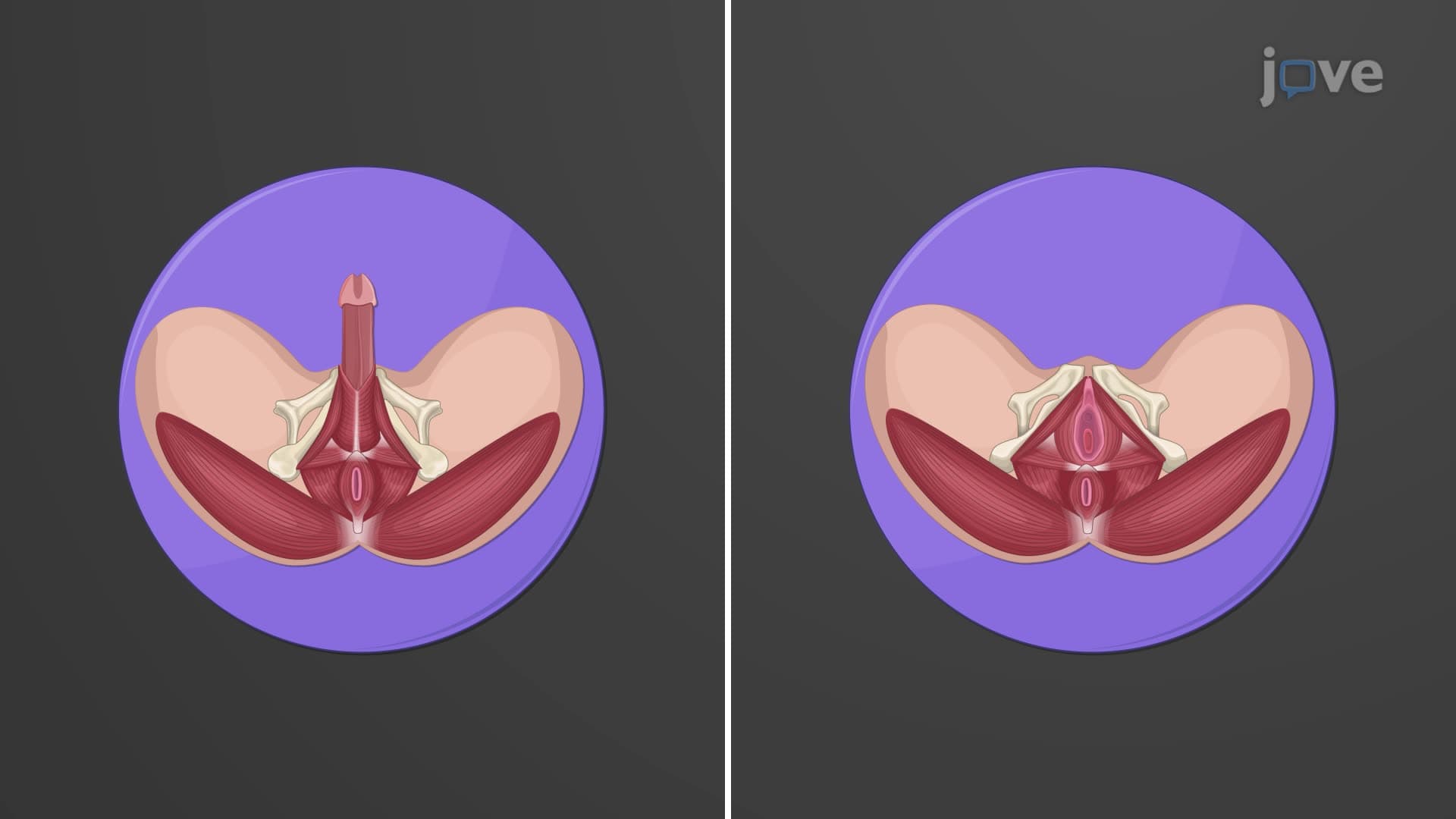

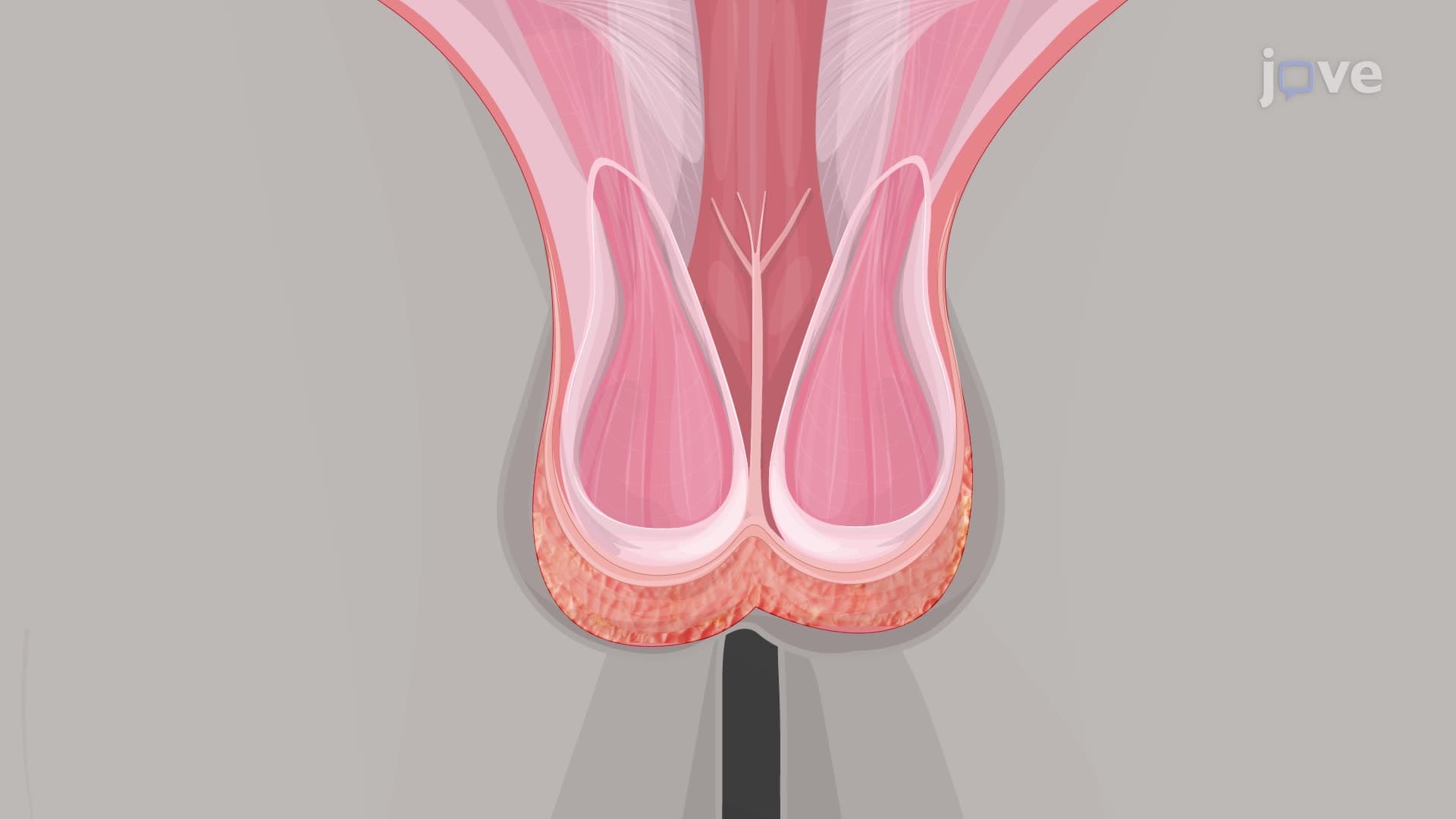
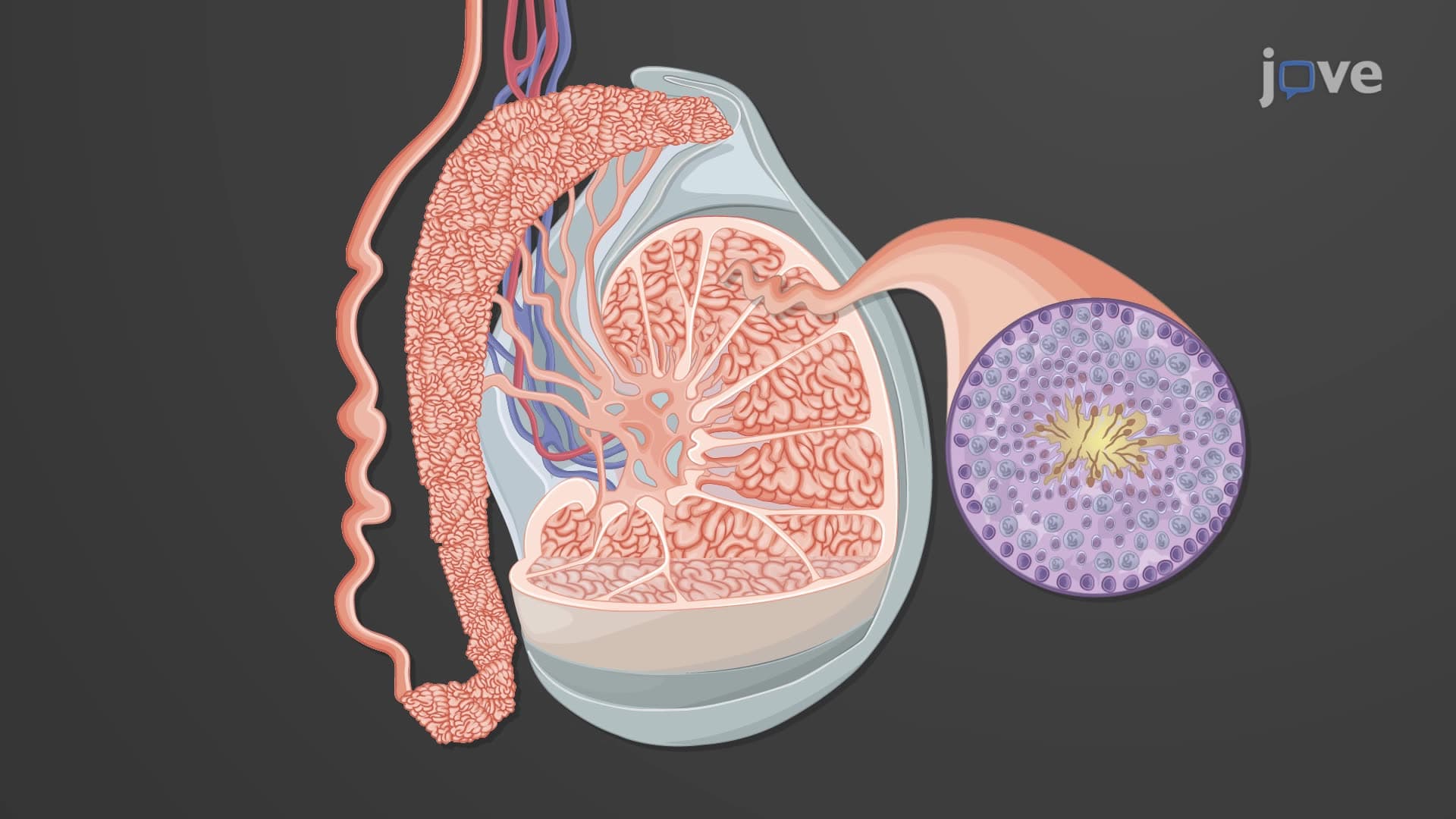
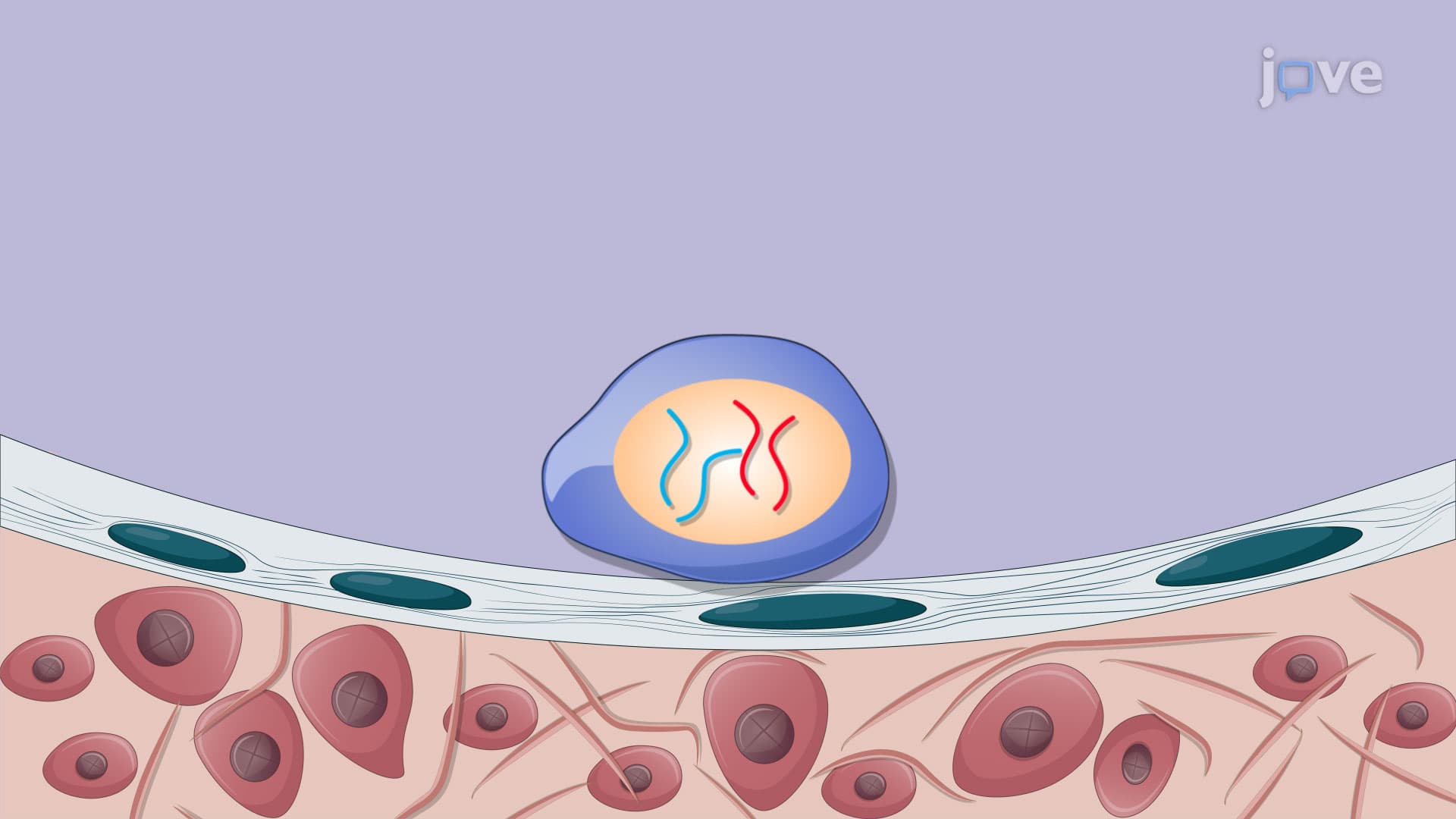
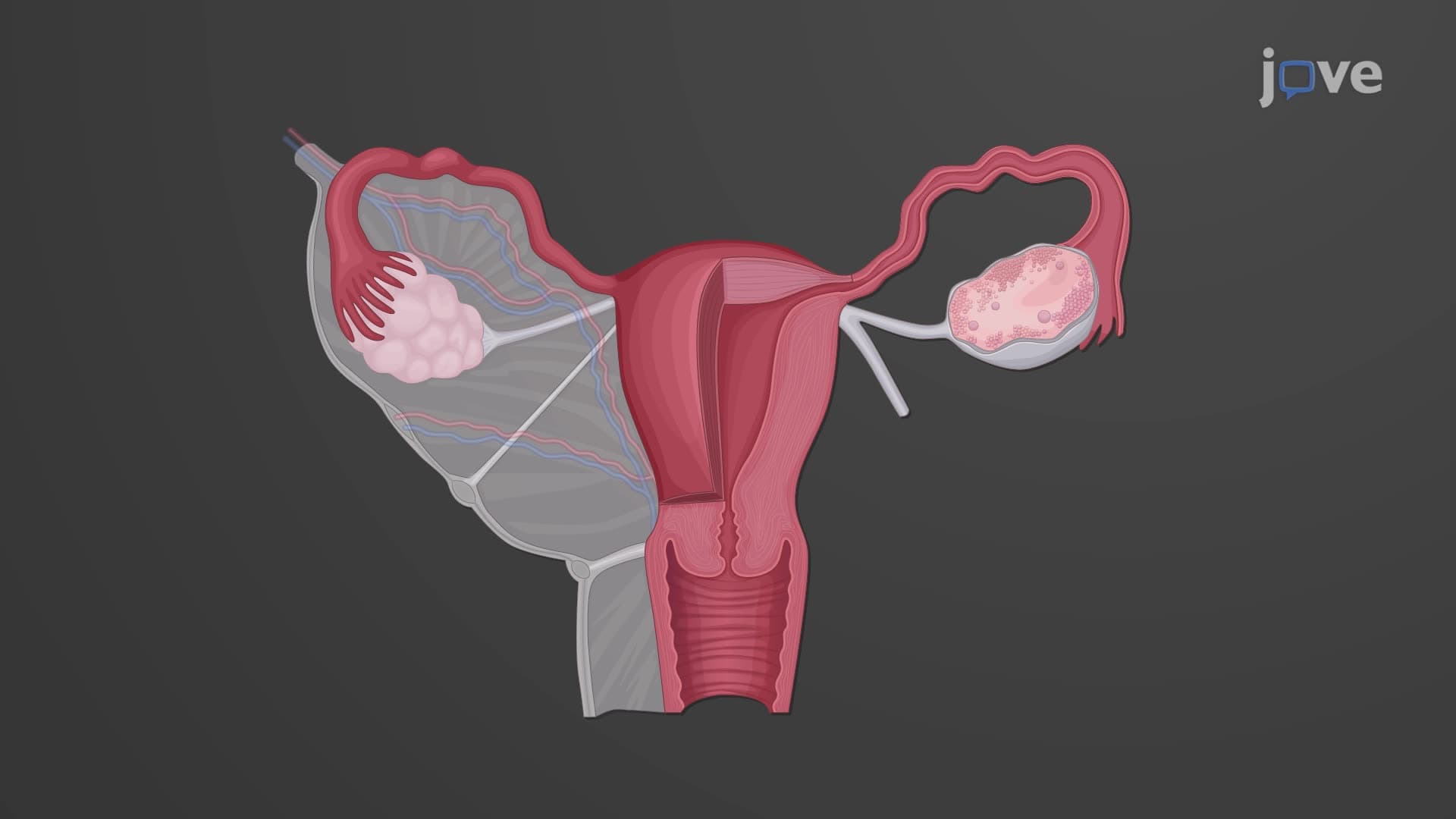
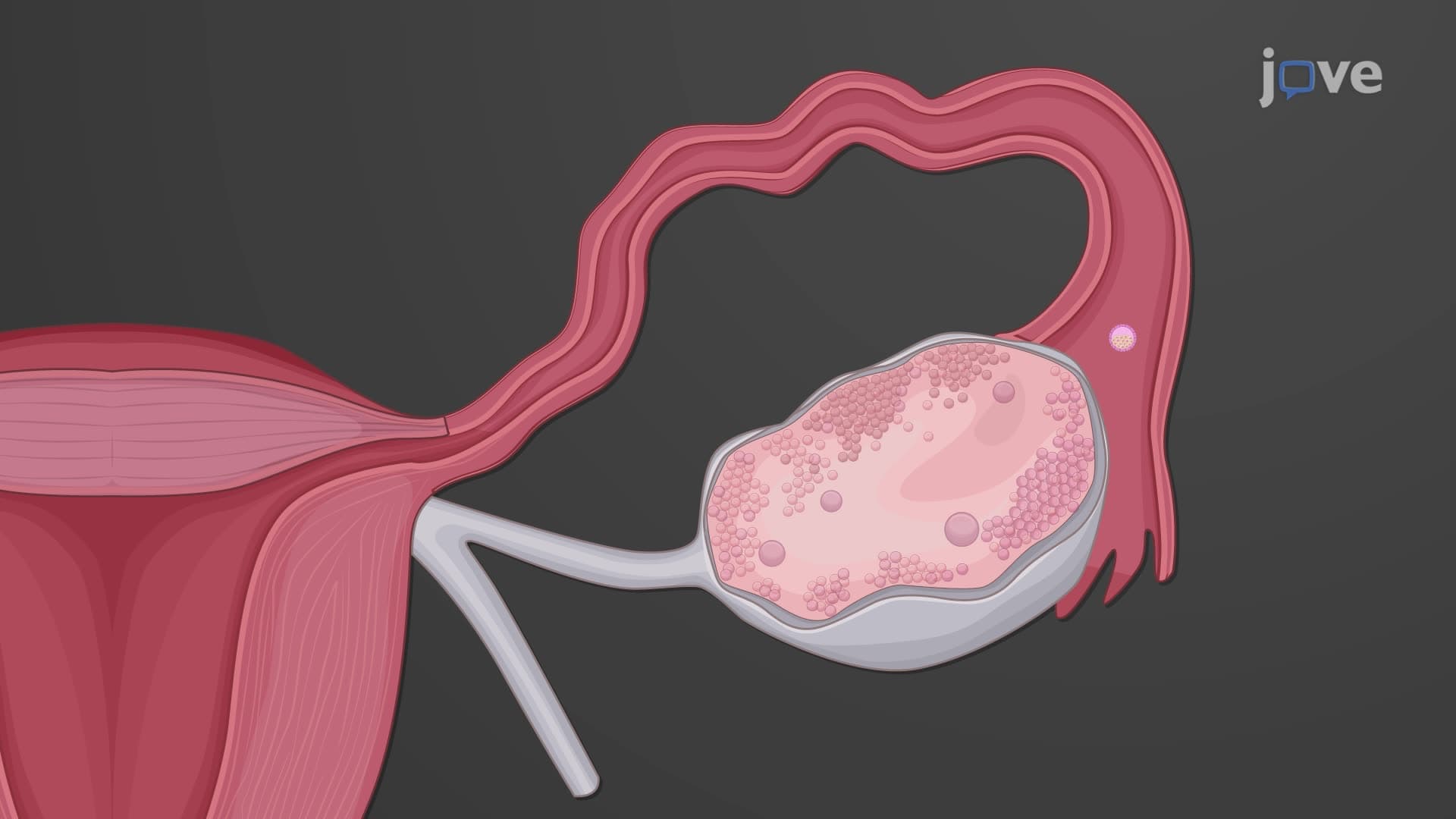

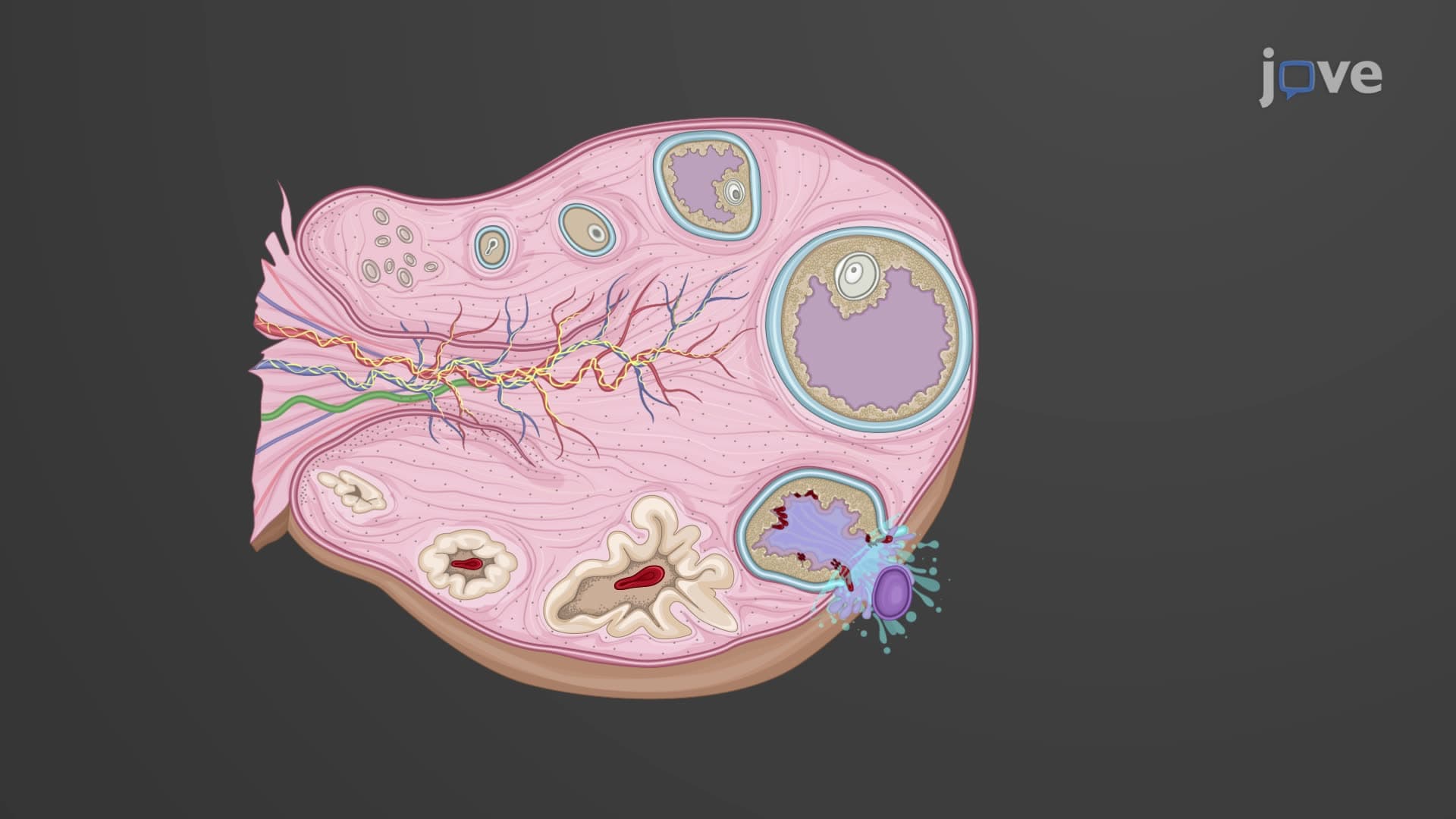
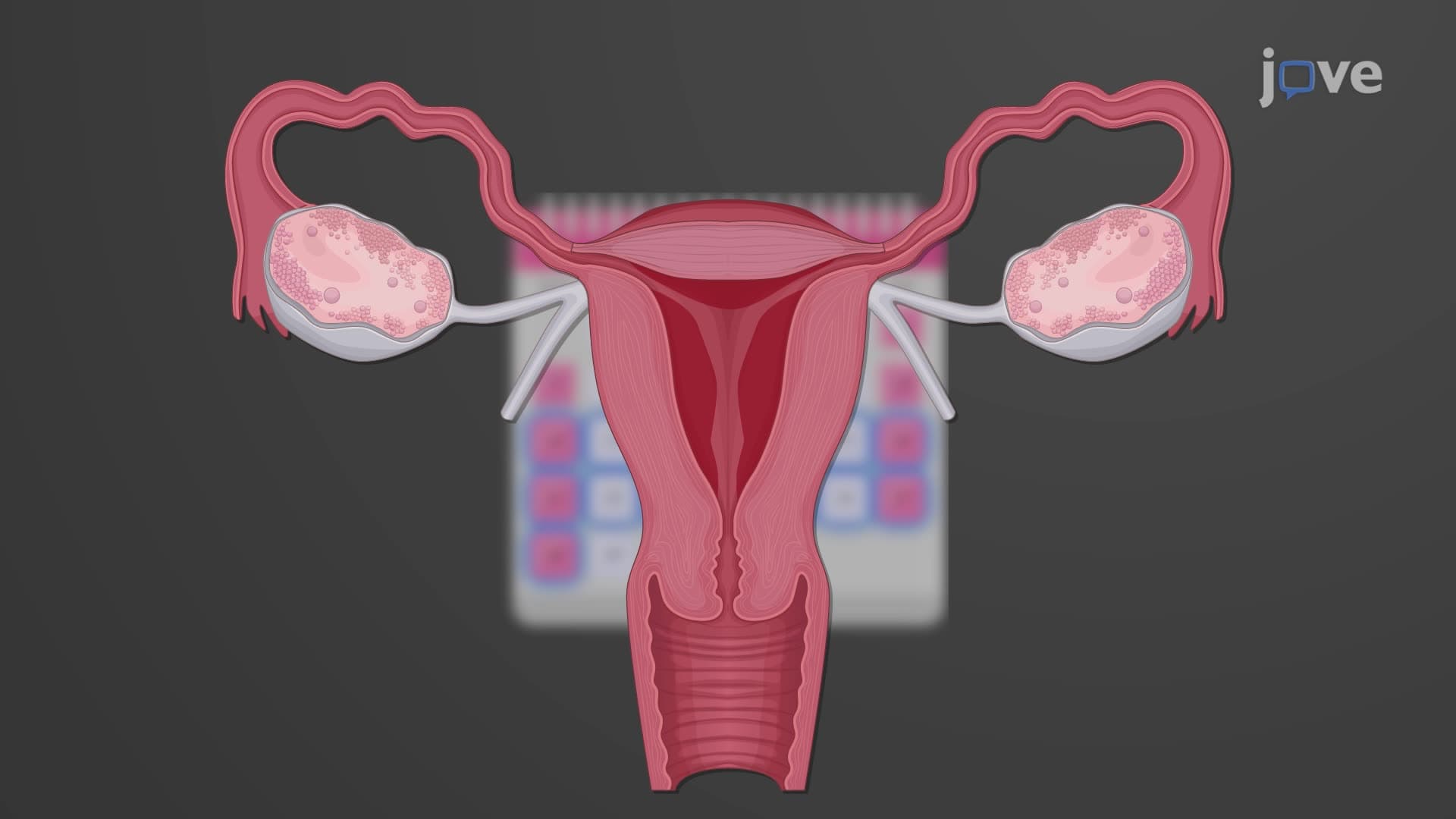
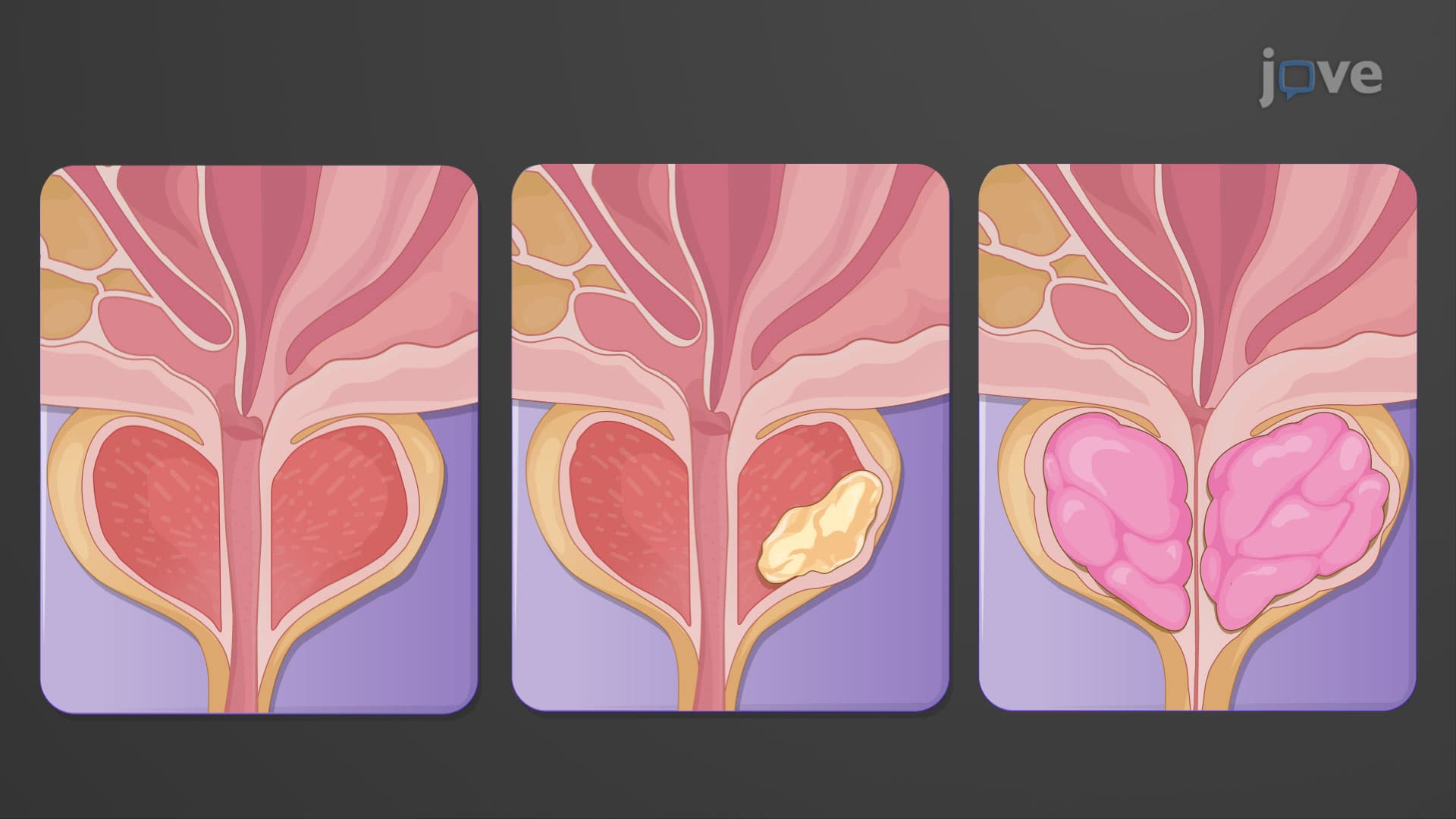
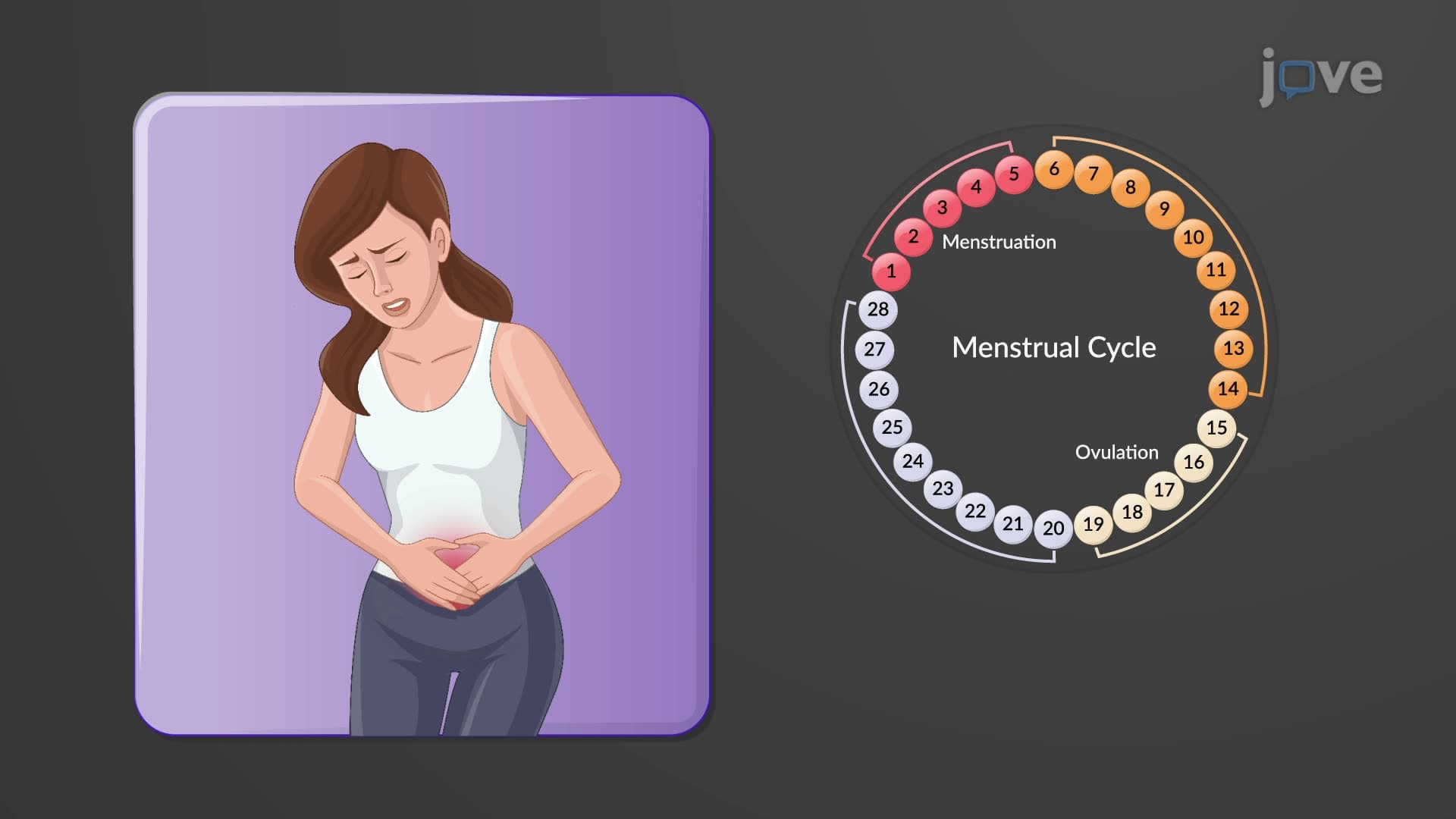
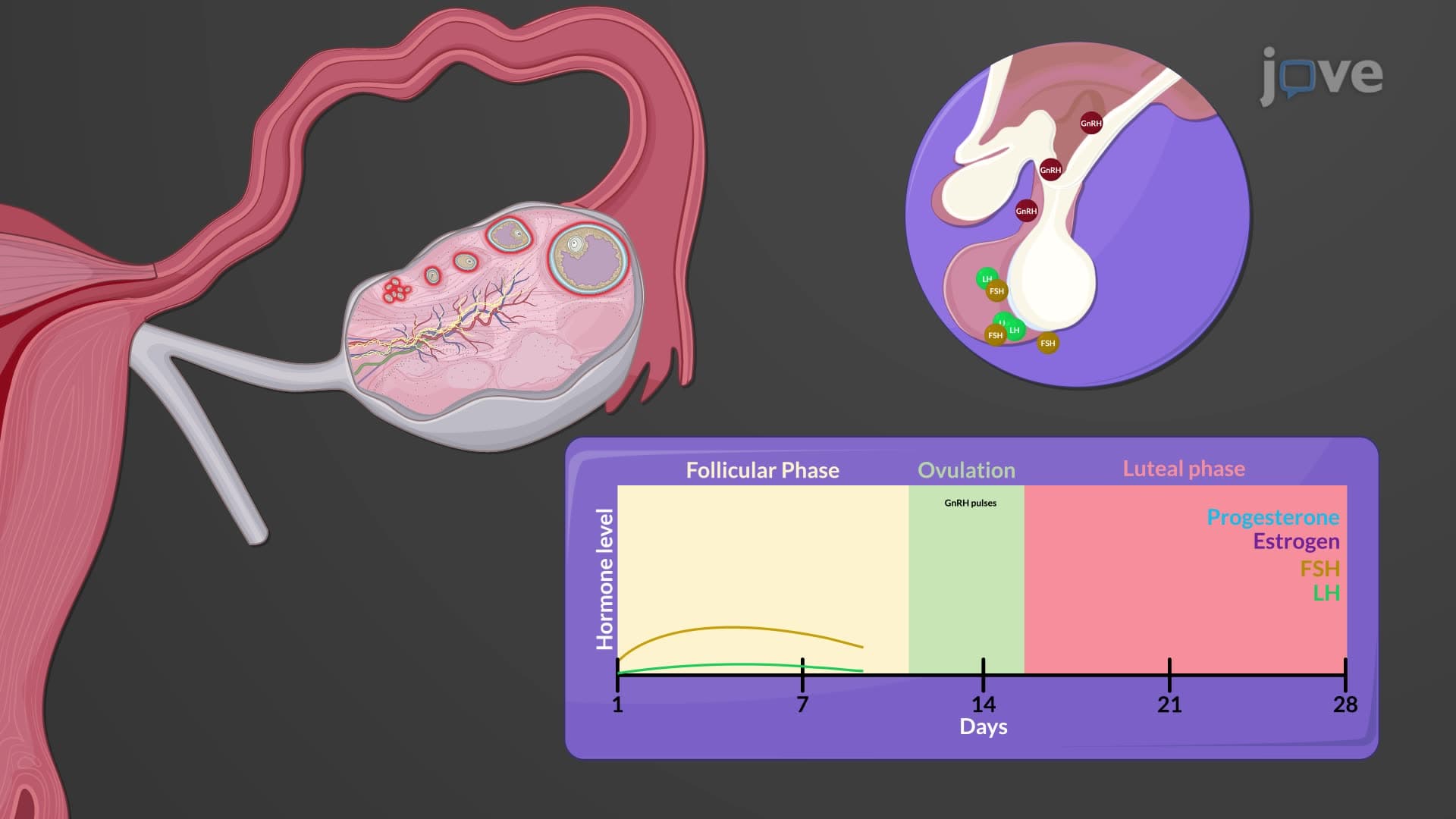
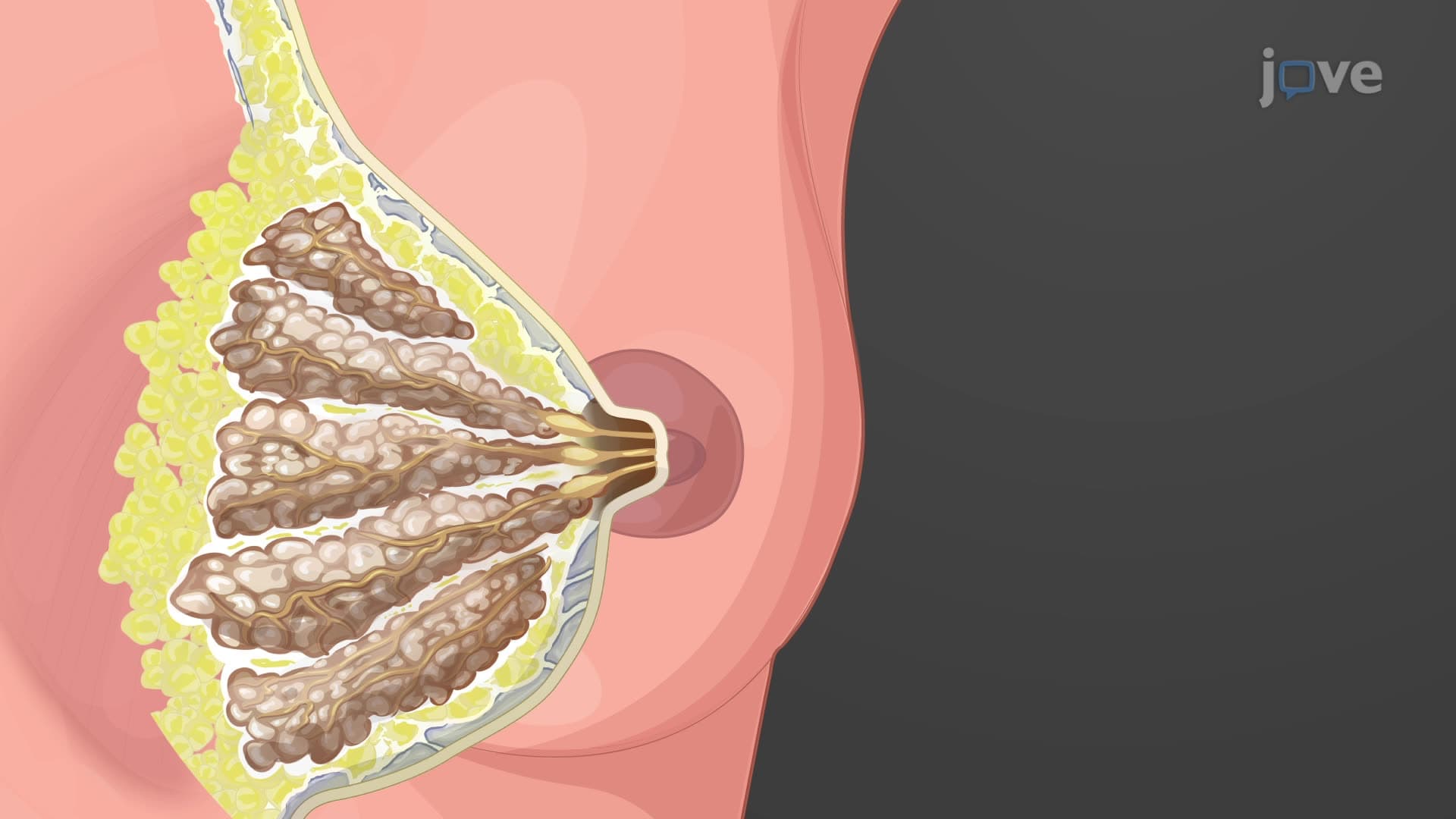
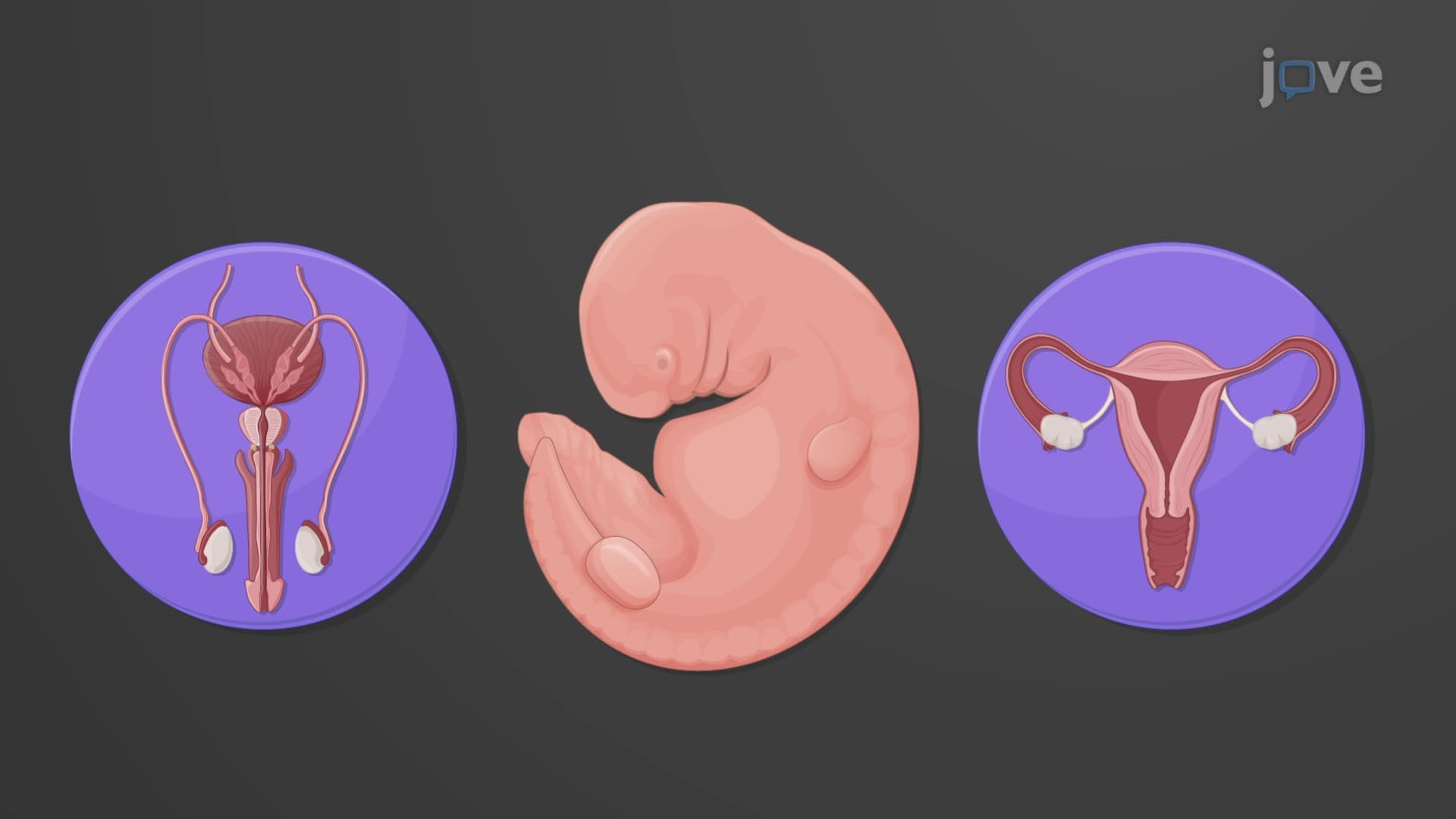
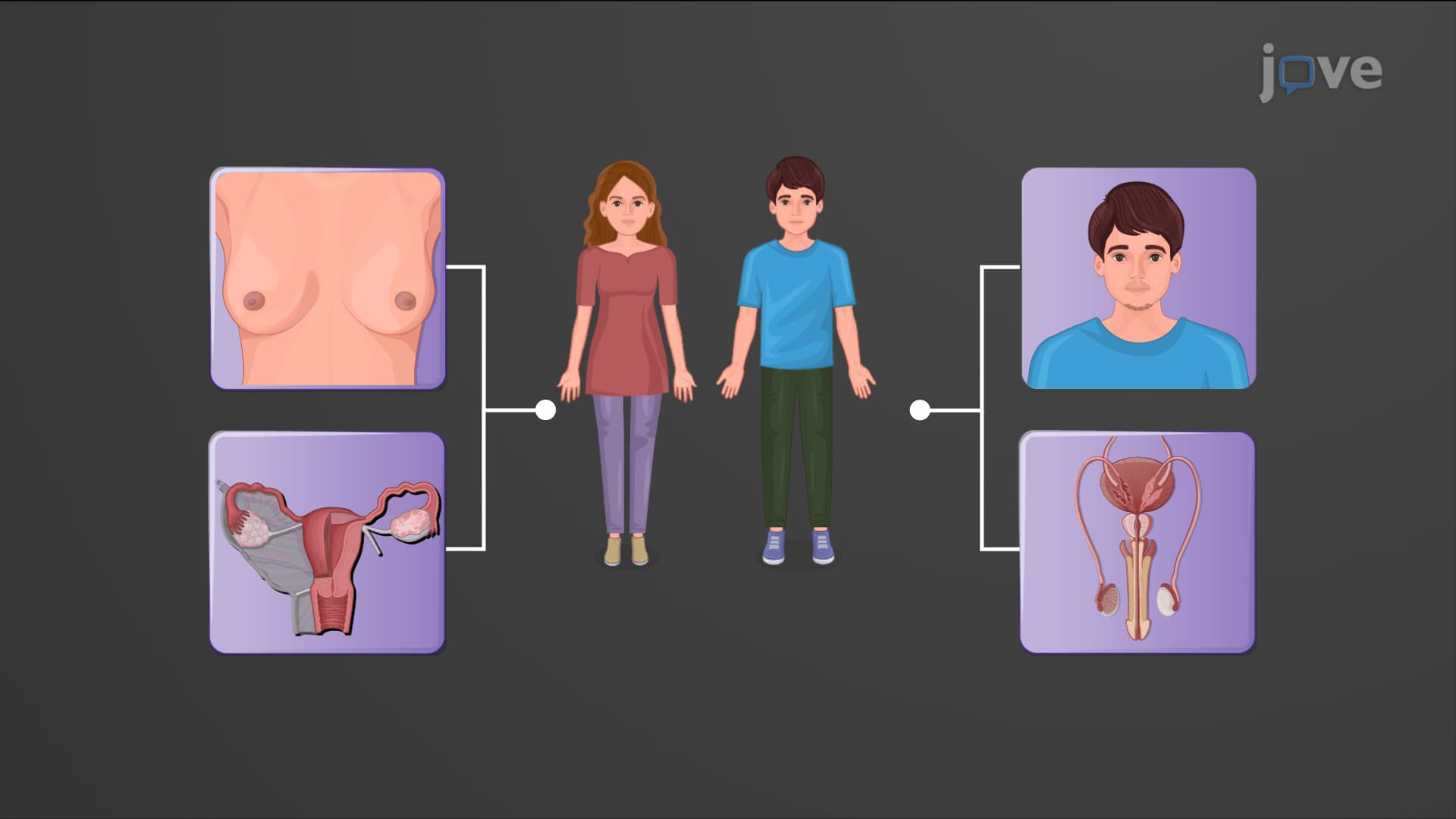
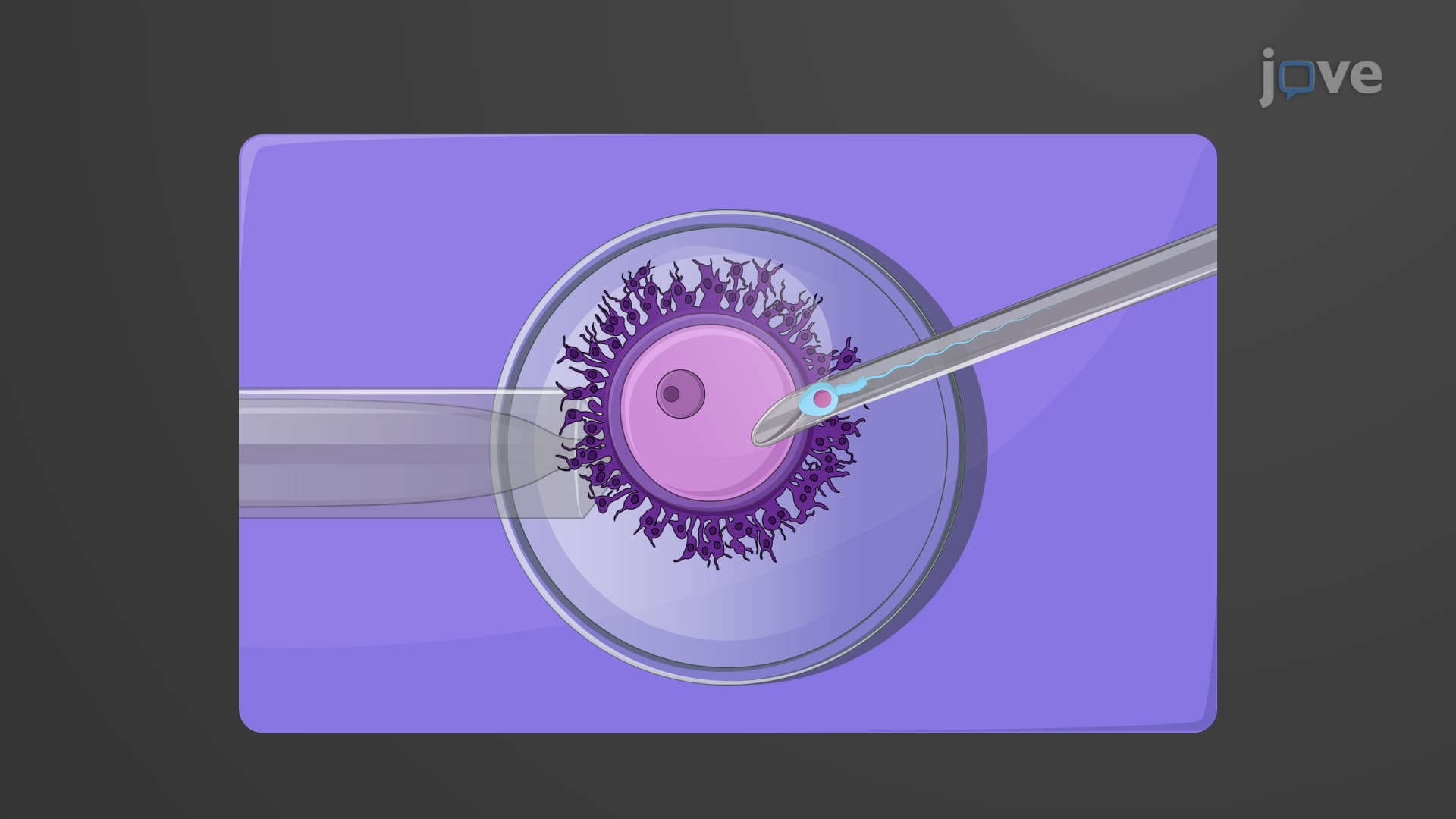

Birth Control Methods

00:00
01:22
Video Summary: What are Birth Control Methods
Did you know that over 65% of American women of reproductive age currently use some form of contraception? Understanding birth control methods biology is crucial for making informed health decisions and excelling in life sciences coursework. From the permanent sterilization procedures offered at clinics like Planned Parenthood to temporary barrier methods available at any US pharmacy, what are birth control methods encompasses a diverse range of biological and mechanical approaches to preventing pregnancy. Watch the full video on JoVE Coach to master this concept with expert-led visuals and step-by-step explanations.
- Understand what are birth control methods by categorizing the three primary approaches: surgical, hormonal, and barrier contraception
- Identify the biological mechanisms behind permanent sterilization procedures like vasectomy and tubal ligation
- Analyze how hormonal contraception disrupts normal reproductive physiology through estrogen and progestin manipulation
- Compare the effectiveness rates and mechanisms of different barrier methods including condoms, diaphragms, and cervical caps
- Evaluate the advantages and limitations of long-term contraceptive devices like copper and hormonal IUDs
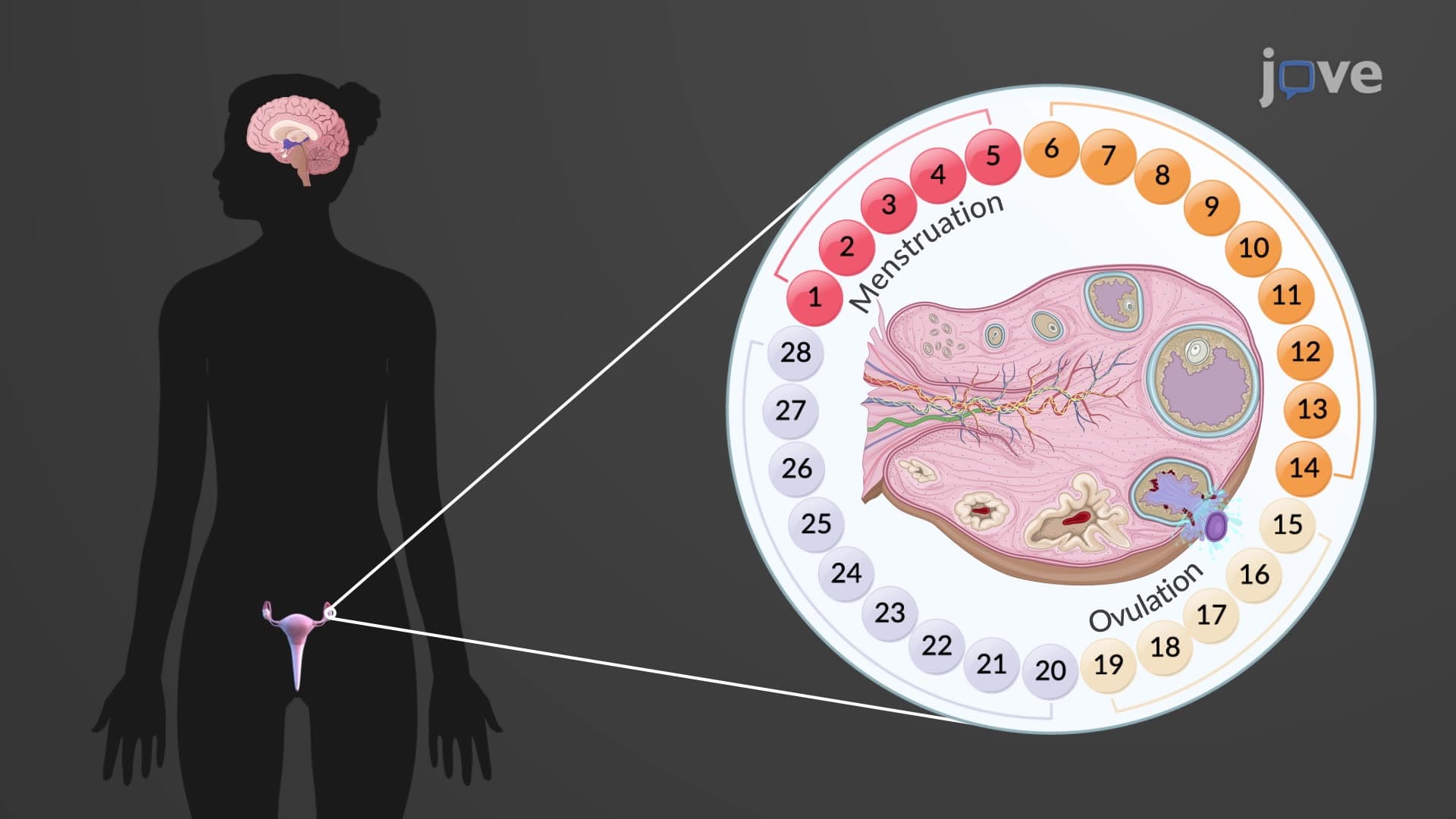
- Apply knowledge of fertility tracking methods to understand natural family planning approaches
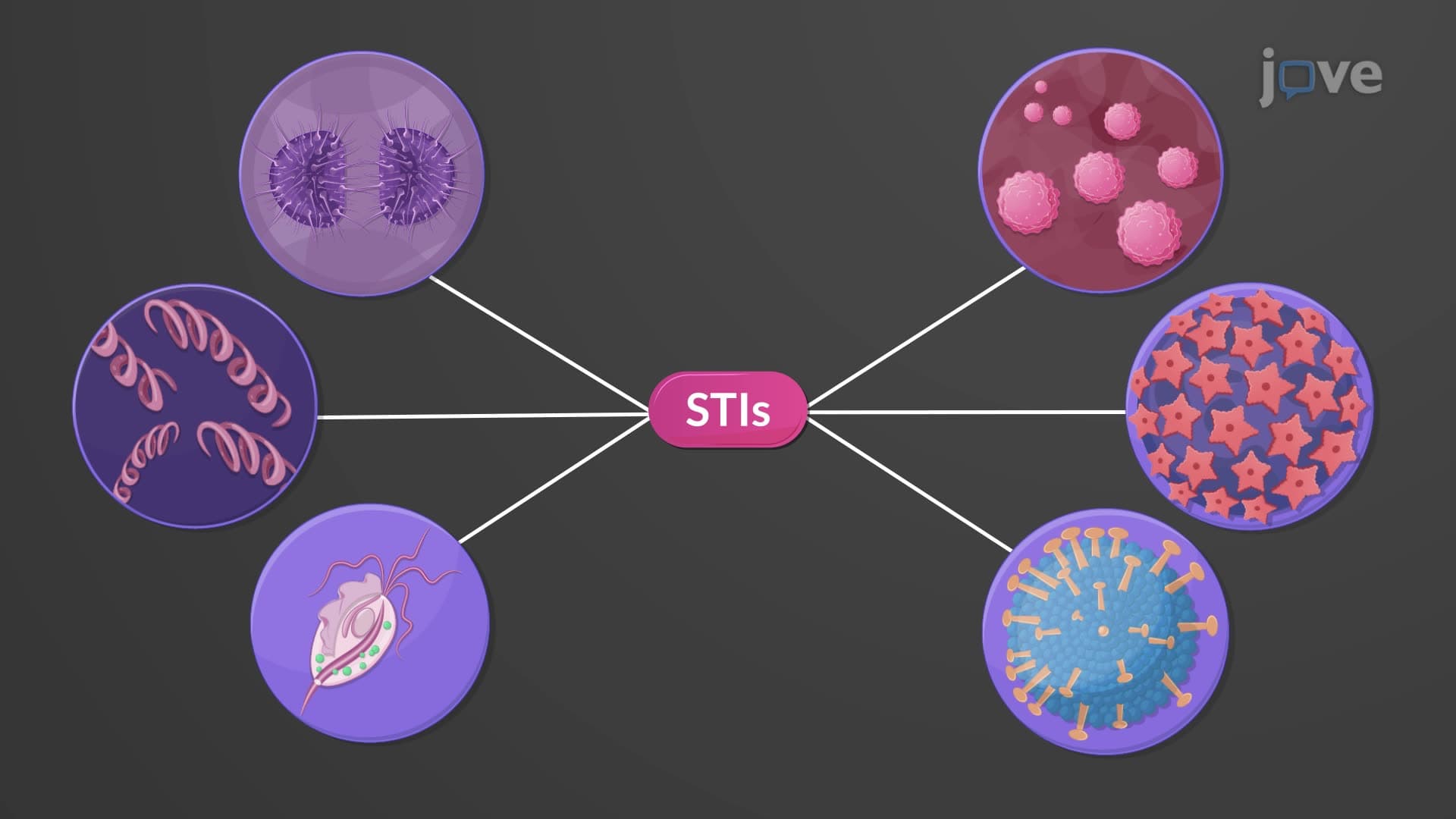
- Recognize how different contraceptive methods provide varying levels of STD protection
- Explore the relationship between contraceptive choice and individual health considerations
Understanding What are Birth Control Methods: A Biological Classification
Birth control methods biology encompasses the scientific study of how different contraceptive approaches prevent fertilization or implantation. These methods fall into distinct biological categories, each working through specific physiological mechanisms to interrupt the normal reproductive process.
Permanent Surgical Contraception: Altering Reproductive Anatomy
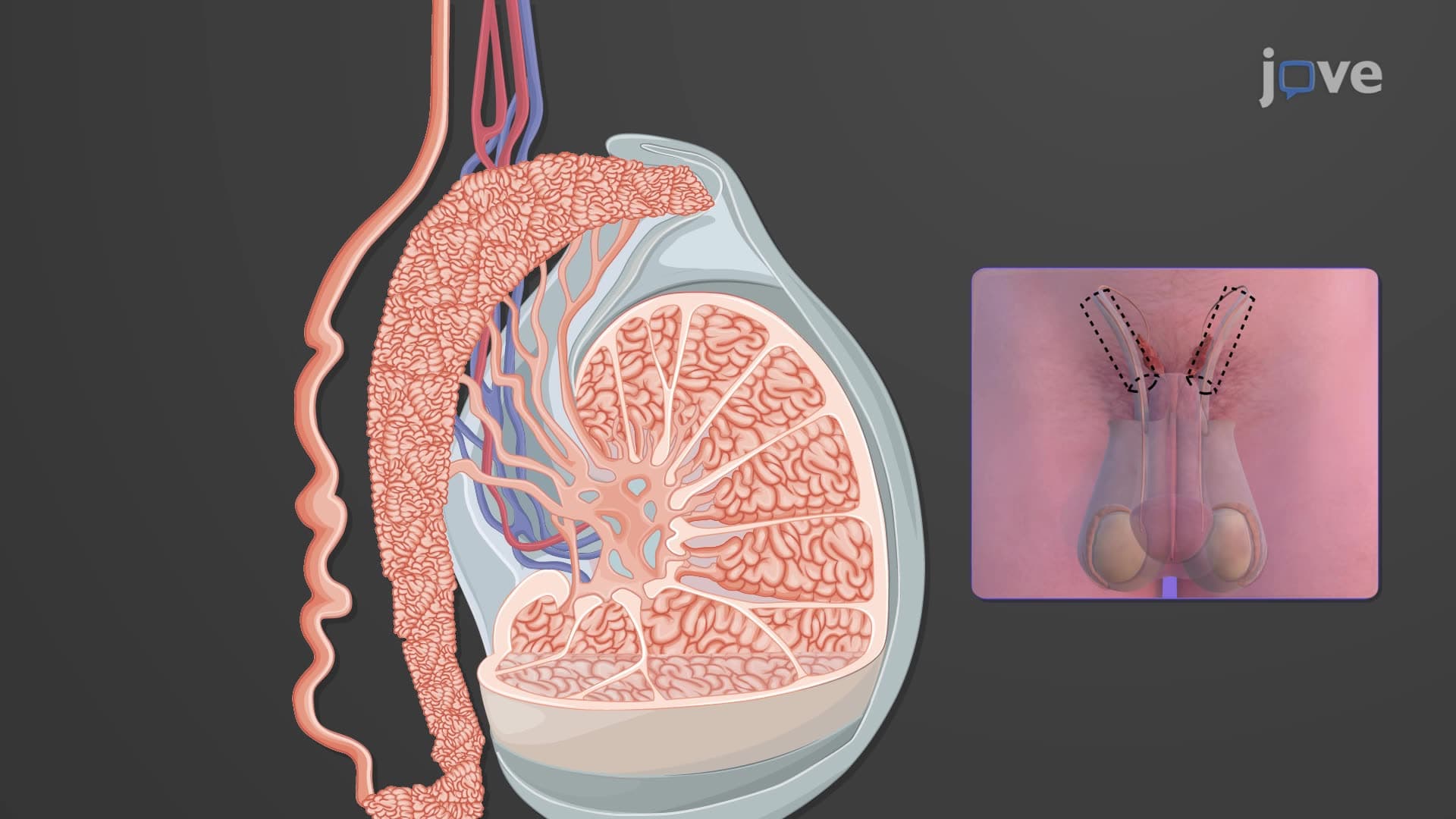
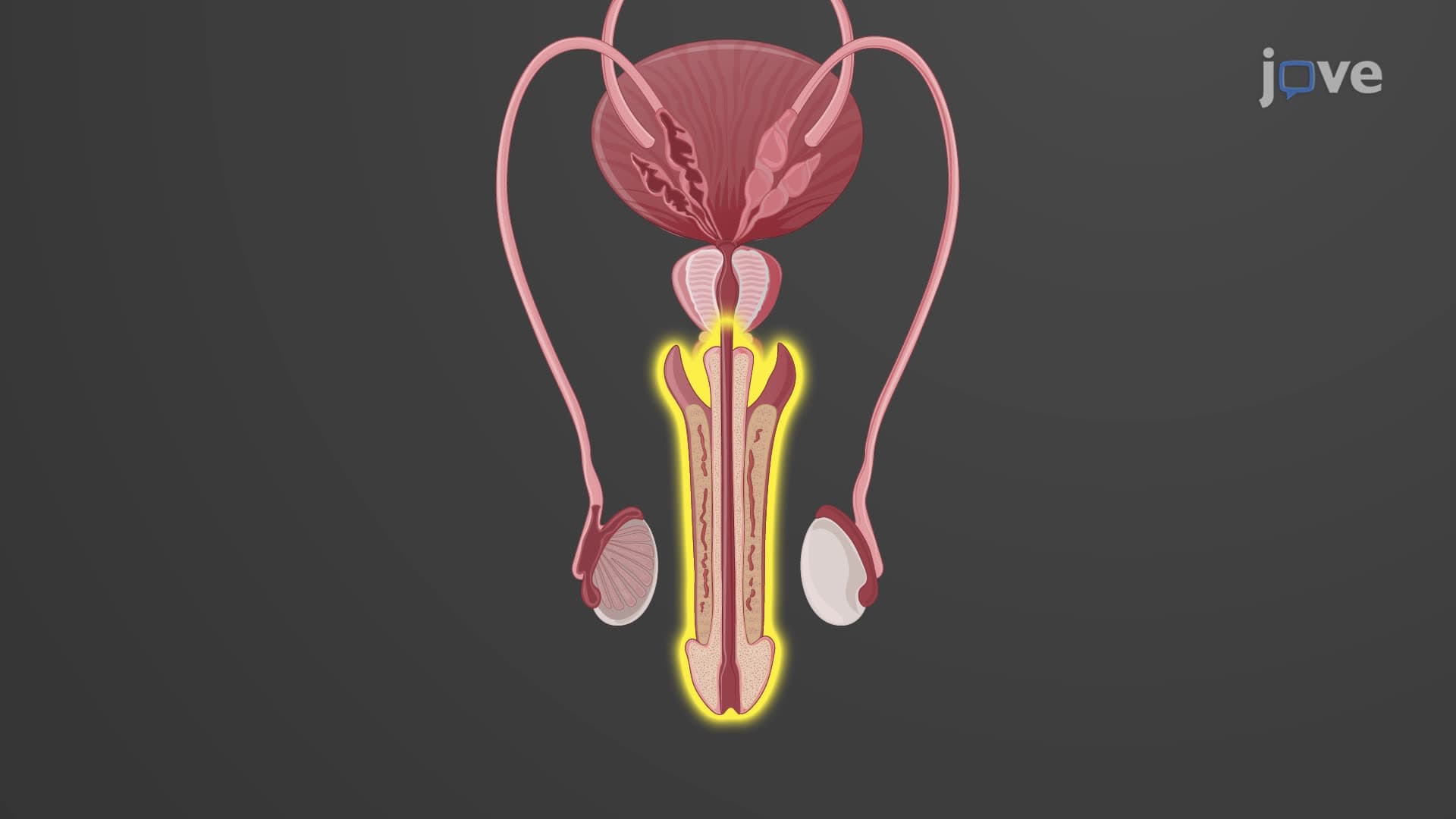
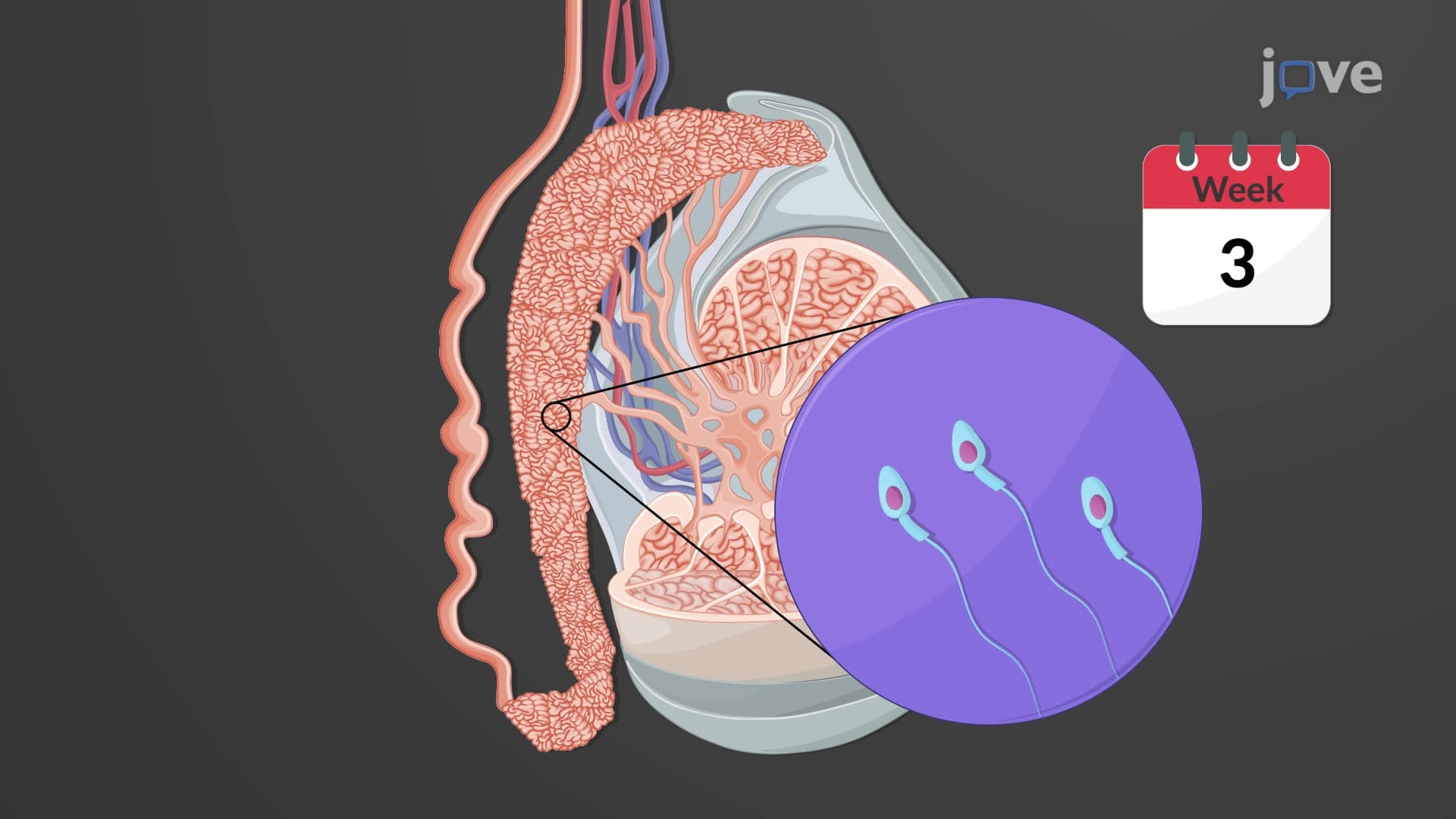
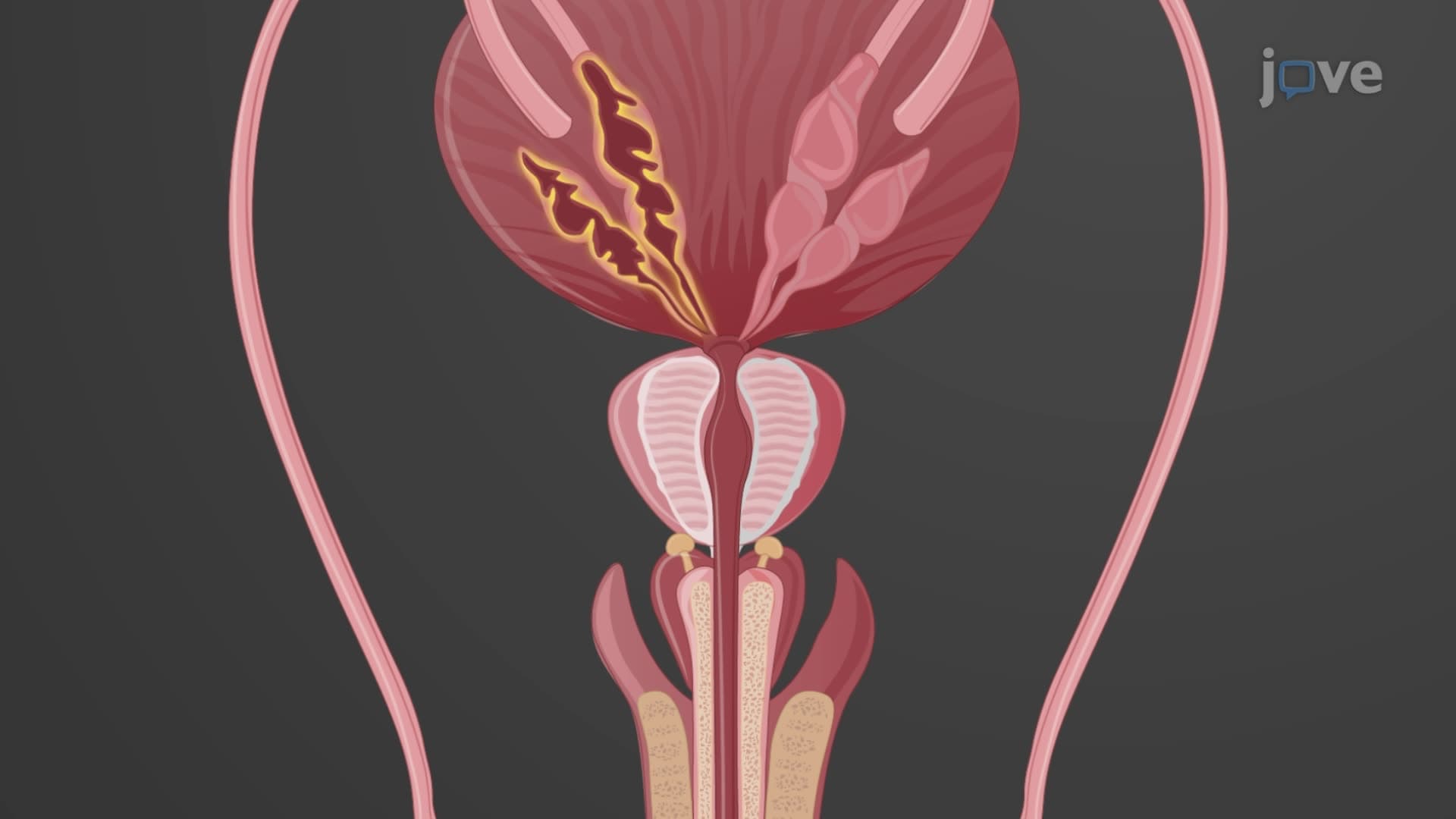
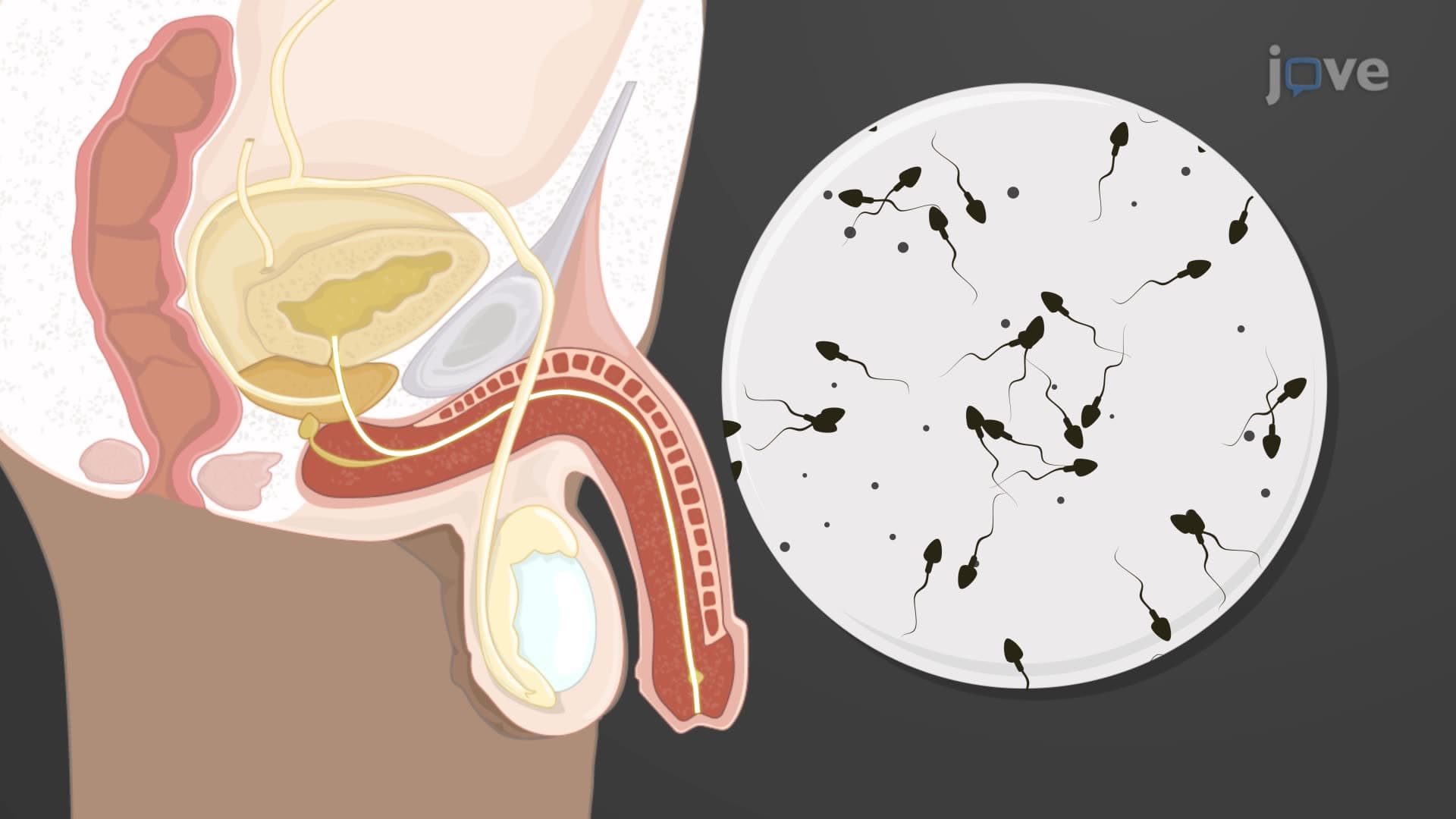
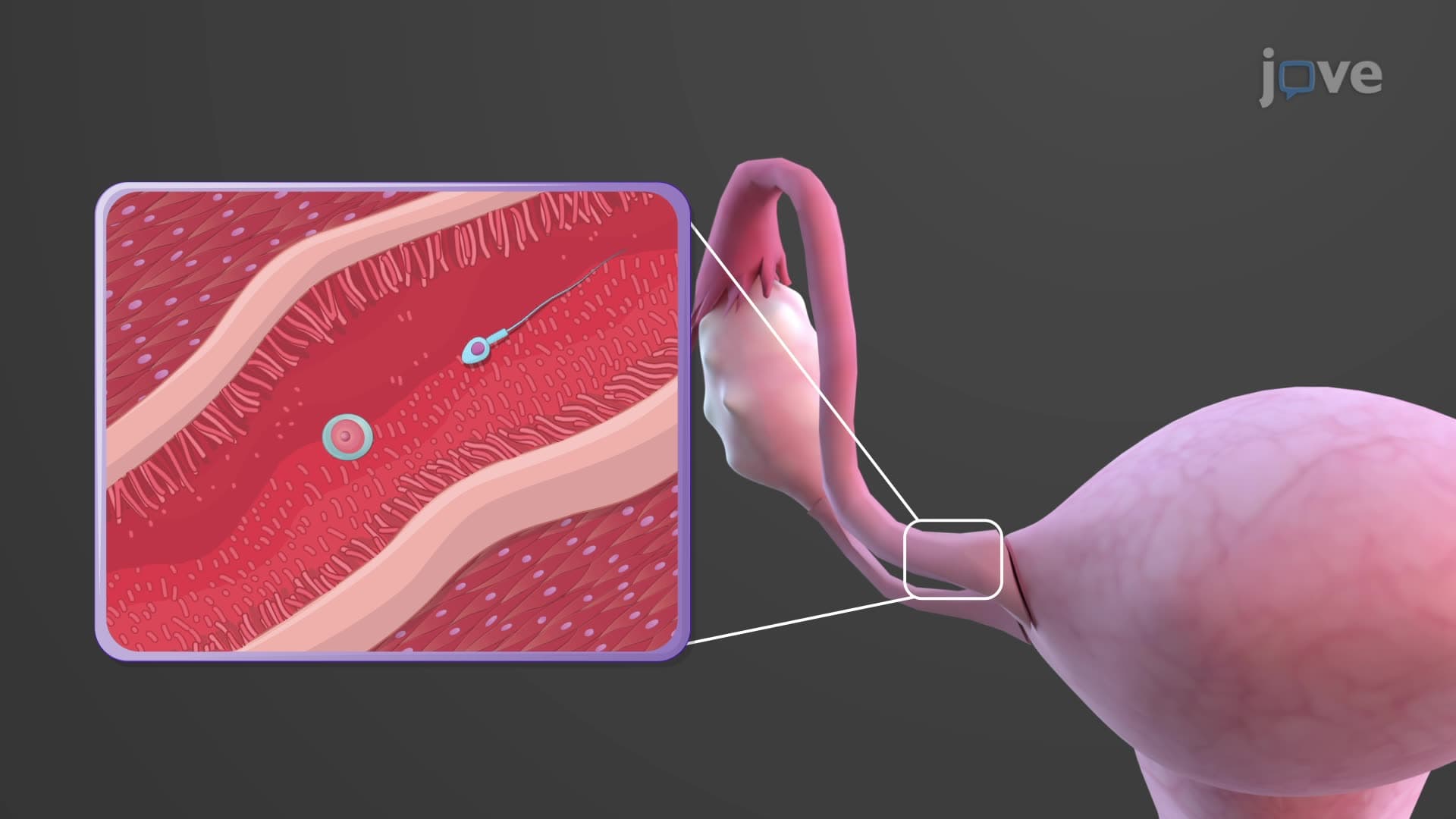
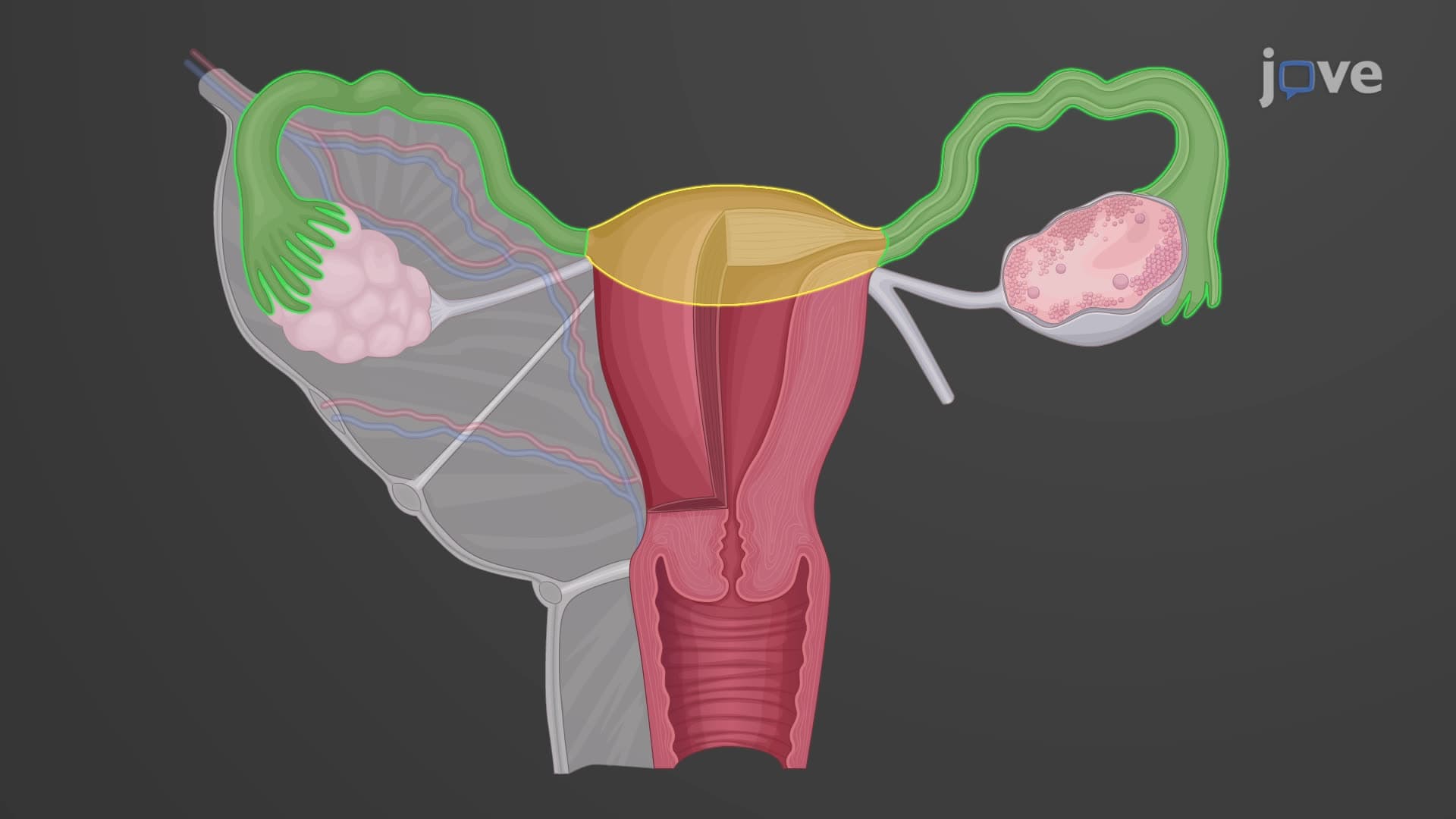
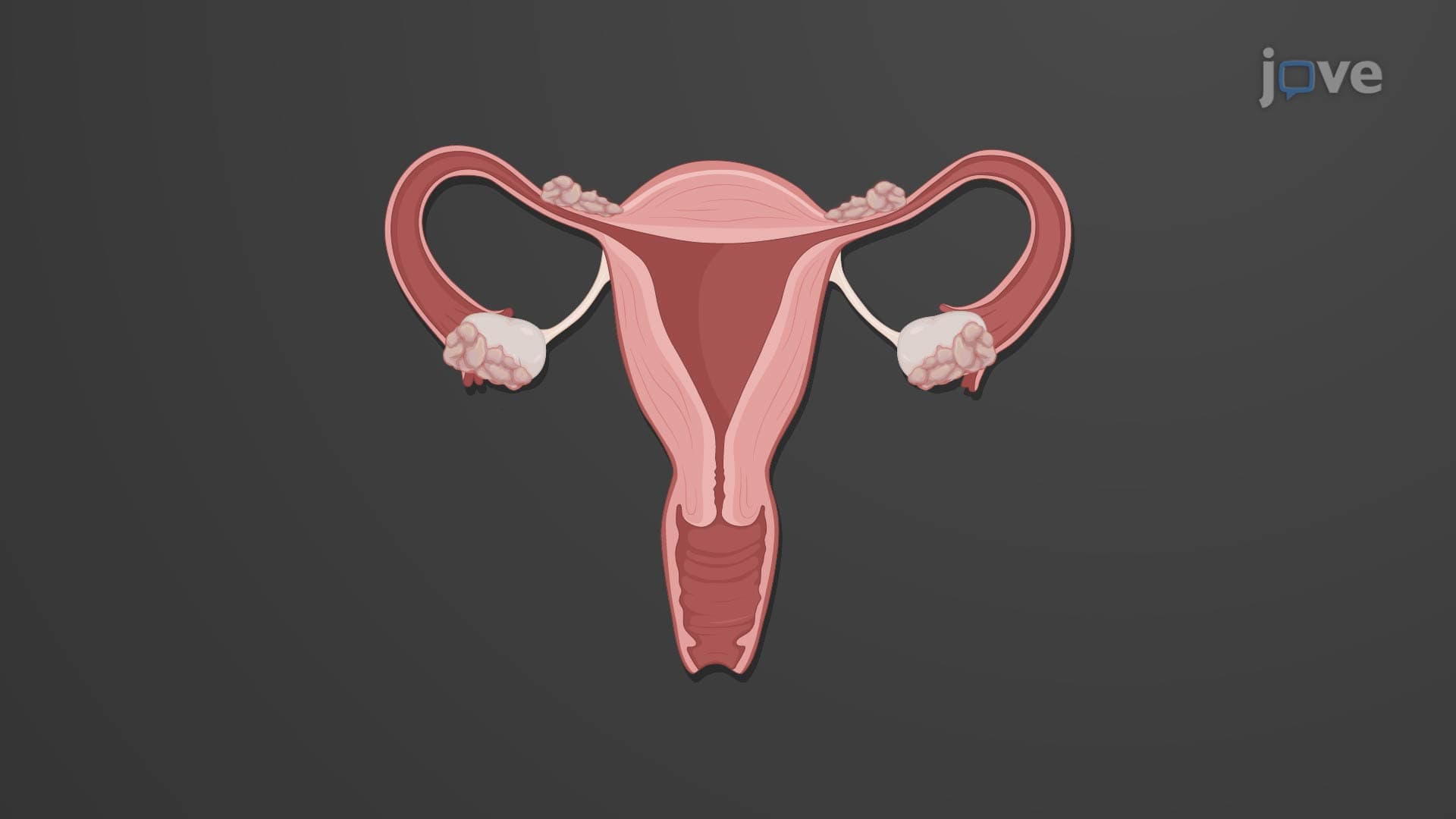
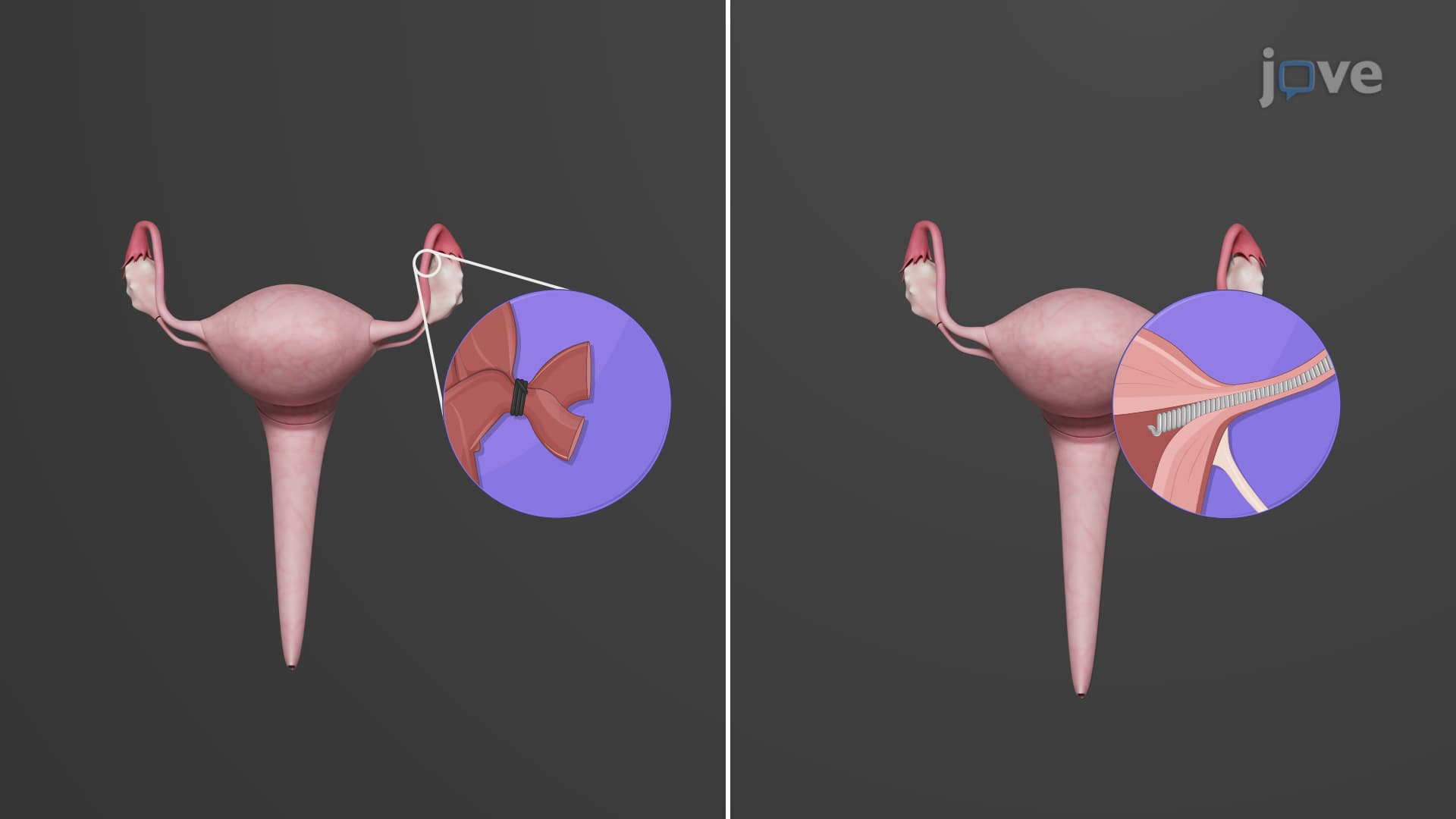
Surgical sterilization represents the most definitive form of contraception methods explained. Vasectomy, performed on over 500,000 American men annually, involves severing the vas deferens-the tubes that transport sperm from the testes. This outpatient procedure, commonly performed at urology clinics across the US, maintains normal hormone production while preventing sperm from reaching the ejaculate. Female sterilization through tubal ligation affects approximately 700,000 American women yearly, with procedures ranging from fallopian tube clipping to complete removal (salpingectomy), now preferred by many gynecologists for its additional ovarian cancer prevention benefits.
Hormonal Contraception: Biochemical Reproductive Control
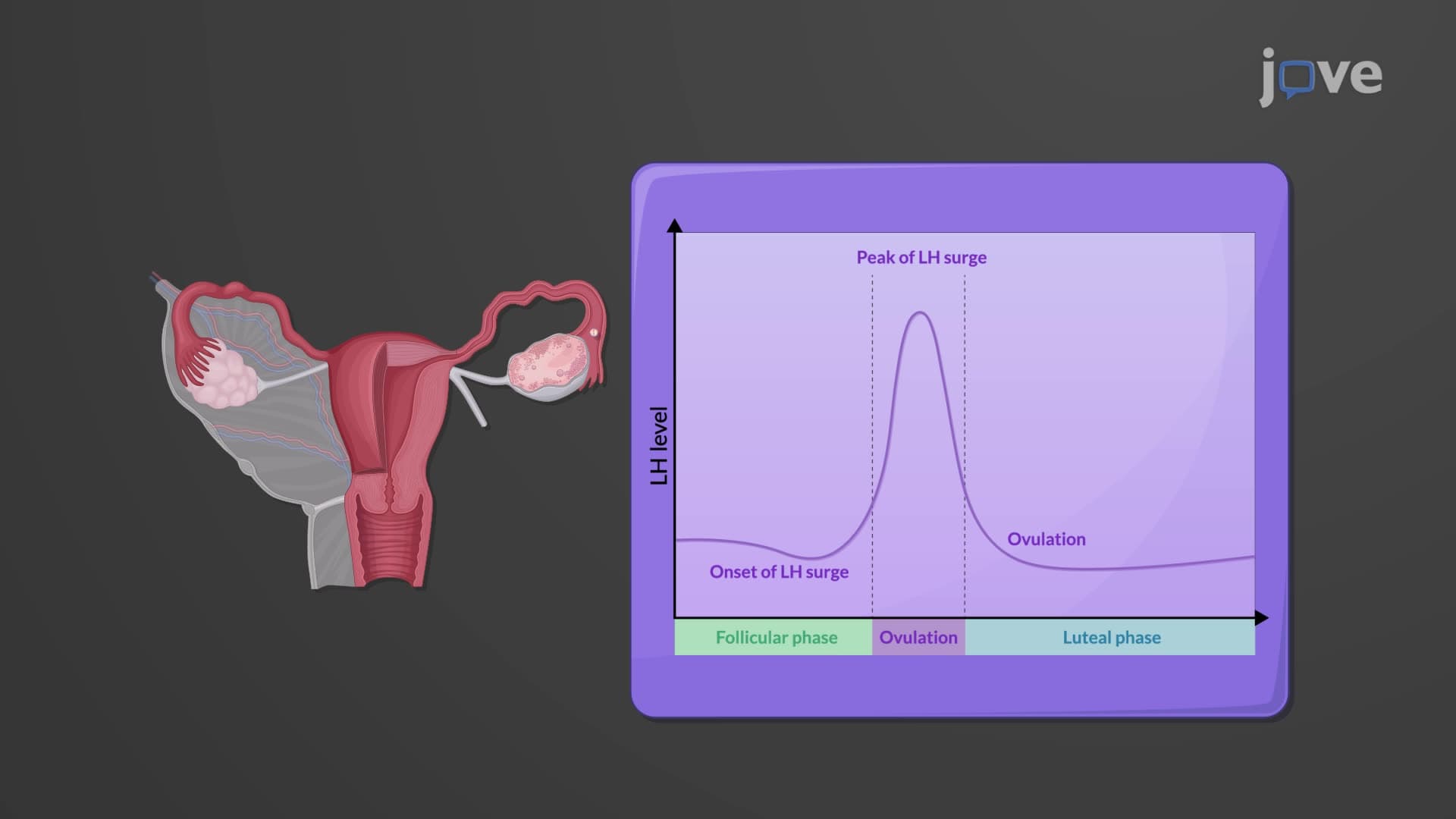
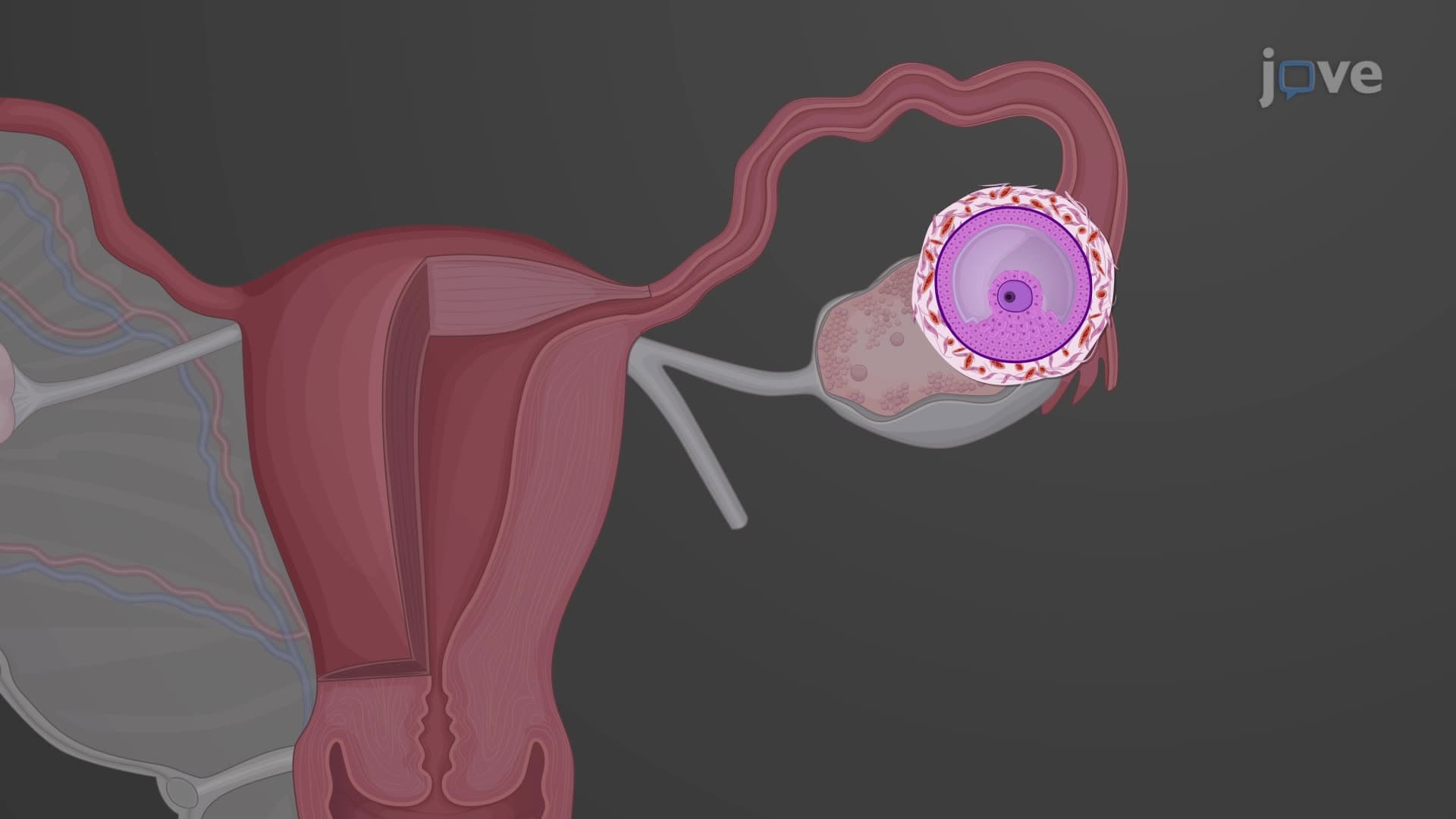
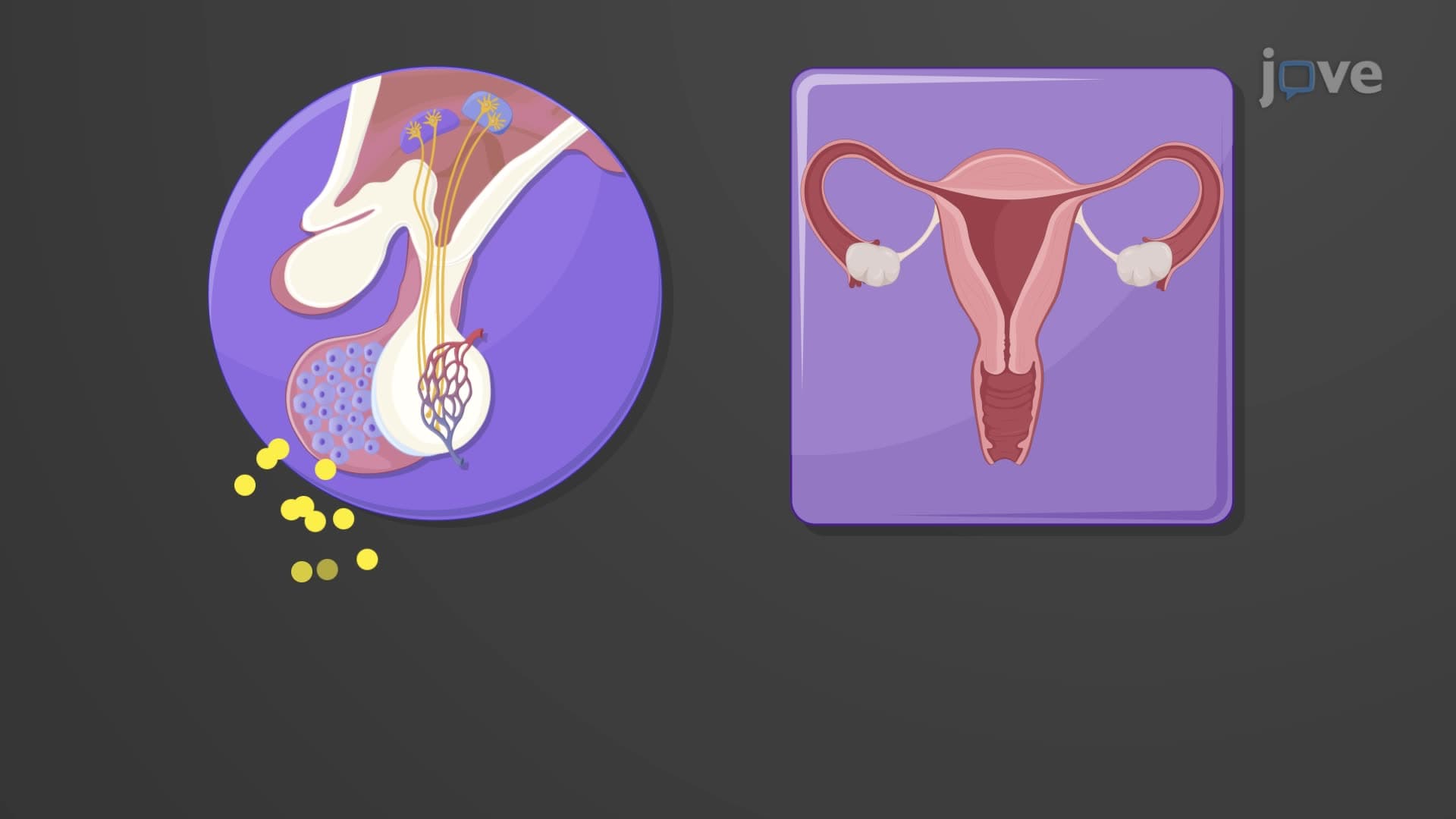
The hormonal contraception pill and related methods work by manipulating the hypothalamic-pituitary-ovarian axis. Combined oral contraceptives, used by over 12% of American women, contain synthetic estrogen and progestin that suppress gonadotropin-releasing hormone (GnRH), preventing ovulation. This concept frequently appears on AP Biology exams and MCAT reproductive system questions. Progestin-only methods, including the popular Nexplanon arm implant used by over 1.4 million Americans, primarily work by thickening cervical mucus and altering endometrial receptivity.
Barrier and Device-Based Methods: Physical Pregnancy Prevention
Barrier contraception methods create physical or chemical obstacles to fertilization. The IUD intrauterine device represents highly effective long-term contraception, with the copper Paragard creating a spermicidal environment and the hormonal Mirena system combining local progestin delivery with physical barrier effects. These devices, inserted in over 4.4 million American women, demonstrate 99% effectiveness rates that medical students must understand for USMLE Step 1 reproductive health questions. Traditional barrier methods like latex condoms provide dual protection against pregnancy and sexually transmitted infections-a concept emphasized in public health curricula at universities like Johns Hopkins and Emory.
Frequently Asked Questions
Birth control methods are scientific approaches that prevent pregnancy through three main mechanisms: blocking sperm transport (surgical), preventing ovulation (hormonal), or creating physical barriers to fertilization (barrier methods). Each category works by interrupting specific steps in the reproductive process. Understanding these mechanisms is essential for AP Biology students studying human reproduction and college pre-med students preparing for the MCAT.
The MCAT frequently tests hormonal contraception mechanisms, particularly how birth control pills affect the menstrual cycle and ovulation. AP Biology exams often include questions about barrier methods and their effectiveness rates. Focus on understanding the biological pathways rather than memorizing brand names. Practice with College Board's official AP Biology practice tests and AAMC MCAT materials for the best exam preparation.
Start by mastering the hormonal regulation of the menstrual cycle, then connect how different contraceptive methods disrupt these processes. Use active recall techniques with flashcards for mechanism memorization. Many nursing students preparing for NCLEX-RN find success by creating concept maps linking contraceptive types to their biological effects and clinical considerations.
Understand how different methods suit various patient populations-for example, why healthcare providers at Kaiser Permanente might recommend IUDs for college students or why barrier methods remain important for STD prevention. This knowledge applies directly to case studies in nursing programs and pre-med coursework. Consider volunteering at campus health centers to observe contraceptive counseling firsthand.
Not at all! The basic concepts build logically from fundamental biology principles you already know. Start with understanding normal reproductive physiology from your high school biology textbook, then learn how each contraceptive method interrupts these processes. Most students find the logical progression from anatomy to mechanism makes these concepts very manageable.
Create memory aids by grouping methods by effectiveness: permanent methods (>99%), long-acting reversible contraceptives like IUDs (>99%), hormonal methods (91-99% with typical use), and barrier methods (82-88%). Use spaced repetition apps like Anki to reinforce these statistics. Focus on understanding why certain methods are more effective rather than just memorizing numbers.
Explore menstrual cycle regulation, pregnancy physiology, and sexually transmitted infection prevention mechanisms. These topics frequently connect in comprehensive exams and provide excellent preparation for advanced courses in endocrinology, gynecology, and public health. Consider studying fertility treatments as well, since they involve similar hormonal mechanisms working in reverse.
Related Micro-courses

14 Concepts
6 Concepts
21 Concepts