Loading subject page…

- Anatomy and Physiology
- The Urinary System
- Blood and Nerve Supply to the Kidney
Micro-course: The Urinary System
78,053 views
Learn key concepts and earn your certificate.




Blood and Nerve Supply to the Kidney

00:00
01:18
Video Summary: Blood and Nerve Supply to Explained
Did you know that your kidneys filter approximately 180 liters of blood daily through an intricate vascular network? Understanding kidney blood nerve supply is essential for grasping how these vital organs maintain homeostasis in the human body. When patients at Johns Hopkins Hospital experience kidney dysfunction, doctors must thoroughly understand the complex arterial and venous pathways that constitute the Blood And Nerve Supply To Explained. Watch the full video on JoVE Coach to master this concept with expert-led visuals and step-by-step explanations.
- Understand the complete pathway of Blood And Nerve Supply To Explained, from segmental arteries to renal veins
- Identify the sequential branching pattern of renal arteries: segmental → interlobar → arcuate → interlobular arteries
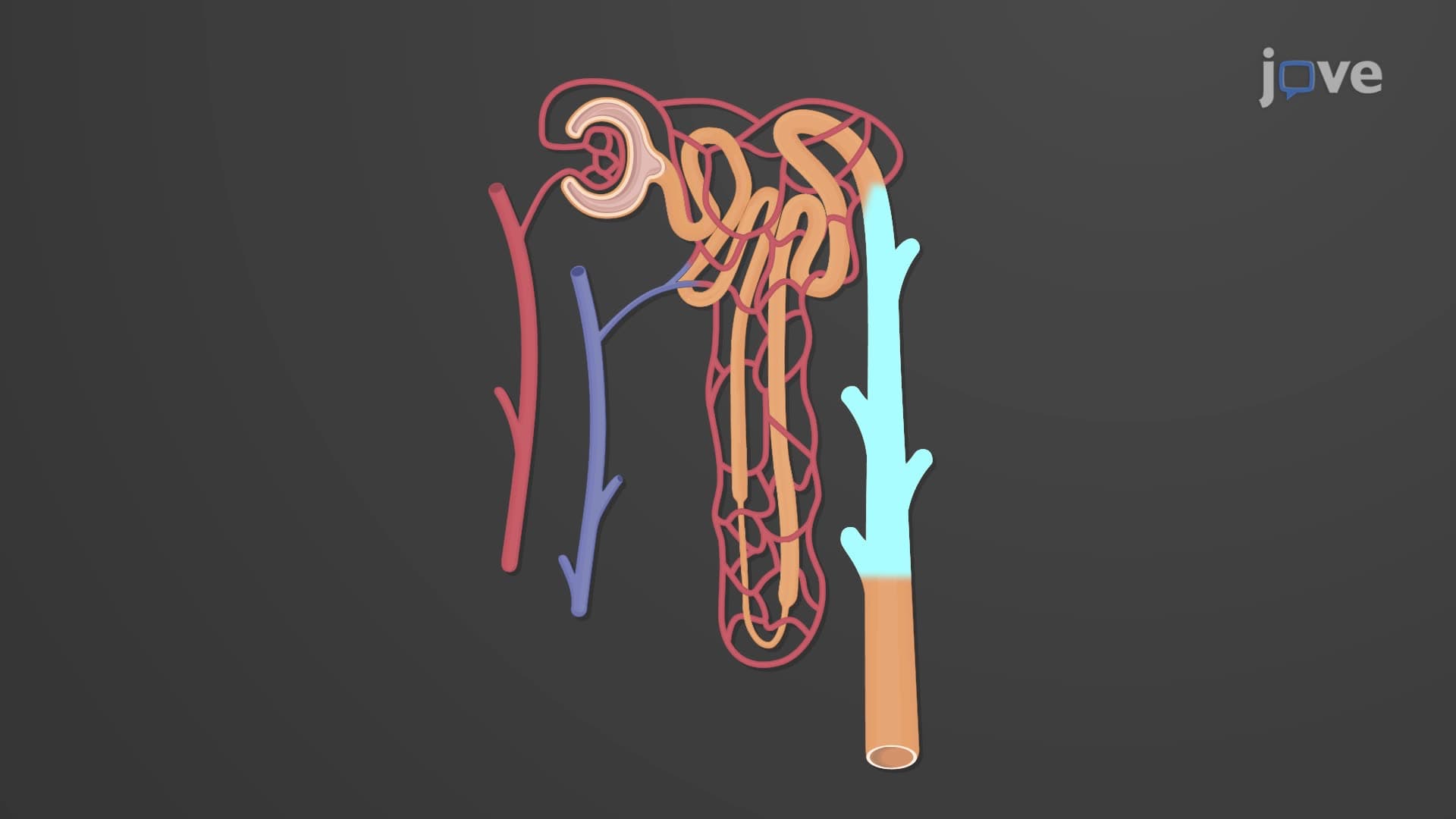
- Analyze the relationship between afferent and efferent arterioles in glomerular blood flow regulation
- Compare the arterial supply pathway with the venous drainage system in kidney circulation
- Evaluate the role of sympathetic innervation through the renal plexus in blood flow control
- Apply knowledge of peritubular capillaries and their function in kidney filtration processes
- Recognize how vasodilation and vasoconstriction affect renal blood pressure regulation
- Explore the connection between renal ganglia and autonomic nervous system control of kidney function
Understanding Blood And Nerve Supply To Explained: Foundation of Renal Function
The kidney's sophisticated vascular architecture represents one of the most complex circulatory systems in the human body. This intricate network ensures efficient blood filtration while maintaining precise pressure gradients necessary for optimal kidney function. Medical students at Harvard Medical School and Stanford University consistently identify renal circulation as a challenging yet crucial topic for MCAT preparation and advanced physiology courses.
Arterial Supply: The Pathway to Filtration
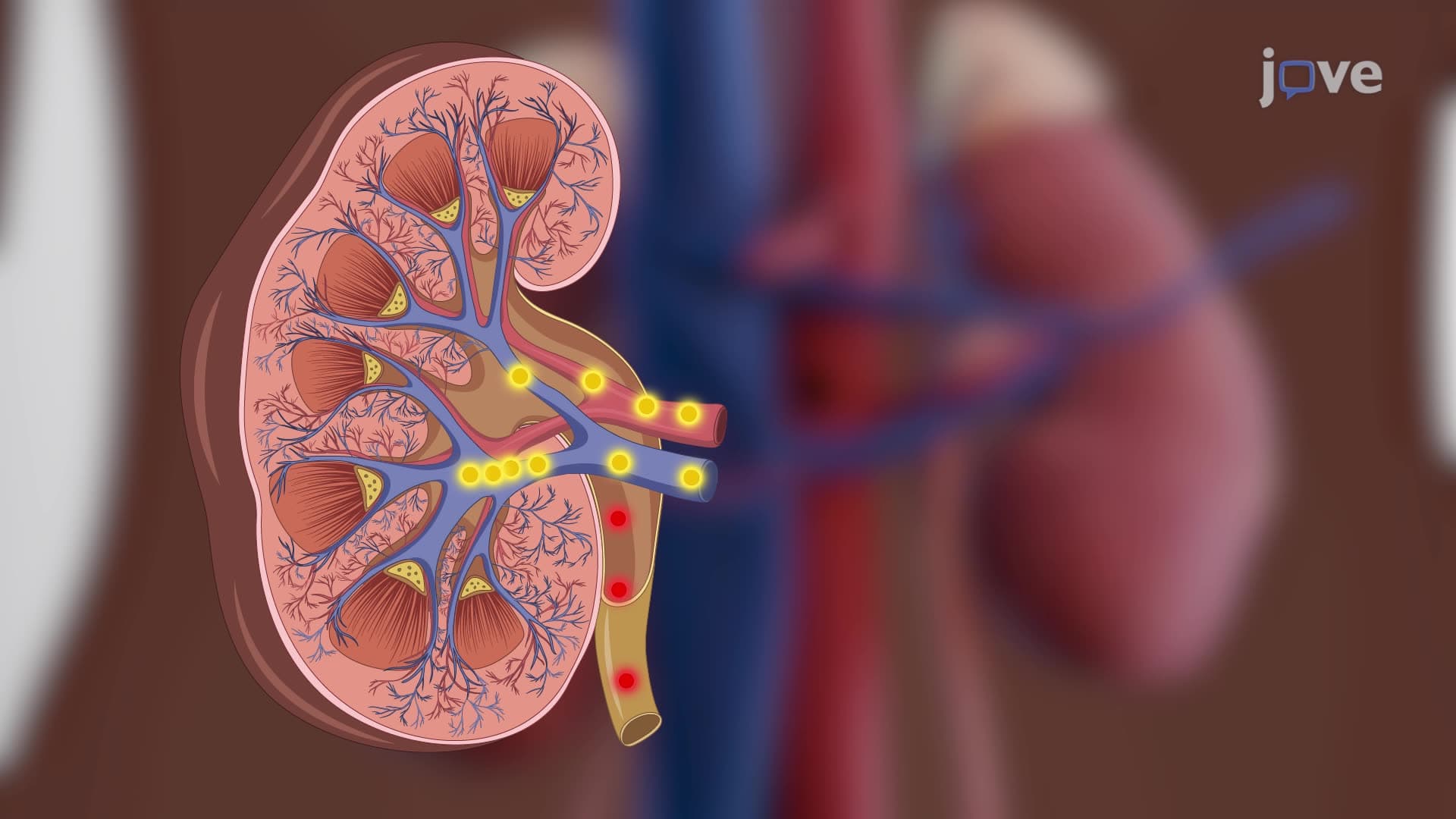
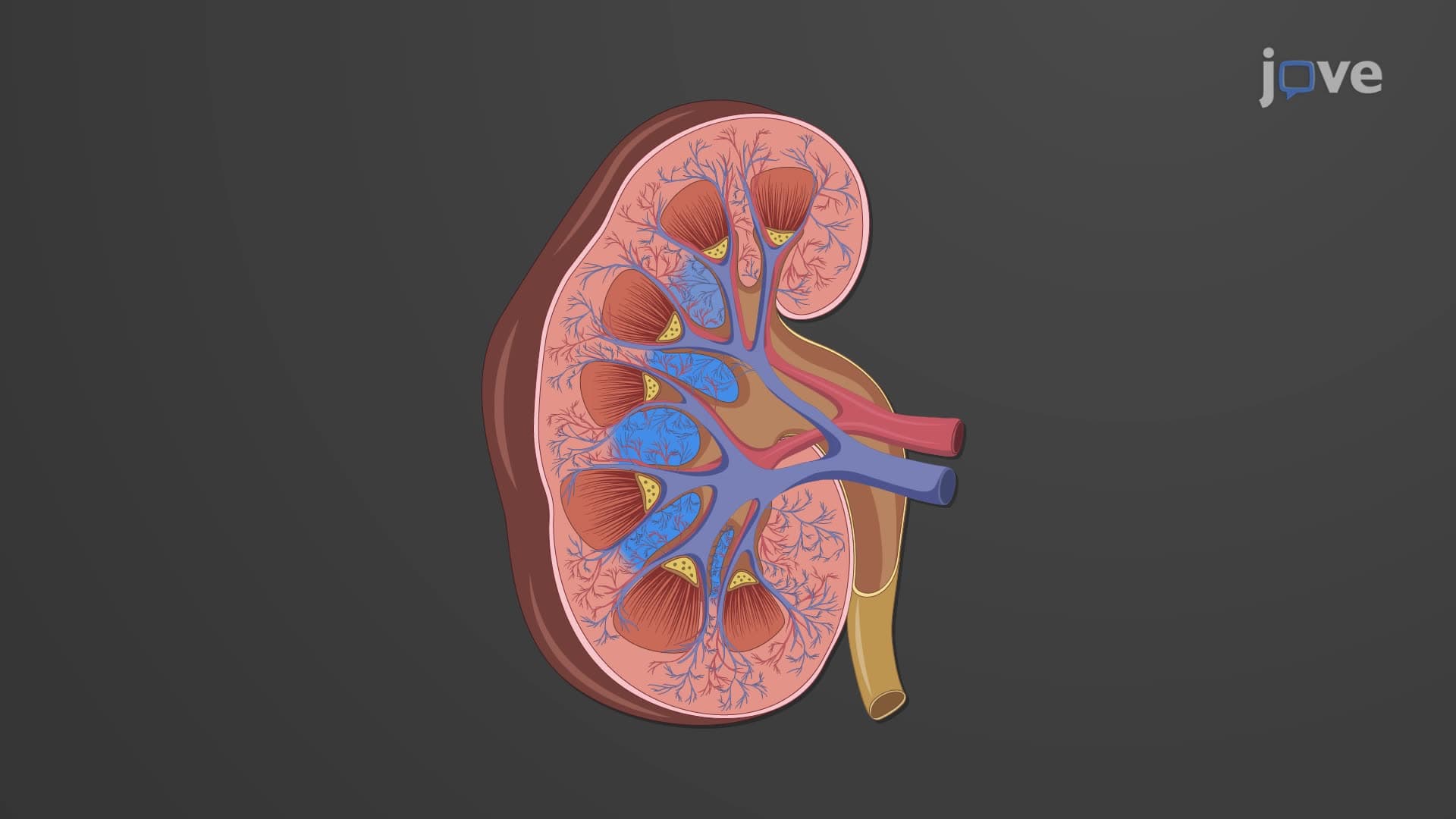
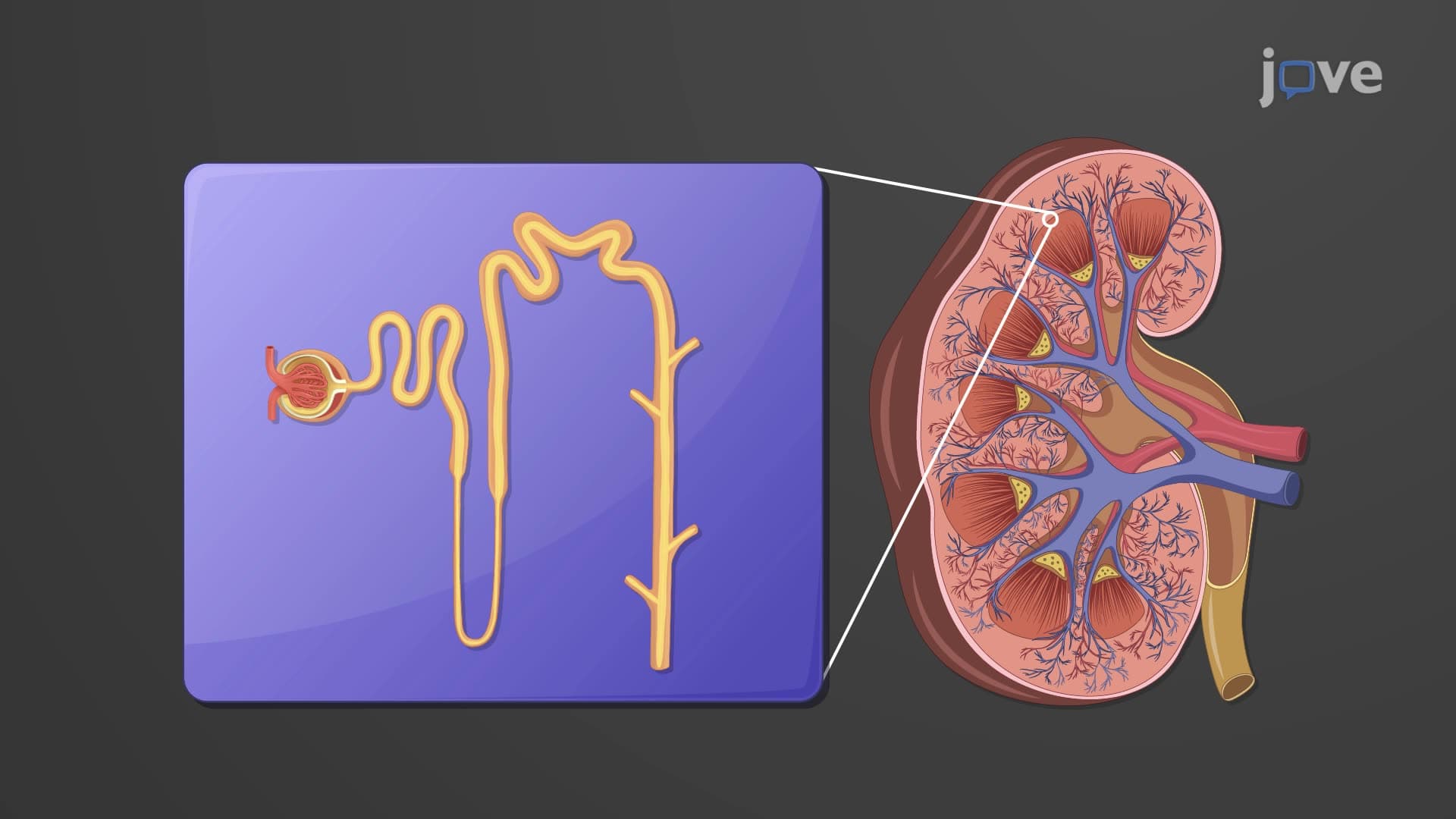
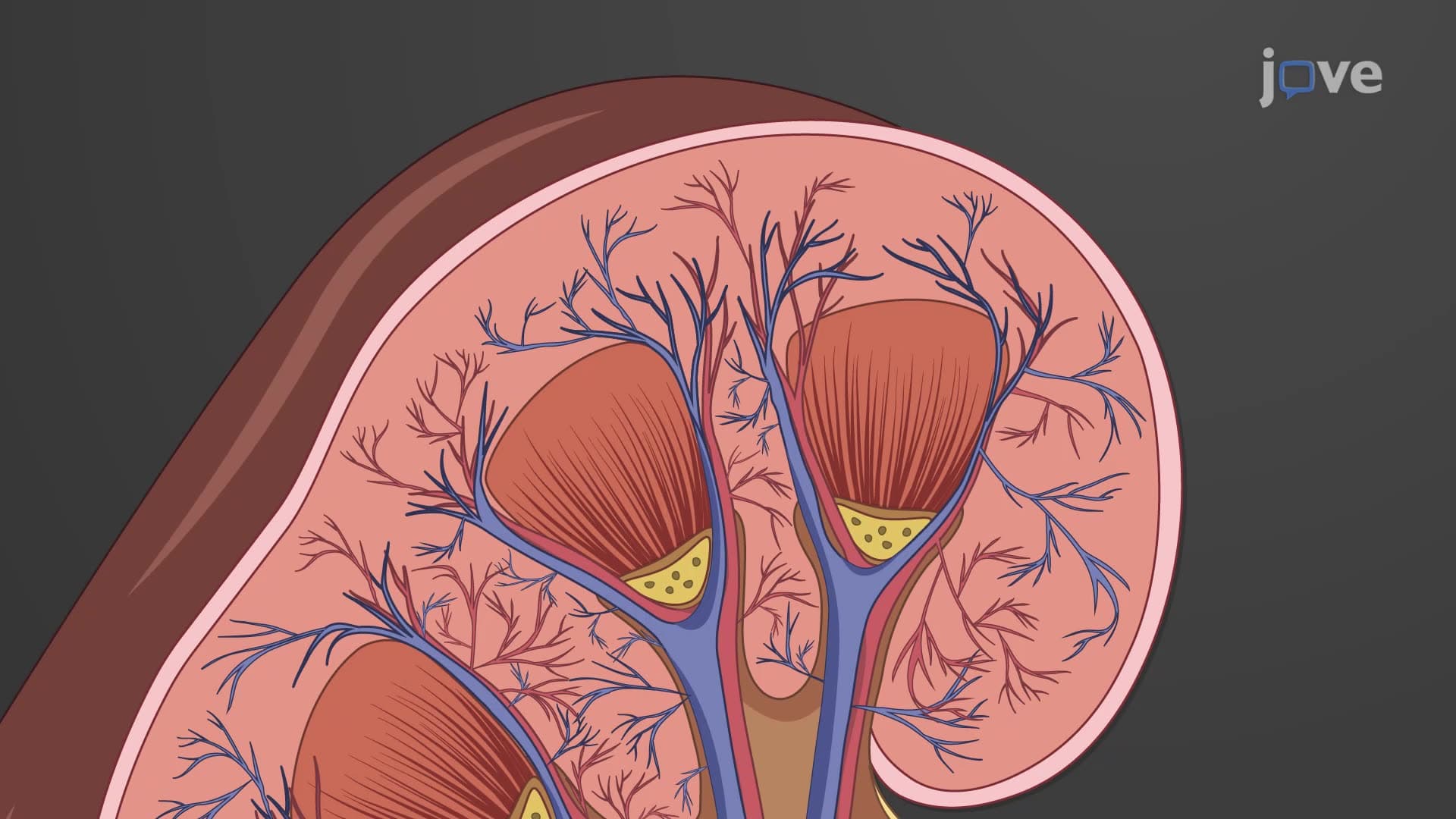
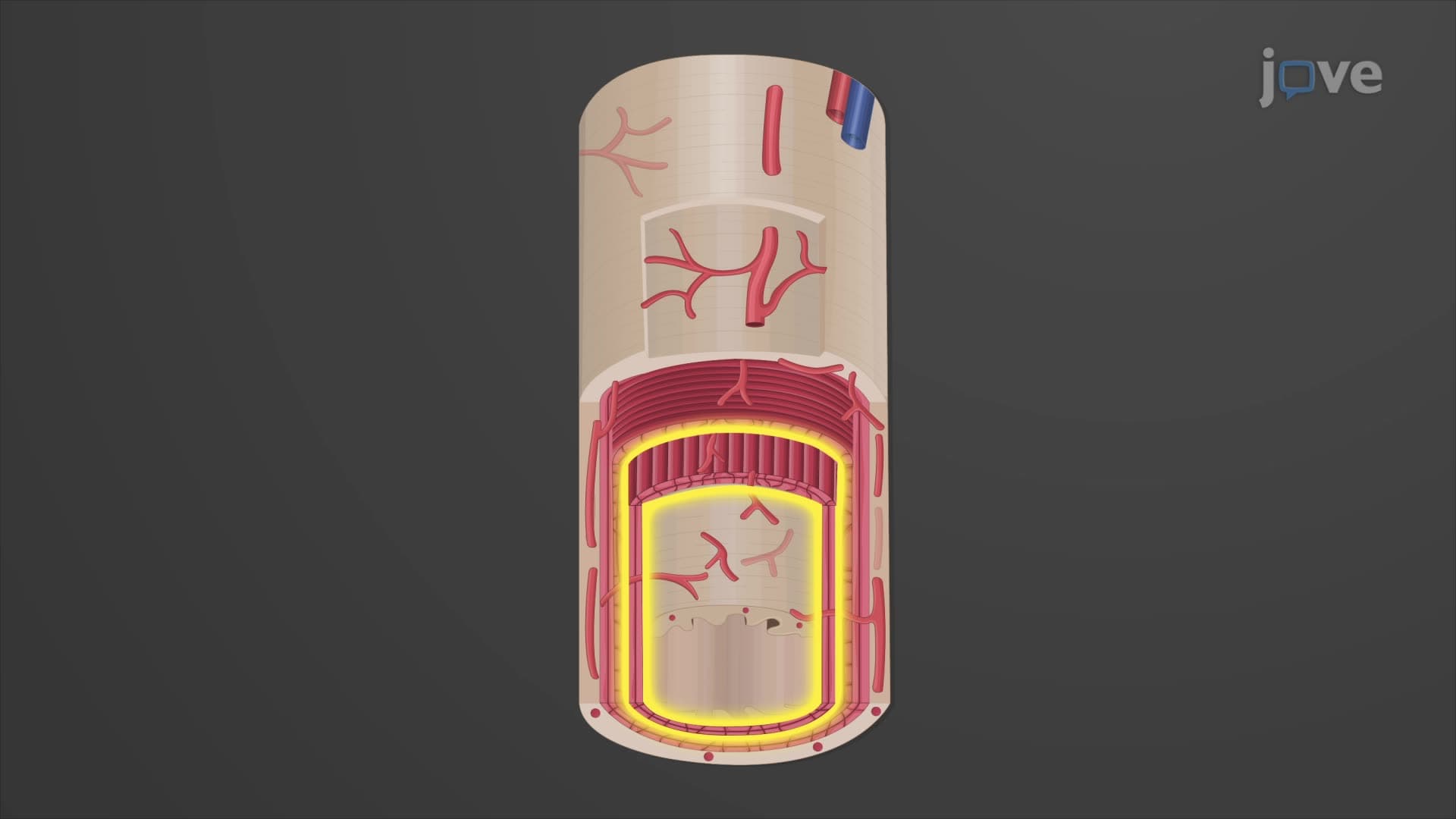
The renal arterial system follows a highly organized branching pattern that maximizes blood distribution throughout kidney tissue. Segmental arteries, the primary branches of the renal artery, divide strategically to supply distinct kidney regions without overlap. These vessels transition into interlobar arteries as they traverse the renal columns, positioned between adjacent renal pyramids. At the corticomedullary junction, interlobar arteries curve to form arcuate arteries, creating distinctive arches at pyramid bases.
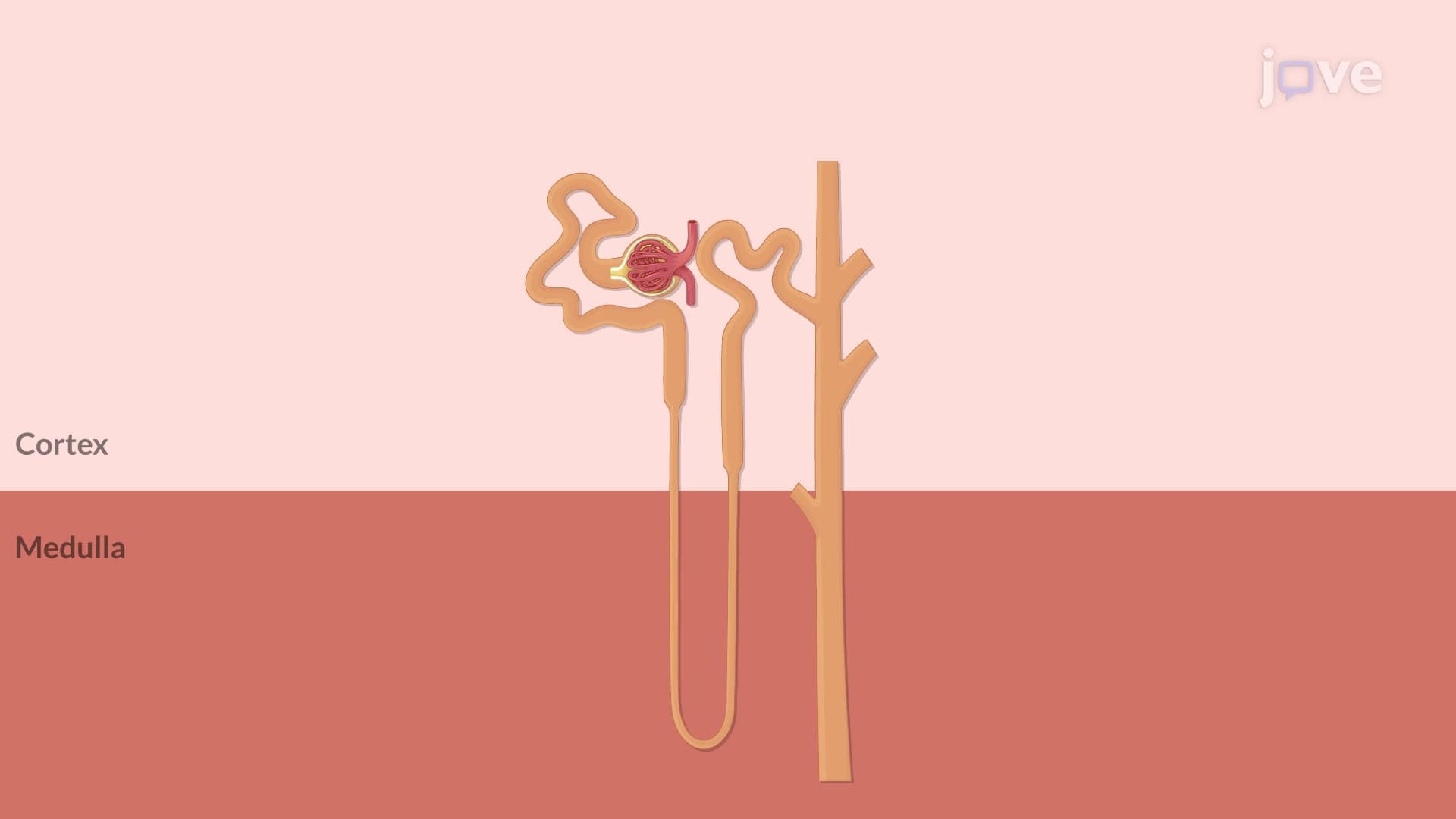
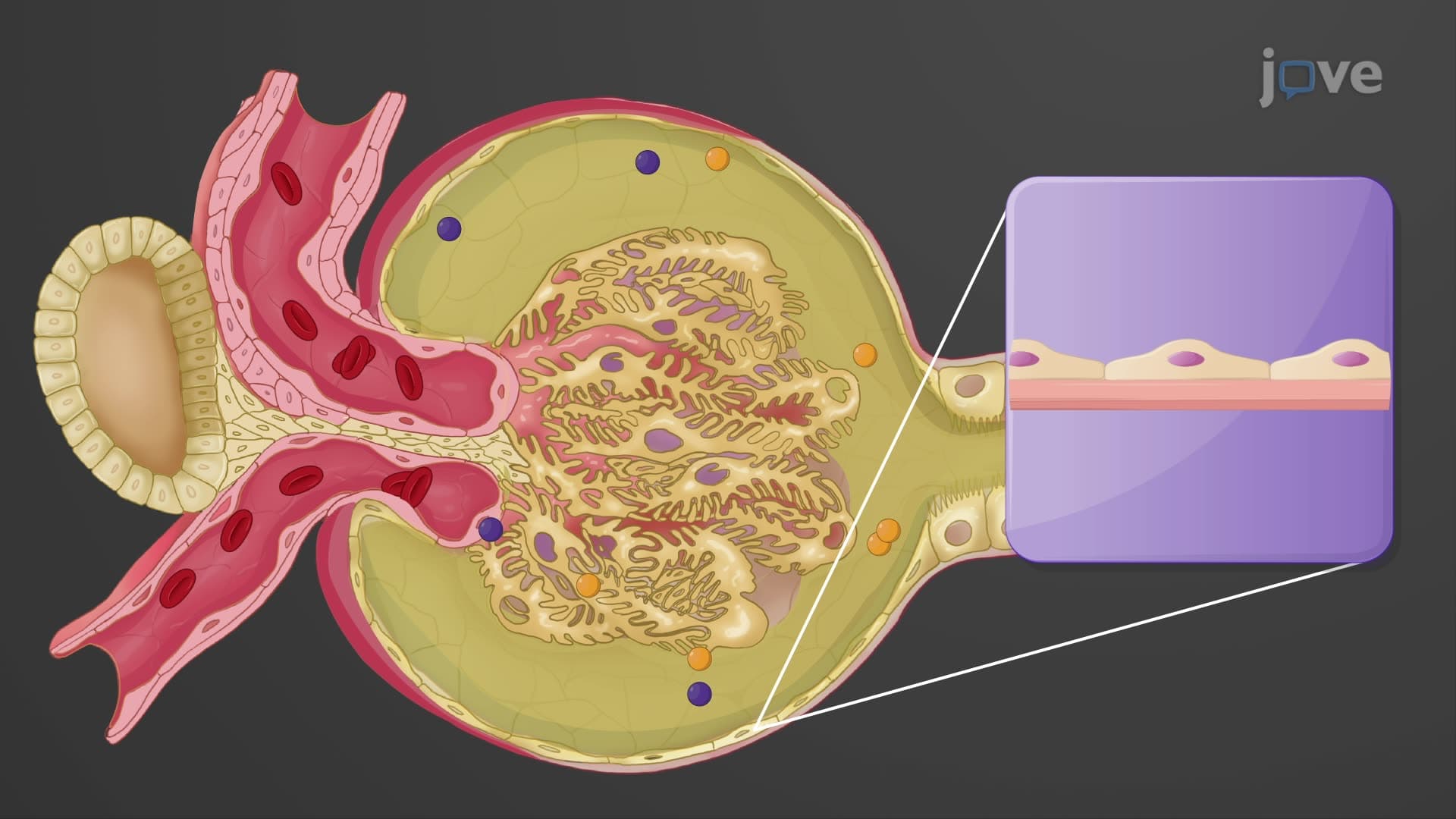
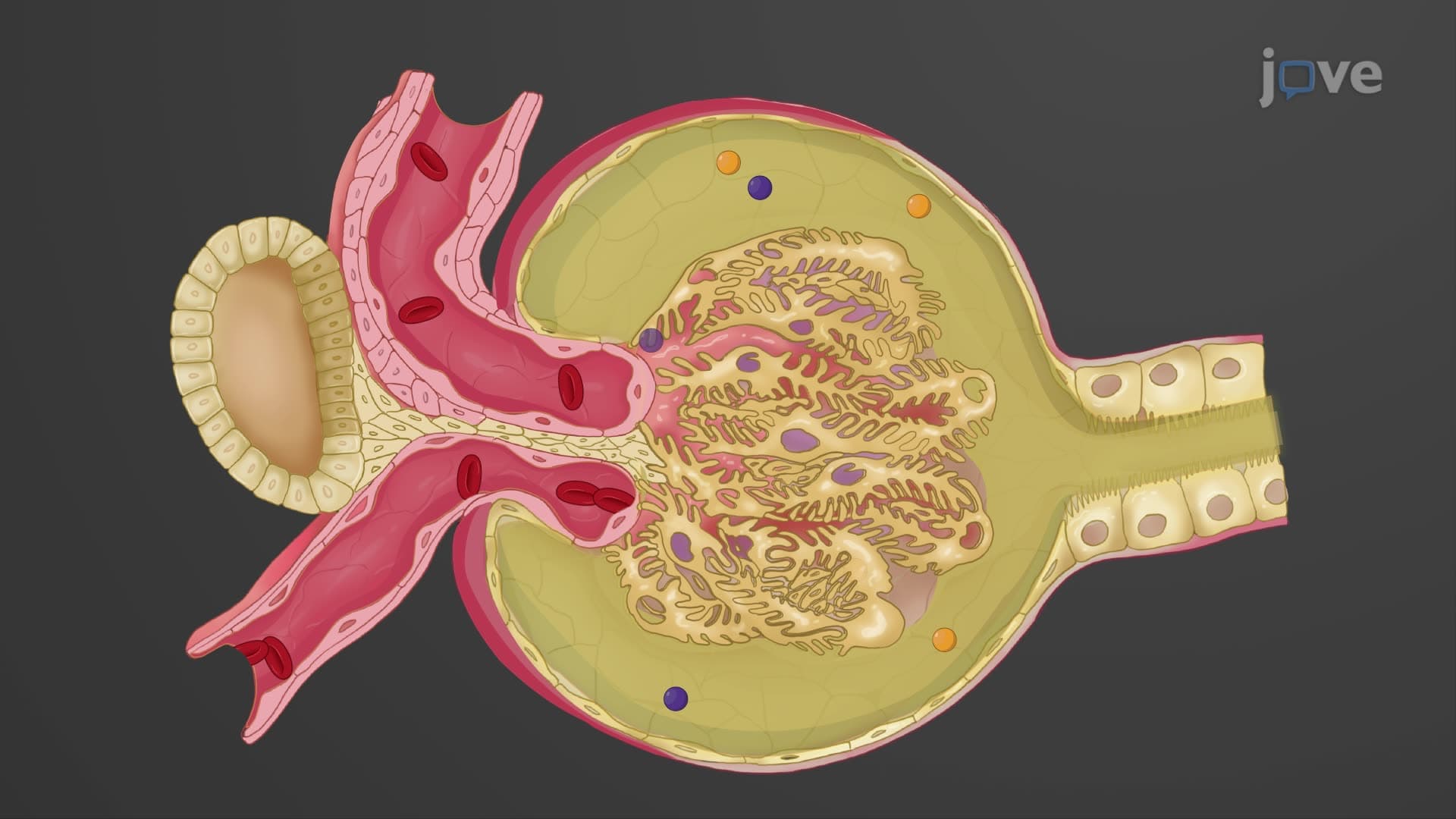
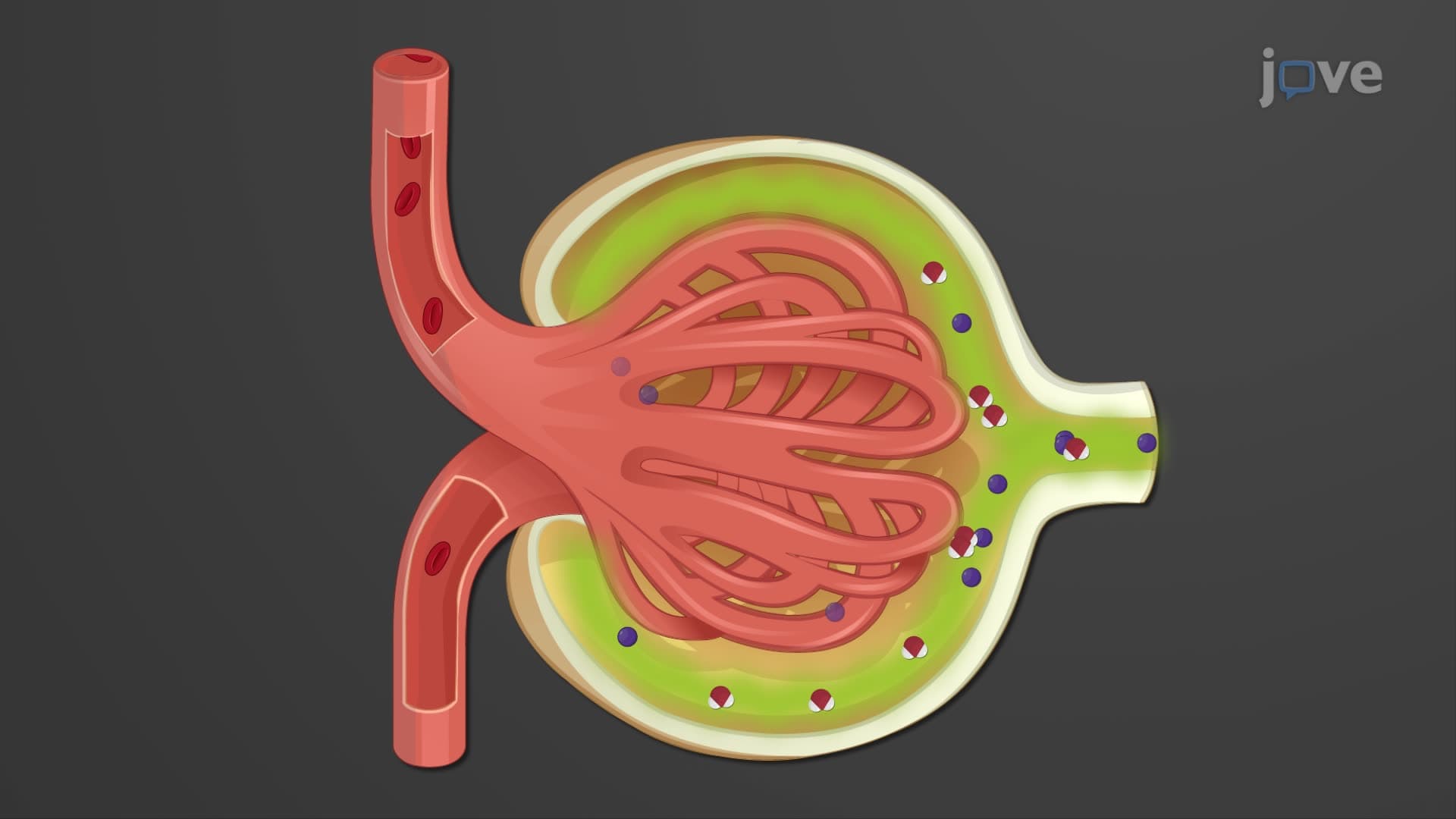
This arterial progression culminates in interlobular arteries that penetrate the renal cortex, eventually forming afferent arterioles. These specialized vessels are critical for glomerular function, as they regulate blood pressure entering the filtration units. The unique feature of renal circulation lies in having two capillary beds in series: glomerular capillaries for filtration and peritubular capillaries for reabsorption and secretion.
Venous Drainage: Returning Filtered Blood
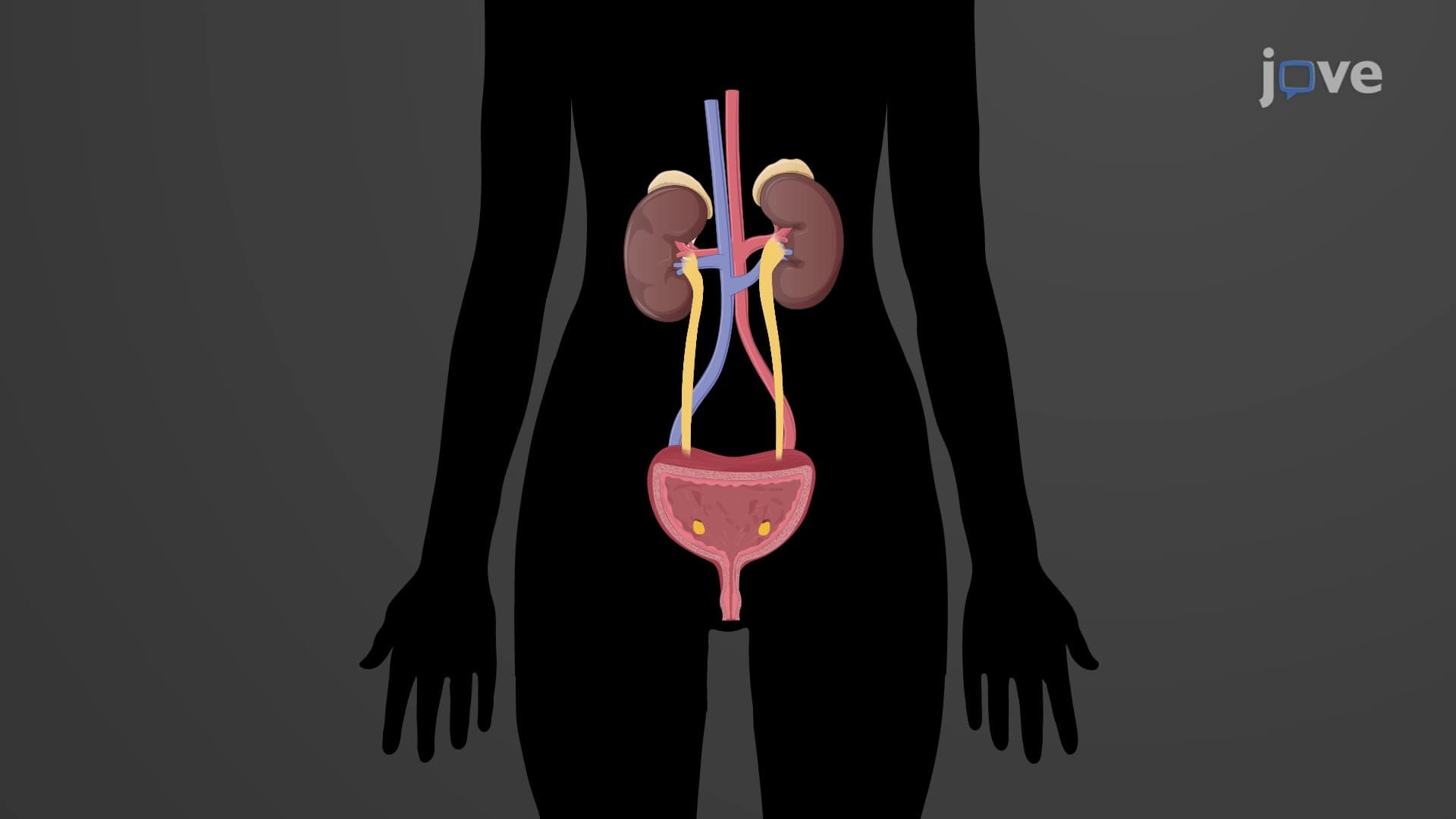
The venous system mirrors the arterial pattern but in reverse, ensuring efficient blood return to systemic circulation. Peritubular capillaries converge into interlobular veins, which drain sequentially into arcuate veins, then interlobar veins, and finally renal veins. This systematic drainage maintains proper pressure gradients essential for continued filtration. The renal veins ultimately empty into the inferior vena cava, completing the circuit back to the heart.
Sympathetic Innervation: Neural Control of Kidney Function
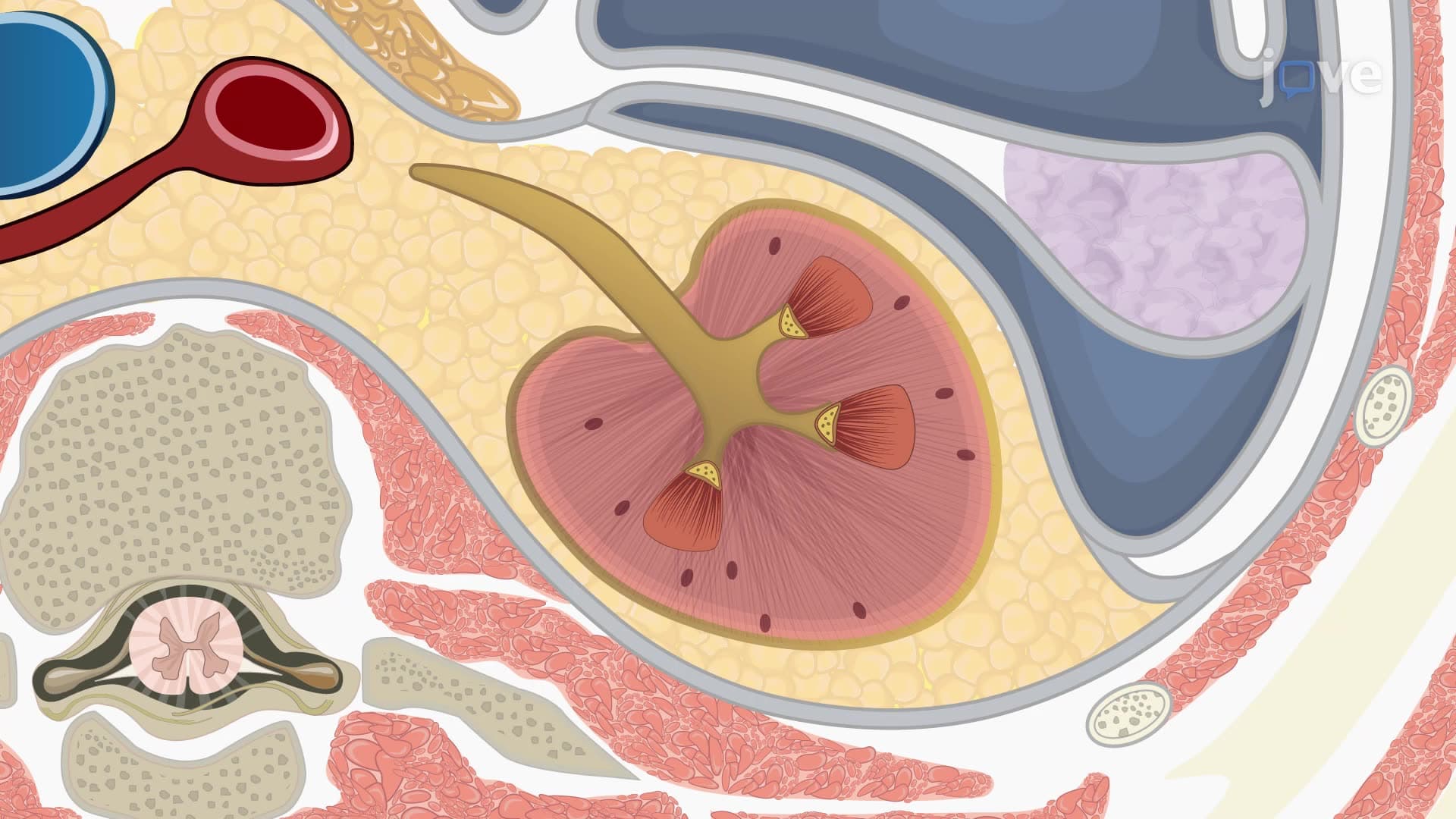
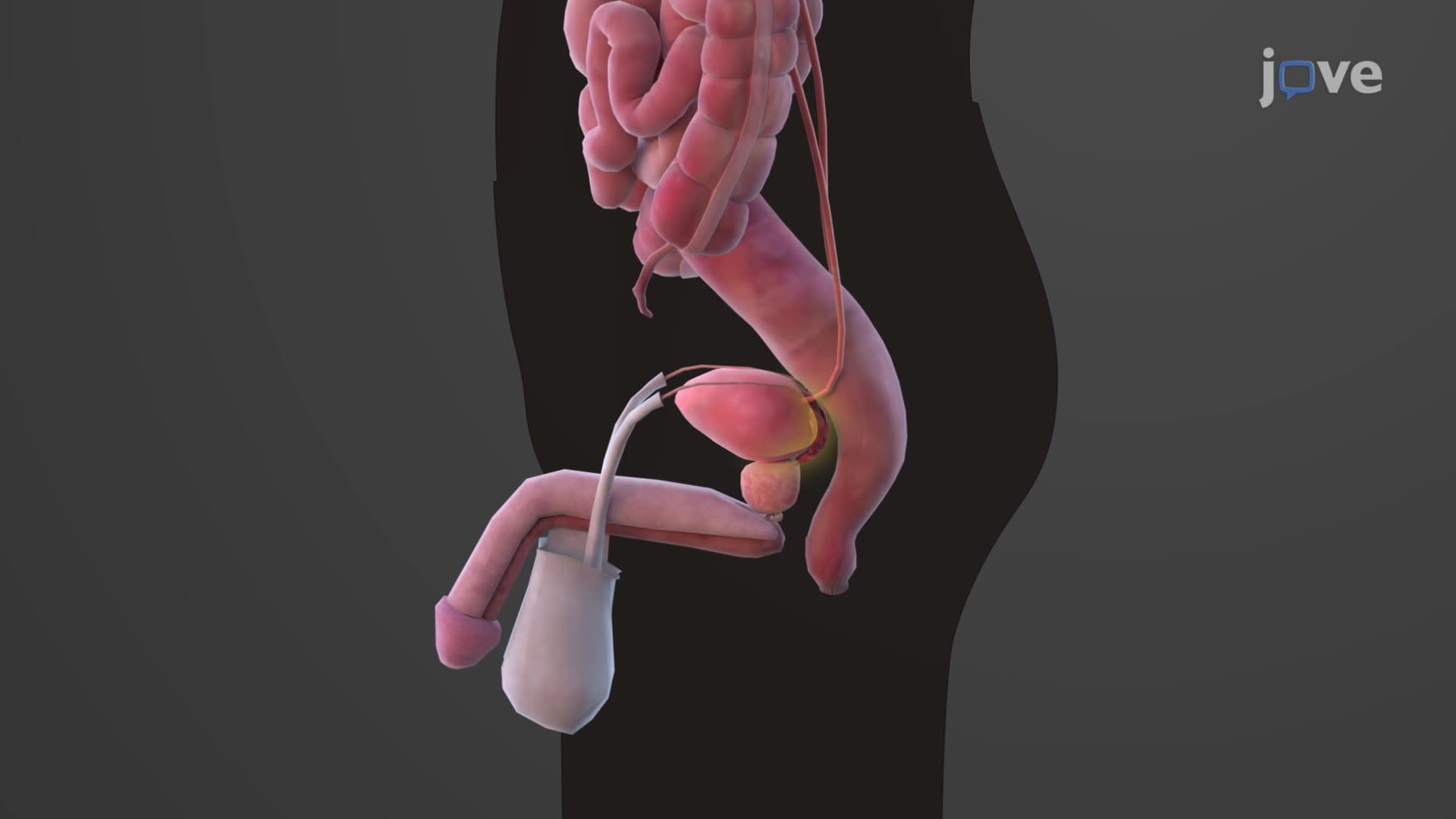
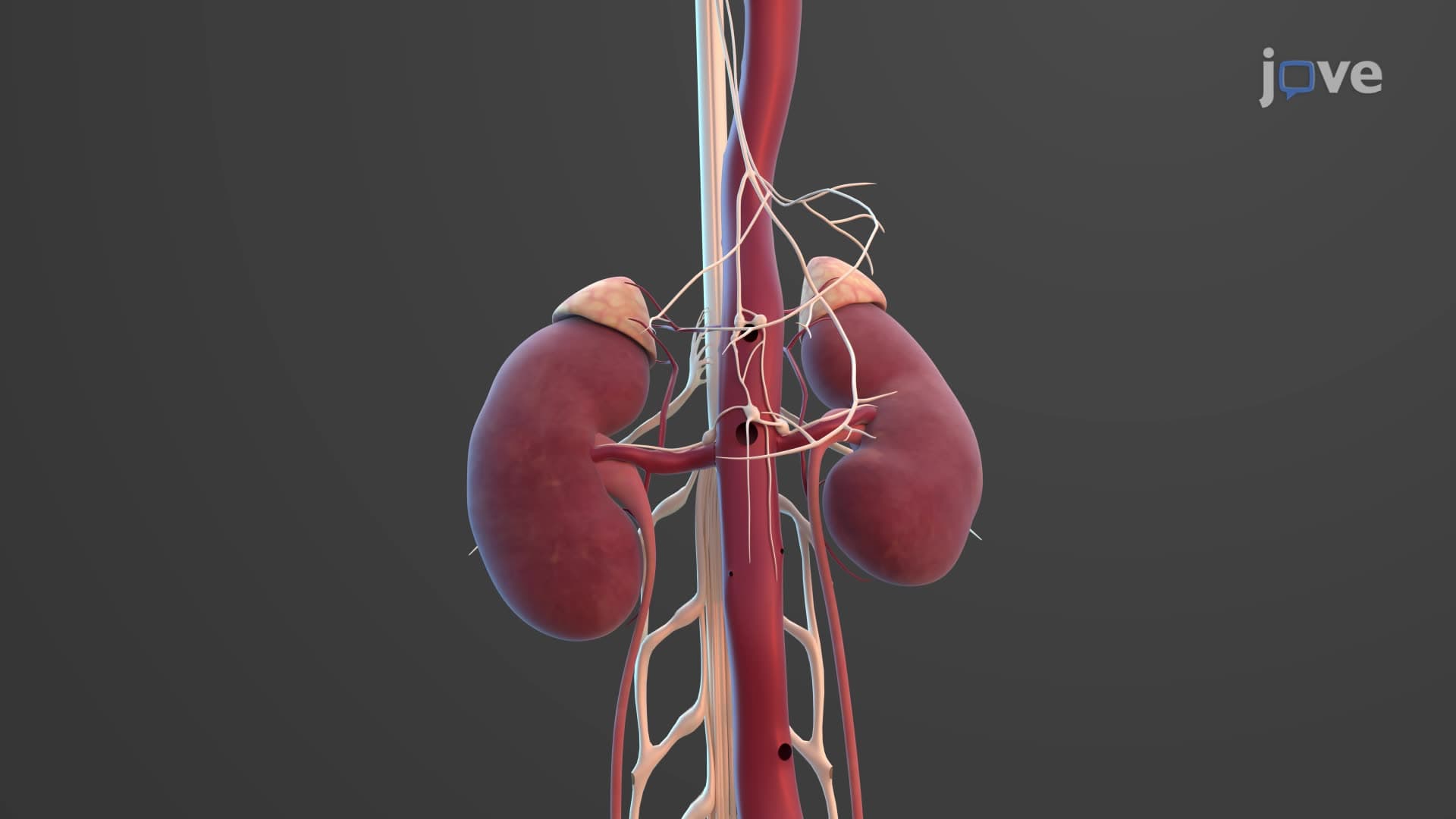
The renal plexus provides sympathetic innervation originating from renal ganglia, part of the broader autonomic nervous system network. These neural pathways regulate vascular tone through vasoconstriction and vasodilation of renal arterioles, directly influencing glomerular filtration rate and blood pressure regulation. During stress responses, sympathetic stimulation can significantly reduce kidney blood flow, demonstrating the intimate connection between nervous system function and renal physiology. This concept frequently appears on AP Biology exams and college-level anatomy assessments, requiring students to understand both structural and functional relationships.
Frequently Asked Questions
Blood And Nerve Supply To Explained refers to the comprehensive vascular and neural networks serving the kidneys. The blood supply includes arterial pathways from segmental arteries to afferent arterioles, glomerular circulation, and venous drainage back to the inferior vena cava. The nerve supply involves sympathetic innervation through the renal plexus, controlling blood flow and filtration rates.
MCAT questions frequently test the sequential branching of renal arteries and the relationship between blood pressure and filtration. Students must know that afferent arterioles have larger diameters than efferent arterioles, creating pressure for filtration. This concept connects to broader topics like cardiovascular physiology and endocrine regulation of blood pressure.
Kidneys have two sequential capillary beds: glomerular capillaries for filtration and peritubular capillaries for reabsorption. This arrangement allows precise control of filtration pressure while maintaining efficient nutrient and waste exchange. Most other organs have single capillary networks serving metabolic needs.
AP Biology tests often include questions about kidney structure-function relationships, particularly how arterial branching patterns support filtration efficiency. Students should understand autoregulation mechanisms and how sympathetic stimulation affects kidney blood flow during fight-or-flight responses.
The complexity arises from understanding multiple branching patterns, pressure relationships, and neural control mechanisms simultaneously. Students must integrate anatomy, physiology, and pathophysiology concepts. Harvard Medical School and Johns Hopkins emphasize these connections in their nephrology rotations.
Hypertension treatment often targets kidney blood flow regulation through ACE inhibitors or ARBs, medications that affect renal circulation. Kidney transplant procedures at Mayo Clinic require precise understanding of renal vascular anatomy for successful surgical connections.
No advanced chemistry is required. Focus on understanding anatomical pathways and physiological relationships. Strong foundation in basic cardiovascular physiology and blood pressure concepts provides sufficient background for mastering renal circulation principles.
Create flow charts showing arterial branching patterns and venous drainage sequences. Practice drawing the pathways from memory and connect each vessel type to its specific function. Use mnemonics like "Some Interesting Anatomy Always Interests" for Segmental-Interlobar-Arcuate-Afferent-Interlobular progression.
Related Micro-courses

20 Concepts

37 Concepts

14 Concepts