Loading subject page…


78,053 views

Video Summary: Dct and Collecting Duct Reabsorption and Secretion
Ever wonder why your kidneys can perfectly balance salt and water even when you drink a gallon of sports drink after a marathon? DCT collecting duct reabsorption acts like your body's precision control system, fine-tuning exactly how much sodium, potassium, and water stays in your bloodstream. When patients at Johns Hopkins receive diuretic medications for high blood pressure, doctors rely on understanding these exact mechanisms. Watch the full video on JoVE Coach to master this concept with expert-led visuals and step-by-step explanations.
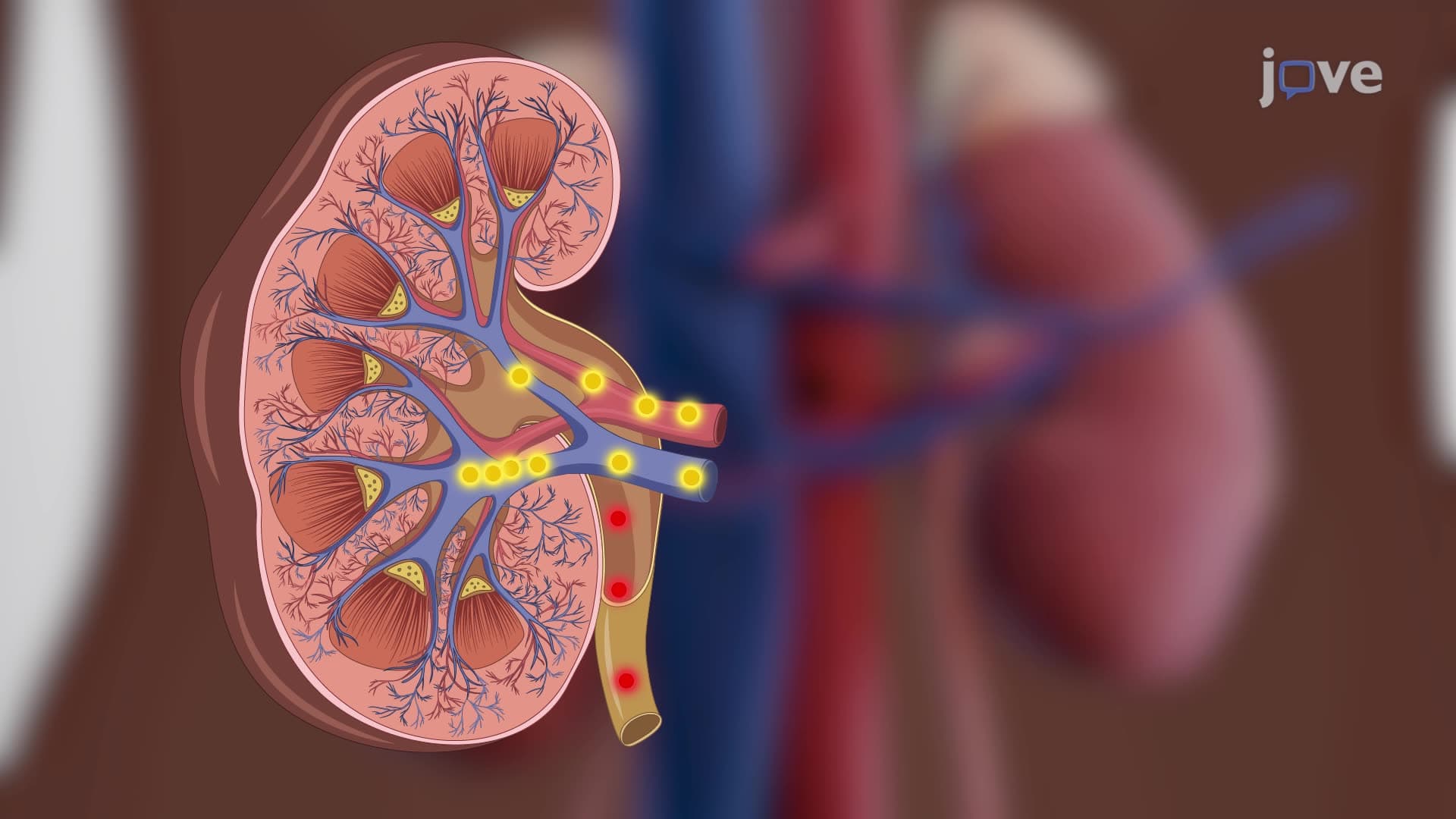
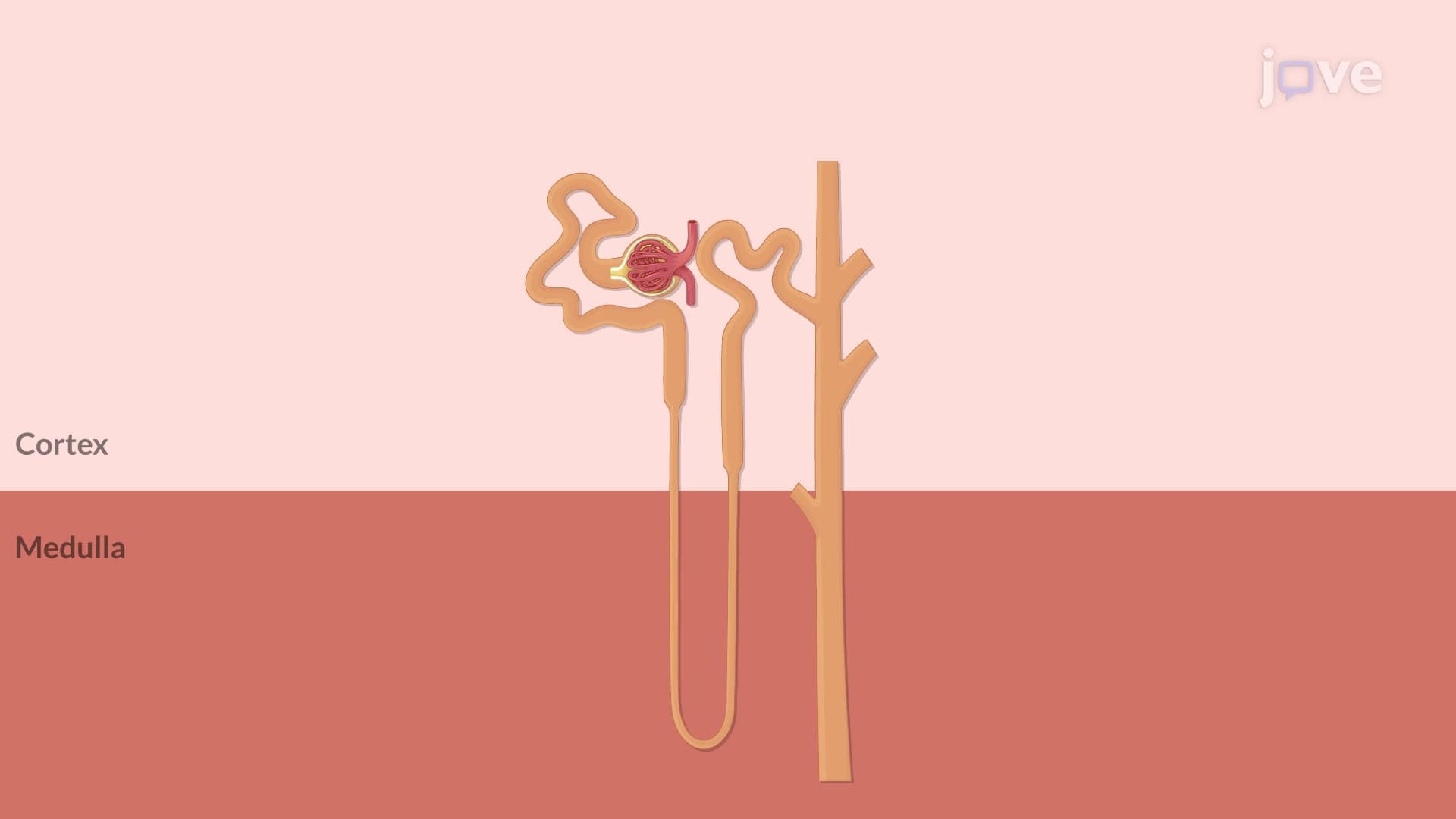
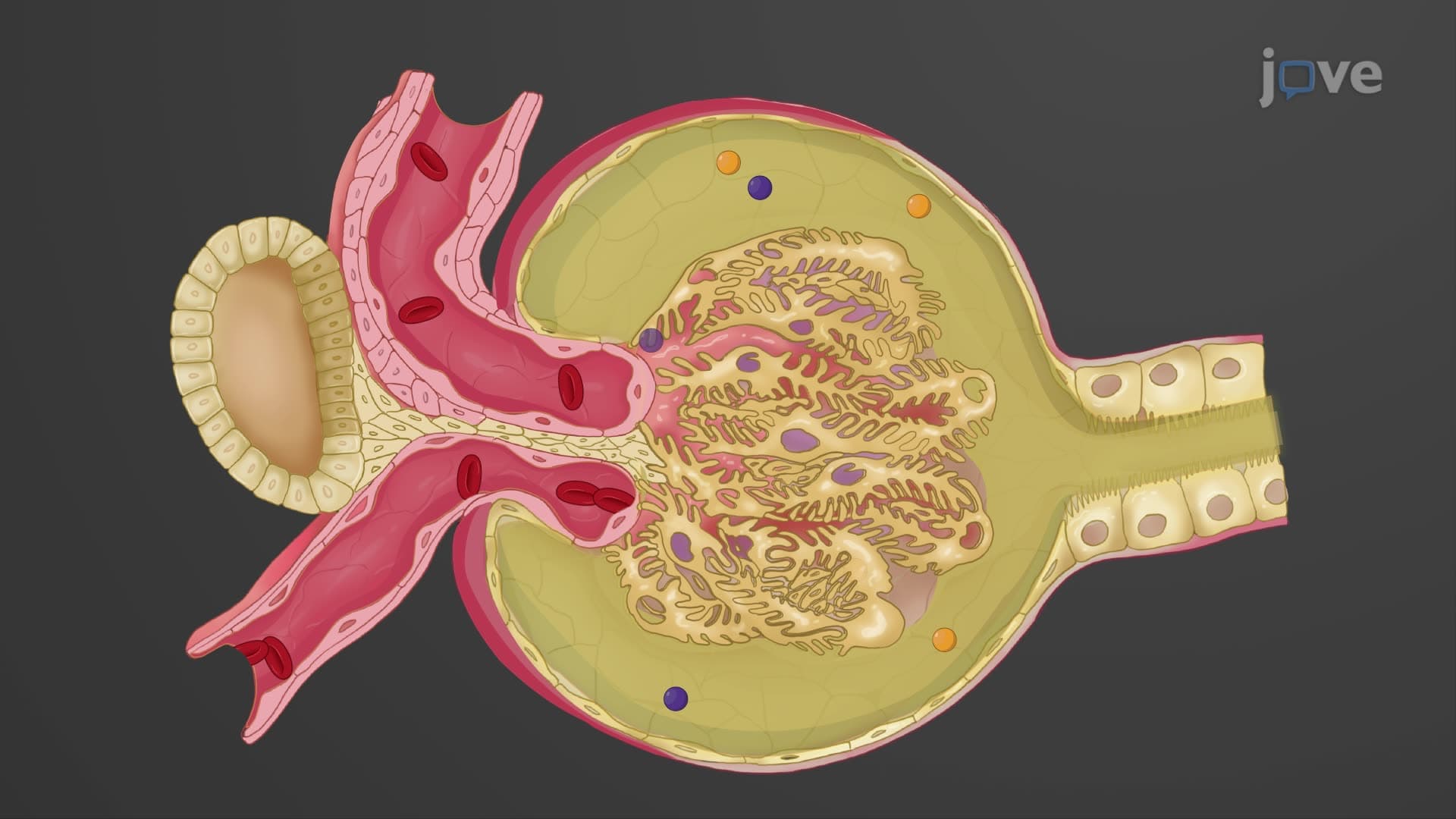
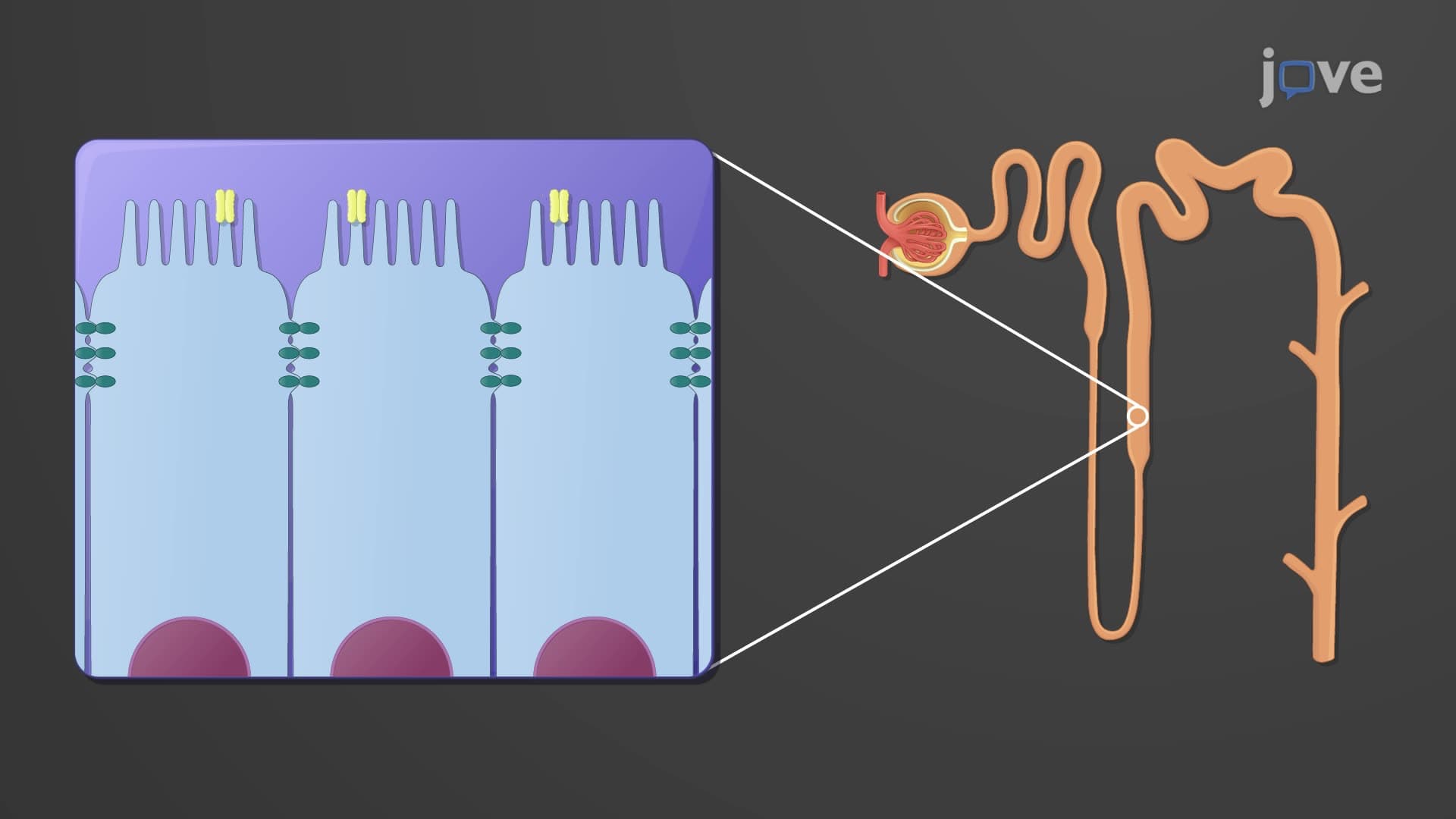
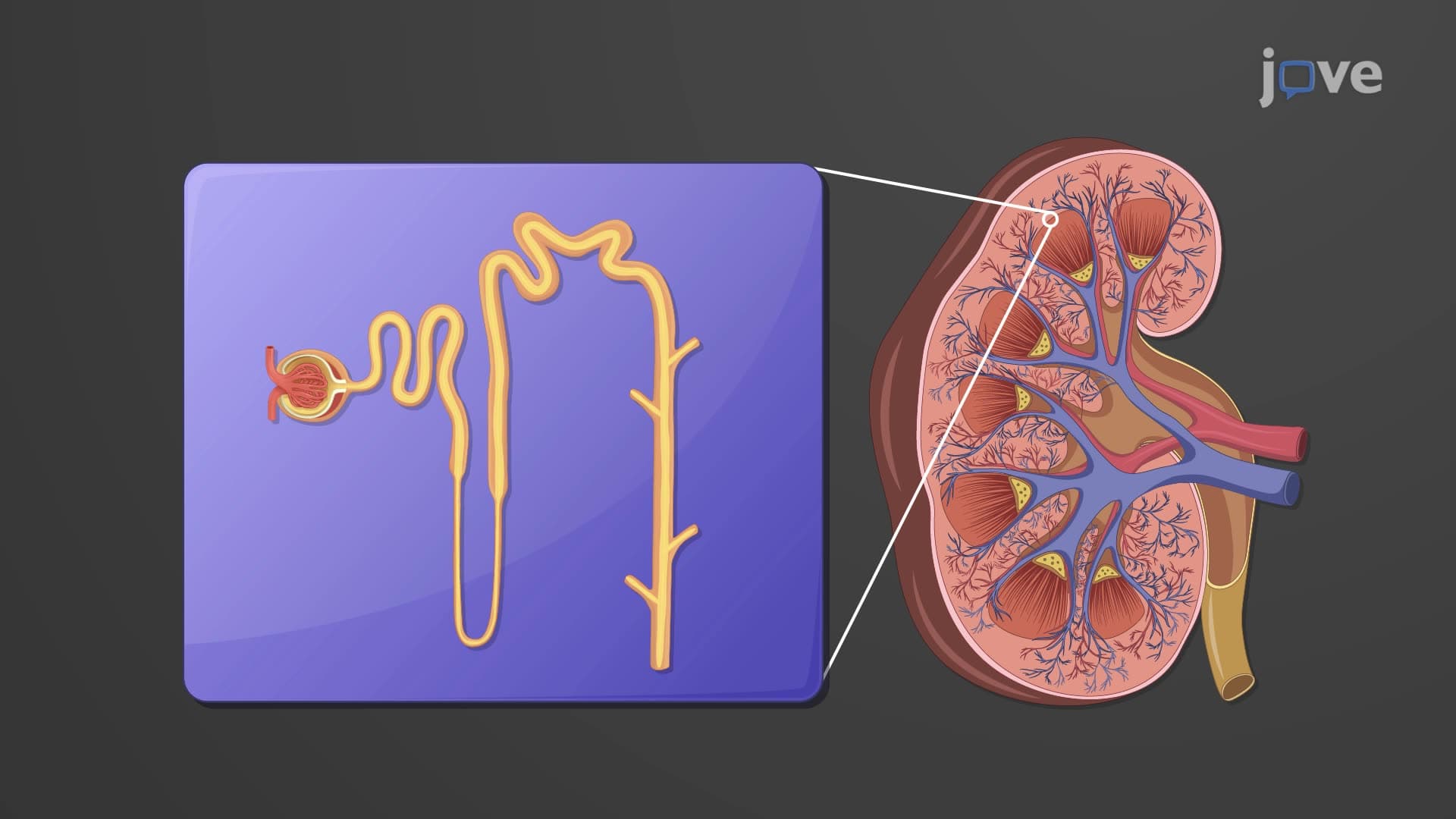
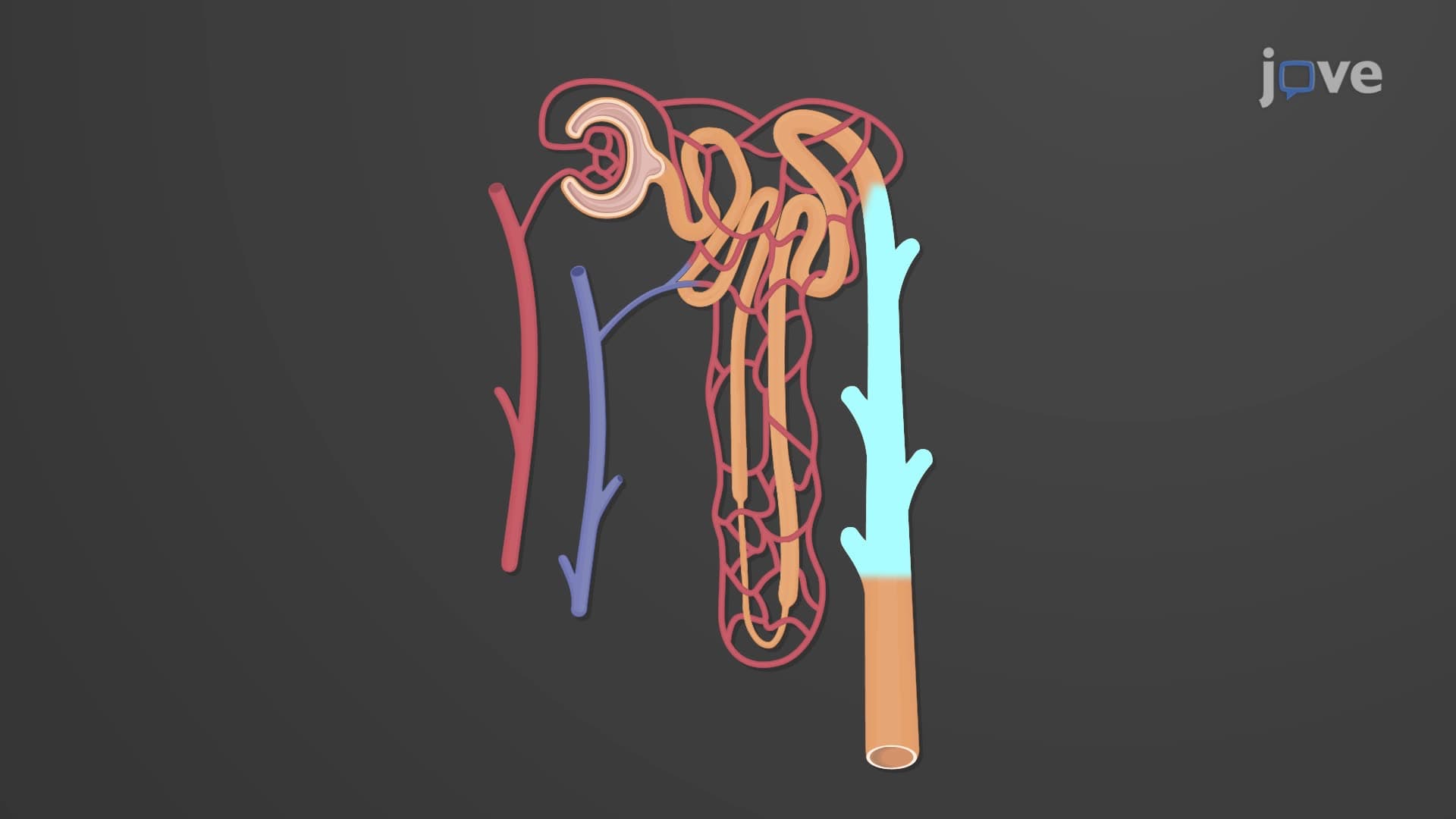
The distal convoluted tubule (DCT) and collecting duct represent the kidney's final opportunity for precision control-like having a master chef make final seasoning adjustments before serving. Unlike the proximal tubule's bulk reabsorption, DCT collecting duct reabsorption focuses on fine-tuning. The early DCT handles about 10-15% of filtered water and 5% of sodium-chloride ions, but this seemingly small percentage makes enormous physiological impact.
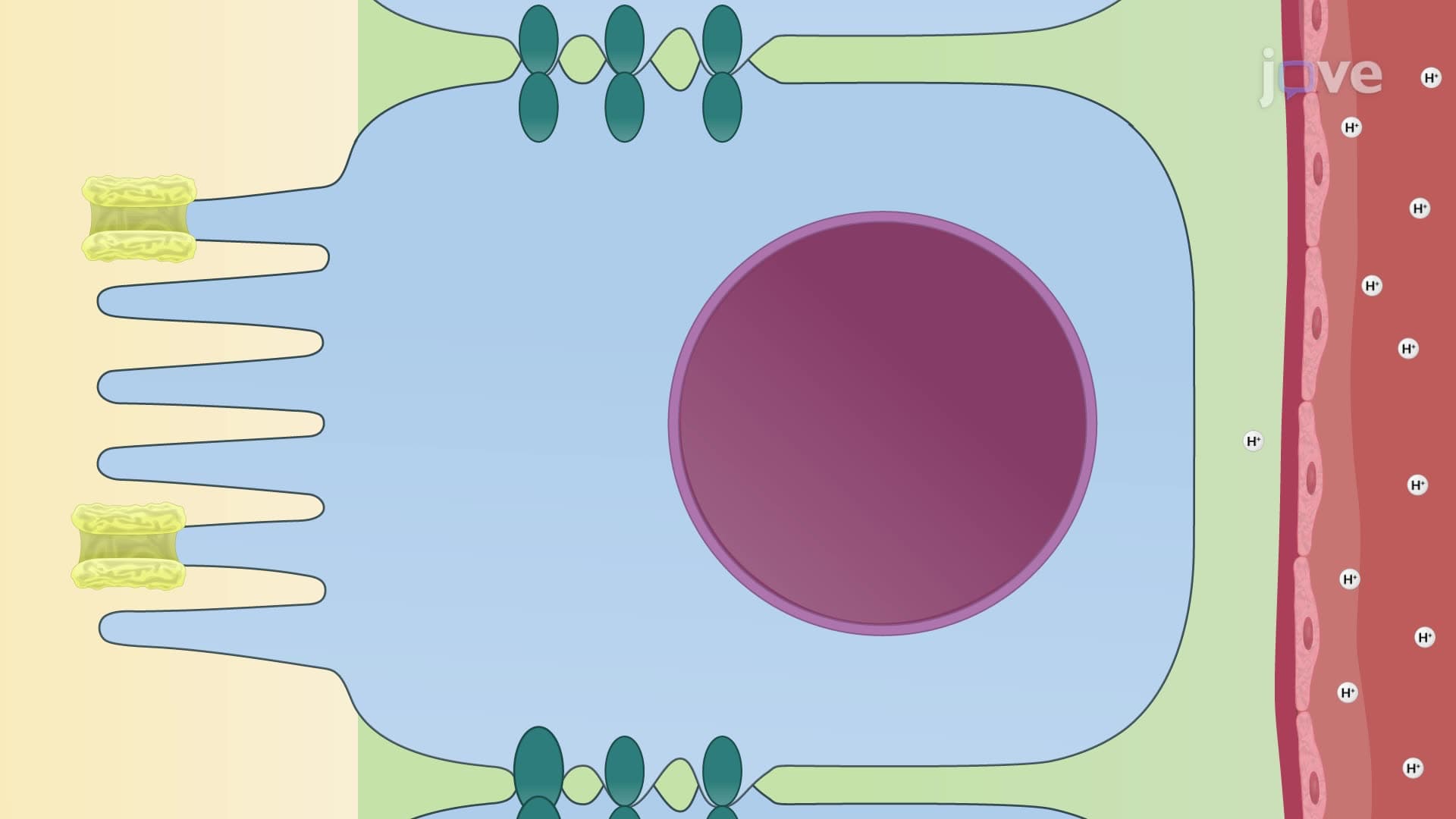
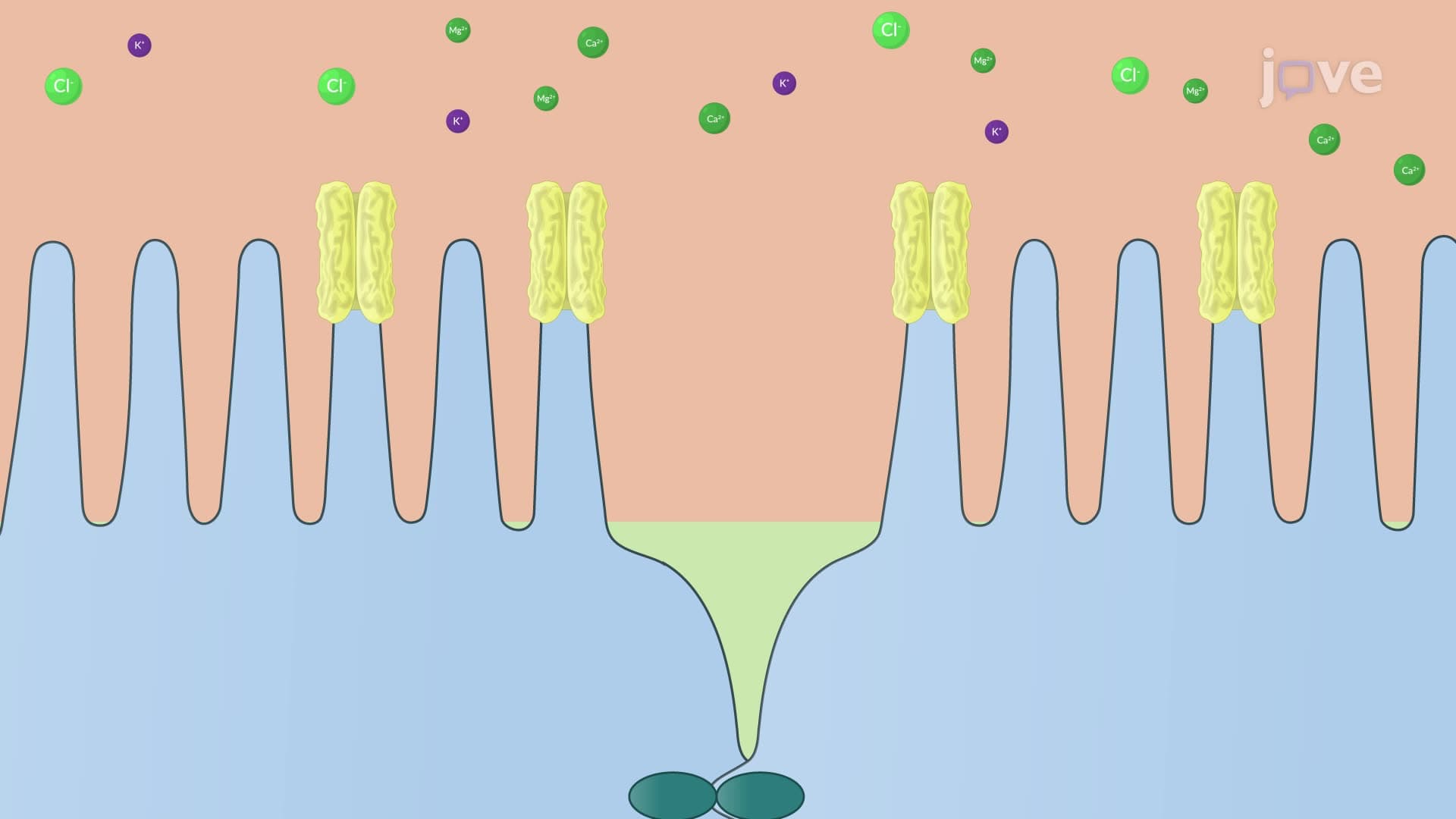
The cellular machinery here differs dramatically from earlier nephron segments. Sodium-chloride symporters (NCCT) in apical membranes work alongside basolateral sodium-potassium ATPases to create the driving force for ion movement. This is why thiazide diuretics-commonly prescribed for hypertension at institutions like Mayo Clinic-specifically target these transporters.
Two distinct cell populations handle different aspects of fine-tuning. Principal cells focus on sodium reabsorption through epithelial sodium channels (ENaC) while simultaneously secreting potassium ions. This creates the crucial sodium-potassium exchange that cardiologists monitor when prescribing ACE inhibitors or ARBs.
Intercalated cells serve as the kidney's pH control center, reabsorbing bicarbonate and secreting hydrogen ions. Medical students studying for the USMLE Step 1 must understand this mechanism to explain how kidneys compensate for respiratory acidosis in patients with COPD.
The distal nephron function becomes especially critical during physiological stress. When marathon runners experience dehydration, ADH release makes collecting duct cells permeable to water through aquaporin-2 insertion. Simultaneously, aldosterone from the adrenal cortex upregulates sodium reabsorption, creating osmotic gradients that draw water back into circulation.
This hormonal fine-tuning appears frequently on AP Biology exams and college physiology tests. Students often encounter questions about diabetes insipidus (ADH deficiency) or Conn's syndrome (aldosterone excess) that require understanding these exact mechanisms.
Understanding aldosterone DCT sodium interactions proves essential for interpreting electrolyte panels in clinical settings. When UCLA medical students analyze patient labs showing hyperkalemia, they must trace the problem back to aldosterone's effects on principal cell function. Similarly, NCLEX questions frequently test nurses' knowledge of potassium DCT secretion when administering medications like spironolactone.
Related Micro-courses