Loading subject page…

- Anatomy and Physiology
- The Urinary System
- Glomerular Filtration Rate and its Regulation
Micro-course: The Urinary System
78,053 views
Learn key concepts and earn your certificate.
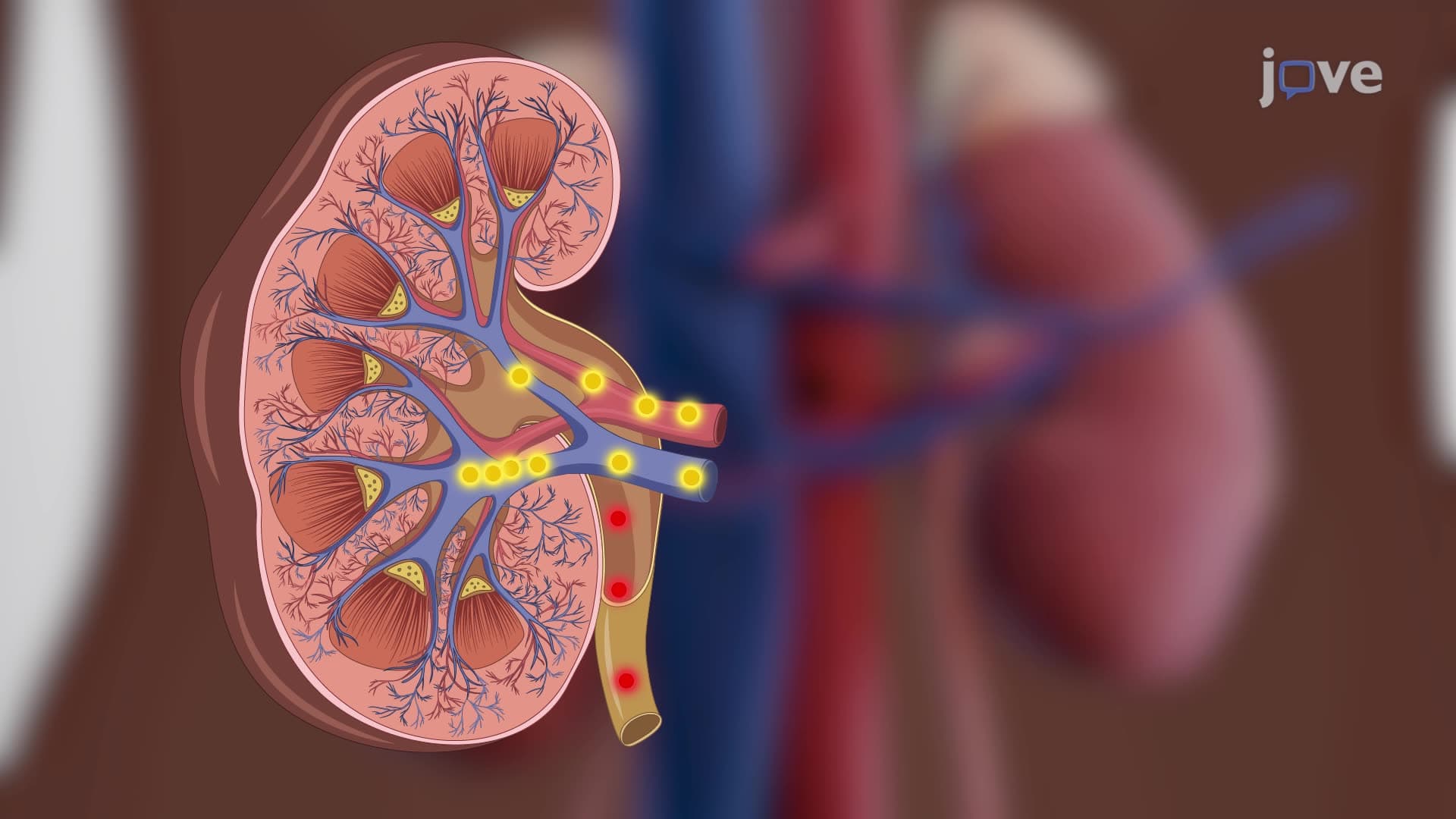

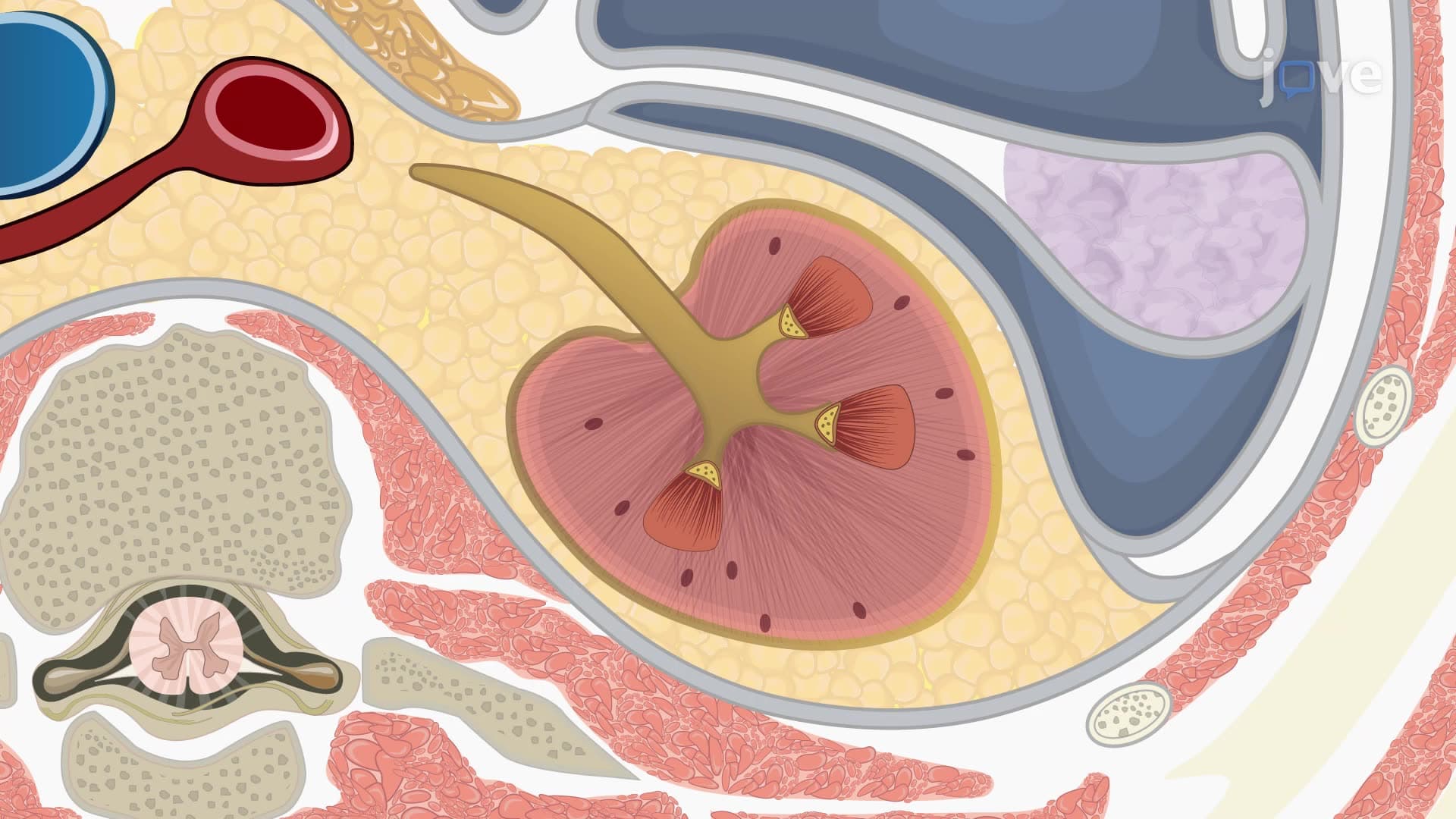
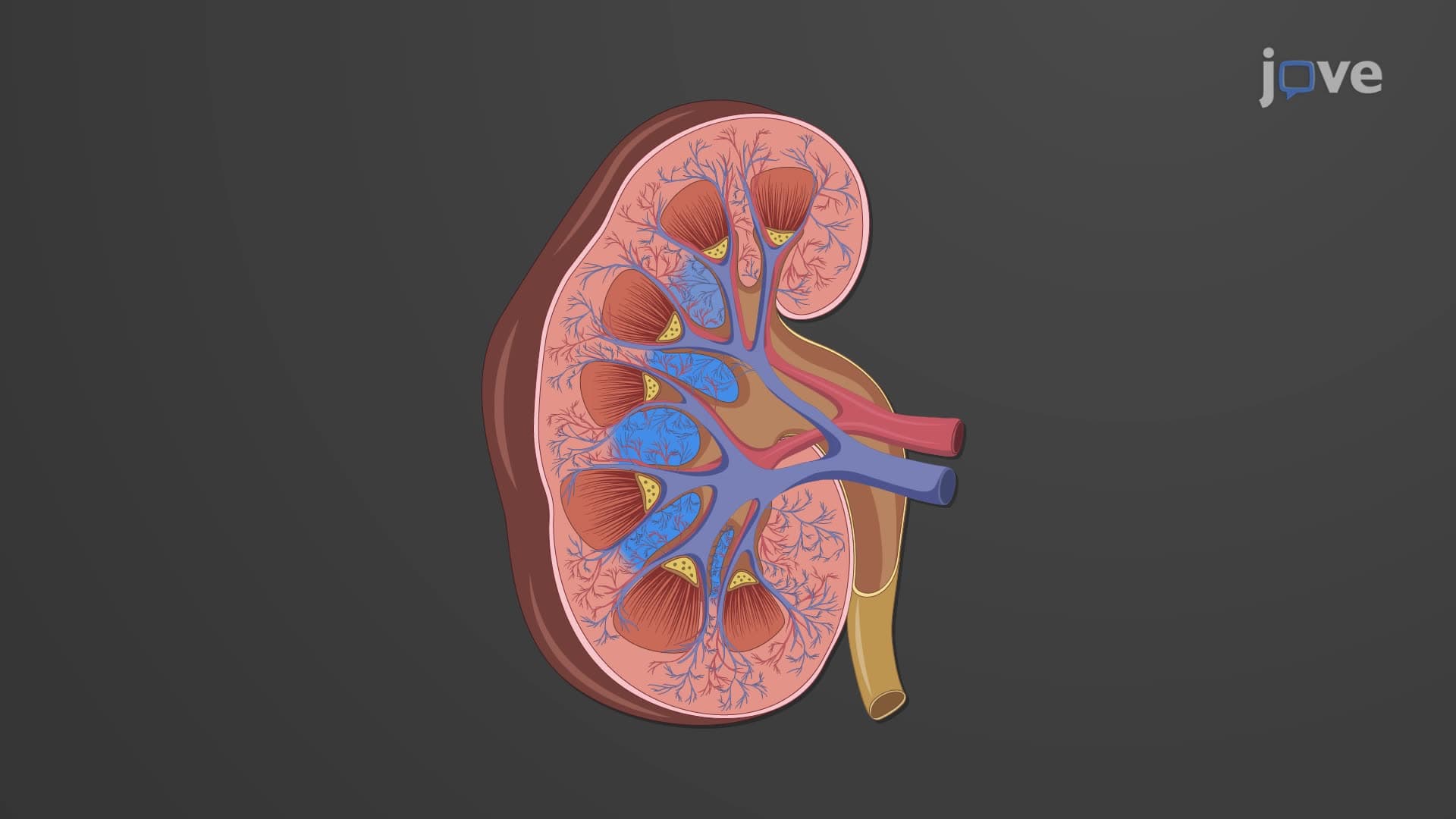
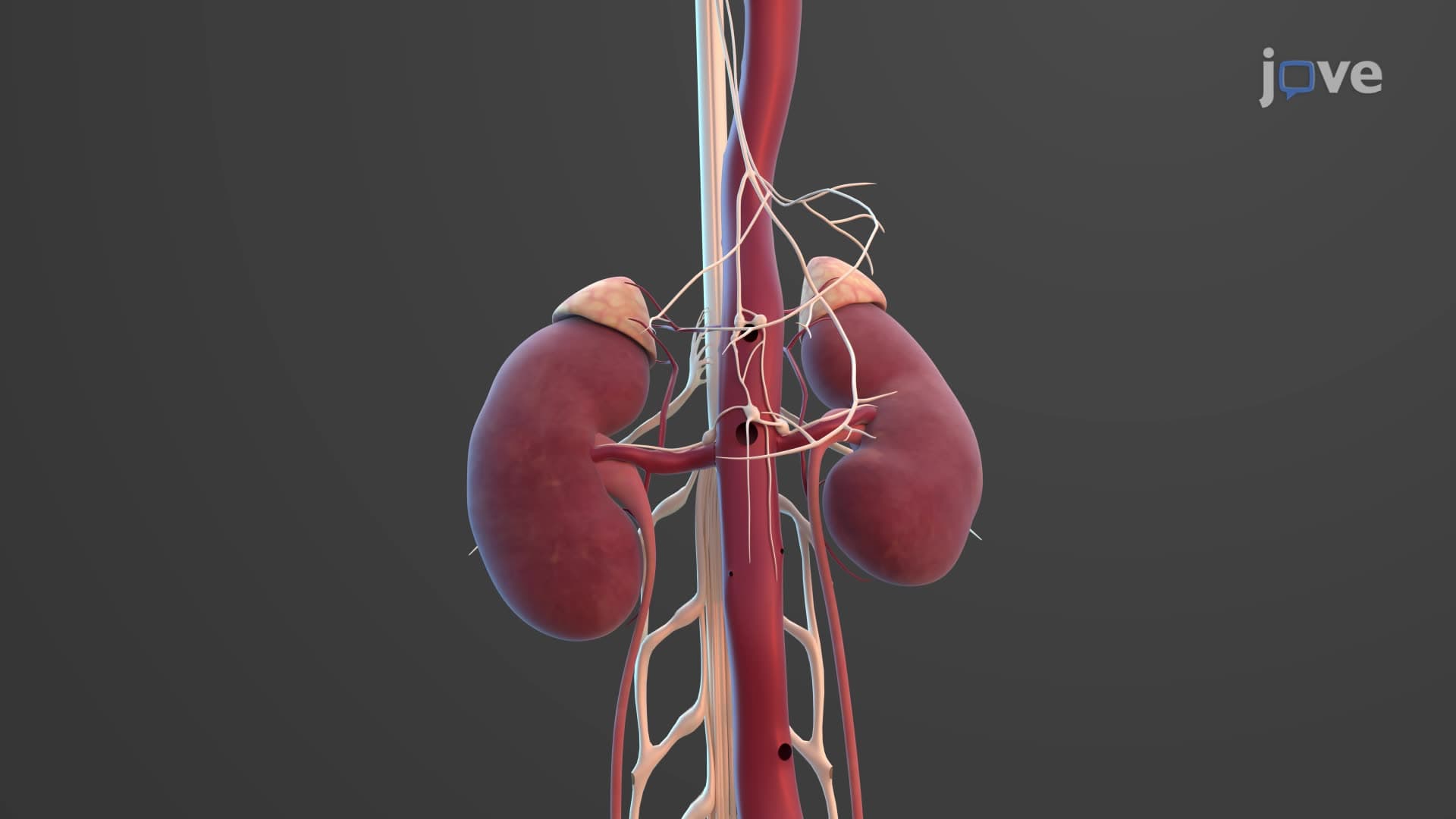



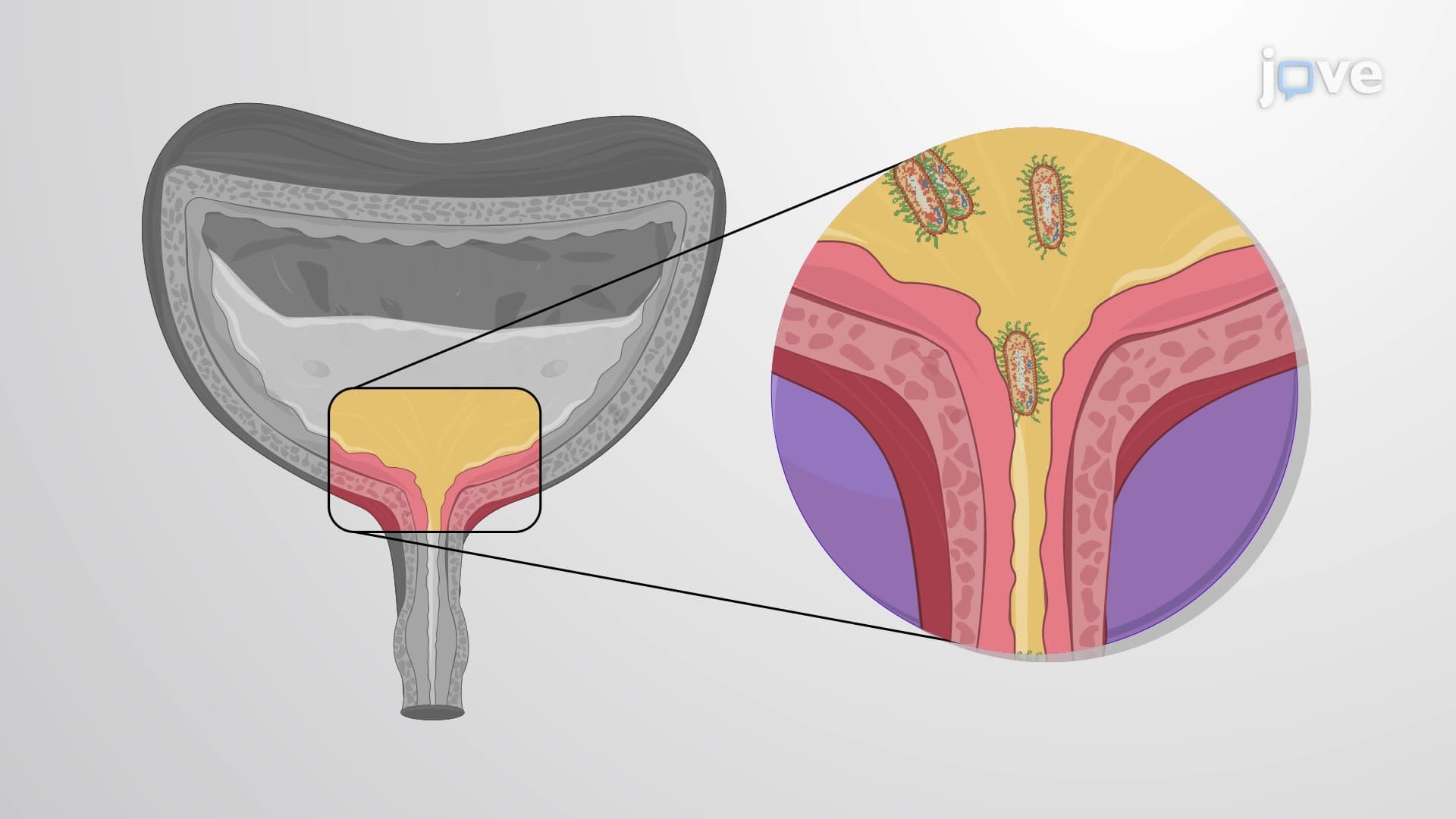
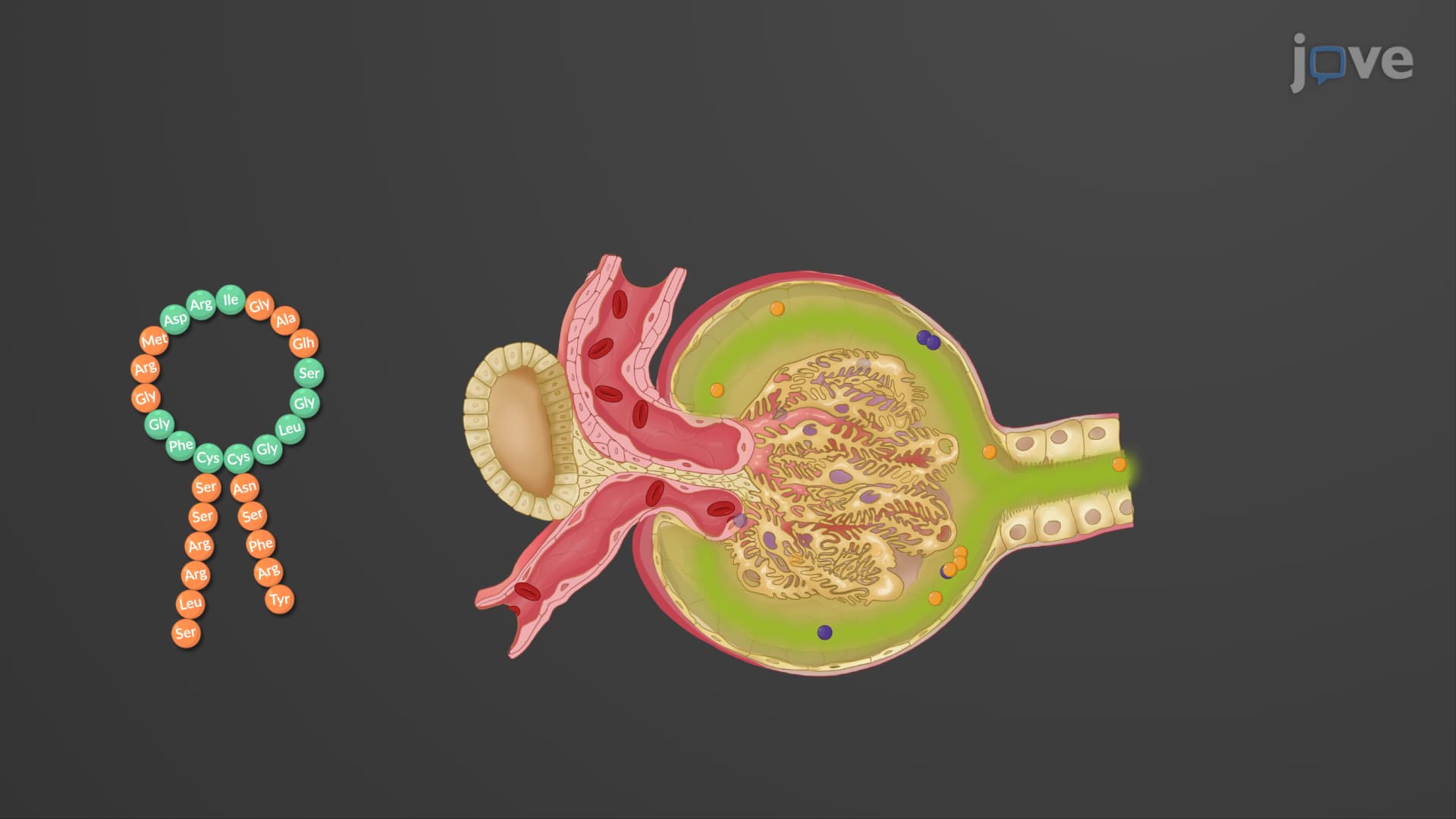
Glomerular Filtration Rate and its Regulation

00:00
01:28
Video Summary: Glomerular Filtration Rate and Its Regulation Explained
Did you know your kidneys filter about 180 liters of blood daily-enough to fill a standard bathtub? The GFR glomerular filtration rate measures how efficiently your kidneys perform this vital function, typically maintaining a steady 125 mL/min in healthy adults. When medical students at Johns Hopkins University study kidney disease, they learn that understanding Glomerular Filtration Rate And Its Regulation Explained is crucial for diagnosing conditions from diabetes to hypertension. Watch the full video on JoVE Coach to master this concept with expert-led visuals and step-by-step explanations.
- Understand the fundamental concept of Glomerular Filtration Rate And Its Regulation Explained as the volume of filtrate produced per minute by kidney glomeruli
- Identify the two intrinsic autoregulation mechanisms: myogenic response and tubuloglomerular feedback that maintain constant GFR
- Analyze how smooth muscle contractions in afferent arterioles respond to blood pressure changes to preserve kidney function
- Compare intrinsic versus extrinsic GFR control mechanisms, including when each system becomes dominant
- Evaluate the roles of key hormones like angiotensin-II, norepinephrine, and atrial natriuretic peptide in GFR regulation
- Apply knowledge of macula densa cell function in detecting sodium levels and triggering feedback responses
- Recognize clinical scenarios where GFR regulation fails, leading to kidney dysfunction and disease
- Explore how sympathetic nervous system activation affects both afferent and efferent arteriole constriction patterns
Understanding Glomerular Filtration Rate And Its Regulation Explained
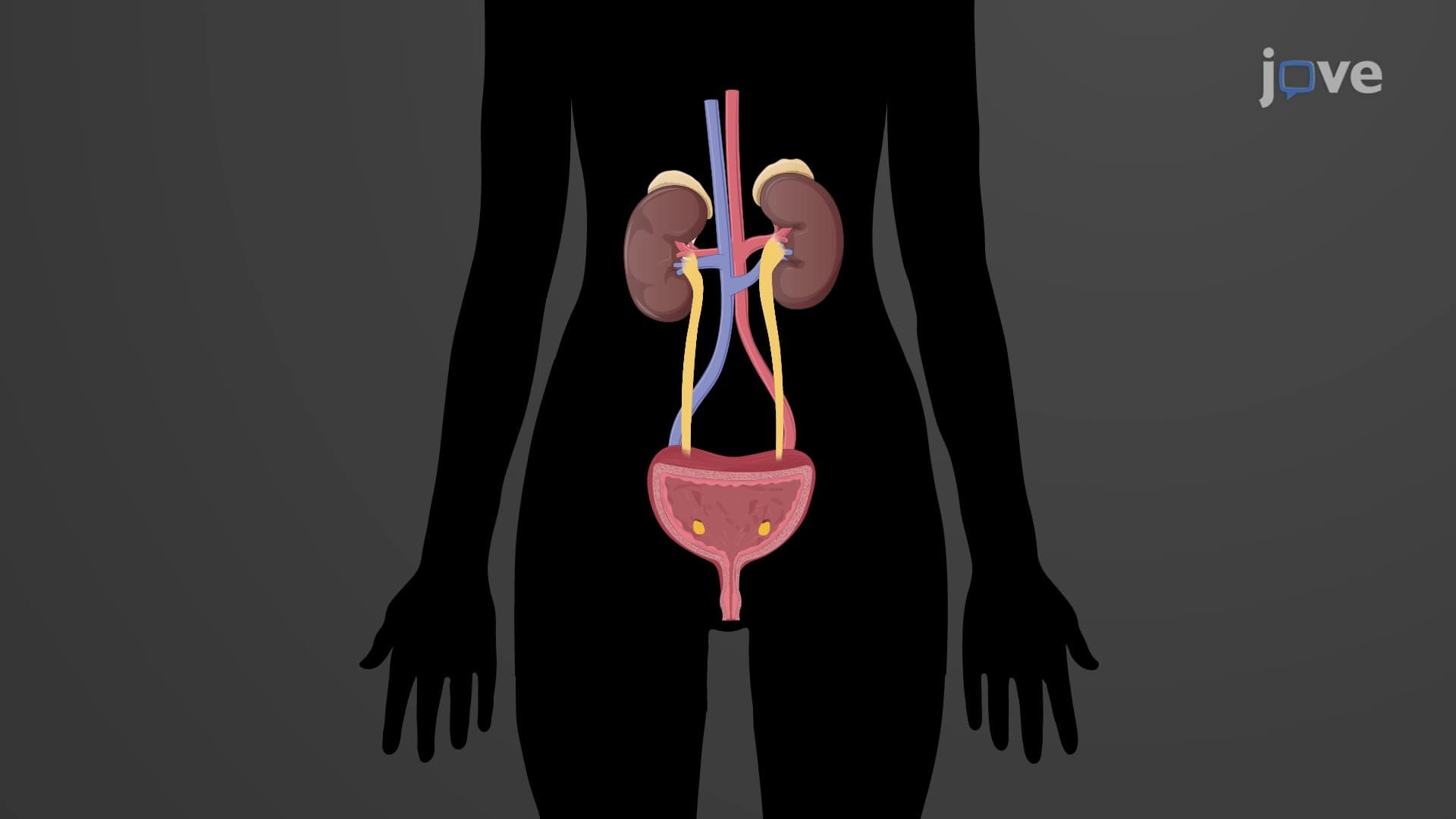
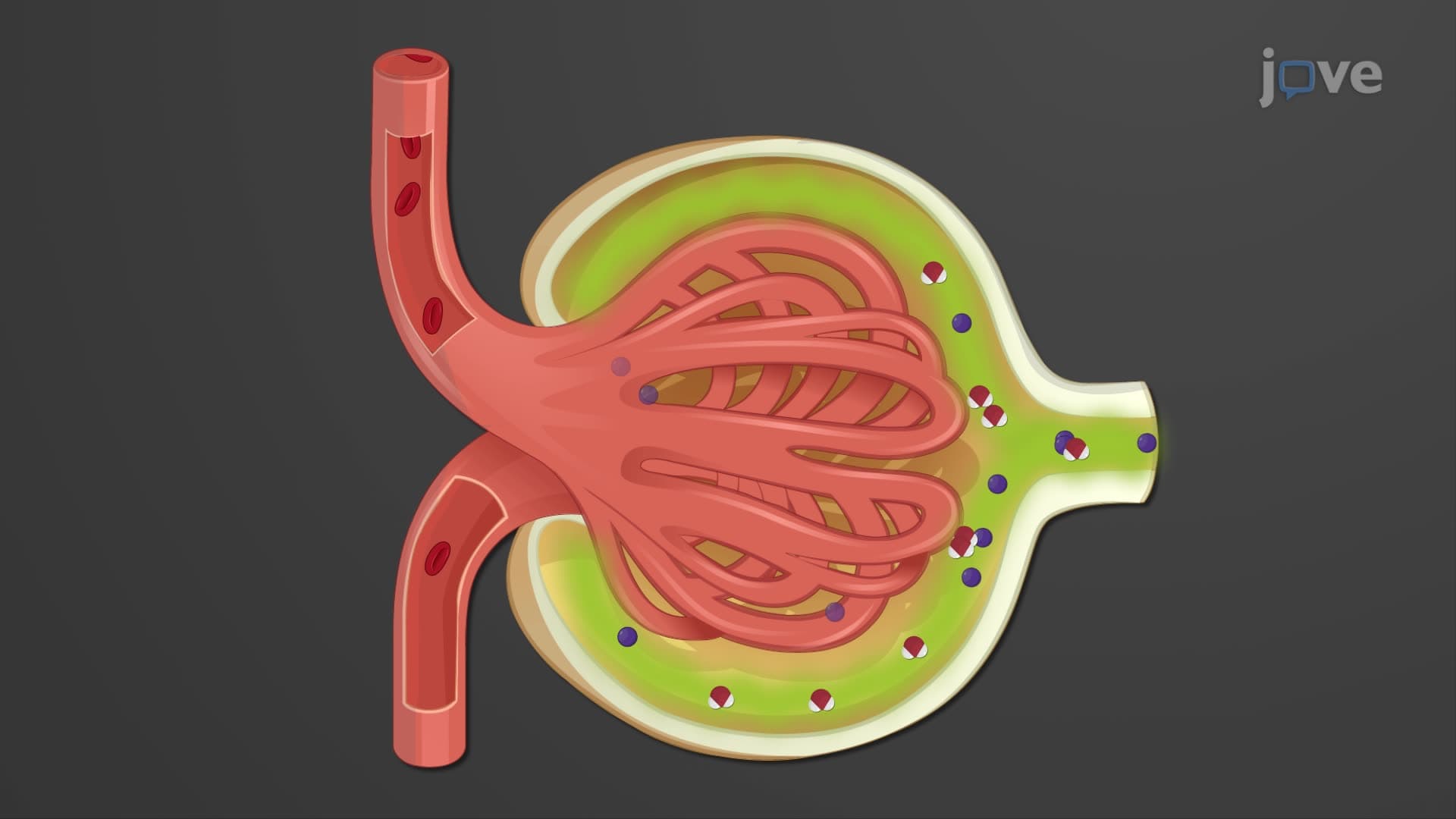
The glomerular filtration rate represents one of the most critical measurements in nephrology and serves as a cornerstone concept in AP Biology and college-level physiology courses. In healthy adults, the normal GFR 125 ml/min reflects the kidneys' remarkable ability to process approximately 180 liters of blood daily while maintaining precise homeostatic control.
Intrinsic Autoregulation GFR Mechanism Systems
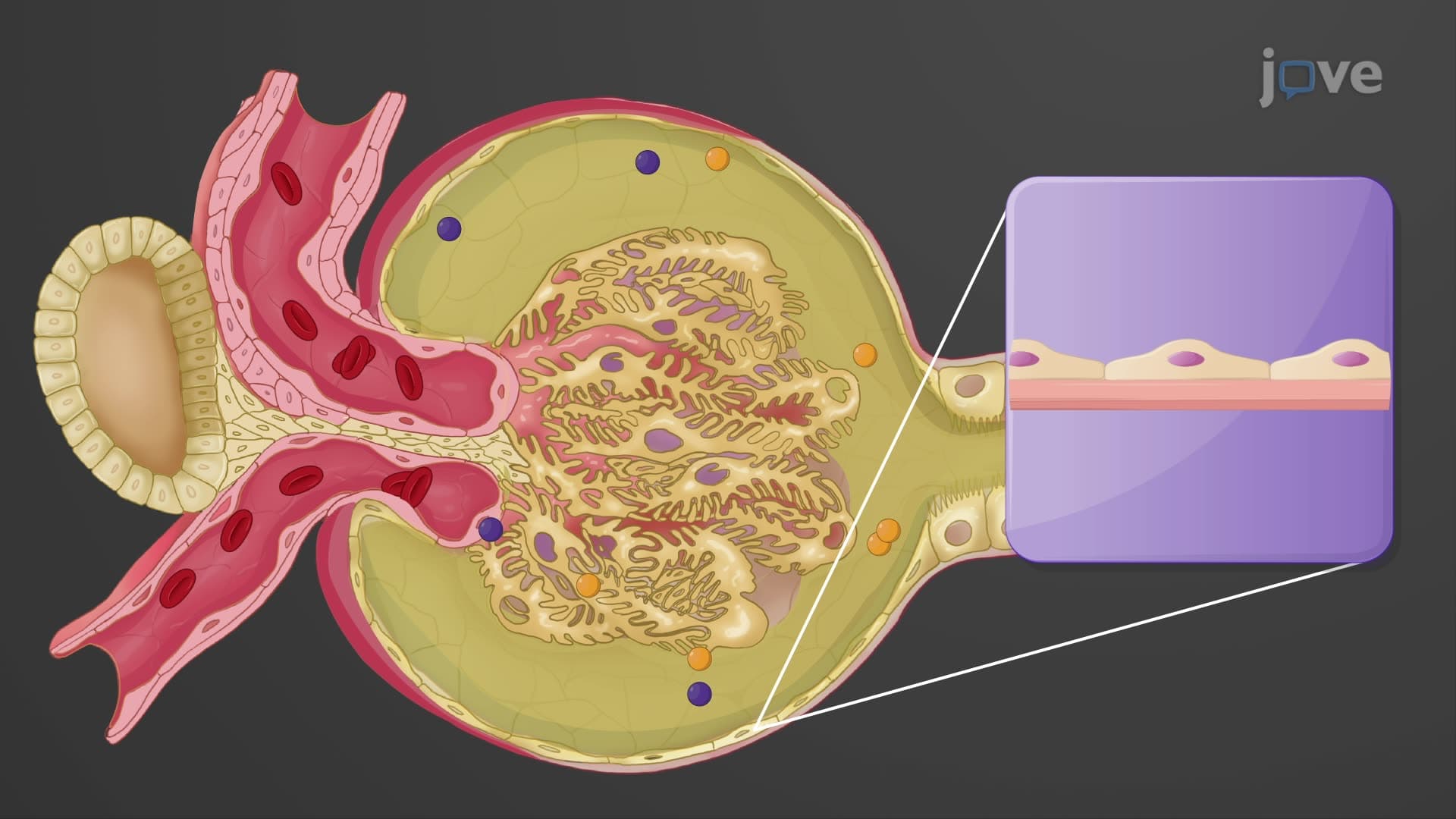
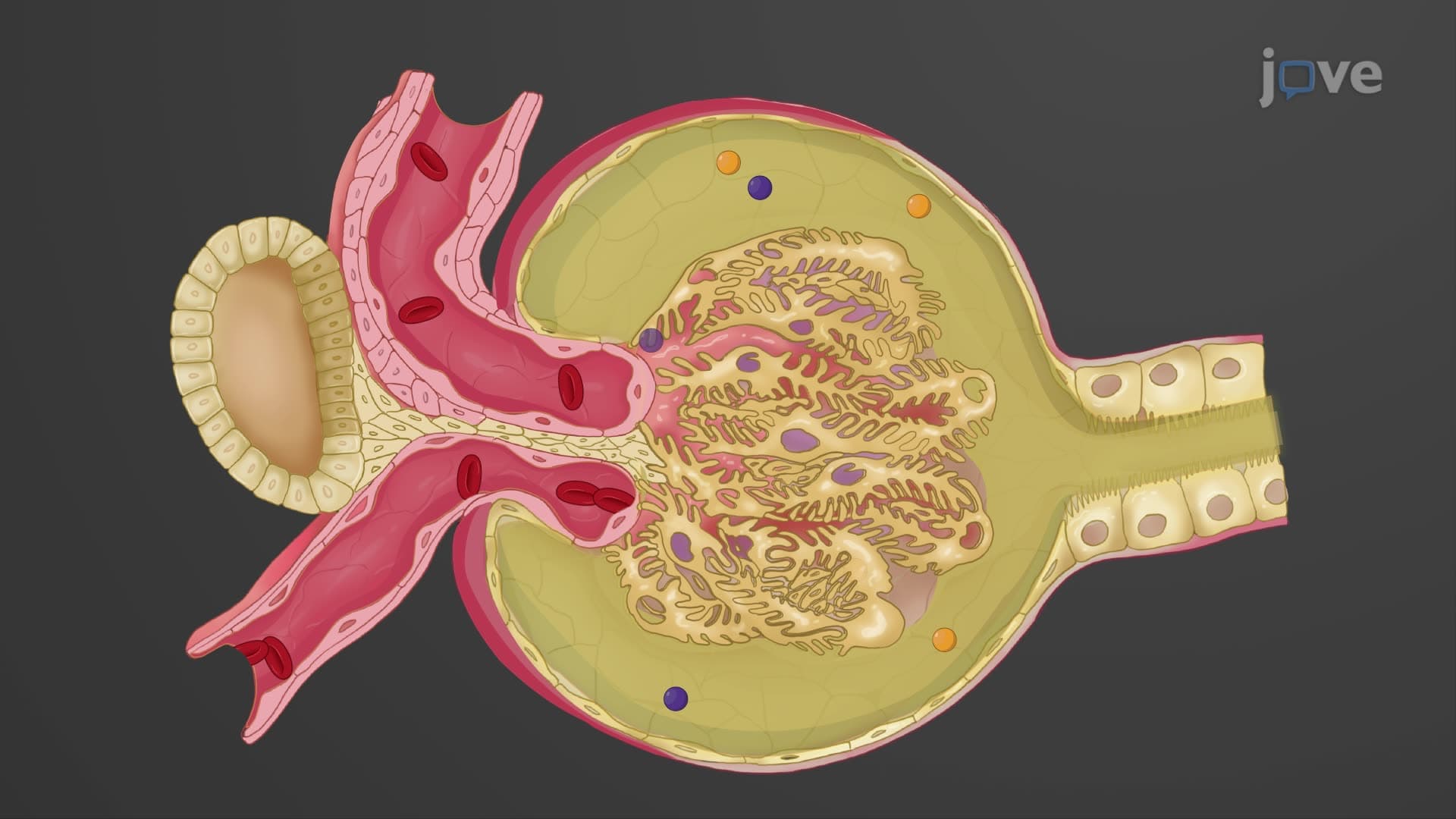
The kidneys employ sophisticated autoregulation GFR mechanism systems to maintain consistent filtration despite fluctuating blood pressures. The myogenic mechanism functions like an automatic pressure valve-when systemic blood pressure rises, smooth muscle cells in afferent arterioles detect the increased stretch and contract reflexively. This vasoconstriction reduces blood flow into the glomerular capillaries, preventing damage from excessive pressure.
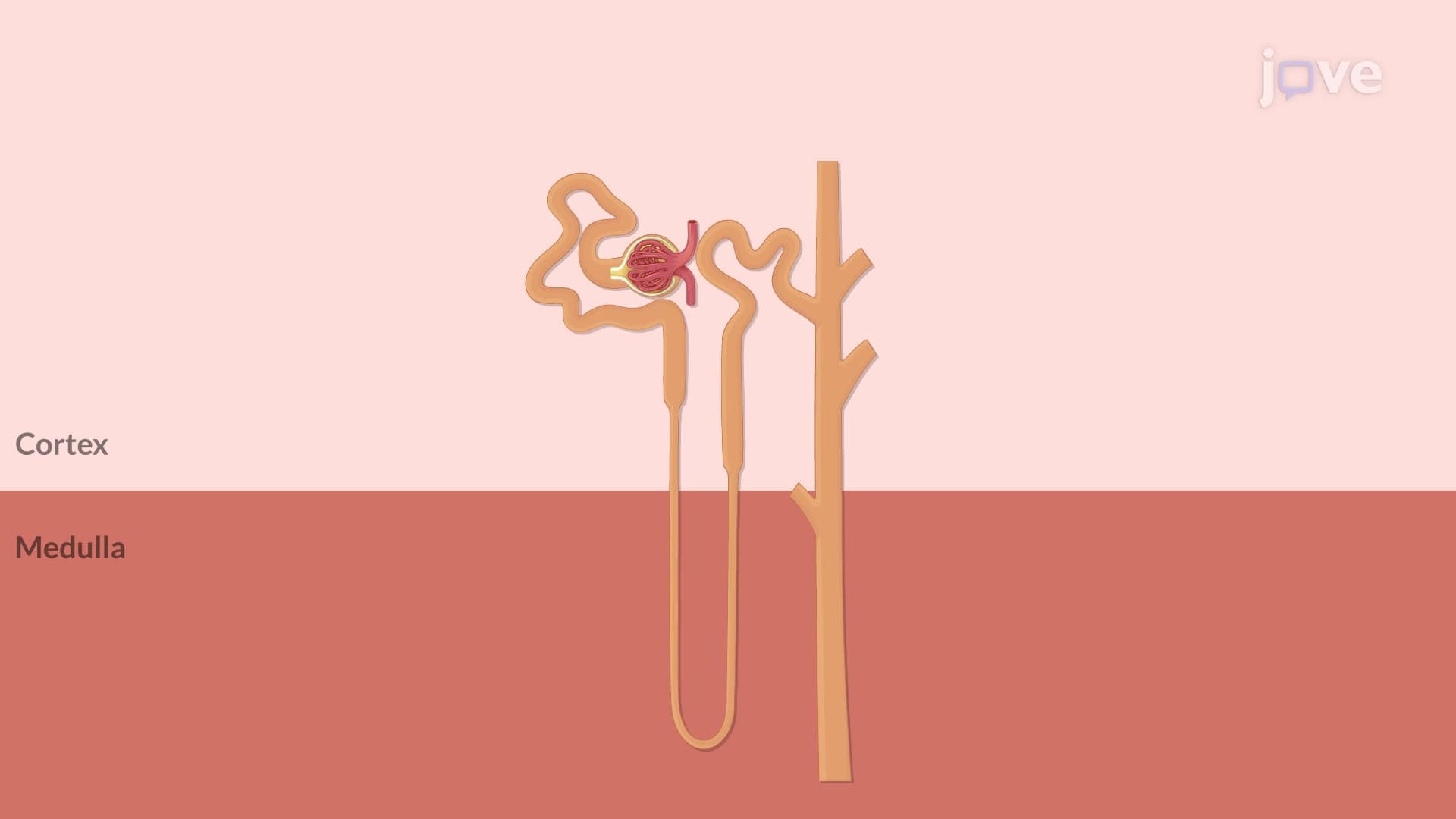
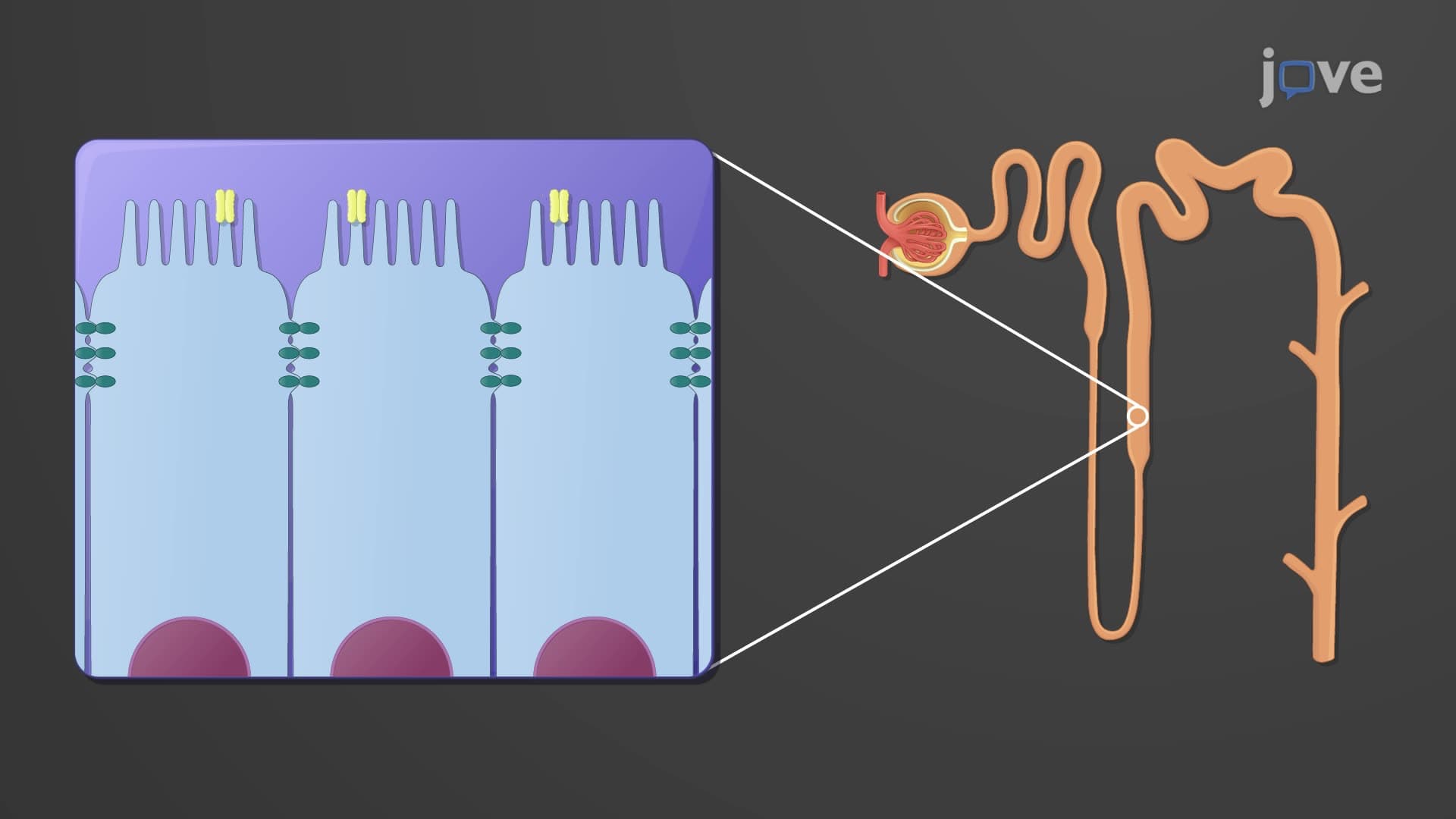
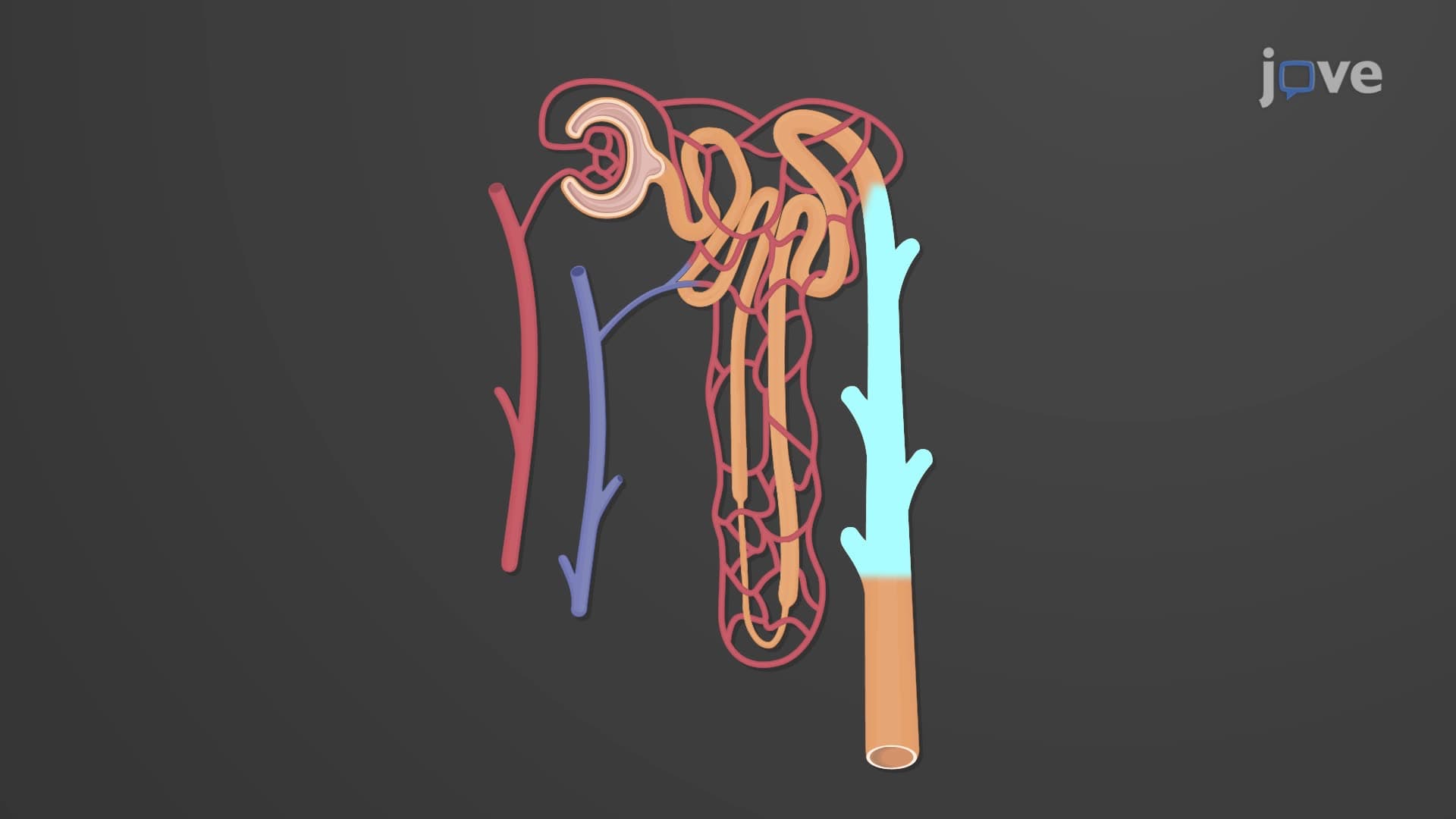
The tubuloglomerular feedback GFR system operates through specialized macula densa cells located in the distal tubule. These cells act as sodium sensors, monitoring filtrate composition. When GFR increases excessively, more sodium reaches the macula densa, triggering release of adenosine and other vasoconstrictor substances. This creates a negative feedback loop that constricts afferent arterioles, effectively reducing GFR back to normal levels.
Hormonal GFR Regulation Under Stress Conditions
When blood pressure drops significantly-such as during hemorrhage or dehydration-intrinsic mechanisms prove insufficient, and hormonal GFR regulation takes precedence. The sympathetic nervous system releases norepinephrine, which constricts both afferent and efferent arterioles but affects them differently. This differential response helps maintain some filtration while redirecting blood to vital organs.
Angiotensin-II, a key component of the renin-angiotensin-aldosterone system, primarily constricts efferent arterioles more than afferent ones. This selective action maintains glomerular pressure and GFR even when systemic blood pressure falls. Conversely, atrial natriuretic peptide (released when blood volume increases) dilates afferent arterioles while constricting efferent vessels, effectively increasing GFR to promote fluid loss.
Clinical Significance and Exam Applications
Understanding GFR clinical significance proves essential for MCAT preparation and medical school coursework. Chronic kidney disease staging relies entirely on GFR measurements, with values below 60 mL/min/1.73m² indicating significant dysfunction. Students preparing for the USMLE frequently encounter questions about how diabetes mellitus affects these regulatory mechanisms, particularly through hyperglycemia-induced changes in tubuloglomerular feedback sensitivity.
Frequently Asked Questions
GFR measures how much fluid your kidneys filter per minute, normally about 125 mL/min. Your kidneys automatically adjust this rate using muscle contractions and chemical signals to maintain steady function despite changes in blood pressure. This regulation prevents kidney damage and maintains proper body fluid balance.
MCAT questions often focus on hormonal regulation scenarios, particularly angiotensin-II effects and sympathetic responses to blood loss. AP Biology emphasizes autoregulation mechanisms and feedback loops. Practice identifying which regulatory system activates under different blood pressure conditions and predicting GFR changes.
Step 1 integrates GFR with pathophysiology, especially diabetic nephropathy, hypertensive kidney disease, and acute kidney injury. Expect questions linking ACE inhibitors to efferent arteriole dilation, diuretic effects on tubuloglomerular feedback, and how NSAIDs affect afferent arteriole constriction.
Clinicians use GFR measurements daily to dose medications safely, monitor chronic kidney disease progression, and detect acute kidney injury. Understanding regulation mechanisms helps predict how conditions like heart failure or diabetes will affect kidney function and guide treatment decisions.
Basic understanding of blood pressure, muscle contraction, and hormone function suffices for introductory study. Focus on the cause-and-effect relationships rather than complex biochemical pathways. High school biology and introductory college physiology provide adequate foundation knowledge.
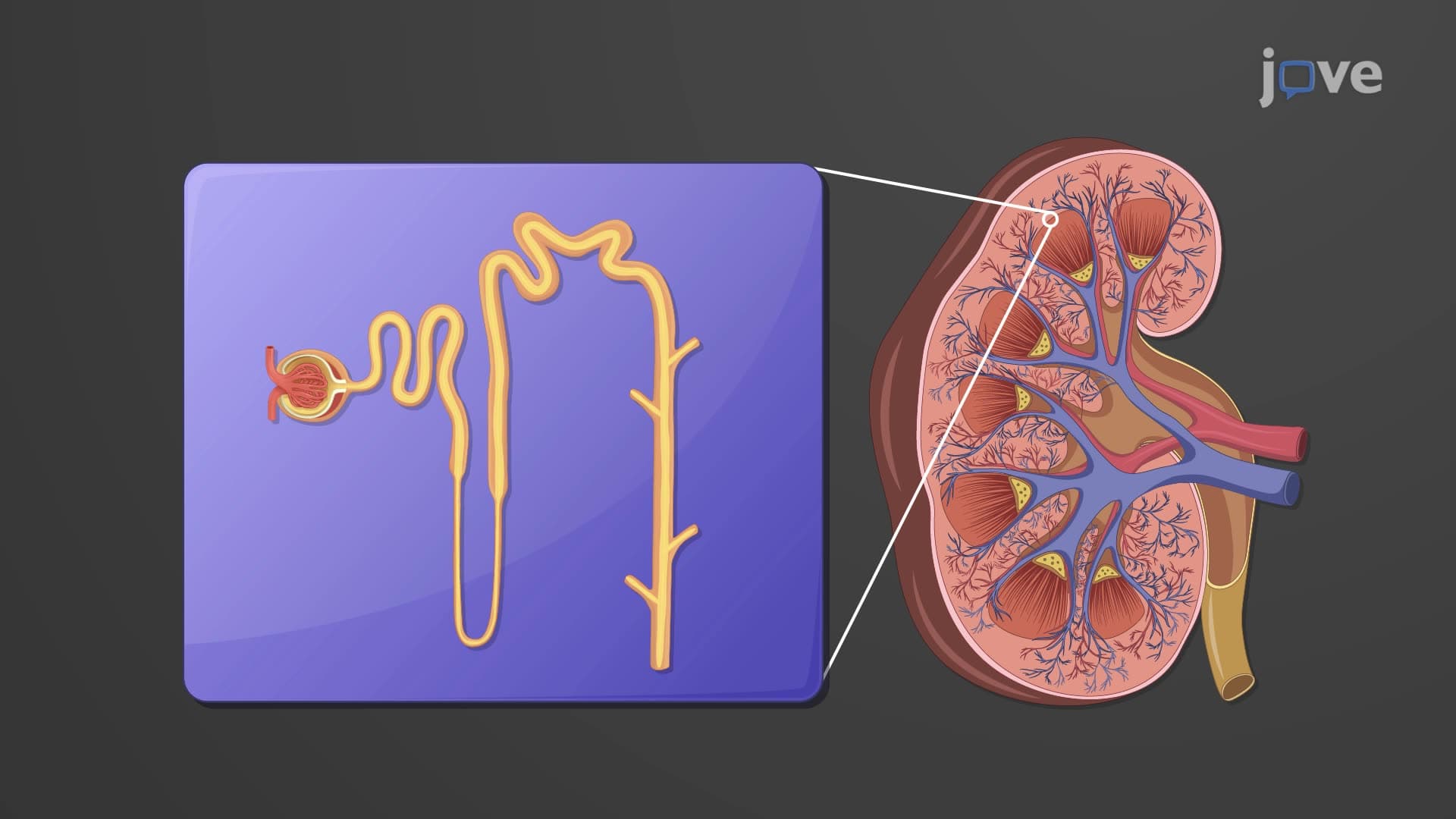
Create flowcharts showing blood pressure changes leading to specific responses. Use mnemonics like "Myogenic Muscles Contract" for pressure-induced vasoconstriction. Practice drawing the nephron and labeling where each regulatory mechanism occurs, then test yourself without looking.
GFR regulation directly links to tubular reabsorption, secretion, and concentration mechanisms. Strong GFR understanding prepares you for studying loop diuretics, antidiuretic hormone effects, and electrolyte balance. Consider exploring renal clearance calculations and plasma creatinine relationships next.
Regulation failure leads to chronic kidney disease, requiring dialysis or transplantation in severe cases. Patients at Cleveland Clinic with diabetes often develop nephropathy when high glucose damages regulatory mechanisms. Early detection through GFR monitoring allows intervention before irreversible damage occurs.
Related Micro-courses

20 Concepts

37 Concepts

14 Concepts