Loading subject page…

- Anatomy and Physiology
- The Urinary System
- Reabsorption and Secretion in the Loop of Henle
Micro-course: The Urinary System
78,053 views
Learn key concepts and earn your certificate.
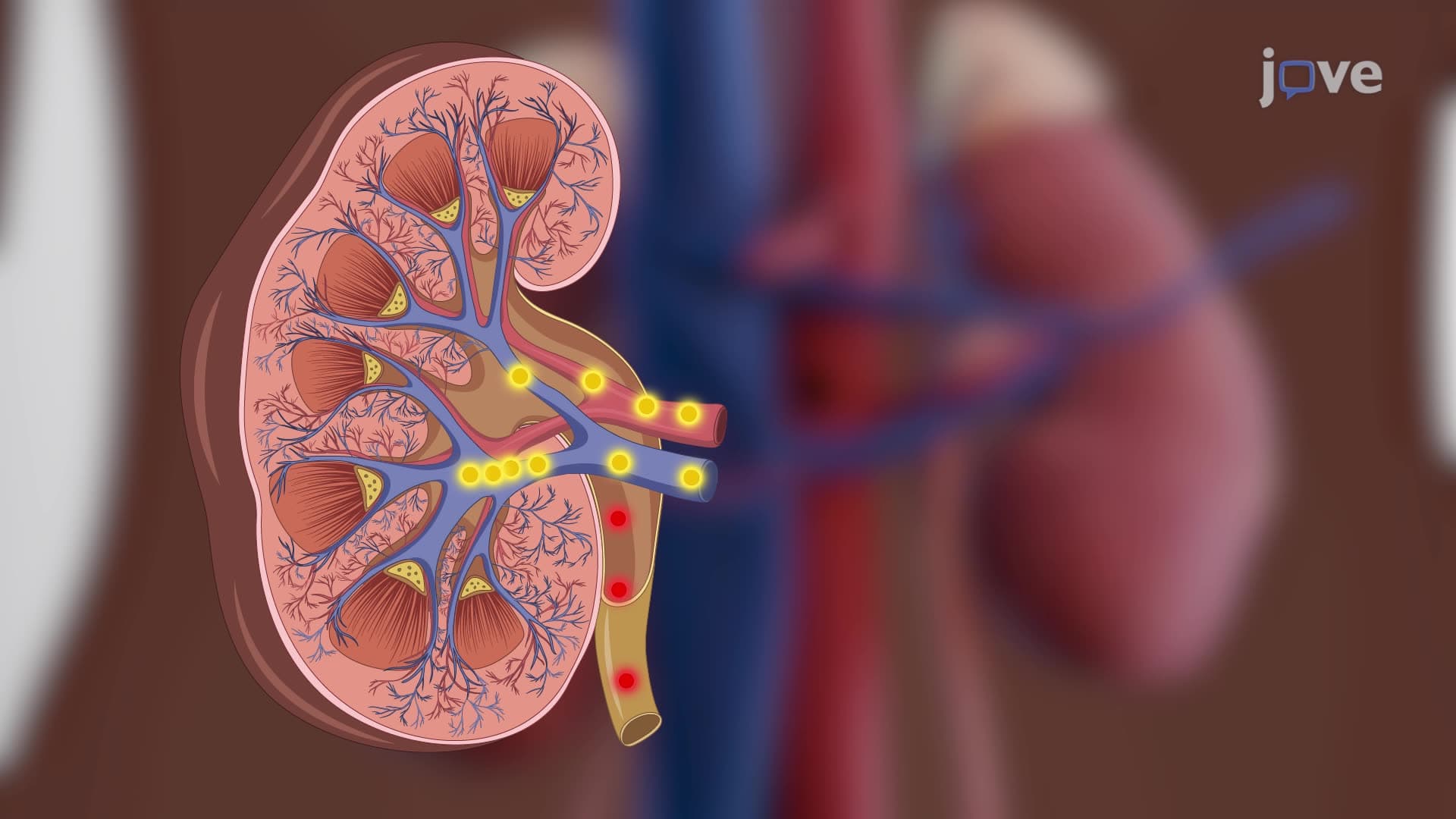

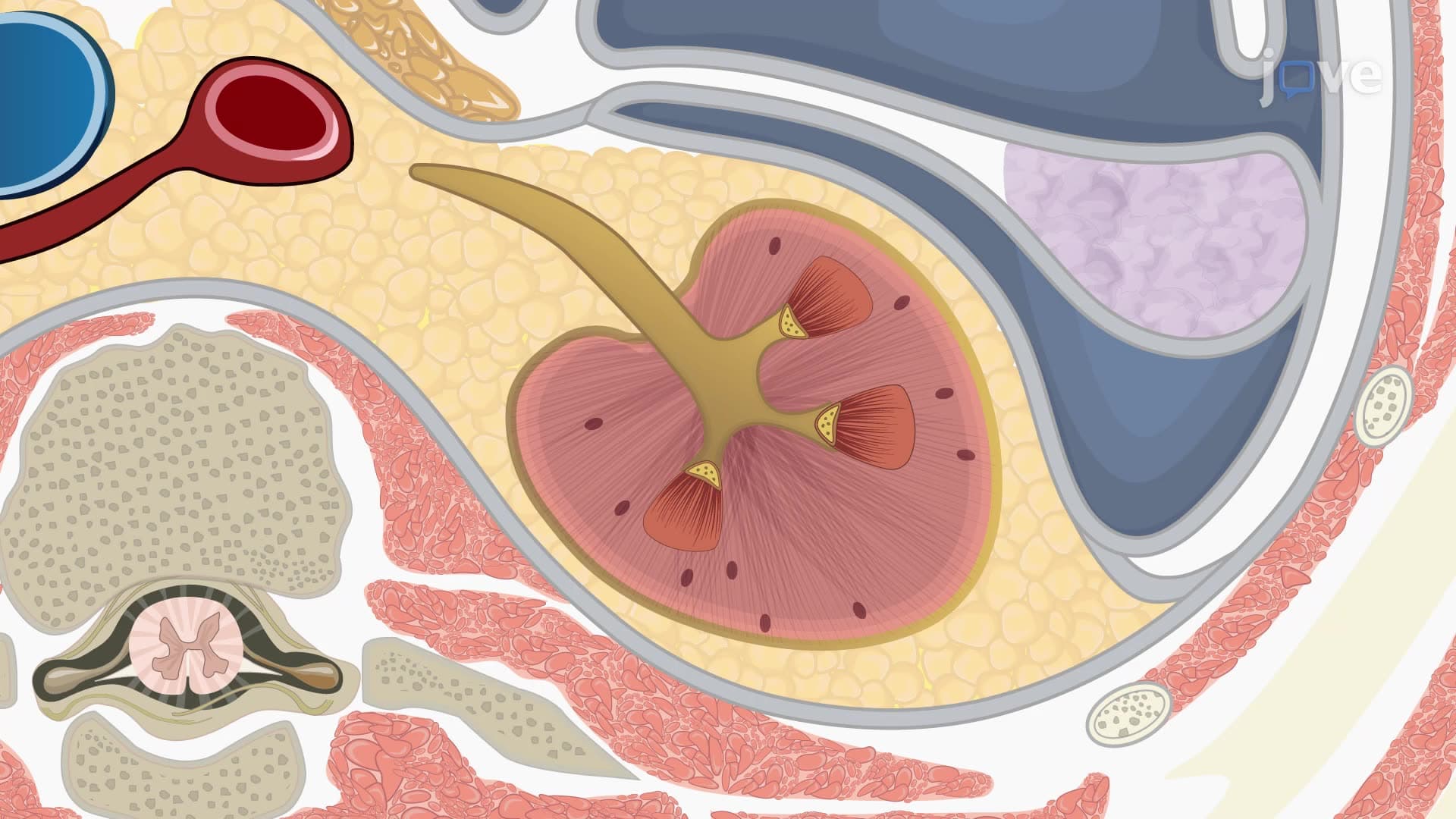
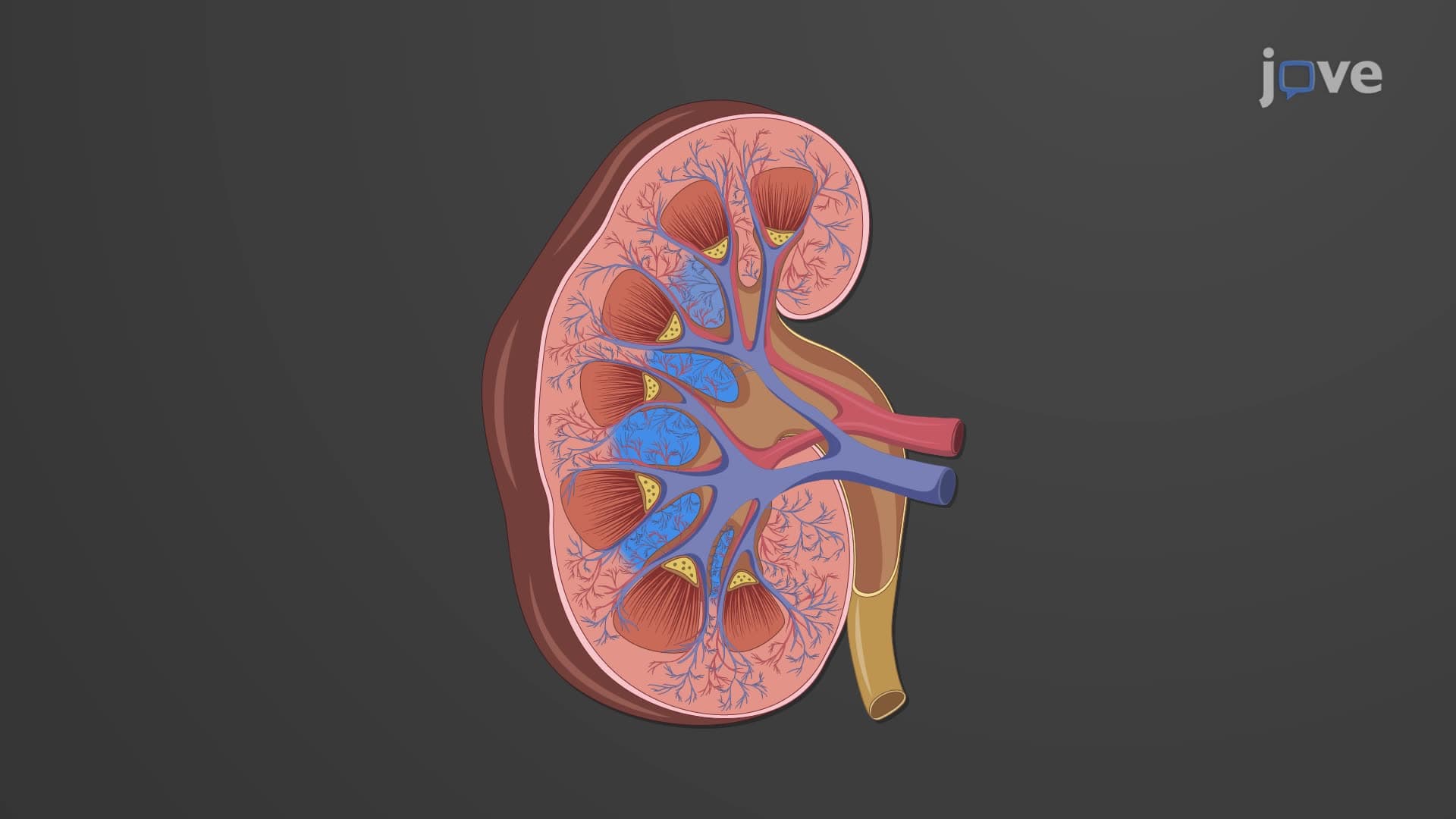
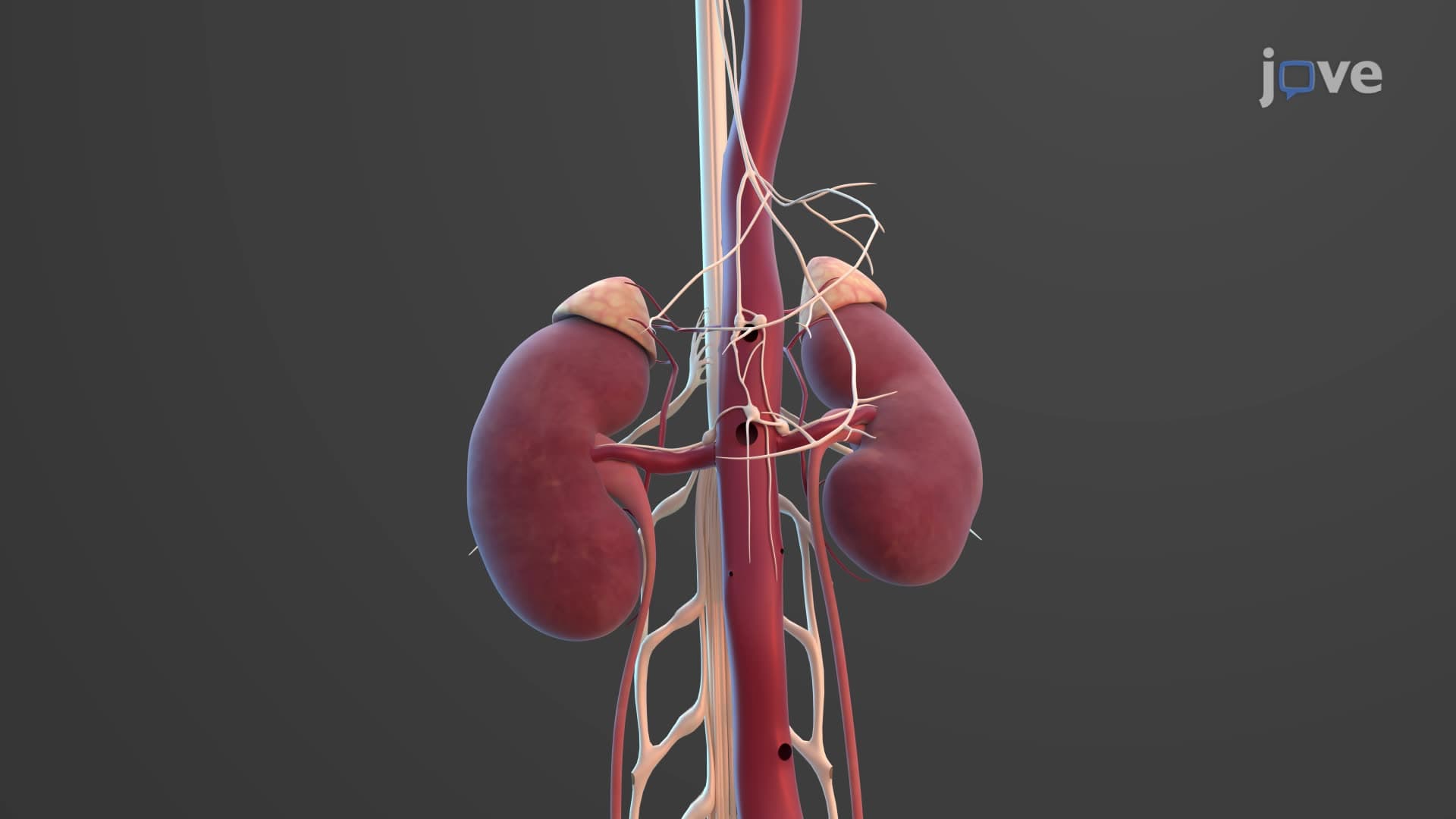
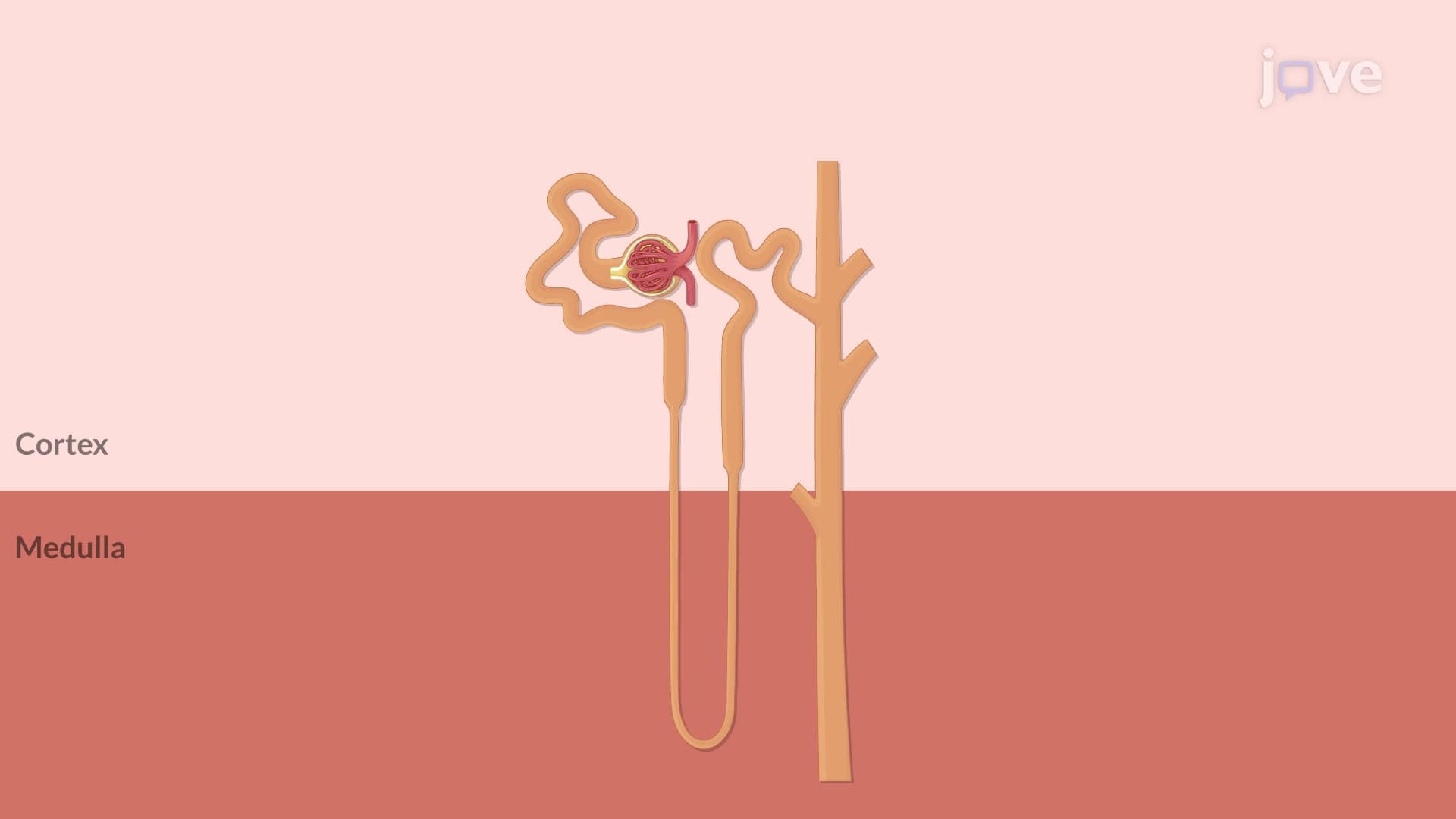
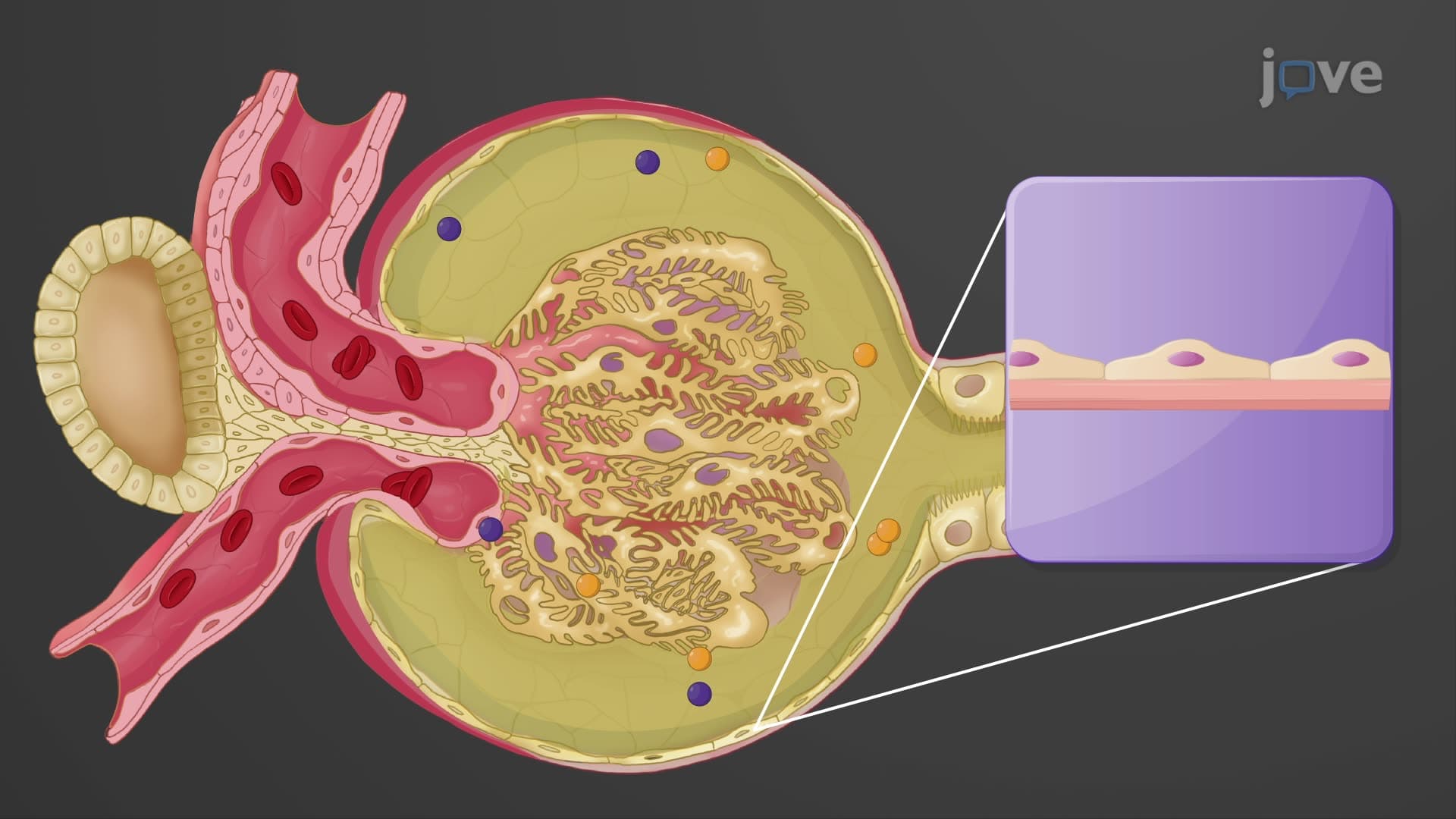

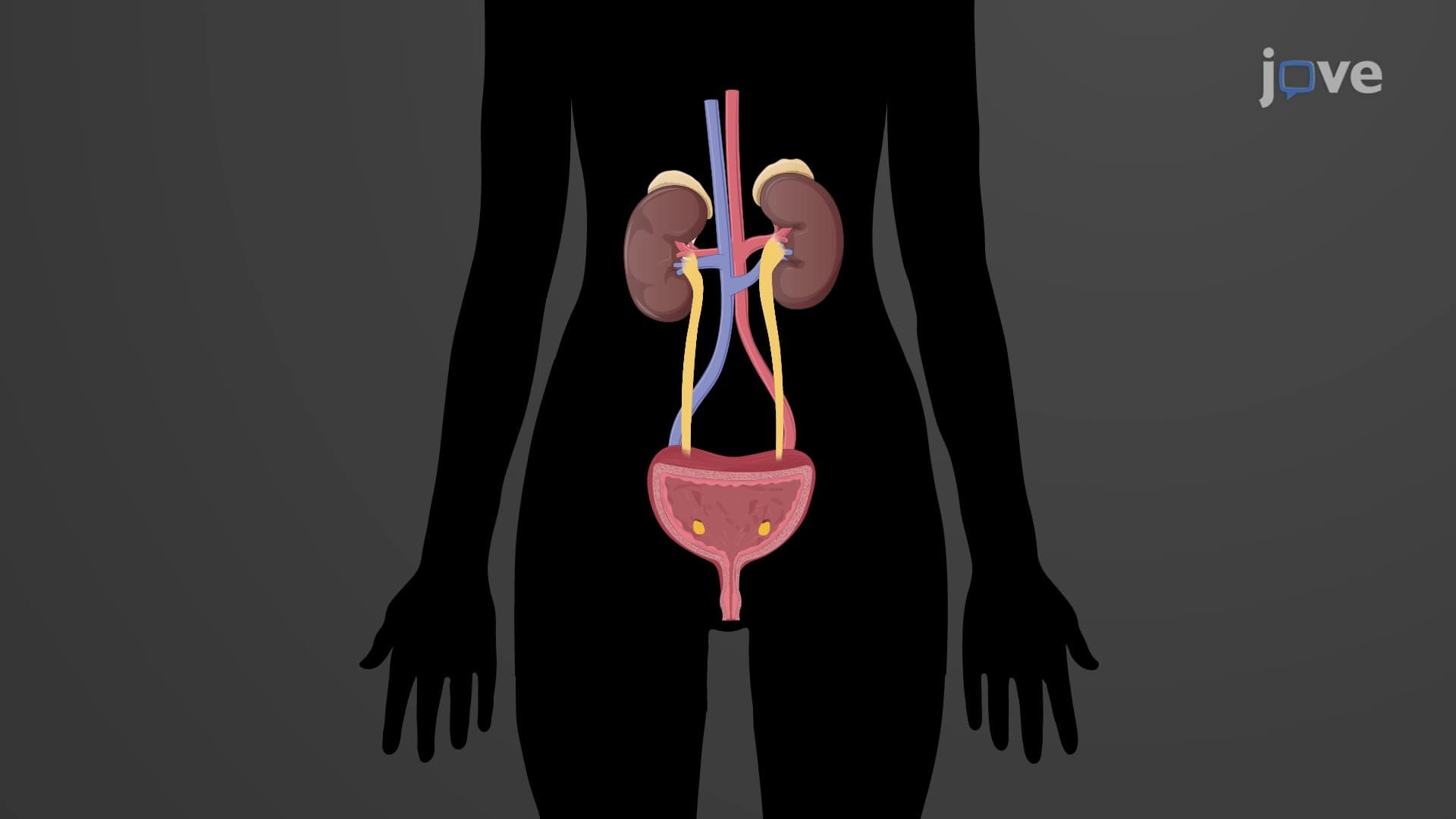
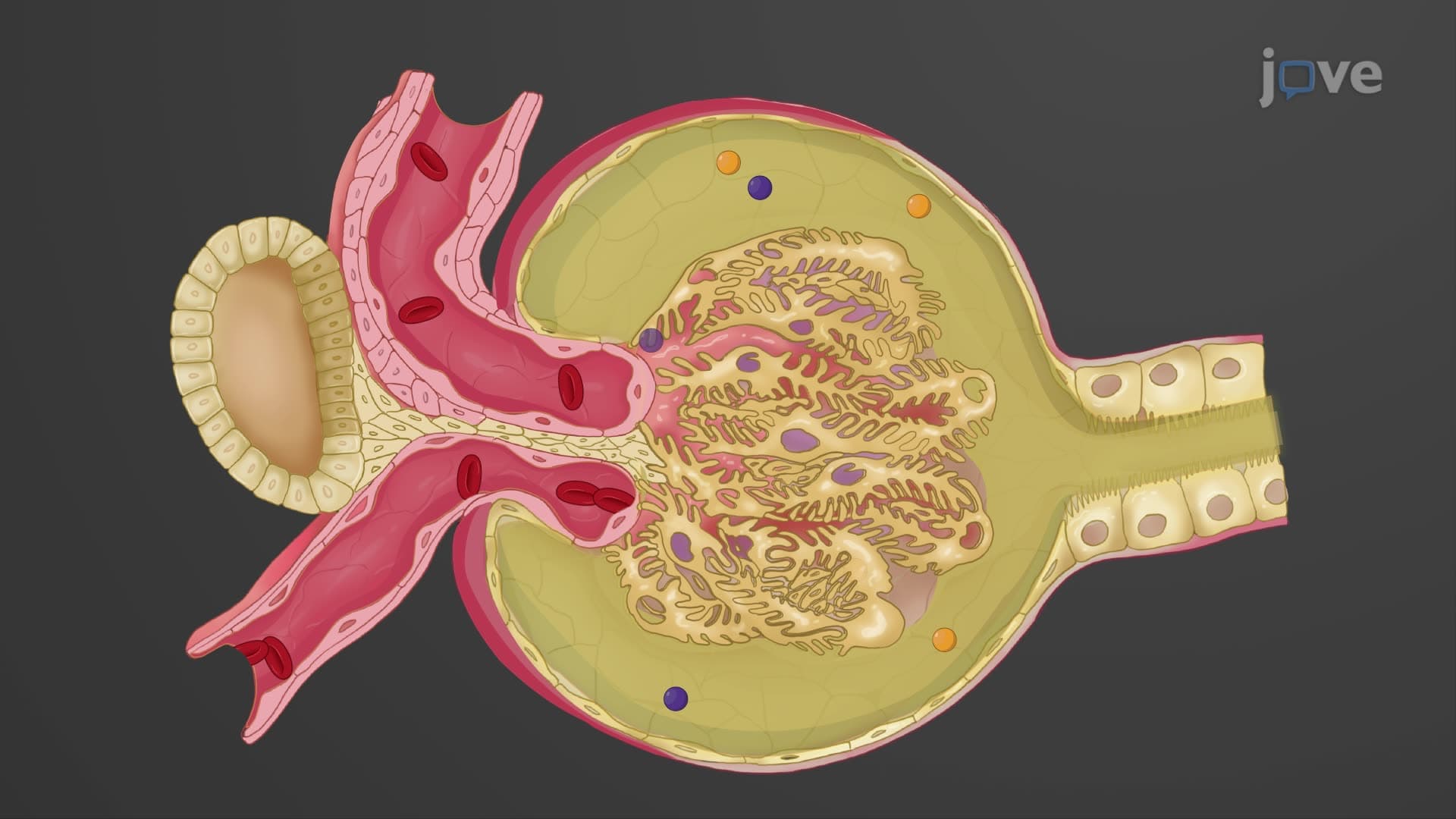
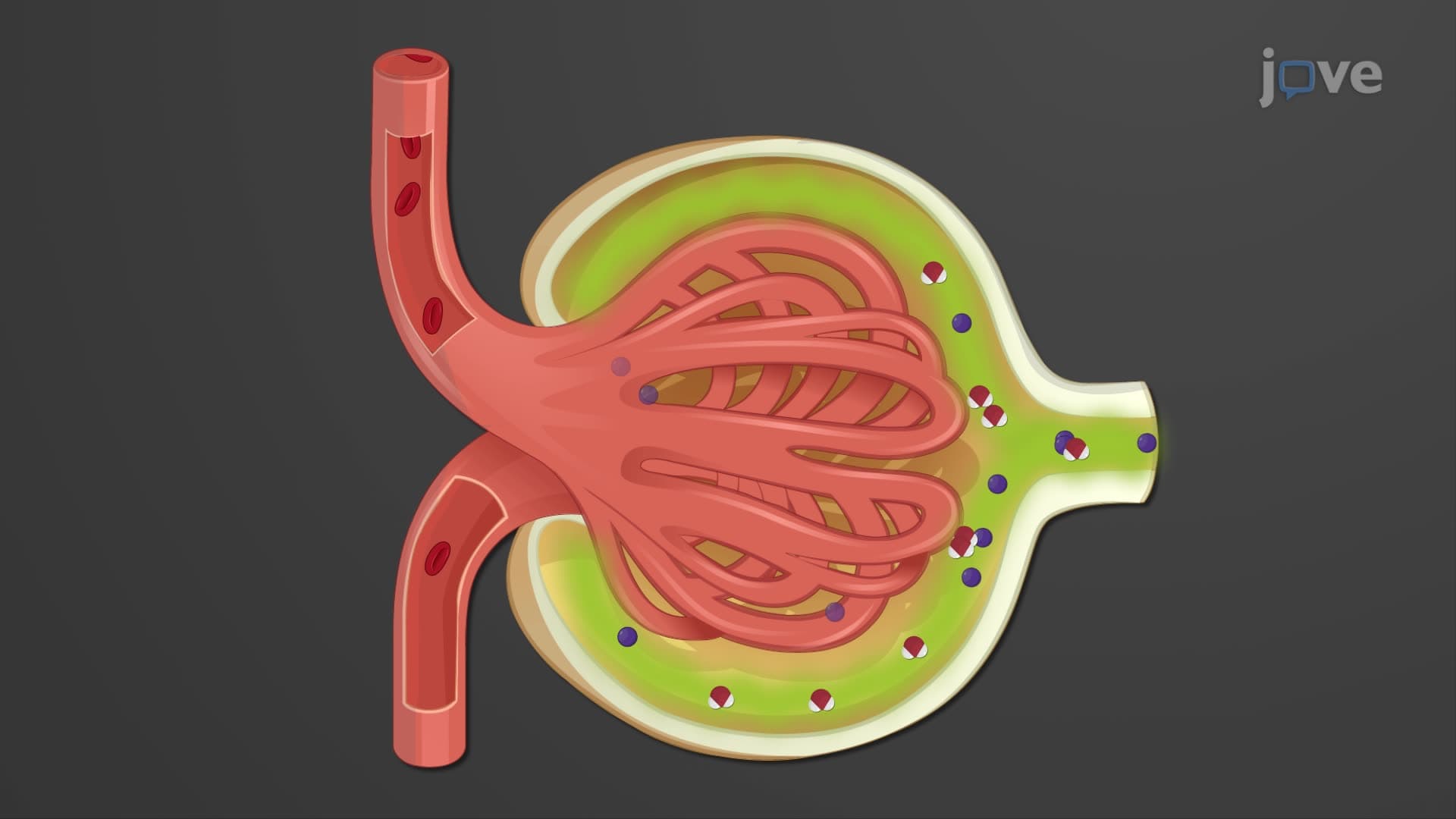
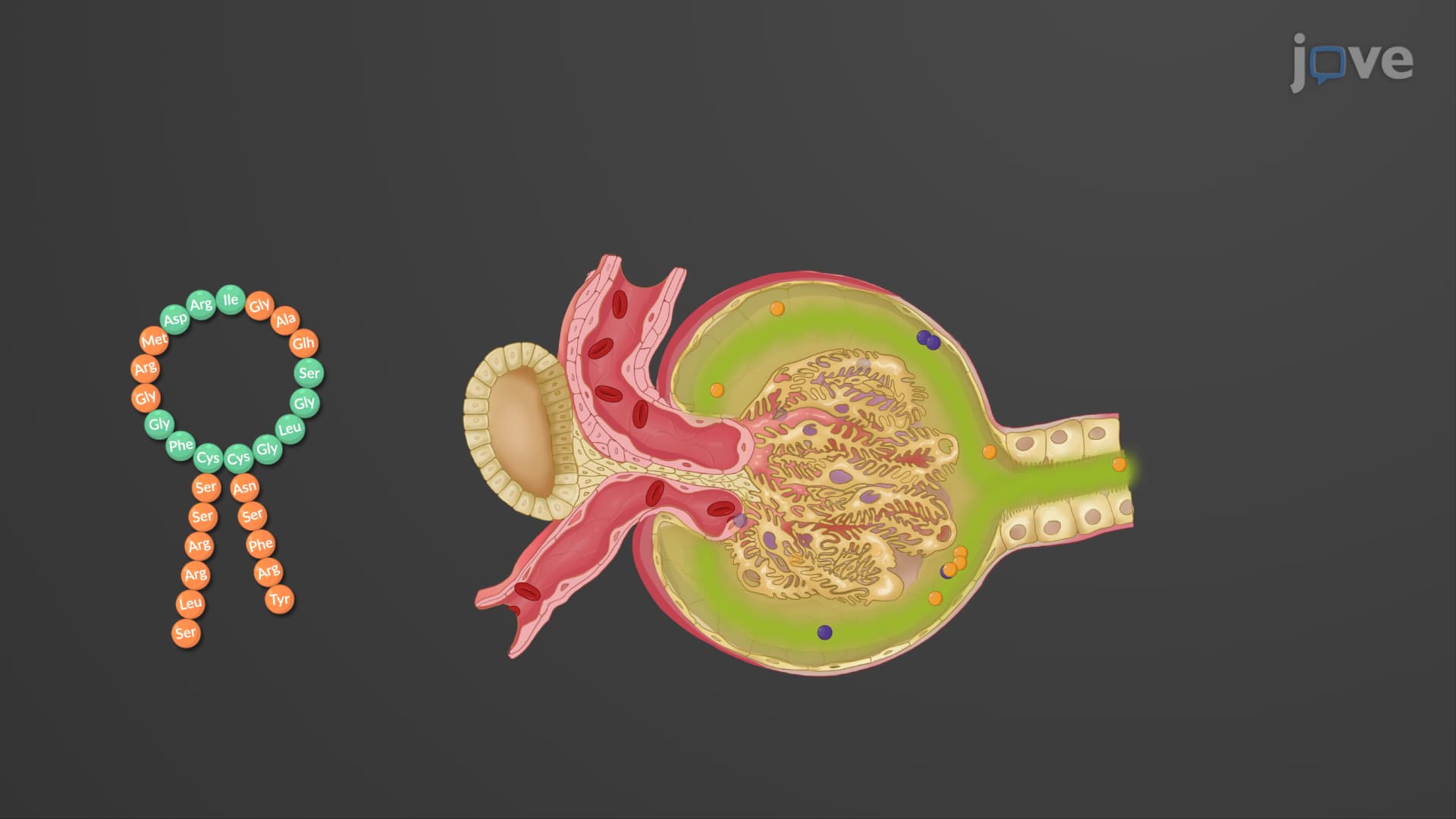
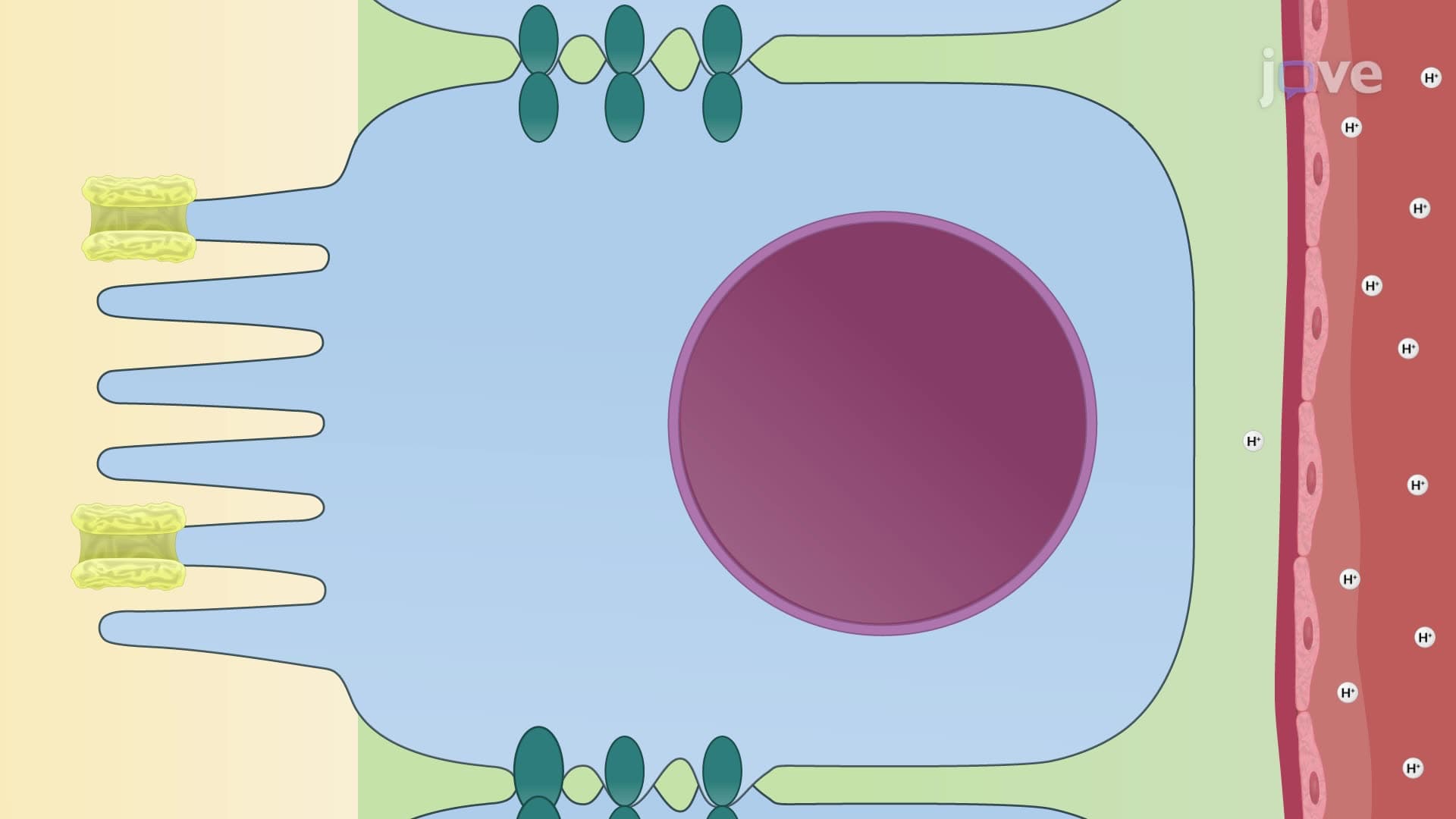
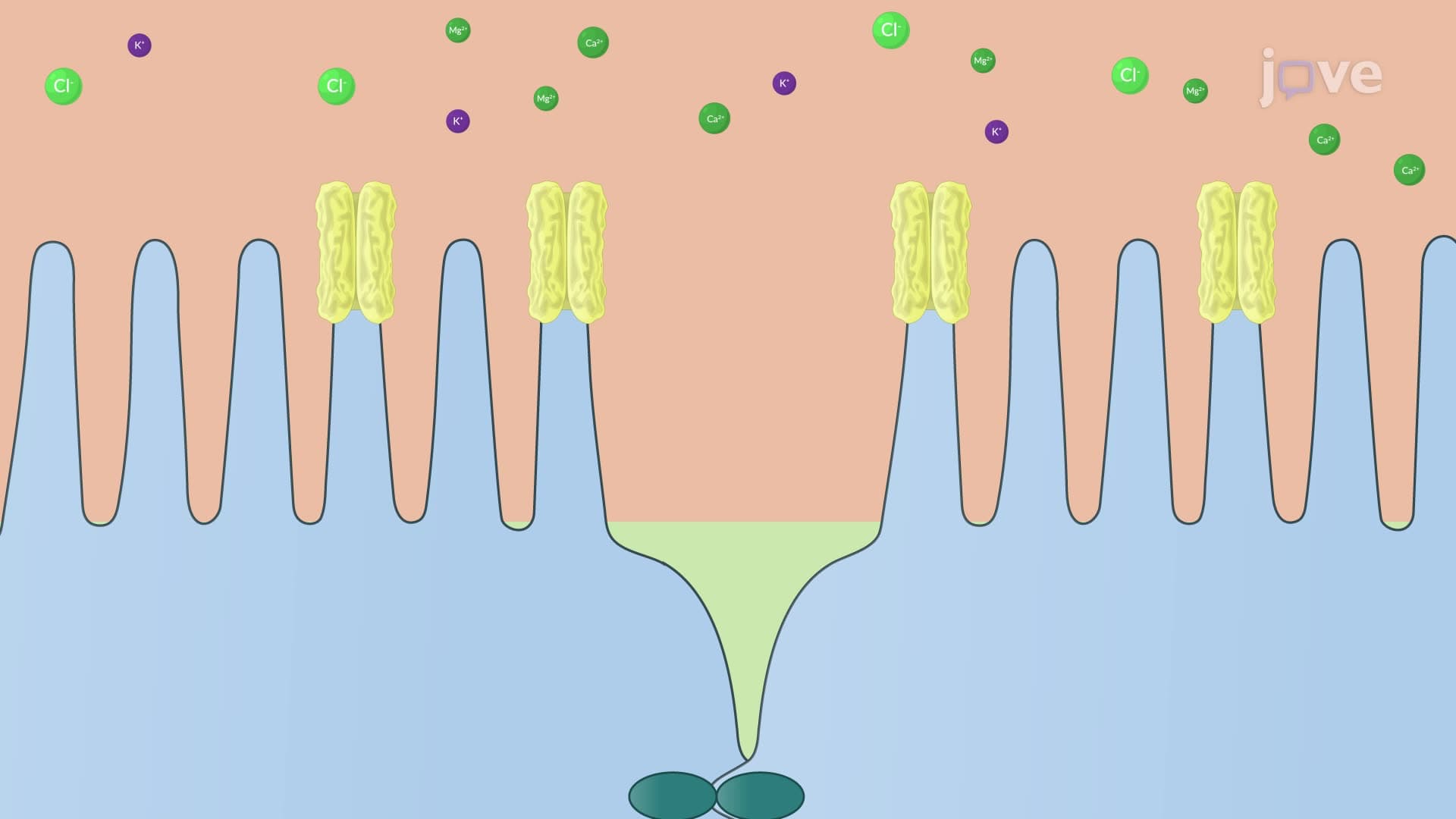

Reabsorption and Secretion in the Loop of Henle

00:00
01:17
Video Summary: Loop of Henle Reabsorption and Secretion
Did you know your kidneys filter about 180 liters of blood daily, yet you only produce 1-2 liters of urine? Loop of Henle reabsorption makes this incredible concentration possible through specialized transport mechanisms in the nephron's ascending and descending limbs. In conditions like diabetes insipidus, patients at Johns Hopkins Hospital may produce 15+ liters of dilute urine daily when this reabsorption process fails. Understanding Loop of Henle Reabsorption and Secretion reveals how your body maintains precise fluid balance. Watch the full video on JoVE Coach to master this concept with expert-led visuals and step-by-step explanations.
- Understand how Loop of Henle Reabsorption and Secretion creates the kidney's concentration gradient through distinct mechanisms in ascending and descending limbs
- Identify the role of Na+K+2Cl- symporters in the thick ascending limb and explain how they facilitate selective ion reabsorption
- Analyze why the ascending limb remains impermeable to water while actively transporting solutes, leading to progressive dilution of tubular fluid
- Compare water reabsorption in the descending limb (15% of filtered water) versus solute reabsorption in the ascending limb
- Evaluate how potassium recycling through apical leak channels creates electrochemical gradients that drive paracellular Ca2+ and Mg2+ reabsorption
- Apply knowledge of countercurrent multiplication to explain how the loop of Henle concentrates urine up to 1200 mOsm/kg
- Recognize the clinical significance of loop diuretics like furosemide that block Na+K+2Cl- transporters
- Explore how disruptions in this system lead to conditions like nephrogenic diabetes insipidus and electrolyte imbalances
Loop of Henle Reabsorption: The Kidney's Concentration Engine
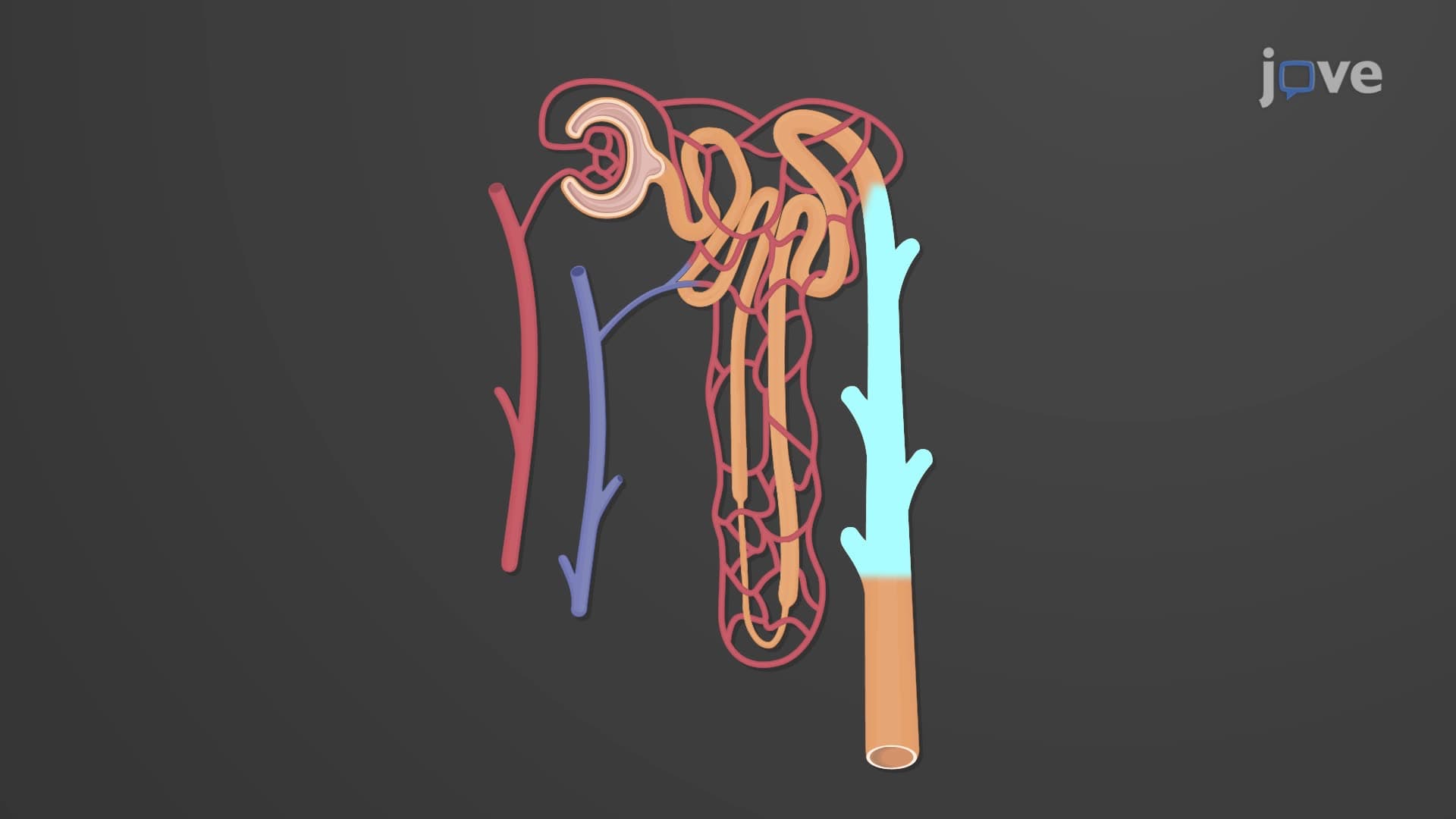
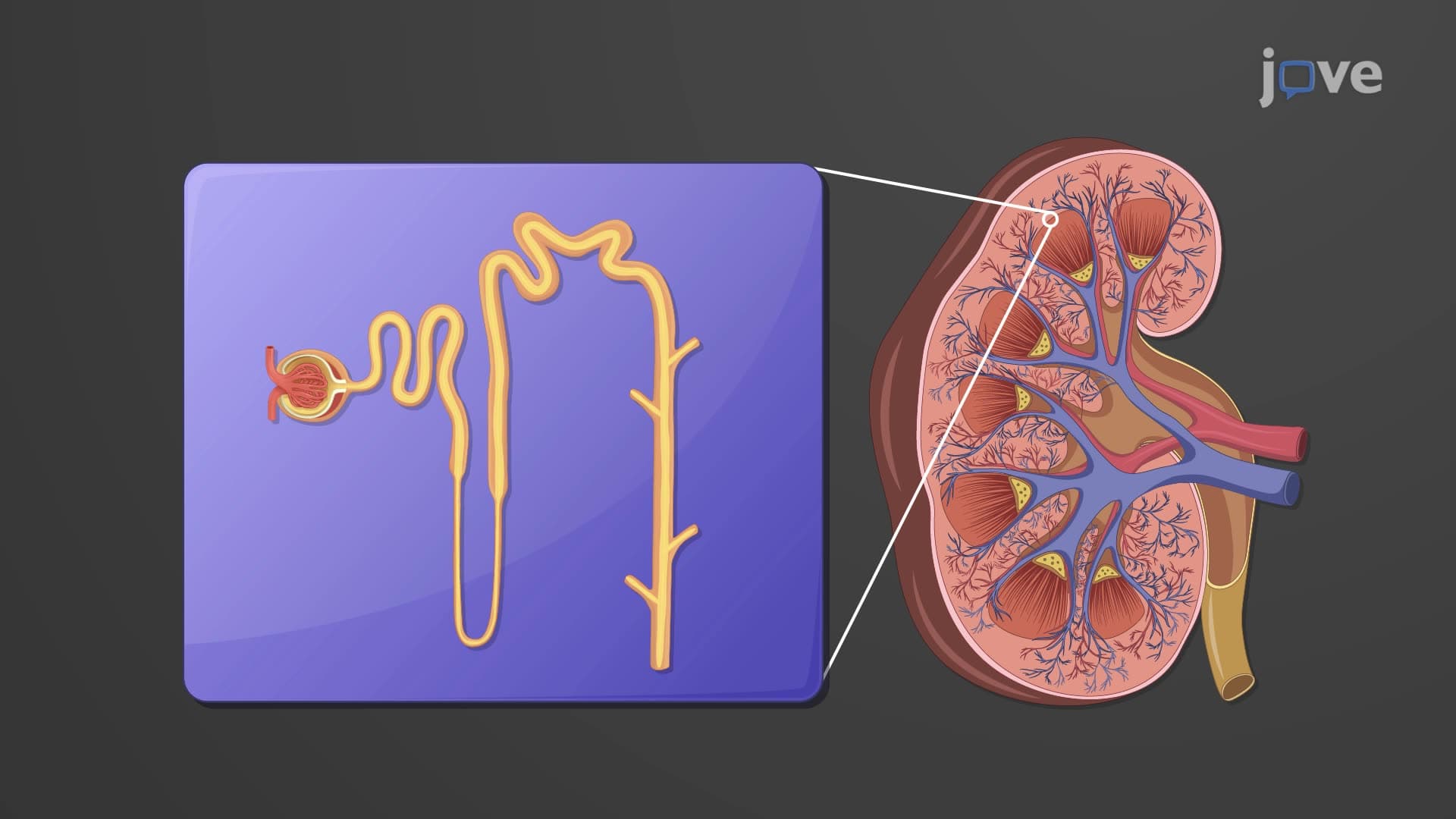
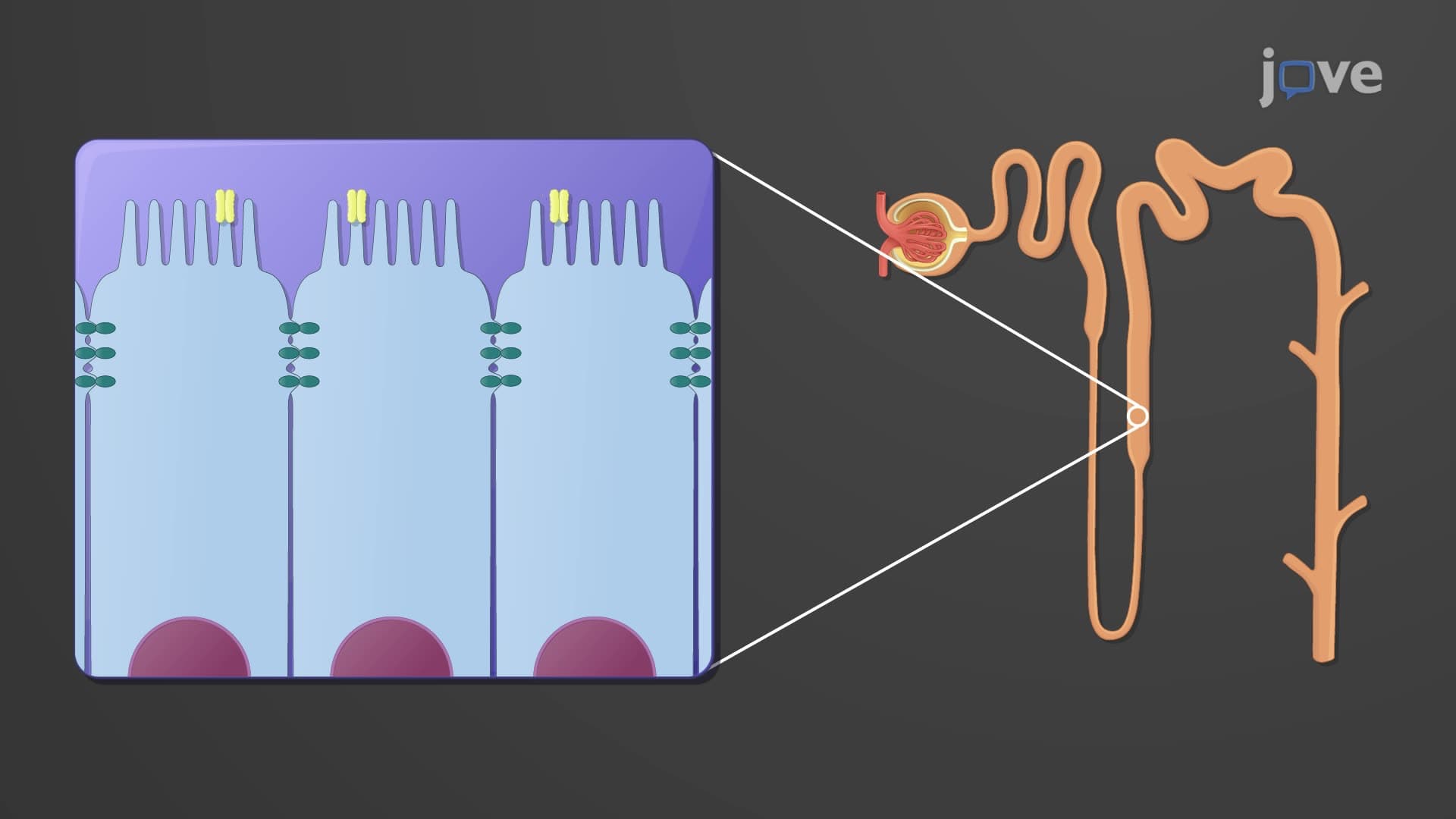
The renal loop of Henle explained through its unique anatomy reveals nature's most elegant solution for water conservation. This hairpin-shaped structure creates a countercurrent multiplier system that allows mammals to produce concentrated urine, essential for survival in terrestrial environments. Unlike simple filtration systems, loop Henle concentration mechanisms actively establish osmotic gradients reaching 1200 mOsm/kg in the inner medulla-four times blood concentration.
Ascending Limb Salt Reabsorption: Active Transport Mastery
The thick ascending limb represents a masterclass in selective permeability. Its Na+K+2Cl- symporters work tirelessly, moving ions against concentration gradients while remaining completely impermeable to water. This creates the paradox central to what is reabsorption and secretion in the loop of Henle: as salt exits, water cannot follow, progressively diluting tubular fluid from 300 mOsm/kg to just 100 mOsm/kg. The electrochemical gradient created by potassium recycling drives paracellular reabsorption of calcium and magnesium-crucial for preventing kidney stones, a condition affecting 1 in 11 Americans.
Descending Limb Water Reabsorption: Passive Perfection
Contrasting sharply with its ascending counterpart, the descending limb water reabsorb mechanism relies entirely on passive diffusion. This segment's high water permeability allows equilibration with the increasingly concentrated medullary interstitium, concentrating tubular fluid as it descends. Approximately 15% of filtered water returns to circulation here, setting up the concentrated fluid that enters the ascending limb.
Clinical Applications and Exam Relevance
Understanding the medullary gradient loop Henle creates proves essential for MCAT success, particularly in passages involving diuretic mechanisms. Loop diuretics like furosemide-prescribed to over 6 million Americans with heart failure-specifically target the Na+K+2Cl- transporters. AP Biology students frequently encounter this topic in free-response questions about homeostasis, while nursing students preparing for NCLEX examinations must understand how loop dysfunction affects electrolyte balance in hospitalized patients.
Frequently Asked Questions
Loop of Henle reabsorption and secretion refers to the selective transport processes in the nephron's hairpin loop that concentrate urine and maintain electrolyte balance. The descending limb reabsorbs water passively, while the ascending limb actively reabsorbs sodium, potassium, and chloride ions without water, creating the kidney's concentration gradient.
MCAT questions frequently test countercurrent multiplication mechanisms and diuretic actions on loop transporters. You'll encounter passages analyzing urine concentration defects, electrolyte imbalances, and comparative physiology questions contrasting mammalian versus fish kidney function.
The ascending limb is water-impermeable but actively transports salts via Na+K+2Cl- symporters, diluting tubular fluid. The descending limb is water-permeable but salt-impermeable, concentrating tubular fluid through passive water reabsorption into the medullary interstitium.
AP Biology emphasizes homeostasis and feedback mechanisms, making loop function ideal for testing osmoregulation concepts. Free-response questions often require students to explain how mammals concentrate urine compared to freshwater fish or analyze diabetes insipidus pathophysiology.
Loop diuretics like furosemide block Na+K+2Cl- transporters in the ascending limb, preventing salt reabsorption and causing massive sodium and water loss. Doctors at Mayo Clinic use these medications to treat heart failure and hypertension in millions of Americans.
While loop of Henle mechanisms involve multiple transport processes, breaking them into ascending versus descending limb functions makes the concept manageable. Focus first on the basic principle: descending reabsorbs water, ascending reabsorbs salt, creating concentration gradients.
Create flow charts showing ion movements and concentration changes at each loop segment. Practice drawing the countercurrent multiplier system and explaining how it generates the medullary osmotic gradient. Connect this knowledge to clinical scenarios involving diuretics and diabetes insipidus.
Advanced study includes collecting duct regulation by ADH, aldosterone effects on distal convoluted tubule, and integrated nephron function in acid-base balance. Medical students explore genetic disorders affecting loop transporters and pharmacology of different diuretic classes.
Related Micro-courses

20 Concepts

37 Concepts

14 Concepts