Loading video…


 25 Concepts
 78.1K views

Video Summary: Renal Tubule and Collecting Duct Explained
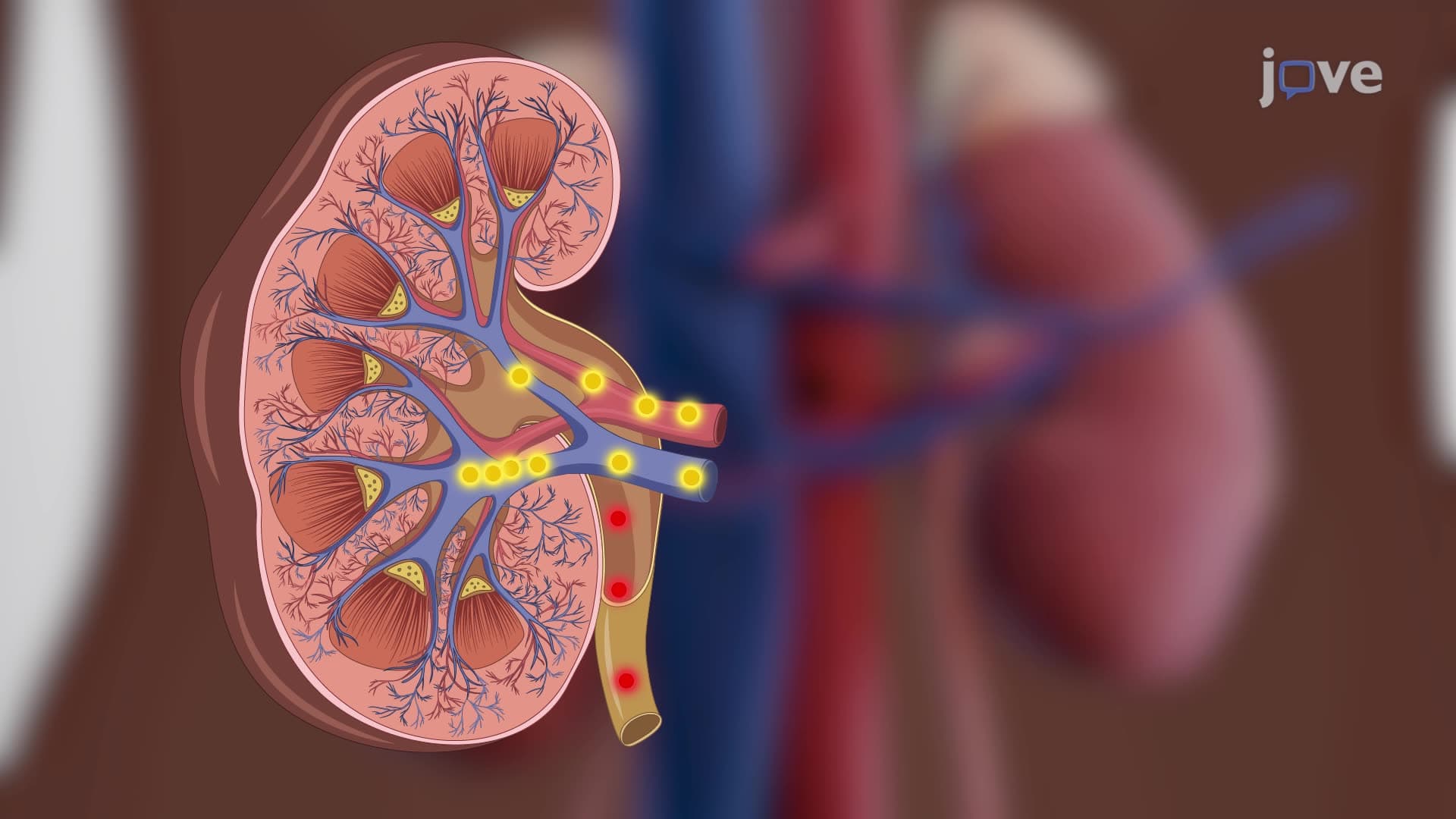
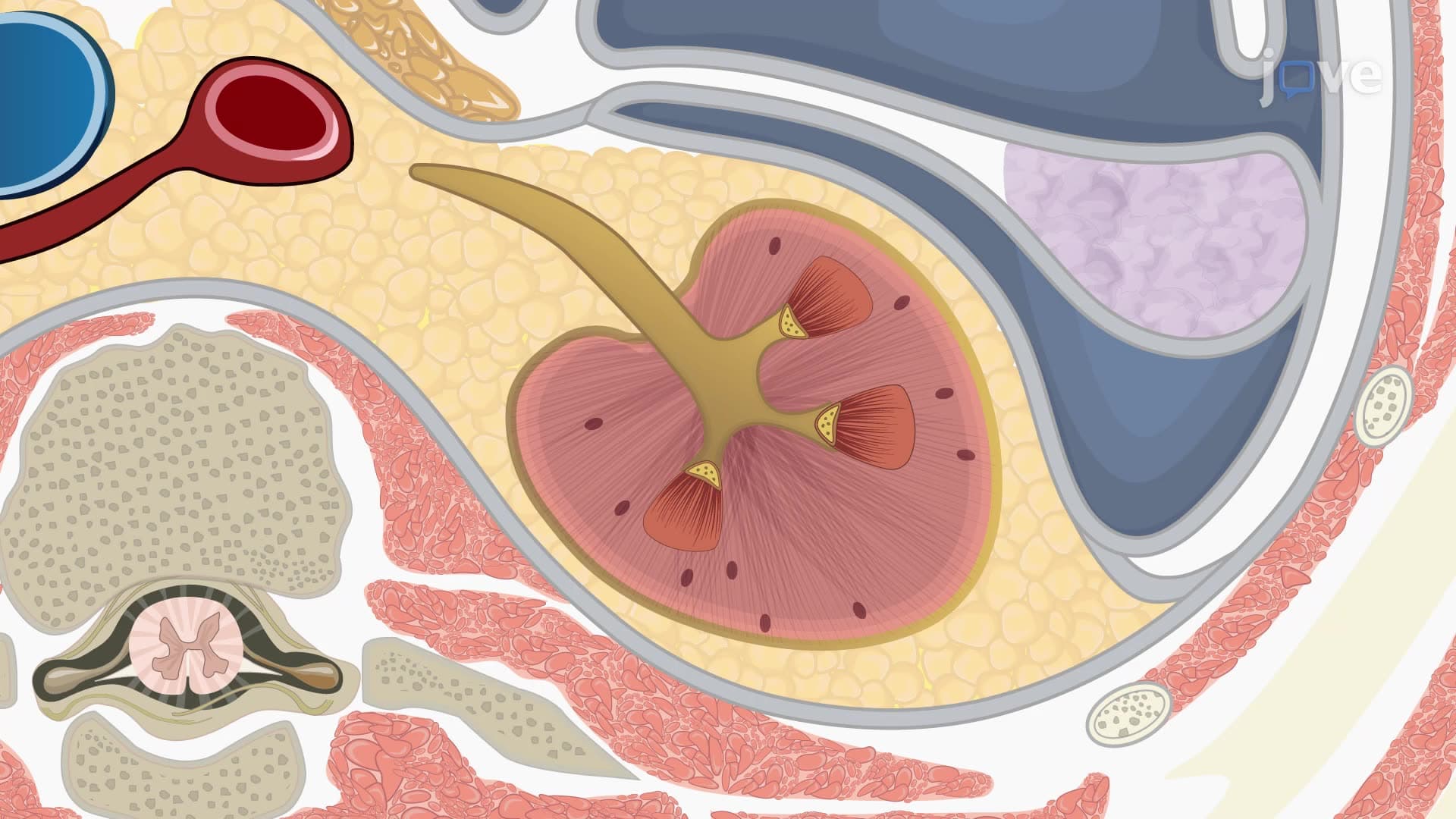
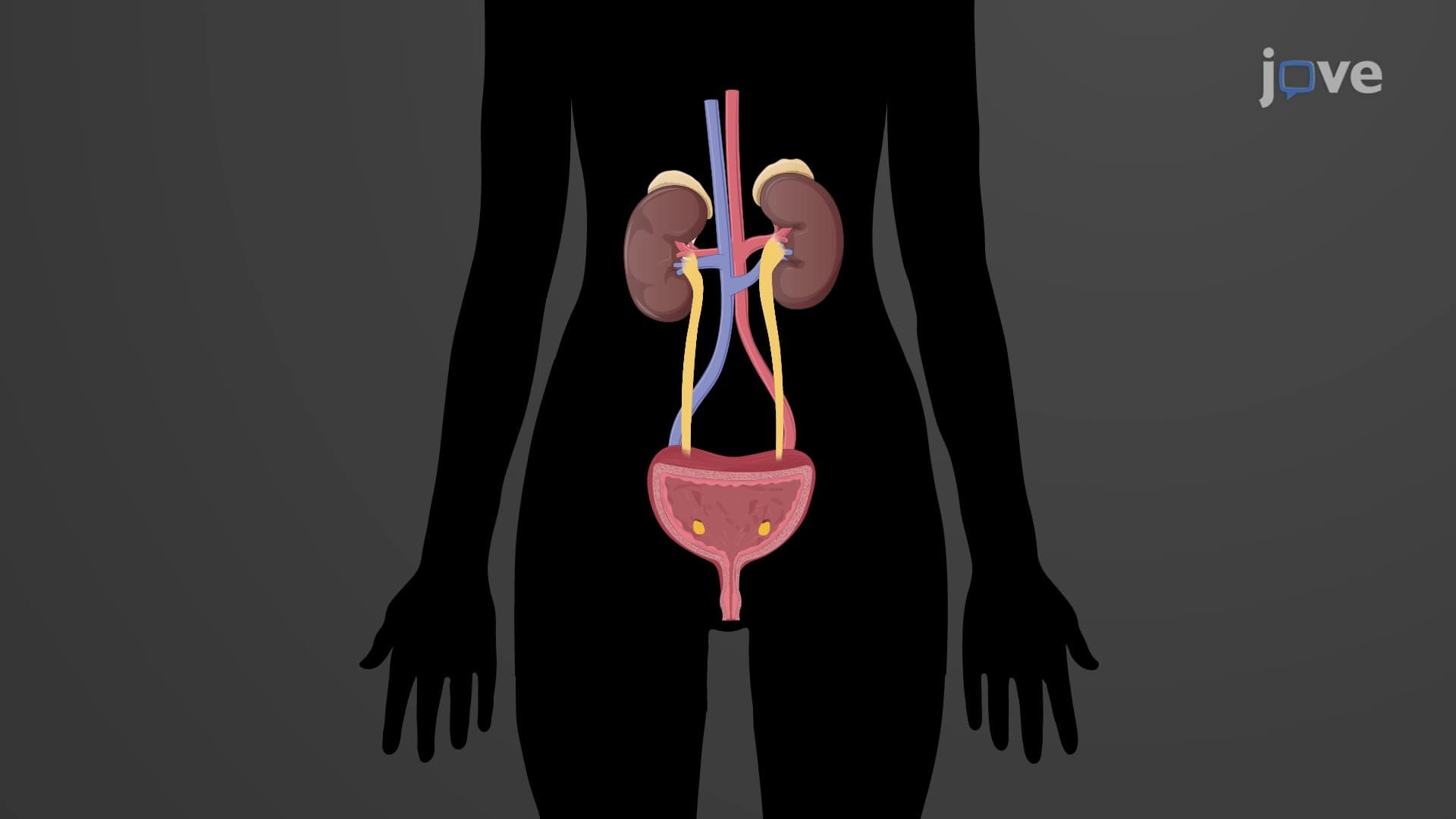
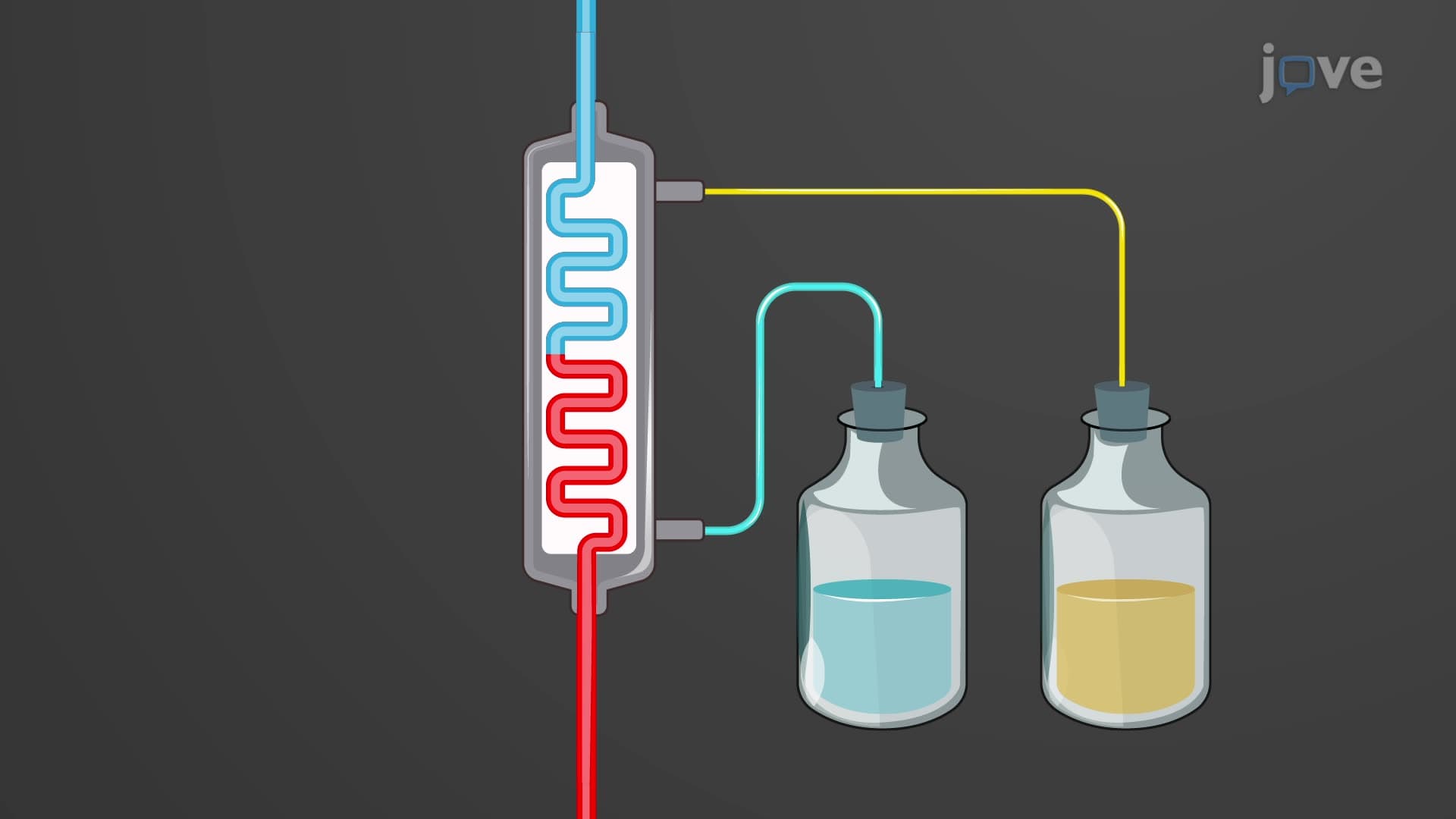
Did you know that your kidneys process about 180 liters of blood daily-equivalent to filling a standard bathtub? The renal tubule collecting duct system is responsible for this incredible feat, with each nephron's specialized segments working like a sophisticated filtration factory. From a patient receiving dialysis at Johns Hopkins Hospital to understanding how diuretics work, the Renal Tubule And Collecting Duct Explained reveals the intricate anatomy behind kidney function. Watch the full video on JoVE Coach to master this concept with expert-led visuals and step-by-step explanations.
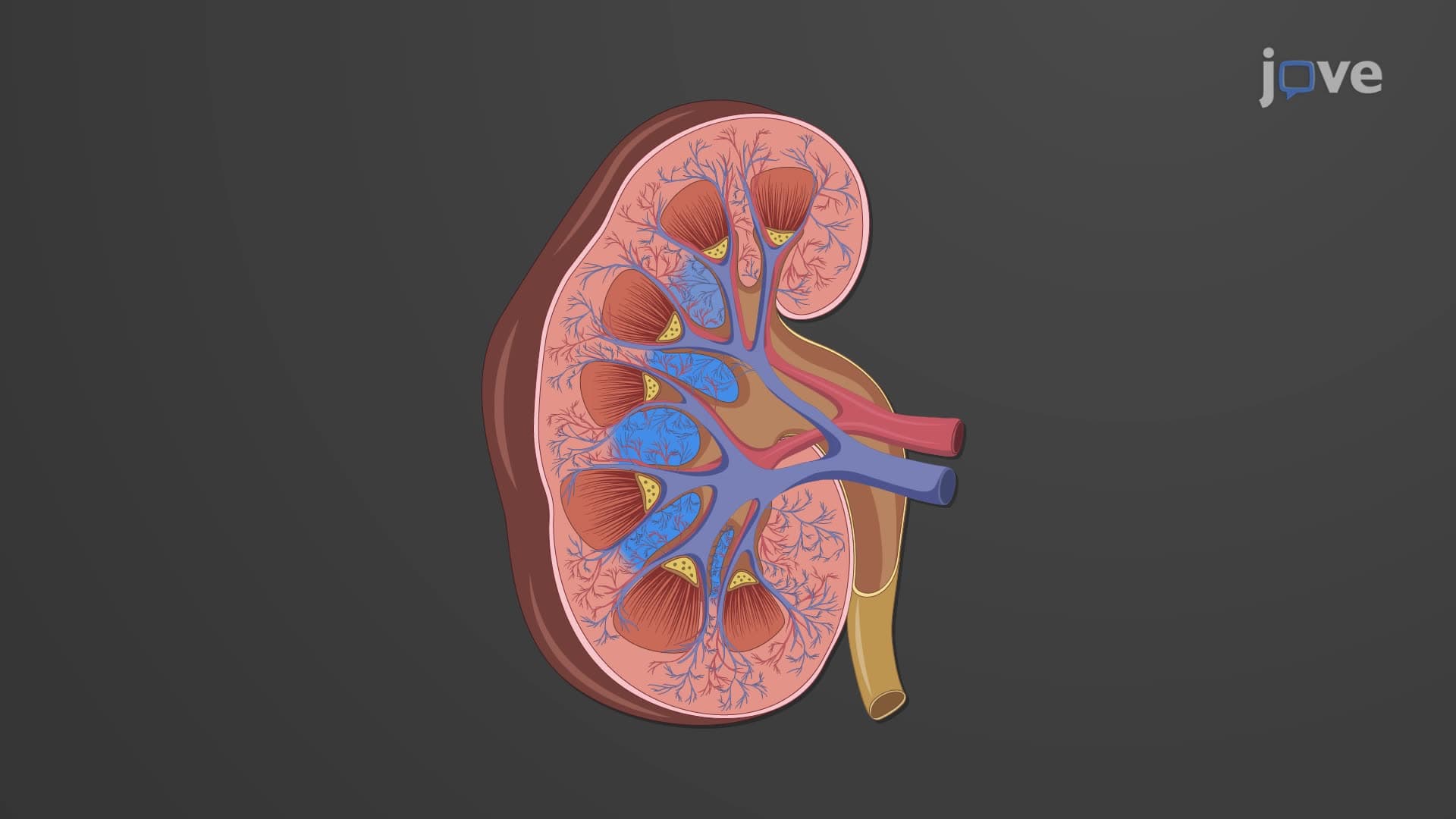
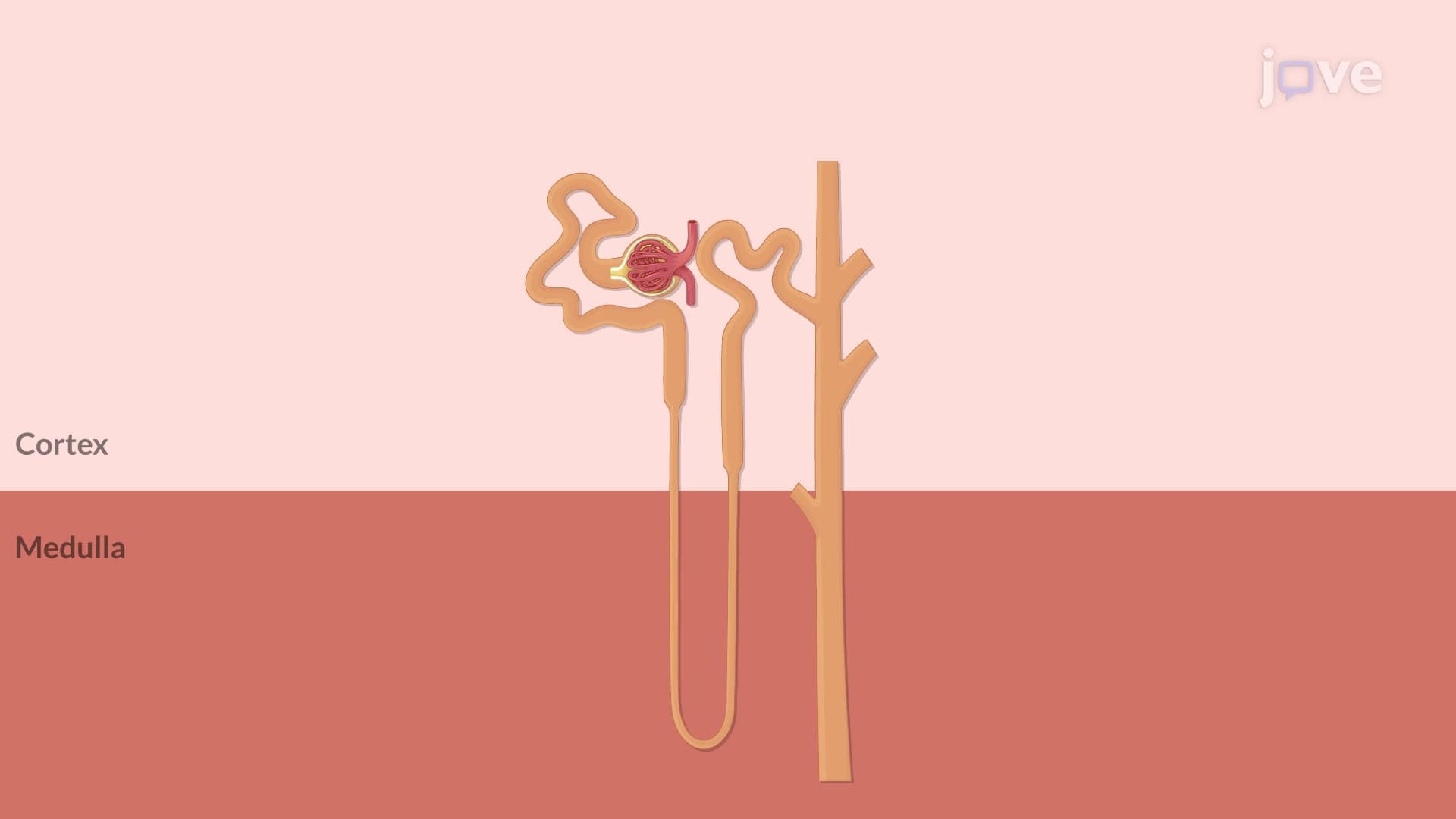
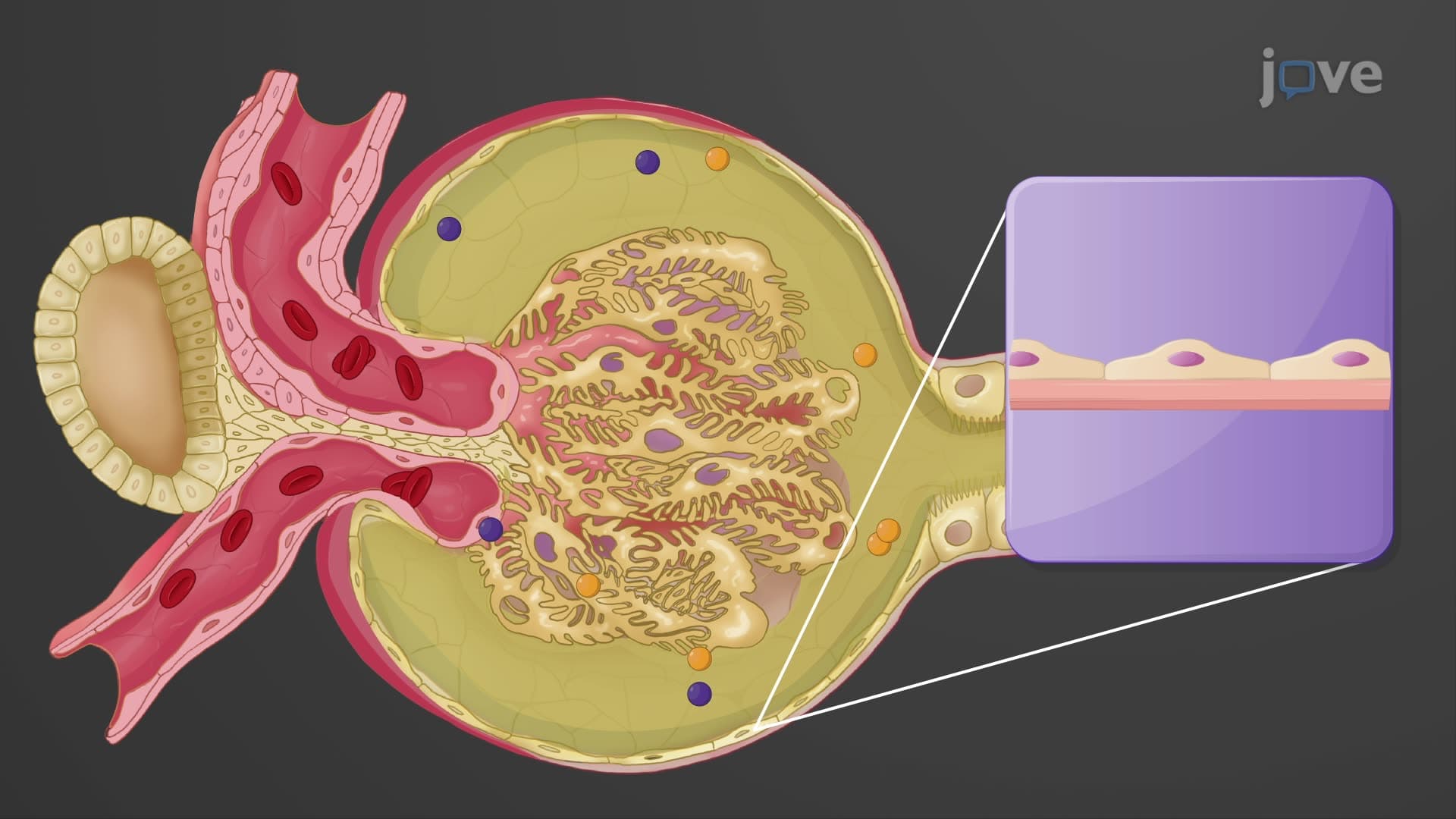
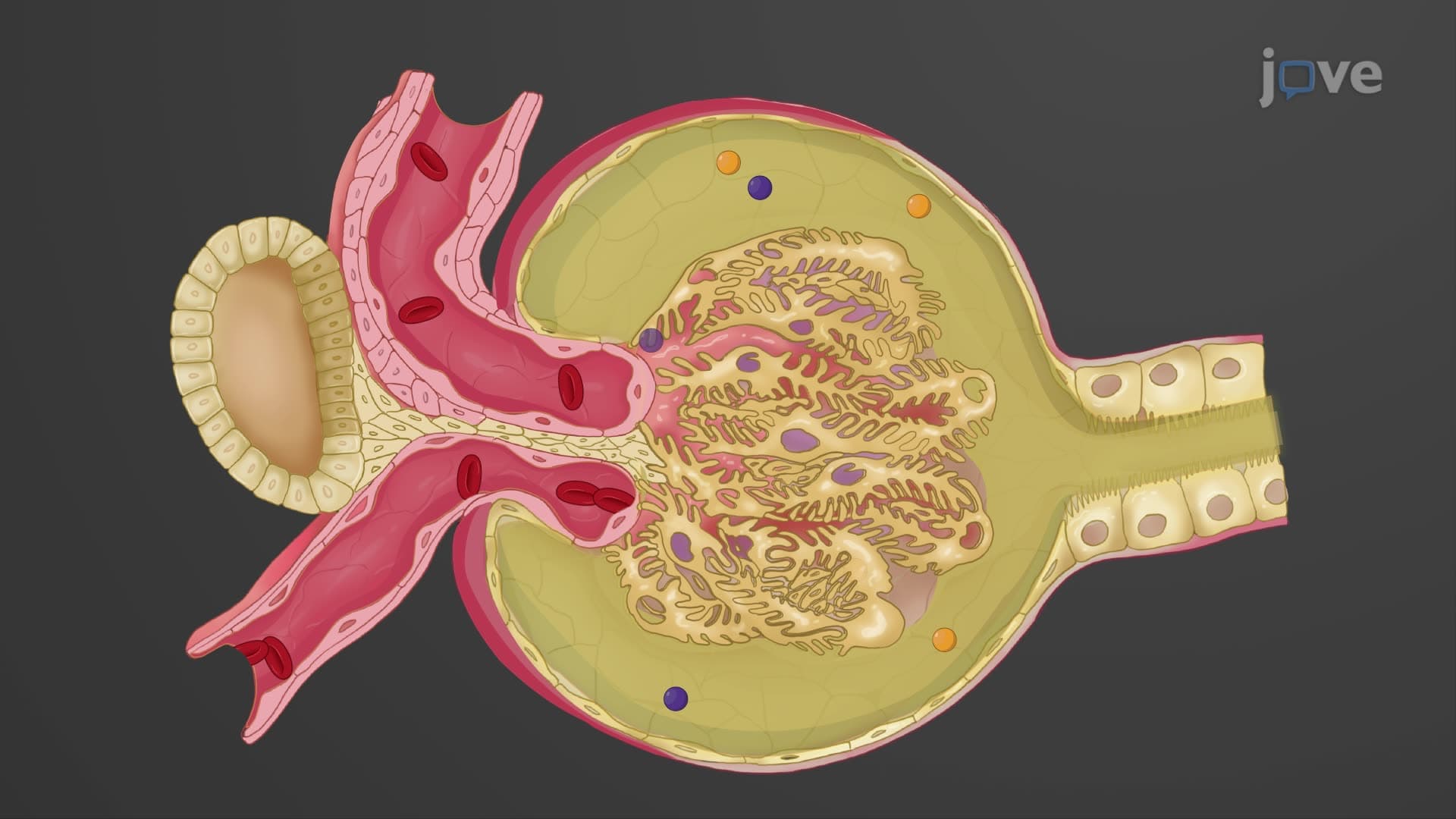
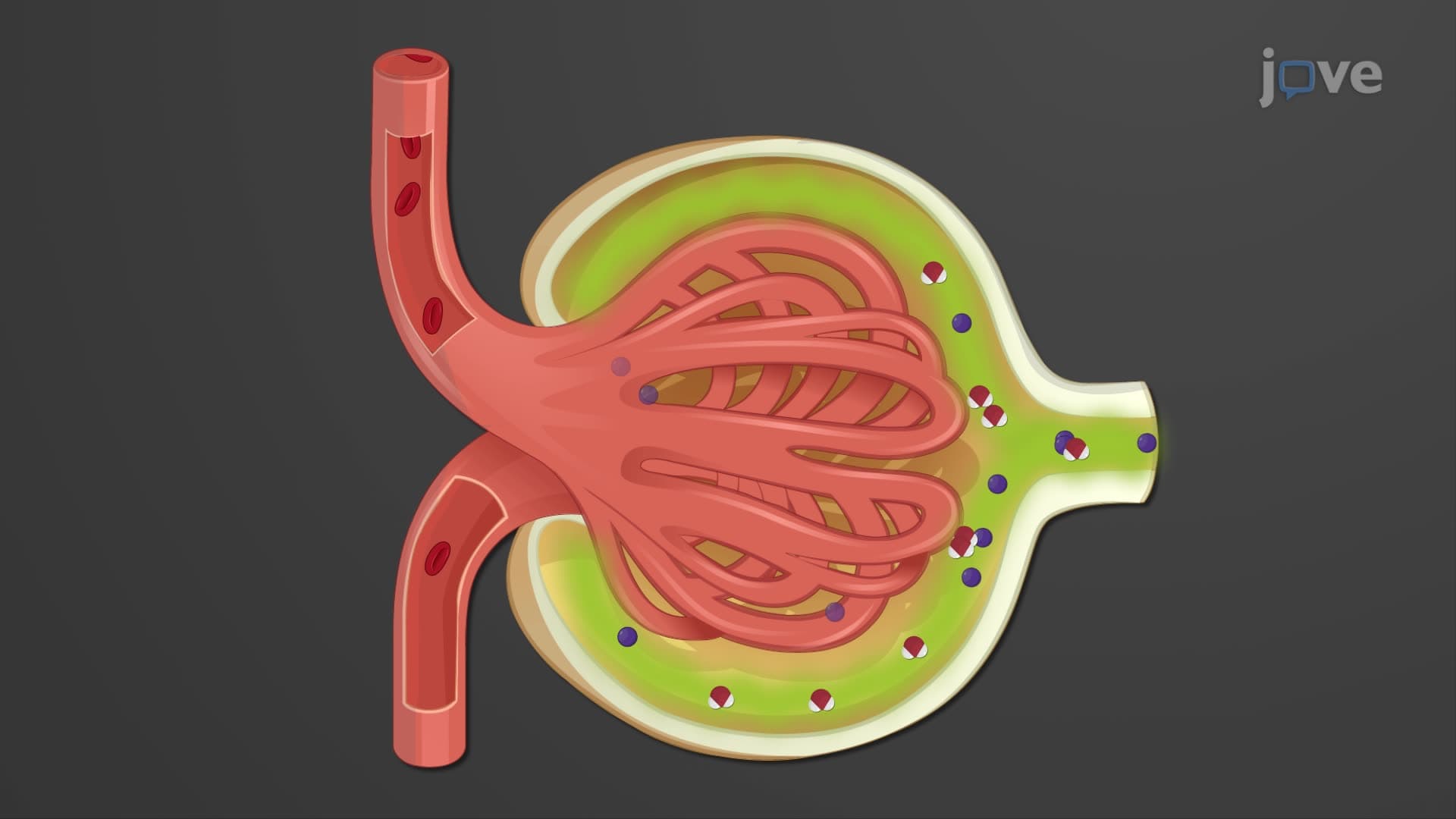
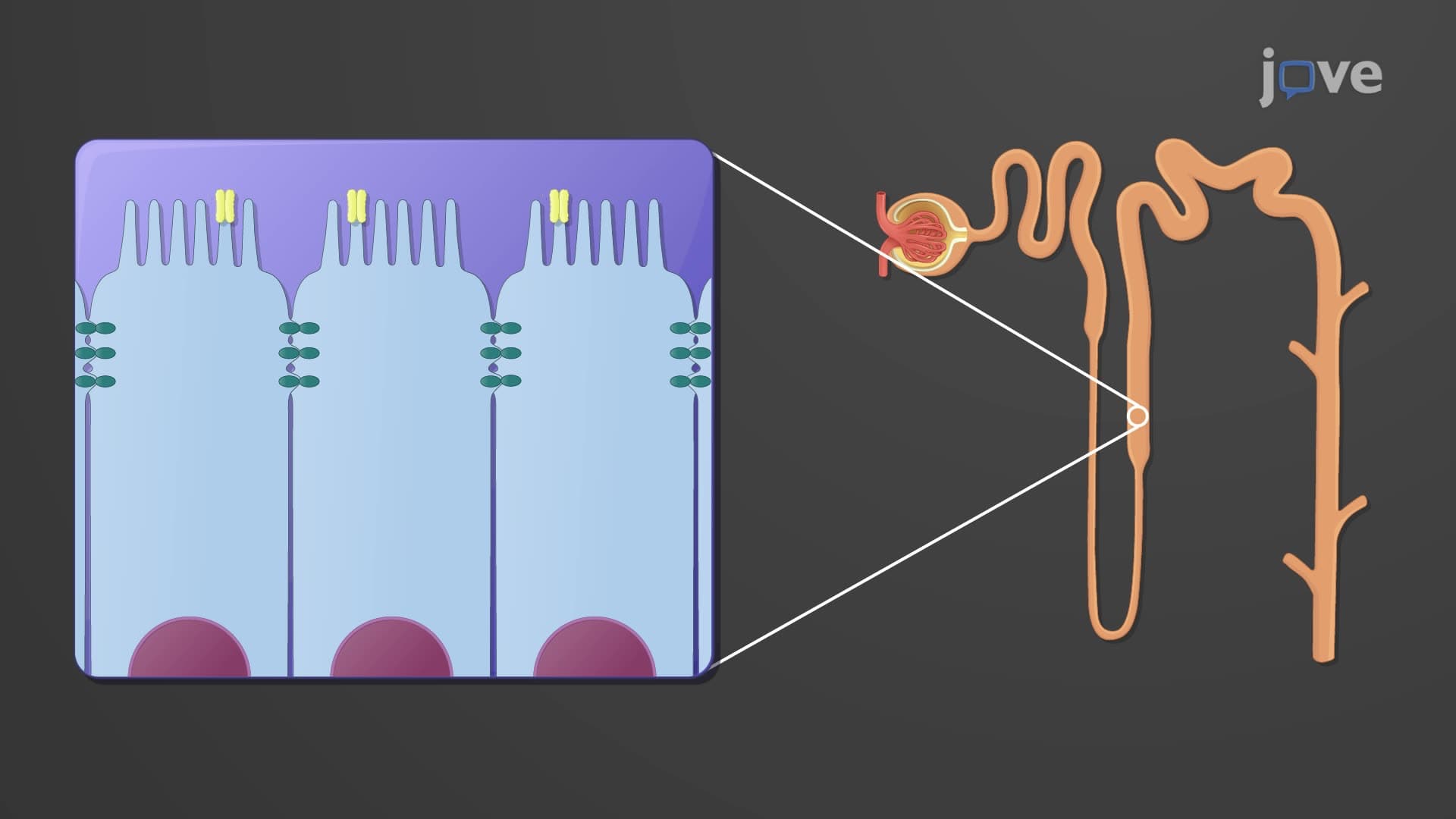
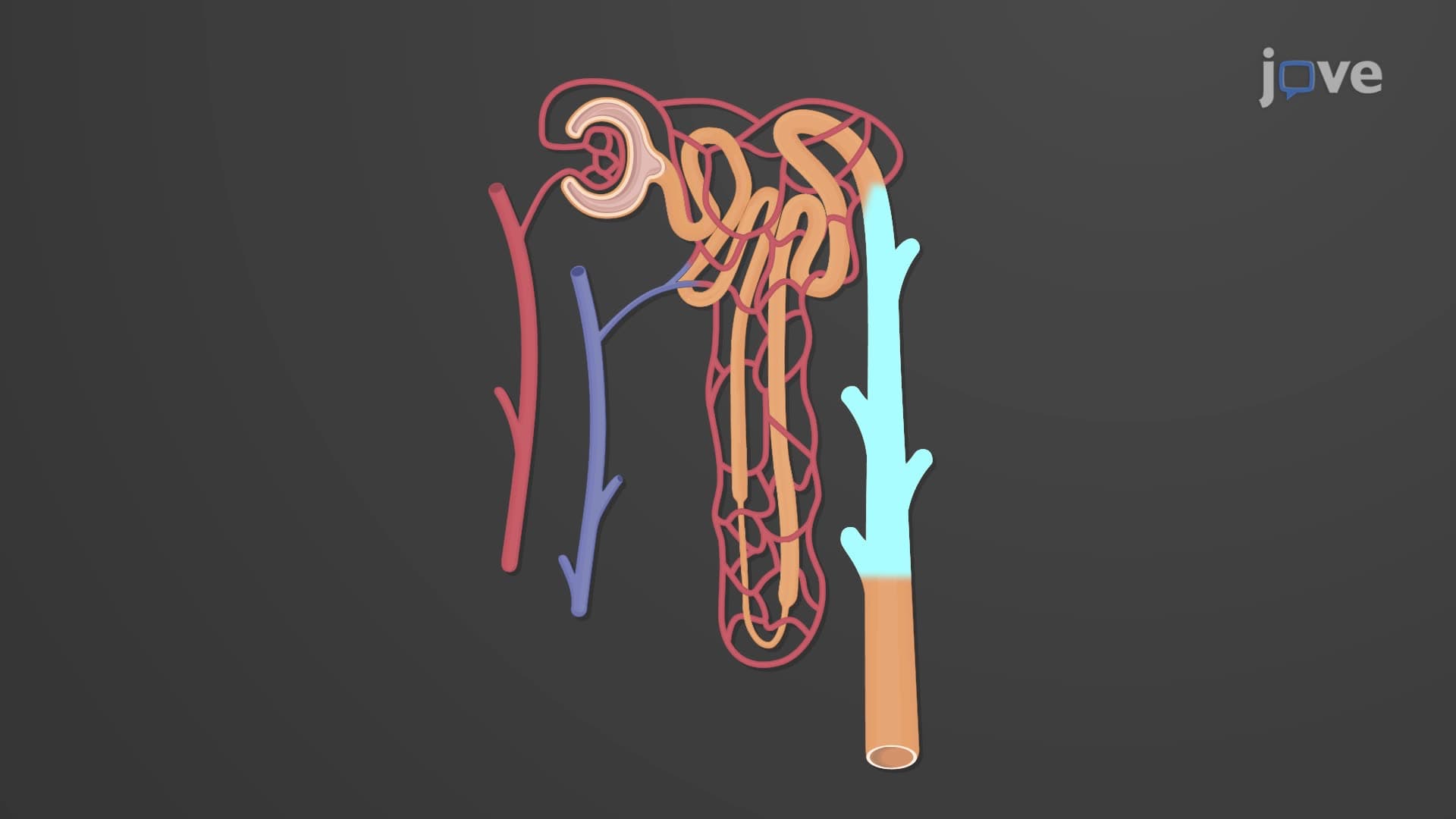
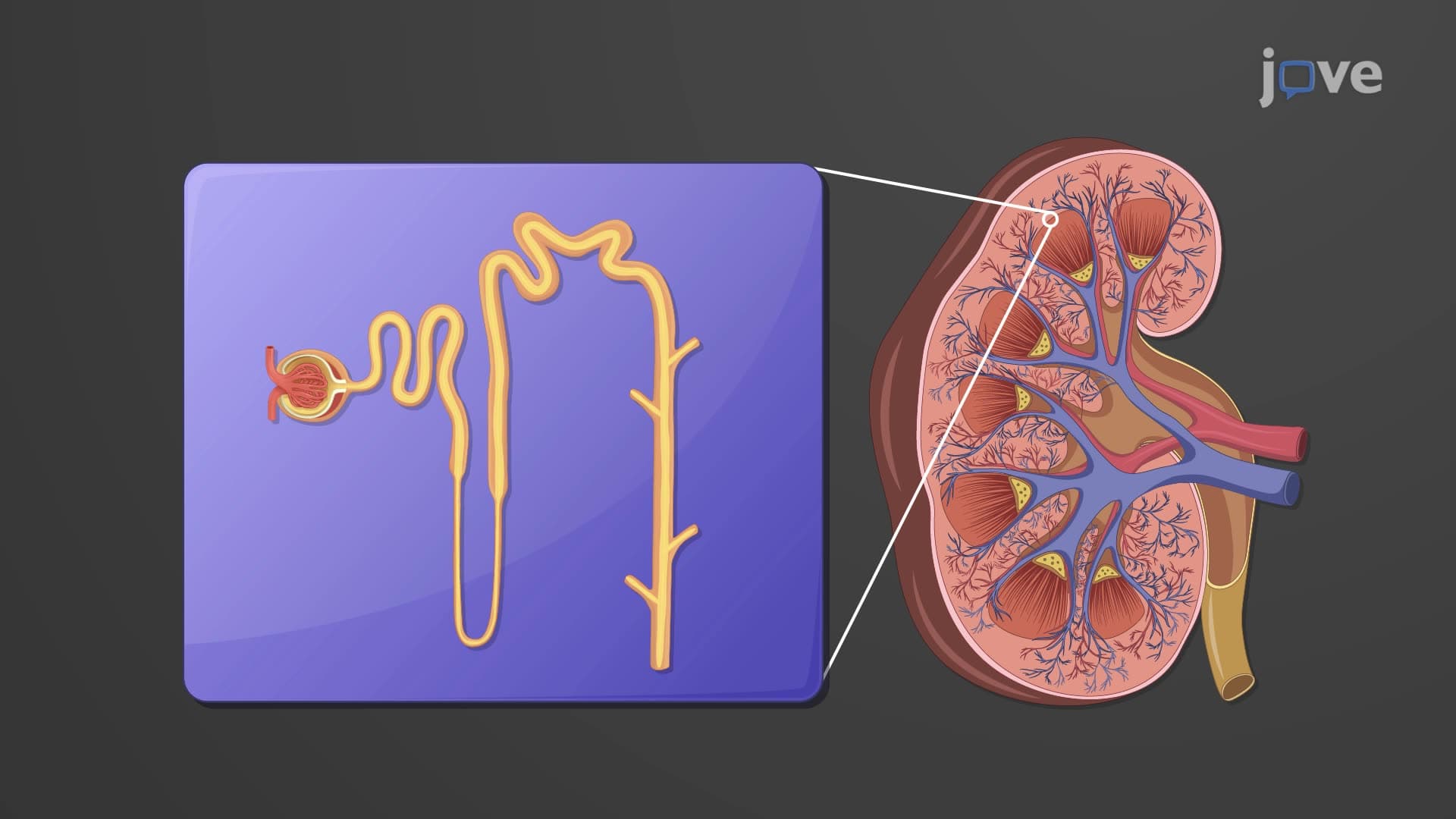
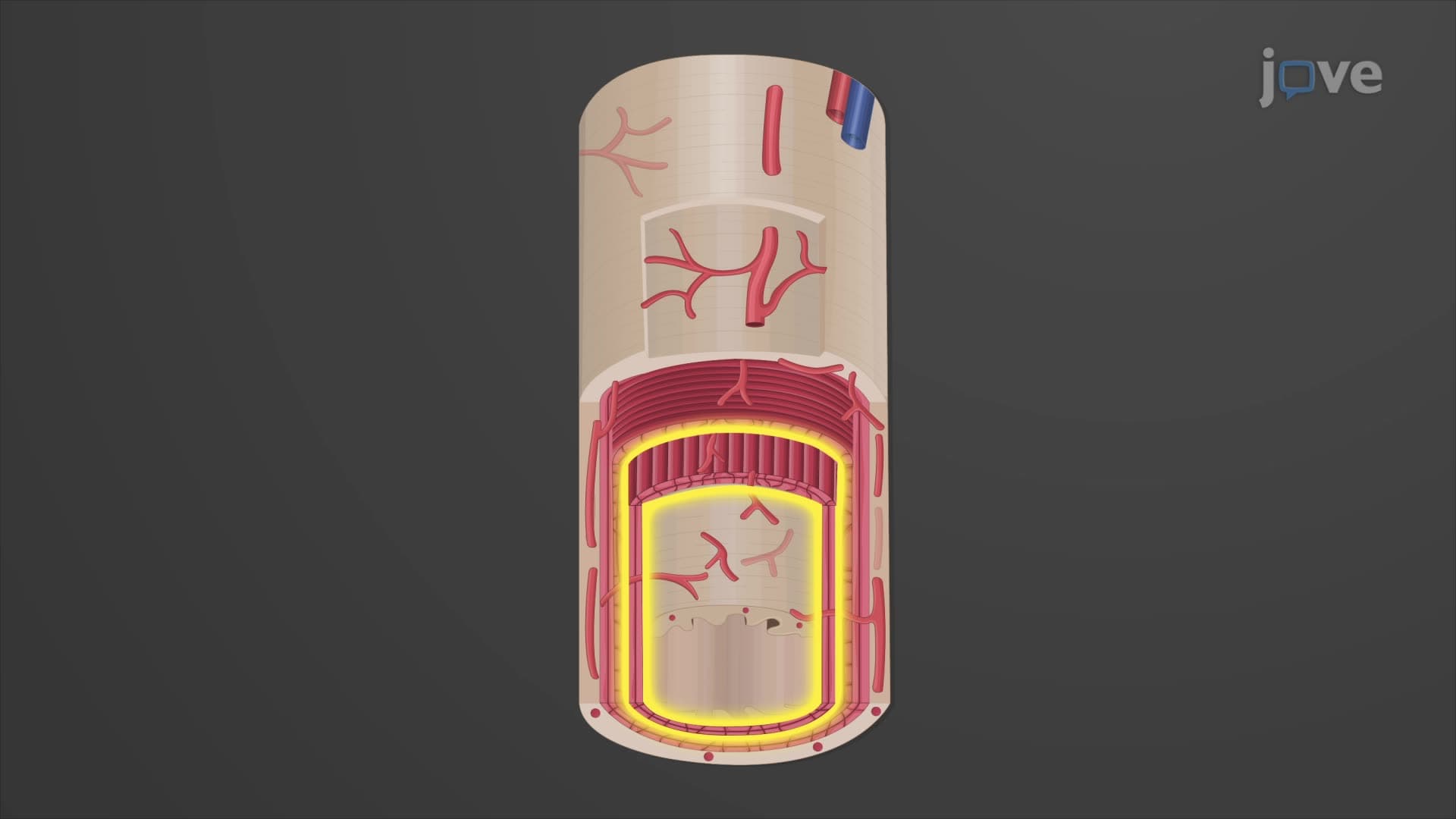
The renal tubule and collecting duct system represents one of the most sophisticated biological filtration mechanisms in the human body. This 3-centimeter marvel transforms the initial glomerular filtrate into concentrated urine through a series of precisely orchestrated transport processes. Each segment's unique cellular architecture directly correlates with its specific physiological function, making this system a perfect example of structure-function relationships in biology.
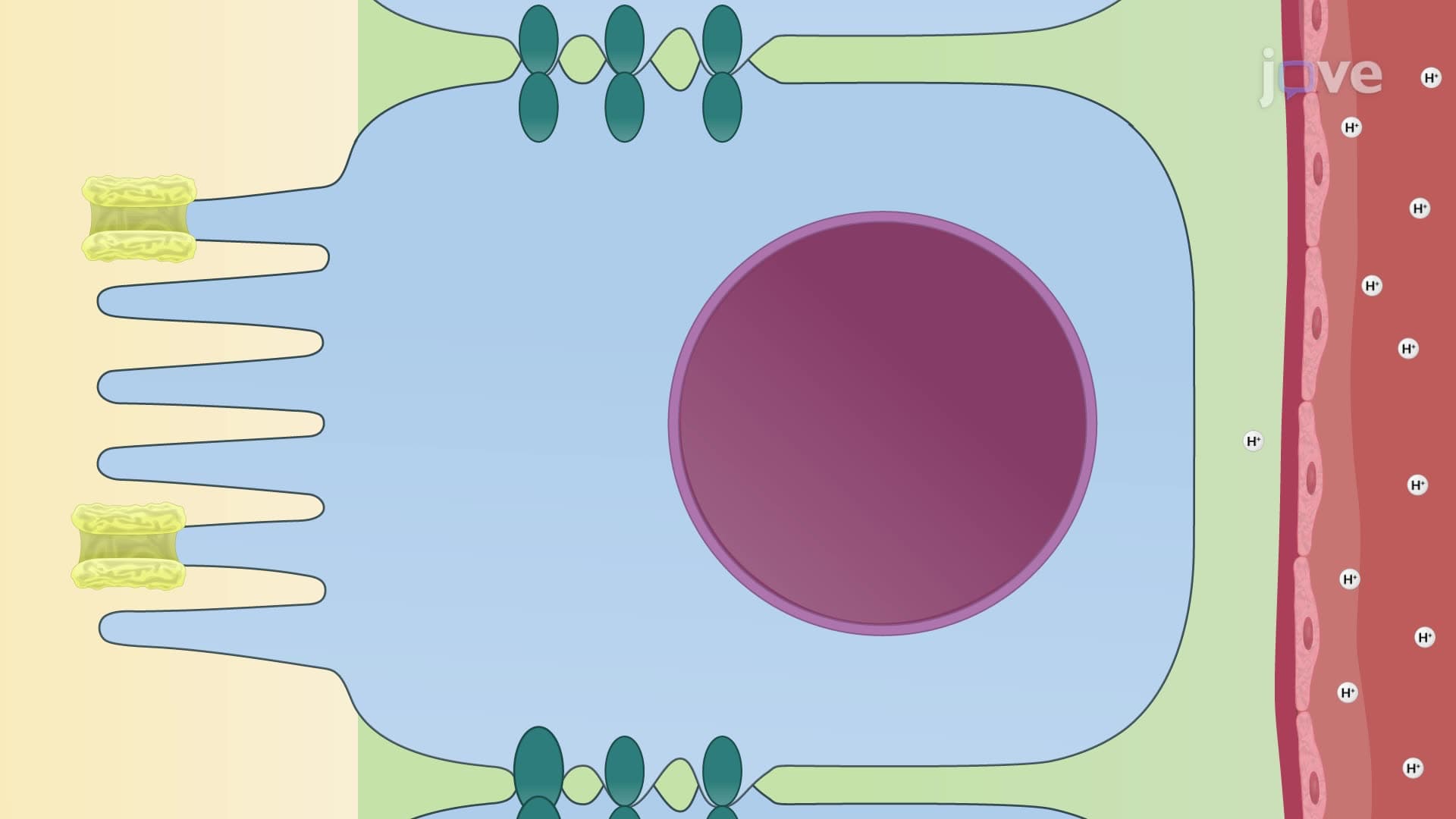
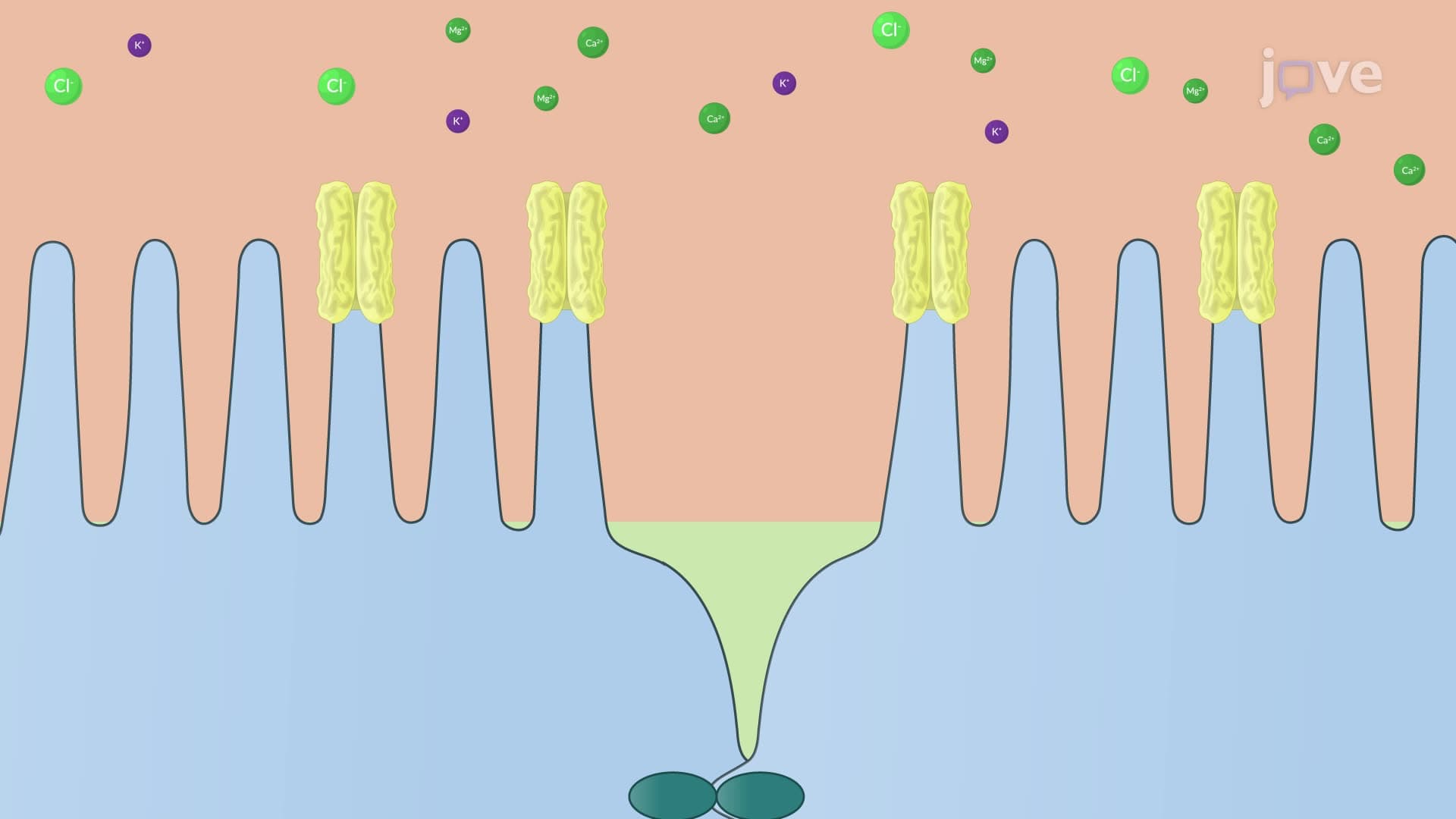
The PCT serves as the kidney's primary reabsorption site, reclaiming approximately 65% of filtered sodium and water. Its cuboidal epithelial cells feature an extensive brush border of microvilli-up to 3,000 per cell-creating a surface area 40 times larger than a smooth surface. This adaptation is crucial for the massive transport workload, as seen in patients with Fanconi syndrome, where PCT dysfunction leads to excessive loss of glucose, amino acids, and phosphate in urine.
The nephron loop's anatomical design enables the kidney's remarkable ability to concentrate urine up to four times plasma osmolality. The descending thin limb's simple squamous epithelium maximizes water permeability, while the thick ascending limb's cuboidal cells actively transport sodium chloride without water, establishing the medullary concentration gradient. This countercurrent mechanism is why loop diuretics like furosemide are so effective in treating heart failure patients at facilities like the Mayo Clinic.
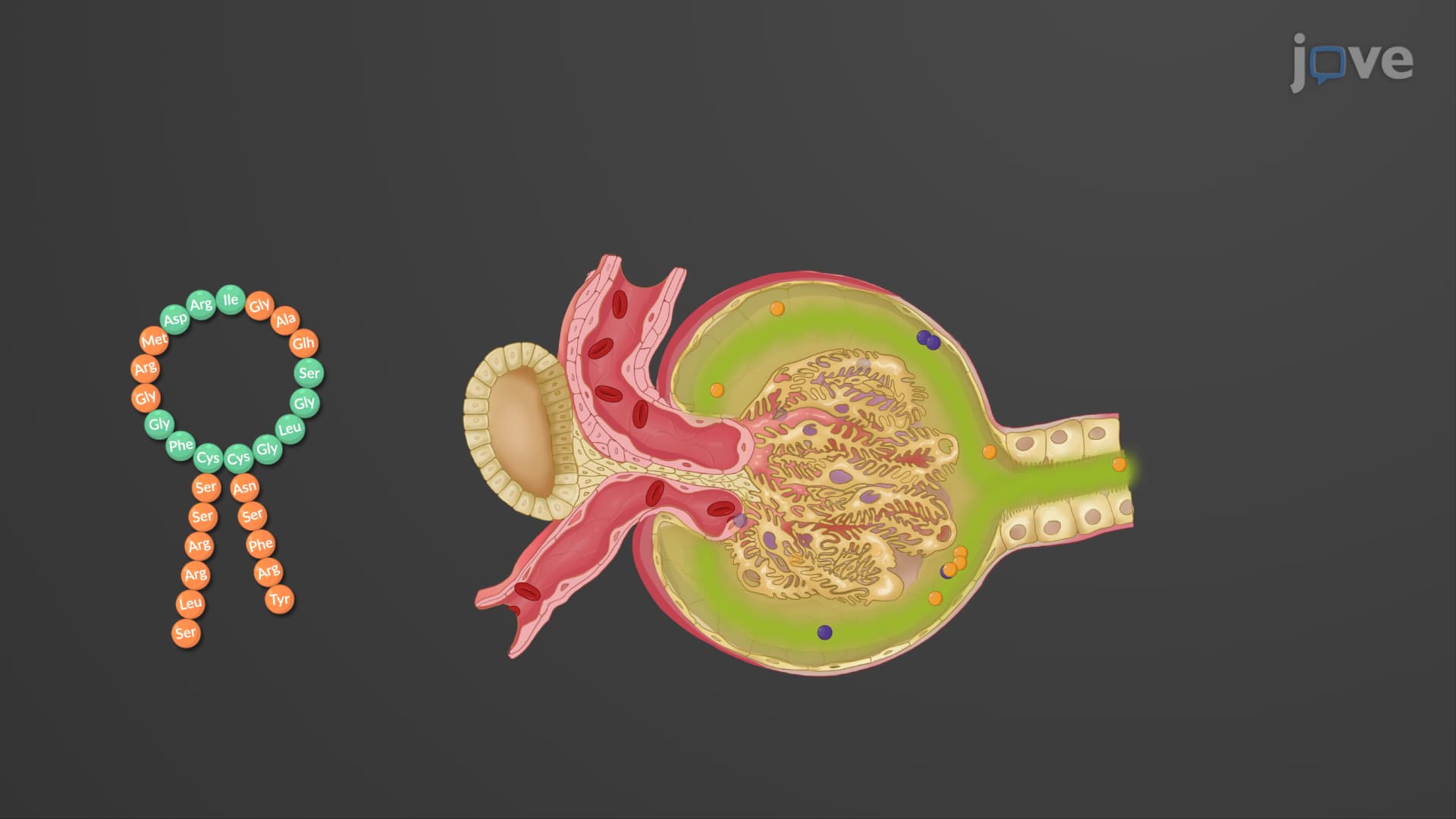
The DCT's reduced microvilli density reflects its specialized role in fine-tuning electrolyte balance rather than bulk reabsorption. The collecting duct's two-cell system-principal cells responding to aldosterone and antidiuretic hormone, and intercalated cells managing acid-base balance-allows for precise physiological adjustments. This is why thiazide diuretics targeting the DCT are first-line treatments for hypertension, as prescribed by cardiologists nationwide.
Students preparing for the MCAT or AP Biology exam should focus on correlating each segment's morphology with its transport functions, as this relationship frequently appears in passage-based questions about kidney physiology and pharmacology.
Related Micro-courses