Loading subject page…

- Anatomy and Physiology
- The Urinary System
- Urine: Physical and Chemical Properties
Micro-course: The Urinary System
78,053 views
Learn key concepts and earn your certificate.
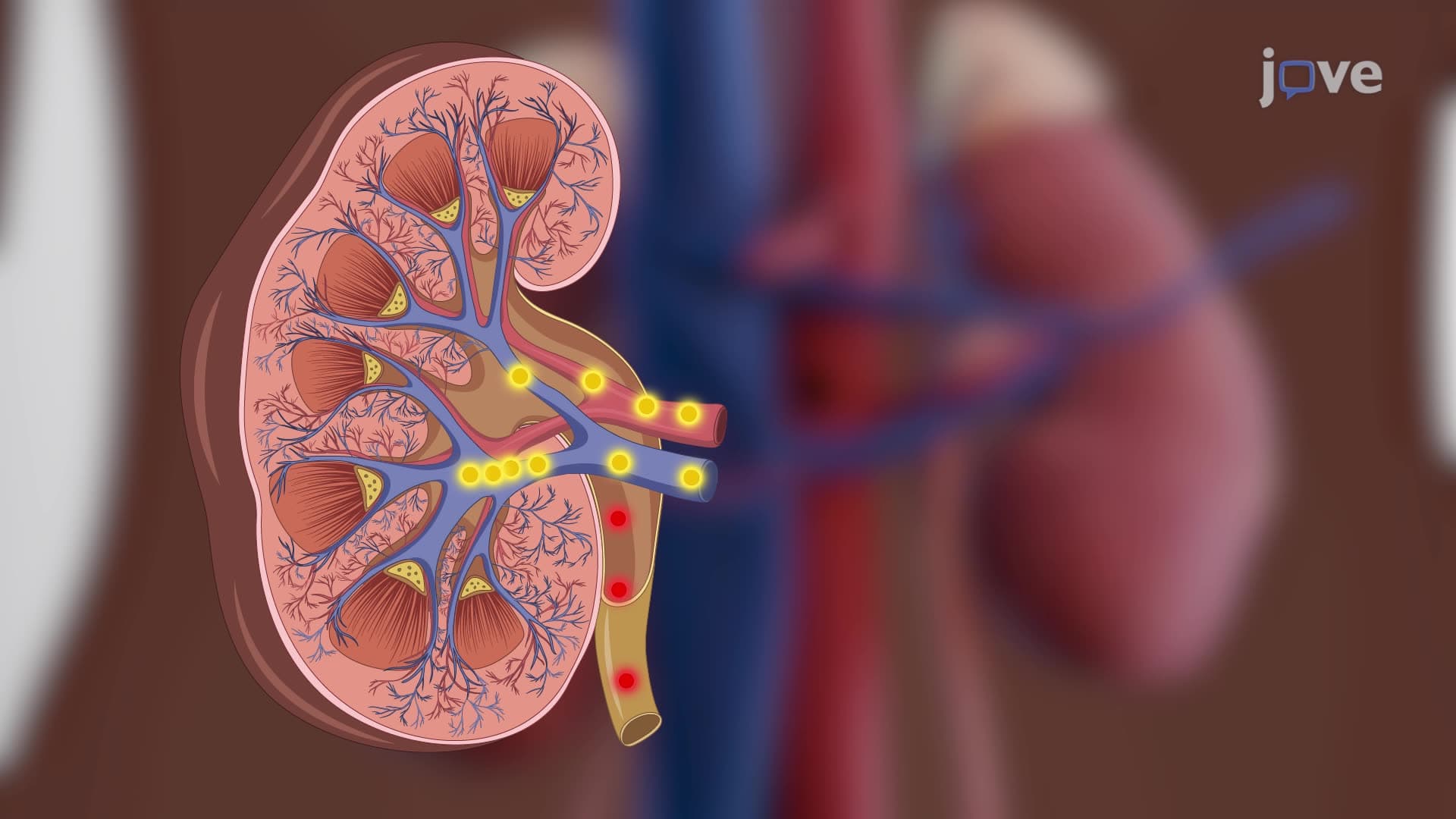

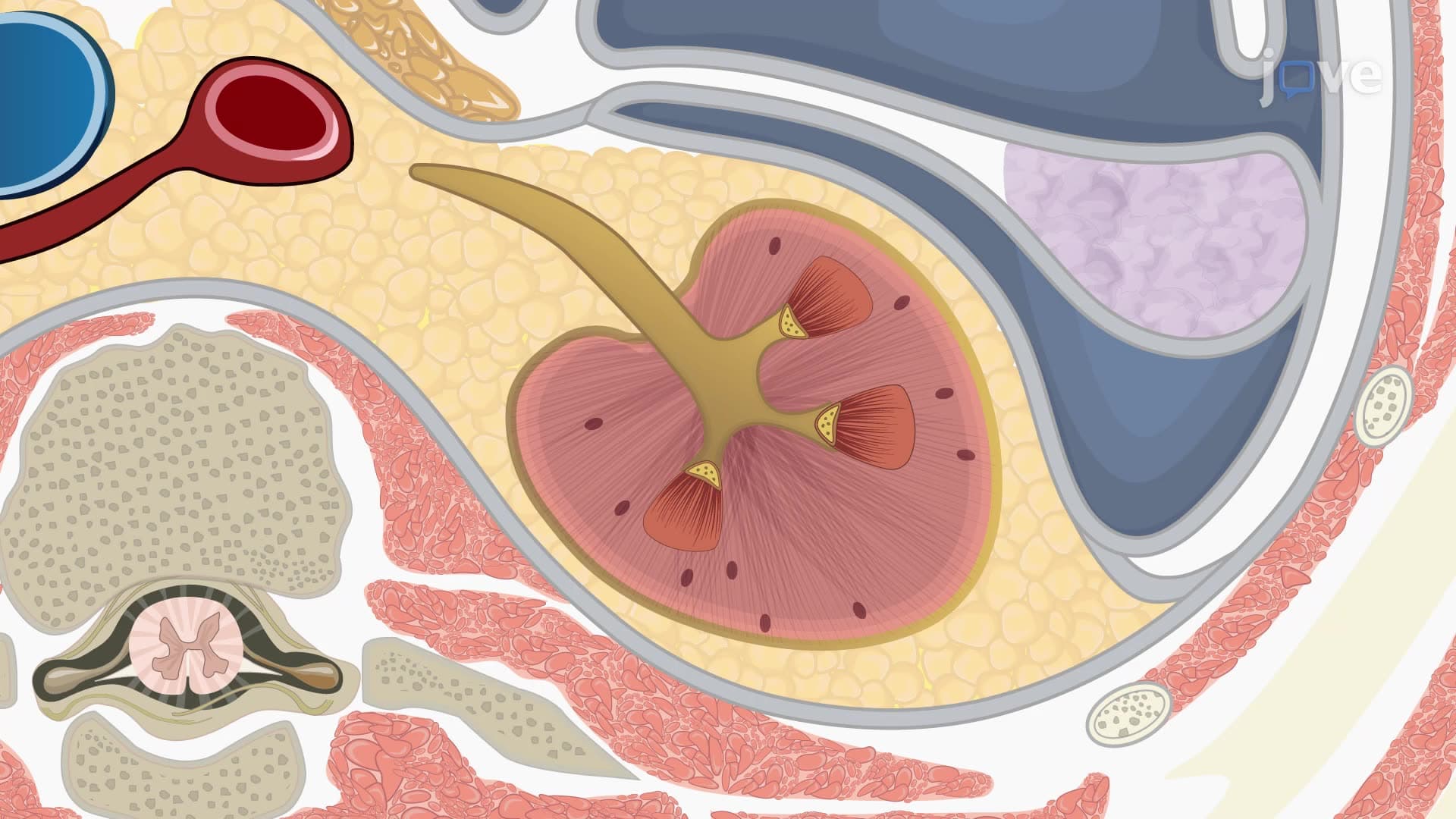
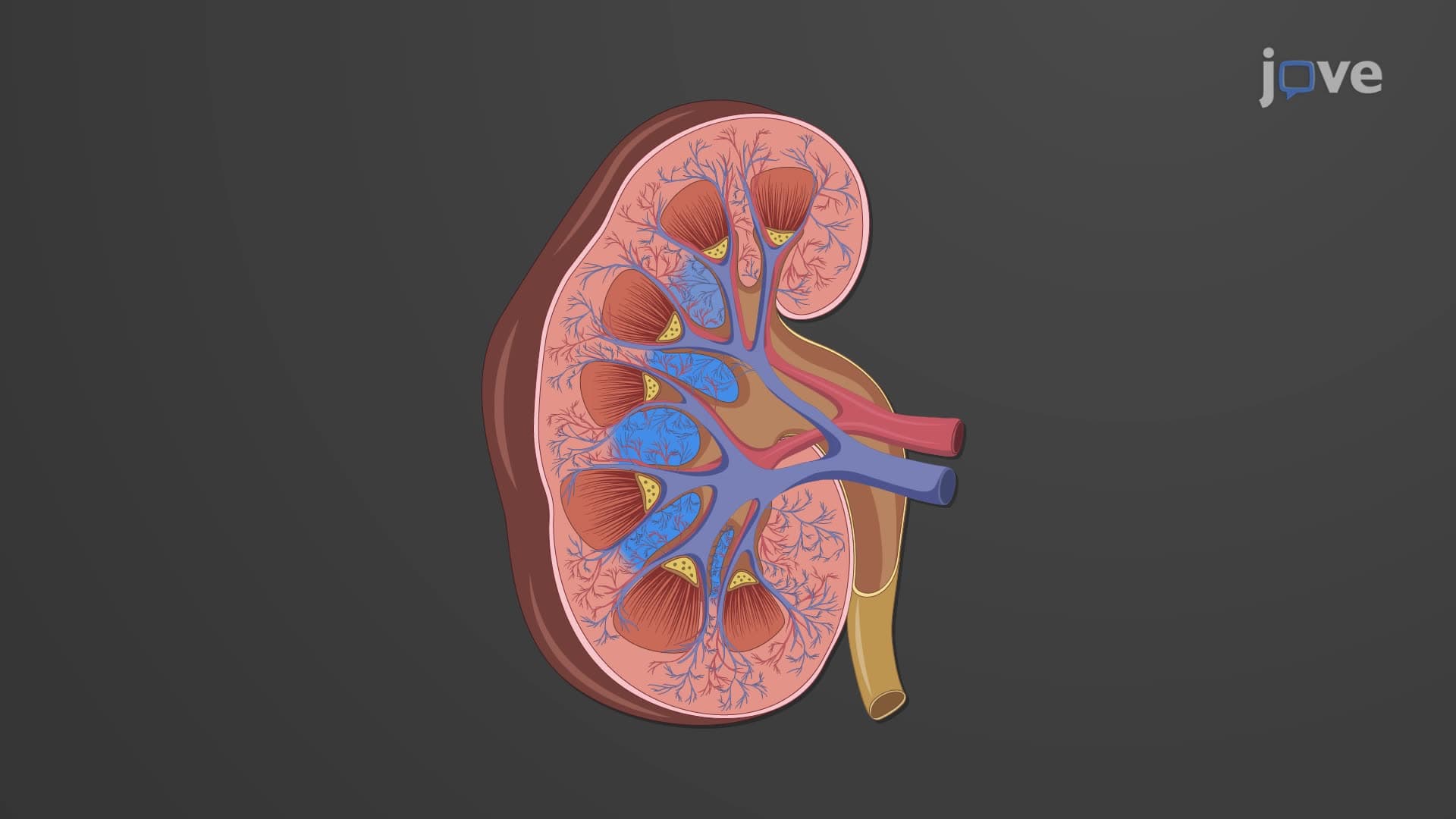
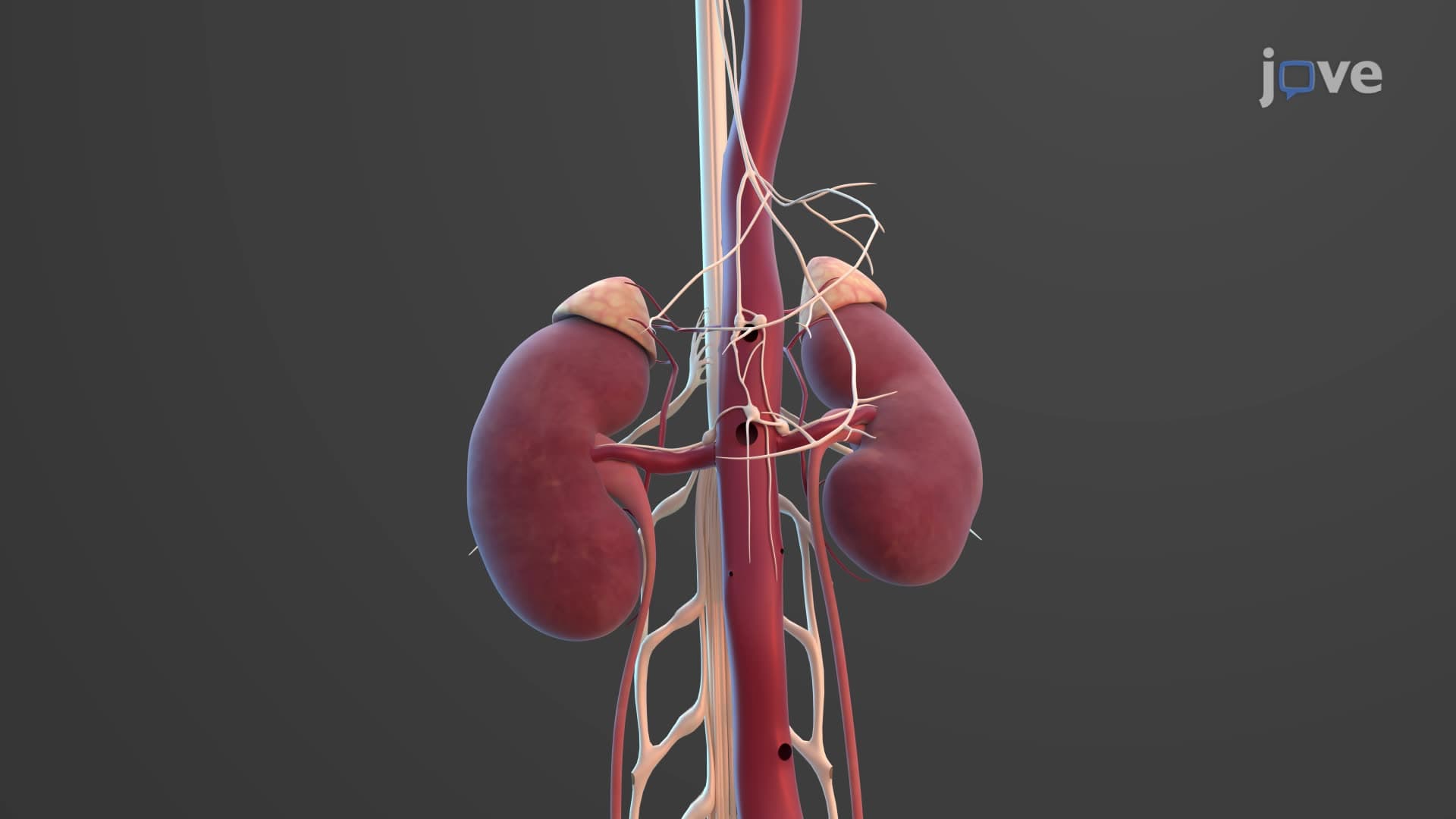



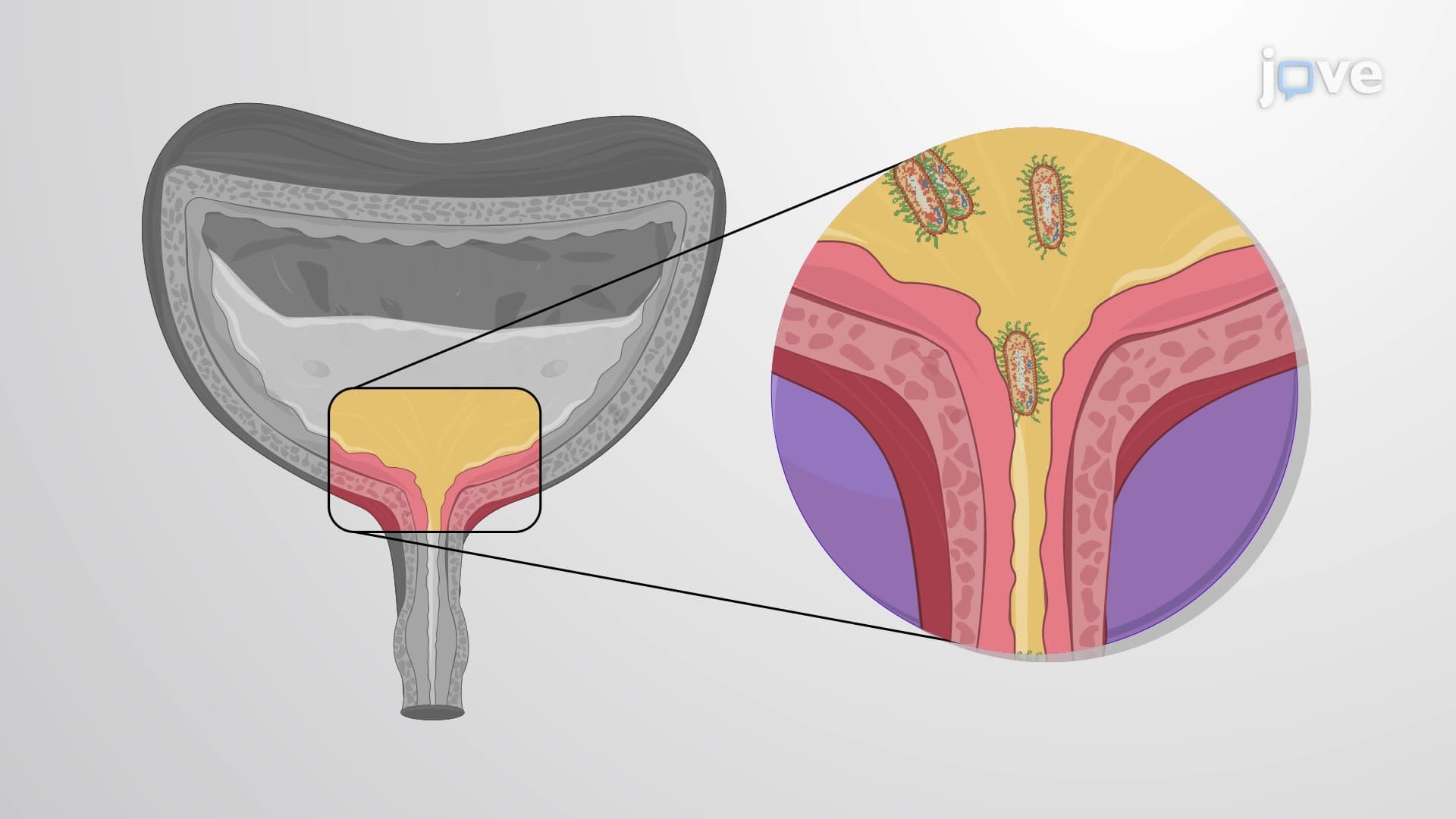
Urine: Physical and Chemical Properties
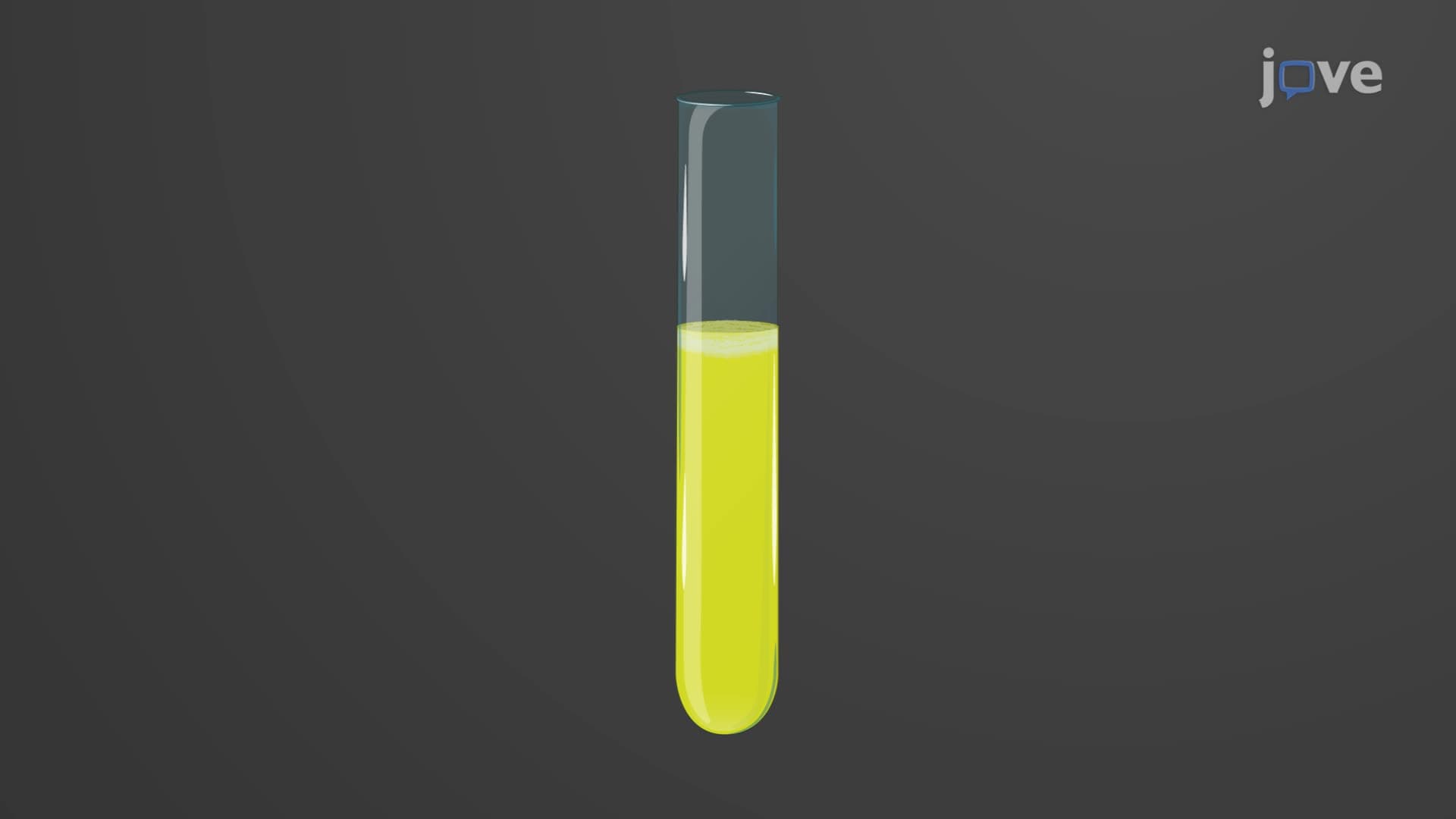

00:00
01:18
Video Summary: Urine Physical and Chemical Properties Explained
Did you know that your kidneys filter about 180 liters of blood daily, yet you only produce 1-2 liters of urine? Understanding urine physical chemical properties reveals how efficiently your body eliminates waste while conserving essential nutrients. When medical students at Johns Hopkins analyze urinalysis results, they examine everything from color and odor to microscopic components that indicate kidney function. These urine physical and chemical properties explained form the foundation of clinical diagnostics and kidney physiology. Watch the full video on JoVE Coach to master this concept with expert-led visuals and step-by-step explanations.
- Understand the complete urine physical and chemical properties explained, including the 95% water composition and 5% solute breakdown
- Identify major nitrogenous waste components like urea, uric acid, and creatinine and their metabolic origins
- Analyze normal electrolyte concentrations including sodium, potassium, calcium, and phosphate ions in healthy urine
- Compare abnormal urine characteristics that indicate pathological conditions such as proteinuria or hematuria
- Evaluate factors affecting urine color, odor, and clarity including urobilin pigmentation and bacterial decomposition
- Apply knowledge of normal urine pH ranges and specific gravity measurements in clinical settings
- Recognize how medications, diet, and disease states alter standard urine properties
- Explore the relationship between urine concentration mechanisms and kidney function assessment
Understanding Urine Physical and Chemical Properties
The analysis of urine provides invaluable insights into human physiology and disease states. Medical professionals rely on understanding these characteristics to diagnose conditions ranging from diabetes to kidney disease. In AP Biology courses and college anatomy classes, students learn that urine analysis represents one of the oldest diagnostic tools in medicine, dating back to ancient civilizations.
Chemical Composition and Solute Concentration
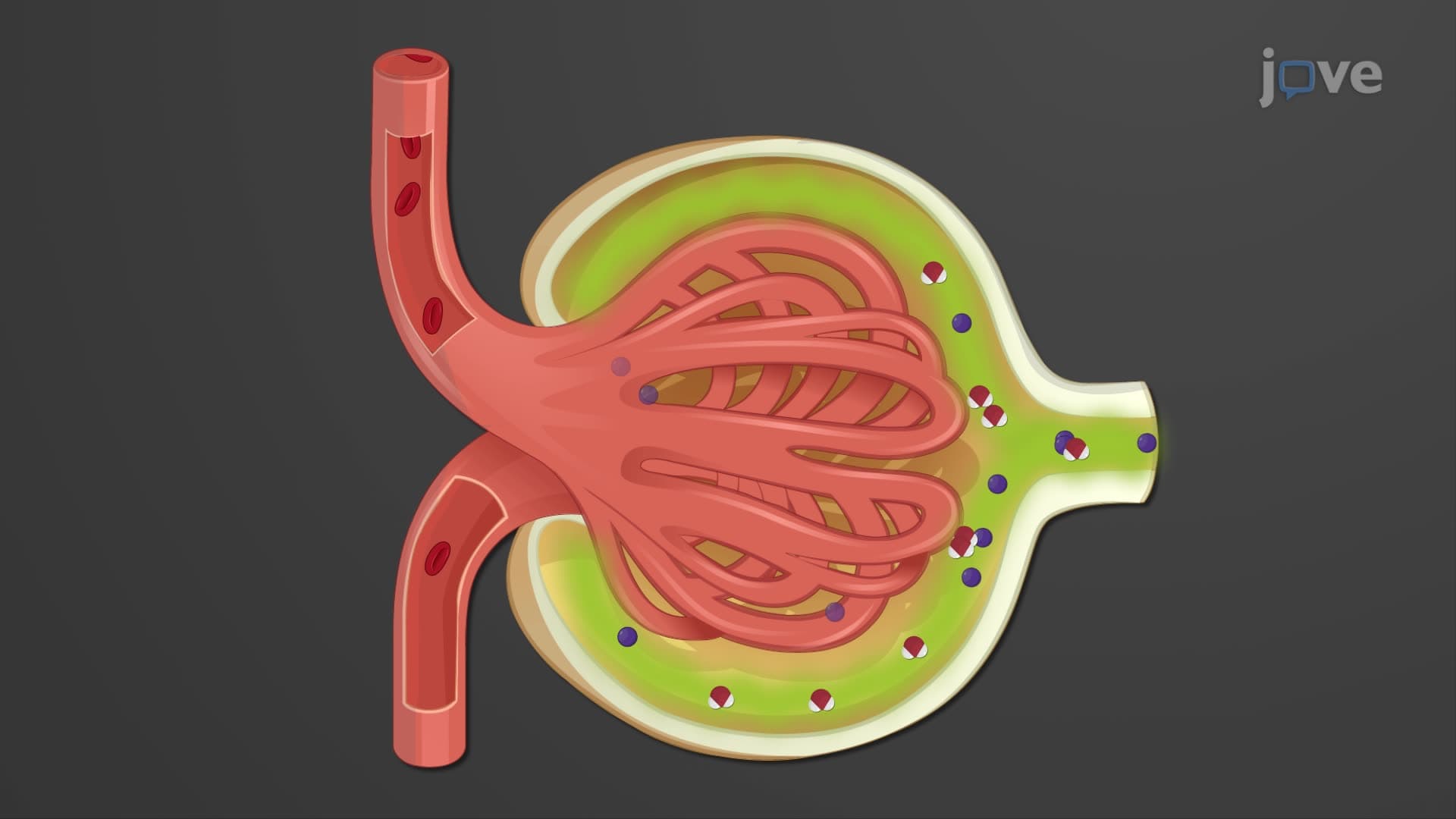
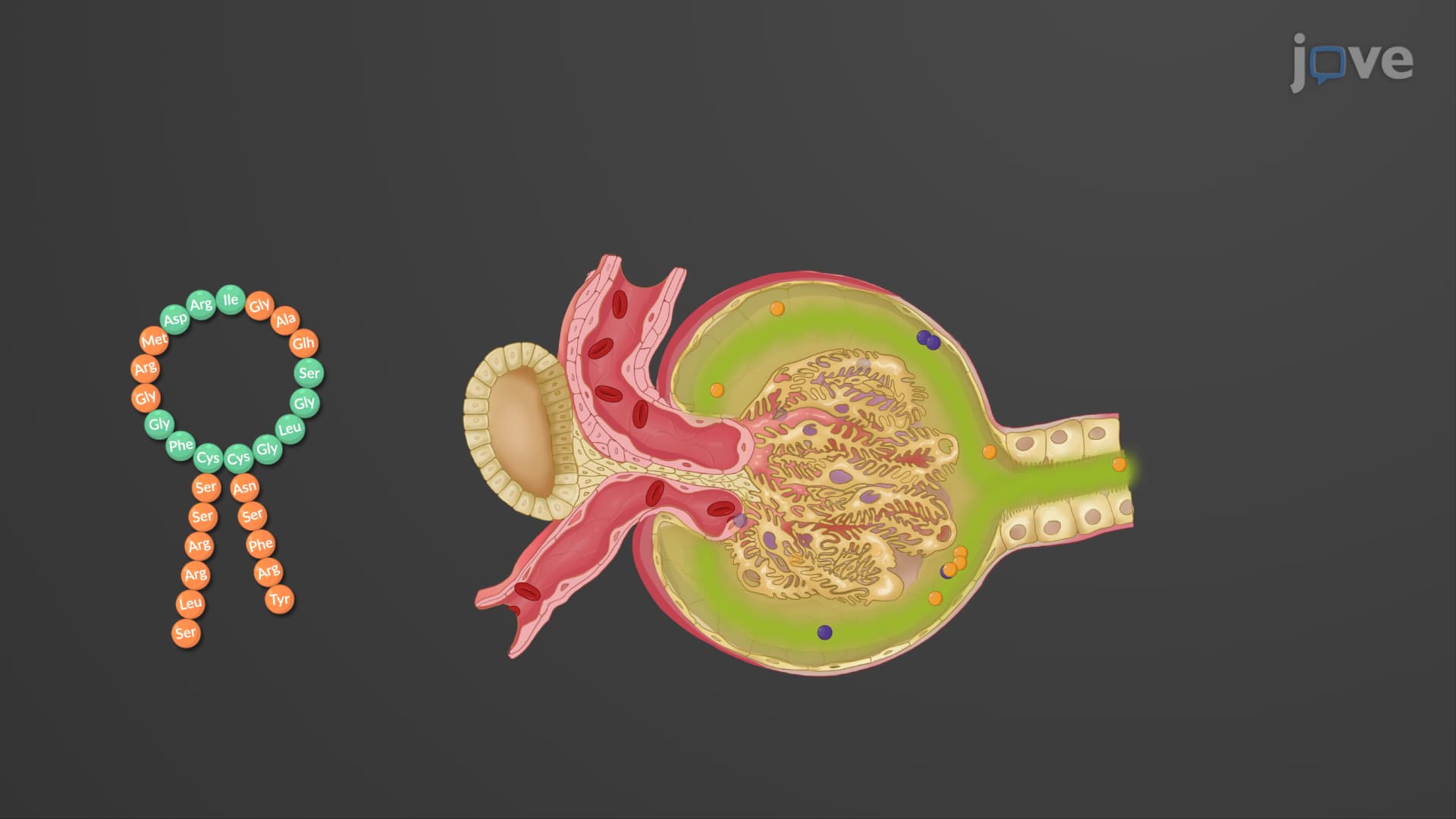
Water dominates urine composition at approximately 95%, while the remaining 5% contains crucial metabolic byproducts. Urea represents the primary nitrogenous waste, accounting for roughly 2% of total urine volume. This compound results from amino acid deamination in the liver, making it a direct indicator of protein metabolism. Healthcare professionals at institutions like the Mayo Clinic routinely measure blood urea nitrogen (BUN) levels to assess kidney function.
Creatinine serves as another essential marker, derived from creatine phosphate breakdown in skeletal muscle. Unlike urea, creatinine production remains relatively constant, making it an excellent indicator of glomerular filtration rate. Medical schools teach students that normal creatinine clearance ranges from 90-120 mL/min in healthy adults.
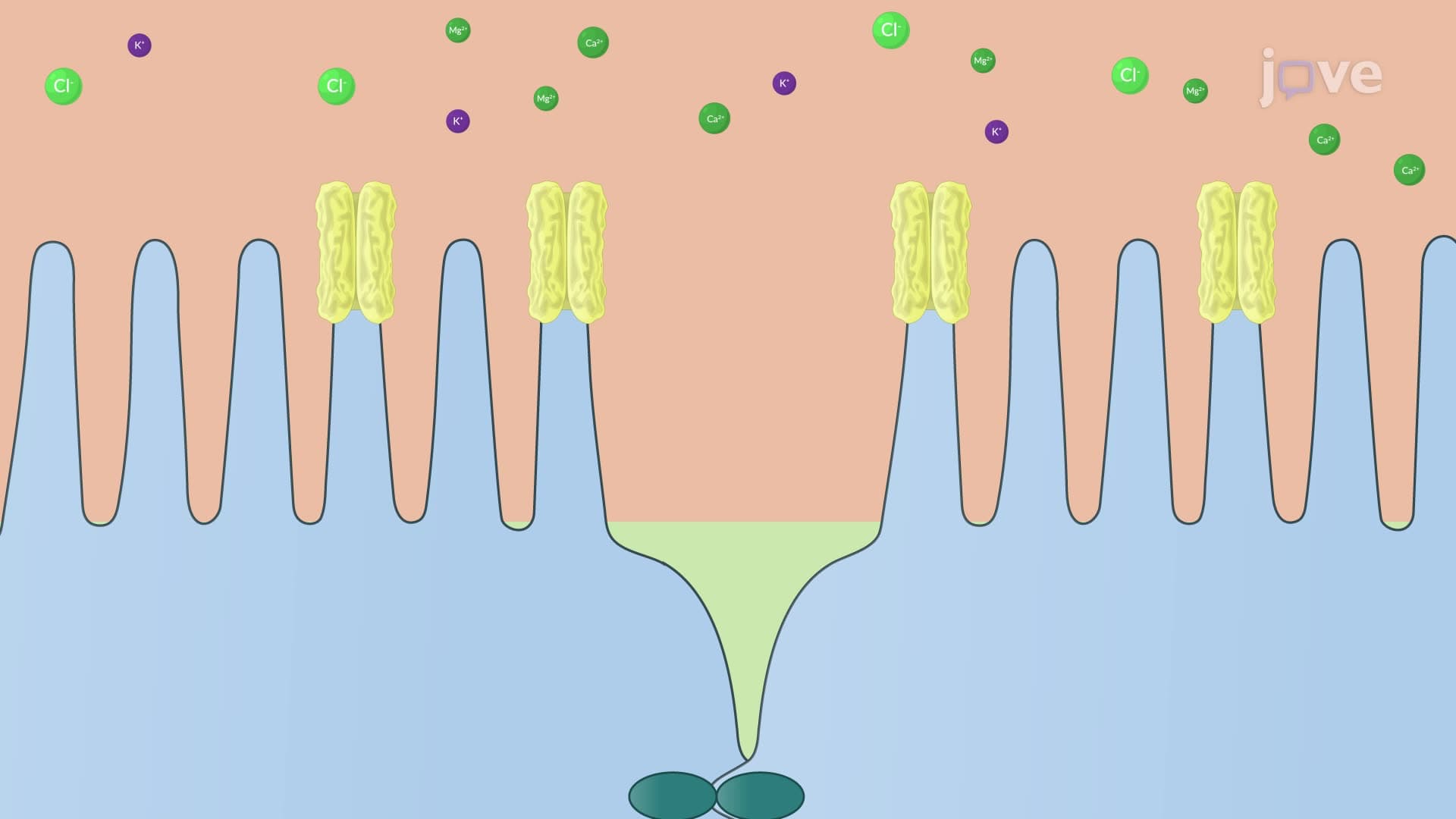
The ionic composition includes essential electrolytes that reflect the body's mineral balance. Sodium and potassium concentrations directly correlate with dietary intake and hormonal regulation, particularly aldosterone activity. College biochemistry courses emphasize how these electrolyte patterns help diagnose conditions like Addison's disease or hyperaldosteronism.
Physical Characteristics and Clinical Significance
Normal urine exhibits specific physical properties that change predictably with health status. The characteristic yellow color results from urobilin, a hemoglobin breakdown product processed through the liver and intestinal bacteria. Students preparing for the MCAT learn that color variations from pale yellow to amber typically indicate hydration levels, while abnormal colors may suggest pathological conditions.
Specific gravity normally ranges from 1.003 to 1.030, reflecting the kidney's concentrating ability. Nursing students taking the NCLEX-RN examination must understand that consistently low specific gravity may indicate diabetes insipidus, while elevated readings could suggest dehydration or diabetes mellitus.
The normal pH range of 4.6 to 8.0 demonstrates the kidney's role in acid-base balance. This slightly acidic to neutral range helps prevent bacterial growth and stone formation. Students in pre-med programs learn that persistent alkaline urine may predispose patients to certain types of kidney stones.
Frequently Asked Questions
Medical professionals examine color, odor, clarity, specific gravity, pH, and chemical components like protein, glucose, ketones, and cellular elements. These properties provide comprehensive information about kidney function, hydration status, and potential disease states. Normal ranges serve as benchmarks for detecting abnormalities that require further investigation.
The MCAT frequently tests urinalysis interpretation, kidney physiology, and acid-base balance through urine pH questions. AP Biology exams focus on excretory system functions and homeostasis maintenance. Students should understand the relationship between urine concentration and ADH regulation, plus how various diseases affect normal urine characteristics.
USMLE Step 1 covers glomerular filtration rate calculations, clearance concepts, and pathological urinalysis findings. Students must interpret laboratory values, understand diuretic mechanisms, and recognize signs of acute kidney injury. Practice questions often present urinalysis results requiring diagnosis of conditions like nephrotic syndrome or UTIs.
US hospitals perform millions of urinalysis tests annually as part of routine health screenings, emergency department evaluations, and surgical preparations. Emergency rooms at facilities like Cleveland Clinic use dipstick tests for rapid assessment of kidney function, infection, and metabolic disorders. These tests help guide treatment decisions within minutes of patient arrival.
Understanding urine properties requires basic knowledge of body systems and chemical concepts, but most high school students can master these principles with proper preparation. The key involves connecting abstract chemical processes to familiar bodily functions. Visual aids and clinical examples help students relate complex filtration mechanisms to everyday health experiences.
Create comparison charts showing normal versus abnormal values, use mnemonics for remembering pH ranges and specific gravity limits, and practice interpreting sample urinalysis reports. Flashcards work well for electrolyte concentrations, while concept maps help visualize relationships between kidney function and urine properties. Regular practice with clinical scenarios reinforces learning.
Students should investigate renal pathophysiology, including glomerulonephritis, nephrotic syndrome, and chronic kidney disease progression. Advanced topics include clearance calculations, fractional excretion formulas, and specialized tests like urine electrophoresis. Understanding pharmacokinetics and how drugs affect urine composition prepares students for clinical medicine careers.
Related Micro-courses

20 Concepts

37 Concepts

14 Concepts