Loading subject page…

- Anatomy and Physiology
- The Urinary System
- Renal Clearance
Micro-course: The Urinary System
78,053 views
Learn key concepts and earn your certificate.

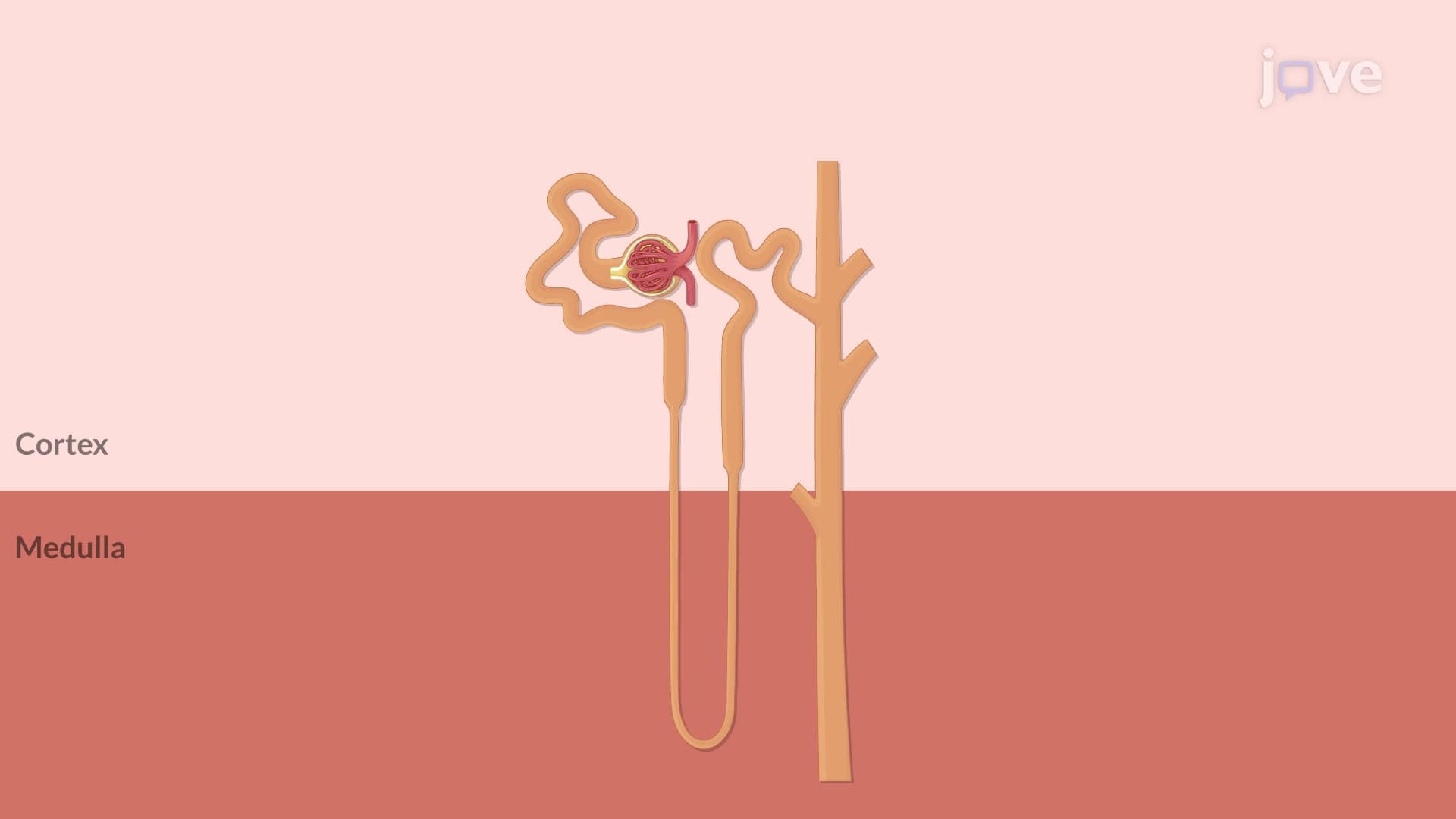
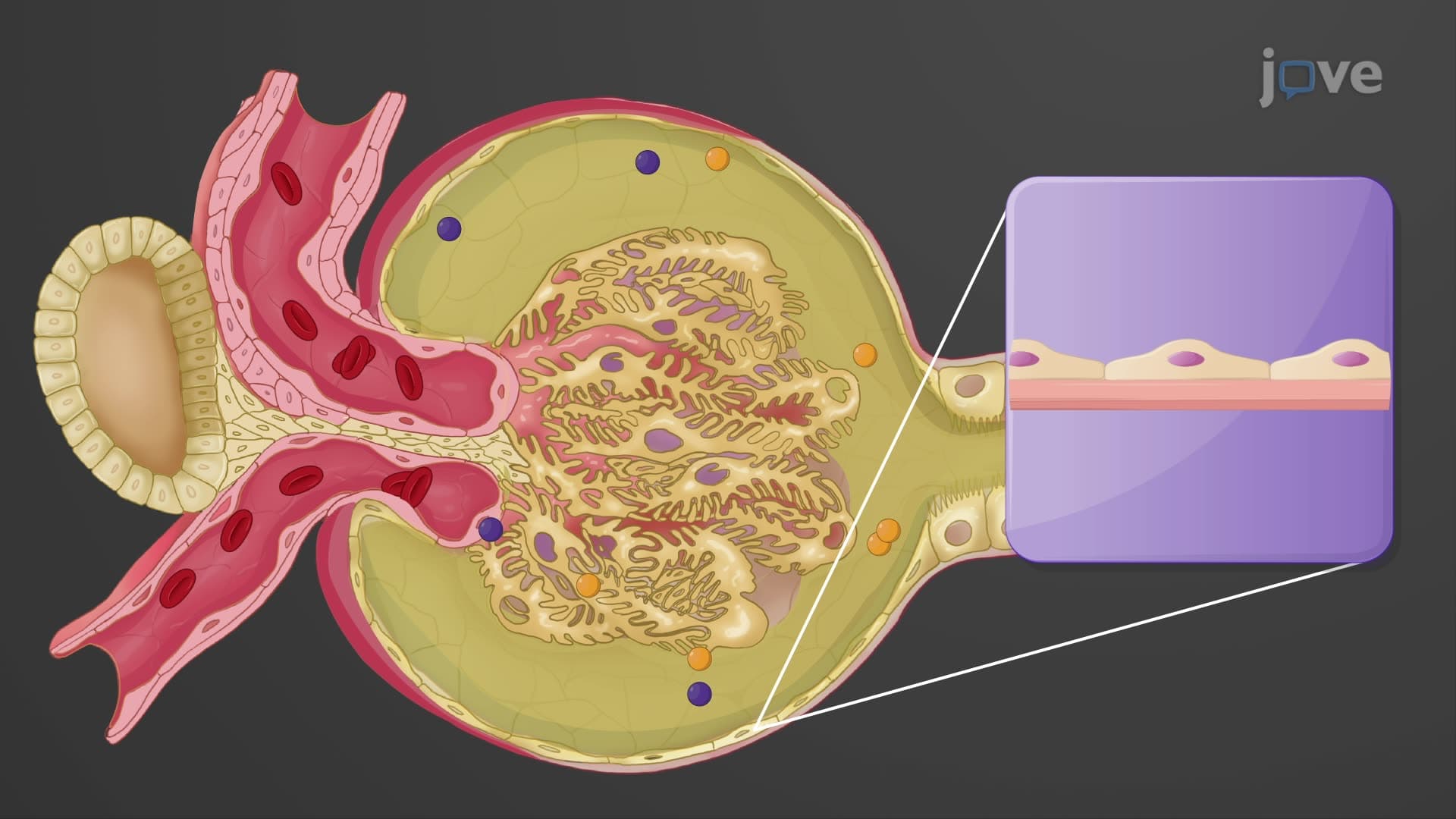

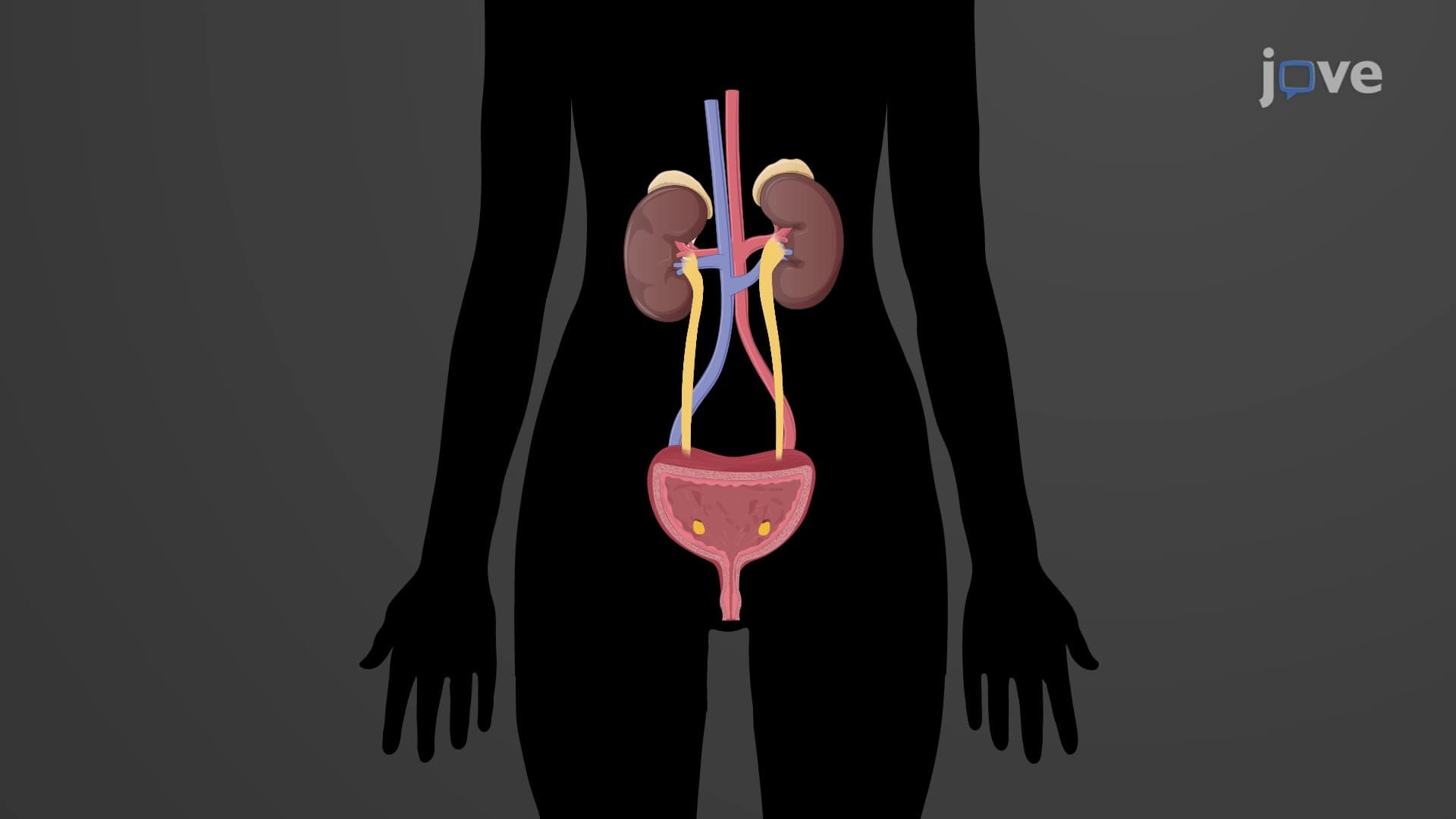
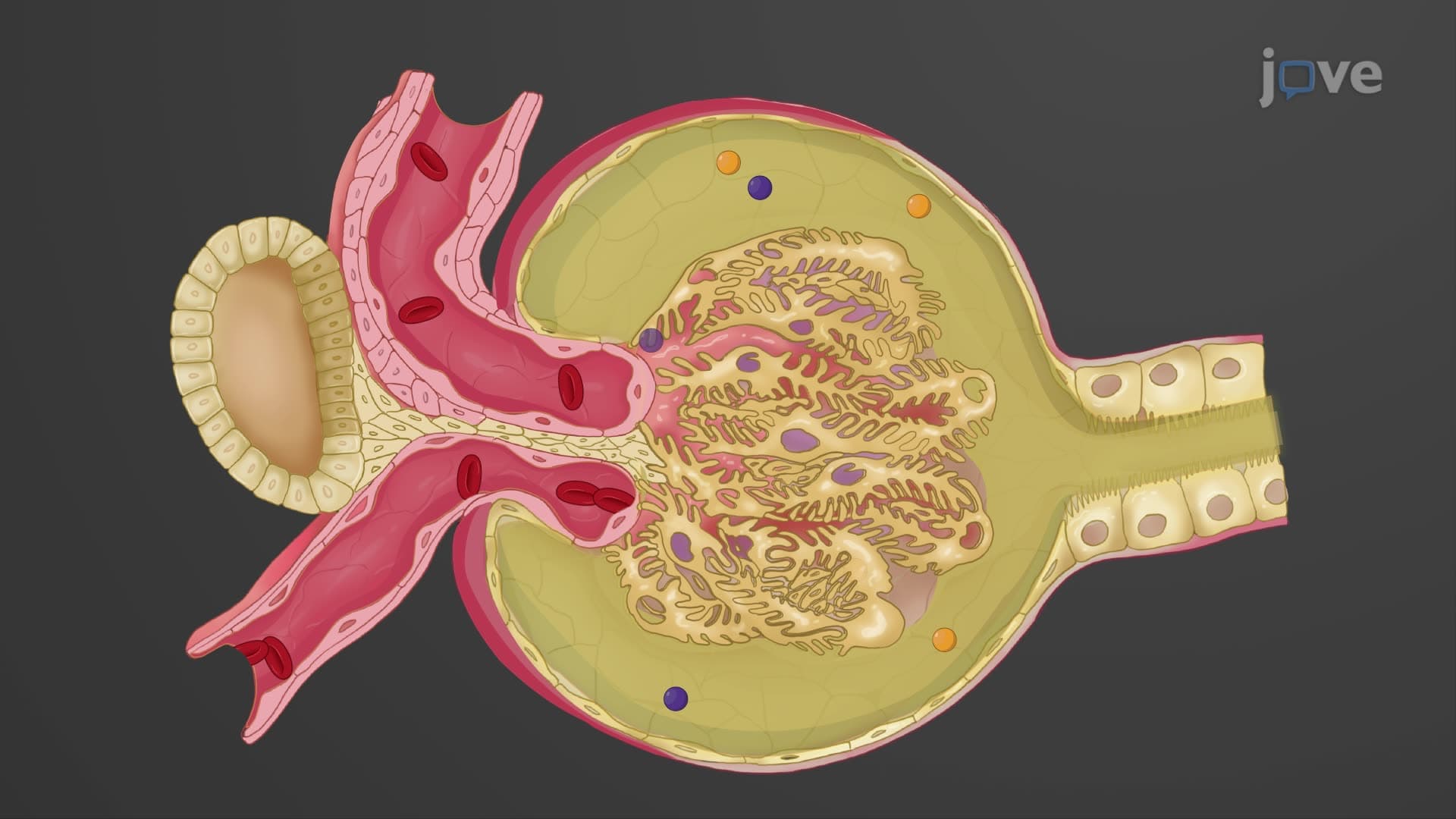
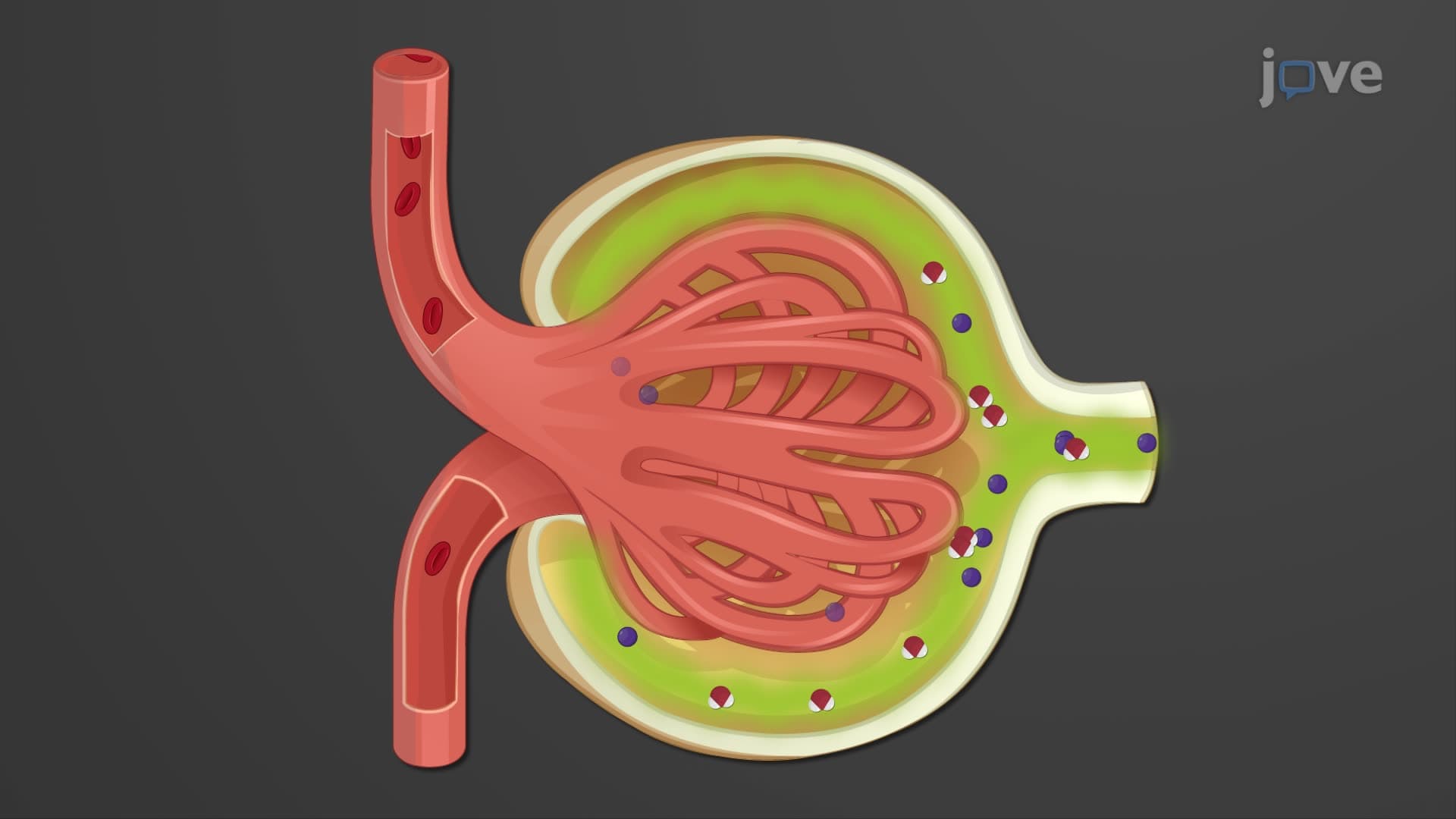
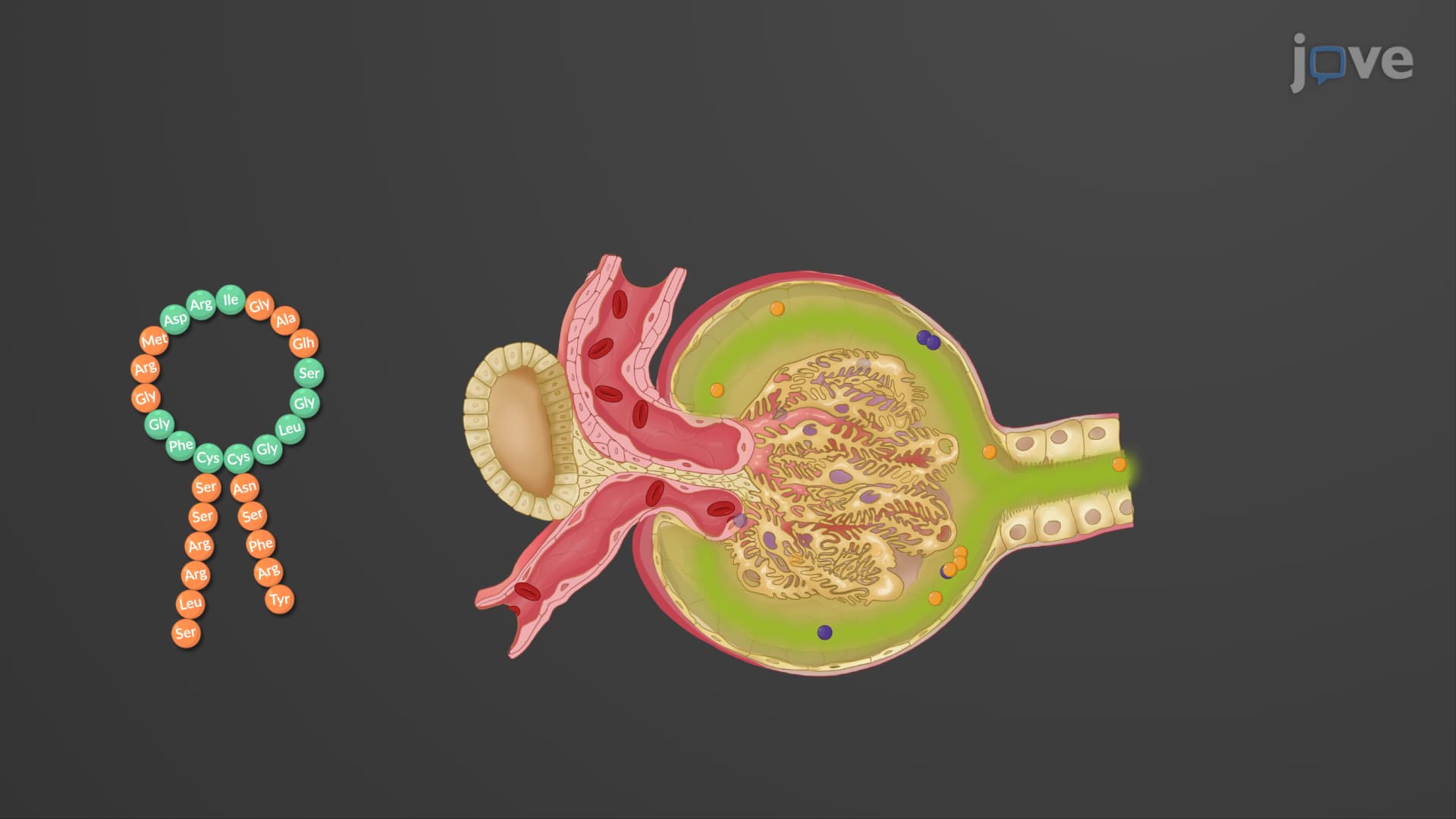
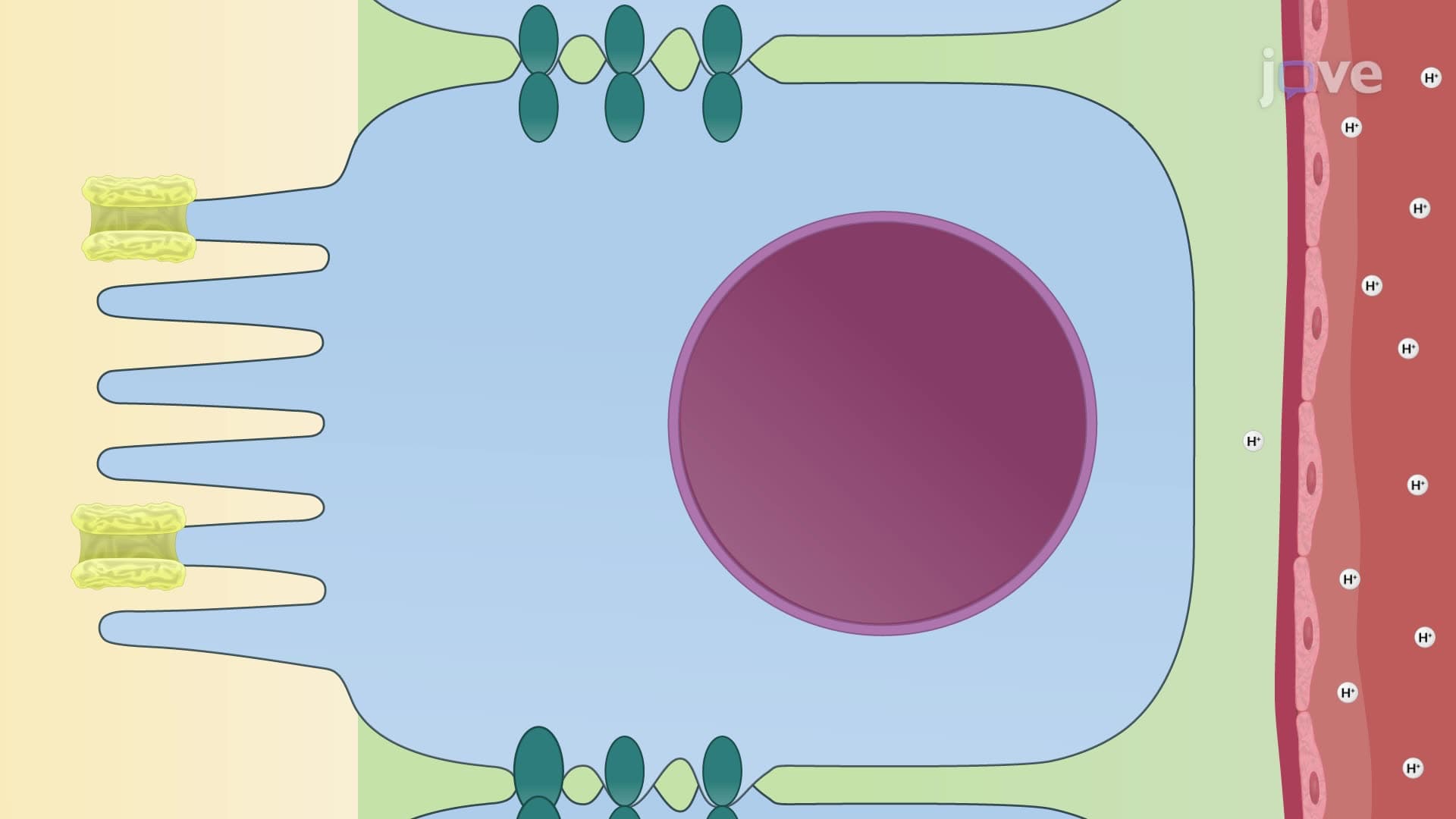
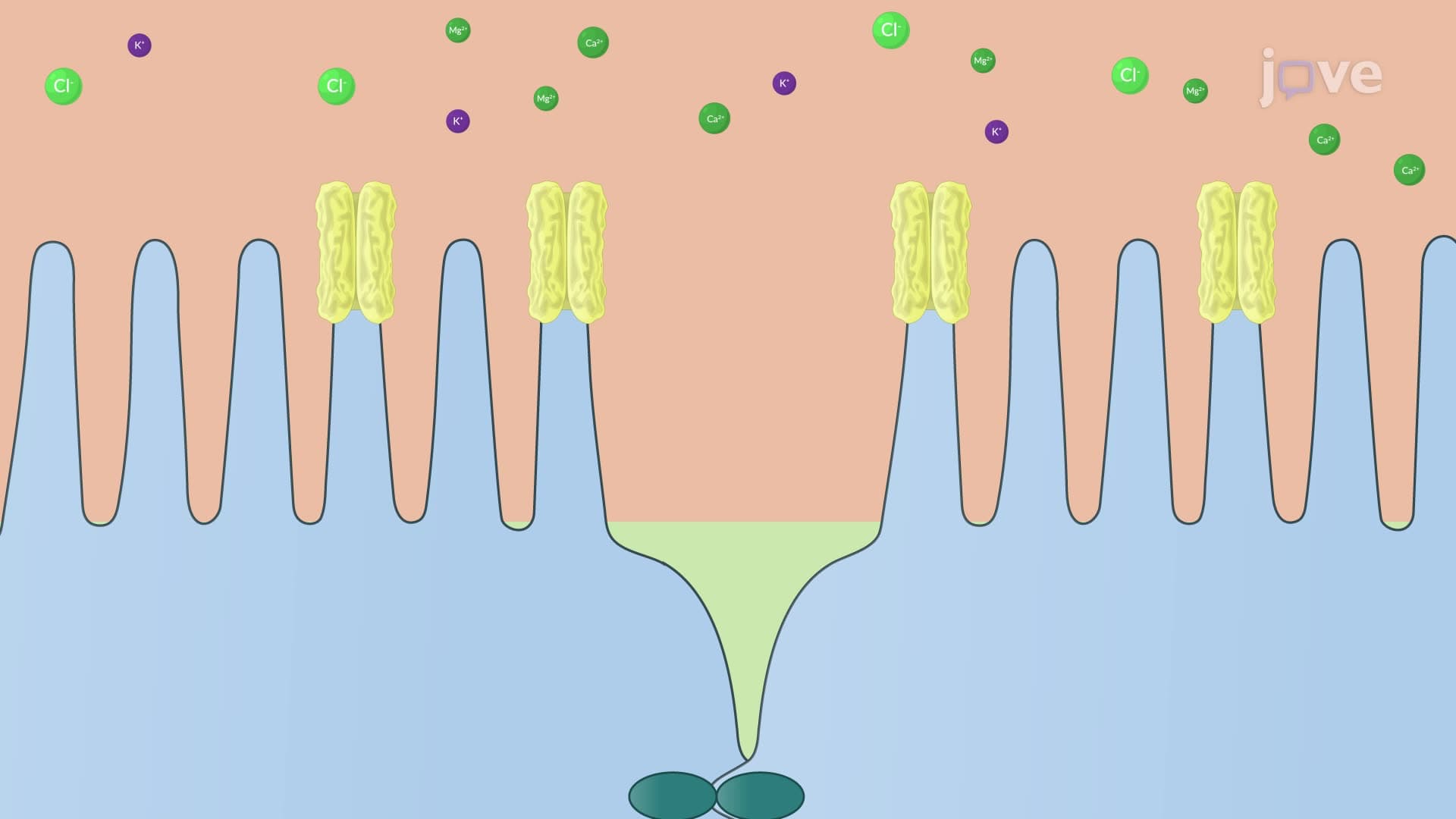
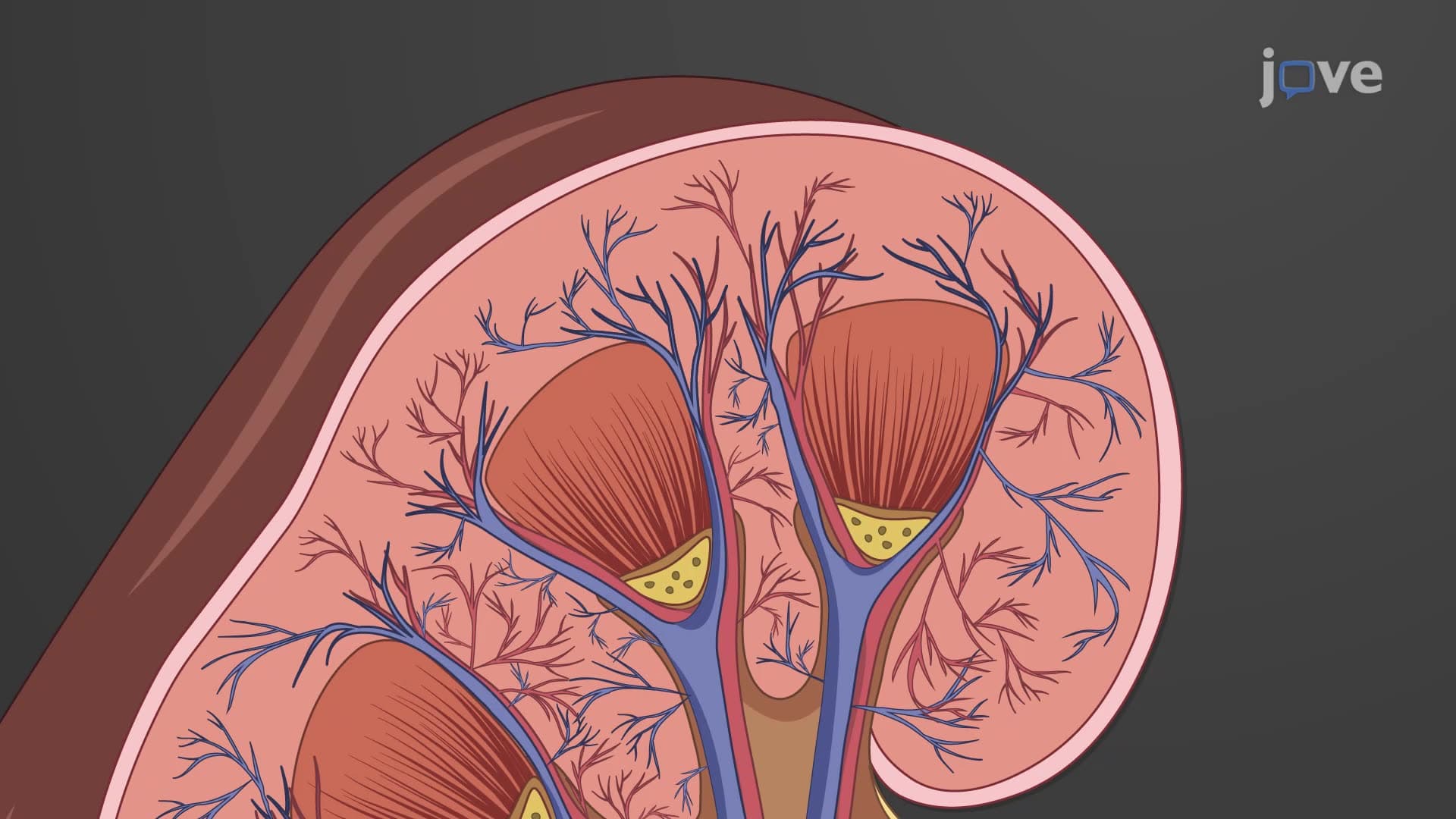
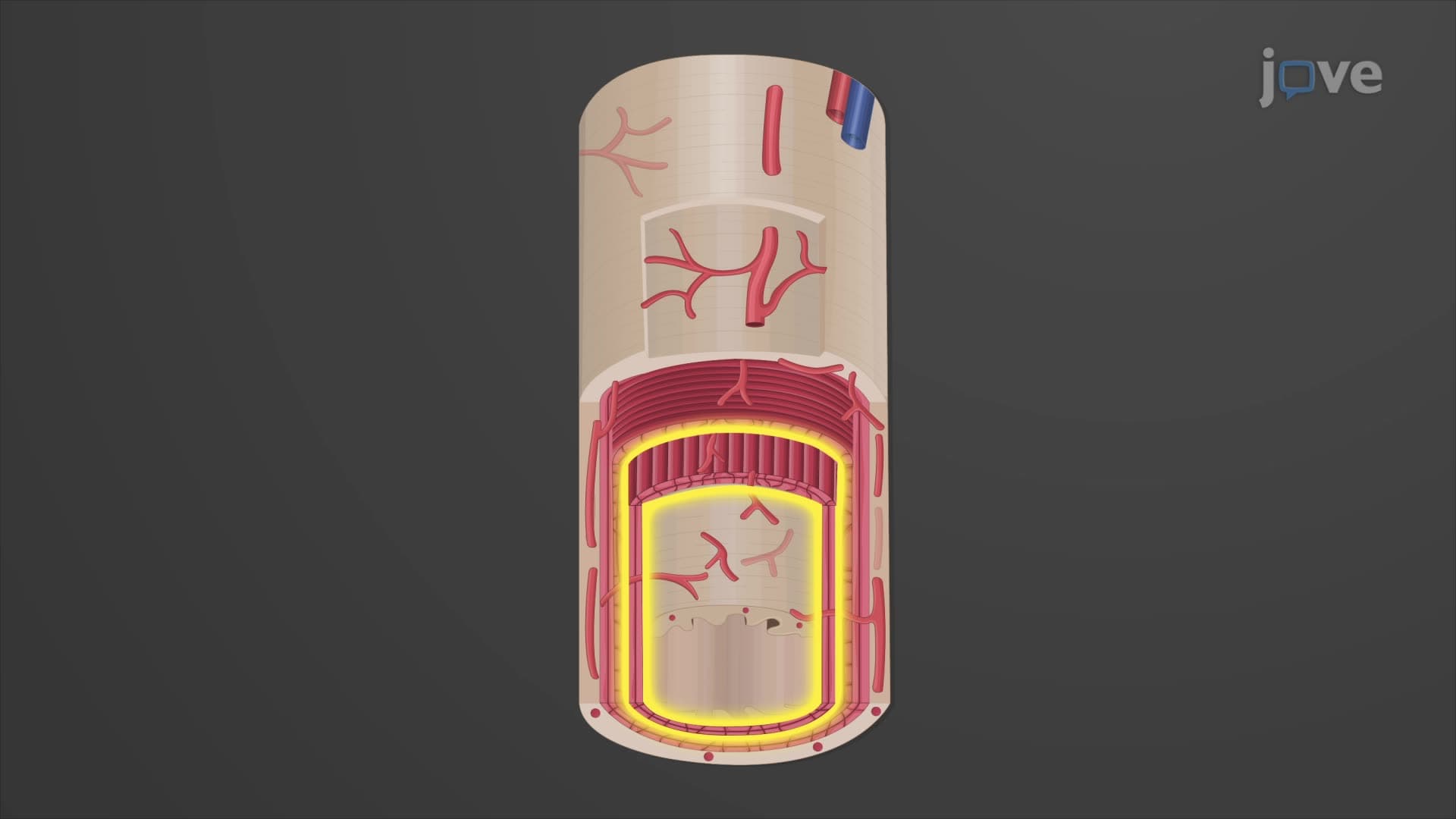
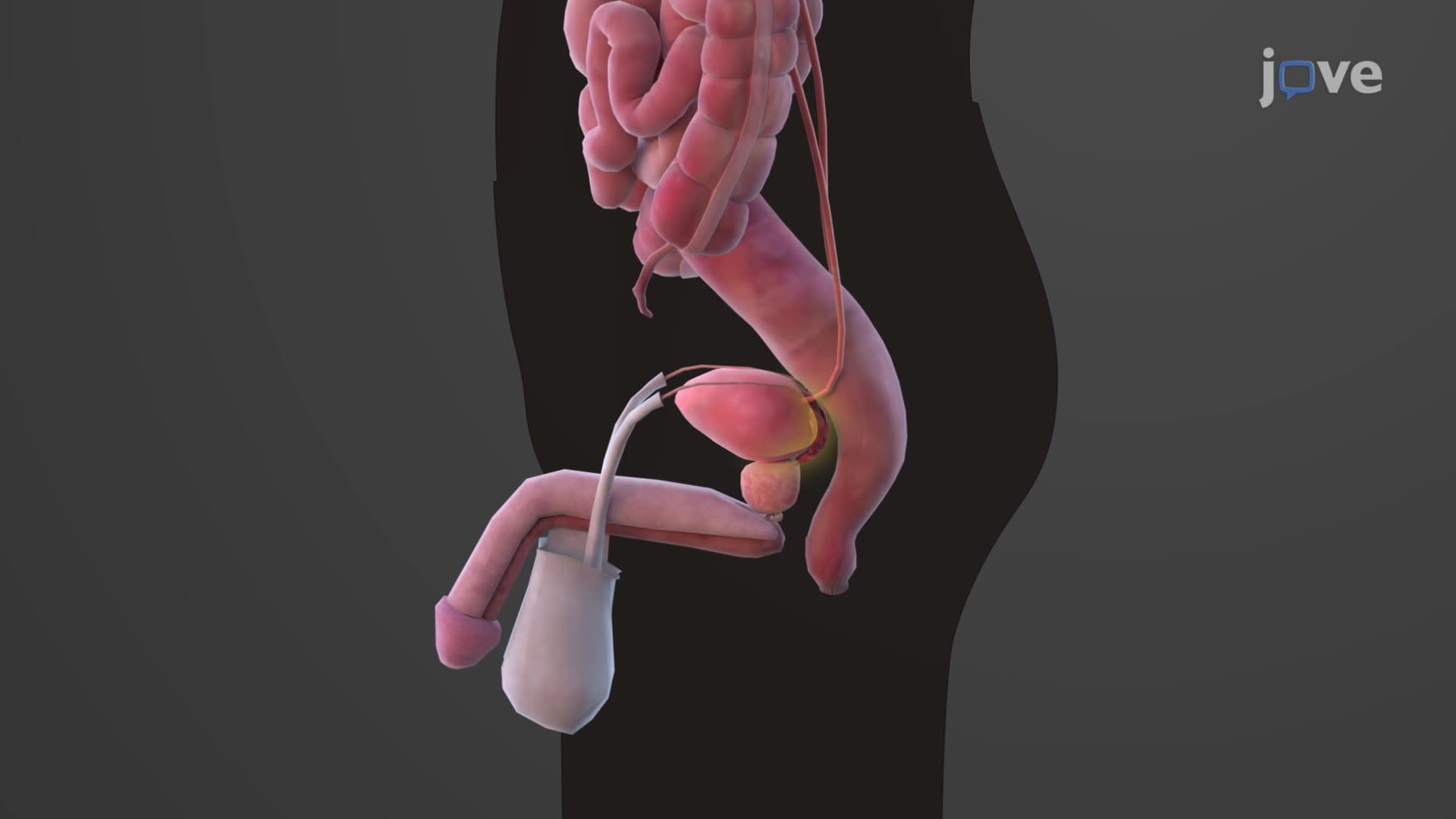


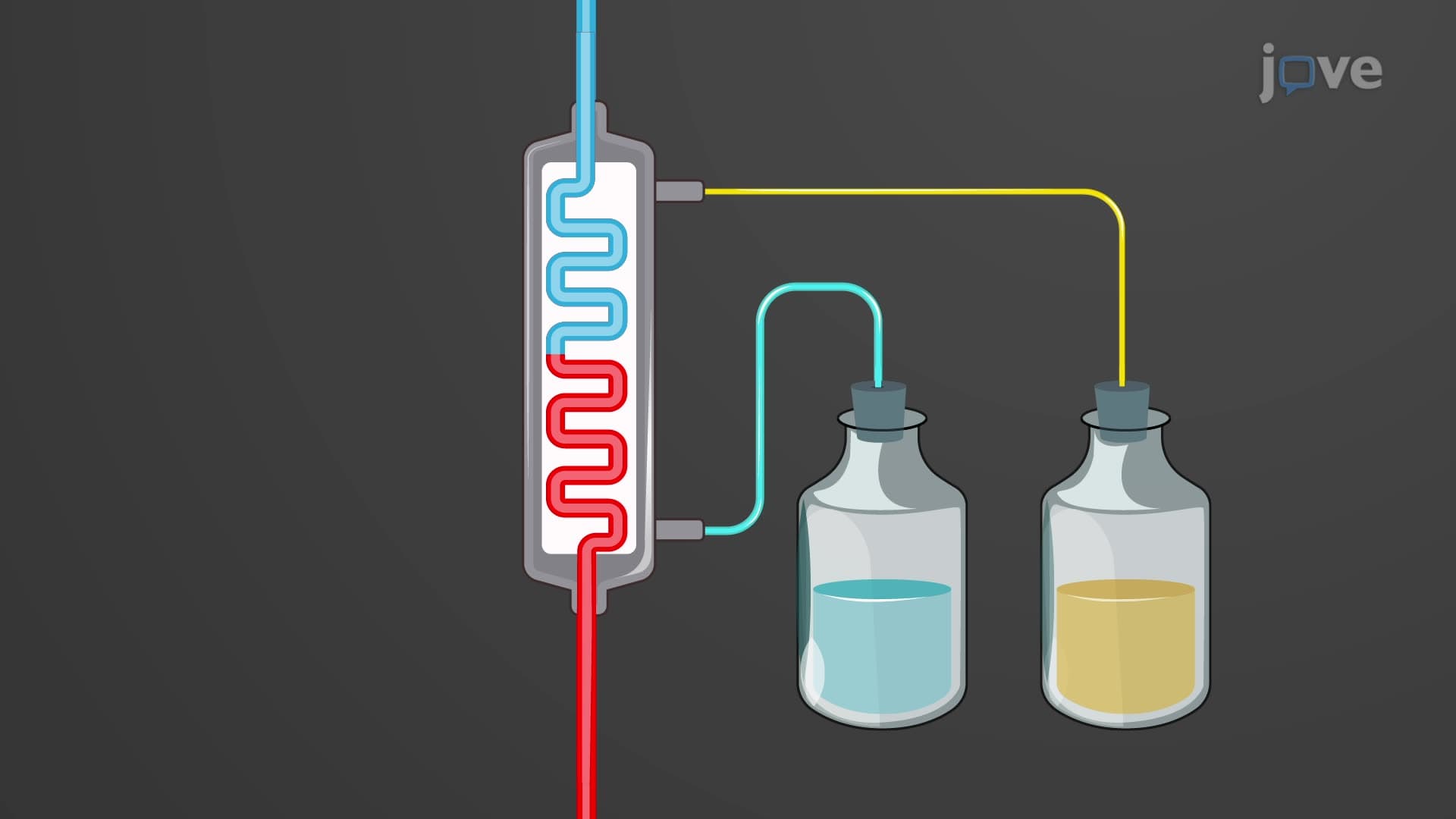
Renal Clearance


00:00
01:23
Video Summary: What Is Renal Clearance
Ever wonder how doctors determine if your kidneys are working properly after just a simple blood and urine test? Renal clearance biology explained reveals how medical professionals at hospitals like Johns Hopkins measure the kidney's filtering efficiency by calculating how much blood plasma gets cleared of specific substances per minute. What is renal clearance becomes clearer when you understand it's essentially measuring your kidney's "cleaning power", similar to how we might measure a water filter's effectiveness. Watch the full video on JoVE Coach to master this concept with expert-led visuals and step-by-step explanations.
- Understand what is renal clearance and its fundamental role in assessing kidney function through plasma filtration measurements
- Identify the mathematical relationship between urine concentration, urine flow rate, and plasma concentration in clearance calculations
- Analyze how different substances like glucose, creatinine, and inulin demonstrate varying clearance patterns based on renal handling
- Compare renal clearance values to glomerular filtration rate (GFR) and explain when they are equivalent versus different
- Evaluate clinical applications of clearance testing in diagnosing kidney disease and monitoring renal function
- Apply clearance concepts to predict whether substances undergo filtration, reabsorption, or secretion in the nephron
- Recognize the significance of 24-hour urine collection protocols in obtaining accurate clearance measurements
- Explore real-world examples of how clearance testing guides treatment decisions in nephrology practice
Understanding Renal Clearance Fundamentals
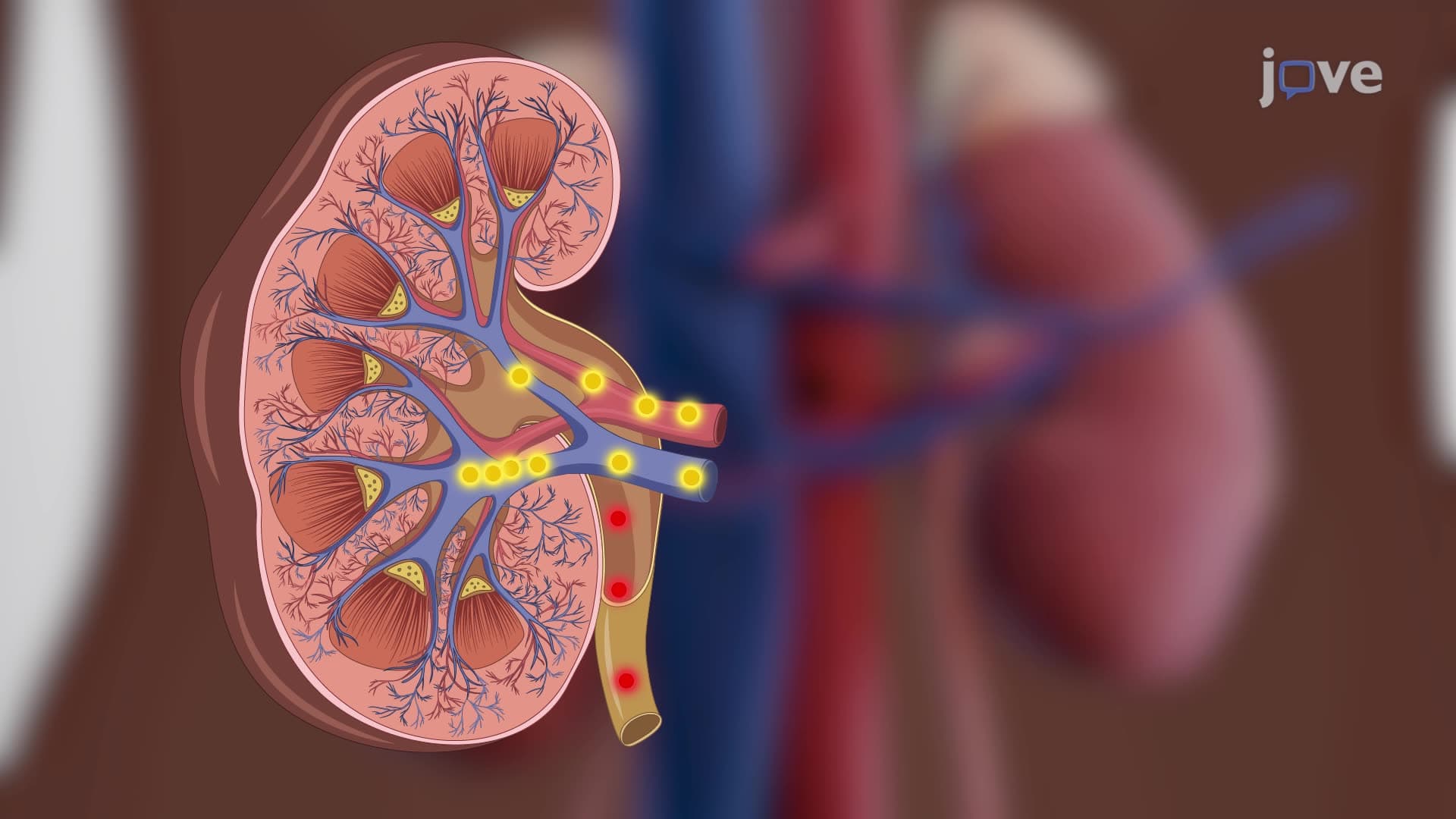
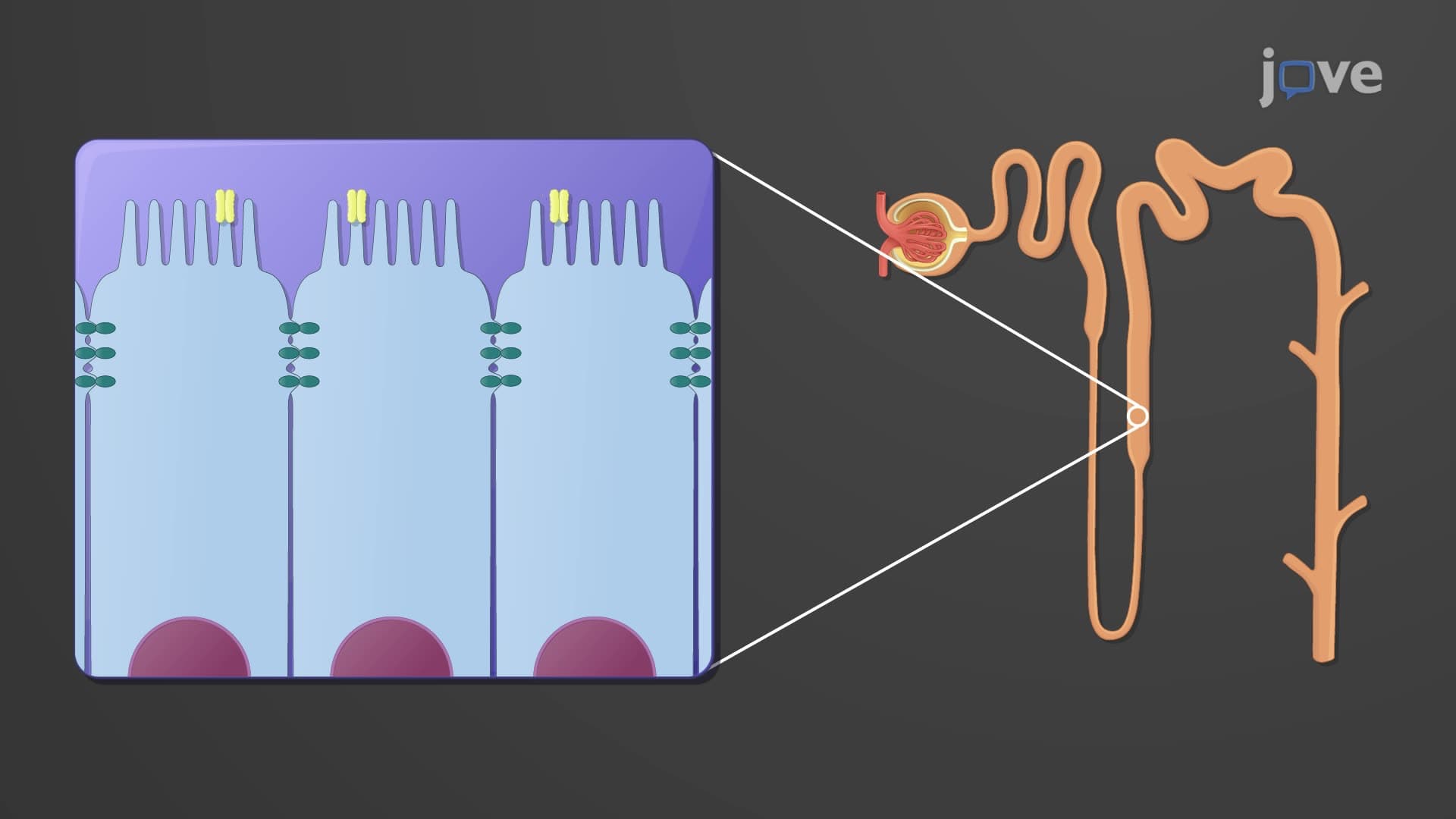
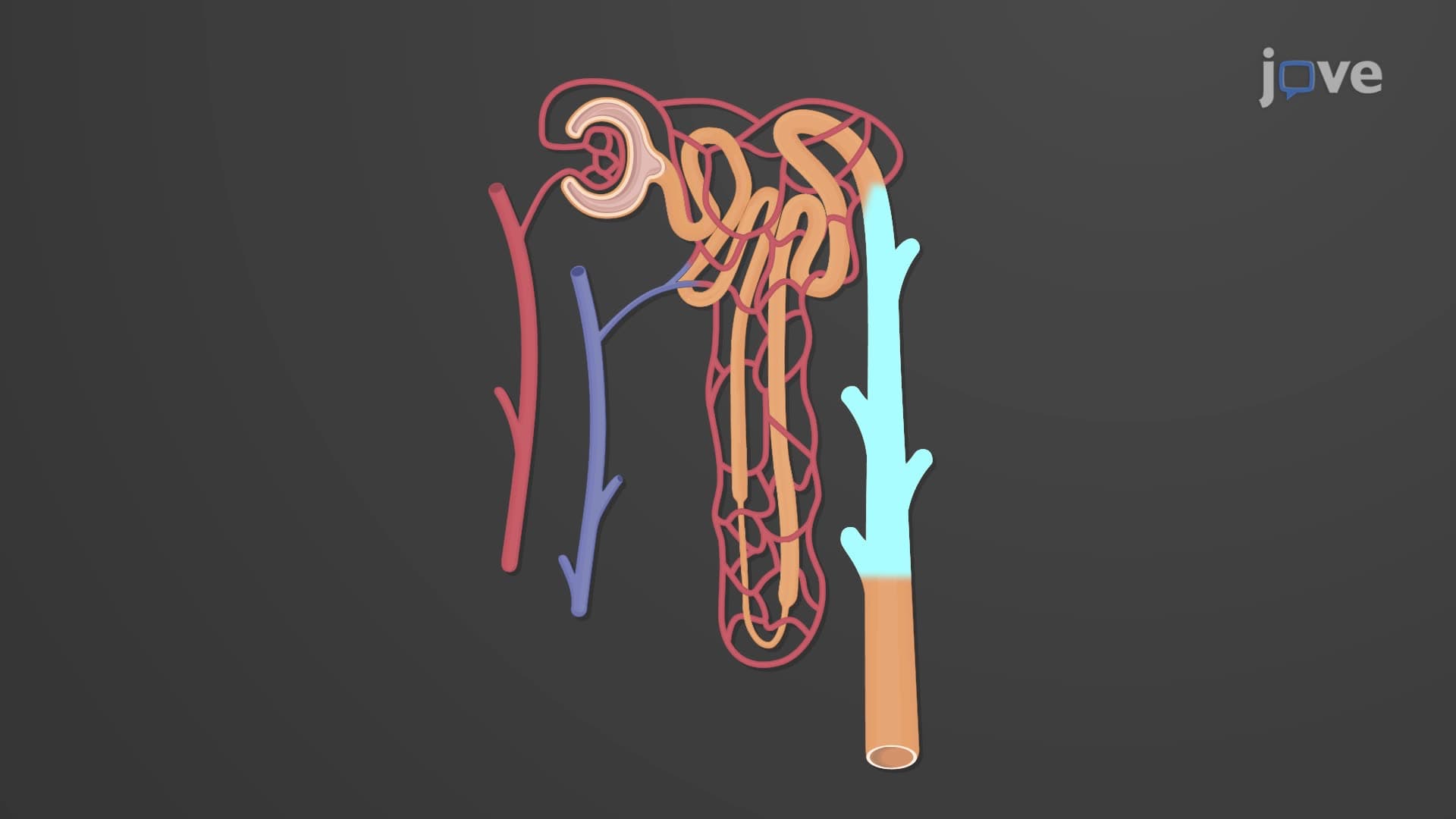
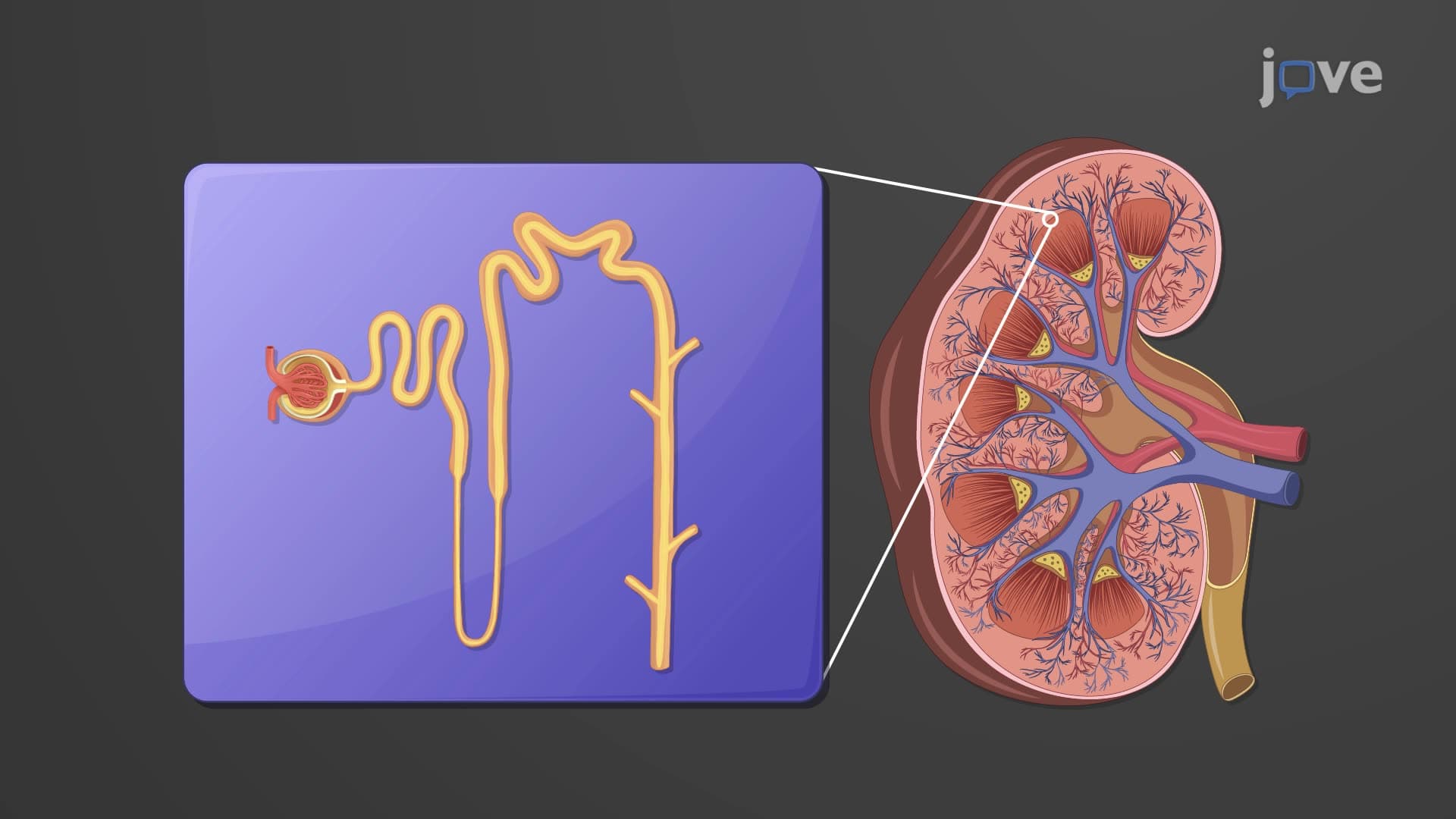
What is renal clearance forms the cornerstone of nephrology and renal physiology education. This kidney clearance explained physiology concept represents the volume of blood plasma completely cleared of a specific substance by the kidneys per unit time, typically expressed in milliliters per minute (mL/min). Think of it as measuring the kidney's efficiency as a biological filter, similar to rating how effectively a water purification system removes contaminants.
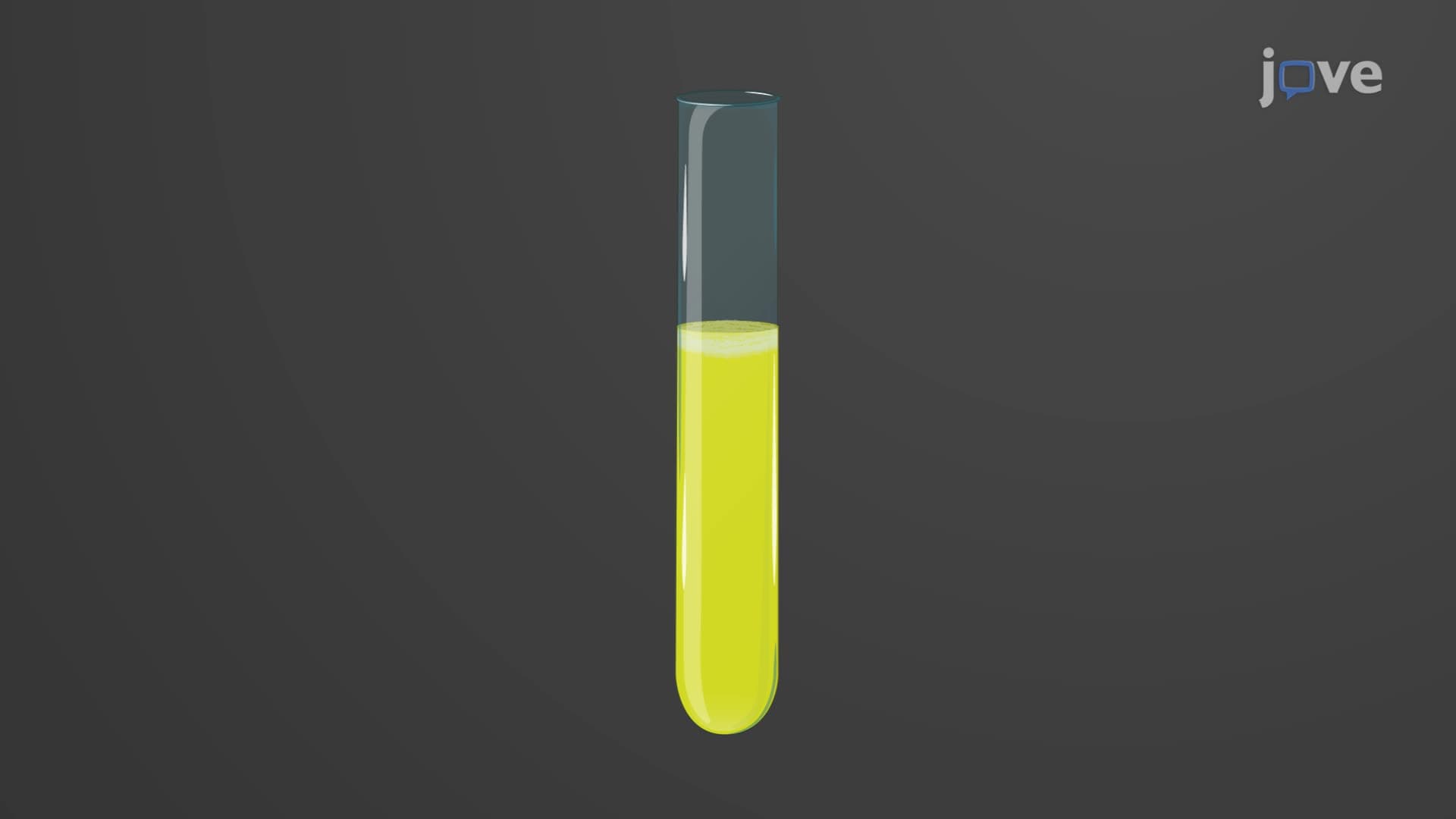
The clearance formula kidney professionals use is elegantly simple: Clearance = (Urine concentration × Urine flow rate) ÷ Plasma concentration. This formula appears frequently on MCAT practice exams and AP Biology tests, making it essential for pre-med students to master.
Clinical Applications and Substance-Specific Clearance
Different substances demonstrate unique clearance patterns that reveal important physiological processes. Inulin creatinine clearance represents the gold standard for measuring kidney function because inulin is neither reabsorbed nor secreted by the tubules, it's purely filtered. This makes GFR renal clearance measurements using inulin incredibly accurate for research purposes.
However, in clinical practice at medical centers like Mayo Clinic or Cleveland Clinic, creatinine clearance is more commonly used due to its convenience. Creatinine, a muscle metabolism byproduct, approximates GFR reasonably well, though it slightly overestimates true filtration due to minimal tubular secretion.
Glucose clearance provides an excellent example of substance clearance renal variation. In healthy individuals, glucose clearance equals zero because the kidney completely reabsorbs filtered glucose through sodium-glucose transporters. When blood glucose exceeds approximately 180 mg/dL (the renal threshold), glucose appears in urine, and clearance becomes measurable, a key diagnostic finding in diabetes mellitus.
Renal Clearance in Medical Education and Practice
Renal clearance clinical use extends far beyond academic learning. Nephrologists routinely order clearance studies to diagnose chronic kidney disease, monitor transplant function, and adjust medication dosing. The concept appears prominently in USMLE Step 1 questions, often testing students' ability to interpret clearance ratios and predict renal handling mechanisms.
For college students taking physiology courses, understanding that clearance values above GFR indicate net tubular secretion (like para-aminohippuric acid), while values below GFR suggest net reabsorption (like glucose or sodium), provides crucial insight into nephron function. This knowledge proves invaluable for future healthcare professionals preparing for NCLEX-RN, HESI A2, or TEAS examinations.
Integration with Broader Renal Physiology
What is renal clearance in renal physiology becomes most meaningful when integrated with concepts like filtration fraction, tubular transport maximum, and autoregulation. Students preparing for advanced placement exams should recognize how clearance measurements help differentiate between prerenal, intrarenal, and postrenal causes of kidney dysfunction, knowledge that translates directly to clinical problem-solving in medical practice.
Frequently Asked Questions
Renal clearance measures the volume of blood plasma completely cleared of a specific substance by the kidneys per minute, serving as a crucial indicator of kidney filtering efficiency. It helps doctors diagnose kidney disease, monitor treatment effectiveness, and determine proper medication dosing. This concept is fundamental to understanding how kidneys maintain body homeostasis by selectively removing waste while preserving essential nutrients.
MCAT questions frequently test clearance calculations, interpretation of clearance ratios compared to GFR, and prediction of renal handling mechanisms. AP Biology exams may include clearance in homeostasis or excretory system contexts, often requiring students to analyze data tables or explain why different substances have varying clearance values. Practice problems typically involve creatinine, inulin, or glucose clearance scenarios.
Creatinine clearance closely approximates GFR and appears in numerous USMLE Step 1, NCLEX, and college midterm questions because it's clinically relevant and mathematically straightforward. Students can easily memorize that normal creatinine clearance is approximately 120-130 mL/min for healthy adults. It's also convenient for exam scenarios since creatinine is endogenously produced and requires no infusion like inulin.
Major medical centers use clearance studies to diagnose chronic kidney disease, evaluate potential kidney donors, monitor transplant recipients, and adjust drug dosing for medications cleared by the kidneys. Nephrologists at institutions like Mayo Clinic routinely order 24-hour urine collections with simultaneous blood draws to calculate precise clearance values. This data guides treatment decisions and helps predict progression of kidney disease.
Renal clearance is definitely approachable for motivated high school students, especially those in AP Biology or considering pre-med tracks. The mathematical concept is simply a ratio calculation that most students handle easily after learning basic algebra. The physiological principles build naturally on foundational concepts like diffusion and filtration that students already understand from general biology coursework.
Create memory aids linking the clearance formula to familiar concepts, think "U.V. over P" (Urine concentration × Volume flow rate ÷ Plasma concentration). Remember key reference values: normal creatinine clearance ~120 mL/min, glucose clearance = 0 in healthy people, inulin clearance = true GFR. Practice with sample calculations daily and connect each substance to its unique renal handling mechanism.
Glucose and inulin demonstrate opposite extremes of renal handling, making them excellent teaching examples. Glucose is completely reabsorbed by healthy kidneys through active transport, resulting in zero clearance under normal conditions. Inulin is neither reabsorbed nor secreted, it's purely filtered, so its clearance equals true GFR. This contrast illustrates how kidneys selectively process different substances based on physiological needs.
Students should progress to studying filtration fraction, renal blood flow calculations, and tubular transport mechanisms including Tm values and titration curves. Advanced topics include clearance of para-aminohippuric acid (measuring renal plasma flow), autoregulation of GFR, and pathophysiology of acute kidney injury. These concepts frequently appear together on comprehensive physiology exams and medical licensing tests.
Related Micro-courses

20 Concepts

37 Concepts

14 Concepts